

Image of 1929 Graham-Paige Model 621, Note: These illustrations use artistic license and may differ from actual historical models.
Performance Metrics
Fundamental Metrics
Emotional Appeal
MMP Rating
| Engine Specifications | |
|---|---|
| Engine: | Straight-6 |
| Displacement: | 3.3L |
| Horsepower: | Estimated 70-80 HP |
| Torque: | Not available |
| Compression Ratio: | Not available |
| Ignition System: | Distributor and coil |
| Cooling System: | Water-cooled |
| Performance Specifications | |
| 0-60 Time: | Not available |
| 1/4 Mile Time: | Not available |
| Top Speed: | 60-70 mph |
| Transmission and Drive | |
| Drive Type: | Rear-wheel drive |
| Transmission Type: | 3-speed manual |
| Fuel and Efficiency | |
| Fuel System Type: | Carburetor |
| MPG: | Not available |
| Dimensions and Brakes | |
| Brakes: | Mechanical drum brakes |
| Wheelbase: | 114 inches |
| Weight: | Estimated 2,800 lbs |
Note: Specifications for classic cars are given to the best of our ability, considering the limited and variant data available.
1929 Graham-Paige Model 621: A Six-Cylinder Classic with Big-City Ambition
The 1929 Graham-Paige Model 621 brought smooth six-cylinder power, substantial proportions, and carefully finished coachwork to a market crowded with ambitious American cars. It came from a young company with an unusually experienced team: brothers Joseph, Robert, and Ray Graham had already made their name in the automotive business before launching Graham-Paige.
The brothers formed Graham-Paige Motors in 1927 after acquiring the Paige-Detroit Motor Car Company. The new cars arrived for the 1928 model year, and the 621 was part of the range’s six-cylinder lineup. Its name is commonly understood to identify a six-cylinder model with a 121-inch wheelbase. In a standout year for the company, Graham-Paige produced about 73,000 vehicles across its range in 1929, although reliable production totals for the individual 621 model are difficult to pin down.
There is a useful bit of timing behind the car’s story: 1929 was both a high-water mark for Graham-Paige and the year the Wall Street Crash began. The 621 arrived at the peak of the company’s early momentum, just before the economic climate changed dramatically.
Exterior Design and Body Styles
The Model 621 had the upright, confident stance typical of a substantial American car in the late 1920s. Its tall radiator, long hood, separate fenders, and exposed running boards gave it a formal profile. Large headlamps flanked the radiator, while bright trim and a prominent radiator ornament added polish without disguising the car’s straightforward, purposeful shape.
Like other cars of the period, the 621’s appearance depended heavily on its body style. Graham-Paige offered its range in several configurations, with variations in availability and trim. Buyers could encounter closed bodies such as sedans and coupes, as well as open touring or phaeton-style cars. Sedans were a practical and popular choice, while a coupe offered a more personal, sporting look. Exact body-style availability could vary by catalog and production run.
Factory paint choices also varied, and surviving cars may have been repainted over the decades. Period buyers could choose from colors and combinations suited to the body and trim, rather than today’s limited assumption that every car left the factory in black. Dark, dignified shades were a natural fit for the 621’s formal silhouette, but a specific surviving car’s original color is best confirmed through paint traces, build records, or period documentation.
Cabin Materials and Period Equipment
Inside, the 621 aimed for comfort and finish rather than modern convenience. Depending on body style and trim level, the cabin could feature substantial cloth or mohair upholstery, with leather often used in open cars or as part of upgraded trim. The dashboard was arranged around clear, period-style instruments, with a large steering wheel and prominent control levers that made the driver’s role more hands-on than it is in a modern car.
Comfort features were appropriate to the era, not today’s expectations. Buyers would have valued a roomy cabin, a generous seat, and an enclosed body that kept out much of the weather. Features such as heaters, interior trim, and accessories could differ between versions and options. The car’s appeal was rooted in solid construction and a feeling of quality, not electronic equipment or effortless operation.
Engineering in 1929
The Model 621’s defining mechanical feature was its six-cylinder engine. Published specifications commonly associate the model with a side-valve, or L-head, engine of about 212 cubic inches and roughly 60 horsepower. Exact figures can differ across reference sources and individual cars, so a surviving vehicle should be checked against its engine number and period literature.
Power went through a conventional manual transmission, generally described as a three-speed unit, to the rear wheels. The chassis used the familiar recipe of the time: a separate frame, solid axles, leaf springs, and mechanical braking. These were established technologies rather than radical inventions, but they were well suited to a comfortable, full-size touring car.
That distinction matters. The 621 was not a technological revolution on wheels. Its strengths lay in offering a well-equipped, substantial automobile from a manufacturer whose founders understood both production and the market for dependable transportation.
Historical Significance and Graham-Paige Identity
The Model 621 reflects a brief but important chapter in American carmaking. Graham-Paige entered the business with the confidence and resources of the Graham brothers, whose earlier automotive work included the Graham Brothers truck operation. Their new passenger cars were positioned as quality machines for buyers who wanted more presence and refinement than a basic economy car could provide.
The 621’s significance is best understood as part of the company’s rise, rather than as a single breakthrough model. Its combination of six-cylinder power, a long wheelbase, and a choice of body styles typified the move toward more comfortable, capable cars for American roads. Graham-Paige would later become especially known for distinctive styling, including the streamlined “Blue Streak” designs of the early 1930s. The 1929 621 predates those famous looks, but it belongs to the successful period that helped establish the company’s name.
Against contemporaries, the 621 offered a credible alternative to better-known makes from larger manufacturers. Its less familiar badge is part of its present-day charm: it represents the competitive variety of the period, when ambitious independent companies could still win buyers with engineering, finish, and character.
Performance and Road Manners
With around 60 horsepower, the Model 621 was built for steady progress rather than rapid acceleration. A period car in good mechanical condition might reach roughly 60 to 70 mph, depending on gearing, body style, tire condition, and engine health. A modern-style 0-to-60-mph figure was not typically published for cars of this age. As a practical estimate, expect a leisurely run of roughly 25 to 35 seconds, with a heavy sedan likely toward the slower end.
On a smooth road, the long wheelbase and substantial chassis should give the car a settled, unhurried feel. Over broken pavement, its leaf springs and period tires deliver a more direct, sometimes busy ride than a modern car. On a winding road, the 621 rewards measured steering inputs and an early start to braking. It is not designed for quick transitions, and mechanical brakes require more anticipation and effort than modern hydraulic systems.
Behind the wheel, the six-cylinder engine is likely to make a steady, low-pitched mechanical sound rather than a sharp sporting note. The driver works the clutch, gear lever, and controls deliberately, listening and feeling for what the car needs. That degree of involvement is part of the experience: a 621 asks for attention and returns a vivid connection to the road.
Living with a Model 621
Today, a 1929 Graham-Paige is best suited to touring, club events, museum displays, and car shows. It can be driven on appropriate roads when properly maintained, but it is not a sensible modern daily driver. Its speed, braking, visibility, lighting, and crash protection belong to a very different era of motoring.
Routine maintenance is straightforward in principle for an experienced vintage-car mechanic. The engine, transmission, ignition, cooling system, and mechanical brakes rely on understandable systems, and many repairs can be performed without specialized electronic tools. The challenge is locating correct parts, finding knowledgeable help, and sorting out decades of prior repairs. Owners should pay particular attention to brake condition, steering and suspension wear, cooling, lubrication, and the state of the tires.
Reliability depends more on restoration quality and maintenance than on the nameplate alone. A carefully rebuilt example can be a dependable event car, while a neglected one may need extensive work before it is safe to drive. Joining a marque or prewar-car club can make a major difference when tracking down technical advice and hard-to-find components.
Graham-Paige Facts and Myths
The model number is a clue. The “6” in 621 is associated with its six-cylinder engine, while “21” is generally linked to its 121-inch wheelbase. Model-number systems can vary across manufacturers, but this is the commonly cited interpretation for the 621.
It was not the famous Blue Streak. Graham-Paige’s Blue Streak styling belongs to the early 1930s. The 1929 621 has the more upright, traditional appearance of its own period.
There is no widely recognized 621 speed or endurance record. The model’s importance is tied more to Graham-Paige’s growth and the company’s place among independent manufacturers than to a famous competition result. Nor is there a broadly documented celebrity ownership story that defines the model.
Its common drawbacks are typical of prewar cars. Mechanical brakes need regular adjustment and longer stopping distances, while old parts and specialist knowledge can be scarce. Those are real ownership considerations, not reasons to dismiss a well-preserved car.
Collector Value and Rarity
Exact production figures for the Model 621 are not readily established in commonly available references. Graham-Paige’s total production in 1929 is often cited at about 73,000 cars across the range. As a cautious estimate rather than a documented count, the 621 may have accounted for several thousand examples, perhaps roughly 5,000 to 15,000. The actual number could fall outside that range, and the number surviving today is much smaller.
Availability is limited compared with mass-market Fords and Chevrolets of the same era. A 621 may surface through specialist classic-car dealers, marque clubs, auctions, or private collections, but buyers should not expect a large selection at any given time. Condition, originality, body style, restoration quality, and documentation all strongly affect value.
As a broad current-market estimate, a project or incomplete car might bring around $10,000 to $20,000. A sound, usable example could fall in the $20,000 to $40,000 range, while a high-quality restoration or especially desirable body style could reach roughly $40,000 to $60,000 or more. These are indicative ranges, not appraisals; auction results and regional demand can produce substantial variation.
Values for lesser-known prewar marques tend to be driven by condition and the right buyer more than by a rising market trend. Exceptional restorations can hold strong value, but ordinary examples may be harder to sell quickly than more famous rivals. A careful purchase, backed by a thorough inspection and parts research, is usually a better strategy than buying on the assumption that every vintage car will appreciate.
Why the 1929 Graham-Paige 621 Still Matters
The Graham-Paige Model 621 combined a smooth six-cylinder engine, a substantial chassis, and the formal style of a late-1920s American touring car. It was neither a mass-market basic car nor a radical engineering experiment. Instead, it represented an ambitious independent manufacturer at the height of its early success.
For collectors, the 621 offers something increasingly appealing: a well-built prewar automobile with a story beyond the familiar household names. Its rarity calls for research and patience, but its presence on the road makes the effort worthwhile. The 1929 Graham-Paige 621 is a reminder that automotive history was shaped not only by the biggest companies, but also by bold challengers with the skill to build a car worth remembering.
1929 Graham-Paige Model 621 Catalog of Parts
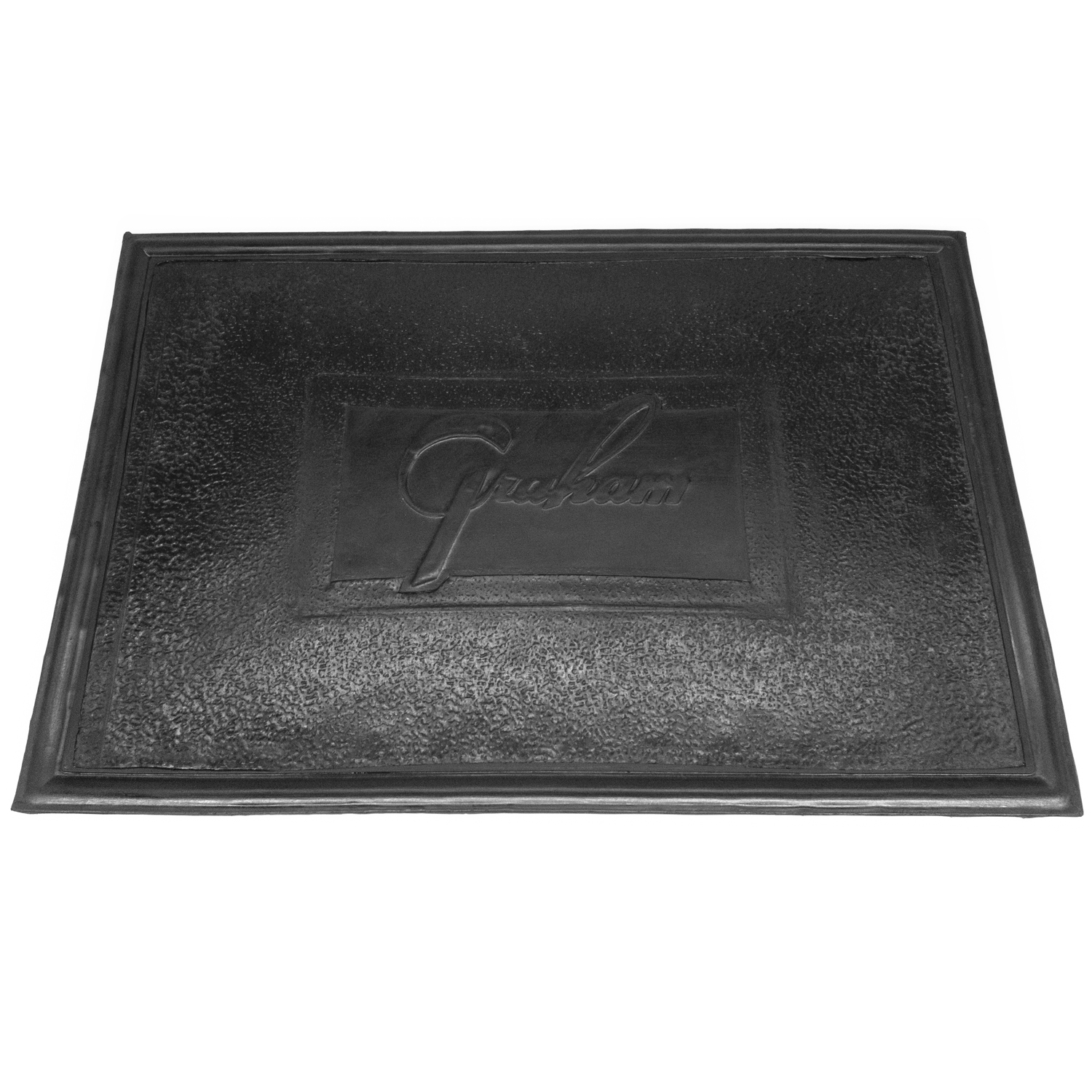 1929 Graham-Paige Model 621 Accessory Floor Mat - 12"X17"-AC 12Accessory Floor Mat - made of high quality black rubber with molded original emblem. Also designed to be sewn into new carpets. 12"X17", Each
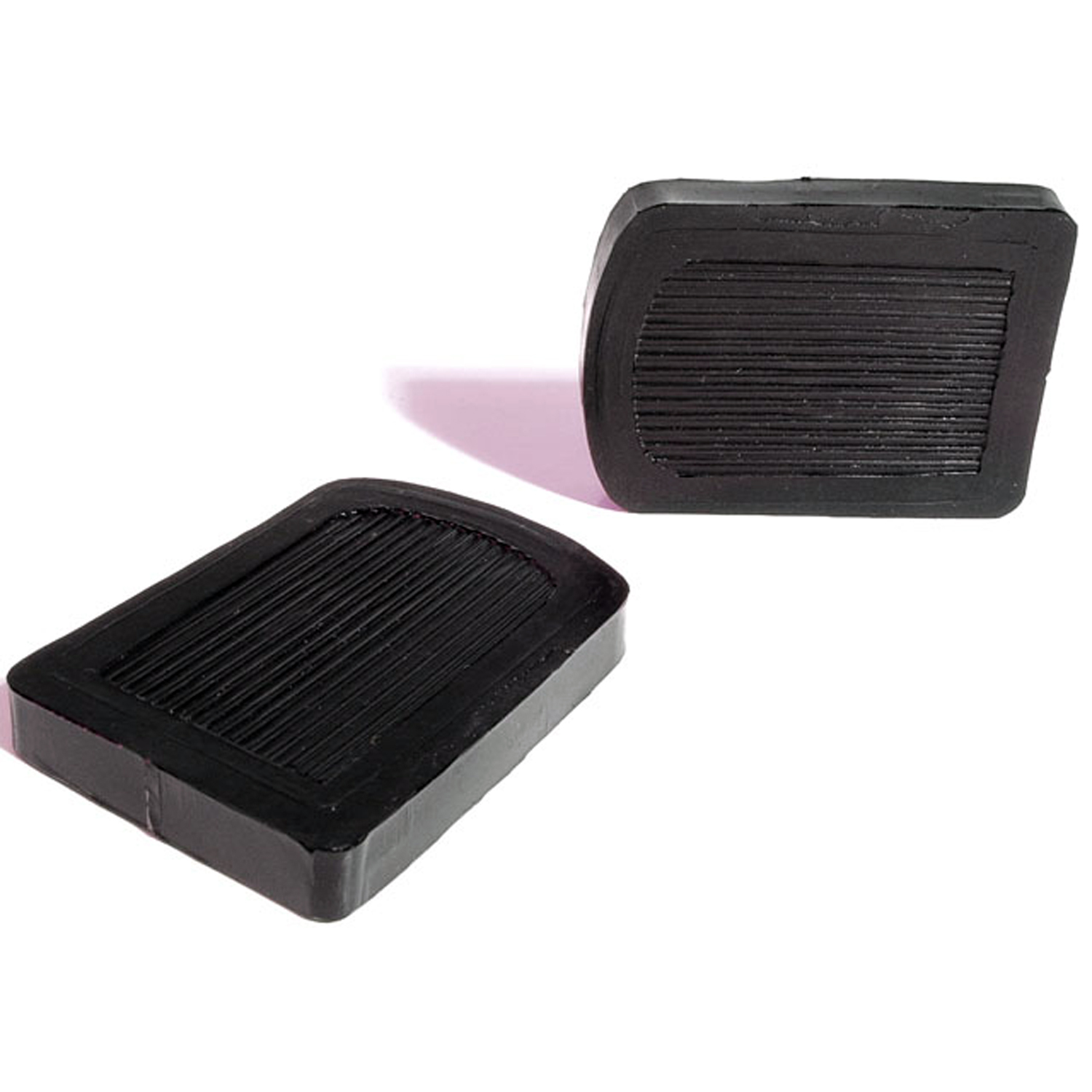 1929 Graham-Paige Model 621 Clutch and Brake Pedal Pads. 2-5/8" wide X 3-5/8" long-CB 25Clutch and Brake Pedal Pads. 2-5/8" wide X 3-5/8" long. Pair
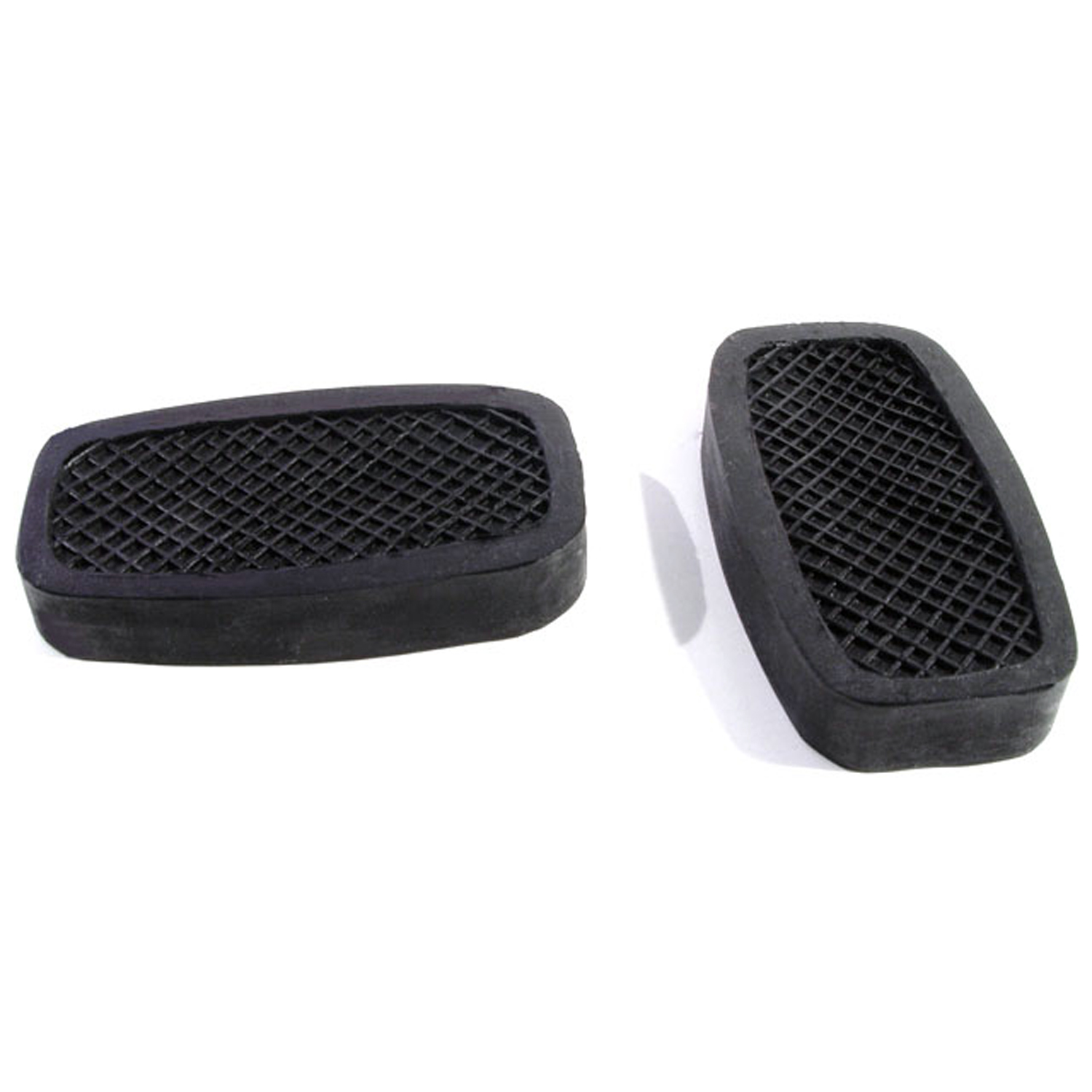 1929 Graham-Paige Model 621 Clutch and Brake Pedal Pads. 2" wide X 3-5/8" long. Pair-CB 46Clutch and Brake Pedal Pads. 2" wide X 3-5/8" long. Pair
 1929 Graham-Paige Model 621 Headlight Pads. 1-5/8" wide X 4-1/8" long. Pair-MP 792-EHeadlight Pads. 1-5/8" wide X 4-1/8" long. Pair
Why Choose Metro?
For over 100 years, Metro Moulded Parts has been the pinnacle of quality in classic car restoration parts. Our commitment to precision and authenticity in every component ensures a perfect fit and an OEM-level appearance.
- Expert Craftsmanship & Quality: Each part is a testament to our dedication to reliability and perfection, crafted from original designs and thoroughly tested.
- Advanced Technology: We use cutting-edge techniques to create flawless, long-lasting parts that surpass others in performance.
- SuperSoft Sponge – The Ultimate Door Seal: Not only are our door seals 30% softer than competitors', but they're also guaranteed to never leak. They effectively reduce wind and road noise, enhancing your classic car's comfort and driving experience.
- Proudly American: Our parts are a product of American craftsmanship, made in the USA with a spirit of excellence and heritage.
- Unrivaled Warranty: We back our products with a 30-year industry-leading warranty, a testament to our confidence in their quality.
Join us in preserving the legacy of classic cars with parts that are crafted for perfection, not just made.