

Image of 1929 Graham-Paige Model 837, Note: These illustrations use artistic license and may differ from actual historical models.
Performance Metrics
Fundamental Metrics
Emotional Appeal
MMP Rating
| Engine Specifications | |
|---|---|
| Engine Options: | Straight-6 |
| Displacement Range: | 3.3L |
| Horsepower Range: | Estimated 80-90 HP |
| Torque: | Not available |
| Compression Ratio: | Not available |
| Ignition System: | Distributor and coil |
| Cooling System: | Water-cooled |
| Performance Specifications | |
| 0-60 Time: | Not available |
| 1/4 Mile Time: | Not available |
| Top Speed: | 70 mph |
| Transmission and Drive | |
| Drive Type: | Rear-wheel drive |
| Transmission Type: | 3-speed manual |
| Fuel and Efficiency | |
| Fuel System Type: | Carburetor |
| MPG: | Not available |
| Dimensions and Brakes | |
| Brakes: | Mechanical drum brakes |
| Wheelbase: | 125 inches |
| Weight: | Estimated 3,000 lbs |
Note: Specifications for classic cars are given to the best of our ability, considering the limited and variant data available.
1929 Graham-Paige Model 837: A Long-Wheelbase American Eight
The 1929 Graham-Paige Model 837 brought the smooth, confident character of a straight-eight engine to a substantial American luxury car. Built by a young company with deep experience in the motor trade, it combined generous proportions, carefully finished coachwork and capable performance at a time when buyers were increasingly looking beyond the established luxury marques.
Graham-Paige grew out of the Graham brothers’ successful truck business. Joseph, Robert and Ray Graham sold that operation to Dodge in the mid-1920s, then acquired the Paige-Detroit Motor Car Company in 1927. The new Graham-Paige company began producing passenger cars in 1928. Its cars benefited from the brothers’ manufacturing and marketing experience, and the Model 837 sat near the top of the 1929 range.
The 837’s name is commonly understood to identify an eight-cylinder car with a 137-inch wheelbase. That long chassis gave it an imposing presence and room for formal passenger bodies. It also places the car in a particularly memorable chapter of American motoring: the prosperous years just before the stock-market crash of 1929 transformed the country’s economy.
Streamlined Presence and Coachbuilt Comfort
The Model 837 wore the confident, upright styling typical of a fine late-1920s automobile. Its long hood announced the straight-eight beneath it, while a tall radiator, prominent headlamps and broad, separate fenders gave the front end a strong, formal look. The sweeping running boards connected the front and rear fenders, emphasizing the car’s length. Depending on body style, the rear profile could be sharply tailored for a sedan or more open and sporting for a touring car or phaeton.
Graham-Paige offered a range of bodies across its lineup, with the long-wheelbase 837 suited to larger, more formal designs. Period offerings could include sedans, limousines, coupes and open touring or phaeton styles, though the precise selection varied by catalog and body supplier. A closed sedan is the most familiar surviving configuration, while a long, chauffeur-oriented limousine best captures the 837’s formal side. Original examples may differ in details because body styles and equipment were not identical across every car.
Inside, the emphasis was on comfort and finish rather than modern convenience. Owners could expect broad seating, substantial door panels and a carefully trimmed cabin, often using cloth or broadcloth in closed cars and leather in open models. Wood trim and a polished instrument panel added warmth, while a large steering wheel and clear, period-style gauges made the driving position feel purposeful. Materials and appointments depended on the body and trim level, so surviving cars can vary considerably.
Paint was typically offered in rich period colors and combinations rather than today’s limited idea of a single standard shade. Dark blues, greens, maroons, blacks and contrasting body or fender colors suited the car’s formal lines. Exact factory palettes could vary by model year and body style, and many restored examples have been repainted, so original paint documentation is especially valuable to collectors.
Eight-Cylinder Power for the Open Road
At the heart of the 837 was a straight-eight engine, generally reported at about 298 cubic inches, with an L-head, or side-valve, layout. Published figures commonly place output around 95 horsepower, although specifications can vary between references and individual cars. Power went to the rear wheels through a conventional three-speed manual transmission.
For its time, the straight-eight was a key selling point. Its long crankshaft and evenly spaced firing pulses gave it a smoother character than many six-cylinder engines, particularly at steady road speeds. The 837 was not built around a radical new technology. Instead, its appeal came from bringing refined eight-cylinder power, a long chassis and substantial equipment together in a polished package.
Four-wheel mechanical brakes were typical of the period, along with mechanical controls that demanded more driver input than a modern car. Shock absorbers and a traditional suspension helped manage the road, but the car’s considerable weight and narrow tires meant that handling priorities were comfort and stability, not sharp cornering. Exact equipment could differ by production specification and later modifications.
How the Model 837 Drives
Reliable, standardized acceleration tests were not commonly published for cars of this era, and results today depend heavily on condition, gearing, tires and engine tuning. As a practical estimate, a well-maintained Model 837 might reach 60 mph in roughly 25 to 30 seconds. A top speed in the neighborhood of 70 to 80 mph is plausible for a healthy example, but it should be treated as an estimate rather than a guaranteed factory figure. Sustained high-speed driving is not advisable without first confirming that the brakes, tires, cooling system and drivetrain are in sound condition.
From behind the wheel, the 837 is best enjoyed as a substantial touring car. The engine should deliver a deep, even mechanical note rather than the high-revving sound of a modern motor. The clutch and gearshift require deliberate, unhurried movements, and the driver needs to plan ahead when slowing or changing gears. On rough roads, the long wheelbase helps the car settle over broad undulations, while sharp bumps can still make themselves known through the chassis and period tires.
On a winding road, the 837 rewards smooth steering and moderate speeds. Its length and mass make quick direction changes feel out of character, but on a straight, open highway the car’s relaxed engine and broad stance come into their own. It offers a very different experience from a modern vehicle: more sound, more mechanical feedback and a stronger connection between driver and machine.
A Distinct Place in Graham-Paige History
The Model 837 illustrates how Graham-Paige positioned itself in a competitive market. It offered buyers a large, prestigious-looking car with eight-cylinder power, backed by a company that had the manufacturing know-how and commercial reach of the Graham brothers. It competed in a crowded field that included well-established makes such as Buick, Chrysler, Oldsmobile and Studebaker.
The 837 did not introduce a single breakthrough that reshaped the industry. Its significance is more about what it represented: Graham-Paige’s rapid rise from a recently formed automaker to a serious contender in the upper-middle and luxury segments. The company continued to develop its own identity, later becoming known for distinctive models such as the aerodynamic 1930s Graham “Sharknose” cars. The 837 belongs to the earlier, more traditional side of that story, before styling became more dramatically streamlined.
Its long wheelbase and straight-eight layout also reflect a broader shift in customer expectations. By the late 1920s, smoothness, comfort and visual presence were increasingly important selling points. The 837 delivered those qualities in a form that was grand without being quite as exclusive as the most expensive custom-bodied automobiles.
Ownership, Maintenance and Reliability
Today, a 1929 Model 837 is primarily a collector, touring and show car. Its size and period character make it well suited to vintage rallies, local exhibitions and leisurely drives on suitable roads. It is not an ideal everyday vehicle in modern traffic, where its braking distances, visibility, speed and lack of contemporary safety equipment require extra care.
Maintenance is manageable for an experienced vintage-car owner, but it is not the same as servicing a modern classic with broad parts support. The engine, carburetor, ignition, cooling system, clutch and mechanical brakes all need regular attention. Many routine jobs can be handled by a capable owner with period-car experience and the correct manuals, but specialist help may be needed for engine work, transmission repairs, magneto or distributor issues, and restoration of original body hardware.
Parts availability is mixed. Common mechanical components may be repaired, rebuilt or sourced through vintage-car networks, while model-specific trim, instruments, body panels and interior fittings can take considerable searching. Before buying, inspect the chassis for corrosion or poor repairs, check the engine for oil pressure and cooling problems, and pay particular attention to the brakes and steering. A complete, well-documented car is often a better choice than a cheaper project missing rare parts.
Notable Details and Common Criticisms
One intriguing detail is the Model 837’s numeric identity. The designation is widely associated with an eight-cylinder engine and a 137-inch wheelbase, a useful shorthand for understanding its place in the Graham-Paige range. The company’s rapid growth also makes the car a snapshot of an unusually ambitious period: Graham-Paige entered the passenger-car business in 1928 and quickly offered a broad lineup, including substantial eight-cylinder models.
There is no widely recognized speed, endurance or production record specifically associated with the Model 837, and celebrity ownership claims should be treated cautiously unless supported by documentation. Its historical importance rests less on a headline-grabbing event than on its place in the story of a young American manufacturer that challenged established brands at the height of the pre-Depression boom.
Common criticisms are familiar to owners of large prewar cars. The 837 is heavy, its brakes and steering require more effort than a modern driver may expect, and its fuel economy is modest by contemporary standards. Its size can also make storage, transportation and maneuvering difficult. Those drawbacks are part of the ownership reality, but they are balanced by its presence, mechanical character and unusually smooth eight-cylinder power.
Collector Value and Rarity
Exact production figures for the Model 837 are not consistently available, and total Graham-Paige production figures should not be mistaken for the output of this specific model. A reasonable working estimate is that several thousand 837s may have been built, with a much smaller number surviving in identifiable, restorable or roadworthy condition. Long-wheelbase cars with unusual or especially desirable bodies are likely to be scarcer than ordinary closed sedans.
As a broad current-market estimate, a project car might bring roughly $10,000 to $20,000, while a sound driver-quality example could fall around $25,000 to $45,000. A high-quality restoration, a rare body style or a car with strong provenance might reach approximately $50,000 to $80,000 or more. These are guide ranges, not formal appraisals: condition, originality, body style, documentation and the quality of any restoration can shift the price substantially.
Like many large prewar cars, the 837 has a specialized market. Values tend to reward exceptional condition and authentic restoration, while ordinary examples can be harder to sell than more familiar Ford, Packard or Cadillac models. In recent years, the broader market for prewar touring cars has been selective rather than uniformly rising. The best examples remain attractive, but buyers are increasingly careful about restoration quality and the cost of maintaining a large, uncommon car.
Why the 1929 Graham-Paige 837 Still Matters
The 1929 Graham-Paige Model 837 was a confident expression of pre-Depression American motoring: long, finely proportioned and powered by a smooth straight-eight. It combined the Graham brothers’ manufacturing experience with the comfort and presence buyers expected from an upscale automobile, while marking an important early chapter in the history of Graham-Paige.
Its appeal today is not just its rarity or its imposing shape. The 837 offers a direct link to a brief, ambitious moment when a young automaker challenged the established order with serious engineering and well-appointed cars. When its eight-cylinder engine settles into an even rhythm, the Model 837 makes that history feel wonderfully close.
1929 Graham-Paige Model 837 Catalog of Parts
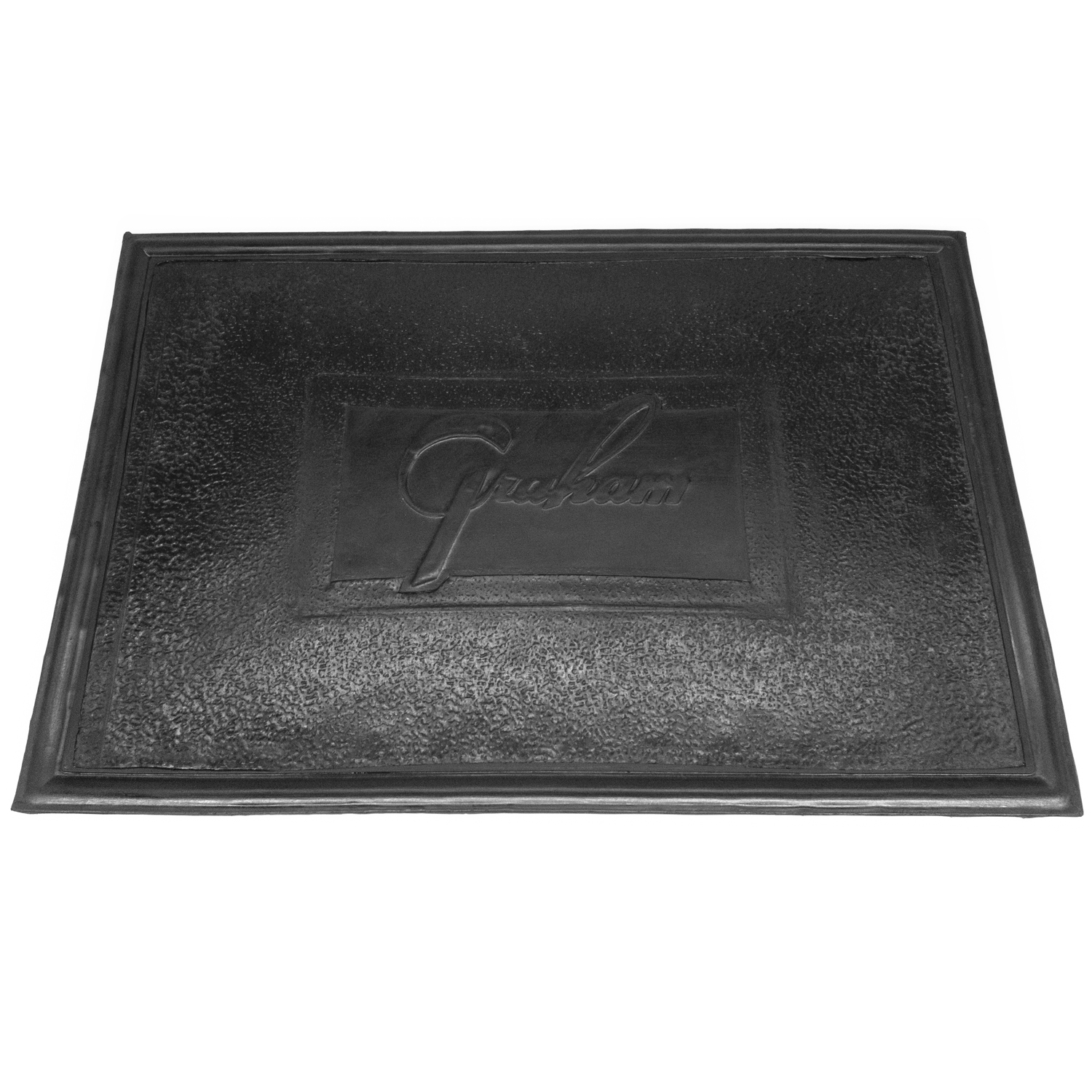 1929 Graham-Paige Model 837 Accessory Floor Mat - 12"X17"-AC 12Accessory Floor Mat - made of high quality black rubber with molded original emblem. Also designed to be sewn into new carpets. 12"X17", Each
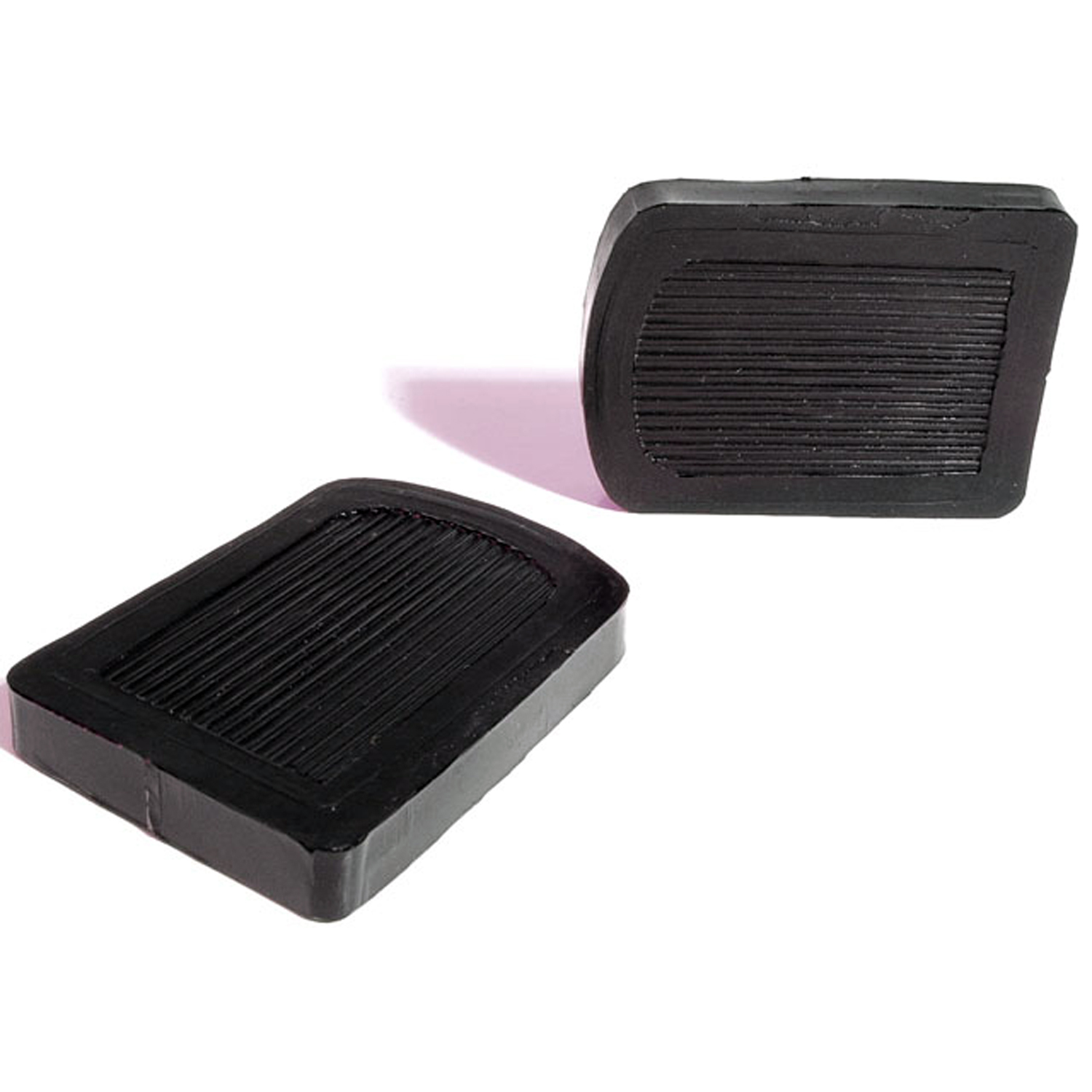 1929 Graham-Paige Model 837 Clutch and Brake Pedal Pads. 2-5/8" wide X 3-5/8" long-CB 25Clutch and Brake Pedal Pads. 2-5/8" wide X 3-5/8" long. Pair
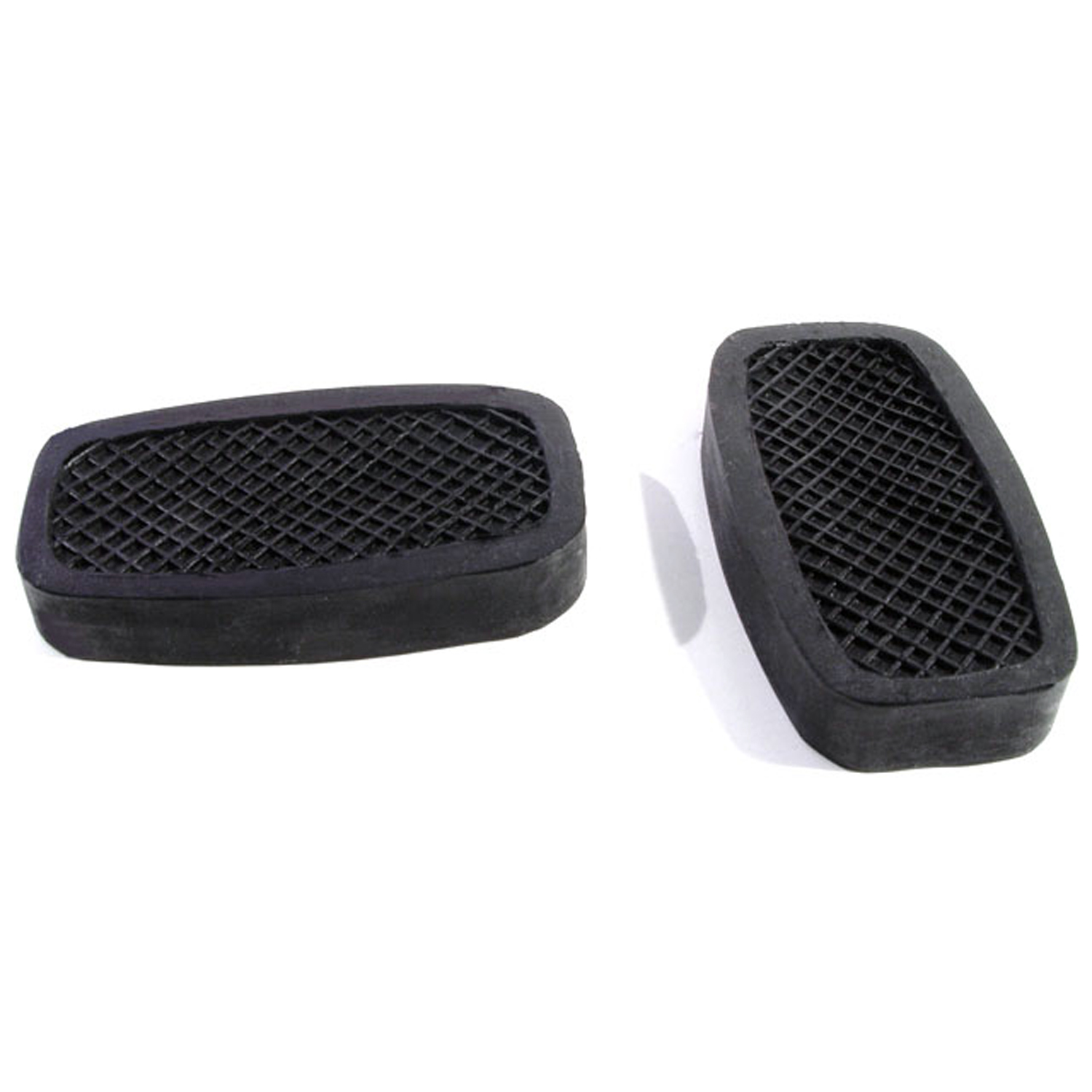 1929 Graham-Paige Model 837 Clutch and Brake Pedal Pads. 2" wide X 3-5/8" long. Pair-CB 46Clutch and Brake Pedal Pads. 2" wide X 3-5/8" long. Pair
 1929 Graham-Paige Model 837 Headlight Pads. 1-5/8" wide X 4-1/8" long. Pair-MP 792-EHeadlight Pads. 1-5/8" wide X 4-1/8" long. Pair
Why Choose Metro?
For over 100 years, Metro Moulded Parts has been the pinnacle of quality in classic car restoration parts. Our commitment to precision and authenticity in every component ensures a perfect fit and an OEM-level appearance.
- Expert Craftsmanship & Quality: Each part is a testament to our dedication to reliability and perfection, crafted from original designs and thoroughly tested.
- Advanced Technology: We use cutting-edge techniques to create flawless, long-lasting parts that surpass others in performance.
- SuperSoft Sponge – The Ultimate Door Seal: Not only are our door seals 30% softer than competitors', but they're also guaranteed to never leak. They effectively reduce wind and road noise, enhancing your classic car's comfort and driving experience.
- Proudly American: Our parts are a product of American craftsmanship, made in the USA with a spirit of excellence and heritage.
- Unrivaled Warranty: We back our products with a 30-year industry-leading warranty, a testament to our confidence in their quality.
Join us in preserving the legacy of classic cars with parts that are crafted for perfection, not just made.