

Image of 1930 Graham Special 6, Note: These illustrations use artistic license and may differ from actual historical models.
Performance Metrics
Fundamental Metrics
Emotional Appeal
MMP Rating
| Engine Specifications | |
|---|---|
| Engine Options: | Inline 6 |
| Displacement Range: | 3.3L |
| Horsepower Range: | Estimated 60-70 HP |
| Torque: | Not available |
| Compression Ratio: | Not available |
| Ignition System: | Distributor and coil |
| Cooling System: | Water-cooled |
| Performance Specifications | |
| 0-60 Time: | Not available |
| 1/4 Mile Time: | Not available |
| Top Speed: | 70 mph |
| Transmission and Drive | |
| Drive Type: | Rear-wheel drive |
| Transmission Type: | 3-speed manual |
| Fuel and Efficiency | |
| Fuel System Type: | Carburetor |
| MPG: | Not available |
| Dimensions and Brakes | |
| Brakes: | Mechanical drum brakes |
| Wheelbase: | 114 inches |
| Weight: | Estimated 2,800 lbs |
Note: Specifications for classic cars are given to the best of our ability, considering the limited and variant data available.
1930 Graham Special Six: A Refined American Six-Cylinder
The 1930 Graham Special Six brought a generous helping of straight-six power and big-car comfort to buyers who wanted something more substantial than an entry-level automobile. Built by Graham-Paige Motors Corporation, it came from a young American company with deep roots in the motor trade and a reputation for building sturdy, carefully engineered cars.
The Graham brothers, Joseph, Robert, and Ray, had first made their name in the commercial-vehicle business. After selling their Graham Brothers truck operation to Dodge, they acquired the Paige-Detroit Motor Car Company in 1927 and formed Graham-Paige. The Special Six arrived as the company was expanding its range and facing a fast-changing market. Its timing was challenging: the Great Depression was beginning to squeeze sales of mid-priced and premium cars across the country.
One useful distinction for enthusiasts is that the 1930 Special Six belongs to Graham-Paige’s early era, before the company’s later, more widely recognized styling experiments. It should not be confused with the dramatically streamlined “Blue Streak” Grahams introduced in the 1930s. The Special Six is a more traditional car, but its proportions and solid engineering give it plenty of character.
Classic Graham Styling and Cabin Comfort
The Special Six wore the formal, upright look that defined American cars at the start of the 1930s. A tall radiator shell and long hood announced the engine beneath, while separate fenders arched over large wire or wood-spoke wheels, depending on specification. A folding windshield, running boards, and rear-mounted spare tires completed the period silhouette. It looked substantial without relying on excessive ornament.
Graham-Paige offered the Special Six in several body configurations during the period, with closed sedans among the most practical and commonly encountered today. Coupes and open-body styles, including touring or phaeton-type models, also featured in the broader range, though exact availability could vary by model year and catalog. The sedan is often the most recognizable version because its enclosed cabin suited everyday family travel and offered welcome protection from weather and road dust.
Inside, the emphasis was on comfort and finish rather than modern convenience. Buyers could expect upholstered seating in cloth or leather, depending on body style and trim, with contrasting materials and polished details used to give the cabin an upscale feel. The dashboard was straightforward, with clear analog instruments and familiar hand-operated controls. It was a welcoming place by 1930 standards, though a modern driver will notice the absence of today’s sound insulation, climate control, and safety equipment.
Paint and trim choices depended on the body and order. Period cars commonly appeared in restrained colors such as dark blue, green, maroon, and black, often with contrasting wheels or pinstriping. There is no single signature color associated with the Special Six, so surviving cars are best judged by the quality and authenticity of their finish rather than by a supposed factory “must-have” shade.
Engineering for the Open Road
At the heart of the Special Six was a side-valve, or L-head, inline six-cylinder engine. Commonly cited specifications identify a displacement of about 207 cubic inches and output in the neighborhood of 66 horsepower. Exact figures can vary among reference sources and individual cars, so owners should confirm details against the engine number and period documentation.
The basic layout was conventional but well suited to the era: a front-mounted engine, rear-wheel drive, a manual transmission, and a sturdy chassis. A three-speed manual gearbox was typical. Four-wheel mechanical brakes and leaf-spring suspension were also in keeping with period practice. These systems were familiar to mechanics and could be maintained without specialized electronic tools, but they require attentive adjustment and regular lubrication.
For its time, the Special Six’s notable advantage was not one startling invention. It was the combination of a roomy body, a useful six-cylinder engine, and substantial construction in a car positioned below the most expensive luxury models. Graham-Paige was competing in a crowded field, and the Special Six offered buyers a step up in size and refinement without requiring them to buy a large eight-cylinder car.
Performance, Ride, and Driving Character
Period performance figures are not as consistently documented as modern test results. With roughly 66 horsepower, a healthy Special Six could plausibly reach around 65 to 70 mph under favorable conditions. Acceleration from 0 to 60 mph was leisurely by modern standards, likely taking well over 20 seconds depending on body weight, gearing, mechanical condition, and road surface. Those are practical estimates, not guaranteed factory test figures.
The six-cylinder engine would have delivered a steady, low-frequency exhaust note rather than the sharp bark of a performance car. Smoothness mattered more than speed. The driver worked the manual gearbox, operated mechanical controls, and planned stops well ahead because the brakes and tires were nothing like contemporary equipment.
On ordinary roads, the long chassis and leaf springs helped the Special Six feel composed, especially compared with smaller cars. Broken pavement and sharp bumps could still send a firm jolt through the cabin, while tall tires and relatively narrow tracks demanded care on rough or winding roads. Steering would feel heavy at low speeds, particularly when parking, and lighter once underway. The experience is best described as deliberate and engaging: the driver is part of the machinery, not isolated from it.
Why the Special Six Matters
The 1930 Graham Special Six is significant as an example of the American middle-to-upper-middle market just before the Depression transformed the industry. Graham-Paige was a relatively new independent manufacturer trying to compete with established names through product quality and a broad model lineup. The Special Six’s balance of size, comfort, and six-cylinder power was a sensible answer to what many buyers wanted.
Its influence is less about a single design feature than the company’s larger story. Graham-Paige continued to experiment, and later Grahams became known for distinctive styling and engineering, including the streamlined Blue Streak models and, later still, supercharged cars. The 1930 Special Six shows the company before those headline-grabbing developments, when sound construction and conventional elegance were its calling cards.
It also offers a useful reminder that automotive innovation is not always dramatic. A well-proportioned body, a practical engine, and a comfortable cabin could make a car attractive even without a world-first feature. The Special Six’s traditional layout helped keep it accessible to drivers and independent repair shops of its day.
Living With a 1930 Graham
Today, a Special Six is best suited to touring, local vintage-car events, museum display, or occasional pleasure drives. It can be roadworthy and enjoyable, but it is not a sensible modern daily driver. Traffic speeds, limited braking performance, and the scarcity of some model-specific parts all call for a measured approach.
Routine work such as lubrication, ignition service, carburetor tuning, and brake adjustment is straightforward for an experienced vintage-car owner or mechanic. The harder jobs are often finding correct trim, body hardware, glass, and engine-specific components. Before buying, inspect the frame, wood structure where used, brake system, cooling system, and the condition of the engine. A car that starts and moves is not necessarily ready for regular road use.
Parts support is more limited than for high-volume Fords or Chevrolets of the same period. Some mechanical items may be repaired or adapted by specialists, but originality can take time and money to preserve. A complete, well-documented example is usually a better proposition than a cheap project missing distinctive Graham-specific pieces.
Graham Special Six Trivia
The Graham brothers’ automotive story began with trucks, not passenger cars. Their move into car manufacturing followed the sale of their truck business to Dodge, giving the company a strong industrial background even as it established its own identity.
The 1930 Special Six is not widely associated with a famous speed record, endurance run, or celebrity owner. Its appeal is quieter: it represents an independent American manufacturer navigating one of the most difficult periods in the country’s automotive history. Collectors should also be cautious of claims that blur the Special Six with later Graham models, especially the more dramatic 1930s cars.
Common criticisms are typical of early-1930s machinery. The car is slow by modern standards, braking requires anticipation, and closed-body examples can feel warm and noisy in summer. Its independent-maker status also means restoration support is not as abundant as it is for mass-market rivals. Those drawbacks are balanced by its distinctive badge, substantial feel, and relative rarity at vintage events.
Collector Values and Availability
Surviving 1930 Graham Special Sixes appear infrequently on the market, and reliable model-by-model production totals are difficult to establish. A reasonable working estimate is that production was in the low thousands rather than the tens of thousands, with the number of surviving cars much smaller. Treat that as an informed estimate, not a confirmed factory tally.
As a broad 2026 guide, a project car may fall around $5,000 to $12,000, while a presentable driver could land in the $15,000 to $30,000 range. A high-quality restoration or unusually complete example might bring roughly $35,000 to $50,000 or more, depending on body style, provenance, originality, and buyer interest. These are indicative ranges, not formal appraisals, and the thin market can make individual sales vary considerably.
Values for uncommon prewar cars often move more slowly than those of famous sports cars or blue-chip classics. The Special Six’s rarity supports its appeal, but limited parts availability and a smaller pool of marque specialists can restrain prices. Well-preserved, correctly restored examples are likely to hold interest better than incomplete projects. Buyers should prioritize condition and documentation over speculation about rapid appreciation.
A Worthy Prewar Graham
The 1930 Graham Special Six combines elegant period proportions, a capable six-cylinder engine, and the story of an ambitious independent automaker. It is not a speed machine or a technological showpiece, but it delivers a vivid sense of how Americans traveled just as the automobile industry entered a turbulent new decade.
For collectors who value engineering, history, and a car that stands apart from the usual prewar names, the Special Six is a rewarding find. Its greatest appeal is the way it turns a simple drive into a conversation with another era.
1930 Graham Special 6 Catalog of Parts
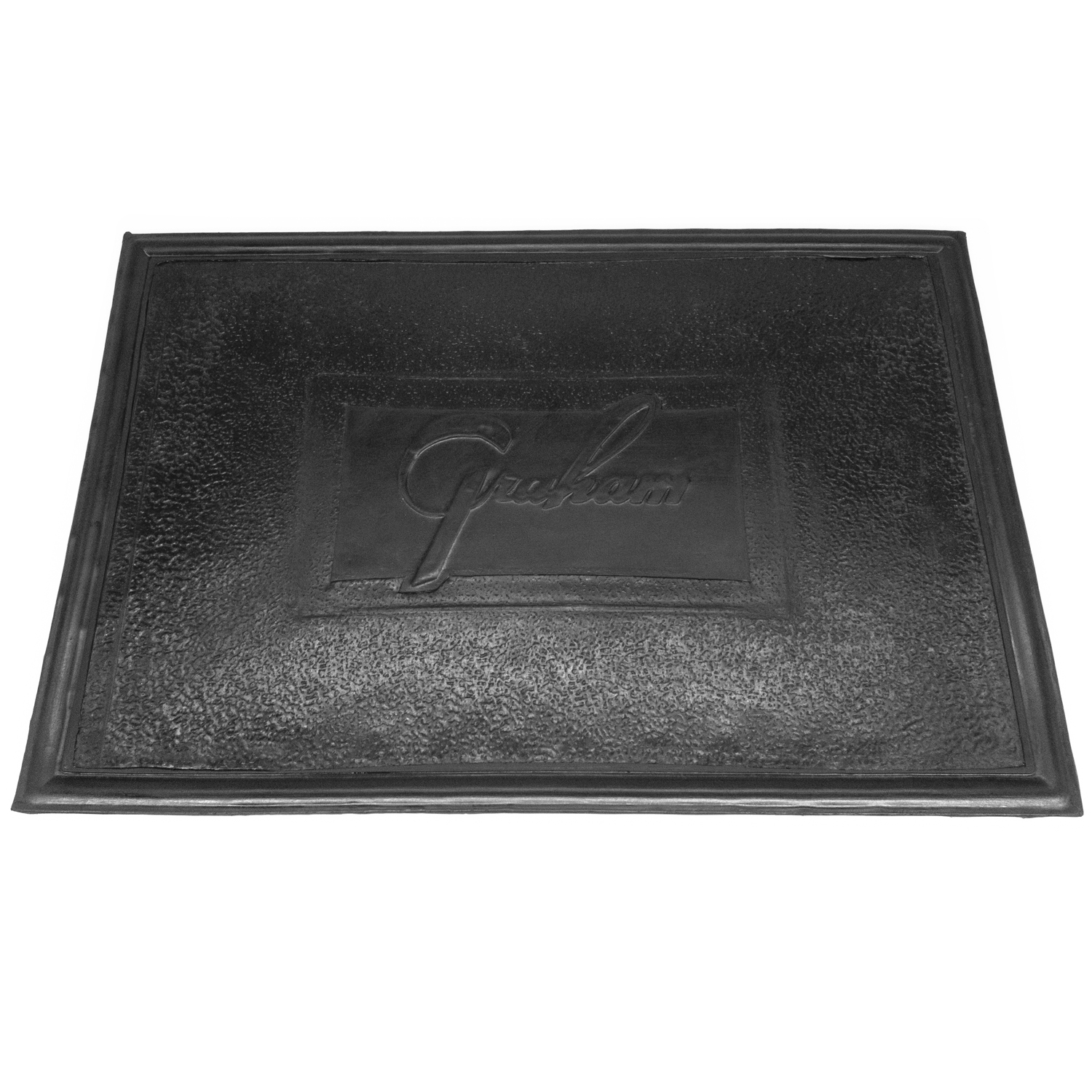 1930 Graham SPECIAL 6 Accessory Floor Mat - 12"X17"-AC 12Accessory Floor Mat - made of high quality black rubber with molded original emblem. Also designed to be sewn into new carpets. 12"X17", Each
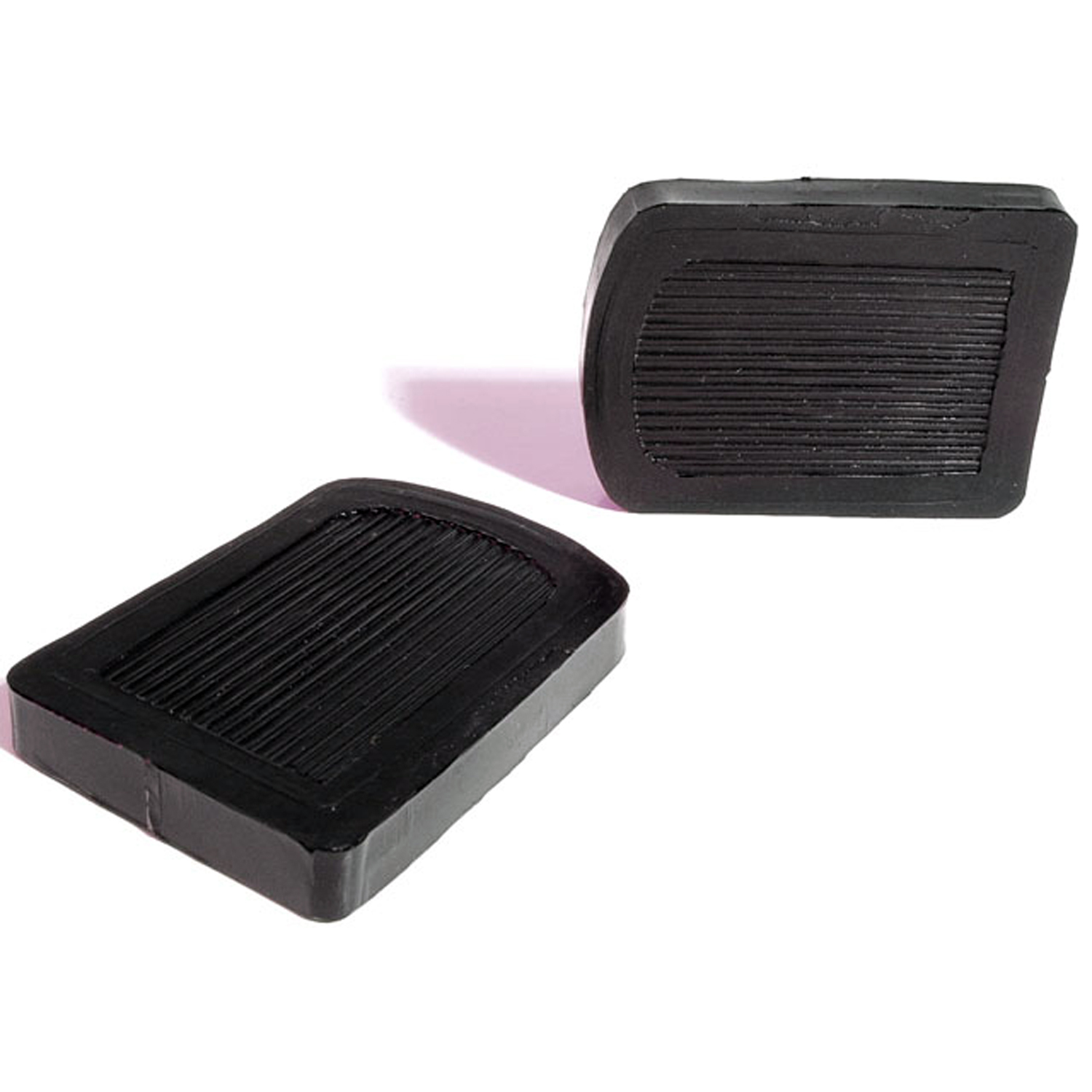 1930 Graham SPECIAL 6 Clutch and Brake Pedal Pads. 2-5/8" wide X 3-5/8" long-CB 25Clutch and Brake Pedal Pads. 2-5/8" wide X 3-5/8" long. Pair
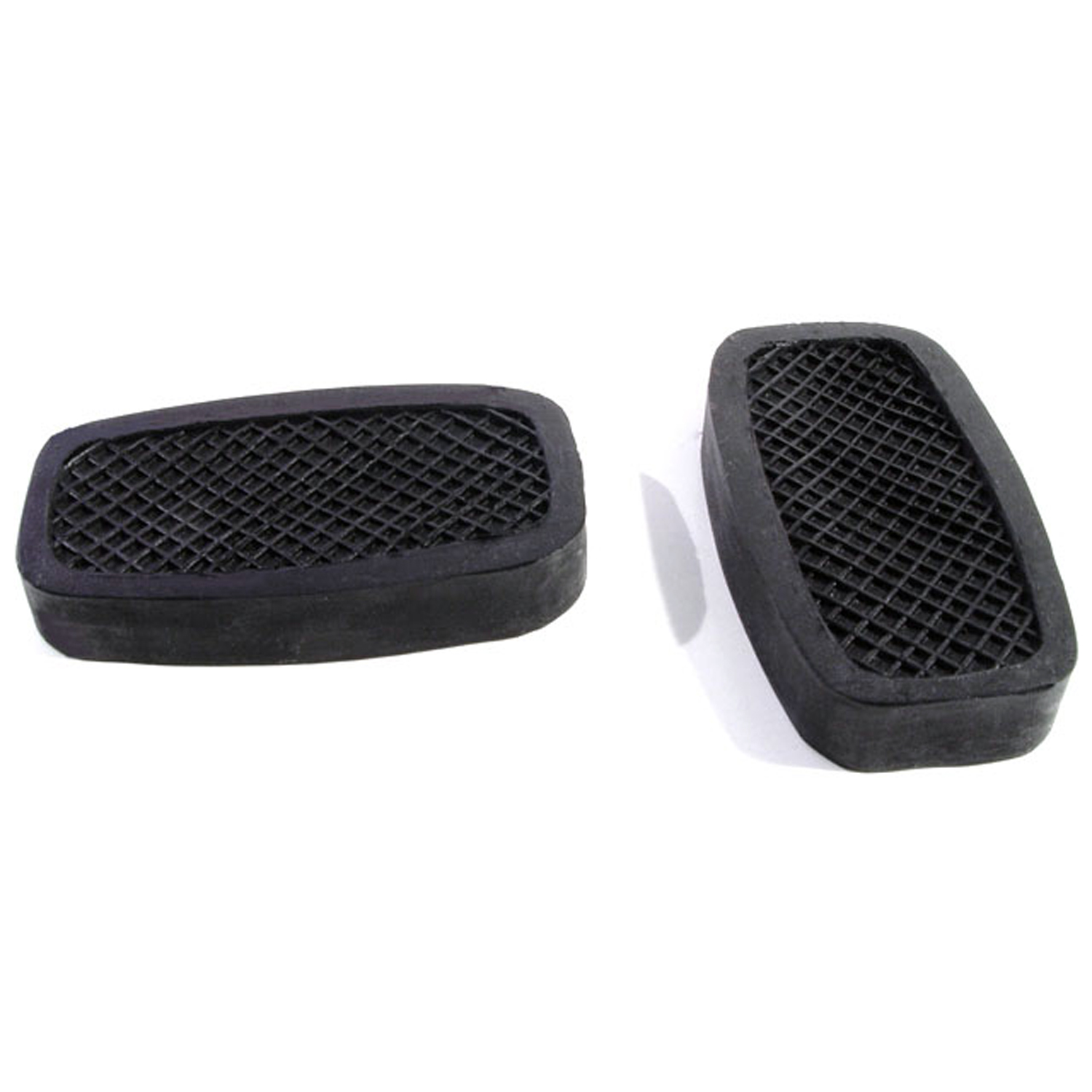 1930 Graham SPECIAL 6 Clutch and Brake Pedal Pads. 2" wide X 3-5/8" long. Pair-CB 46Clutch and Brake Pedal Pads. 2" wide X 3-5/8" long. Pair
Why Choose Metro?
For over 100 years, Metro Moulded Parts has been the pinnacle of quality in classic car restoration parts. Our commitment to precision and authenticity in every component ensures a perfect fit and an OEM-level appearance.
- Expert Craftsmanship & Quality: Each part is a testament to our dedication to reliability and perfection, crafted from original designs and thoroughly tested.
- Advanced Technology: We use cutting-edge techniques to create flawless, long-lasting parts that surpass others in performance.
- SuperSoft Sponge – The Ultimate Door Seal: Not only are our door seals 30% softer than competitors', but they're also guaranteed to never leak. They effectively reduce wind and road noise, enhancing your classic car's comfort and driving experience.
- Proudly American: Our parts are a product of American craftsmanship, made in the USA with a spirit of excellence and heritage.
- Unrivaled Warranty: We back our products with a 30-year industry-leading warranty, a testament to our confidence in their quality.
Join us in preserving the legacy of classic cars with parts that are crafted for perfection, not just made.