

Image of 1930 Graham Special 8, Note: These illustrations use artistic license and may differ from actual historical models.
Performance Metrics
Fundamental Metrics
Emotional Appeal
MMP Rating
| Engine Specifications | |
|---|---|
| Engine Options: | Straight-8 |
| Displacement Range: | 3.3L |
| Horsepower Range: | Estimated 80-100 HP |
| Torque: | Not available |
| Compression Ratio: | Not available |
| Ignition System: | Distributor and coil |
| Cooling System: | Water-cooled |
| Performance Specifications | |
| 0-60 Time: | Not available |
| 1/4 Mile Time: | Not available |
| Top Speed: | 75 mph |
| Transmission and Drive | |
| Drive Type: | Rear-wheel drive |
| Transmission Type: | 3-speed manual |
| Fuel and Efficiency | |
| Fuel System Type: | Carburetor |
| MPG: | Not available |
| Dimensions and Brakes | |
| Brakes: | Mechanical drum brakes |
| Wheelbase: | 125 inches |
| Weight: | Estimated 3500 lbs |
Note: Specifications for classic cars are given to the best of our ability, considering the limited and variant data available.
1930 Graham Special Eight: A Big Eight With a Story to Tell
The 1930 Graham Special Eight brought the smoothness and presence of a straight-eight engine to a luxury car market suddenly shaken by the Great Depression. Built by Graham-Paige Motors Corporation, it combined substantial American styling with engineering that helped the young company stand out from better-known rivals. Its story has an intriguing twist: the car arrived just as the economic boom that had encouraged buyers to spend on expensive automobiles was coming to an abrupt end.
Graham-Paige was founded in 1927 by brothers Joseph, Robert, and Ray Graham, who had made their name in the truck business before acquiring the Paige-Detroit Motor Car Company. The brothers quickly turned the Graham-Paige name into a serious passenger-car marque. The Special Eight sat in the company’s upper range, offering a large, refined engine and substantial coachwork for buyers seeking prestige without choosing one of the era’s most famous luxury brands.
Model names and specifications can vary between period references, and surviving cars may have been altered over the decades. The details below describe the commonly associated 1930 Special Eight configuration, rather than claiming every example left the factory identically equipped.
Long Hood, Formal Lines, and Rich Trim
The Special Eight had the unmistakable proportions of a high-end car from the early 1930s: a tall, upright radiator at the front, a long engine hood, separate rounded fenders, running boards, and a cabin set well back from the nose. Its formal stance looked especially impressive in sedan form, while open body styles showed off the long chassis and sweeping fender lines. Wire wheels, bright metal trim, and carefully shaped lamps completed the look, with equipment and finish varying by body style and specification.
Inside, the emphasis was on comfort and craftsmanship rather than modern convenience. Depending on the body and trim level, upholstery could include broadcloth, mohair, or leather, with a roomy bench seat, substantial door panels, and polished trim around the instrument panel. The driving position was upright and commanding. There was no air conditioning, power steering, or modern sound insulation, but the cabin offered generous space and the sort of hand-finished atmosphere expected of a premium automobile of the period.
Buyers could choose from several body styles across the Graham-Paige range, including sedans, coupes, open touring or phaeton-style cars, and more formal enclosed bodies. Exact availability depended on the series and body catalog. A sedan is often the most recognizable Special Eight today, while open cars and unusual coachwork tend to attract extra attention from collectors. Factory color choices were not necessarily identical across every body. Dark blue, green, maroon, black, and two-tone combinations suit the period particularly well, but a car’s original paint record is the best guide to its authentic colors.
Eight-Cylinder Engineering for the Road
The Special Eight is commonly associated with a side-valve, or L-head, straight-eight engine of roughly 299 cubic inches. Period specifications for the upper eight-cylinder versions are often given at about 95 horsepower, although exact figures can differ by model designation and source. A three-speed manual transmission sent power to the rear wheels. Four-wheel hydraulic brakes were an important feature of Graham-Paige engineering in this era, giving the driver more consistent braking effort than the mechanical systems still found on many older cars.
That combination made the Special Eight feel modern and capable in its day. The straight-eight layout delivered a smoother, more even flow of power than a typical six-cylinder engine, while the long wheelbase helped it ride with composure. It was not a sports car, and its engineering was built around comfortable travel rather than sharp, high-speed cornering.
What the Special Eight Changed
Graham-Paige’s achievement was not a single revolutionary invention. Its significance came from bringing thoughtful engineering and upscale presentation together in a relatively young, independent marque. The company competed in a crowded market dominated by established names, yet its cars offered substantial engines, handsome styling, and useful technical features such as hydraulic braking.
The Special Eight also captures an important moment in American automotive history. It was conceived during the prosperity of the late 1920s and launched into the economic uncertainty that followed the 1929 stock-market crash. Luxury-car makers soon faced a shrinking customer base, and independent manufacturers had to work especially hard to survive. Graham-Paige continued building automobiles through the 1930s, later becoming known for distinctive designs such as its “Sharknose” models. The Special Eight belongs to the earlier, more formal chapter of that story.
Performance, Ride, and Road Manners
With roughly 95 horsepower moving a heavy body, a Special Eight was brisk by the standards of its time but leisurely beside a modern car. A reasonable estimate for a well-tuned example is a top speed in the neighborhood of 75 to 80 mph. Acceleration from 0 to 60 mph likely took roughly 20 to 25 seconds, depending on body weight, gearing, mechanical condition, and passenger load. These are estimates, not guaranteed factory-test figures for every version.
On a smooth road, the long chassis and straight-eight engine make for an easygoing, dignified drive. The engine produces a mellow, layered hum rather than the sharper note of a small four-cylinder. Over bumps, the car’s substantial weight and period suspension soften the experience, though rough roads can still send movement through the body. On winding roads, expect slower steering response and more body lean than in a modern vehicle. The driver works a large steering wheel, coordinates the clutch and gear lever, and plans braking well ahead. That involvement is part of the charm, but it rewards patience.
Living With a Graham-Paige Today
A 1930 Special Eight is best suited to touring, club events, parades, and concours displays rather than everyday commuting. Its size, historic mechanical systems, and limited parts supply make regular modern traffic a demanding environment. A well-sorted example can still cover meaningful distances, but it needs careful preparation and a driver comfortable with prewar controls.
Routine work is straightforward in principle for an experienced vintage-car owner: lubrication, ignition service, carburetor tuning, brake adjustment, and attention to cooling and fuel systems. The challenge is less about complex electronics and more about finding correct parts and skilled help. The hydraulic brakes deserve particular attention, as old hoses, seals, and cylinders can compromise safety. Before buying, check the engine’s condition, cooling system, transmission, frame, wood structure where applicable, and the availability of body-specific trim. Specialist knowledge is valuable, especially for a car that has not been driven regularly.
Graham Special Eight Facts and Caveats
The Special Eight’s most notable feature is also its most memorable on the road: a large straight-eight engine in a formal American luxury car. It represents the kind of independent manufacturer that could offer serious engineering and style without the name recognition of Cadillac or Packard. No widely documented speed or endurance record is specifically associated with the 1930 Special Eight, and a famous celebrity ownership claim should be treated cautiously unless supported by reliable records.
One common criticism is that the car’s size and weight can make it feel less agile than its elegant appearance suggests. Another is the difficulty of sourcing model-specific parts, particularly for uncommon body styles. Like many cars of the period, it is also vulnerable to corrosion, deterioration of upholstery and wood, and damage from decades of improvised repairs. These are ownership realities, not reasons to dismiss the car, but they should be part of any purchase decision.
Collector Values and Rarity
Exact production figures for the 1930 Special Eight are difficult to establish from commonly available model-by-model records. A cautious estimate would put production in the low thousands, perhaps around 3,000 to 6,000 examples across the relevant Special Eight configurations. That is a working estimate, not a verified factory total. The number of surviving cars is much smaller, and individual body styles can be far harder to find than the overall estimate suggests.
As a broad U.S. market guide for 2026, a project or incomplete car might fall around $10,000 to $25,000. A usable driver or sound older restoration could bring roughly $25,000 to $50,000, while a well-restored, highly original, or especially desirable open-body example may reach $60,000 to $90,000 or more. Condition, provenance, restoration quality, and body style matter greatly, and the market for lesser-known prewar makes can be thin.
Values for cars like the Special Eight tend to be selective rather than uniformly rising. Exceptional examples can command strong prices, but ordinary cars may take time to sell, and restoration costs can exceed the finished car’s market value. Buyers should choose one because they appreciate the design and history, not simply because they expect a quick investment gain.
A Worthy Independent-Make Classic
The 1930 Graham Special Eight brings together the smooth character of a straight-eight, the stately proportions of a prewar luxury car, and the story of an ambitious independent automaker navigating a historic economic shock. It is not the easiest classic to maintain or the quickest to drive, but its engineering, presence, and relative rarity give it real character. For enthusiasts who value overlooked American marques, the Special Eight is a reminder that automotive history was shaped by more than the biggest names.
1930 Graham Special 8 Catalog of Parts
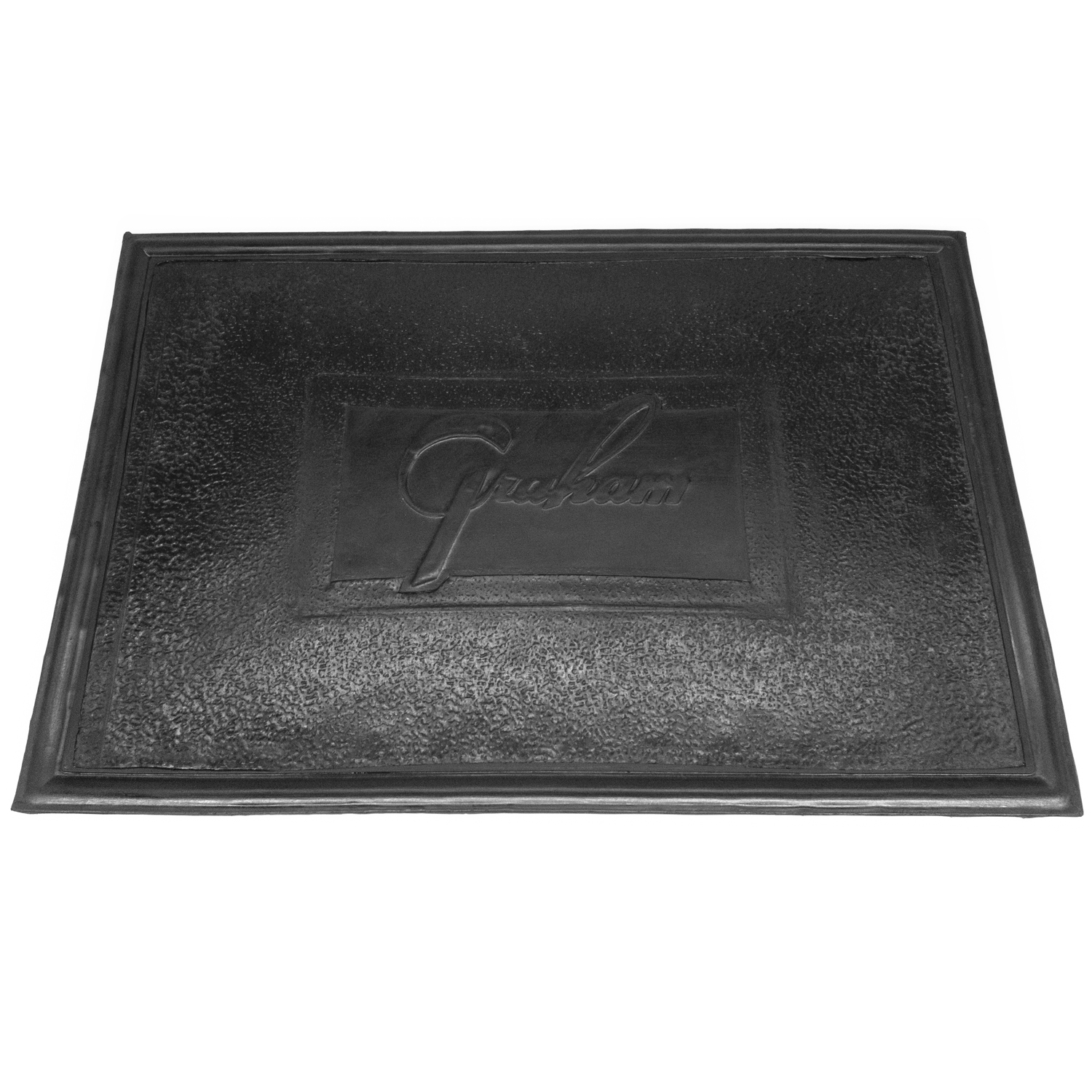 1930 Graham SPECIAL 8 Accessory Floor Mat - 12"X17"-AC 12Accessory Floor Mat - made of high quality black rubber with molded original emblem. Also designed to be sewn into new carpets. 12"X17", Each
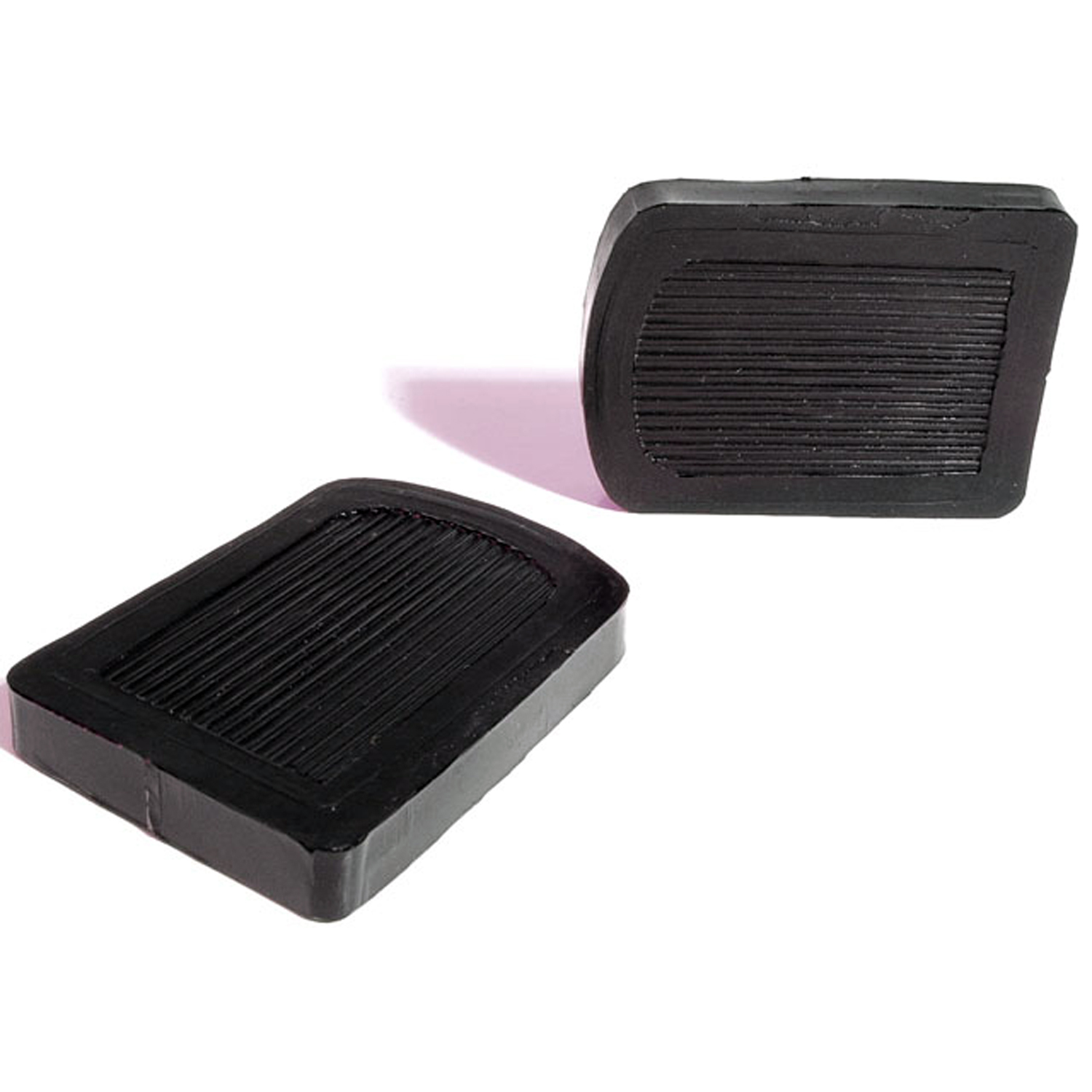 1930 Graham SPECIAL 8 Clutch and Brake Pedal Pads. 2-5/8" wide X 3-5/8" long-CB 25Clutch and Brake Pedal Pads. 2-5/8" wide X 3-5/8" long. Pair
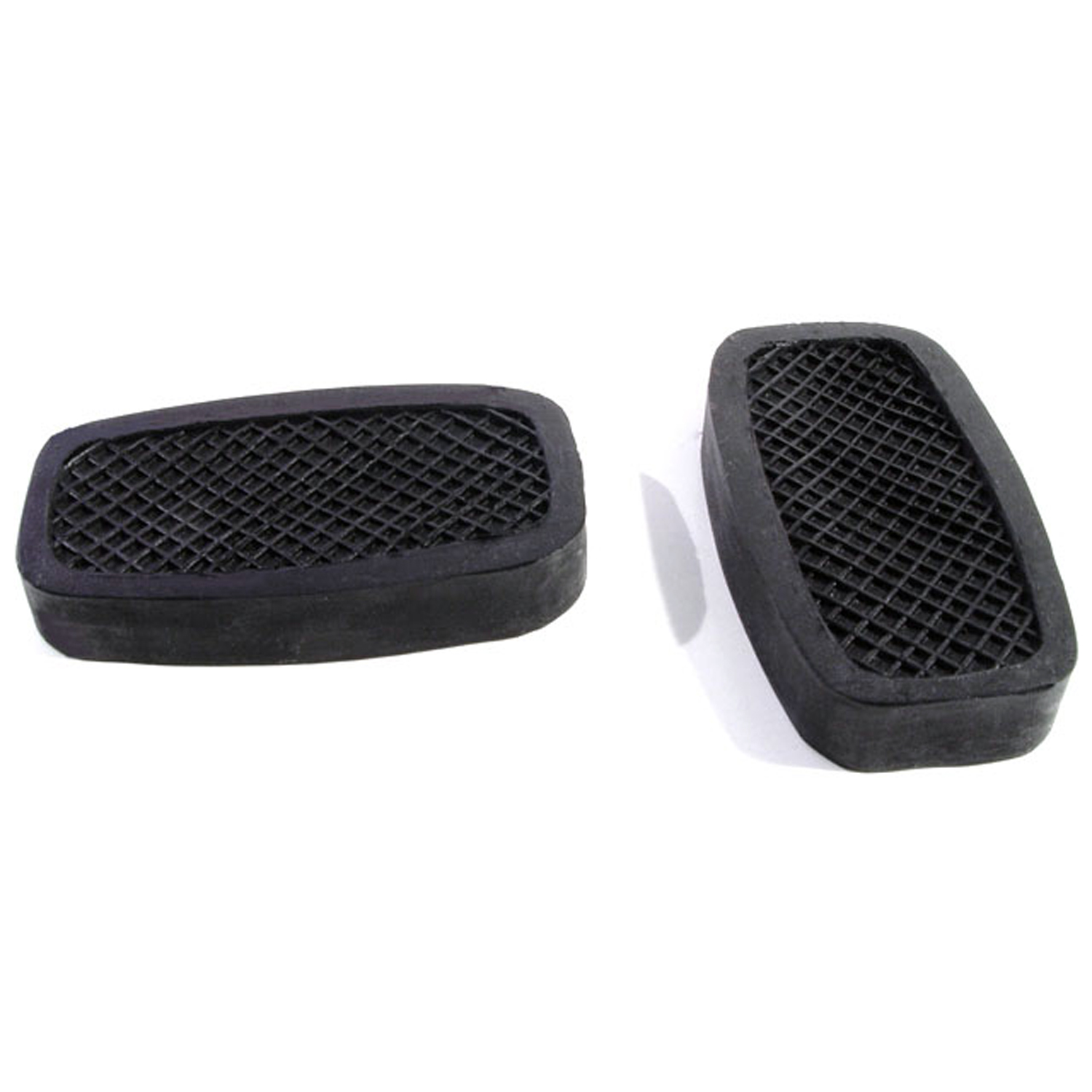 1930 Graham SPECIAL 8 Clutch and Brake Pedal Pads. 2" wide X 3-5/8" long. Pair-CB 46Clutch and Brake Pedal Pads. 2" wide X 3-5/8" long. Pair
Why Choose Metro?
For over 100 years, Metro Moulded Parts has been the pinnacle of quality in classic car restoration parts. Our commitment to precision and authenticity in every component ensures a perfect fit and an OEM-level appearance.
- Expert Craftsmanship & Quality: Each part is a testament to our dedication to reliability and perfection, crafted from original designs and thoroughly tested.
- Advanced Technology: We use cutting-edge techniques to create flawless, long-lasting parts that surpass others in performance.
- SuperSoft Sponge – The Ultimate Door Seal: Not only are our door seals 30% softer than competitors', but they're also guaranteed to never leak. They effectively reduce wind and road noise, enhancing your classic car's comfort and driving experience.
- Proudly American: Our parts are a product of American craftsmanship, made in the USA with a spirit of excellence and heritage.
- Unrivaled Warranty: We back our products with a 30-year industry-leading warranty, a testament to our confidence in their quality.
Join us in preserving the legacy of classic cars with parts that are crafted for perfection, not just made.