

Image of 1930 Graham Standard 6, Note: These illustrations use artistic license and may differ from actual historical models.
Performance Metrics
Fundamental Metrics
Emotional Appeal
MMP Rating
| Engine Specifications | |
|---|---|
| Engine Options: | Inline 6 |
| Displacement Range: | 3.3L |
| Horsepower Range: | Estimated 60-70 HP |
| Torque: | Not available |
| Compression Ratio: | Not available |
| Ignition System: | Distributor and coil |
| Cooling System: | Water-cooled |
| Performance Specifications | |
| 0-60 Time: | Not available |
| 1/4 Mile Time: | Not available |
| Top Speed: | 60-70 mph |
| Transmission and Drive | |
| Drive Type: | Rear-wheel drive |
| Transmission Type: | 3-speed manual |
| Fuel and Efficiency | |
| Fuel System Type: | Carburetor |
| MPG: | Not available |
| Dimensions and Brakes | |
| Brakes: | Mechanical drum brakes |
| Wheelbase: | 114 inches |
| Weight: | Estimated 2,500 lbs |
Note: Specifications for classic cars are given to the best of our ability, considering the limited and variant data available.
1930 Graham Standard Six: A Handsome Depression-Era American Classic
The 1930 Graham Standard Six brought big-car presence and smooth six-cylinder power to buyers who wanted more than basic transportation. Built by Graham-Paige Motors Corporation in Detroit, it belonged to a new American marque with roots in the booming automobile and truck industries of the 1920s. Its blend of substantial engineering, formal styling, and practical body choices makes it a distinctive, if often overlooked, member of the prewar classic-car world.
Graham-Paige had been formed in 1927 by brothers Joseph, Robert, and Ray Graham, who had made their name manufacturing trucks. They joined forces with the established Paige-Detroit Motor Car Company and turned its passenger-car business into a new company bearing their family name. The Standard Six was among Graham-Paige’s more accessible offerings, positioned below the larger and more expensive models in its range.
One intriguing bit of context: Graham’s automotive story began with trucks, but the brothers’ passenger cars soon developed a reputation for sturdy construction and thoughtful engineering. That commercial-vehicle background helps explain the Standard Six’s substantial feel. It was designed as a comfortable, capable road car, not a lightweight novelty.
Art Deco-Era Style and Six-Cylinder Engineering
The Standard Six wears the upright, carefully proportioned look associated with American cars just before the streamlined designs of the later 1930s. Its tall radiator, prominent headlamps, long hood, and sweeping fenders give it a formal stance. Depending on body style, running boards and bright exterior trim emphasize the car’s length and create a graceful line from the front fenders to the rear bodywork.
Inside, the cabin is built around the materials and craftsmanship of its era. Expect a metal dashboard with clear, period-style instruments, a broad steering wheel, and generous seating. Upholstery and trim varied with body and equipment, but cloth was common in enclosed models, with more durable or weather-resistant finishes used where appropriate. Original interiors can differ considerably today because many cars have been reupholstered during restoration.
The Standard Six used a side-valve, or L-head, inline-six engine of approximately 212.8 cubic inches, rated at about 67 horsepower in commonly cited specifications. Power went through a three-speed manual transmission to the rear wheels. It also had the familiar fundamentals of a 1930 automobile: a conventional chassis, solid axles, leaf springs, and mechanical drum brakes. These were not cutting-edge by modern standards, but they were proven, serviceable technologies for the time.
Graham-Paige offered the Standard Six in more than one body configuration, with enclosed sedans among the most practical and recognizable choices. Coupes and open body styles were also associated with the period’s Graham lineup, though exact availability depended on model designation and market. Period color choices varied by body and trim package. Rather than assume one universal palette, buyers should check factory literature and surviving paint traces when assessing a particular car. Dark greens, blues, maroons, and black are all visually convincing period-style finishes, but a restoration should follow evidence from the individual vehicle.
Why the Standard Six Matters
The 1930 Standard Six is significant less for one headline-grabbing invention than for what it represents: a well-engineered, mid-priced American automobile from a young manufacturer trying to establish its own identity during a fiercely competitive period. Graham-Paige had to stand apart from much larger rivals, and it did so with solid construction, appealing styling, and a lineup broad enough to serve different kinds of buyers.
It also captures a turning point in the American car industry. The Great Depression was beginning to reshape consumer demand, and manufacturers faced pressure to offer comfort and quality at a price customers could manage. Graham-Paige’s truck-building experience gave the company a practical engineering foundation, while its passenger cars pursued the polish and prestige expected of a full-size automobile.
The Standard Six did not set a lasting industry standard for a single technology, nor is it chiefly remembered as a design revolution. Its importance is more representative: it shows how an independent automaker competed through balanced engineering and strong value before the industry consolidated and many smaller marques disappeared.
Road Manners, Speed, and the Driving Experience
With roughly 67 horsepower moving a substantial car, the Standard Six was built for steady touring rather than quick acceleration. A reasonable estimate for top speed is around 60 to 65 mph in good mechanical condition. A modern-style 0-to-60-mph figure was not typically a factory headline in 1930, and surviving cars vary widely, but an estimate in the 25-to-30-second range is more realistic than anything resembling modern performance.
On a smooth road, the car’s long wheelbase and leaf-spring suspension should give it a composed, gently floating ride. Broken pavement brings the expected body movement and occasional jolts, while tight, winding roads require anticipation. Steering is heavy at low speed, and the driver must allow for the car’s size, older tire technology, and less powerful brakes. Mechanical drum brakes demand a longer stopping distance and a firmer, more deliberate technique than modern drivers are used to.
Behind the wheel, the inline-six produces a low, measured mechanical soundtrack rather than a sharp, high-revving note. The three-speed gearbox and large steering wheel make the driver an active participant. This is a car to shift deliberately, look well down the road, and enjoy at a relaxed pace. A well-maintained example can be comfortable on scenic touring runs, but fast traffic and modern highways are not its natural habitat.
Living With a 1930 Graham
Today, the Standard Six is best suited to touring, local classic-car events, and display. It can be driven regularly by a dedicated owner, but it is not an ideal everyday commuter. Traffic speed, limited braking performance, scarce parts, and the need for frequent inspection all make routine modern use demanding.
Basic maintenance follows familiar prewar-car practice: regular lubrication, attention to ignition and fuel systems, careful cooling-system upkeep, and frequent checks of brakes, tires, and steering. The straightforward mechanical layout can make many jobs accessible to an experienced hobbyist. However, “simple” does not mean effortless. Internal engine work, correct restoration of the transmission, and sourcing marque-specific trim or body parts may require specialist help.
Parts availability is the main ownership challenge. Some general mechanical components can be adapted or sourced through vintage-car suppliers, but unique Graham-Paige items may take patience, fabrication, or help from marque clubs and specialist networks. Before buying, inspect the chassis, wood structure where applicable, body panels, engine condition, and completeness of the trim. A complete car is often a better starting point than an inexpensive project missing rare parts.
Graham Standard Six Facts and Myths
The Standard Six is not widely associated with major racing records or a famous celebrity owner, and it is best appreciated as a capable road car rather than a competition machine. Its historical interest comes from Graham-Paige’s place among independent American manufacturers and from the company’s transition from commercial vehicles to passenger cars.
There is no dependable, commonly cited production total for every Standard Six body configuration. As a working estimate, production may have been in the range of roughly 8,000 to 15,000 cars, but that should be treated as an informed estimate, not a verified factory figure. The number of surviving, roadworthy examples is much smaller, and no comprehensive public census is available.
A common criticism of the car is that it lacks the instant name recognition of a Ford Model A, Cadillac, or Packard. Its mechanical performance is also modest by modern expectations, and restoration can be complicated by parts scarcity. Those drawbacks are balanced by its distinctive styling, substantial road presence, and relative rarity among American classics.
Collector Value and Market Outlook
Values depend heavily on body style, condition, originality, and the quality of any restoration. As a broad current-market estimate, a project or incomplete car might sell for about $5,000 to $12,000. A sound driver or older restoration could fall around $15,000 to $30,000, while a particularly well-restored, correct, and desirable example may reach roughly $35,000 to $50,000 or more. These are guide ranges, not appraisals, and an unusual body style or exceptional provenance can change the result.
The Standard Six is rare enough to attract marque enthusiasts, but it has a narrower audience than the best-known mass-market classics. Prices for well-presented cars have the potential to strengthen as distinctive prewar vehicles gain attention, although condition and restoration costs remain major factors. The market is best described as selective rather than uniformly booming: a complete, documented car is likely to be easier to sell than an ambitious project.
For prospective buyers, provenance, correct identification, and inspection matter more than polished paint. Confirm the model and body details against period documentation where possible, and budget for specialist work if the car needs major mechanical or structural repairs.
A Quietly Distinctive American Classic
The 1930 Graham Standard Six combines a substantial six-cylinder chassis, formal prewar styling, and the practical engineering of a company founded by truck builders. It was not a speed record-breaker or a revolutionary design, but it offers a compelling snapshot of an ambitious independent automaker at the start of the Depression.
For collectors who value uncommon American cars, the Standard Six rewards a closer look. Its appeal lies in its confident presence, hands-on driving character, and connection to a short but important chapter in Detroit history. It may not be the loudest name at a classic-car show, but it is exactly the kind of car that makes knowledgeable enthusiasts stop and ask questions.
1930 Graham Standard 6 Catalog of Parts
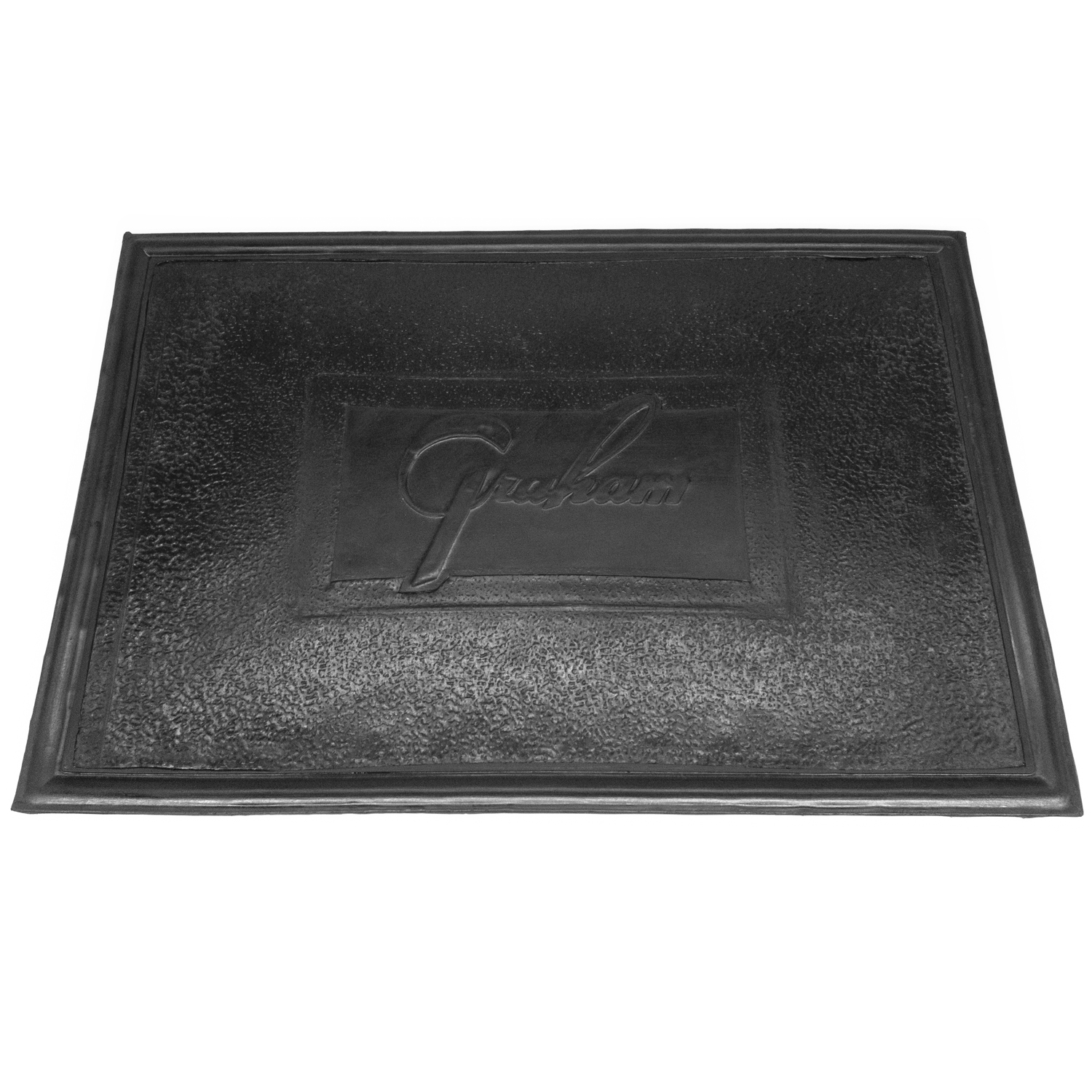 1930 Graham STANDARD 6 Accessory Floor Mat - 12"X17"-AC 12Accessory Floor Mat - made of high quality black rubber with molded original emblem. Also designed to be sewn into new carpets. 12"X17", Each
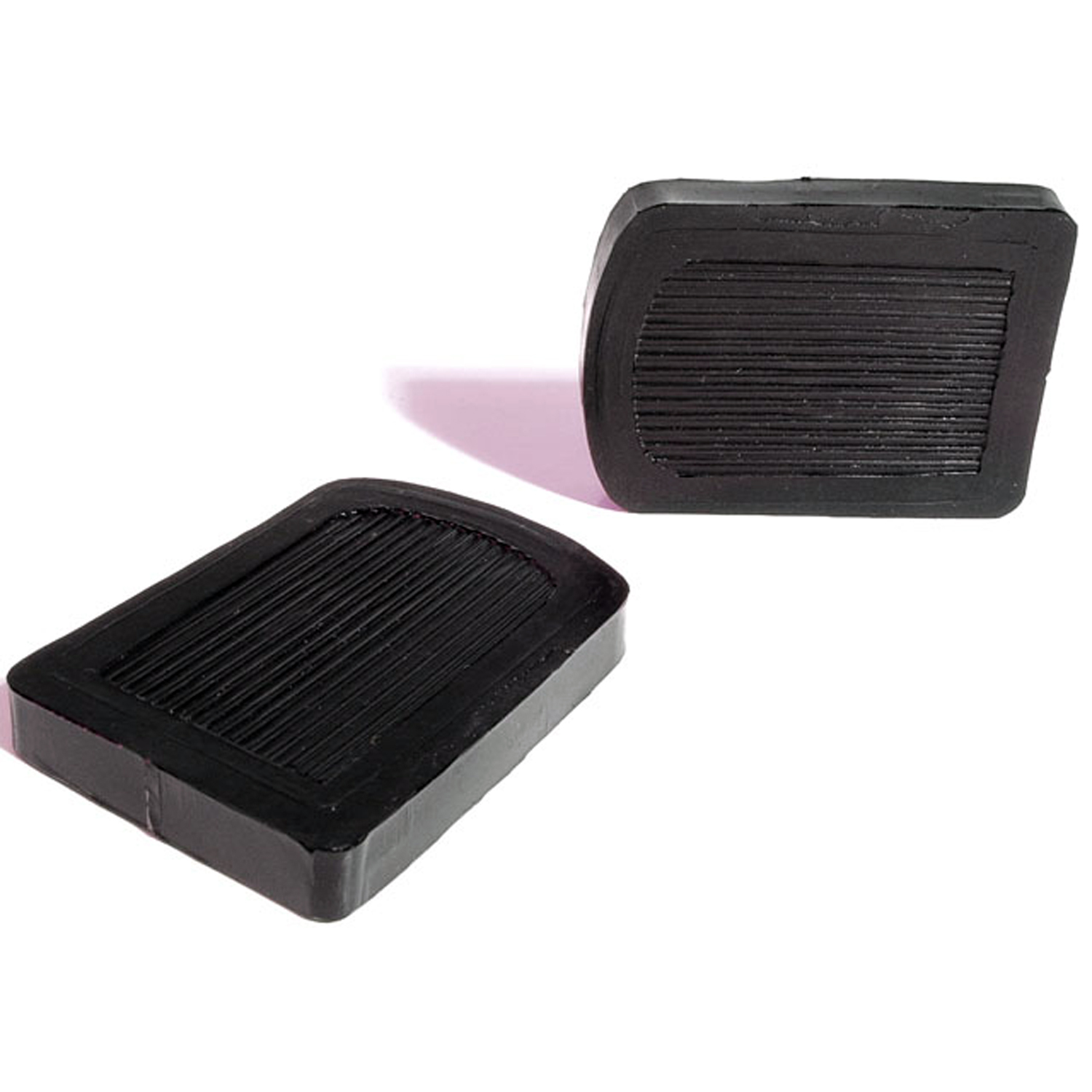 1930 Graham STANDARD 6 Clutch and Brake Pedal Pads. 2-5/8" wide X 3-5/8" long-CB 25Clutch and Brake Pedal Pads. 2-5/8" wide X 3-5/8" long. Pair
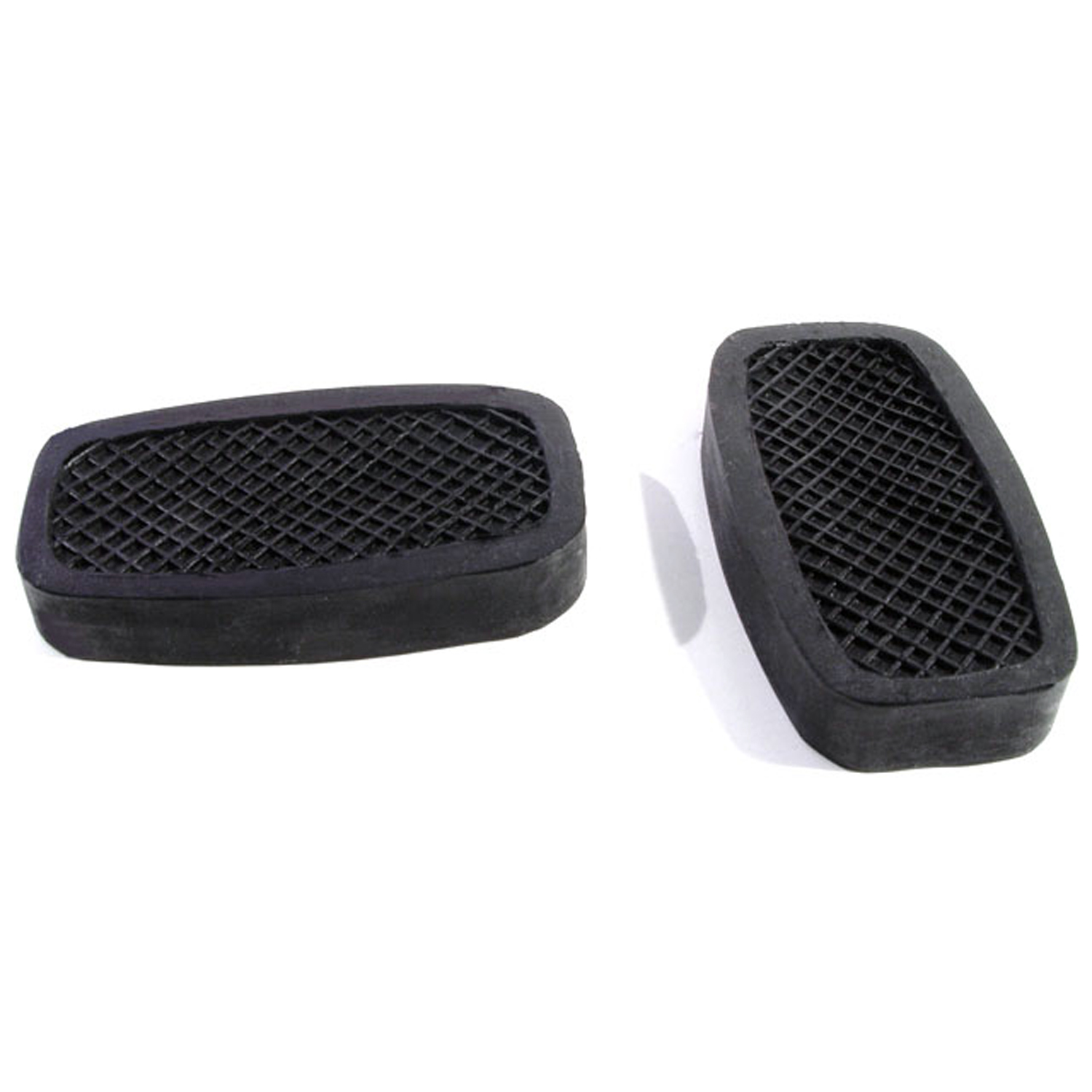 1930 Graham STANDARD 6 Clutch and Brake Pedal Pads. 2" wide X 3-5/8" long. Pair-CB 46Clutch and Brake Pedal Pads. 2" wide X 3-5/8" long. Pair
Why Choose Metro?
For over 100 years, Metro Moulded Parts has been the pinnacle of quality in classic car restoration parts. Our commitment to precision and authenticity in every component ensures a perfect fit and an OEM-level appearance.
- Expert Craftsmanship & Quality: Each part is a testament to our dedication to reliability and perfection, crafted from original designs and thoroughly tested.
- Advanced Technology: We use cutting-edge techniques to create flawless, long-lasting parts that surpass others in performance.
- SuperSoft Sponge – The Ultimate Door Seal: Not only are our door seals 30% softer than competitors', but they're also guaranteed to never leak. They effectively reduce wind and road noise, enhancing your classic car's comfort and driving experience.
- Proudly American: Our parts are a product of American craftsmanship, made in the USA with a spirit of excellence and heritage.
- Unrivaled Warranty: We back our products with a 30-year industry-leading warranty, a testament to our confidence in their quality.
Join us in preserving the legacy of classic cars with parts that are crafted for perfection, not just made.