

Image of 1931 Graham Special 820, Note: These illustrations use artistic license and may differ from actual historical models.
Performance Metrics
Fundamental Metrics
Emotional Appeal
MMP Rating
| Engine Specifications | |
|---|---|
| Engine Options: | Straight-8 |
| Displacement Range: | 3.3L |
| Horsepower Range: | Estimated 120 HP |
| Torque: | Not available |
| Compression Ratio: | Not available |
| Ignition System: | Distributor and coil |
| Cooling System: | Water-cooled |
| Performance Specifications | |
| 0-60 Time: | Not available |
| 1/4 Mile Time: | Not available |
| Top Speed: | 85 mph |
| Transmission and Drive | |
| Drive Type: | Rear-wheel drive |
| Transmission Type: | 3-speed manual |
| Fuel and Efficiency | |
| Fuel System Type: | Carburetor |
| MPG: | Not available |
| Dimensions and Brakes | |
| Brakes: | Mechanical drum brakes |
| Wheelbase: | 137.5 inches |
| Weight: | Estimated 3,500 lbs |
Note: Specifications for classic cars are given to the best of our ability, considering the limited and variant data available.
1931 Graham Special 820: A Straight-Eight with Quiet Confidence
The 1931 Graham Special 820 brought long-hood elegance and serious eight-cylinder power to a car market being shaken by the Great Depression. Built by Graham-Paige Motors Corporation, it came from a young company with an unusually experienced automotive family behind it: brothers Joseph, Robert, and Ray Graham had already made their name in the industry before launching their own marque in 1927.
The “820” name is commonly associated with Graham’s eight-cylinder cars, though period model and body designations can vary across references and surviving examples. For any individual car, the serial plate and original sales literature are the best guides to its precise specification. The Special 820 belongs to the era before Graham’s famous Blue Streak styling, introduced for 1932, but it already showed the company’s ambition to compete with established mid-priced and luxury makes.
One striking part of its story is the timing: Graham-Paige was still expanding its range as the Depression cut into demand for expensive cars. The 820 was therefore both a product of pre-crash optimism and a test of how much refinement buyers would still pay for in difficult years.
Exterior Design and Cabin Craft
The 820 has the formal proportions expected of an early-1930s automobile: a tall radiator, long hood, upright windshield, sweeping fenders, and a cabin set well back from the front axle. Its visual character is more restrained than the dramatic, streamlined Graham designs that followed. The grille and hood provide the focal point, while exposed headlamps, running boards, and separate fenders give the car a distinctly prewar silhouette.
Inside, the emphasis was on comfort and finish rather than flashy ornament. Depending on body style and trim, owners could find broad bench seating, quality cloth or leather upholstery, wood-grain or polished trim, and substantial door panels. The dashboard placed the instruments and controls within reach, though the overall layout feels upright and formal by modern standards. Materials and details varied with the body and equipment ordered, so surviving cars can differ considerably.
Factory colors and trim combinations depended on the body, year, and order. Dark shades such as black, deep blue, green, and maroon suit the car’s formal lines and are popular choices among restorers, but a period-correct restoration should follow documentation for the individual chassis rather than assume one standard palette.
Graham offered a range of closed and open body styles across its 1931 line. Depending on the specific 820 listing and market, that could include sedan and coupe forms, with more open touring-style bodies available in the broader range. Sedans are among the most recognizable surviving examples, while coupes and open cars tend to attract attention for their proportions and relative scarcity. Exact availability should be checked against the car’s original model documentation.
Engineering in Its Historical Moment
The Special 820’s defining engineering feature was its straight-eight layout. An inline eight-cylinder engine was prized for smoothness: its long crankshaft and evenly spaced firing impulses could deliver a more refined feel than many six-cylinder rivals. That refinement mattered in a car intended to make ordinary road travel feel composed and upscale.
Graham-Paige was also a relatively young automaker competing against firms with larger dealer networks and deeper production resources. Its cars had to make a clear case through engineering, finish, and value. The 820 represents that strategy: a substantial chassis, an eight-cylinder powerplant, and formal styling in a package aimed at buyers who wanted distinction without moving to the most expensive luxury marques.
Its lasting importance is less about a single invention than about the company’s broader design trajectory. Graham-Paige continued to experiment with shape and packaging, and the 1932 Blue Streak became a landmark for its enclosed fenders and more integrated appearance. The 820 is an interesting step just before that visual leap, showing the traditional design language Graham was about to leave behind.
Performance, Ride, and Road Manners
Published performance figures for a specific 1931 Special 820 can be difficult to pin down because engine specifications, body weight, gearing, and condition vary. Period straight-eight Graham models were built for smooth, confident road travel rather than modern-style acceleration. As a reasonable period-car estimate, a sound example might reach roughly 70 to 80 mph, with 0-to-60 mph taking around 20 to 25 seconds. Treat those numbers as estimates, not guaranteed factory test results.
On a level road, the car’s long wheelbase and substantial chassis should give it a settled, relaxed feel. Its period suspension, tall tires, and relatively high center of gravity mean sharp bumps can produce body movement, while narrow tires and older steering geometry call for measured inputs on winding roads. In crosswinds, the tall body and large side area can also demand attention, especially at speed.
Behind the wheel, the straight-eight’s appeal is likely to be its smoothness and steady pull rather than a dramatic exhaust note. The driver works with a large steering wheel, a comparatively upright seating position, and controls that require more deliberate effort than a modern car. Braking distances, visibility around the fenders, and the need to anticipate traffic are all part of the vintage driving experience. A well-maintained 820 is best enjoyed at a composed touring pace.
Living with a Graham Special 820
Today, the 820 is primarily a touring, show, or collection car rather than a practical daily driver. It can cover local roads and participate in vintage events, but its age makes regular use dependent on careful upkeep. A sympathetic owner may drive it often during suitable weather, while preserving it from salt, heavy traffic, and long periods of neglect.
Routine work is manageable for an experienced classic-car owner: lubrication, ignition service, cooling-system care, and adjustment of mechanical components are familiar tasks. The challenge is less the basic mechanical layout than sourcing correct parts and finding specialists who know Graham-Paige cars. Engine, transmission, brake, and body components may require patience, fabrication, or help from marque clubs and vintage-car networks.
Reliability depends heavily on restoration quality. A freshly rebuilt engine is no guarantee of dependable touring if the fuel system, wiring, cooling system, tires, and brakes have been overlooked. Before buying, inspect the chassis and frame, check for old repairs and corrosion, verify the engine and serial numbers, and ask for records of mechanical work. A road test should include hot running and a careful check for leaks, smoke, brake pull, and steering play.
Notable Details and Common Misconceptions
The most useful “fun fact” about the 820 may be its position in Graham-Paige history: it represents the company’s conventional luxury-car era immediately before one of its most recognizable styling innovations. The Blue Streak name belongs to the following model year, so a 1931 car should not be casually described as a Blue Streak unless its identity and date support that claim.
There is no widely recognized speed or endurance record associated specifically with the Special 820. Nor should claims about celebrity ownership or production totals be repeated without documentation. Surviving cars are uncommon, but rarity alone does not prove that a particular example is a factory special or a limited edition.
A frequent criticism of cars of this period is their demanding maintenance and modest performance by modern standards. For the 820, that is fair: it is heavy, parts can be difficult to locate, and its handling and braking require respect. Its rewards are different from those of a modern performance car: mechanical character, smooth straight-eight power, coachbuilt-era presence, and a connection to a short but ambitious chapter in American automotive history.
Collector Value and Availability
Exact production figures for the Special 820 itself are not consistently available in commonly cited references, and total Graham-Paige production should not be mistaken for the output of one model or body style. As a broad, explicitly estimated range, production of a particular 820 configuration may have been in the hundreds or low thousands. That is a reasoned estimate rather than a verified factory count.
In today’s collector market, a project car with major mechanical or body needs might fall around $8,000 to $18,000. A usable driver or older restoration could bring roughly $20,000 to $40,000, while a carefully restored, highly original, or especially desirable body style could reach $45,000 to $70,000 or more. Condition, completeness, provenance, and the quality of the restoration matter far more than a generic model description. These are broad market estimates, not a formal appraisal.
Cars appear infrequently, and buyers may need to wait for the right example. Values for unusual prewar American cars have generally been supported by their scarcity and historical interest, but they are not immune to shifts in the classic-car market. The 820 is best approached as a passion purchase: a strong example with sound documentation is likely to be easier to enjoy and resell than a cheap project with missing parts.
Why the 1931 Graham 820 Still Matters
The Graham Special 820 combines the smoothness of an eight-cylinder engine with the upright elegance of a prewar American touring car. It reflects Graham-Paige’s effort to deliver refinement in a difficult economic moment, and it sits just before the company’s more radical 1932 styling made a bigger mark on automotive design.
It is not a car to buy for effortless modern speed or easy parts availability. It is a car to value for its presence, engineering character, and place in the story of an ambitious American manufacturer. Seen today, the 1931 Graham 820 is a reminder that even on the eve of hardship, automakers were still reaching for a more graceful and distinctive way to travel.
1931 Graham Special 820 Catalog of Parts
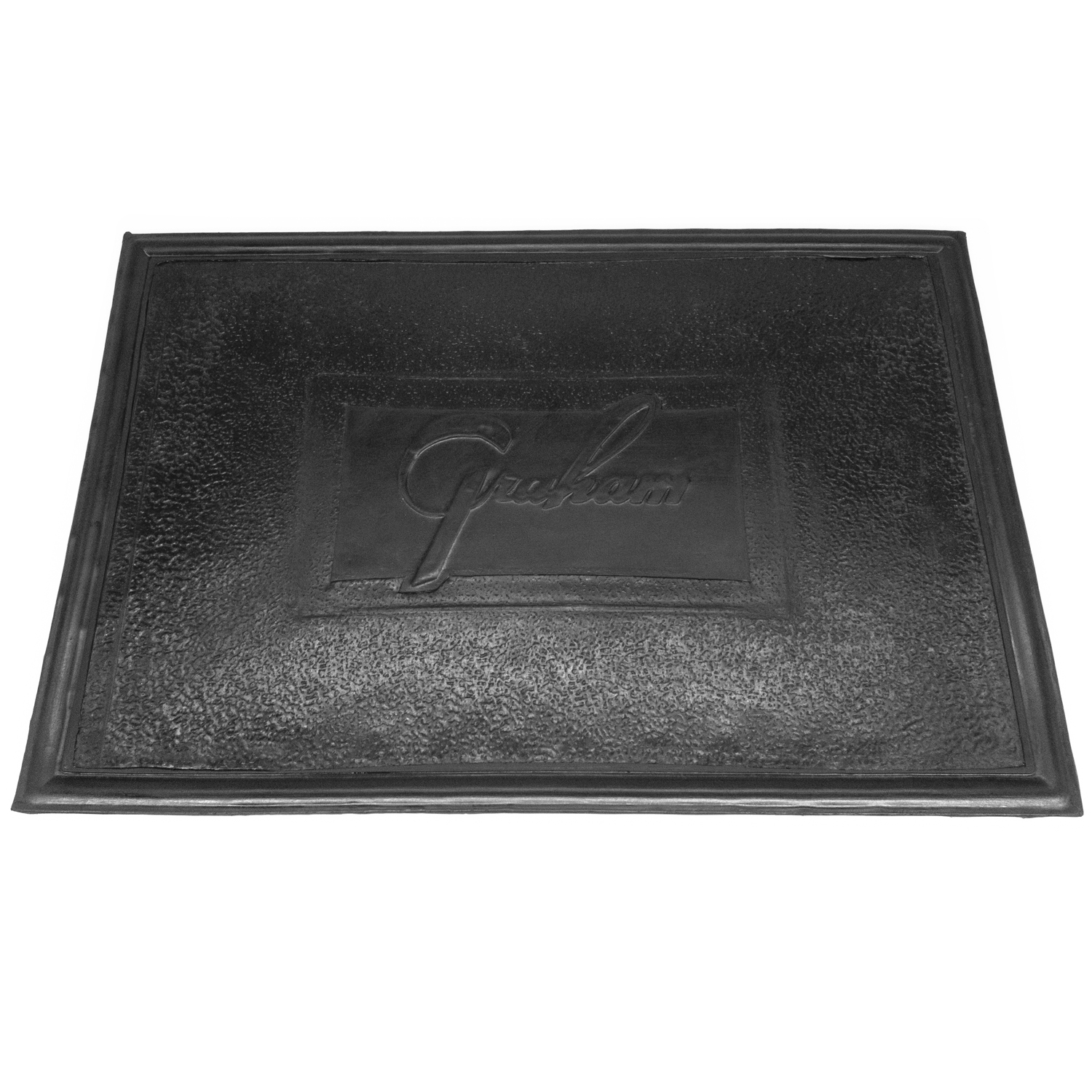 1931 Graham Special 820 Accessory Floor Mat - 12"X17"-AC 12Accessory Floor Mat - made of high quality black rubber with molded original emblem. Also designed to be sewn into new carpets. 12"X17", Each
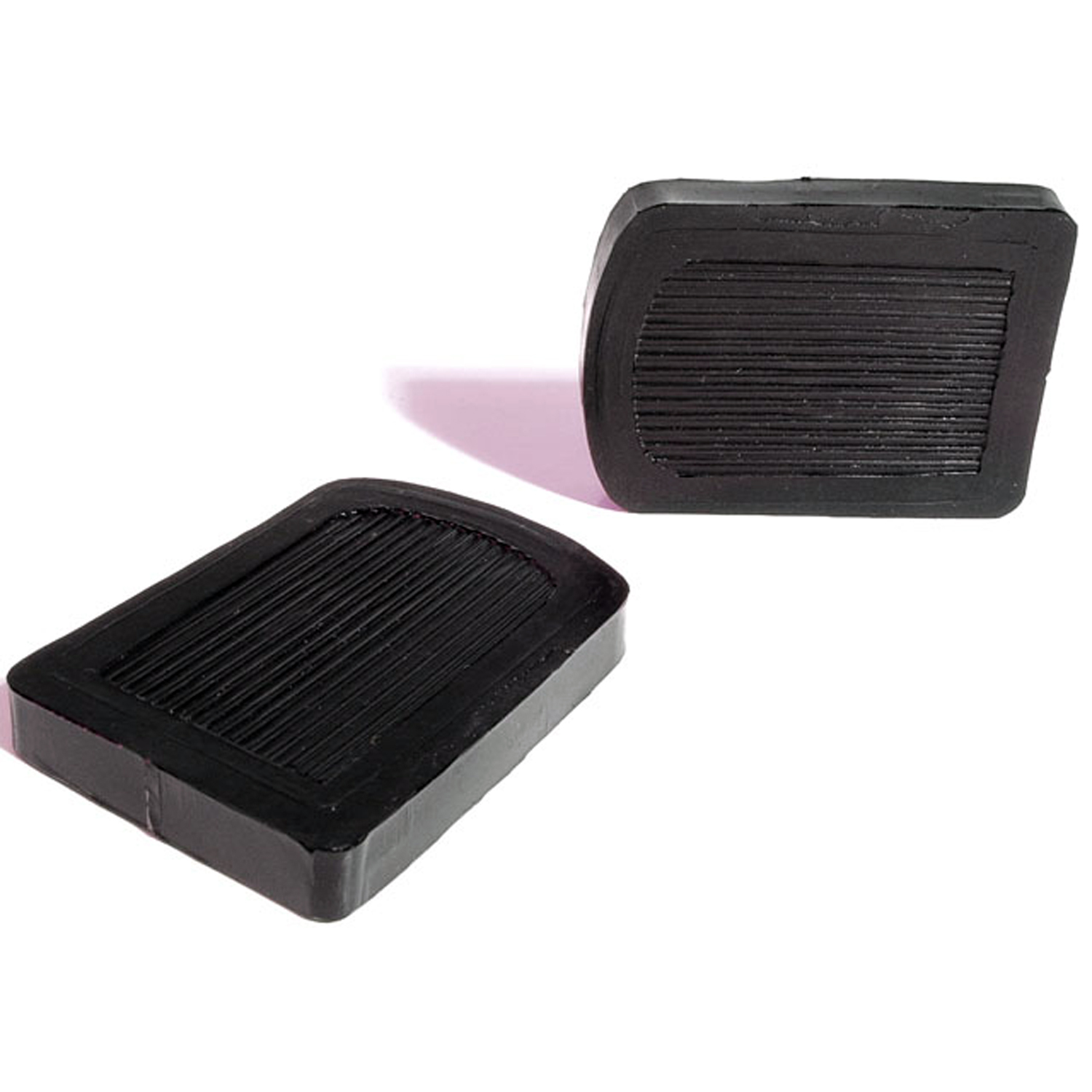 1931 Graham Special 820 Clutch and Brake Pedal Pads. 2-5/8" wide X 3-5/8" long-CB 25Clutch and Brake Pedal Pads. 2-5/8" wide X 3-5/8" long. Pair
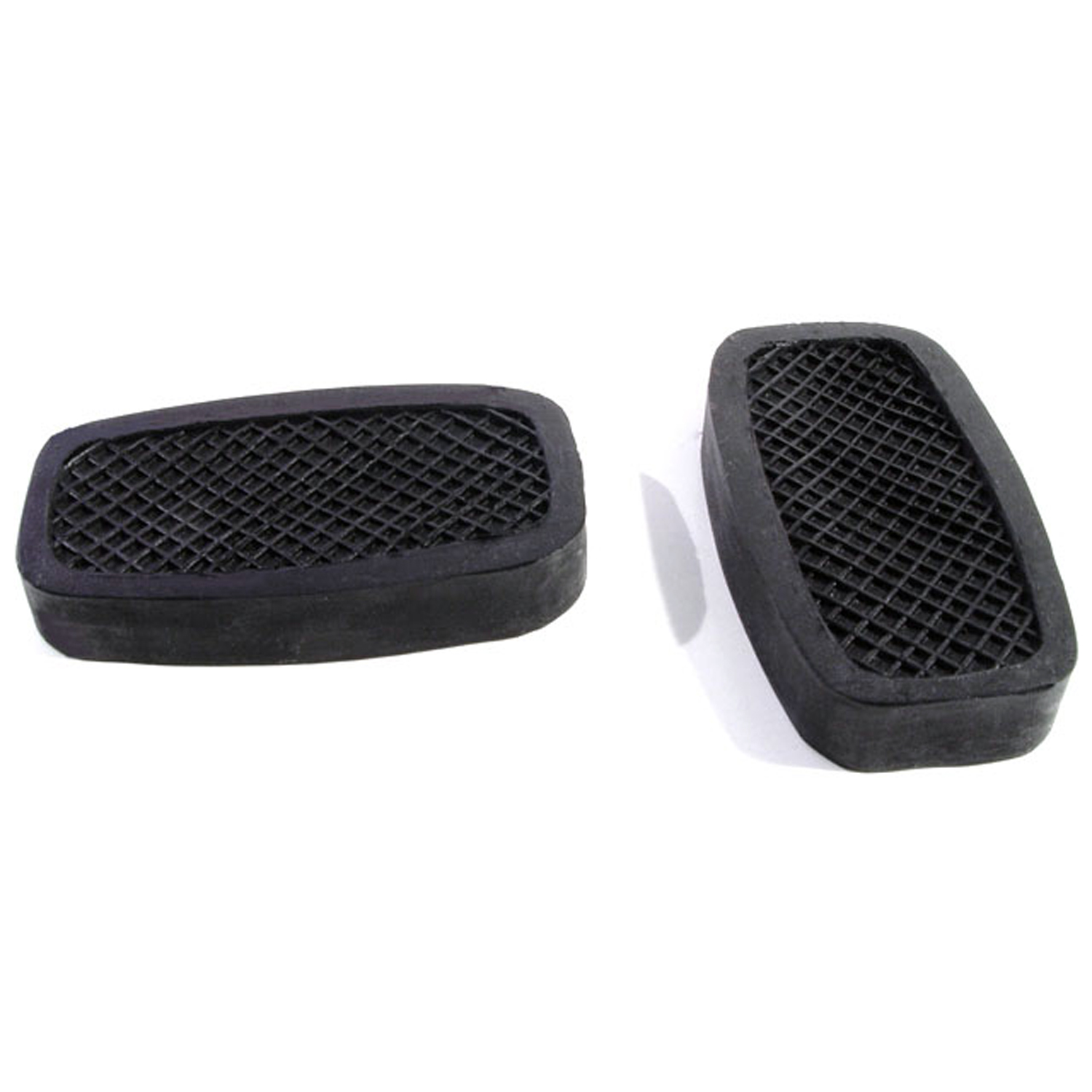 1931 Graham Special 820 Clutch and Brake Pedal Pads. 2" wide X 3-5/8" long. Pair-CB 46Clutch and Brake Pedal Pads. 2" wide X 3-5/8" long. Pair
 1931 Graham Special 820 Fender Light Pads. 3-3/8" wide X 6-1/2" long. Pair-MP 791-AFender Light Pads. 3-3/8" wide X 6-1/2" long. Pair
 1931 Graham Special 820 Tail-light Pads. 1-3/4" wide X 4-1/8" long. Pair-MP 791-BTail-light Pads. 1-3/4" wide X 4-1/8" long. Pair
 1931 Graham Special 820 Side Mount Pad. 5-1/8" wide X 3-1/2" long. Each-MP 791-CSide Mount Pad. 5-1/8" wide X 3-1/2" long. Each
 1931 Graham Special 820 Park Light Pads. 1-5/8" wide X 2-3/4" long. Pair-MP 797-DPark Light Pads. 1-5/8" wide X 2-3/4" long. Pair
 1931 Graham Special 820 Spare Bracket Pad. 5-1/4" wide X 1-5/8" long. Each-MP 797-FSpare Bracket Pad. 5-1/4" wide X 1-5/8" long. Each
 1931 Graham Special 820 Tail-light Pads. 3-3/4" wide X 3-7/8" long. Pair-MP 797-GTail-light Pads. 3-3/4" wide X 3-7/8" long. Pair
 1931 Graham Special 820 Tail-light Body Pads. 2-7/8" wide X 2-1/2" long. Pair-MP 797-HTail-light Body Pads. 2-7/8" wide X 2-1/2" long. Pair
Why Choose Metro?
For over 100 years, Metro Moulded Parts has been the pinnacle of quality in classic car restoration parts. Our commitment to precision and authenticity in every component ensures a perfect fit and an OEM-level appearance.
- Expert Craftsmanship & Quality: Each part is a testament to our dedication to reliability and perfection, crafted from original designs and thoroughly tested.
- Advanced Technology: We use cutting-edge techniques to create flawless, long-lasting parts that surpass others in performance.
- SuperSoft Sponge – The Ultimate Door Seal: Not only are our door seals 30% softer than competitors', but they're also guaranteed to never leak. They effectively reduce wind and road noise, enhancing your classic car's comfort and driving experience.
- Proudly American: Our parts are a product of American craftsmanship, made in the USA with a spirit of excellence and heritage.
- Unrivaled Warranty: We back our products with a 30-year industry-leading warranty, a testament to our confidence in their quality.
Join us in preserving the legacy of classic cars with parts that are crafted for perfection, not just made.