

Image of 1932 Graham Standard 6, Note: These illustrations use artistic license and may differ from actual historical models.
Performance Metrics
Fundamental Metrics
Emotional Appeal
MMP Rating
| Engine Specifications | |
|---|---|
| Engine Options: | Inline 6 |
| Displacement Range: | 3.3L |
| Horsepower Range: | Estimated 75-85 HP |
| Torque: | Not available |
| Compression Ratio: | Not available |
| Ignition System: | Distributor and coil |
| Cooling System: | Water-cooled |
| Performance Specifications | |
| 0-60 Time: | Not available |
| 1/4 Mile Time: | Not available |
| Top Speed: | 70-80 mph |
| Transmission and Drive | |
| Drive Type: | Rear-wheel drive |
| Transmission Type: | 3-speed manual |
| Fuel and Efficiency | |
| Fuel System Type: | Carburetor |
| MPG: | Not available |
| Dimensions and Brakes | |
| Brakes: | Mechanical drum brakes |
| Wheelbase: | 116 inches |
| Weight: | Estimated 2,800-3,000 lbs |
Note: Specifications for classic cars are given to the best of our ability, considering the limited and variant data available.
1932 Graham Standard Six: The Sensible Graham With a Story to Tell
The 1932 Graham Standard Six was built for motorists who wanted a substantial, well-appointed American car without stepping up to the company’s more expensive eight-cylinder models. Its maker, Graham-Paige Motors Corporation, was founded in 1927 by brothers Joseph, Robert, and Ray Graham, who had made their name manufacturing trucks before buying the Paige-Detroit Motor Car Company. By 1932, Graham-Paige was competing in a crowded market shaped by the Great Depression, and its cars had to offer real value as well as good looks.
The Standard Six is also an interesting way into the Graham story because it appeared alongside the far more radical Graham Blue Streak. Introduced for 1932, the Blue Streak’s dramatic, skirted fenders made it one of the decade’s most recognizable American designs. The Standard Six took a more conservative approach, but shared the company’s aim of delivering sturdy engineering and a refined driving experience. It represents Graham at a pivotal moment: ambitious, inventive, and working hard to keep buyers in showrooms during a difficult economic period.
Exterior Design and Interior Comfort
The Standard Six wore the upright, dignified proportions expected of an early-1930s American automobile. A tall radiator, long hood, separate fenders, running boards, and prominent headlamps gave it a formal profile. Its bodywork was less adventurous than the Blue Streak’s, but the flowing lines of the fenders and the carefully shaped cabin helped it look polished rather than plain. Bright trim and wire or steel wheels, depending on specification, added period-appropriate sparkle.
Inside, the cabin emphasized comfort and finish over modern minimalism. Owners could expect substantial upholstery, a broad bench seat, a wood-trimmed or wood-finished instrument panel, and clear, straightforward controls. Upholstery and trim varied with body style and equipment; cloth was common in closed cars, while more expensive or specially equipped examples could have upgraded materials. The result was a welcoming, well-furnished space, though by today’s standards it is narrow, upright, and full of large, manually operated controls.
Factory paint choices could vary by body and production period. Dark shades such as black, maroon, deep blue, and green suited the car’s formal character, while contrasting paint or trim could give selected bodies a livelier two-tone appearance. Exact combinations are best confirmed against period literature or the car’s original paint traces, since surviving cars are often repainted and model-specific color records can be difficult to pin down.
The Standard Six range included several closed and open body configurations, with sedan and coupe-style bodies among the most familiar. Exact offerings and names could differ by catalog and market. The four-door sedan was the practical choice for families and business use; the coupe delivered a more personal, sporting look. As with many cars of the period, body style and equipment had a significant effect on price and desirability.
Six-Cylinder Engineering for 1932
At the heart of the Standard Six was a side-valve, or L-head, inline six-cylinder engine. Published specifications for the 1932 model are commonly given at about 213 cubic inches, with output generally listed in the neighborhood of 75 to 80 horsepower. Figures can vary among references and individual cars, so a surviving vehicle’s engine number and original literature are useful when confirming its exact specification.
The engine was paired with a conventional manual transmission, typically a three-speed unit, and the car used period-appropriate chassis engineering: a separate frame, solid axles, leaf springs, and large-diameter wheels. Four-wheel brakes and the car’s steering and suspension design should be checked against the particular car’s original equipment and current condition. These were not modern systems, but they were familiar, serviceable technology for the era.
Graham-Paige’s larger technological statement in 1932 was the Blue Streak, not the Standard Six. Its striking fender treatment helped make the wheels appear more integrated into the body and gave the car a lower, more streamlined appearance. The Standard Six is valuable as a contrast: it shows how a manufacturer could offer traditional styling and mechanicals while developing more visually daring ideas elsewhere in its range.
Historical Significance and the Graham Difference
The Standard Six’s significance lies less in a single groundbreaking feature than in what it reveals about Graham-Paige’s position in the market. The company was young compared with Ford, Chevrolet, and Chrysler, yet it was determined to compete on engineering, comfort, and styling. Its truck-building background contributed to a reputation for sturdy construction, while its passenger cars aimed to feel more substantial and carefully finished than basic transportation.
The 1932 Blue Streak often gets the headlines, but the Standard Six helped round out Graham’s lineup for buyers who preferred a conventional six-cylinder car. That distinction matters to collectors. The Standard Six was not simply a lesser version of the Blue Streak; it served a different customer and occupied a different place in the range. Together, the models show Graham balancing commercial practicality with a willingness to experiment in design.
Graham’s influence is most visible through the company’s broader design efforts rather than through a direct, easily traced legacy for the Standard Six alone. The Blue Streak’s fender styling helped popularize a more integrated, streamlined look, while the Standard Six preserves the formal, separate-fender silhouette that still defined much of the American market.
Performance and Road Manners
With roughly 75 to 80 horsepower, the Standard Six was built for steady road travel rather than quick acceleration. A period car in good mechanical condition might reach a top speed in the region of 65 to 75 mph, though gearing, body style, tire condition, and engine health all affect the result. A modern estimate for 0 to 60 mph is roughly 25 to 30 seconds. These are practical estimates, not guaranteed factory test figures, and an original 1932 car should not be pushed to its limits simply to verify them.
On a smooth road, the Graham feels substantial and relaxed. The six delivers its power with a measured, even rhythm, and the transmission rewards deliberate shifts rather than hurried gear changes. The engine’s sound is a low, mechanical hum that rises into a fuller growl under acceleration. There is little isolation by modern standards, so occupants hear and feel the machinery doing its work.
The long chassis and leaf-spring suspension soften many bumps, but rough pavement can produce body movement and a noticeable bounce. On a winding road, the car asks for patience: steering is slower and heavier than in a modern vehicle, the body leans through corners, and braking distances are long by contemporary standards. A crosswind can also make a tall, narrow-bodied car feel less settled. The best driving experience comes from leaving plenty of space, looking well ahead, and keeping speeds appropriate to the road and the car’s condition.
Owning and Maintaining a Graham Standard Six
Today, the Standard Six is best suited to touring, local events, and shows rather than daily commuting. It can make a rewarding antique-car driver when properly restored, but it lacks modern safety features such as seat belts, contemporary crash protection, and modern lighting performance. Careful driving and regular mechanical inspections are essential.
Routine work follows familiar prewar-car principles: keep the ignition and fuel systems in tune, lubricate chassis components on schedule, inspect the cooling system, and maintain the brakes and tires. Many jobs are mechanically straightforward for an experienced home mechanic, thanks to the car’s relatively accessible layout and conventional engineering. The harder part can be finding Graham-specific parts, trim, body panels, and accurate replacement components. Clubs, marque specialists, swap meets, and owners of related Graham models are valuable resources.
Reliability depends heavily on restoration quality. A well-maintained Standard Six can be dependable for vintage-car outings, but age brings the usual concerns: dried seals, brittle wiring, worn steering joints, tired brakes, and cooling-system problems. Before buying, look beyond shiny paint. Check the frame, body mounts, wood structure where applicable, engine numbers, transmission, and the availability of any missing Graham-specific pieces.
Graham Standard Six Facts and Myths
One of the most interesting facts about the Standard Six is its relationship to the 1932 Blue Streak. Both belong to the same moment in Graham-Paige history, but they show two very different design strategies: the Standard Six’s traditional elegance and the Blue Streak’s bold, skirted-fender styling. That makes the Standard Six a useful reference point for understanding just how adventurous the Blue Streak looked when new.
There is no widely recognized speed, endurance, or sales record associated specifically with the Standard Six. Nor is it generally known for a famous celebrity owner or a defining appearance at a major historical event. Its appeal is quieter: it is a survivor from an independent American manufacturer that competed through a severe economic downturn and left behind a distinctive, relatively uncommon marque.
Common criticisms are the car’s modest acceleration, period braking and steering, and the challenge of finding some specialized parts. Its conservative styling may also be less immediately eye-catching than the Blue Streak’s. For enthusiasts, however, those traits are part of its appeal: the Standard Six offers a more traditional and understated way to experience Graham-Paige engineering.
Collector Value and Availability
Exact production figures for the 1932 Standard Six are not consistently broken out from Graham-Paige’s broader model totals. A reasonable working estimate is that several thousand were built, perhaps roughly 4,000 to 8,000 across the range, but that should be treated as an informed estimate rather than a confirmed factory count. Survivors are far scarcer than the estimate might suggest, and cars with documented history, correct details, and complete trim can take time to find.
In the current U.S. collector market, a project car may sell for roughly $5,000 to $15,000, depending on completeness and rust. A sound driver or older restoration could bring about $15,000 to $35,000, while a high-quality, correctly restored example may reach approximately $35,000 to $60,000 or more. These are broad estimates, not a formal appraisal. Body style, originality, provenance, mechanical condition, and the quality of restoration all matter, and a Standard Six generally does not command the same premium as a rare or especially desirable Blue Streak.
Like many prewar cars from independent manufacturers, the Standard Six has a specialized buyer pool. Values tend to reward quality and originality more than cosmetic flash. Well-restored examples can hold their appeal, but the market is limited, and restoration costs can exceed the finished car’s resale value. Buyers should purchase for enjoyment and historical interest, not assume that every restoration will produce a financial gain.
Why the 1932 Graham Standard Six Still Matters
The 1932 Graham Standard Six combines traditional American-car proportions, a smooth six-cylinder engine, and the solid character of a manufacturer with ambitions beyond its size. It was not the most radical Graham of its year, nor the fastest car in its class. Instead, it offered comfortable, substantial transportation at a time when buyers needed every dollar to count.
For collectors, it tells a broader story than its understated styling first suggests. The Standard Six captures Graham-Paige’s practical side, while its place beside the Blue Streak reveals the company’s eye for innovation. It is a reminder that automotive history is shaped not only by headline-grabbing icons, but also by the well-built cars that carried ambitious ideas into everyday life.
1932 Graham Standard 6 Catalog of Parts
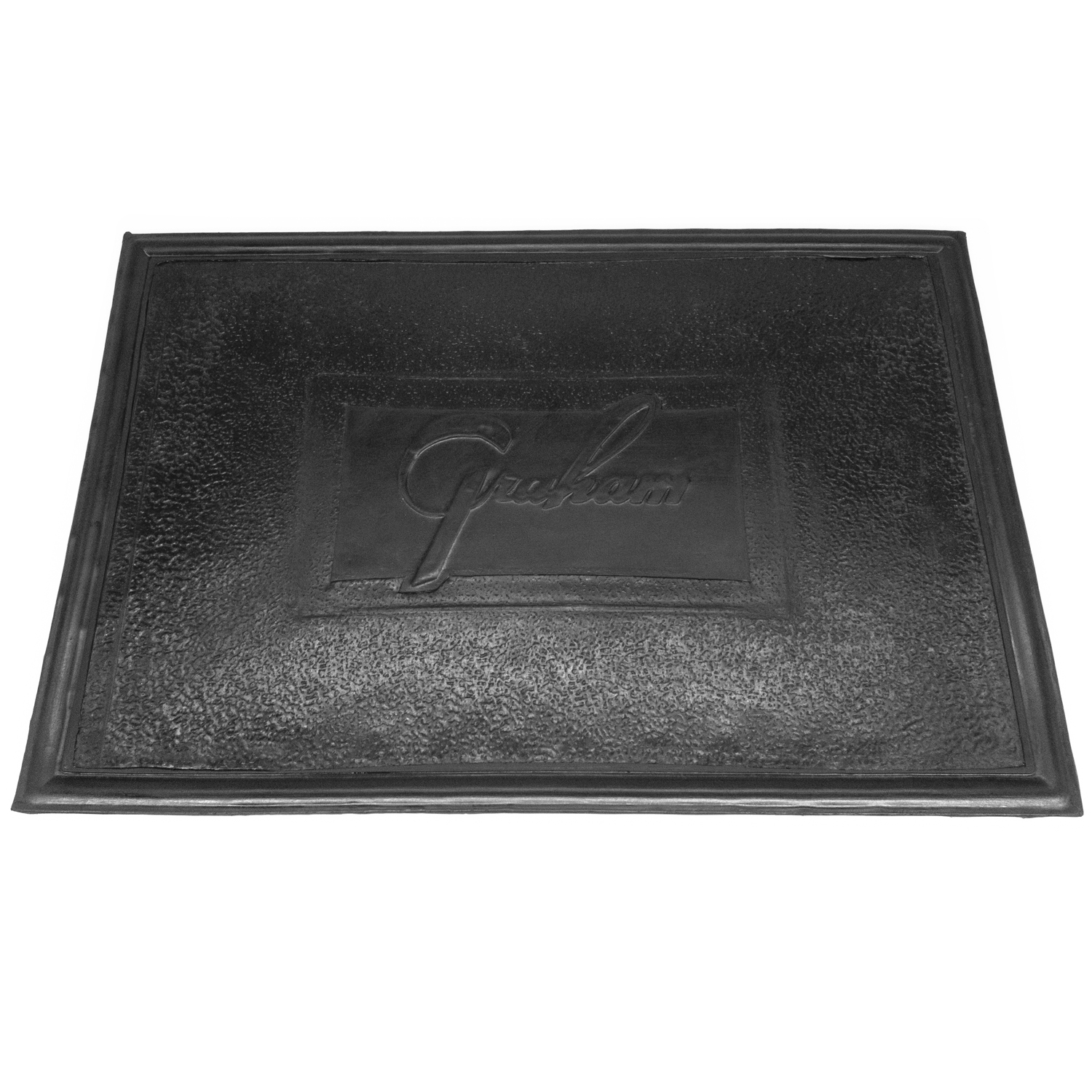 1932 Graham STANDARD 6 Accessory Floor Mat - 12"X17"-AC 12Accessory Floor Mat - made of high quality black rubber with molded original emblem. Also designed to be sewn into new carpets. 12"X17", Each
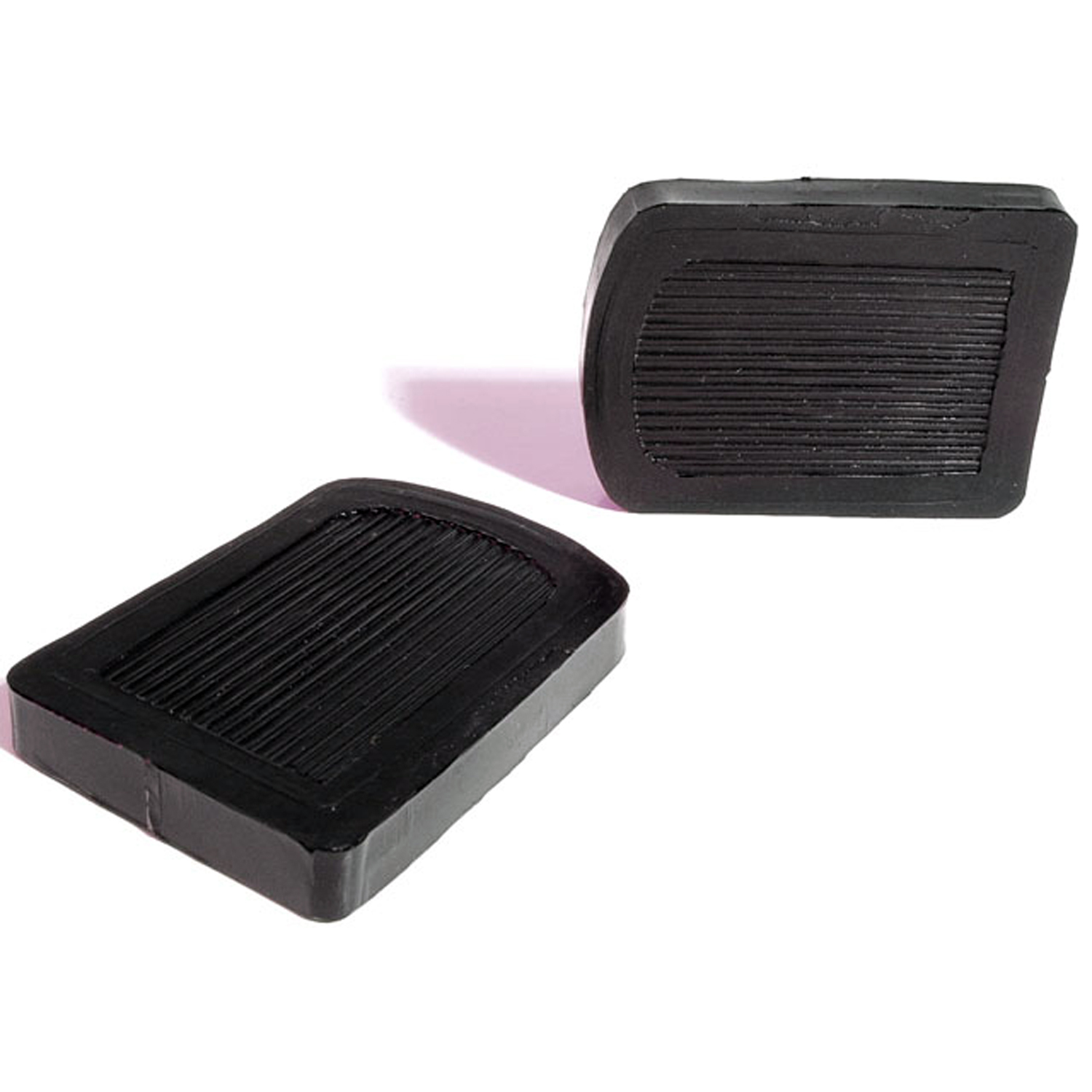 1932 Graham STANDARD 6 Clutch and Brake Pedal Pads. 2-5/8" wide X 3-5/8" long-CB 25Clutch and Brake Pedal Pads. 2-5/8" wide X 3-5/8" long. Pair
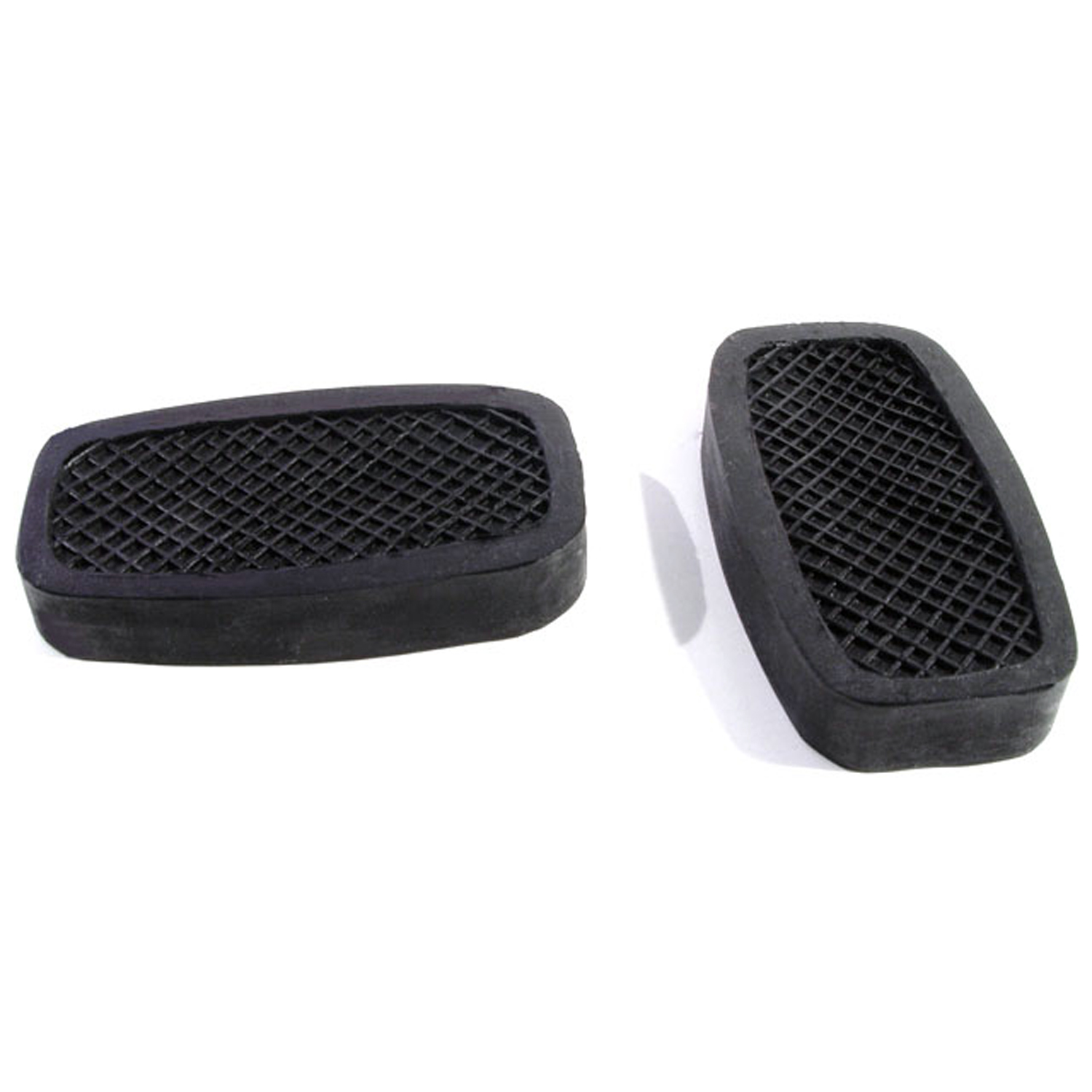 1932 Graham STANDARD 6 Clutch and Brake Pedal Pads. 2" wide X 3-5/8" long. Pair-CB 46Clutch and Brake Pedal Pads. 2" wide X 3-5/8" long. Pair
 1932 Graham STANDARD 6 Tail-light Pads. 5" wide X 7-7/8" long. Pair-MP 791Tail-light Pads. 5" wide X 7-7/8" long. Pair
 1932 Graham STANDARD 6 Headlight Pads. 3-5/8" wide X 4-1/2" long. Pair-MP 792Headlight Pads. 3-5/8" wide X 4-1/2" long. Pair
Why Choose Metro?
For over 100 years, Metro Moulded Parts has been the pinnacle of quality in classic car restoration parts. Our commitment to precision and authenticity in every component ensures a perfect fit and an OEM-level appearance.
- Expert Craftsmanship & Quality: Each part is a testament to our dedication to reliability and perfection, crafted from original designs and thoroughly tested.
- Advanced Technology: We use cutting-edge techniques to create flawless, long-lasting parts that surpass others in performance.
- SuperSoft Sponge – The Ultimate Door Seal: Not only are our door seals 30% softer than competitors', but they're also guaranteed to never leak. They effectively reduce wind and road noise, enhancing your classic car's comfort and driving experience.
- Proudly American: Our parts are a product of American craftsmanship, made in the USA with a spirit of excellence and heritage.
- Unrivaled Warranty: We back our products with a 30-year industry-leading warranty, a testament to our confidence in their quality.
Join us in preserving the legacy of classic cars with parts that are crafted for perfection, not just made.