

Image of 1933 Graham Graham, Note: These illustrations use artistic license and may differ from actual historical models.
Performance Metrics
Fundamental Metrics
Emotional Appeal
MMP Rating
| Engine Specifications | |
|---|---|
| Engine Options: | Straight-8 |
| Displacement Range: | 3.5L |
| Horsepower Range: | Estimated 85-95 HP |
| Torque: | Not available |
| Compression Ratio: | Not available |
| Ignition System: | Distributor and coil |
| Cooling System: | Water-cooled |
| Performance Specifications | |
| 0-60 Time: | Not available |
| 1/4 Mile Time: | Not available |
| Top Speed: | 85 mph |
| Transmission and Drive | |
| Drive Type: | Rear-wheel drive |
| Transmission Type: | 3-speed manual |
| Fuel and Efficiency | |
| Fuel System Type: | Carburetor |
| MPG: | Not available |
| Dimensions and Brakes | |
| Brakes: | Mechanical drum brakes |
| Wheelbase: | 115 inches |
| Weight: | Estimated 3500 lbs |
Note: Specifications for classic cars are given to the best of our ability, considering the limited and variant data available.
1933 Graham: The Blue Streak That Looked Ahead
The 1933 Graham arrived with a profile so low and clean that it seemed to belong to a later decade. Built by Graham-Paige Motors Corporation in Detroit, it combined the company’s practical engineering with the dramatic Blue Streak styling that made Graham one of the most distinctive American automakers of the early 1930s.
The name can be a little confusing: “Graham” refers to a range of cars, not one single model. Buyers could choose different engines, trim levels, and body styles. The lineup’s headline attraction was the Blue Streak design, first introduced for 1932 and refined for 1933. One of its most memorable features was its deeply sculpted rear fenders, which enclosed much of the rear wheels and gave the car an unusually sleek, unified appearance.
Graham-Paige had grown out of the Graham brothers’ success in trucks and their purchase of the Paige-Detroit Motor Car Company in 1927. By 1933, the company was competing in a fiercely difficult market. The Great Depression had squeezed sales across the industry, yet Graham continued to invest in bold styling and engineering rather than simply producing conservative, familiar cars.
Blue Streak Styling and Graham Craftsmanship
The 1933 Graham’s long hood, flowing fenders, carefully rounded roofline, and low-slung stance gave it a strikingly modern look. The Blue Streak’s signature rear fenders were more than decorative: they covered the wheels in a way that reduced visual clutter and helped the body appear lower. A tall, upright grille and prominent headlamps kept the front end unmistakably from its era, while the side profile looked smoother and more integrated than that of many rivals.
Inside, the Graham offered the generous cabin space expected of a full-size American car. Depending on the model and trim, owners found broad upholstered seats, substantial door panels, wood or wood-look trim, and a well-arranged instrument panel. Materials and finish varied across the range, but the overall feel was designed to be comfortable and respectable rather than austere. The cars were built for long-distance touring as well as everyday transport.
Period paint choices varied by body style and equipment, and surviving cars are seen in a range of solid colors and two-tone combinations. Dark blue, maroon, green, black, and gray are among colors associated with cars of the period. Two-tone paint could emphasize the long body and sweeping fenders, while darker single colors gave the Graham a formal, substantial look. Exact factory combinations should be confirmed against the individual car’s build information or period sales literature.
Body styles across the Graham range included sedans and coupes, with open or rumble-seat configurations available on some versions and years. Four-door sedans suited families and business use; coupes offered a sportier, more personal profile. The Blue Streak sedan is the most recognizable choice today because its enclosed-looking rear fenders make the design immediately identifiable.
Engineering That Lowered the Look
The Blue Streak’s low stance came from thoughtful chassis and body engineering, not styling alone. Graham reworked the frame and rear suspension arrangement to let the body sit lower around the rear axle. That helped create the car’s distinctive proportions while also lowering its center of gravity compared with a taller, more conventional layout.
Depending on version, a 1933 Graham could be ordered with a straight-six or straight-eight engine. Commonly cited specifications put the six at about 212 cubic inches and roughly 80 horsepower, while the eight was around 265 cubic inches and approximately 90 to 100 horsepower. Exact output varied with model and source. Power was delivered through a conventional manual transmission, typically a three-speed unit, giving drivers familiar controls and straightforward mechanical operation.
Four-wheel hydraulic brakes were an important feature for a car of this class and era. They offered more consistent braking than older mechanical systems when properly maintained. The Graham was not a test bed for modern electronics or automatic transmissions, but its combination of chassis design, engine choices, and hydraulic braking made it a technically serious competitor.
Why the 1933 Graham Mattered
Graham’s greatest contribution was showing how much a production car’s appearance could be changed by rethinking the structure beneath the body. The Blue Streak’s lowered frame and integrated-looking fenders helped move American styling away from the high, separate-fender look that had dominated earlier cars. Its design was credited to Amos Northup, a highly regarded automotive stylist whose work helped shape the appearance of several American makes.
The Graham also stood apart because it looked expensive and forward-thinking without being a luxury car in the Cadillac or Packard sense. At a time when many manufacturers were struggling to keep buyers, Graham offered a distinctive alternative to more familiar Ford, Chevrolet, and Plymouth products. Its styling did not make it a mass-market sales leader, but it gave the brand a strong identity and earned the Blue Streak a place in discussions of early streamlined American design.
That influence is easiest to appreciate from the side and rear. The fenders, lower body, and smooth roofline work together rather than appearing as separate pieces attached to a tall chassis. The result anticipated the more integrated bodies that would become common later in the 1930s.
Performance, Ride, and Road Manners
A 1933 Graham was a substantial touring car, not a modern sports sedan. Period performance figures are not consistent across surviving references, and results depend on engine, body, gearing, condition, and test method. As a practical estimate, a healthy straight-eight car might reach roughly 75 to 85 mph, while a six-cylinder version would generally be slower. A zero-to-60-mph run could take around 20 to 25 seconds, with the eight usually having the advantage. Those figures are estimates, not guaranteed factory test results.
On a smooth road, the Graham’s long wheelbase and full-size proportions helped it feel composed and comfortable. Its suspension softened many ordinary bumps, though a car nearly a century old will ride very differently depending on the condition of its springs, shocks, tires, and bushings. On a winding road, the relatively high mass and period steering geometry call for measured inputs. It can tour confidently, but it is not built to be hustled like a modern performance car.
The driving experience is pleasantly mechanical. The straight-six or straight-eight produces a steady, low-frequency hum, while the manual gearbox asks the driver to work deliberately through the gears. Steering is heavier at parking speeds than most modern drivers expect, and braking requires an early, smooth approach. In return, the driver gets a direct connection to the machine: engine note, gear changes, road texture, and the broad view over the hood all become part of the journey.
Living with a 1933 Graham
Today, most Grahams are used as show cars, touring cars, or carefully maintained weekend drivers. They are well suited to vintage motoring events where steady speeds and period character matter more than modern traffic performance. Regular highway use is possible for a properly sorted example, but modern traffic, limited crash protection, and the car’s age make thoughtful route planning essential.
The basic mechanical layout is understandable to a capable classic-car owner, and many routine jobs do not require specialized electronics or diagnostic equipment. The challenge is finding correct parts and experienced help for less common Graham-specific components, body trim, and upholstery details. Before purchase, inspect the frame, body structure, braking system, cooling system, engine, and transmission. Overheating, neglected hydraulic brakes, worn steering parts, and poor-quality restoration work can turn an appealing car into an expensive project.
Parts availability is more limited than for a Ford Model A or a Chevrolet of the same period. Owners often rely on marque clubs, specialist vendors, swap meets, and the classic-car community. A car with sound documentation and a strong supply of correct parts is worth more than a superficially shiny example with hidden mechanical problems.
Graham Facts and Common Criticisms
The Blue Streak’s most memorable claim to fame is its styling: the low body and skirted-looking rear fenders were unusual enough to make the Graham instantly recognizable. The design is often discussed as an important step toward more integrated, streamlined American bodywork. It was a serious production car, not merely a show-car experiment.
Graham’s principal weakness was commercial rather than technical. The company was a comparatively small manufacturer facing the Depression, shrinking demand, and powerful competitors with larger dealer networks. The cars could be admired for their design and engineering, but Graham did not have the scale to match the biggest automakers in price, distribution, or long-term parts support.
Common criticisms from a modern owner’s perspective include modest performance by current standards, heavy steering, limited braking reserves compared with modern cars, and the difficulty of finding model-specific parts. The Blue Streak’s elaborate body shape can also make collision repair and restoration more demanding than work on a simpler, more common car.
1933 Graham Values and Rarity
Exact production totals for individual 1933 Graham body and engine combinations are difficult to pin down, and surviving cars are not a reliable guide to original production. A reasonable broad estimate is that Graham built somewhere in the neighborhood of 15,000 to 20,000 cars across its 1933 range. Treat that as an informed estimate rather than a verified model-by-model factory total. Today, the number of surviving examples is much smaller, and some body styles are far harder to find than ordinary sedans.
As a broad 2026 U.S. market estimate, a project car might sell for roughly $8,000 to $20,000, while a sound, usable example could fall around $20,000 to $40,000. A high-quality restoration or especially desirable body style may bring approximately $40,000 to $75,000 or more. These are general ranges, not appraisals. Condition, originality, documentation, engine type, body style, and the quality of restoration can shift the price substantially.
Values for distinctive prewar cars have generally benefited from their rarity and design importance, but Graham prices do not always rise as quickly as those of better-known marques. The buyer pool is smaller, and restoration costs can exceed the car’s eventual sale price. Exceptional, correctly restored cars are likely to remain the most desirable, while ordinary examples may be relatively stable and condition-sensitive.
A Lasting Blue Streak
The 1933 Graham brought together Depression-era resilience, thoughtful chassis engineering, and styling bold enough to challenge the conventions of its day. Its low Blue Streak body, sculpted rear fenders, straight-six and straight-eight options, and substantial touring character made it more than a handsome curiosity.
For today’s enthusiast, a Graham rewards patience and mechanical sympathy. It may not be the easiest prewar car to own, but it offers a rare combination of individuality and historical importance. The Blue Streak did not simply follow the road toward streamlined design. It helped point the way.
1933 Graham Graham Catalog of Parts
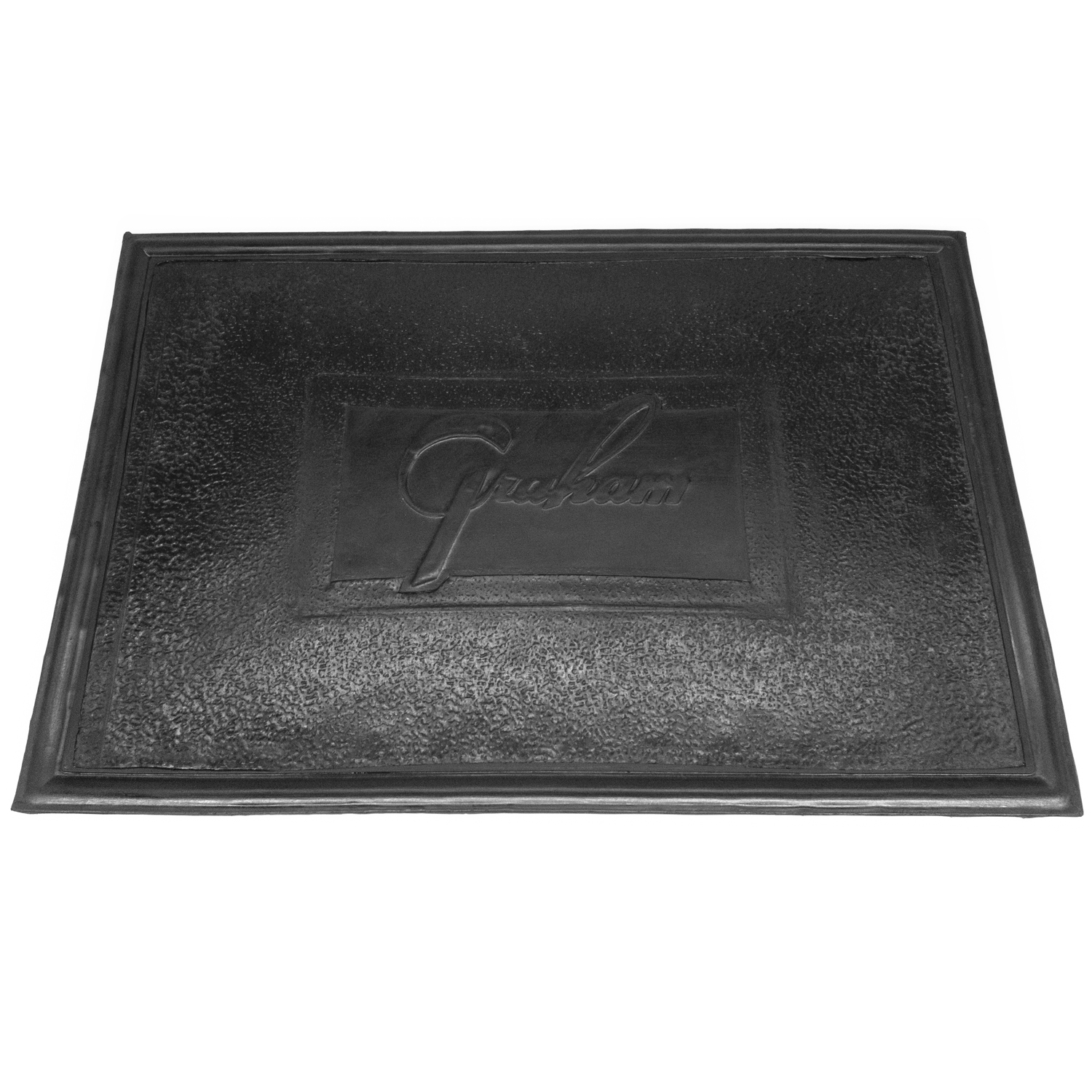 1933 Graham Graham Accessory Floor Mat - 12"X17"-AC 12Accessory Floor Mat - made of high quality black rubber with molded original emblem. Also designed to be sewn into new carpets. 12"X17", Each
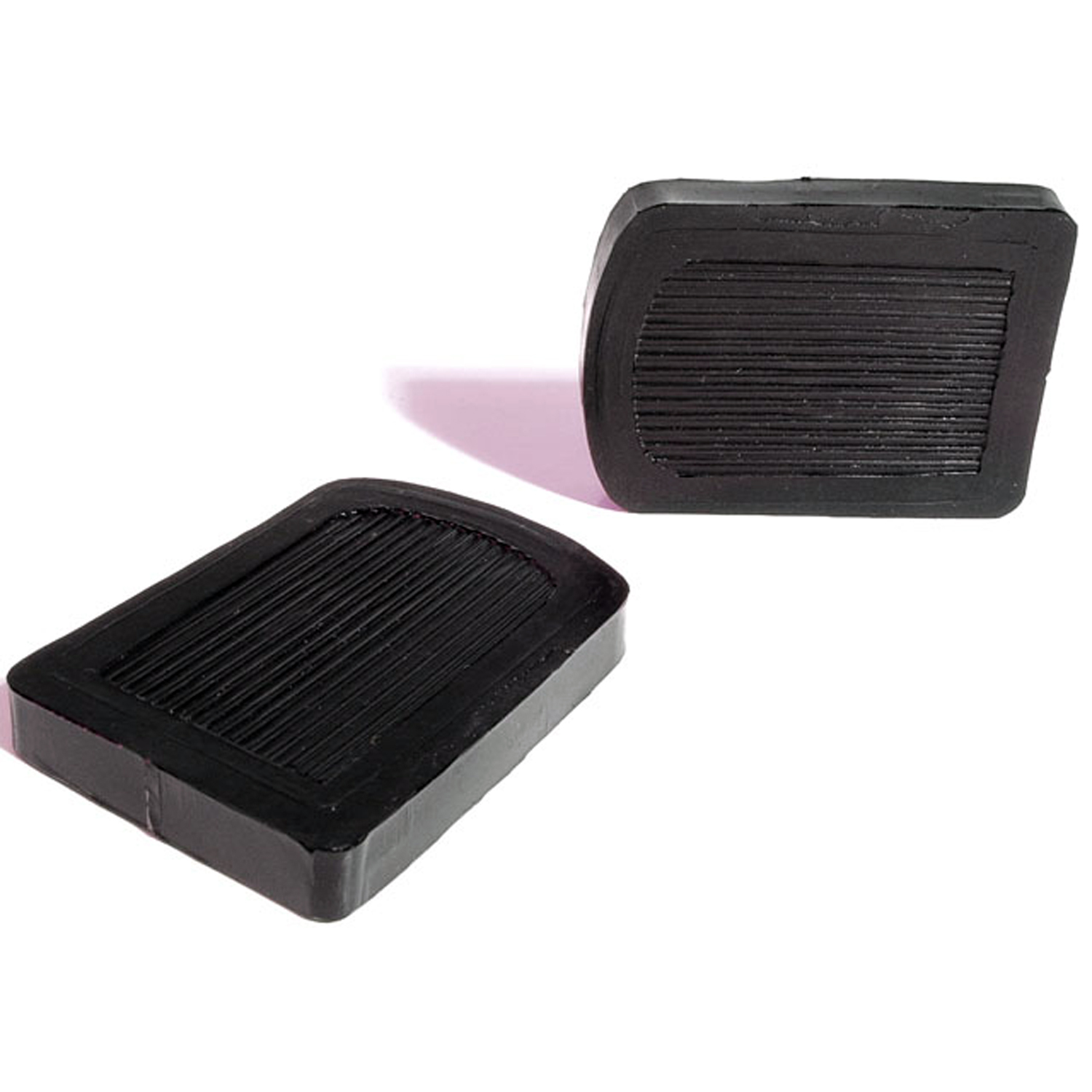 1933 Graham Graham Clutch and Brake Pedal Pads. 2-5/8" wide X 3-5/8" long-CB 25Clutch and Brake Pedal Pads. 2-5/8" wide X 3-5/8" long. Pair
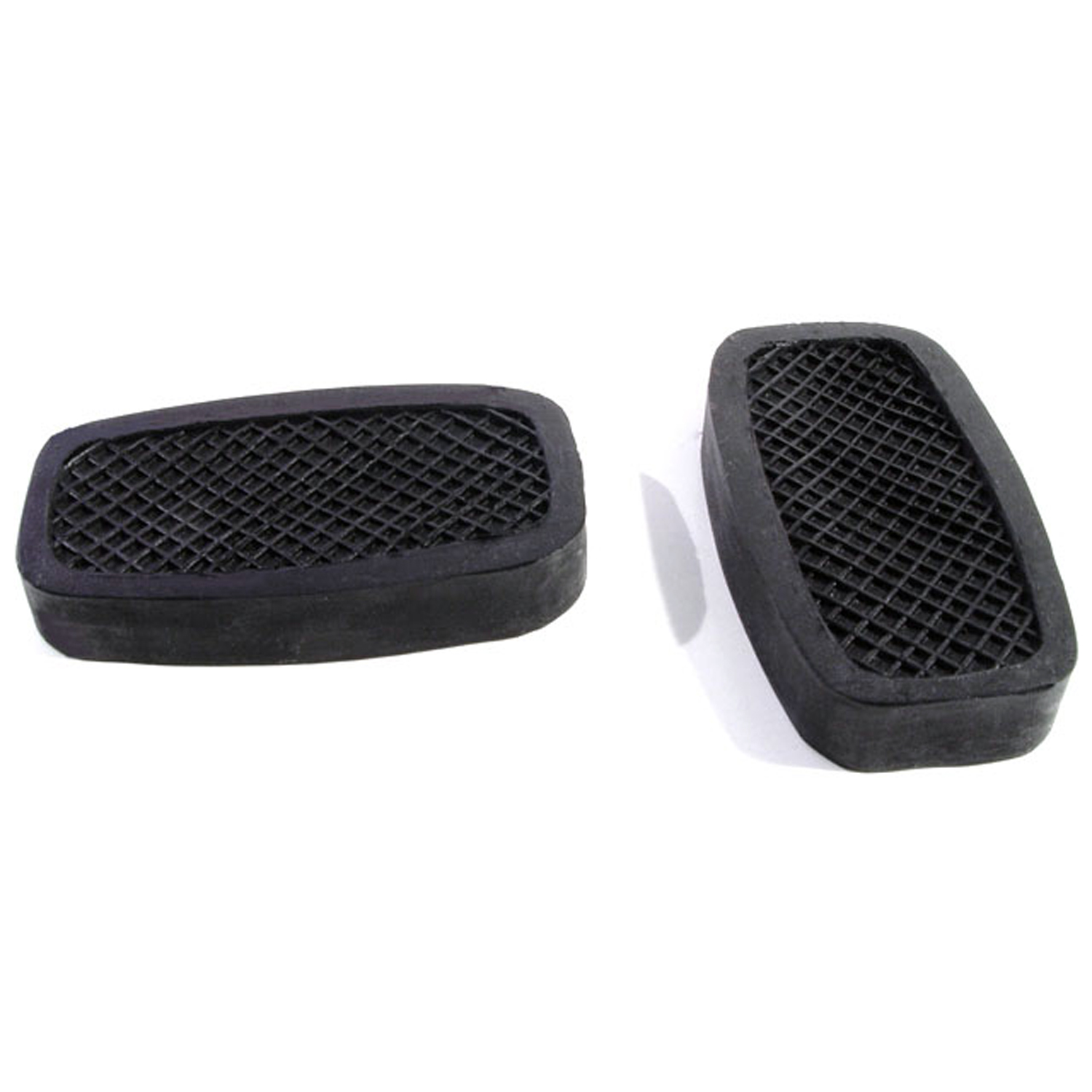 1933 Graham Graham Clutch and Brake Pedal Pads. 2" wide X 3-5/8" long. Pair-CB 46Clutch and Brake Pedal Pads. 2" wide X 3-5/8" long. Pair
Why Choose Metro?
For over 100 years, Metro Moulded Parts has been the pinnacle of quality in classic car restoration parts. Our commitment to precision and authenticity in every component ensures a perfect fit and an OEM-level appearance.
- Expert Craftsmanship & Quality: Each part is a testament to our dedication to reliability and perfection, crafted from original designs and thoroughly tested.
- Advanced Technology: We use cutting-edge techniques to create flawless, long-lasting parts that surpass others in performance.
- SuperSoft Sponge – The Ultimate Door Seal: Not only are our door seals 30% softer than competitors', but they're also guaranteed to never leak. They effectively reduce wind and road noise, enhancing your classic car's comfort and driving experience.
- Proudly American: Our parts are a product of American craftsmanship, made in the USA with a spirit of excellence and heritage.
- Unrivaled Warranty: We back our products with a 30-year industry-leading warranty, a testament to our confidence in their quality.
Join us in preserving the legacy of classic cars with parts that are crafted for perfection, not just made.