

Image of 1933 Graham Model 64, Note: These illustrations use artistic license and may differ from actual historical models.
Performance Metrics
Fundamental Metrics
Emotional Appeal
MMP Rating
| Engine Specifications | |
|---|---|
| Engine Options: | Straight-6 |
| Displacement Range: | 3.5L |
| Horsepower Range: | Estimated 85-95 HP |
| Torque: | Not available |
| Compression Ratio: | Not available |
| Ignition System: | Distributor and coil |
| Cooling System: | Water-cooled |
| Performance Specifications | |
| 0-60 Time: | Not available |
| 1/4 Mile Time: | Not available |
| Top Speed: | 75-85 mph |
| Transmission and Drive | |
| Drive Type: | Rear-wheel drive |
| Transmission Type: | 3-speed manual |
| Fuel and Efficiency | |
| Fuel System Type: | Carburetor |
| MPG: | Not available |
| Dimensions and Brakes | |
| Brakes: | Mechanical drum brakes |
| Wheelbase: | 115 inches |
| Weight: | Estimated 3000-3500 lbs |
Note: Specifications for classic cars are given to the best of our ability, considering the limited and variant data available.
1933 Graham Model 64: The Streamlined Eight
The 1933 Graham Model 64 looked as though it had been shaped by the wind, not simply assembled from the upright panels and separate fenders typical of its era. Built by Graham-Paige Motors Corporation of Detroit, it brought the company’s daring “Blue Streak” styling to the road in a period when the Depression was reshaping the American car industry.
Graham-Paige was founded in 1927 by brothers Joseph, Robert, and Ray Graham, who bought the Paige-Detroit Motor Car Company and turned it into a maker of technically ambitious, well-finished automobiles. The Model 64 belonged to the company’s early-1930s range and is generally identified as an eight-cylinder model. Its appeal today lies in the way it joined a powerful straight-eight engine to bodywork that seemed remarkably modern for 1933.
A notable detail is the Blue Streak’s integrated fender treatment. Rather than leave the fenders as visually separate add-ons, Graham’s designers blended them into the body’s profile. That single change gave the car a cleaner, lower-looking silhouette and helped distinguish it from many rivals parked beside it.
Blue Streak Styling and Cabin Craft
The Model 64’s long hood, tapered radiator shell, flowing front fenders, and rounded rear lines gave it a purposeful, streamlined presence. The fenders swept around the wheels instead of standing apart from the body, while the grille and hood carried the eye forward. From the side, the car looked lower and more unified than many square-shouldered early-1930s sedans. Details varied by body style, but bright trim, careful window framing, and the prominent hood vents added visual interest without overwhelming the design.
Inside, the cabin was a traditional, comfortable place to travel rather than a stripped-down sporting cockpit. Owners could expect generous upholstery, often in durable cloth or mohair, with leather used or offered on some versions and trim combinations. Woodgrain-finished dashboard details, a broad instrument panel, and substantial door trim helped the interior feel appropriately upscale. Original materials and exact trim specifications can differ from car to car, so surviving examples should be judged by their specific build and restoration history.
Factory paint and upholstery combinations depended on body style and production specification. Period buyers could choose from a selection of solid and two-tone finishes, with restrained dark colors and more vivid contrasting schemes both fitting the era. Exact color names and availability are not consistently documented across surviving references, so a claimed “original” shade is best checked against factory records, paint traces, or period literature.
The range included closed bodywork such as sedans and coupes, with availability and naming varying across catalogs and coachwork configurations. The four-door sedan is the most practical and commonly encountered style today. Coupes offer a sportier profile, while open or convertible-style versions, where correctly identified, are especially appealing to collectors and tend to be scarcer. When inspecting one, confirm the body style against reliable model documentation because later modifications and restoration changes can complicate identification.
Engineering Ahead of Its Time
The Model 64’s significance is closely tied to Graham’s Blue Streak design program, associated with designer Amos Northup. Its integrated fenders were more than decorative flourishes: they made the body look cohesive and helped establish a visual direction that other manufacturers would increasingly adopt. The design did not single-handedly create streamlined automotive styling, but it was an unusually confident production-car interpretation of the idea.
Under the hood, the Model 64 is commonly listed with a 265.5-cubic-inch L-head straight-eight, producing about 110 horsepower. A three-speed manual transmission sent power to the rear wheels. The precise figures can vary among published specifications and individual cars, so an owner researching a specific vehicle should verify its engine and chassis details rather than relying only on the model name.
For its time, the combination of an eight-cylinder engine, a refined body, and modern-looking fenders made the Graham an appealing alternative to more conventional American cars. Graham-Paige was a smaller manufacturer than the industry giants, however, and its limited resources made it difficult to match their production scale or dealer reach. The Model 64 is remembered as a strong example of independent design ambition during a difficult decade.
Road Performance and Driving Feel
Factory performance figures are not consistently available, and published numbers should be treated as period estimates rather than guaranteed results. A well-tuned Model 64 may reach roughly 75 to 85 mph, while a 0-to-60-mph run is likely to take around 20 to 25 seconds. Tire condition, gearing, engine health, body style, and passenger load all make a substantial difference in a car of this age.
The straight-eight’s character is more about smooth, steady pull than sudden acceleration. At low speeds, the engine produces a measured mechanical rumble; under load, it settles into a deeper, even note. The three-speed manual asks the driver to plan gear changes and use the engine’s torque rather than expect modern, effortless response. Braking distances and steering effort also reflect the car’s prewar engineering, so a Model 64 rewards a calm, anticipatory driving style.
On ordinary roads, its long-wheelbase proportions and substantial chassis should give it a composed touring feel. Broken pavement can still make the body move and the suspension work, while tight, winding roads call for slower cornering than a modern driver might expect. Period tires, steering geometry, and suspension condition are crucial: a properly sorted example feels steady and dignified, while worn components can make it wander or feel loose. It is best enjoyed at a relaxed pace, with space to appreciate its smooth engine and distinctive styling.
Living With a Graham Model 64
Today, the Model 64 is chiefly a show car, touring car, or special-interest weekend vehicle. It is not a sensible daily driver for most owners. Traffic speeds, limited safety equipment, the need for careful maintenance, and the challenge of sourcing certain parts make regular modern commuting a demanding proposition.
Routine service is straightforward for a mechanically experienced owner: the engine, ignition, cooling system, clutch, and conventional manual transmission use familiar prewar technology. The bigger challenge is finding correct parts and knowledgeable help. Graham-specific trim, body panels, glass, and restoration details can be harder to source than common service items. Before purchase, inspect the frame, body structure, engine, and electrical system carefully, and check whether past repairs followed sound methods.
Reliability depends heavily on the quality of the restoration and ongoing upkeep. A well-maintained car can tour reliably at moderate speeds, but age-related issues such as overheating, fuel-system trouble, brake wear, and deteriorated wiring are common concerns across prewar cars. A pre-purchase inspection by a mechanic familiar with vintage American vehicles is money well spent.
Rare Details and Common Misconceptions
The Model 64’s most memorable “special feature” is its shape: integrated fenders that made a production car look unusually fluid at a time when many competitors still had a visibly separate-fender appearance. It is also important not to confuse the 1933 car with Graham’s later, more dramatic designs. The company’s famous “Sharknose” styling arrived later in the decade, not on the Model 64.
No widely recognized speed, endurance, or sales record belongs specifically to the Model 64, and celebrity ownership stories are not well established enough to repeat as fact. Its historical importance is better understood through its design and the challenges faced by independent automakers during the Depression. Graham-Paige had to compete with companies that could spread development costs across much larger production runs.
Common criticisms include the difficulty of finding model-specific parts, the modest pace by modern standards, and the upkeep required by a nearly century-old car. Its low production volume also means that restorations may involve compromises. Those drawbacks are balanced by its rarity, distinctive styling, and the satisfaction of driving a car that feels different from the better-known Ford, Chevrolet, and Chrysler products of the same period.
Collector Value and Availability
Surviving Model 64s are uncommon, and cars in complete, usable condition do not appear on the market often. Exact production totals for this individual model are difficult to establish from readily available published records. As a cautious estimate rather than a verified factory figure, total production may have been in the low thousands, perhaps roughly 2,000 to 5,000 cars across relevant Model 64 configurations. The number surviving today is much smaller, particularly for unrestored or highly original examples.
As a broad current-market guide, a project car might fall around $8,000 to $18,000, while a presentable driver or older restoration could bring approximately $18,000 to $35,000. A high-quality, accurately restored car may reach $35,000 to $60,000 or more, with rare body styles and exceptional provenance potentially commanding a premium. These are estimates, not fixed values: condition, originality, documentation, body style, and the venue of sale can shift the price substantially.
Values for distinctive prewar cars can rise over time, but the market is selective. The Model 64’s design and rarity support collector interest, while its limited parts supply and narrower audience can restrain prices. In inflation-adjusted terms, many examples have not experienced the kind of dramatic gains seen in the most famous prewar marques. Buyers should focus on condition and quality rather than assume that scarcity alone guarantees appreciation.
Why the 1933 Graham Still Matters
The 1933 Graham Model 64 combined a smooth straight-eight, a comfortable American touring-car cabin, and Blue Streak styling that made it stand apart from more conventional contemporaries. Its integrated fenders gave the car a strikingly unified profile, while its history reflects the creativity and commercial risks of an independent automaker in the Depression era.
It may not be the easiest classic to own, the fastest car of its day, or the simplest to restore. But for collectors drawn to overlooked engineering and genuinely distinctive design, the Model 64 is a rewarding reminder that some of the boldest ideas in automotive history came from makers working outside the industry’s biggest names.
1933 Graham Model 64 Catalog of Parts
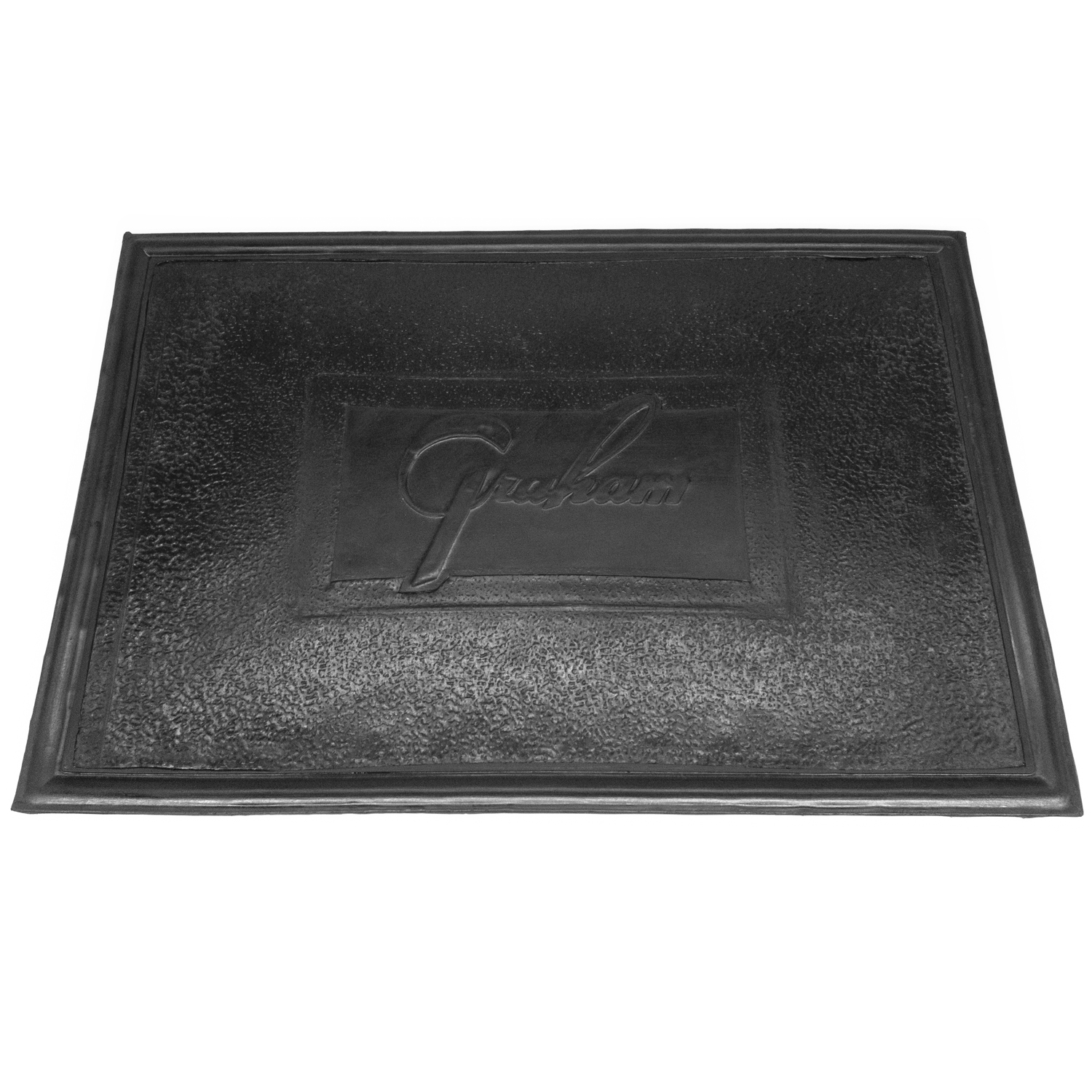 1933 Graham Model 64 Accessory Floor Mat - 12"X17"-AC 12Accessory Floor Mat - made of high quality black rubber with molded original emblem. Also designed to be sewn into new carpets. 12"X17", Each
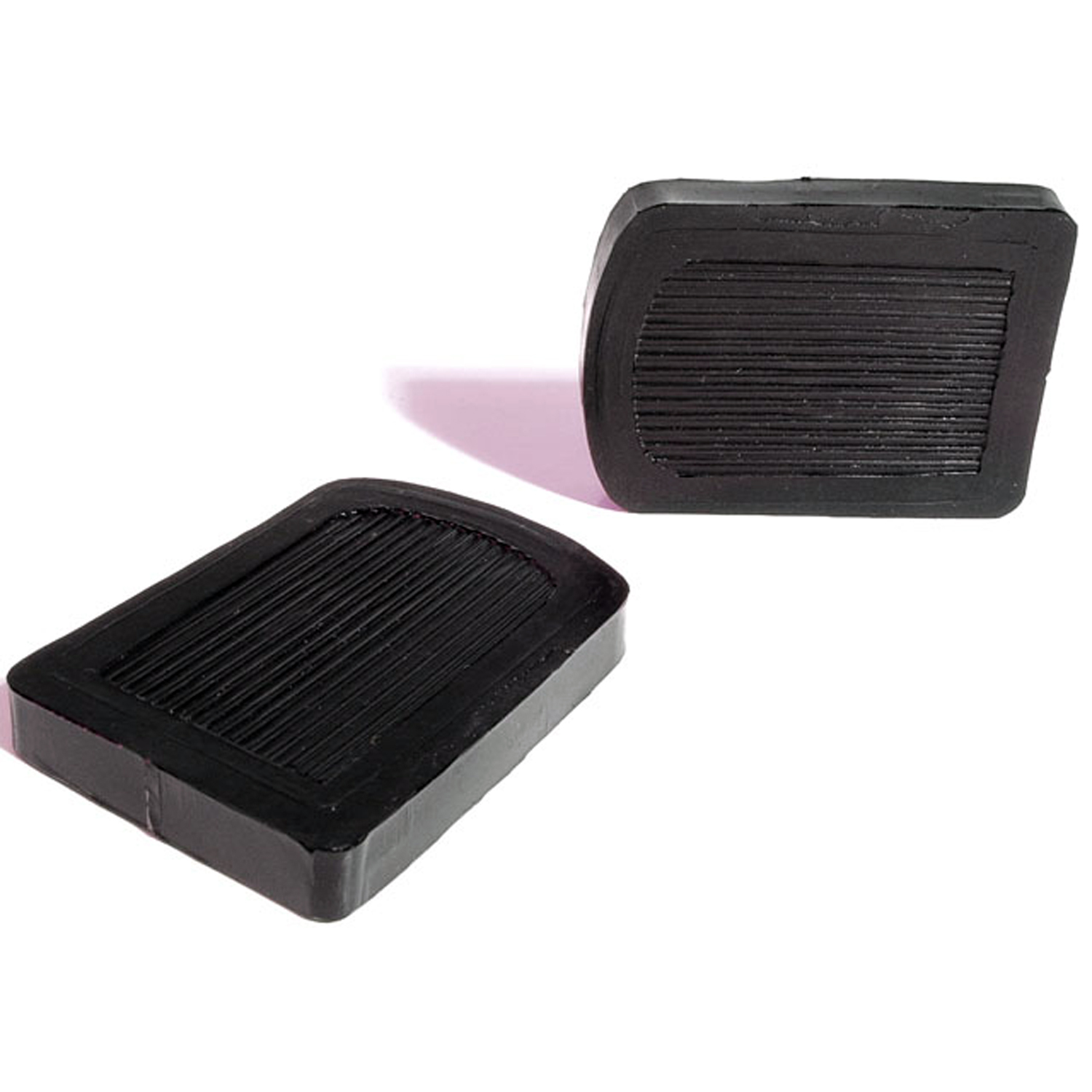 1933 Graham Model 64 Clutch and Brake Pedal Pads. 2-5/8" wide X 3-5/8" long-CB 25Clutch and Brake Pedal Pads. 2-5/8" wide X 3-5/8" long. Pair
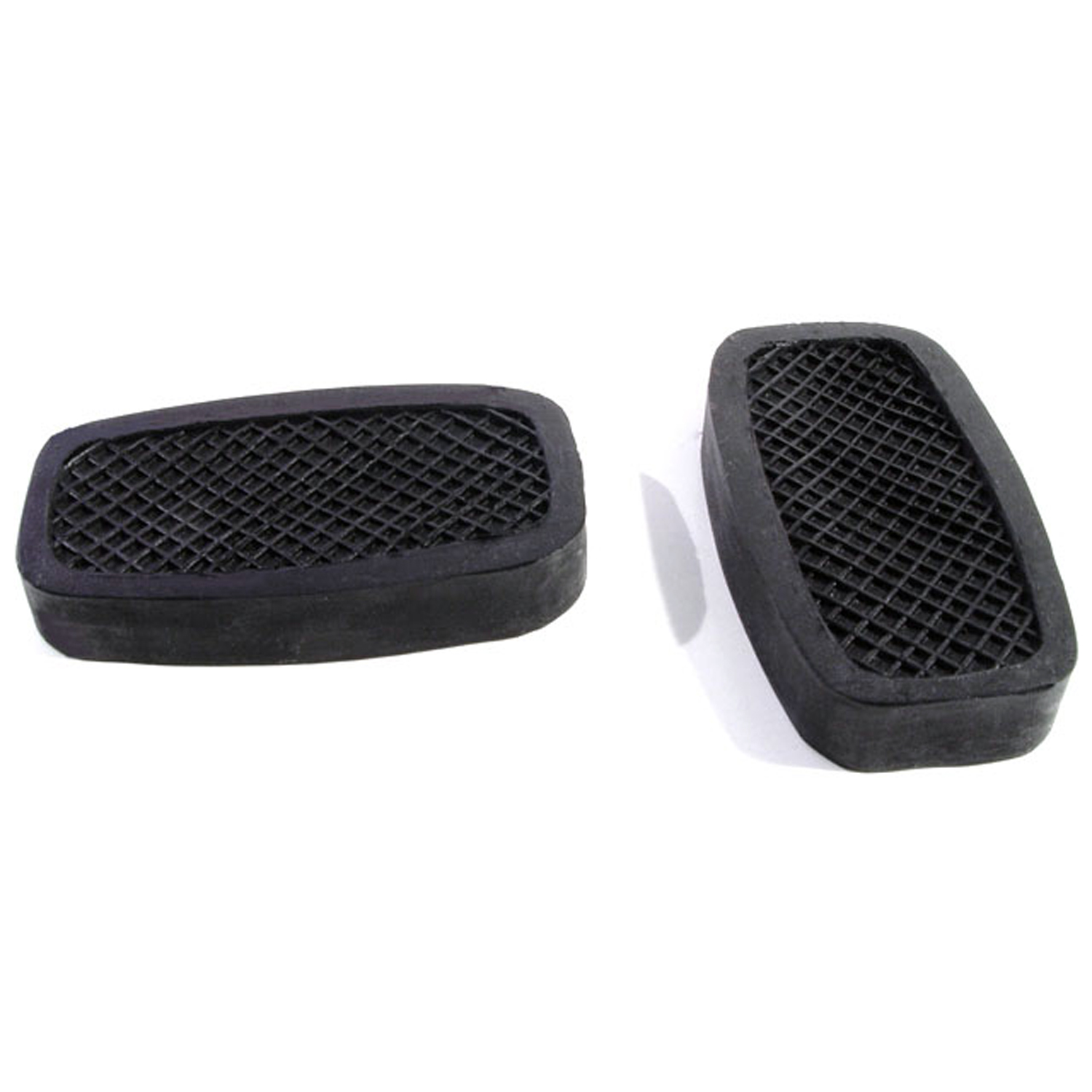 1933 Graham Model 64 Clutch and Brake Pedal Pads. 2" wide X 3-5/8" long. Pair-CB 46Clutch and Brake Pedal Pads. 2" wide X 3-5/8" long. Pair
Why Choose Metro?
For over 100 years, Metro Moulded Parts has been the pinnacle of quality in classic car restoration parts. Our commitment to precision and authenticity in every component ensures a perfect fit and an OEM-level appearance.
- Expert Craftsmanship & Quality: Each part is a testament to our dedication to reliability and perfection, crafted from original designs and thoroughly tested.
- Advanced Technology: We use cutting-edge techniques to create flawless, long-lasting parts that surpass others in performance.
- SuperSoft Sponge – The Ultimate Door Seal: Not only are our door seals 30% softer than competitors', but they're also guaranteed to never leak. They effectively reduce wind and road noise, enhancing your classic car's comfort and driving experience.
- Proudly American: Our parts are a product of American craftsmanship, made in the USA with a spirit of excellence and heritage.
- Unrivaled Warranty: We back our products with a 30-year industry-leading warranty, a testament to our confidence in their quality.
Join us in preserving the legacy of classic cars with parts that are crafted for perfection, not just made.