

Image of 1935 Graham Model 72, Note: These illustrations use artistic license and may differ from actual historical models.
Performance Metrics
Fundamental Metrics
Emotional Appeal
MMP Rating
| Engine Specifications | |
|---|---|
| Engine Options: | Straight-6 |
| Displacement Range: | 217.8 cu in (3.6 L) |
| Horsepower Range: | Estimated 85-90 hp |
| Torque: | Not available |
| Compression Ratio: | Not available |
| Ignition System: | Battery and coil |
| Cooling System: | Water-cooled |
| Performance Specifications | |
| 0-60 Time: | Not available |
| 1/4 Mile Time: | Not available |
| Top Speed: | Estimated 75-80 mph |
| Transmission and Drive | |
| Drive Type: | Rear-wheel drive |
| Transmission Type: | 3-speed manual |
| Fuel and Efficiency | |
| Fuel System Type: | Carburetor |
| MPG: | Not available |
| Dimensions and Brakes | |
| Brakes: | Mechanical drum brakes |
| Wheelbase: | 116 in (2,946 mm) |
| Weight: | Estimated 2,800-3,000 lbs |
Note: Specifications for classic cars are given to the best of our ability, considering the limited and variant data available.
1935 Graham Model 72: A Streamlined Six from Detroit
The 1935 Graham Model 72 looks ready to move even while parked. Its long hood, gently sloping nose and flowing fenders gave it a modern profile at a time when many American cars still wore upright grilles and boxy bodies. Built by Graham-Paige Motors Corporation in Detroit, the Model 72 was part of the Graham brothers’ effort to make distinctive, technically progressive cars in a fiercely competitive market.
Graham-Paige had been formed in 1927, when brothers Joseph, Robert and Ray Graham purchased the Paige-Detroit Motor Car Company. The firm quickly developed a reputation for engineering ambition and unusually bold styling. The Model 72 arrived during the Depression, when even well-established manufacturers had to persuade cautious buyers to choose something beyond the least expensive option. Its combination of streamlined design, a substantial six-cylinder engine and comfortable closed-car appointments was Graham’s answer.
One detail makes the 1935 car especially interesting: it belongs to the stylistic bridge between Graham’s influential Blue Streak models of the early 1930s and the dramatic “Sharknose” cars introduced for 1938. The Model 72 was not the most radical Graham ever built, but it shows the company steadily pushing toward a more integrated, aerodynamic look.
Streamlined Styling and Cabin Comfort
The Model 72’s exterior has the balanced, forward-looking appearance that made Graham stand out. Its radiator treatment sits low and blends into the nose rather than rising like a separate upright ornament. Sweeping front fenders frame the wheels, while the hood and body sides carry long, clean lines. The rear fenders continue the visual flow, giving the car a planted, almost fastback-like impression even in conventional sedan form.
Graham’s design was streamlined by the standards of its day, though it was not a modern wind-tunnel-shaped car. The fenders, running boards and separate body sections remain visible, but their curves work together instead of looking like unrelated pieces. Details such as the hood louvers, brightwork and distinctive grille help the car look substantial without appearing overly ornate.
Inside, buyers could expect a spacious cabin trimmed in period fabrics such as broadcloth or mohair, with leather more likely in open or sportier body styles. The dashboard typically combined a painted or wood-grain-finished panel with clear, legible instruments and polished trim. It was designed as a comfortable touring car, not a stripped-down economy model. Front and rear passengers had room to settle in, and the wide bench seats suited long trips as well as town driving.
Factory color selections varied with body style, trim and production availability. Period Graham palettes included conservative dark shades as well as richer blues, greens, maroons and other colors. Black remained a practical and popular choice, while deep reds and two-tone combinations showed off the body’s curves especially well. A car being restored today should be matched to its paint and trim codes or period documentation where available, rather than assumed to have worn a particular color simply because it suits the shape.
The Model 72 was offered in closed body styles, with sedan configurations the most practical and recognizable today. Graham’s broader range also included sportier and open-bodied offerings, though exact combinations depended on the series and market. Body-style names and specifications can vary across surviving references, so a specific car’s serial number and original paperwork are the best way to confirm its factory configuration.
Engineering for the Mid-1930s
The Model 72 is generally identified with Graham’s six-cylinder cars. Period specifications commonly associated with the model describe a side-valve, or L-head, inline-six of about 217.8 cubic inches, producing roughly 85 horsepower. A three-speed manual transmission and rear-wheel drive were typical of the class. As with many cars from the era, equipment and published figures can differ by series, body style and source, so collectors should verify the engine and chassis details on an individual example.
Hydraulic brakes were an important practical feature for a car of this period, offering more consistent braking than older mechanical systems when properly maintained. Graham also placed considerable emphasis on engineering and chassis development. The result was a car intended to feel substantial and composed, rather than merely stylish.
Some Graham models of the period were available with supercharging, a technology the company had adopted to give selected cars stronger performance. That feature should not automatically be attributed to every Model 72. A claimed supercharger is a major part of a car’s identity and value, so buyers should check factory records, component details and restoration history before paying a premium for one.
Why the Model 72 Matters
Graham’s significance lies partly in its willingness to challenge conventional styling. The company had already attracted attention with the Blue Streak designs, which used a distinctive approach to integrating the front fenders and bodywork. The 1935 Model 72 carried that design instinct forward, showing that a mainstream American touring car could look more fluid and modern without abandoning familiar construction.
The Model 72 also illustrates the difficult position of independent automakers. Graham-Paige had to compete with high-volume manufacturers that could spread development and advertising costs across far greater production numbers. Graham responded with engineering features, distinctive styling and a clear brand personality. Those qualities made its cars memorable, but they could not eliminate the commercial pressure facing smaller companies during the Depression.
Its lasting influence is therefore less about a single mechanical invention than a broader design argument: a family car could be practical and still have a strong visual identity. The later Graham “Sharknose” made that argument even more boldly. The Model 72 is a useful chapter in the progression toward that famously unconventional design.
Road Manners and Period Performance
With roughly 85 horsepower from its straight-six, a Model 72 was built for steady touring rather than quick acceleration. A reasonable period-performance estimate is a top speed in the neighborhood of 75 to 80 mph, with 0 to 60 mph taking roughly 25 to 30 seconds. These are estimates, not guaranteed factory test figures. Actual performance depends on engine condition, gearing, body style, tire size and the accuracy of the speedometer.
On the road, the six-cylinder engine should deliver a measured, even pull, accompanied by the soft mechanical chatter and exhaust note typical of a prewar side-valve engine. It is not a modern, quiet powertrain. Instead, the driver hears the engine working through the gears and feels the car gather speed at its own unhurried pace.
The long, heavy chassis should take ordinary road imperfections more comfortably than a short-wheelbase car, although worn springs, tired shock absorbers and old tires can make any 1930s car feel unsettled. On winding roads, the Model 72 rewards anticipation. Its steering, braking and body control are from another era, so a driver should slow before corners and leave generous stopping distance. Crosswinds and uneven pavement call for a relaxed grip and smooth corrections rather than abrupt inputs.
For modern traffic, the main adjustment is not learning to drive fast but learning to drive with patience. The Model 72 is at its best on scenic routes, back roads and vintage-car tours, where its pace and character are part of the pleasure.
Living with a Graham Model 72
Today, the Model 72 is primarily a show, touring and preservation car. It can be driven regularly by an owner who understands prewar-car maintenance, but it is not an effortless daily driver. Modern traffic moves faster, replacement parts may take time to locate, and the car lacks contemporary safety equipment such as seat belts, airbags and modern crash protection.
Routine service is straightforward for an experienced vintage-car mechanic. Ignition, carburetion, lubrication, cooling and brake systems are familiar to specialists in prewar American cars. The challenge is often parts availability rather than technical complexity. Some components can be repaired or adapted, while model-specific trim, body panels, glass and interior pieces may require patient searching or specialist fabrication.
Reliability depends heavily on restoration quality. A sound cooling system, properly rebuilt brakes, healthy wiring and correct ignition setup matter more than a glossy paint job. Before buying, inspect the frame and body for corrosion or poor repairs, check the engine for oil pressure and overheating, and confirm that the transmission and rear axle operate quietly. Because surviving Graham cars are uncommon, a marque specialist or experienced prewar-car inspector is especially valuable.
Graham Facts and Common Misconceptions
The Model 72 is not widely associated with a single land-speed record, endurance milestone or major celebrity owner. Its appeal is quieter: it represents an independent manufacturer’s attempt to build a distinctive, well-engineered American car during hard economic times. Graham’s more famous later styling, particularly the 1938 Sharknose, often gets the headlines, leaving earlier cars such as the Model 72 as rewarding discoveries for marque enthusiasts.
A common criticism is that Graham’s styling could look unusual beside the conservative designs of larger competitors. That is also part of its charm. The car’s streamlined nose and flowing fenders may appear restrained compared with the later Sharknose, but they still make it immediately recognizable among conventional mid-1930s sedans.
Another point worth keeping clear is the difference between a standard six-cylinder car and a supercharged Graham. Supercharging is sometimes mentioned broadly in descriptions of the marque, but it should not be assumed on a Model 72 without documentation. Correct identification matters both historically and financially.
Collector Value and Rarity
Exact production figures for the Model 72 are difficult to establish from commonly available sources. As a practical estimate, total 1935 Graham production was likely in the several-thousand range, with Model 72 output representing a portion of that total rather than a mass-produced run. A cautious model-specific estimate would be roughly 1,000 to 3,000 cars, but that should be treated as an informed estimate, not a confirmed factory figure. The number of surviving, roadworthy examples is far smaller.
In the current collector market, condition and completeness drive value. A project car may fall around $8,000 to $15,000, while a sound, usable example may bring roughly $18,000 to $35,000. A high-quality restoration, especially one with documented history and correct details, could reach $40,000 to $60,000 or more. Rare body styles, exceptional originality and verified special equipment can push a sale higher, while incomplete restorations or difficult-to-source trim can reduce value substantially.
Values have generally been steady to gradually appreciating for well-presented prewar cars, but the market is selective. Graham has a dedicated enthusiast following, yet it does not attract the same broad demand as the best-known luxury marques. The strongest prospects are complete, correctly restored cars with clear provenance. Buyers should compare recent sales of similar body styles rather than relying on asking prices, which can be considerably higher than completed transactions.
A Distinctive Prewar Graham
The 1935 Graham Model 72 combines a smooth six-cylinder layout, comfortable touring-car proportions and styling that looks more progressive than many of its contemporaries. It captures the ambition of Graham-Paige, an independent automaker that chose engineering and visual character as its way to compete.
For collectors, it offers something more unusual than a familiar mass-market sedan: a genuinely interesting piece of Detroit history with graceful lines and a story of independent thinking. The Model 72 may not be the fastest or most famous Graham, but it is a compelling reminder that the best classic cars are often the ones that dared to take a different road.
1935 Graham Model 72 Catalog of Parts
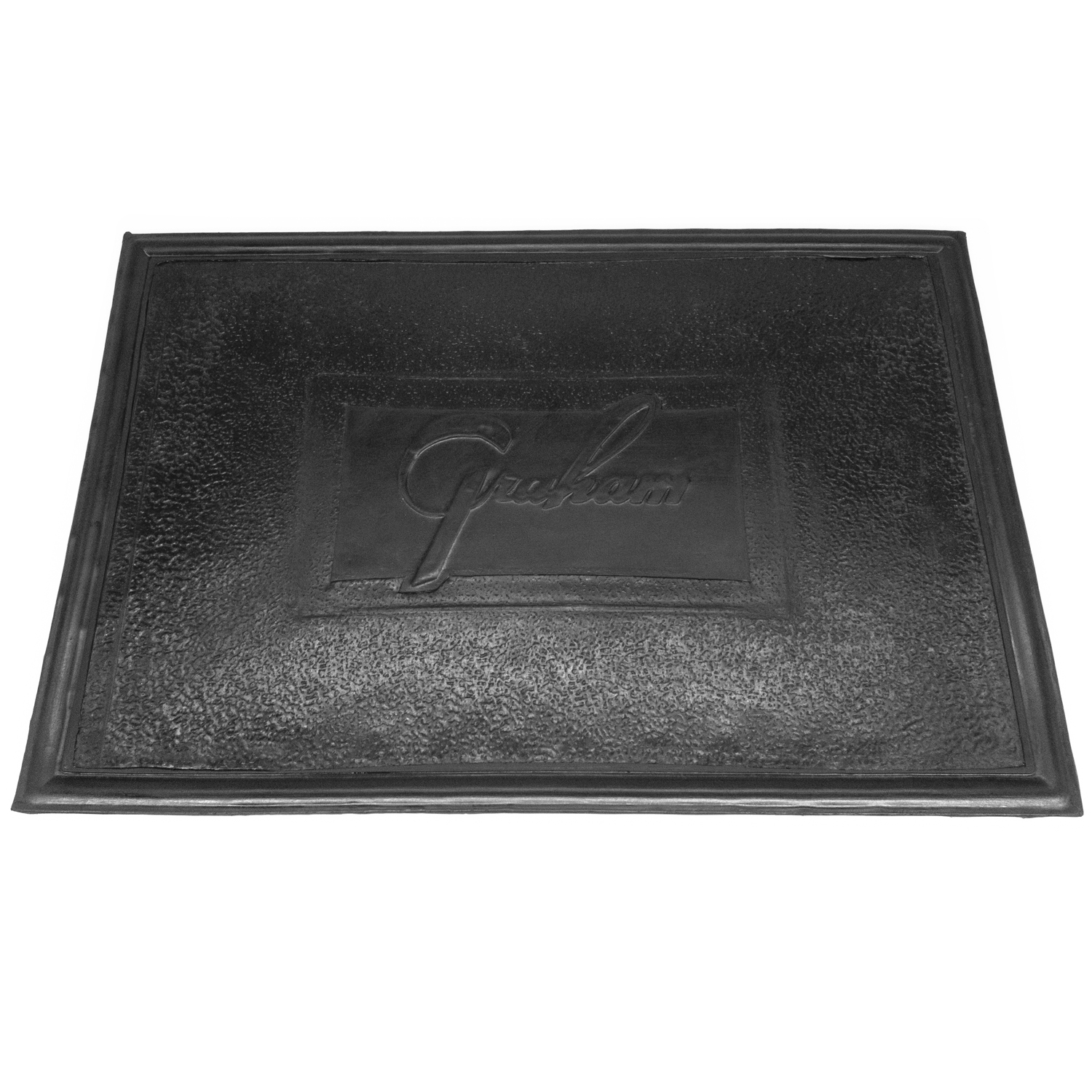 1935 Graham Model 72 Accessory Floor Mat - 12"X17"-AC 12Accessory Floor Mat - made of high quality black rubber with molded original emblem. Also designed to be sewn into new carpets. 12"X17", Each
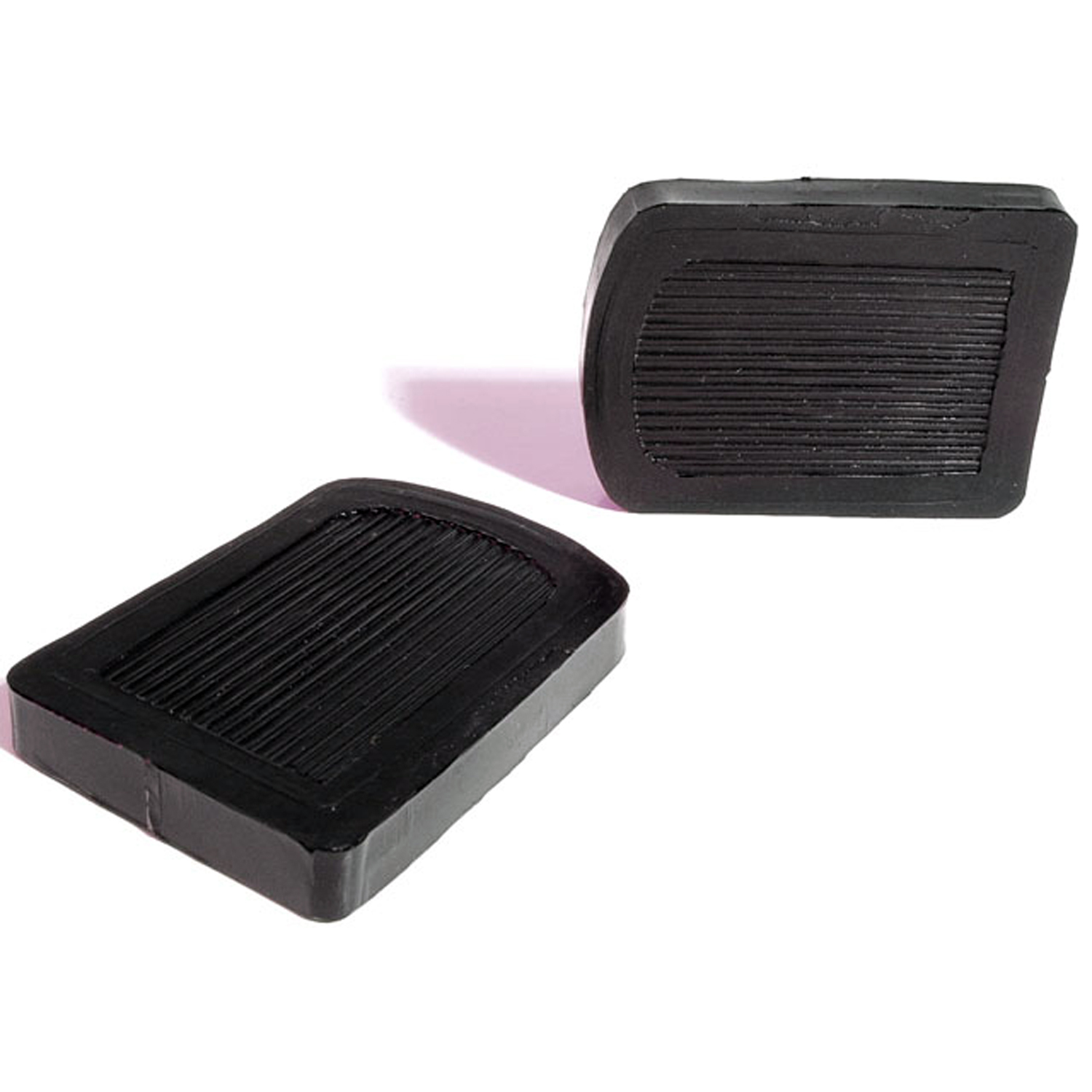 1935 Graham Model 72 Clutch and Brake Pedal Pads. 2-5/8" wide X 3-5/8" long-CB 25Clutch and Brake Pedal Pads. 2-5/8" wide X 3-5/8" long. Pair
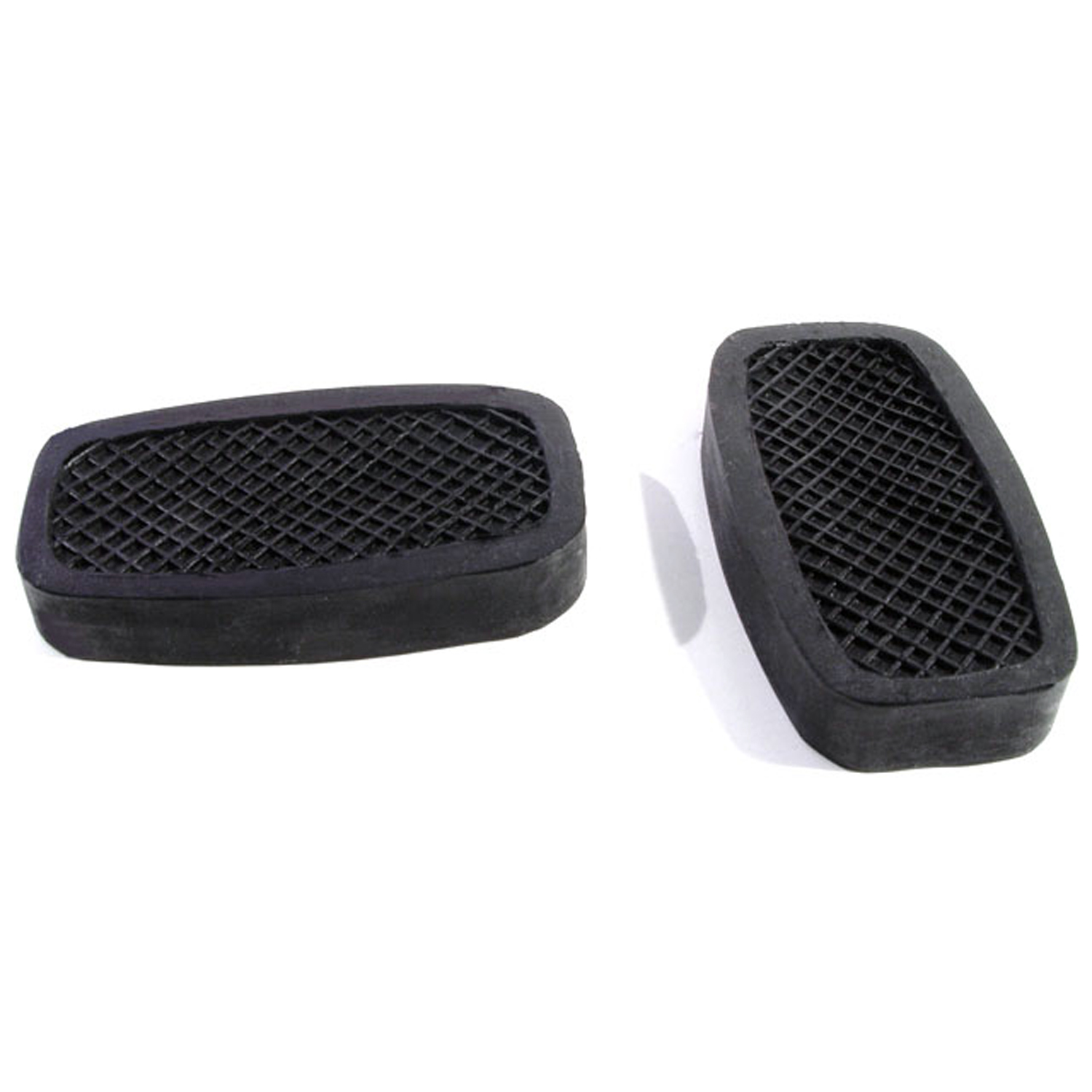 1935 Graham Model 72 Clutch and Brake Pedal Pads. 2" wide X 3-5/8" long. Pair-CB 46Clutch and Brake Pedal Pads. 2" wide X 3-5/8" long. Pair
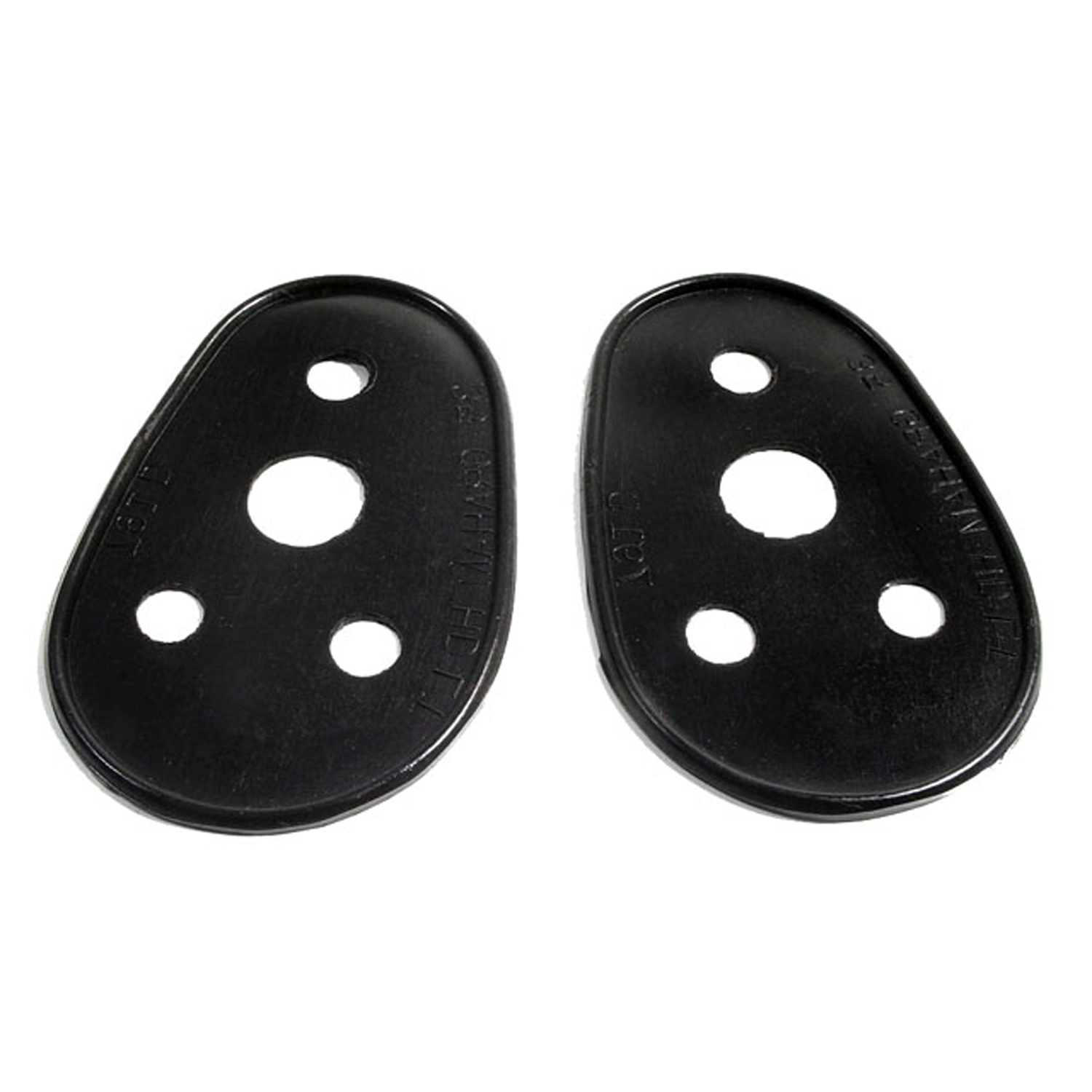 1935 Graham Model 72 Headlight Pads. 2-7/8" wide X 4-3/8" long. Pair-MP 791-DHeadlight Pads. 2-7/8" wide X 4-3/8" long. Pair
Why Choose Metro?
For over 100 years, Metro Moulded Parts has been the pinnacle of quality in classic car restoration parts. Our commitment to precision and authenticity in every component ensures a perfect fit and an OEM-level appearance.
- Expert Craftsmanship & Quality: Each part is a testament to our dedication to reliability and perfection, crafted from original designs and thoroughly tested.
- Advanced Technology: We use cutting-edge techniques to create flawless, long-lasting parts that surpass others in performance.
- SuperSoft Sponge – The Ultimate Door Seal: Not only are our door seals 30% softer than competitors', but they're also guaranteed to never leak. They effectively reduce wind and road noise, enhancing your classic car's comfort and driving experience.
- Proudly American: Our parts are a product of American craftsmanship, made in the USA with a spirit of excellence and heritage.
- Unrivaled Warranty: We back our products with a 30-year industry-leading warranty, a testament to our confidence in their quality.
Join us in preserving the legacy of classic cars with parts that are crafted for perfection, not just made.