

Image of 1935 Graham Model 75, Note: These illustrations use artistic license and may differ from actual historical models.
Performance Metrics
Fundamental Metrics
Emotional Appeal
MMP Rating
| Engine Specifications | |
|---|---|
| Engine: | Straight-6 |
| Displacement: | 217 cubic inches |
| Horsepower: | Estimated 85-95 hp |
| Torque: | Not available |
| Compression Ratio: | Not available |
| Ignition System: | Distributor and coil |
| Cooling System: | Water-cooled |
| Performance Specifications | |
| 0-60 Time: | Not available |
| 1/4 Mile Time: | Not available |
| Top Speed: | 75-85 mph |
| Transmission and Drive | |
| Drive Type: | Rear-wheel drive |
| Transmission Type: | 3-speed manual |
| Fuel and Efficiency | |
| Fuel System Type: | Carburetor |
| MPG: | Not available |
| Dimensions and Brakes | |
| Brakes: | Mechanical drum brakes |
| Wheelbase: | 116 inches |
| Weight: | 3,200 lbs |
Note: Specifications for classic cars are given to the best of our ability, considering the limited and variant data available.
1935 Graham Model 75: The Style-Forward Six
The 1935 Graham Model 75 looked ready to move even while parked, thanks to its low stance, rounded fenders, and streamlined bodywork. Built by Graham-Paige Motors Corporation of Detroit, Michigan, it paired forward-looking design with the practical appeal of a six-cylinder American car. It was not as widely remembered as some bigger-name makes, but the Model 75 came from a company that helped push automotive styling away from the upright, boxy shapes of the 1920s.
Graham-Paige was founded by brothers Joseph, Robert, and Ray Graham, who first made their name in the automotive parts business before acquiring the Paige-Detroit Motor Car Company in 1927. By 1935, the company was competing in a difficult market shaped by the Great Depression. Its answer was distinctive design and solid engineering. One especially intriguing part of the Graham story is that the company’s earlier “Blue Streak” styling helped establish a visual direction that Graham would develop further in the dramatic 1938 “Sharknose” cars.
Streamlined Design and Cabin Comfort
The Model 75 wore the curves that made Graham cars stand out in the mid-1930s. Its long hood flowed into a pronounced front grille, while rounded fenders blended more naturally into the body than the separate, upright forms common on older cars. The result was a composed, purposeful profile rather than an abrupt collection of boxlike sections. Details varied with body style and trim, but the overall effect was unmistakably modern for its day.
Inside, the Model 75 offered the generous space expected of a full-size American car. Depending on body and trim, buyers encountered cloth upholstery, with higher-grade materials and leather appointments available on some versions. A broad bench seat, substantial door panels, and a simple, readable instrument layout made the cabin comfortable and practical. Today, original upholstery and trim are uncommon, so a well-preserved interior can add considerable interest to an example.
The Model 75’s most important technology was mechanical rather than electronic. It used a conventional front-engine, rear-wheel-drive layout, a manual transmission, and hydraulic brakes, equipment that was becoming familiar among American cars of the period. Its low, streamlined body reflected the era’s growing interest in reducing visual bulk and improving airflow, even though styling and packaging were bigger selling points than measurable aerodynamic gains.
Factory paint choices could vary by year, body, and trim package. Period cars commonly appeared in restrained shades such as black, dark blue, maroon, green, and two-tone combinations. Exact color availability should be checked against factory literature or the car’s original paint evidence, since a modern restoration may wear a color that was not offered on that specific body. A dark body with contrasting wheels or trim suits the Model 75 particularly well and emphasizes its sweeping fender lines.
The four-door sedan was the practical, familiar choice and is the body style most people associate with the Model 75. Graham also offered a broader range of body configurations across its lineup, though availability depended on model and production year. Buyers considering a coupe or open-bodied car should confirm that the body is correct for the particular series rather than relying on a seller’s description alone.
Why the Model 75 Matters
The Model 75 belongs to a period when automakers were learning how to make cars look lower and more integrated without sacrificing the passenger space American buyers valued. Graham’s earlier Blue Streak design work had already made an impression with its more fully integrated fenders and cleaner body treatment. The 1935 Model 75 carried that design thinking into a more conventional, usable six-cylinder package.
It was not a mass-market sales leader on the scale of Ford or Chevrolet, and it did not introduce a single technology that transformed the industry. Its significance is subtler: Graham was a smaller manufacturer willing to invest in distinctive styling and a coherent design identity. That approach helped set the stage for the company’s later, more radical cars. The Model 75 is therefore an appealing snapshot of an independent automaker trying to stand apart during one of the toughest periods in American automotive history.
Six-Cylinder Performance and Road Manners
The Model 75 is generally identified with a 212.8-cubic-inch L-head inline-six producing about 85 horsepower, paired with a three-speed manual transmission. Specifications can vary by source and individual car, so buyers should verify the engine and serial information on the vehicle in question. Period acceleration figures are not consistently documented, but a reasonable modern estimate is roughly 20 to 25 seconds from 0 to 60 mph. A healthy, properly tuned car might reach a top speed in the neighborhood of 75 to 85 mph, though cruising at lower speeds is kinder to an 89-year-old drivetrain.
On the road, expect a steady, unhurried drive rather than modern quickness. The six-cylinder engine should pull smoothly when maintained, while the manual gearbox asks for deliberate shifts and a little patience. The engine note is a measured, low mechanical hum, not a sharp performance-car growl. Steering and suspension are period-correct in feel, so the car needs more attention from the driver than a modern sedan, particularly at low speeds or on uneven pavement.
The Model 75’s wheelbase and substantial body help it feel composed on ordinary roads. It can absorb rough surfaces better than its low-slung appearance might suggest, but worn shocks, tired springs, loose steering components, or aged tires can make bumps and winding roads feel unsettled. On a breezy highway, the car’s upright glass and broad body are more susceptible to crosswinds than a contemporary vehicle. A good example is enjoyable on scenic back roads and local drives, but it is best treated as a vintage touring car, not a modern-distance cruiser.
Living With a 1935 Graham
Most Model 75s today are used for local touring, club events, historic displays, and car shows. A sound example can be driven regularly in fair weather, but using one as a daily driver is a commitment. It lacks modern safety equipment, climate control, and the traffic performance expected of a current car. Its strongest role is as a characterful weekend car that rewards relaxed driving.
Routine service is straightforward for an owner familiar with prewar cars: inspect fluids, ignition, cooling, brakes, tires, and lubrication on a regular schedule. The mechanical layout is not especially exotic, but parts availability is the real challenge. Common service items can often be sourced or adapted, while Graham-specific trim, body panels, glass, and restoration pieces may require specialist suppliers, club contacts, or careful fabrication. A knowledgeable vintage-car mechanic is valuable, especially for brake, steering, and engine work.
Reliability depends heavily on restoration quality and use. A correctly rebuilt engine and carefully sorted cooling and braking systems can make the car dependable for local outings. Poorly maintained examples may suffer from overheating, electrical faults, worn driveline parts, or hard-to-find components. Before purchase, inspect the frame and body for corrosion and previous repairs, check the brakes and steering thoroughly, and verify that the engine and major components are appropriate for the car.
Graham Model 75 Facts and Myths
The Model 75’s best-known connection is to Graham’s broader design story, rather than to a single celebrity owner or famous race result. The company’s later Sharknose styling became its most recognizable design statement, but it should not be confused with the 1935 Model 75. The 1935 car is an earlier, more restrained expression of the same ambition to make a Graham look different from its rivals.
There is no widely recognized speed or endurance record associated with the Model 75, and reliable model-specific production totals are difficult to establish. Graham was a relatively small independent manufacturer, so surviving cars are uncommon compared with mainstream Fords and Chevrolets. Claims that a particular Model 75 is an ultra-rare special edition deserve documentation, such as factory records, period advertising, or marque-club research.
One common criticism is that Graham’s styling can be mistaken for that of other makes from the same era, especially in photographs. Another is the practical one facing many orphan marques: restoration can take longer and cost more because some parts are scarce. Those drawbacks are balanced by distinctive design, a comfortable full-size cabin, and the pleasure of owning a car that is less familiar at a show than the usual mainstream classics.
Rarity, Prices, and Collector Appeal
Model-specific production figures are not consistently published, so any number should be treated as an estimate rather than a confirmed factory total. A reasonable working guess is that production of the 1935 Model 75 was in the low thousands, perhaps around 2,000 to 4,000 cars, with surviving examples representing only a small portion of that total. The sedan is likely to be easier to encounter than less common body configurations, though availability varies by region and condition.
As a broad U.S. market estimate, a project car might fall around $5,000 to $12,000, while a usable driver could bring roughly $15,000 to $30,000. A well-restored, highly original, or particularly desirable example might reach $30,000 to $45,000 or more. These are guide ranges, not appraisals: body style, provenance, restoration quality, mechanical condition, and the availability of documentation can move a price substantially. A rare body is not automatically more valuable if it needs an extensive, costly restoration.
Values for specialist prewar cars tend to move unevenly. Exceptional, correctly restored examples can remain desirable, but the market is narrower than it is for widely recognized marques. Over the long term, the Model 75’s rarity and design interest support collector appeal, while restoration costs and a smaller buyer pool can limit price growth. For a collector, condition and completeness are usually a safer bet than buying the cheapest available car and hoping scarcity alone will make it valuable.
A Distinctive Prewar Graham
The 1935 Graham Model 75 combines a smooth six-cylinder engine, roomy American-car practicality, and styling that hints at the company’s more adventurous designs to come. It is neither a record-setting sports car nor a household-name classic, but that is part of its charm. For enthusiasts who appreciate the independent makes of the 1930s, the Model 75 is a handsome reminder that innovation often came from companies willing to take a different road.
1935 Graham Model 75 Catalog of Parts
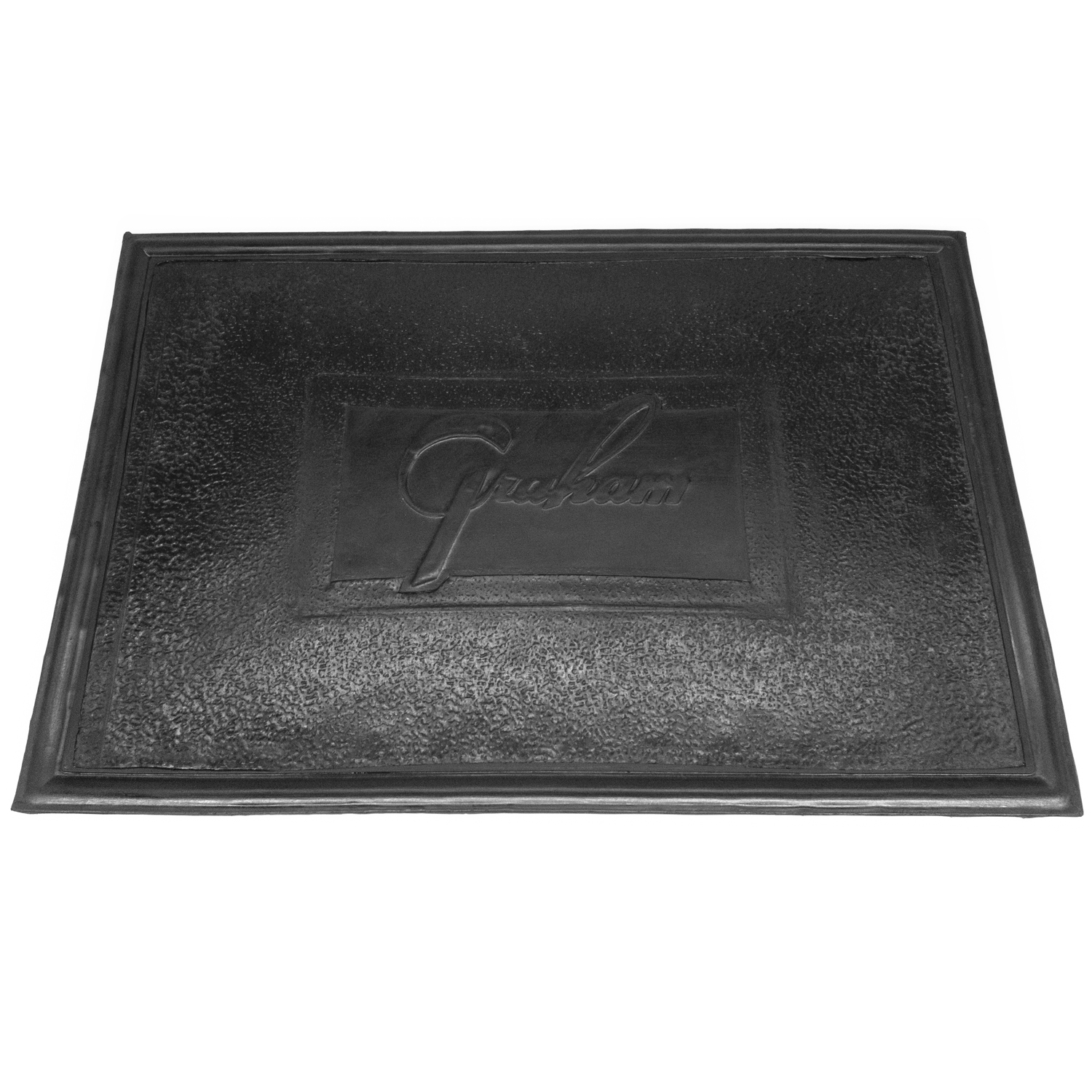 1935 Graham Model 75 Accessory Floor Mat - 12"X17"-AC 12Accessory Floor Mat - made of high quality black rubber with molded original emblem. Also designed to be sewn into new carpets. 12"X17", Each
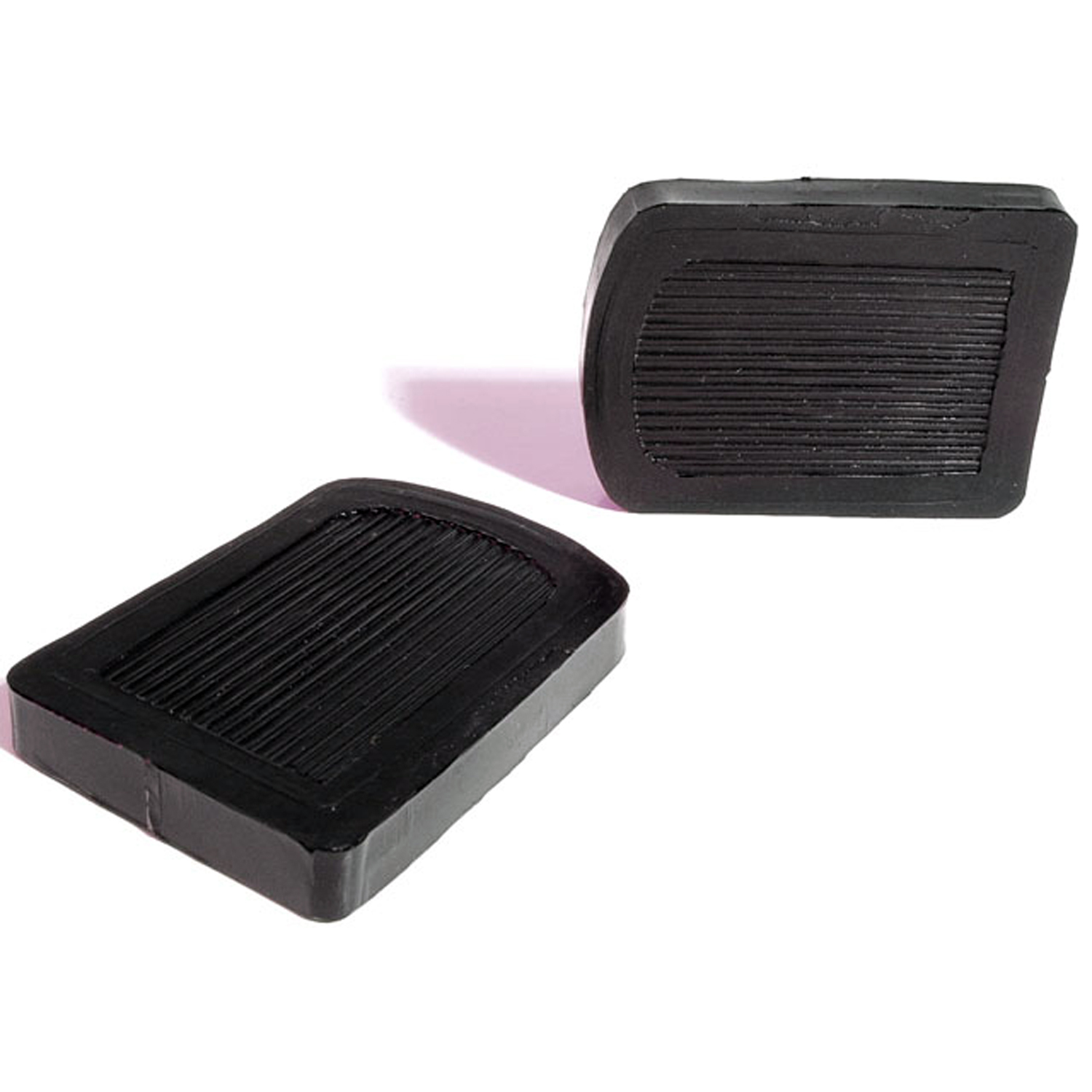 1935 Graham Model 75 Clutch and Brake Pedal Pads. 2-5/8" wide X 3-5/8" long-CB 25Clutch and Brake Pedal Pads. 2-5/8" wide X 3-5/8" long. Pair
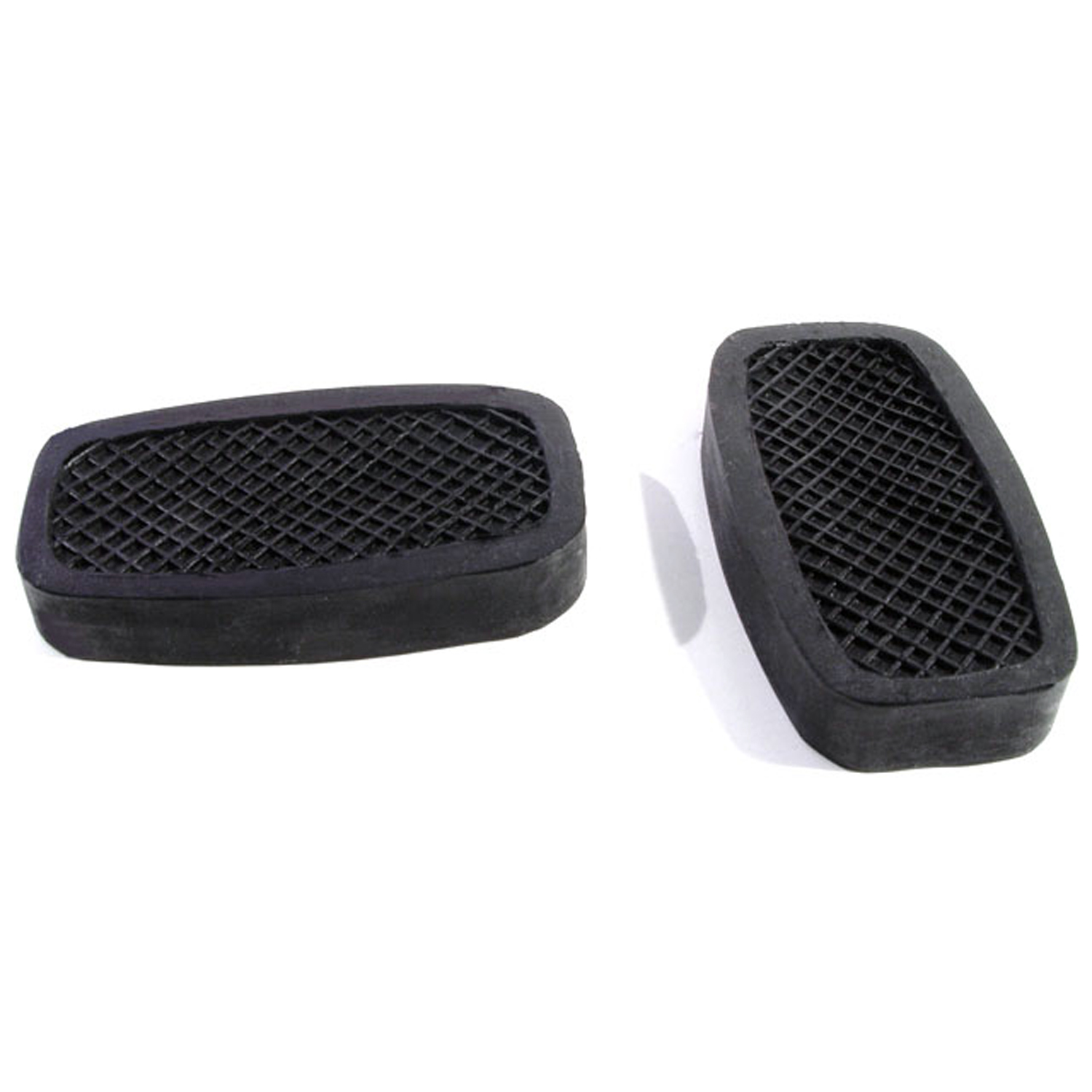 1935 Graham Model 75 Clutch and Brake Pedal Pads. 2" wide X 3-5/8" long. Pair-CB 46Clutch and Brake Pedal Pads. 2" wide X 3-5/8" long. Pair
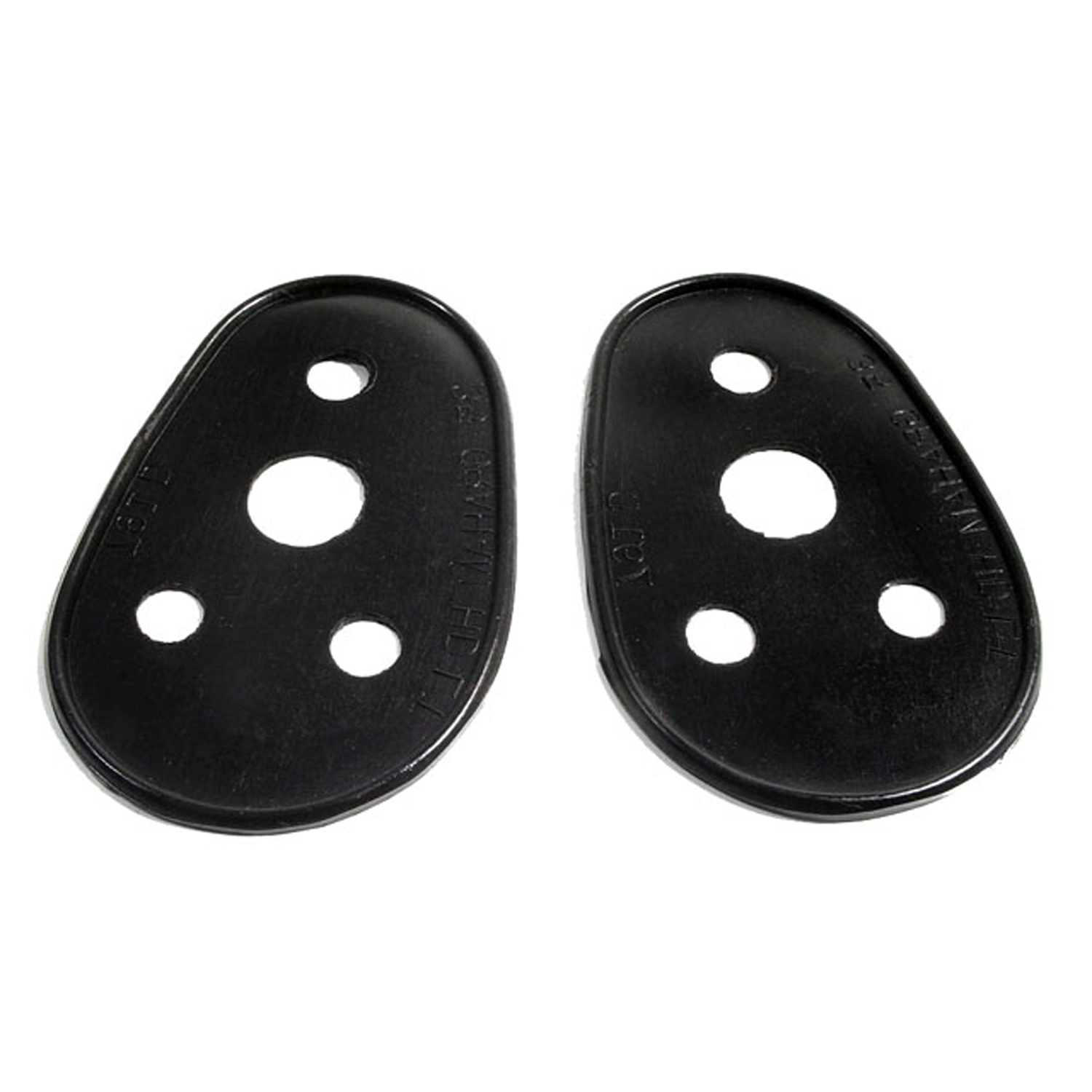 1935 Graham Model 75 Headlight Pads. 2-7/8" wide X 4-3/8" long. Pair-MP 791-DHeadlight Pads. 2-7/8" wide X 4-3/8" long. Pair
Why Choose Metro?
For over 100 years, Metro Moulded Parts has been the pinnacle of quality in classic car restoration parts. Our commitment to precision and authenticity in every component ensures a perfect fit and an OEM-level appearance.
- Expert Craftsmanship & Quality: Each part is a testament to our dedication to reliability and perfection, crafted from original designs and thoroughly tested.
- Advanced Technology: We use cutting-edge techniques to create flawless, long-lasting parts that surpass others in performance.
- SuperSoft Sponge – The Ultimate Door Seal: Not only are our door seals 30% softer than competitors', but they're also guaranteed to never leak. They effectively reduce wind and road noise, enhancing your classic car's comfort and driving experience.
- Proudly American: Our parts are a product of American craftsmanship, made in the USA with a spirit of excellence and heritage.
- Unrivaled Warranty: We back our products with a 30-year industry-leading warranty, a testament to our confidence in their quality.
Join us in preserving the legacy of classic cars with parts that are crafted for perfection, not just made.