

Image of 1936 Graham Crusader Model 80, Note: These illustrations use artistic license and may differ from actual historical models.
Performance Metrics
Fundamental Metrics
Emotional Appeal
MMP Rating
| Engine Specifications | |
|---|---|
| Engine Options: | Inline 6 |
| Displacement Range: | 217 cubic inches |
| Horsepower Range: | Estimated 85-90 HP |
| Torque: | Not available |
| Compression Ratio: | Not available |
| Ignition System: | Distributor and coil |
| Cooling System: | Water-cooled |
| Performance Specifications | |
| 0-60 Time: | Not available |
| 1/4 Mile Time: | Not available |
| Top Speed: | 75-80 mph |
| Transmission and Drive | |
| Drive Type: | Rear-wheel drive |
| Transmission Type: | 3-speed manual |
| Fuel and Efficiency | |
| Fuel System Type: | Carburetor |
| MPG: | Not available |
| Dimensions and Brakes | |
| Brakes: | Mechanical drum brakes |
| Wheelbase: | 116 inches |
| Weight: | 3,200 lbs |
Note: Specifications for classic cars are given to the best of our ability, considering the limited and variant data available.
1936 Graham Crusader Model 80: A Six-Cylinder Sedan with Independent Spirit
The 1936 Graham Crusader Model 80 was built for drivers who wanted smart, modern-looking transportation without paying for a luxury car. Its handsome proportions, practical six-cylinder power and connection to one of America’s more inventive independent automakers make it a rewarding classic to discover today.
The Crusader came from Graham-Paige Motors Corporation, the Detroit company formed by brothers Joseph, Robert and Ray Graham after they acquired the Paige-Detroit Motor Car Company in 1927. In 1936, the Crusader sat toward the affordable end of Graham’s range. The Model 80 designation identifies the model series, not an 80-horsepower rating: the car’s six-cylinder engine was generally rated at about 85 horsepower.
The Crusader also belongs to an important chapter in Graham’s story. The company was working to stand out in a crowded market dominated by much larger manufacturers. Its later “sharknose” cars became the marque’s most famous design statement, but the 1936 Crusader shows how Graham was already seeking a distinctive, streamlined look before that dramatic styling arrived.
Graham Crusader Model 80 Specifications
The 1936 Crusader Model 80 was powered by a 217.8-cubic-inch L-head inline-six, commonly rated at approximately 85 horsepower. Power went to the rear wheels through a three-speed manual transmission. The chassis used conventional body-on-frame construction, solid axles and leaf-spring suspension, with hydraulic drum brakes. Exact equipment and specifications can vary by body style and market.
Performance figures should be treated as period-car estimates rather than precise factory test results. A sound, correctly tuned Crusader might reach roughly 75 to 80 mph, while 0-to-60-mph acceleration would likely take around 20 to 25 seconds. Its purpose was comfortable, dependable road travel, not quick acceleration or high-speed competition.
Streamlined Style Before the Sharknose
The Crusader’s design has the upright dignity of a mid-1930s American sedan, but it avoids looking overly boxy. A tall radiator grille, sweeping front fenders, rounded hood and curved body lines give it a more flowing profile than many earlier cars. The fenders extend over the wheels with a substantial, sculpted look, while the running boards connect the front and rear sections in one continuous visual line.
It is important not to confuse the 1936 Crusader with Graham’s later, famous “sharknose” models. The 1936 car has a more conventional front end, though its smooth contours reflect the era’s growing interest in aerodynamic styling. It looks purposeful rather than flamboyant, a fitting character for Graham’s lower-priced model.
Graham offered the Crusader in sedan and coupe forms, with two-door and four-door configurations represented in the model range. The four-door sedan is the body style most often associated with the car today, thanks to its practicality and traditional family-car proportions. Exact body availability could vary by catalog, production run and market.
Factory paint choices changed with the year and finish package. Period-appropriate shades for cars of this type included dark blue, green, maroon, gray and black, often paired with contrasting interior trim or pinstriping. A particular color should be confirmed against the car’s original paint evidence or factory records rather than assumed from a modern repaint.
A Comfortable, Purposeful Cabin
Inside, the Crusader was designed around straightforward comfort. The broad bench seats, large steering wheel and clear, centrally grouped instruments made it approachable for drivers accustomed to conventional cars. Upholstery was typically cloth, with richer materials and trim depending on the specification. A well-preserved interior can have a warm, tailored feel, but original fabric and trim are now difficult to find in good condition.
The cabin’s appeal is less about luxury-car ornament and more about period atmosphere. Painted metal surfaces, simple controls and a large dashboard remind the driver that this was a practical car from a time when even ordinary motoring involved more direct mechanical interaction. Buyers could choose accessories and trim details, but equipment varied, so surviving cars do not all have identical interiors.
Technology for Everyday Motoring
The Crusader’s engineering was conventional, but that was part of its appeal. Its side-valve inline-six was a proven design suited to steady road use, and the three-speed manual transmission kept the mechanical package uncomplicated. Hydraulic drum brakes were a significant convenience compared with older mechanical systems, offering more consistent braking effort when properly maintained.
Graham’s broader design program was more adventurous than the Crusader’s straightforward mechanical layout might suggest. The company was exploring smoother body forms and distinctive styling at a time when many manufacturers still relied on upright, separate-looking body components. The Model 80 brought some of that modern visual thinking to a less expensive car.
Why the Crusader Matters
The Crusader’s historical importance lies partly in what it represented: a serious independent automaker competing against the industry’s giants. Graham-Paige could not match the production scale of Ford, Chevrolet or Chrysler, so it needed cars with clear identity and good value. The Crusader helped broaden the company’s appeal beyond buyers seeking its more expensive models.
It also offers a useful point of comparison with Graham’s best-known later design. The 1938 “Spirit of Motion,” widely nicknamed the sharknose, made a much bolder styling statement. The Crusader is less radical, but it belongs to the same period of experimentation in which manufacturers worked to make cars look lower, smoother and more modern. Its influence was not that it set a mass-market styling template, but that it illustrates how smaller makers contributed to the era’s design conversation.
What set the Model 80 apart from many contemporaries was the Graham name itself. The company had a reputation for engineering ambition and distinctive styling, yet the Crusader offered a comparatively accessible route into the brand. That combination of independent character and everyday usefulness is part of its lasting charm.
Road Manners and Driving Character
On the road, a Crusader is best enjoyed at a relaxed pace. The six-cylinder engine produces a steady, deliberate sound rather than a sharp or sporting note. Acceleration is leisurely by modern standards, and the driver needs to plan overtakes and hills well in advance. The three-speed gearbox rewards smooth, unhurried shifts.
The solid-axle, leaf-spring suspension gives the car the familiar ride of a 1930s American sedan. It can absorb ordinary road imperfections comfortably, though sharp bumps may produce the expected body movement and axle response. On winding roads, the car feels substantial and requires more steering input and anticipation than a modern vehicle. Its tall profile and period tires also call for caution in crosswinds and during abrupt maneuvers.
A healthy Crusader should feel composed on open roads, but its brakes, tires and steering need to be in sound condition before any drive. Restorers should not judge the car solely by how it behaved when new: aged rubber, worn suspension components and decades-old brake parts can transform its handling for the worse.
Owning and Maintaining a Graham
Today, the Crusader is best suited to touring, local shows, club events and occasional weekend drives. It can be used regularly by a committed owner, but it is not an easy substitute for a modern daily driver. Its pace, braking distances, visibility and lack of contemporary safety equipment all require an adjustment in expectations.
Routine work on the six-cylinder engine and basic chassis is familiar to many vintage-car mechanics. The greater challenge is sourcing marque-specific parts. Wear items may be repairable or adaptable, but trim, body panels, interior pieces and certain mechanical components can take time to locate. A buyer should inspect the car carefully for rust, incomplete restoration work and missing hardware before committing.
Reliability depends heavily on maintenance and restoration quality. Cooling-system condition, ignition, carburetion, fuel delivery, brakes and electrical connections deserve particular attention. For an average owner who is comfortable with basic mechanical work, ordinary servicing is manageable; specialized bodywork and parts fabrication are better left to experienced shops or Graham specialists.
Small-Marque Trivia and Common Questions
The Graham brothers’ business story is unusual: their company began in automotive manufacturing and later became associated with major ventures outside the car industry. The Crusader is a reminder that Graham-Paige was more than a footnote to the better-known Detroit brands. It built complete cars with its own identity during a period when independent manufacturers were under increasing pressure.
No widely recognized speed, endurance or sales record belongs specifically to the 1936 Crusader Model 80, and it is not strongly associated with a famous celebrity owner or a landmark historical event. Its interest is quieter: it represents the daily-use American car produced by a smaller company with something to prove.
Common criticisms are also straightforward. The Crusader is slow by modern expectations, its period braking and handling demand respect, and its limited production makes parts and specialist knowledge less readily available than for a Ford or Chevrolet of the same era. Those drawbacks are balanced by its rarity and the pleasure of driving something less familiar.
Collector Values and Availability
There is no dependable, factory-published production total for every 1936 Crusader body style. As a reasoned estimate rather than a confirmed figure, production of Model 80 cars may have been in the low thousands, perhaps roughly 2,000 to 3,000. The number of surviving examples is smaller, and cars with complete histories, original details or high-quality restorations are not commonly offered for sale.
Values depend strongly on condition, completeness, body style and the quality of any restoration. As a broad current-market estimate, a project car might fall around $5,000 to $12,000, a usable but imperfect example around $12,000 to $25,000, and a very good restored car around $25,000 to $40,000 or more. Exceptional examples may exceed that range, while major missing parts or poor repairs can reduce a car’s value substantially.
The Crusader is better viewed as a niche collectible than a guaranteed investment. Prices for uncommon independent makes can be uneven because the buyer pool is smaller and restoration costs may outstrip the value of the finished car. Well-documented, properly restored examples should remain attractive to Graham enthusiasts, but appreciation is likely to be gradual and condition-driven rather than automatic.
A Distinctive Chapter in Graham-Paige History
The 1936 Graham Crusader Model 80 combines practical six-cylinder engineering with the character of an independent American automaker. It was not the fastest car of its day, nor the most radical Graham design, but it offered comfortable, modern transportation with a distinctive identity.
For collectors, the Crusader’s appeal is precisely that it stands outside the usual parade of familiar marques. It captures an ambitious moment in American automotive history, when a smaller company tried to compete through thoughtful engineering, individual styling and sheer determination. A well-kept Model 80 is more than an old sedan: it is a rolling reminder that Detroit’s story was once told by many voices.
1936 Graham Crusader Model 80 Catalog of Parts
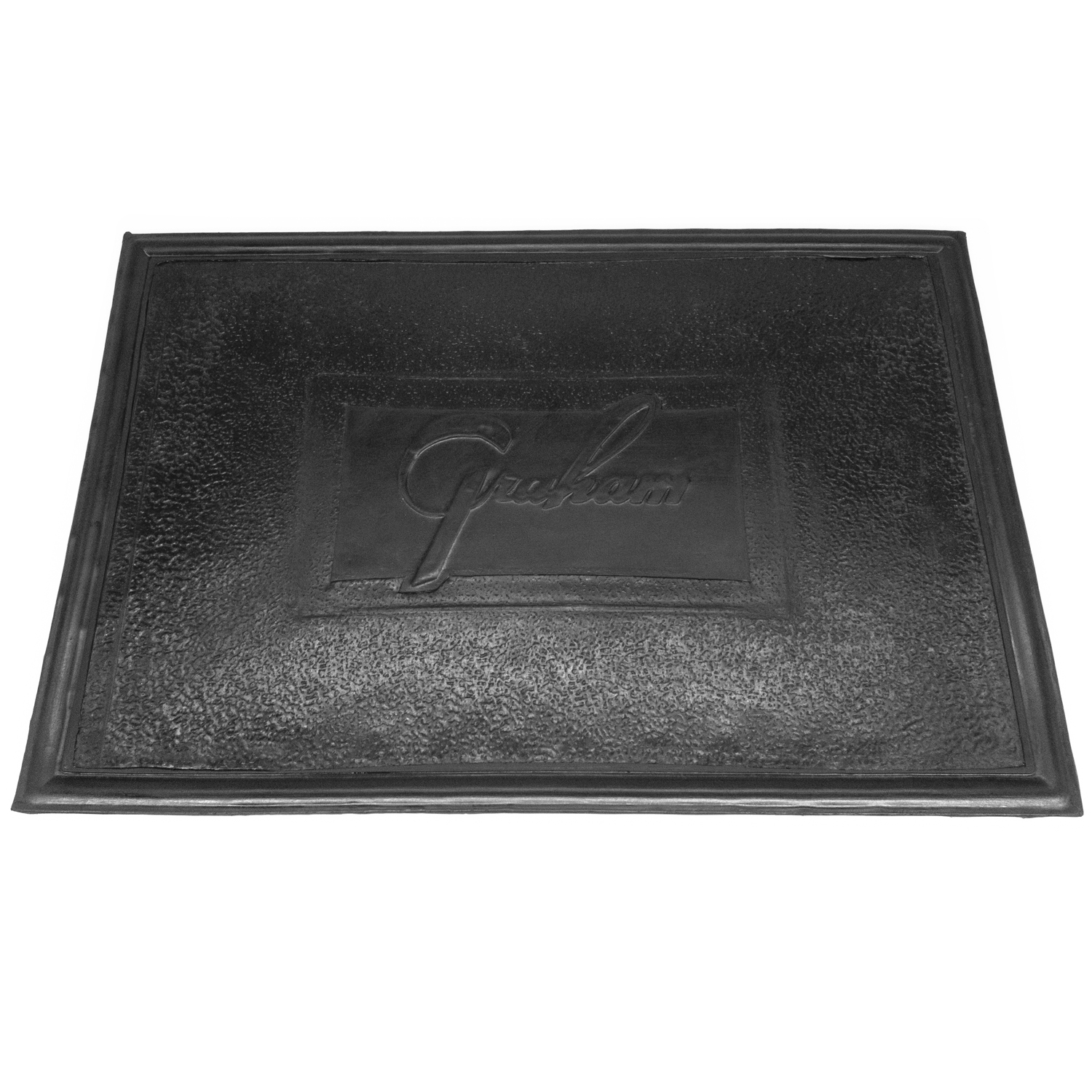 1936 Graham Crusader Model 80 Accessory Floor Mat - 12"X17"-AC 12Accessory Floor Mat - made of high quality black rubber with molded original emblem. Also designed to be sewn into new carpets. 12"X17", Each
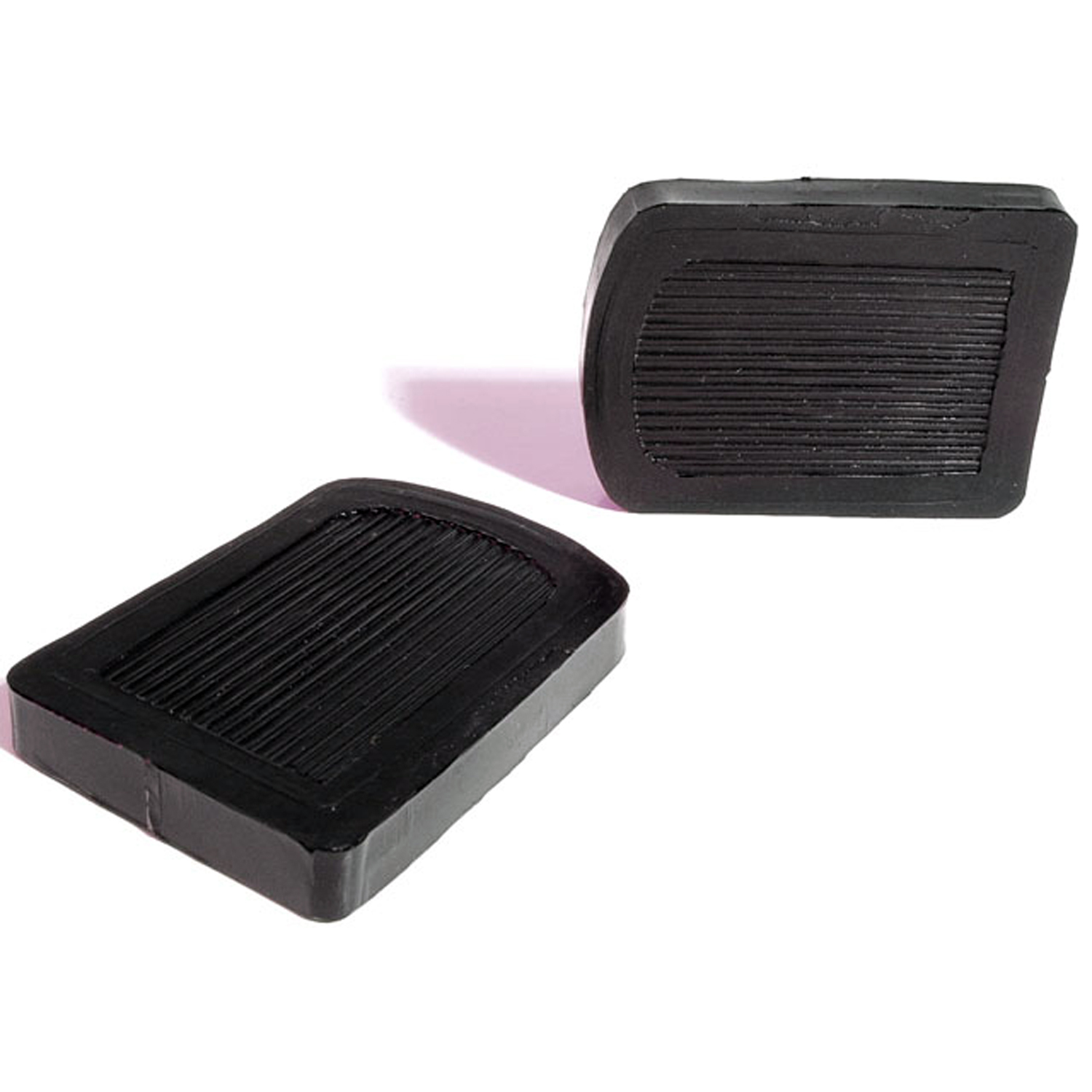 1936 Graham Crusader Model 80 Clutch and Brake Pedal Pads. 2-5/8" wide X 3-5/8" long-CB 25Clutch and Brake Pedal Pads. 2-5/8" wide X 3-5/8" long. Pair
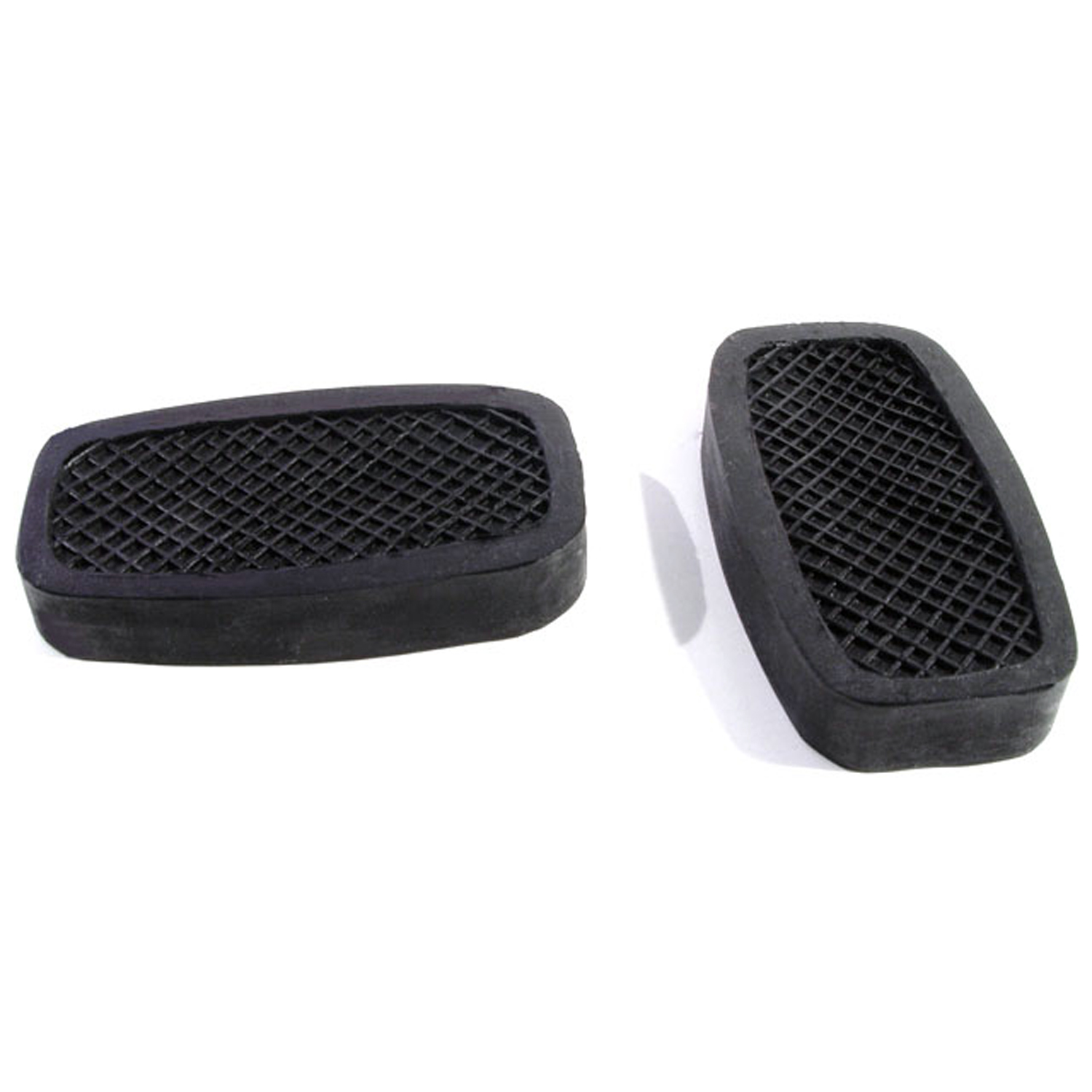 1936 Graham Crusader Model 80 Clutch and Brake Pedal Pads. 2" wide X 3-5/8" long. Pair-CB 46Clutch and Brake Pedal Pads. 2" wide X 3-5/8" long. Pair
 1936 Graham Crusader Model 80 Headlight Pads. 3-3/4" wide X 8-1/4" long. Pair R&L-MP 794Headlight Pads. 3-3/4" wide X 8-1/4" long. Pair R&L
 1936 Graham Crusader Model 80 Headlight Pads. 3-3/4" wide X 7-1/4" long. Pair R&L-MP 797-AHeadlight Pads. 3-3/4" wide X 7-1/4" long. Pair R&L
 1936 Graham Crusader Model 80 Tail-light Pads. 2-1/8" wide X 6-1/4" long. Pair-MP 797-BTail-light Pads. 2-1/8" wide X 6-1/4" long. Pair
Why Choose Metro?
For over 100 years, Metro Moulded Parts has been the pinnacle of quality in classic car restoration parts. Our commitment to precision and authenticity in every component ensures a perfect fit and an OEM-level appearance.
- Expert Craftsmanship & Quality: Each part is a testament to our dedication to reliability and perfection, crafted from original designs and thoroughly tested.
- Advanced Technology: We use cutting-edge techniques to create flawless, long-lasting parts that surpass others in performance.
- SuperSoft Sponge – The Ultimate Door Seal: Not only are our door seals 30% softer than competitors', but they're also guaranteed to never leak. They effectively reduce wind and road noise, enhancing your classic car's comfort and driving experience.
- Proudly American: Our parts are a product of American craftsmanship, made in the USA with a spirit of excellence and heritage.
- Unrivaled Warranty: We back our products with a 30-year industry-leading warranty, a testament to our confidence in their quality.
Join us in preserving the legacy of classic cars with parts that are crafted for perfection, not just made.