

Image of 1937 Graham Series 116, Note: These illustrations use artistic license and may differ from actual historical models.
Performance Metrics
Fundamental Metrics
Emotional Appeal
MMP Rating
| Engine Specifications | |
|---|---|
| Engine: | Inline 6 |
| Displacement: | 3.5L |
| Horsepower: | Estimated 85-90 HP |
| Torque: | Not available |
| Compression Ratio: | Not available |
| Ignition System: | Distributor and coil |
| Cooling System: | Liquid-cooled |
| Performance Specifications | |
| 0-60 Time: | Not available |
| 1/4 Mile Time: | Not available |
| Top Speed: | 85 mph |
| Transmission and Drive | |
| Drive Type: | Rear-wheel drive |
| Transmission Type: | 3-speed manual |
| Fuel and Efficiency | |
| Fuel System Type: | Carburetor |
| MPG: | Not available |
| Dimensions and Brakes | |
| Brakes: | Drum brakes |
| Wheelbase: | 116 inches |
| Weight: | Estimated 3,000 lbs |
Note: Specifications for classic cars are given to the best of our ability, considering the limited and variant data available.
1937 Graham Series 116: A Rare Independent with Big Ideas
The 1937 Graham Series 116 brought smart engineering and distinctive styling to a market dominated by much larger automakers. Built by Graham-Paige Motors Corporation in Detroit, it was the six-cylinder model in Graham’s 1937 lineup, with a 116-inch wheelbase and a character that sat comfortably between mainstream family car and independent marque curiosity.
Graham-Paige grew out of the Graham brothers’ automotive business. After selling their successful truck operation, the brothers acquired the Paige-Detroit Motor Car Company in 1927 and began building passenger cars under the Graham-Paige name. By 1937, the company was competing during the difficult years of the Great Depression, when low-volume independents had to offer something distinctive to draw buyers away from Ford, Chevrolet, and Chrysler.
One of the Series 116’s most intriguing connections is what came next. It belongs to the lead-up to Graham’s striking 1938 “Spirit of Motion” design, better known today as the Sharknose. The 1937 car is not that famous Sharknose model, but it represents the company at a moment when its styling and engineering were moving in a bold direction.
Streamlined Style, Thoughtful Cabin
The Series 116 wears late-1930s styling without looking quite like a copy of its competitors. Its body has flowing fenders, a relatively long hood, and a rounded rear profile. The front end is more restrained than the dramatic 1938 Graham, but the lines still give the car a purposeful, slightly forward-leaning appearance. Brightwork around the grille, lamps, and windows adds period elegance without overwhelming the body.
Inside, the car was designed for comfortable everyday travel rather than bare-bones transportation. Upholstery materials varied with trim and body style, but owners could encounter durable cloth, broadcloth, or mohair-style fabrics, with leather or leatherette used in some applications. The dashboard typically combined painted or wood-effect surfaces with clear, easy-to-read gauges. A wide front bench seat, generous window area, and practical storage made the cabin suited to family use.
Most Series 116 cars were closed-body models, with sedan and coupe forms among the principal offerings. Four-door sedans were the natural choice for family buyers, while coupes offered a sportier profile and a more personal-car feel. Exact body names and availability could vary by catalog and market. Period paint choices included sober dark shades and richer colors, with two-tone combinations available on some configurations. Dark blue, maroon, green, and black were all fitting choices for the era, though the precise factory palette depended on body and trim.
Graham’s technology was less about electronic gadgets, which were decades away, and more about making a conventional car comfortable and usable. The Series 116 used a three-speed manual transmission and hydraulic brakes, while its chassis and suspension were intended to deliver a more composed ride than a simple, stiff utility car. Graham had also developed advanced suspension ideas in earlier years, helping establish the company’s reputation as an engineering-minded independent.
Why the Series 116 Mattered
The 1937 Graham Series 116 matters partly because it shows how smaller automakers tried to stand apart in an increasingly standardized industry. Graham could not match the Big Three’s production scale or dealer reach, so distinctive bodywork, thoughtful engineering, and a broad model identity were essential. The company’s willingness to experiment with design helped make its cars memorable even when sales remained modest.
Graham’s broader engineering story included supercharging, a technology the company had offered on selected models in earlier years. The Series 116 itself is best understood as the conventional six-cylinder member of the 1937 range, not automatically as a supercharged car. Buyers looking for a specific engine or equipment package should verify it against the car’s serial information and original documentation.
The car also occupies an interesting place in Graham styling history. It predates the radical 1938 Sharknose, whose sloping grille and sweeping front fenders became the marque’s most recognizable design statement. That later styling attracted attention, but it was controversial too. Graham’s bold approach earned admiration from enthusiasts while making some conservative buyers hesitate. The Series 116 offers a more traditional entry point into the same period of experimentation.
Six-Cylinder Performance and Road Manners
The Series 116 was powered by a 217.8-cubic-inch L-head inline six. Published specifications commonly place output at about 85 horsepower, although figures can differ slightly among references and by rating method. Power went to the rear wheels through a three-speed manual gearbox. This was useful, steady performance for a family car of its day, not a sports-car setup.
Period testing figures are not as consistent as modern instrumented results. A sound, correctly tuned example might reach roughly 75 to 80 mph, with 0 to 60 mph taking around 20 to 25 seconds depending on body weight, gearing, condition, and test method. Those are sensible estimates rather than guaranteed factory test figures. The car’s strengths were relaxed cruising and usable low-speed torque, not rapid acceleration.
On ordinary roads, the Graham’s long wheelbase helped it feel settled, and its suspension was aimed at smoothing out rough pavement. It would still lean more than a modern car in a fast corner, and narrow tires, period steering, and drum brakes call for a measured driving style. On winding roads, the driver works through the manual gearbox and plans braking well ahead. In crosswinds, the broad body and vintage steering feel demand attention, especially at highway speeds.
Behind the wheel, expect a muted mechanical hum from the six, the solid clunk of a period manual shift, and a soft, rolling ride rather than modern isolation. Steering takes more effort at parking speeds, and the brakes require a firmer, earlier application than contemporary systems. Properly maintained, the car feels pleasantly deliberate: it encourages the driver to enjoy the scenery rather than hurry through it.
Living with a 1937 Graham
Today, a Series 116 is best suited to touring, local classic-car events, museum displays, and occasional weekend drives. It can be made roadworthy and used regularly, but it is not an especially practical daily driver by modern standards. It lacks modern crash protection, efficient heating and ventilation, contemporary lighting, and the parts availability of a Ford or Chevrolet from the same year.
Routine mechanical work is familiar to a vintage-car specialist. The engine is a conventional side-valve six, and basic service tasks do not require unusual electronic equipment. The challenge is often sourcing the correct parts, trim, glass, or body hardware. Because Graham built far fewer cars than the major manufacturers, owners may need to rely on marque clubs, swap meets, specialist suppliers, and patient searching. A complete car is generally a better starting point than a partially dismantled restoration project.
Reliability depends heavily on present condition. Cooling-system neglect, old wiring, worn brake components, and long storage periods can turn a pleasant tourer into a project. Before buying, inspect the frame and body for corrosion, check the engine for overheating or oil-pressure problems, and confirm that the brakes and steering are in safe working order. A pre-purchase inspection by someone familiar with prewar cars is money well spent.
Graham Trivia and Common Criticisms
The Graham name is often remembered for its ambitious styling and its experiments with forced induction, but the company’s cars were also products of a difficult business reality. Independent manufacturers faced high development costs and fierce price competition. Graham-Paige’s limited resources made it harder to update models and expand distribution at the pace of the major automakers.
The Series 116 is not known for a major speed record or a single headline-grabbing event. Its appeal is quieter: it represents the work of a small manufacturer trying to build a distinctive, technically credible car during a turbulent period. Nor should every 1937 Graham be described as a Sharknose. That nickname is associated with the more radical 1938 design, a frequent source of confusion in listings and casual conversation.
Common criticisms include limited parts availability, comparatively low market recognition, and styling that some period buyers may have found less familiar than mainstream alternatives. For today’s enthusiast, those same traits can be part of the attraction. The Graham is unusual without requiring a racing pedigree or celebrity story to make it interesting.
Collector Value and Rarity
Exact production totals for the Series 116 are not consistently documented in commonly available references. A reasonable working estimate is roughly 3,000 to 4,500 Series 116 cars built, within a much larger Graham-Paige production total that was still modest by Detroit standards. The number of surviving examples is likely far smaller, and cars can go years without appearing on the open market.
As a broad 2026 market estimate, a project or incomplete example might fall around $8,000 to $18,000. A running, presentable car could bring roughly $18,000 to $30,000, while a high-quality restoration may reach $30,000 to $45,000 or more depending on body style, originality, provenance, and workmanship. These are guide ranges, not appraisals; condition and completeness have an outsized effect on a rare car with a specialized buyer pool.
Values tend to be condition-sensitive rather than driven by rapid appreciation. Graham’s scarcity supports collector interest, but its lower name recognition limits the bidding competition seen for better-known prewar marques. Over time, exceptional, documented examples may strengthen in value, while average cars can remain relatively stable. Buyers should prioritize originality and sound restoration records over a speculative promise of future price growth.
A Distinctive Prewar Graham
The 1937 Graham Series 116 combines a capable six-cylinder engine, comfortable proportions, thoughtful period engineering, and the independent spirit of a manufacturer willing to take risks. It is not the famous Sharknose, nor does it need to be. As a rare and engaging prewar sedan or coupe, it offers a fascinating view of the year before Graham’s most dramatic styling statement arrived. For collectors who value character over familiarity, the Series 116 is a memorable piece of American automotive history.
1937 Graham Series 116 Catalog of Parts
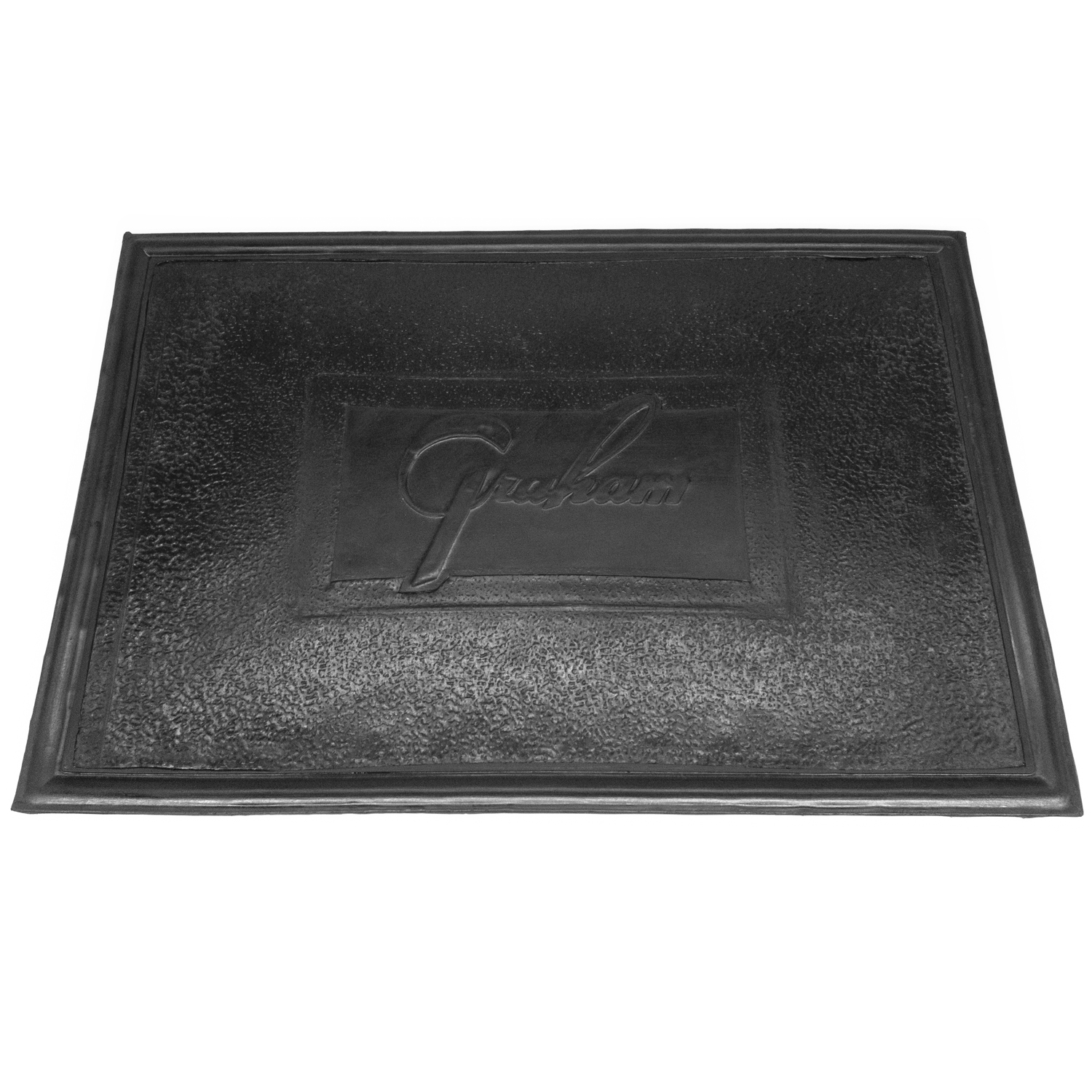 1937 Graham Series 116 Accessory Floor Mat - 12"X17"-AC 12Accessory Floor Mat - made of high quality black rubber with molded original emblem. Also designed to be sewn into new carpets. 12"X17", Each
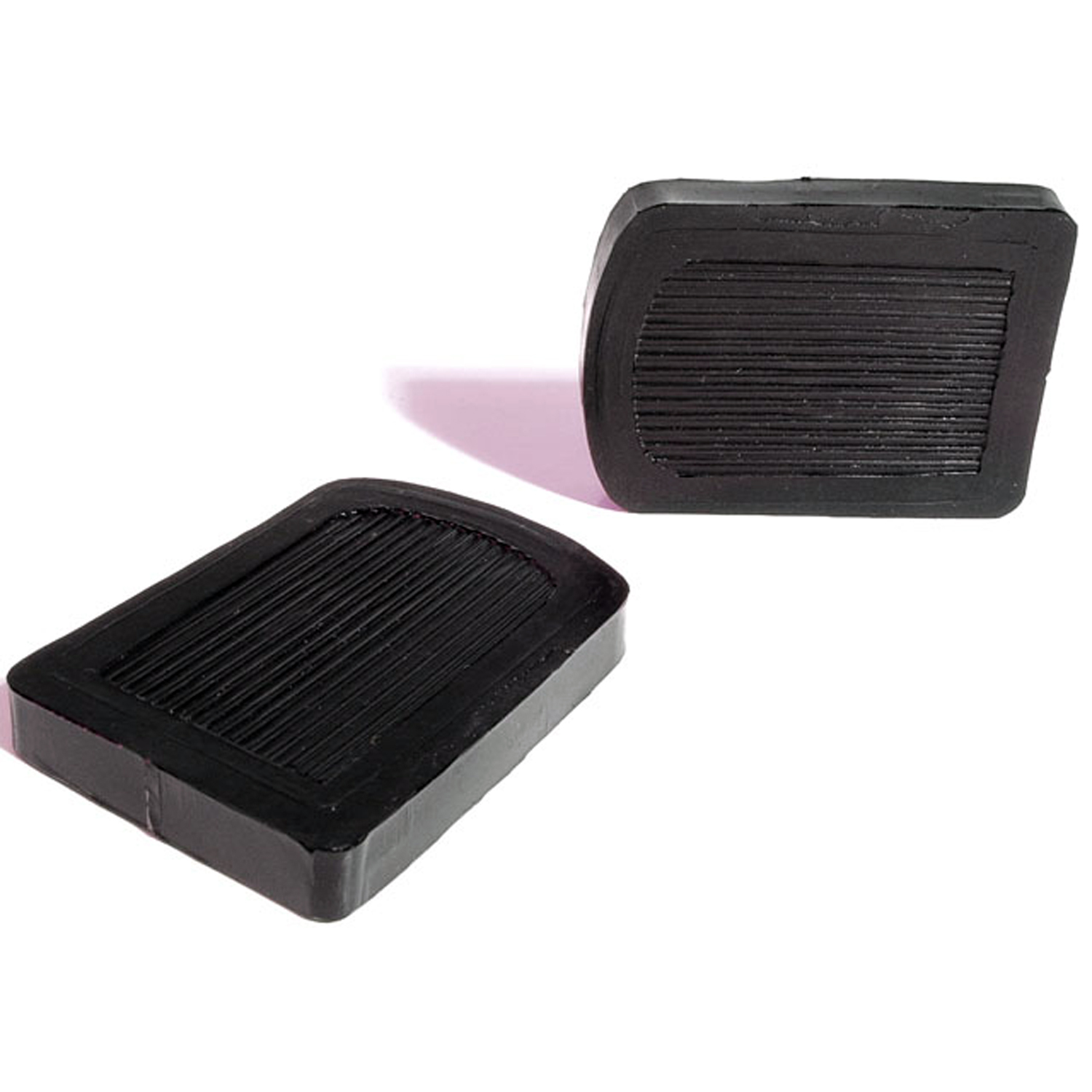 1937 Graham Series 116 Clutch and Brake Pedal Pads. 2-5/8" wide X 3-5/8" long-CB 25Clutch and Brake Pedal Pads. 2-5/8" wide X 3-5/8" long. Pair
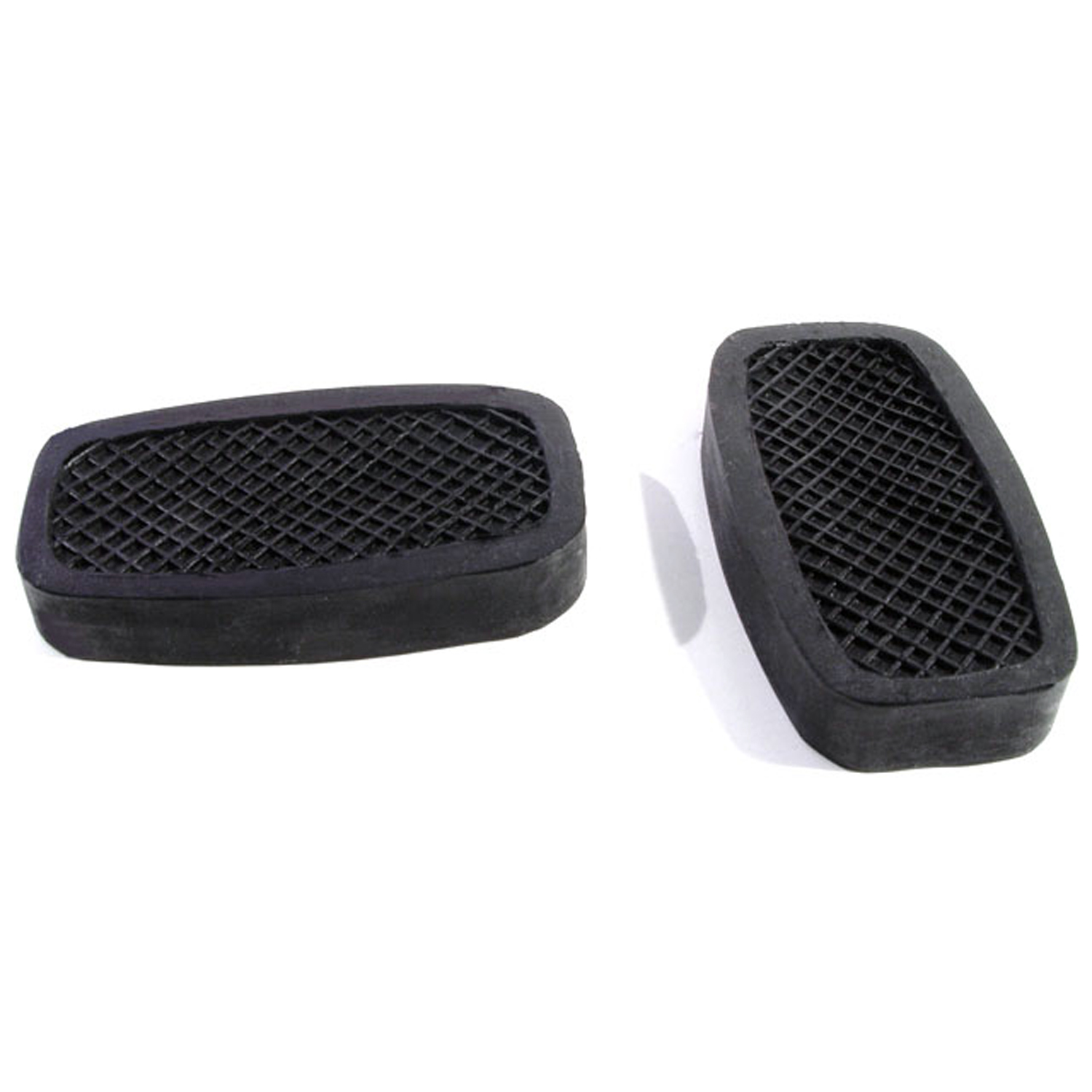 1937 Graham Series 116 Clutch and Brake Pedal Pads. 2" wide X 3-5/8" long. Pair-CB 46Clutch and Brake Pedal Pads. 2" wide X 3-5/8" long. Pair
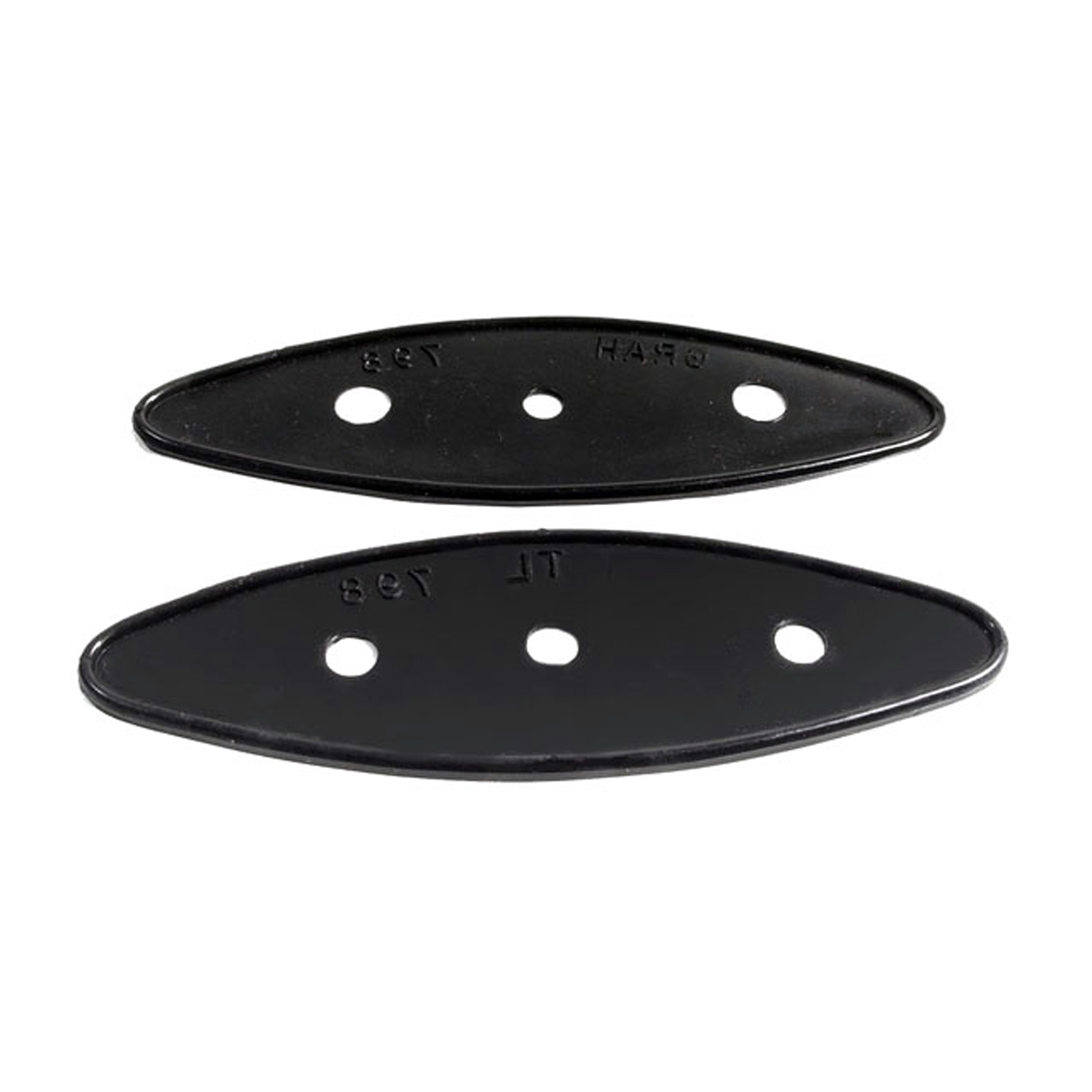 1937 Graham Series 116 Tail-light Pads. 1-7/8" wide X 5-7/8" long. Pair-MP 798Tail-light Pads. 1-7/8" wide X 5-7/8" long. Pair
Why Choose Metro?
For over 100 years, Metro Moulded Parts has been the pinnacle of quality in classic car restoration parts. Our commitment to precision and authenticity in every component ensures a perfect fit and an OEM-level appearance.
- Expert Craftsmanship & Quality: Each part is a testament to our dedication to reliability and perfection, crafted from original designs and thoroughly tested.
- Advanced Technology: We use cutting-edge techniques to create flawless, long-lasting parts that surpass others in performance.
- SuperSoft Sponge – The Ultimate Door Seal: Not only are our door seals 30% softer than competitors', but they're also guaranteed to never leak. They effectively reduce wind and road noise, enhancing your classic car's comfort and driving experience.
- Proudly American: Our parts are a product of American craftsmanship, made in the USA with a spirit of excellence and heritage.
- Unrivaled Warranty: We back our products with a 30-year industry-leading warranty, a testament to our confidence in their quality.
Join us in preserving the legacy of classic cars with parts that are crafted for perfection, not just made.