

Image of 1940 Graham Deluxe Model 107, Note: These illustrations use artistic license and may differ from actual historical models.
Performance Metrics
Fundamental Metrics
Emotional Appeal
MMP Rating
| Engine Specifications | |
|---|---|
| Engine Options: | Inline 6-cylinder |
| Displacement Range: | 3.5L |
| Horsepower Range: | Estimated 85-90 HP |
| Torque: | Not available |
| Compression Ratio: | Not available |
| Ignition System: | Distributor and coil |
| Cooling System: | Liquid-cooled |
| Performance Specifications | |
| 0-60 Time: | Not available |
| 1/4 Mile Time: | Not available |
| Top Speed: | 85 mph |
| Transmission and Drive | |
| Drive Type: | Rear-wheel drive |
| Transmission Type: | 3-speed manual |
| Fuel and Efficiency | |
| Fuel System Type: | Carburetor |
| MPG: | Not available |
| Dimensions and Brakes | |
| Brakes: | Drum brakes |
| Wheelbase: | 122 inches |
| Weight: | Estimated 3,200 lbs |
Note: Specifications for classic cars are given to the best of our ability, considering the limited and variant data available.
1940 Graham Deluxe Model 107: A Rare American Classic
The 1940 Graham Deluxe Model 107 is a distinctive survivor from the final chapter of the Graham-Paige passenger-car story. Built by the Detroit-based Graham-Paige Motors Corporation, it combined a smooth six-cylinder engine, traditional body-on-frame construction, and styling that still carried echoes of the company’s daring “Sharknose” designs. Graham-Paige’s passenger-car production ended after 1940, making this Deluxe more than an unusual prewar sedan: it represents the close of an independent automaker’s ambitious run.
One intriguing detail is how unusual the Graham’s design looked beside many rivals. Earlier Graham models became famous for a front end that seemed to sweep backward, an appearance so distinctive that the cars earned the nickname “Sharknose.” The 1940 Deluxe was more restrained, but it still stood apart from the conservative, upright sedans that filled American roads.
Model 107 Design and Features
The Deluxe Model 107 wore a long, substantial body with flowing fenders, a broad hood, and a carefully shaped front end. Its grille and headlamps were integrated into a nose that retained a hint of Graham’s aerodynamic experiments without being as dramatic as the 1938 and 1939 Sharknose cars. Bright trim, bumpers, and hubcaps added period-appropriate polish. The result was handsome rather than flashy, with a low, forward-moving profile that looked distinctly late-1930s.
Inside, the sedan offered the spaciousness expected of a full-size American car. The cabin typically featured broad bench seating, a large steering wheel, clear, upright instruments, and generous windows. Upholstery and trim depended on the car’s original specification, but cloth was common in closed sedans, with durable carpeting and woodgrain-style or painted dashboard finishes. Today, surviving cars may have replacement upholstery or restored interiors, so condition varies considerably.
The Model 107 was a conventional car in its mechanical layout, but its engineering reflected the period’s steady progress. It used a front-mounted inline six, a three-speed manual transmission, hydraulic brakes, and a sturdy chassis. Graham was also known for experimenting with supercharging on certain higher-performance models. The standard Deluxe Model 107, however, should not automatically be confused with a supercharged Graham: buyers need to verify the engine and equipment on any individual car.
Factory paint choices varied by year and specification. Period Graham colors included subdued shades such as dark blue, green, maroon, gray, and black, although exact availability depended on the body and trim combination. Dark, rich colors suit the car’s formal proportions and are popular with restorers, but an authentic documented color is usually the best choice for a historically faithful restoration.
The Model 107 is generally identified as a four-door Deluxe sedan. Graham’s broader range included other body styles and more distinctive models, including the streamlined Hollywood, but those should not be mistaken for the Model 107 itself. The four-door sedan’s combination of room, practicality, and understated styling made it the straightforward choice for buyers wanting a comfortable family car.
Why the Graham Matters
Graham-Paige mattered because it was willing to take styling risks at a time when many manufacturers favored familiar forms. The company’s late-1930s cars pushed the idea that aerodynamic-looking bodywork could be a defining part of a car’s identity. Their sweeping fenders and unusual grille treatment were controversial, but they helped broaden the visual vocabulary of American automotive design.
The 1940 Deluxe was less radical than the Sharknose models, yet it carried that experiment forward in a more conventional package. It also illustrates the difficult position of smaller American manufacturers: Graham could build technically interesting, well-equipped cars, but it lacked the production scale and dealer network of General Motors, Ford, and Chrysler. Its passenger-car business ended in 1940, after which the company shifted away from building its own cars.
Six-Cylinder Performance and Road Manners
The Model 107 is commonly associated with a 217.8-cubic-inch L-head inline six producing roughly 90 horsepower, though specifications should be checked against the car’s serial number and engine. Power went through a three-speed manual gearbox. Published performance figures for individual Model 107 cars are scarce, so modern figures are best treated as estimates: a sound, correctly equipped example might reach roughly 75 to 85 mph, with a 0-to-60-mph time in the neighborhood of 20 to 25 seconds. Condition, gearing, load, and tuning make a substantial difference.
On the road, the Graham’s long wheelbase and substantial chassis favor a relaxed pace. It should smooth out ordinary pavement joints and broad bumps better than a small contemporary car, though worn suspension parts, old tires, and decades of repairs can transform the ride. On winding roads, expect measured steering response and noticeable body movement rather than modern precision. The car rewards a driver who looks ahead and keeps inputs smooth.
The flathead six delivers its power with a steady, subdued burble rather than a sharp high-revving note. The manual gearbox and large steering wheel give the driver a direct connection to the machinery, while the car’s size encourages deliberate braking and cornering. This is a prewar touring sedan, not a sports car. Its appeal is the calm, mechanical rhythm of an older American automobile moving comfortably along an open road.
Living With a 1940 Graham
Most owners use a Model 107 as a show car, a weekend tourer, or a centerpiece in a collection of independent American makes. It can be driven regularly if it has been carefully restored and maintained, but it is rarely a sensible choice for modern commuting. Traffic speeds, limited safety equipment, and the scarcity of some Graham-specific parts all argue for thoughtful use.
Routine service is manageable for an experienced vintage-car owner. The engine, ignition, carburetor, brakes, and manual transmission use familiar prewar technology, and many standard service items can be sourced through classic-car suppliers or rebuilt by specialists. The greater challenge is finding model-specific trim, body panels, glass, and interior details. Before buying, inspect the frame, floors, brake system, cooling system, and electrical work, and confirm that the engine and major components are correct or properly documented.
Reliability depends more on present condition than on the badge. A well-sorted Graham can tour reliably at appropriate speeds; a neglected example can require extensive work, particularly if it has been stored for years. Because the cars are uncommon, joining a Graham-Paige owners’ group or connecting with marque specialists can make parts hunting and technical research much easier.
Graham Trivia and Common Criticisms
Graham’s “Sharknose” nickname refers to the unusual front-end styling of its late-1930s cars, not to a special engine or racing package. The Model 107 belongs to the more restrained end of that design story. Graham-Paige also had a history beyond passenger cars: the company later became involved in wartime manufacturing and, after further corporate changes, in the business that became Kaiser-Frazer.
No major speed or endurance record is commonly associated with the Model 107. Its significance is instead tied to the company’s design identity and its place among the last cars built under the Graham name. A frequent criticism of the marque’s late cars is that the styling could be polarizing, particularly on the earlier Sharknose models. The 1940 sedan is easier to appreciate, though its rarity can make parts, specialist knowledge, and restoration support less accessible than for a Ford or Chevrolet of the same year.
Collector Value and Rarity
Exact production figures for the 1940 Model 107 are difficult to establish from commonly available records. Graham’s total 1940 passenger-car output is often described as being around a thousand cars, but that is not a confirmed Model 107 production count. A reasonable working estimate is that the Model 107 represents a portion of that already small total, likely numbering in the hundreds rather than thousands. Survivors are rarer still, and cars with documented history or high-quality restorations appear only occasionally.
As a broad U.S. market estimate, a project or incomplete example might bring roughly $5,000 to $12,000, while a usable driver could fall around $12,000 to $25,000. A well-restored, highly presentable car may reach approximately $25,000 to $40,000 or more, depending on originality, provenance, mechanical condition, and the quality of the restoration. These are estimates, not a formal appraisal: rare-car sales can vary widely, and a particularly correct example may attract a specialist buyer.
Values for uncommon prewar cars tend to be condition-sensitive, and the Graham’s small audience can make prices less predictable than those of mass-produced classics. The best cars have the strongest long-term appeal, especially when their history and originality are well documented. The model’s rarity supports collector interest, but buyers should not assume rarity alone guarantees appreciation.
The Final Word on the Graham Deluxe
The 1940 Graham Deluxe Model 107 blends practical prewar engineering with a styling heritage that dared to be different. Its six-cylinder power, spacious sedan body, and measured road manners make it a rewarding touring car, while its rarity and connection to Graham-Paige’s final passenger-car years give it real historical character.
It may not have the fame of a contemporary Ford or Packard, but that is part of its appeal. The Model 107 is a reminder that American automotive history was shaped not only by the biggest manufacturers, but also by independent companies willing to give the road a different look.
1940 Graham Deluxe Model 107 Catalog of Parts
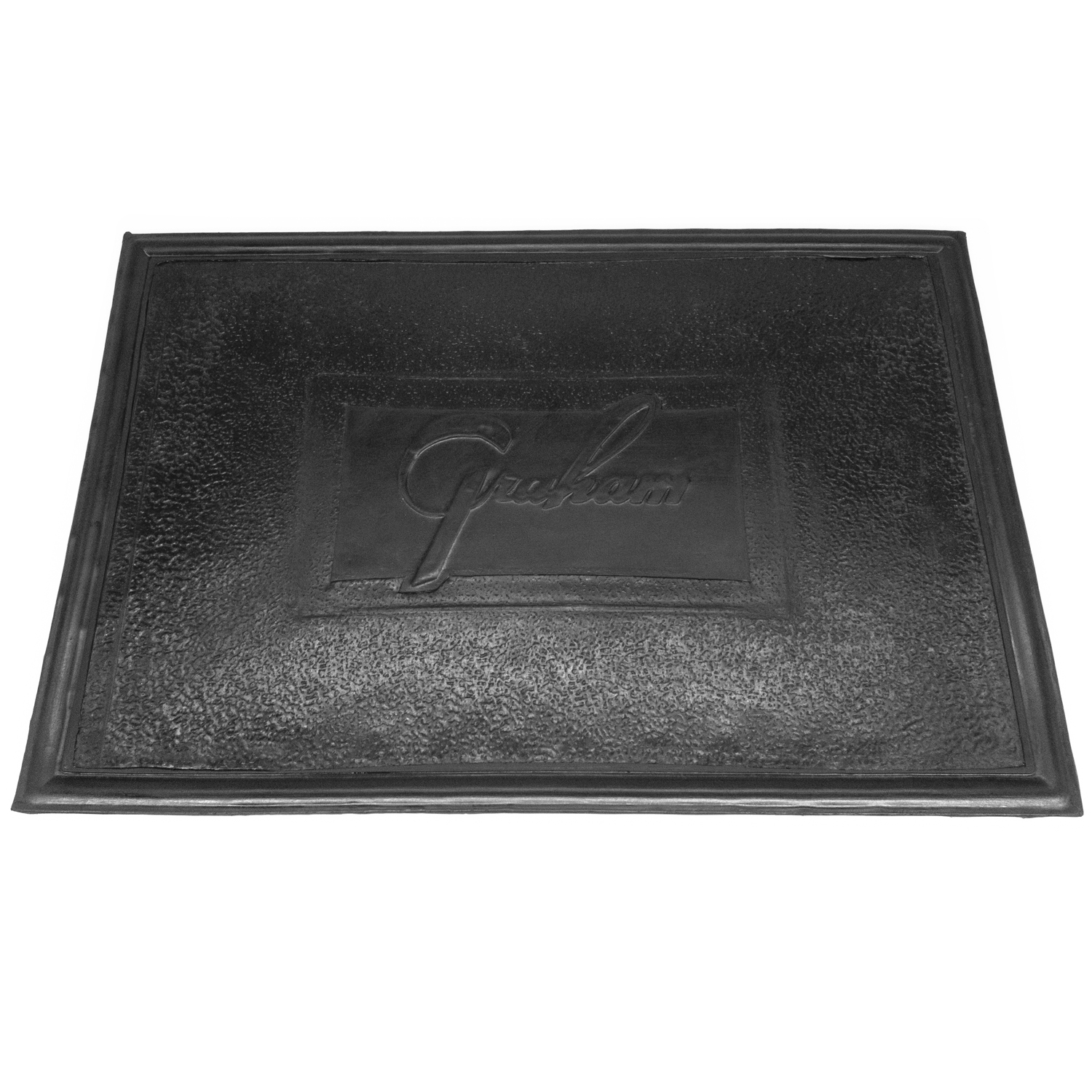 1940 Graham Deluxe Model 107 Accessory Floor Mat - 12"X17"-AC 12Accessory Floor Mat - made of high quality black rubber with molded original emblem. Also designed to be sewn into new carpets. 12"X17", Each
 1940 Graham Deluxe Model 107 Bumper Arm Grommets-BG 17Bumper Arm Grommets. 2-5/8" wide X 4-1/4" long, with 1-3/4" long inner slot. Fits Front & Rear. Pair
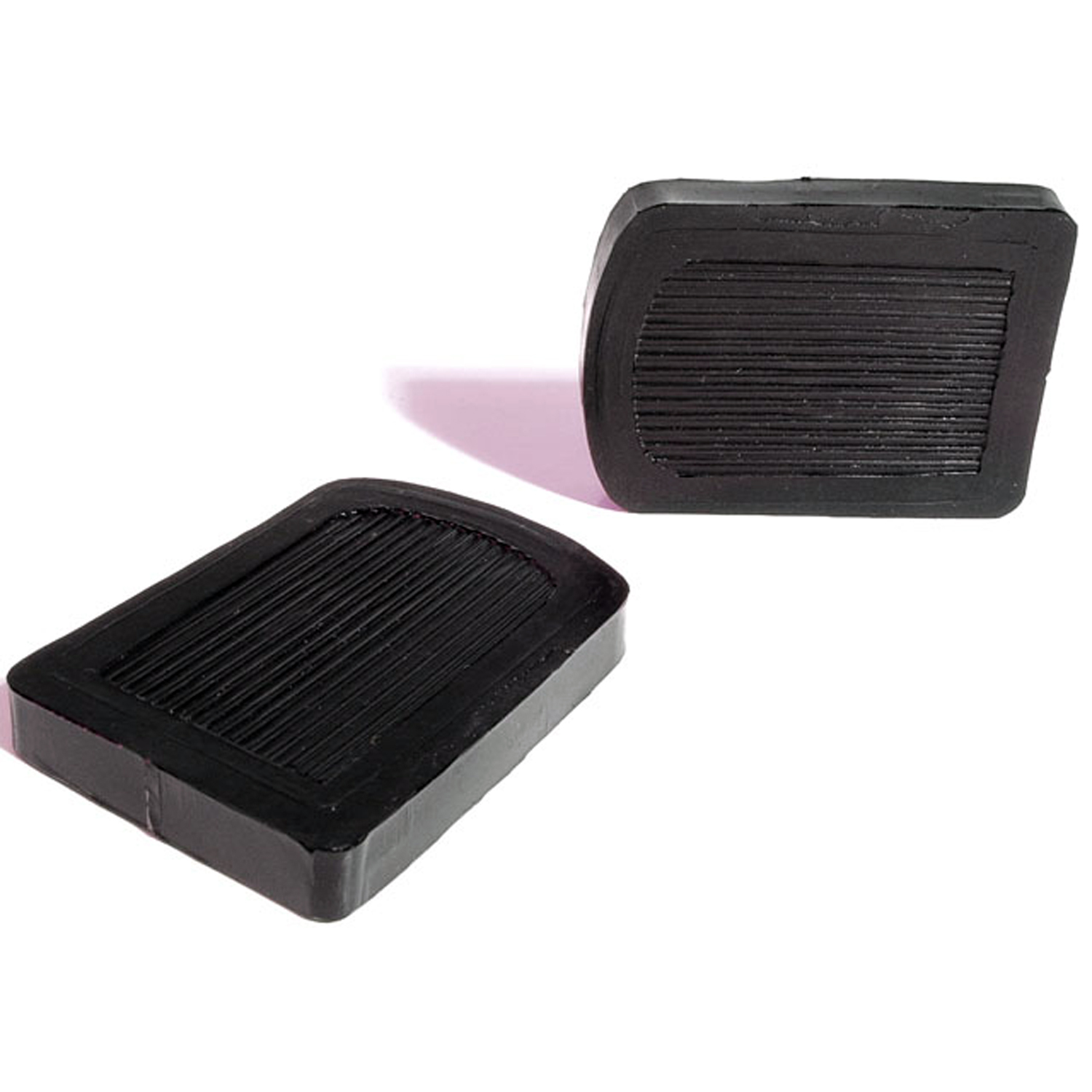 1940 Graham Deluxe Model 107 Clutch and Brake Pedal Pads. 2-5/8" wide X 3-5/8" long-CB 25Clutch and Brake Pedal Pads. 2-5/8" wide X 3-5/8" long. Pair
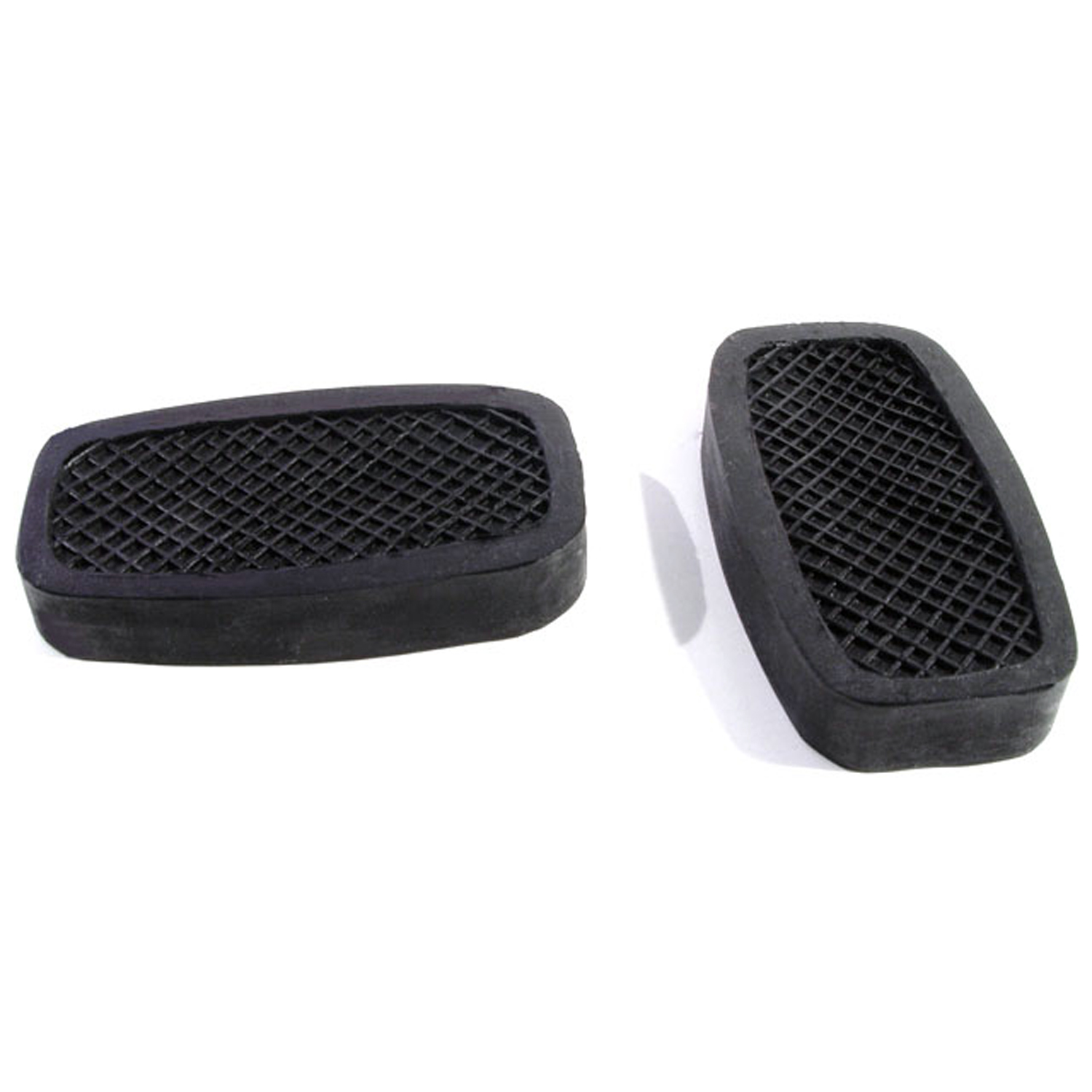 1940 Graham Deluxe Model 107 Clutch and Brake Pedal Pads. 2" wide X 3-5/8" long. Pair-CB 46Clutch and Brake Pedal Pads. 2" wide X 3-5/8" long. Pair
 1940 Graham Deluxe Model 107 Gravel Shields. Molded flat without metal backing plates-FS 22Gravel Shields. Molded flat without metal backing plates. Apply with contact cement. 14-3/4" long X 7-3/4" wide at top and 8-1/2" wide at bottom. Pair
 1940 Graham Deluxe Model 107 Tail-light Pads. 2-1/4" wide X 15-1/4" long. Pair R&L-MP 795-BTail-light Pads. 2-1/4" wide X 15-1/4" long. Pair R&L
 1940 Graham Deluxe Model 107 License Light Pad. 5" wide X 12-1/4" long. Each-MP 797-CLicense Light Pad. 5" wide X 12-1/4" long. Each
Why Choose Metro?
For over 100 years, Metro Moulded Parts has been the pinnacle of quality in classic car restoration parts. Our commitment to precision and authenticity in every component ensures a perfect fit and an OEM-level appearance.
- Expert Craftsmanship & Quality: Each part is a testament to our dedication to reliability and perfection, crafted from original designs and thoroughly tested.
- Advanced Technology: We use cutting-edge techniques to create flawless, long-lasting parts that surpass others in performance.
- SuperSoft Sponge – The Ultimate Door Seal: Not only are our door seals 30% softer than competitors', but they're also guaranteed to never leak. They effectively reduce wind and road noise, enhancing your classic car's comfort and driving experience.
- Proudly American: Our parts are a product of American craftsmanship, made in the USA with a spirit of excellence and heritage.
- Unrivaled Warranty: We back our products with a 30-year industry-leading warranty, a testament to our confidence in their quality.
Join us in preserving the legacy of classic cars with parts that are crafted for perfection, not just made.