

Image of 1952 Henry J Corsair, Note: These illustrations use artistic license and may differ from actual historical models.
Performance Metrics
Fundamental Metrics
Emotional Appeal
MMP Rating
| Engine Specifications | |
|---|---|
| Engine Options: | 134.2 cu in (2.2 L) I4, 161 cu in (2.6 L) I6 |
| Displacement Range: | 134.2 - 161 cu in |
| Horsepower Range: | 68 - 80 hp |
| Torque: | Estimated 90 - 120 lb-ft |
| Compression Ratio: | 7.0:1 |
| Ignition System: | Distributor and coil |
| Cooling System: | Water-cooled |
| Performance Specifications | |
| 0-60 Time: | Estimated 20 - 25 seconds |
| 1/4 Mile Time: | Not available |
| Top Speed: | 75 - 80 mph |
| Transmission and Drive | |
| Drive Type: | Rear-wheel drive |
| Transmission Type: | 3-speed manual |
| Fuel and Efficiency | |
| Fuel System Type: | Carburetor |
| MPG: | Estimated 20 - 25 mpg |
| Dimensions and Brakes | |
| Brakes: | Drum brakes |
| Wheelbase: | 100 in |
| Weight: | 2,600 lbs |
Note: Specifications for classic cars are given to the best of our ability, considering the limited and variant data available.
1952 Henry J Corsair: Kaiser’s Compact Car with a Big Idea
The 1952 Henry J Corsair was a small car built around a bold postwar question: could an American automaker sell practical transportation at a price ordinary buyers could afford? Kaiser-Frazer thought it could. The result was a compact, lightweight two-door sedan that stood apart from the long, chrome-heavy cars dominating American roads.
The Henry J was named for industrialist Henry J. Kaiser, whose Kaiser-Frazer Corporation produced it. Developed with help from a federal Reconstruction Finance Corporation loan, the car was intended to bring lower-cost motoring to buyers who did not need a large family sedan. Corsair was the better-equipped Henry J series, while the Corsair DeLuxe added further trim and comfort touches. For 1952, the model had matured from its bare-bones beginnings, but it remained true to its economical purpose.
One unusual detail helps explain the car’s original cost-conscious approach: early Henry Js lacked a conventional trunk lid. Owners accessed luggage space by folding down the rear seat. A trunk opening was added during the model’s run, making later cars more convenient. The Henry J also spawned a retail-store cousin: Sears sold a related version as the Allstate, complete with its own badging and parts supply.
Compact Styling and Corsair Trim
The Corsair’s proportions were unmistakably different from those of a full-size 1952 American car. Its short hood, upright cabin, narrow body, and comparatively small wheels gave it a tidy, almost European profile. The grille and brightwork were modest rather than flashy, and the high roof made the cabin look roomier than the car’s compact footprint suggested. A 100-inch wheelbase helped keep the Henry J maneuverable in town and relatively easy to park.
The Corsair’s added exterior trim gave the basic shape a more polished appearance. Depending on equipment and market, bright moldings, hubcaps, and other decorative details distinguished Corsair models from plainer Henry Js. Paint choices varied by year and production configuration. Period colors included subdued single-tone shades as well as more eye-catching combinations on some cars, though surviving paint charts and cars can differ by trim and build date. Two-tone paint is attractive and period-correct on examples equipped that way, but it should not be assumed to have been standard on every Corsair.
Inside, the Henry J was functional rather than luxurious. The Corsair typically offered better upholstery and finish than the entry-level models, but buyers should expect durable, straightforward materials, not the rich broadcloth, heavy carpeting, and elaborate trim found in expensive full-size cars. The upright seating position and generous glass helped the cabin feel open. The dashboard was simple and easy to read, with controls laid out for practical use.
The Henry J was offered as a two-door sedan, not as a coupe, convertible, or station wagon. That single body style kept production and tooling costs down. The Corsair sedan is therefore the defining Henry J shape, with the better-trimmed Corsair DeLuxe among the most appealing versions for collectors who want extra period detail without losing the car’s economical character.
Small-Car Engineering Before the Boom
The Henry J arrived ahead of the major American compact-car wave. Its light construction and compact dimensions were a clear alternative to the increasingly large domestic cars of the early 1950s. Kaiser-Frazer used a unitized body structure, which combined body and structural elements rather than relying on the traditional separate body-on-frame arrangement common to many larger American cars. That approach helped keep weight down and suited the Henry J’s practical mission.
Its importance is less about one revolutionary gadget and more about the idea it represented. The Henry J showed that a U.S. manufacturer was willing to build a genuinely small, low-cost car for American buyers before compact models became a mainstream segment. It did not make the compact car an instant sales sensation, but it helped establish the market argument that buyers could value economy and easy maneuverability as much as size and prestige.
Equipment was intentionally modest. A three-speed manual transmission was typical, and buyers did not get the automatic-transmission choice or extensive convenience features associated with larger, more expensive cars. In that sense, the Henry J was an early lesson in the tradeoff between low purchase price and creature comforts.
Performance and Road Manners
A 1952 Corsair is generally associated with Kaiser’s 161-cubic-inch L-head inline-six, rated at about 80 horsepower. A smaller four-cylinder engine was also part of the Henry J range, though equipment could vary by series and configuration. The six-cylinder Corsair was no hot rod, but its relatively low weight meant it could keep up with ordinary traffic more comfortably than its modest power figure might suggest.
Expect a top speed in the neighborhood of 80 to 85 mph in a sound, properly tuned car. A 0-to-60-mph run is likely to take roughly 20 seconds or more, depending on engine condition, gearing, altitude, and test method. These are best treated as period-car estimates rather than exact figures for every surviving example. The Henry J’s purpose was economical transportation, not quick acceleration.
On the road, the steering is light by vintage-car standards, especially at low speeds, and the small footprint makes narrow streets and parking lots less intimidating. The suspension is simple and gives the car a firm, somewhat busy feel over broken pavement. On bumps, the light body can react more noticeably than a heavy full-size sedan. A well-maintained Corsair is pleasant on ordinary roads, but it does not have the planted, quiet ride of a larger American car.
Windy roads reveal the Henry J’s modest tires, period suspension, and straightforward steering geometry. It is best driven smoothly, with a little patience through corners. The three-speed manual keeps the driver involved, while the flathead six produces a muted, workmanlike sound rather than a dramatic exhaust note. The overall experience is direct and uncomplicated: you hear the engine, feel the road, and operate a car that asks for deliberate rather than hurried driving.
Living with a Henry J Corsair
Today, most Corsairs are used as collector cars, local show entries, or occasional weekend drivers. A mechanically sound example can handle short trips and relaxed cruising, but its age means it should not be treated as modern daily transportation. Braking performance, lighting, crash protection, and highway comfort are all from another era.
The basic mechanical layout is relatively approachable for a capable home mechanic. The engine and transmission are conventional, and routine jobs such as ignition service, carburetor tuning, and brake work follow familiar vintage-car principles. The bigger ownership challenge is often finding correct parts, trim, glass, and body components. Mechanical interchange may be possible with related Kaiser-era parts, but owners should verify fitment rather than assume that every component is shared.
Before buying, inspect the body and structural areas carefully for rust, check the brakes and tires, and confirm that the engine has good oil pressure and does not overheat. Parts availability is more limited than it is for a Ford or Chevrolet of the same year, so a complete car is usually a better starting point than a bargain project missing unique trim or interior pieces.
Henry J Facts and Common Criticisms
The Henry J’s Sears connection is one of its best-known bits of trivia. The related Allstate was sold through Sears in 1952 and 1953, giving department-store shoppers an unusual alternative to visiting a conventional automaker’s dealer network. It was not simply a Corsair with a different name, but it drew on the same basic Henry J design.
The car also reflects a notable chapter in American industrial history: Kaiser-Frazer tried to challenge the established Detroit companies with a small, affordable model at a time when buyers were strongly drawn to bigger cars. The Henry J never set a major speed or endurance record, and it is not remembered as a dominant racing car. Its distinction is the ambition behind it and its place among America’s early postwar compact offerings.
Criticism has followed the car since its launch. The early lack of a trunk lid was inconvenient, the cabin and equipment were sparse, and the two-door-only body range limited its appeal to families. Some buyers also preferred the extra size and prestige of mainstream full-size cars. Those compromises made the Henry J a tough sell, but they are also what make it such an interesting snapshot of a different approach to American motoring.
Collector Values and Rarity
Henry J production across the model’s 1950-to-1954 run is commonly estimated at roughly 130,000 to 135,000 cars, though totals vary by source and by how related versions are counted. That figure includes multiple years and configurations, not just 1952 Corsairs. The number of surviving 1952 Corsairs is much smaller, and exact production totals for individual trim combinations can be difficult to establish. They are uncommon, but they are not generally considered among the rarest or most expensive American classics.
As a broad U.S. market estimate, a project car may sell for about $1,500 to $4,000, while a usable driver might fall around $5,000 to $12,000. A well-restored, attractive Corsair can bring roughly $15,000 to $25,000, with exceptional cars potentially asking more. Condition, originality, documentation, and the quality of any restoration make a major difference. These are guide ranges, not formal appraisals, and local markets can vary considerably.
Values have tended to move gradually rather than surge. The Henry J has a dedicated enthusiast following, but it does not enjoy the broad demand or parts support of better-known Chevrolet and Ford models. In nominal dollars, good examples may gain value as original cars become harder to find. After inflation and restoration costs, however, many owners should view a Corsair as a characterful hobby car rather than a guaranteed investment.
Why the 1952 Corsair Still Matters
The 1952 Henry J Corsair was a compact, practical car from a company willing to challenge Detroit’s preference for bigger and more elaborate vehicles. Its light construction, upright styling, simple mechanicals, and limited body range all followed the same goal: keep the car affordable and easy to use. It was not fast, plush, or universally popular, but it offered a distinctly different vision of postwar American transportation.
For collectors, the Corsair’s appeal lies in that contrast. It is small beside its contemporaries, unusual without being impossibly rare, and closely tied to an important experiment in American automotive history. The Henry J may not have changed the market overnight, but it proved that the compact-car idea had a place on American roads long before it became fashionable.
1952 Henry J Corsair Catalog of Parts
 1952 Henry J Corsair Shock Absorber Grommet. 1" bottom O.D-BN 11Shock Absorber Grommet. 1" bottom O.D., 3/4" high, with 5/8" I.D. Each
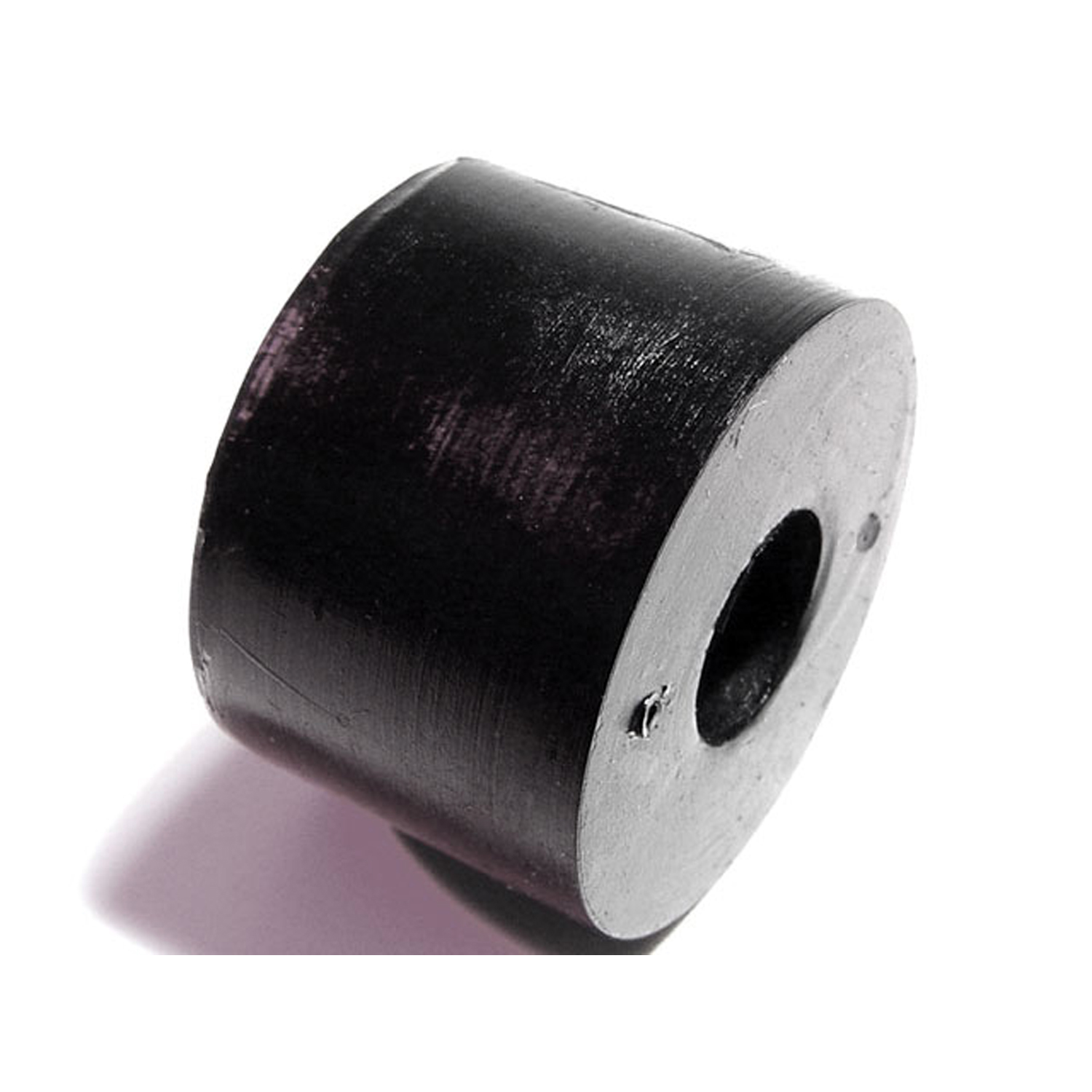 1952 Henry J Corsair Shock Absorber Grommet. 1" bottom O.D., 5/8" high-BN 13Shock Absorber Grommet. 1" bottom O.D., 5/8" high., with 3/8" I.D. Each
 1952 Henry J Corsair Clutch and Brake Pedal Pads. 2-1/8" wide X 3-1/4" long-CB 89Clutch and Brake Pedal Pads. 2-1/8" wide X 3-1/4" long. Pair
 1952 Henry J Corsair Horn contact pad. 3 in. OD x 2 in. ID x 5/8 in. thk-RP 610Horn contact pad. 3 in. OD x 2 in. ID x 5/8 in. thk. Dense rubber. May work as an air-cleaner spacer for Kaiser-Darrin. Each.
Why Choose Metro?
For over 100 years, Metro Moulded Parts has been the pinnacle of quality in classic car restoration parts. Our commitment to precision and authenticity in every component ensures a perfect fit and an OEM-level appearance.
- Expert Craftsmanship & Quality: Each part is a testament to our dedication to reliability and perfection, crafted from original designs and thoroughly tested.
- Advanced Technology: We use cutting-edge techniques to create flawless, long-lasting parts that surpass others in performance.
- SuperSoft Sponge – The Ultimate Door Seal: Not only are our door seals 30% softer than competitors', but they're also guaranteed to never leak. They effectively reduce wind and road noise, enhancing your classic car's comfort and driving experience.
- Proudly American: Our parts are a product of American craftsmanship, made in the USA with a spirit of excellence and heritage.
- Unrivaled Warranty: We back our products with a 30-year industry-leading warranty, a testament to our confidence in their quality.
Join us in preserving the legacy of classic cars with parts that are crafted for perfection, not just made.