

Image of 1940 Horch 951, Note: These illustrations use artistic license and may differ from actual historical models.
Performance Metrics
Fundamental Metrics
Emotional Appeal
MMP Rating
| Engine Specifications | |
|---|---|
| Engine Options: | Straight 8 |
| Displacement Range: | 4.9L |
| Horsepower Range: | Estimated 100-120 HP |
| Torque: | Not available |
| Compression Ratio: | Not available |
| Ignition System: | Distributor and coil |
| Cooling System: | Water-cooled |
| Performance Specifications | |
| 0-60 Time: | Not available |
| 1/4 Mile Time: | Not available |
| Top Speed: | 90 mph |
| Transmission and Drive | |
| Drive Type: | Rear-wheel drive |
| Transmission Type: | 4-speed manual |
| Fuel and Efficiency | |
| Fuel System Type: | Carburetor |
| MPG: | Not available |
| Dimensions and Brakes | |
| Brakes: | Drum brakes |
| Wheelbase: | 135 inches |
| Weight: | Estimated 2,500-3,000 lbs |
Note: Specifications for classic cars are given to the best of our ability, considering the limited and variant data available.
1940 Horch 951: A German Luxury Car at the Edge of an Era
The 1940 Horch 951 was built for a world in which a luxury car was expected to be more than transportation: it was a rolling statement of craftsmanship, engineering, and status. Made by Horch in Zwickau, Germany, the 951 belonged to the grand prewar tradition of large, hand-finished automobiles. Its long bonnet, substantial straight-eight engine, and coachbuilt bodywork made it a flagship for buyers who wanted refinement on a truly imposing scale.
Horch was founded by engineer August Horch in 1904. The company became part of Auto Union in 1932, alongside Audi, DKW, and Wanderer. The four interlocking rings in today’s Audi logo represent those four marques. By 1940, however, the Horch 951 was nearing the end of its civilian life. Germany’s wartime economy was redirecting factories and materials toward military production, making this model a product of the final chapter of prewar European luxury motoring.
One detail that adds to the 951’s appeal is that no two examples need look quite alike. Horch supplied the engineering and chassis, while different body configurations and coachwork details gave cars their individual character. The result was a luxury model with a recognizable Horch identity but room for personal taste.
Long Bonnet, Hand-Finished Cabin
The 951’s exterior had the proportions associated with a formal luxury car of its era: a long, upright bonnet, a tall grille, sweeping front fenders, and a spacious passenger compartment set well behind the engine. Chrome accents, separate headlamps, running boards, and large wheels emphasized its scale without relying on the streamlined shapes that would become more common after the war. On a well-preserved car, the overall effect is stately rather than flashy.
Inside, the emphasis was on comfort and fine materials. Depending on the body and original specification, an owner could expect quality leather or cloth upholstery, polished wood trim, fitted carpeting, and carefully finished metal fittings. The broad seats and generous cabin space suited chauffeured journeys as well as long-distance touring. Because individual cars could be specified or bodied differently, interior details varied from one example to another.
Period paint choices depended on the order and coachbuilder rather than a single fixed palette. Dark shades such as black, deep blue, and burgundy suited the 951’s formal character, while lighter or two-tone finishes could make a cabriolet or touring body feel more sporting. Original paint records are uncommon, so restorers and collectors often rely on surviving documentation and traces of earlier finishes.
The 951 appeared in substantial luxury-car forms, including closed saloon or limousine-style bodies and open cabriolet or touring configurations. Exact names and specifications can differ across references and individual cars. A long, closed limousine body is among the most visually imposing versions, while a cabriolet often draws the most attention at concours events because it shows off the car’s lines and handcrafted details.
Engineering and Historical Importance
The Horch 951 represented a particular kind of prewar engineering: generous displacement, smooth power delivery, a robust chassis, and a strong focus on passenger comfort. It was not designed as a lightweight sports car. Instead, its engineering priorities were quiet authority and composure, qualities that set it apart from smaller, more economical European models.
That approach helped establish Horch as one of Germany’s leading prestige marques. Its large, carefully finished cars competed in a market shaped by other luxury manufacturers, including Mercedes-Benz. The 951’s significance lies less in a single revolutionary feature than in the way it combined refined mechanical engineering with high-grade coachwork and a premium ownership experience.
The model also reflects the changing fortunes of the European automobile industry. In 1940, political and wartime pressures sharply limited the prospects for civilian luxury production. The 951 therefore stands as a reminder of the engineering talent and craftsmanship that flourished before the war disrupted the industry.
Straight-Eight Performance and Road Manners
Specifications vary by version and source, but the Horch 951 is generally associated with a 5.0-liter inline-eight engine. Output is commonly reported at around 100 to 120 horsepower, depending on the exact model and tune. A four-speed manual transmission is typical of published descriptions, although details should be checked against the individual car. These figures made the 951 capable for a large luxury automobile of its time, but its purpose was smooth, sustained travel rather than quick acceleration.
A reasonable period-performance estimate puts top speed in the neighborhood of 120 to 130 km/h (about 75 to 81 mph). A modern 0-to-60 mph figure is rarely documented for this model; based on its weight and period power, roughly 20 to 25 seconds is a more realistic estimate than any precise factory claim. Body style, gearing, mechanical condition, and passenger load could all affect performance.
On the road, the long wheelbase and substantial chassis should help the 951 settle over ordinary bumps and cover distance with a relaxed gait. Its size is less suited to tight bends or narrow streets, where the driver has to plan ahead and manage the car’s bulk. Steering, braking, and ride characteristics also differ from modern expectations, especially if the car retains period equipment. A 951 is best enjoyed at a measured pace on open roads, not hustled like a contemporary sports car.
The straight-eight’s appeal is its smooth, cultured character. Rather than a sharp, high-revving note, expect a deep mechanical hum that builds steadily with speed. The driver’s experience is hands-on: a manual gearbox, large dimensions, and period controls demand attention. Properly maintained, the car rewards that involvement with a sense of occasion that modern luxury cars rarely reproduce.
What Ownership Is Really Like
Today, a Horch 951 is far more likely to be a carefully preserved touring car, museum exhibit, or show-field centerpiece than a daily driver. Its size and historical value make regular commuting impractical, while its age calls for sympathetic use and careful storage. Occasional touring is possible for a properly sorted example, but owners should treat every outing as a considered event.
Maintenance is specialist territory. The engine, chassis, electrical system, and bodywork require knowledge of prewar German cars, and many replacement parts are not available off the shelf. Some components can be repaired or remade by experienced specialists, but restoration may involve custom fabrication and considerable research. For the average owner without access to a knowledgeable workshop, keeping a 951 in reliable running order would be challenging and expensive.
Reliability depends heavily on restoration quality and ongoing maintenance. A car that has been rebuilt carefully and driven regularly is usually a better prospect than one that has spent decades standing still. Before purchase, buyers should commission an inspection covering the engine, gearbox, brakes, chassis, coachwork, and documentation. Matching numbers and credible provenance can also make a major difference to both value and long-term ownership confidence.
Rare Details and Common Criticisms
The Horch 951’s strongest trivia is also a practical fact: surviving cars can differ considerably in body style, trim, and specification. That individuality is part of the model’s charm, but it means collectors need to assess each example on its own merits. A car’s coachbuilder, original configuration, restoration history, and documentation may matter as much as its model designation.
There is no widely recognized speed or endurance record that defines the 951. Its reputation rests instead on luxury, craftsmanship, and its place in the Horch story. It is also important not to assume a famous owner or historical event without solid documentation. Individual cars may have compelling histories, but those claims should be supported by records rather than repeated as fact.
Common criticisms are practical ones: the car is large, slow by modern standards, costly to restore, and difficult to use in everyday traffic. Its prewar brakes and handling require a different driving style, and specialist parts can make even routine work a major project. For enthusiasts who want modern convenience or brisk performance, the 951 can be demanding. For collectors drawn to coachbuilt engineering and prewar presence, those same qualities are part of the appeal.
Collector Values and Availability
The 1940 Horch 951 is exceptionally scarce on today’s market. Production totals are not consistently reported across references, and figures may combine different 951 and 951A versions. A cautious working estimate is that roughly 1,000 to 1,500 cars were produced across the related series, with far fewer surviving. This should be treated as an informed estimate, not a confirmed factory total.
Because sales are infrequent and cars vary so much, there is no simple price guide. As a broad 2026 estimate, a project or incomplete example might fall around US$100,000 to US$200,000, while a sound, well-restored car could bring roughly US$200,000 to US$500,000. Exceptional coachbuilt versions, unusually strong provenance, or concours-level restorations may exceed that range. These are indicative figures, not appraisals, and auction results can vary sharply by condition and venue.
Over the long term, the 951 has the ingredients that tend to support collector interest: low survival numbers, prewar significance, and a prestigious marque identity. Values for exceptional examples are likely to remain firm and may appreciate, but restoration costs are high and the market is thin. A rare car is not automatically an easy investment; condition, originality, documentation, and the quality of the bodywork remain decisive.
Why the Horch 951 Still Matters
The 1940 Horch 951 brings together the defining traits of a great prewar luxury car: imposing proportions, a smooth inline-eight, carefully finished interiors, and bodywork shaped for individual owners. It also captures a pivotal moment in automotive history, when Germany’s luxury-car industry was being overtaken by the demands of war.
Rare, complex, and unmistakably grand, the Horch 951 is not simply a classic car to admire. It is a surviving expression of an era when craftsmanship and engineering were meant to travel together, mile after mile.
1940 Horch 951 Catalog of Parts
 1940 HORCH 951 Headlight Pads. 3-1/8" wide X 4-1/4" long. Pair-MP 7971-AHeadlight Pads. 3-1/8" wide X 4-1/4" long. Pair
 1940 HORCH 951 Luggage Rack Pad. 1-3/4" wide X 6" long. Each-MP 7971-BLuggage Rack Pad. 1-3/4" wide X 6" long. Each
 1940 HORCH 951 Door Handle (with lock) Pads. 1-7/8" wide X 3-1/2" long-MP 7971-CDoor Handle (with lock) Pads. 1-7/8" wide X 3-1/2" long. Pair
 1940 HORCH 951 Door handle pads. 1-7/8 in. W x 2-1/2 in. L. Pair. R&L.-MP 7971-DDoor handle pads. 1-7/8 in. W x 2-1/2 in. L. Pair. R&L.
 1940 HORCH 951 Trunk Light Pad. 3-3/4" long X 8-3/4" wide. Each-MP 7971-ETrunk Light Pad. 3-3/4" long X 8-3/4" wide. Each
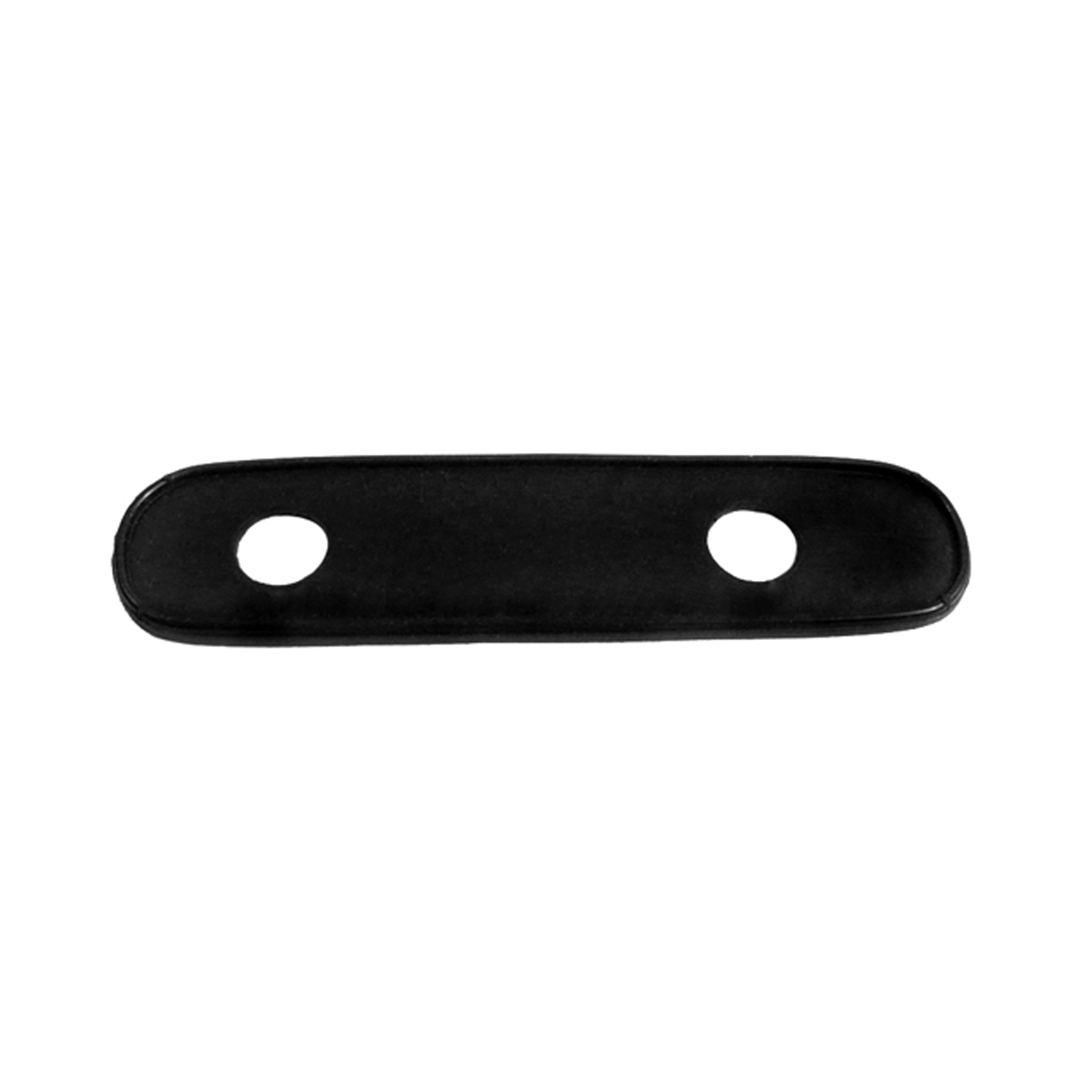 1940 HORCH 951 Trunk Rack Bracket Pad. 1-3/16" wide X 3-5/8" long. Each-MP 7971-GTrunk Rack Bracket Pad. 1-3/16" wide X 3-5/8" long. Each
 1940 HORCH 951 Fender Light Pads. 1-1/2" wide X 2-3/8" long. Pair-MP 7971-HFender Light Pads. 1-1/2" wide X 2-3/8" long. Pair
Why Choose Metro?
For over 100 years, Metro Moulded Parts has been the pinnacle of quality in classic car restoration parts. Our commitment to precision and authenticity in every component ensures a perfect fit and an OEM-level appearance.
- Expert Craftsmanship & Quality: Each part is a testament to our dedication to reliability and perfection, crafted from original designs and thoroughly tested.
- Advanced Technology: We use cutting-edge techniques to create flawless, long-lasting parts that surpass others in performance.
- SuperSoft Sponge – The Ultimate Door Seal: Not only are our door seals 30% softer than competitors', but they're also guaranteed to never leak. They effectively reduce wind and road noise, enhancing your classic car's comfort and driving experience.
- Proudly American: Our parts are a product of American craftsmanship, made in the USA with a spirit of excellence and heritage.
- Unrivaled Warranty: We back our products with a 30-year industry-leading warranty, a testament to our confidence in their quality.
Join us in preserving the legacy of classic cars with parts that are crafted for perfection, not just made.