

Image of 1932 Hudson Series L, Note: These illustrations use artistic license and may differ from actual historical models.
Performance Metrics
Fundamental Metrics
Emotional Appeal
MMP Rating
| Engine Specifications | |
|---|---|
| Engine: | Straight-8 |
| Displacement: | 254 cubic inches |
| Horsepower: | Estimated 101 hp |
| Torque: | Not available |
| Compression Ratio: | Not available |
| Ignition System: | Battery and coil |
| Cooling System: | Water-cooled |
| Performance Specifications | |
| 0-60 Time: | Not available |
| 1/4 Mile Time: | Not available |
| Top Speed: | 80 mph |
| Transmission and Drive | |
| Drive Type: | Rear-wheel drive |
| Transmission Type: | 3-speed manual |
| Fuel and Efficiency | |
| Fuel System Type: | Carburetor |
| MPG: | Not available |
| Dimensions and Brakes | |
| Brakes: | Mechanical drum brakes |
| Wheelbase: | 119 inches |
| Weight: | 3,200 lbs |
Note: Specifications for classic cars are given to the best of our ability, considering the limited and variant data available.
1932 Hudson Series L: The Eight-Cylinder Hudson Built for the Depression Era
The 1932 Hudson Series L paired a smooth straight-eight engine with the imposing proportions of a luxury car, at a time when American motorists were watching every dollar. Built by the Hudson Motor Car Company of Detroit, Michigan, it represented the upper end of Hudson’s passenger-car range. Its appeal was not simply size or polish: the Series L offered substantial power and a refined road character when many buyers were choosing smaller, less expensive cars.
Hudson had been founded in 1909 with financial backing from Detroit department-store entrepreneur Joseph L. Hudson and leadership from automotive pioneer Roy D. Chapin. By 1932, the company was navigating the Great Depression and broadening its range with the new, more affordable Essex-Terraplane. The Series L sat at the other end of that spectrum, carrying forward Hudson’s reputation for well-engineered six- and eight-cylinder automobiles.
One useful distinction for collectors is that the Series L is not one of Hudson’s later “Step-Down” cars. That celebrated low-floor design arrived after World War II. The 1932 Series L instead belongs to the classic, upright era of long hoods, tall cabins, separate fenders, and running boards.
Classic Hudson Styling and Coachwork
The Series L had the formal, confident look expected of a full-size early-1930s automobile. Its long bonnet led to a tall, upright radiator, while sweeping front fenders framed the narrow wheels. A broad body, pronounced running boards, and rear-mounted spare tires completed the silhouette. From the side, the car’s proportions made its straight-eight engine seem right at home beneath the hood.
Inside, the cabin was designed for comfort and dignity rather than minimalism. Buyers could expect broad upholstered seats, a substantial steering wheel, clear period-style instruments, and generous interior trim. Depending on body style and specification, upholstery could include cloth or other carefully finished materials. These were hand-finished cars by modern mass-production standards, though exact trim details varied with the body and equipment ordered.
Hudson’s catalog offered several body configurations across its range, including closed sedans and coupe-style models, with open or more specialized coachwork available in the period. The four-door sedan was the practical choice for families and formal use, while coupes offered a sportier profile. Exact Series L body availability could vary by market and model-year catalog, so a specific car’s body identification and original build records are worth checking.
Factory paint choices followed contemporary tastes: dark, formal colors such as black, deep blue, green, and maroon were typical period favorites, alongside lighter shades and two-tone treatments on some bodies. The precise palette depended on body style and production specification. Today, dark colors emphasize the Hudson’s imposing lines, while contrasting fenders or two-tone paint can make its long profile stand out at a show.
Eight-Cylinder Engineering in 1932
The Series L’s central engineering feature was its straight-eight engine. Period specifications commonly identify it as a 254.4-cubic-inch unit producing about 101 horsepower, though figures can vary slightly among references and by rating method. Its long crankshaft and evenly spaced firing pulses gave the engine the smooth, measured character that made straight-eights attractive in premium cars.
Power went through a conventional manual transmission, with a floor-mounted gear lever and a clutch operated by the driver. Four-wheel brakes and a robust chassis were part of the car’s serious road-going specification. These systems were advanced enough to make the Hudson a capable long-distance automobile, but they still required regular adjustment and maintenance by the standards of today.
It is important not to confuse the Series L’s period engineering with later Hudson innovations. It did not have the low-floor “Step-Down” construction introduced in 1948, nor modern conveniences such as power steering or an automatic transmission. Its appeal came from the smooth eight-cylinder power, solid construction, and well-developed conventional layout.
Why the Series L Mattered
The Series L illustrates how established American manufacturers responded to the Depression. Hudson continued to offer a substantial, sophisticated car while also introducing the lower-priced Essex-Terraplane to reach buyers with tighter budgets. That two-tier approach helped the company serve different customers without abandoning its premium identity.
Among contemporaries, the Series L stood out for combining a straight-eight engine with Hudson’s reputation for sturdy construction and a composed ride. It was not the only eight-cylinder car on the market, and it did not introduce a single revolutionary feature that transformed the industry. Its significance is more representative: it shows the level of refinement American buyers could still aspire to in a difficult economic period.
The car also forms part of the larger Hudson story. The company remained independent until its 1954 merger with Nash-Kelvinator, and its later engineering achievements, especially the postwar Step-Down models, became central to its enthusiast reputation. The Series L offers an earlier view of that same company’s effort to balance performance, comfort, and practical engineering.
Road Performance and Driving Character
A healthy Series L is capable of respectable speed for a 1932 luxury car. Period specifications and modern estimates suggest a top speed in the neighborhood of 75 to 80 mph under favorable conditions. A 0-to-60-mph time was not commonly advertised in the way it is today; based on the car’s power, weight, gearing, and tires, roughly 25 to 30 seconds is a reasonable estimate for a well-maintained example. These are approximate figures, not guaranteed factory test results.
On the road, the straight-eight is better known for smoothness than urgency. It builds speed in a steady, unhurried way, accompanied by a deep mechanical hum that becomes more noticeable as engine revs rise. The manual gearbox calls for deliberate shifts, and the driver needs to plan overtakes and hills rather than expect modern acceleration.
The long chassis and substantial weight help the Hudson settle over ordinary road imperfections, although its suspension, narrow tires, and solid-axle layout feel distinctly vintage on broken pavement. On winding roads, it rewards smooth steering inputs and moderate speeds. A tall body, period tires, and limited braking performance compared with a modern car all call for respect, especially in wet conditions or emergency stops.
Living with a 1932 Hudson
Today, most Series Ls are enjoyed as touring cars, show cars, and pieces of automotive history rather than daily transportation. A well-sorted example can take part in local events and gentle vintage tours, but its owner must account for slower traffic, limited visibility by modern standards, and the need to anticipate braking distances.
Maintenance is approachable for an experienced home mechanic, particularly because the car uses conventional mechanical systems. Regular attention may include ignition tune-ups, lubrication, cooling-system checks, brake adjustments, and careful inspection of fuel and electrical components. Parts are not as easy to find as those for a more common postwar classic, so specialist suppliers, Hudson clubs, and marque-focused repair shops can be valuable resources.
Reliability depends heavily on condition and previous restoration work. A sound engine and properly maintained chassis can make for enjoyable touring, but an old car that has been stored poorly may need extensive work before it is roadworthy. Before buying, inspect the frame and body for corrosion, verify engine and transmission condition, check the brakes thoroughly, and confirm that replacement parts are available for any missing or damaged components.
Hudson Series L Facts and Myths
The Series L is sometimes discussed alongside Hudson’s better-known later models, but it deserves recognition on its own terms as an early-1930s straight-eight Hudson. It captures a moment when manufacturers still treated a large eight-cylinder engine as a defining mark of refinement, even as the Depression pushed the industry toward more economical cars.
There is no widely recognized Series L speed or endurance record that defines the model, and claims of a particular celebrity owner should be supported with documentation. As with many low-volume prewar classics, a verified ownership history can add interest, but the car’s strongest story is its place in Hudson’s lineup and the era’s automotive culture.
A common criticism is that the Series L can be expensive and time-consuming to restore relative to a more familiar postwar American classic. Its age also means that comfort, braking, and handling feel far removed from modern expectations. For enthusiasts, those limitations are part of the period experience, but they make careful inspection and realistic restoration planning essential.
Collector Values and Availability
Reliable production totals specifically for the Series L are difficult to pin down in commonly available sources. Hudson’s 1932 output was affected by the Depression, and surviving figures are often reported at the company or model-family level rather than for each body style. A sensible working estimate is several thousand Series L cars built, perhaps roughly 4,000 to 7,000, but that should be treated as an informed estimate rather than a confirmed factory total.
Survivors are scarce compared with more common postwar classics. They appear occasionally through marque clubs, specialist dealers, estate sales, and major auctions, but buyers may wait a long time for the right body style and condition. Parts availability and documentation can be as important to the purchase as paint and upholstery.
As a broad current-market estimate, a project car might fall around $10,000 to $25,000, while a usable, presentable example could bring roughly $25,000 to $50,000. High-quality restorations or especially desirable body styles may reach approximately $50,000 to $80,000 or more. These ranges are approximate: originality, restoration quality, provenance, mechanical condition, and buyer demand can move a price substantially.
Like many prewar classics, the Series L is best viewed as a long-term enthusiast purchase rather than a guaranteed investment. Exceptional examples can hold or increase their appeal, but restoration costs are high and the pool of buyers is narrower than for more familiar collector cars. The market tends to reward well-documented, correctly restored Hudsons more than ambitious projects.
A Straight-Eight Snapshot of Hudson History
The 1932 Hudson Series L combined a smooth straight-eight, formal styling, and solid road manners at a challenging point in American history. It was not a revolutionary design, but it was a persuasive example of how a major automaker maintained its premium standards while adapting to the Depression.
For collectors, its attraction lies in that combination of engineering, craftsmanship, and period character. The Series L is a reminder that automotive history is not made only by record-setters and radical inventions. Sometimes it is written by a handsome, capable touring car that carried its maker’s ambitions through one of the hardest years in the industry’s history.
1932 Hudson Series L Catalog of Parts
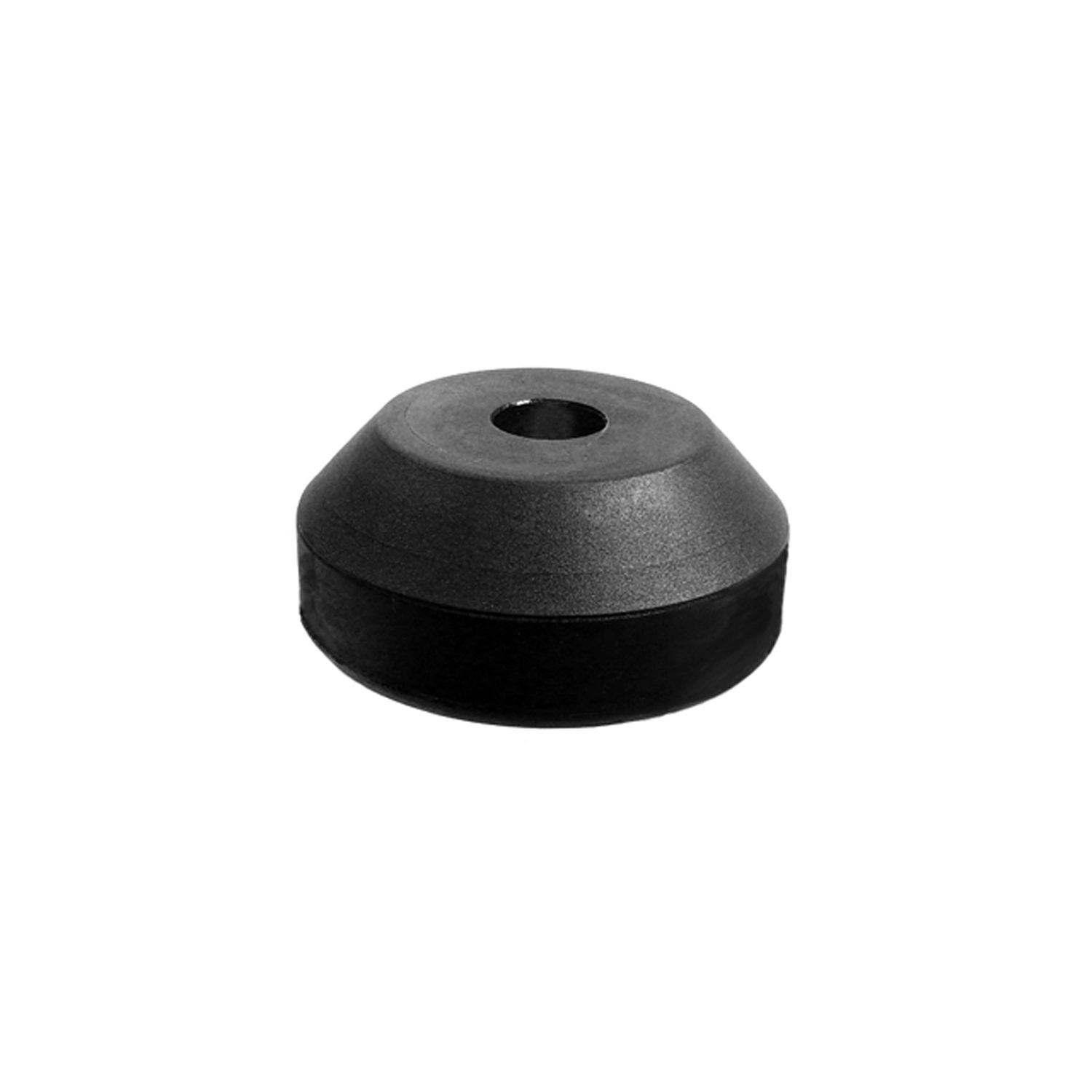 1932 Hudson Series L Upper Motor Mount. 5/8" I.D., 2-5/8" O.D. Each-MM 7-BUpper Motor Mount. 5/8" I.D., 2-5/8" O.D. Each
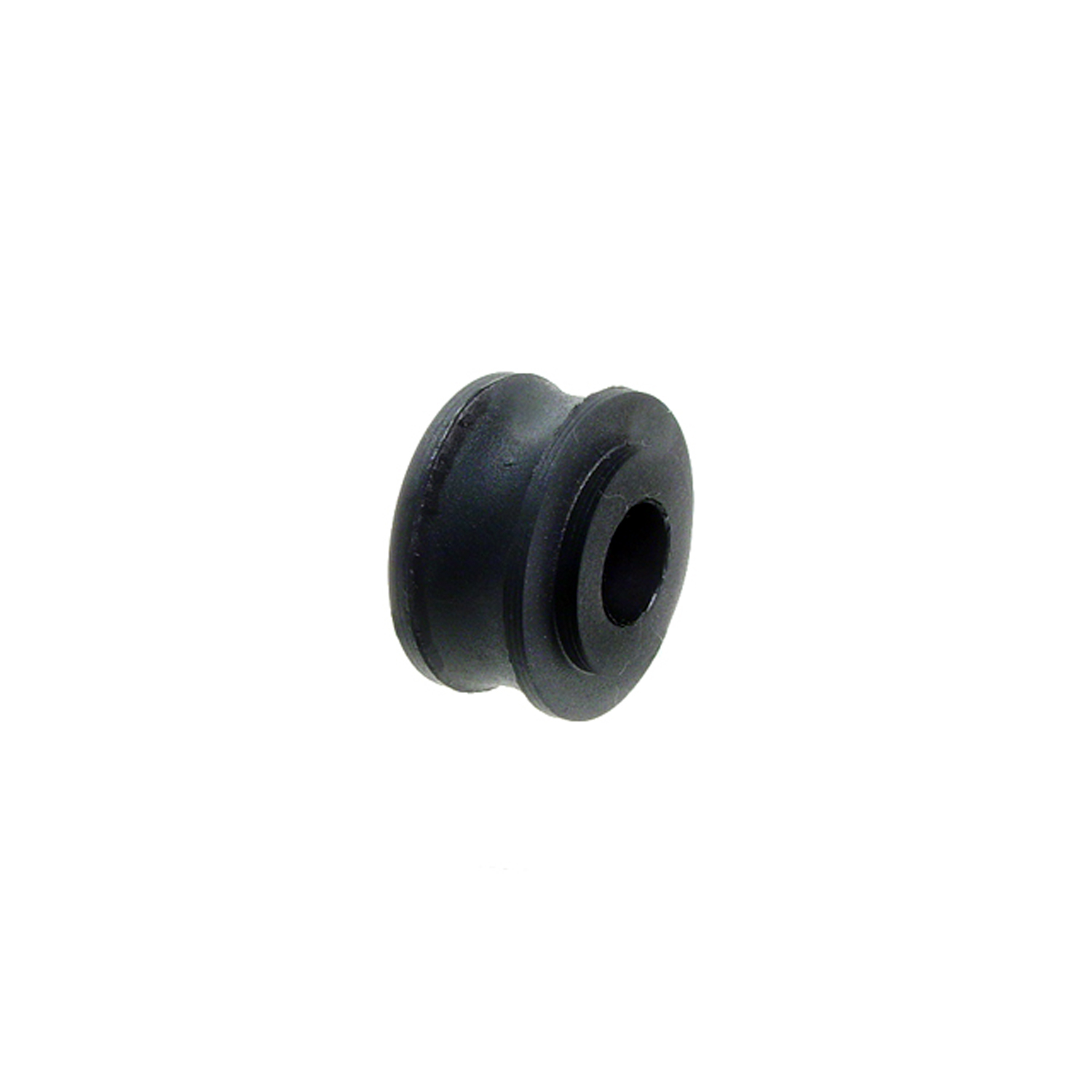 1932 Hudson Series L Lower Motor Mount. 5/8" I.D., 1-5/8" O.D. Each-MM 7-CLower Motor Mount. 5/8" I.D., 1-5/8" O.D. Each
 1932 Hudson Series L Spotlight Pad. 2-1/2" long X 1-1/8" wide. Each-MP 798-CSpotlight Pad. 2-1/2" long X 1-1/8" wide. Each
 1932 Hudson Series L Parking Light Pads. 2-1/4" long X 1-1/4" wide. Pair-MP 798-DParking Light Pads. 2-1/4" long X 1-1/4" wide. Pair
Why Choose Metro?
For over 100 years, Metro Moulded Parts has been the pinnacle of quality in classic car restoration parts. Our commitment to precision and authenticity in every component ensures a perfect fit and an OEM-level appearance.
- Expert Craftsmanship & Quality: Each part is a testament to our dedication to reliability and perfection, crafted from original designs and thoroughly tested.
- Advanced Technology: We use cutting-edge techniques to create flawless, long-lasting parts that surpass others in performance.
- SuperSoft Sponge – The Ultimate Door Seal: Not only are our door seals 30% softer than competitors', but they're also guaranteed to never leak. They effectively reduce wind and road noise, enhancing your classic car's comfort and driving experience.
- Proudly American: Our parts are a product of American craftsmanship, made in the USA with a spirit of excellence and heritage.
- Unrivaled Warranty: We back our products with a 30-year industry-leading warranty, a testament to our confidence in their quality.
Join us in preserving the legacy of classic cars with parts that are crafted for perfection, not just made.