

Image of 1932 Hudson Series U, Note: These illustrations use artistic license and may differ from actual historical models.
Performance Metrics
Fundamental Metrics
Emotional Appeal
MMP Rating
| Engine Specifications | |
|---|---|
| Engine: | Hudson Super Six |
| Displacement: | 254 cubic inches |
| Horsepower: | Estimated 101 horsepower |
| Torque: | Not available |
| Compression Ratio: | Not available |
| Ignition System: | Battery and coil |
| Cooling System: | Water-cooled |
| Performance Specifications | |
| 0-60 Time: | Not available |
| 1/4 Mile Time: | Not available |
| Top Speed: | 80 mph |
| Transmission and Drive | |
| Drive Type: | Rear-wheel drive |
| Transmission Type: | 3-speed manual |
| Fuel and Efficiency | |
| Fuel System Type: | Carburetor |
| MPG: | Not available |
| Dimensions and Brakes | |
| Brakes: | Mechanical drum brakes |
| Wheelbase: | 119 inches |
| Weight: | 3,200 lbs |
Note: Specifications for classic cars are given to the best of our ability, considering the limited and variant data available.
1932 Hudson Series U: The Straight-Eight That Carried Hudson Through the Depression
The 1932 Hudson Series U was a refined, fast-for-its-day American automobile built for drivers who wanted the smoothness of a straight-eight without stepping up to the most expensive cars on the road. Made by the Hudson Motor Car Company in Detroit, it combined substantial engineering, formal styling, and a quiet-running engine at a moment when the Great Depression was putting pressure on the entire auto industry.
Hudson had been building cars since 1909, and by the early 1930s it was a respected independent automaker with a reputation for engineering. The Series U belonged to the Hudson Eight line and used a 254.4-cubic-inch inline-eight. One intriguing detail is how quickly the company’s priorities would change: just a few years later, Hudson’s more affordable Terraplane models became central to its survival, while the larger straight-eights remained symbols of the marque’s upscale ambitions.
Long Lines and a Carefully Finished Cabin
The Series U wore the stately proportions expected of a premium early-1930s car. Its long hood announced the eight-cylinder engine beneath it, while a tall, upright radiator, sweeping front fenders, and broad running boards gave the body a formal, balanced appearance. Headlamps sat prominently at the front, and a rear-mounted spare tire was a familiar feature on many body styles of the period. From the side, the car’s gently arched roof and flowing fenders softened what might otherwise have been a boxy silhouette.
Inside, the Hudson emphasized room, comfort, and finish rather than modern minimalism. Depending on body style and trim, occupants could find broad upholstered seats, substantial door panels, wood-grain or polished trim, and a large steering wheel set in front of a clearly arranged instrument panel. Materials and upholstery varied by model and specification, but the overall impression was of a carefully appointed car intended for long-distance touring and formal use.
Factory paint choices changed with catalog and body style. Period buyers could choose from dark, restrained colors such as black, blue, green, maroon, and gray, with contrasting or two-tone treatments available on some combinations. Dark colors suited the car’s dignified character, while two-tone finishes made the sweeping fenders and long bodywork stand out. Exact colors and combinations should be checked against the relevant year’s Hudson literature, since availability was not identical across every body.
Hudson Series U Body Styles
Hudson offered the Series U in multiple closed and open body styles, with the precise selection depending on the catalog and coachwork. Buyers could find sedans, coupes, and more formal or touring-oriented bodies. As was common in the period, some body styles were aimed at private owners, while others suited chauffeurs, business use, or buyers who wanted extra passenger space.
The sedan is often the most recognizable and practical form today. It shows off the Series U’s long proportions, offers weather protection, and best reflects how many owners used a full-size Hudson. Coupes have a sportier profile, while open bodies are especially striking but are less commonly encountered and can command a premium when authentic and well restored.
Eight-Cylinder Engineering in 1932
At the heart of the Series U was a 254.4-cubic-inch L-head straight-eight, rated at about 87 horsepower in commonly cited specifications. The long engine layout helped deliver the smooth, even power that made straight-eights desirable in luxury and near-luxury cars. Rather than producing a sharp burst of acceleration, it favored steady, quiet progress and relaxed cruising.
The car used a conventional front-engine, rear-wheel-drive layout and a manual transmission. Period Hudson engineering focused on making the powertrain durable and refined, with features such as pressure lubrication and careful engine balancing contributing to smooth operation. Equipment and details varied, so a surviving car should be assessed by its actual specification rather than assumed to have every advertised feature.
The Series U arrived during a period of intense competition and economic strain. Automakers were trying to persuade cautious buyers that a new car still offered value, comfort, and status. Hudson’s answer was not simply a smaller economy car: it continued to offer a substantial straight-eight automobile with the size and presence associated with more expensive transportation.
Road Manners and Performance
Period performance figures are not as uniform as modern test data, and results depended on body style, gearing, mechanical condition, and tires. A reasonable estimate for a healthy Series U is a top speed in the neighborhood of 75 to 80 mph. Reaching 60 mph likely took roughly 25 to 30 seconds, though that should be treated as an informed estimate rather than a standardized factory test result.
On the road, the Hudson’s strengths were smoothness and composure, not quick responses. The straight-eight would have delivered a subdued, continuous mechanical note, with less vibration than many four- or six-cylinder engines of the era. Its weight and wheelbase helped it settle into a steady rhythm on open roads, while its period suspension and tall tires absorbed ordinary road imperfections in a soft, rolling manner.
That comfort came with familiar 1930s trade-offs. The Series U is large by modern standards, steering requires more effort at low speed, and its brakes, tires, and handling do not match those of a contemporary car. On a winding road, drivers need to plan ahead, carry speed sensibly, and avoid abrupt inputs. In crosswinds, the tall body and narrow tires call for a firm but relaxed hand on the wheel.
Why the Series U Matters
The Series U represents Hudson’s ability to build a sophisticated, full-size car while the American industry was under extraordinary pressure. Its smooth inline-eight and formal bodywork placed it in a different class from basic transportation, and its engineering helped maintain Hudson’s reputation as a technically capable independent manufacturer.
It was not a single breakthrough model that changed the entire industry. Its significance is more cumulative: cars like the Series U kept Hudson’s premium identity alive and demonstrated the appeal of a well-developed straight-eight at a time when buyers still associated cylinder count and smoothness with quality. The company’s later innovations, especially the postwar Step-Down design and the celebrated Hornet, became more widely known, but the Series U belongs to the engineering lineage that made Hudson distinctive.
Living With a 1932 Hudson
Today, a Series U is best suited to touring, local drives, museum display, and vintage-car events. It can be driven regularly by an owner willing to maintain it, but it is not an effortless modern daily driver. Traffic, highway speeds, limited visibility, and the physical demands of operating old controls all require attention.
Mechanical work is approachable for an experienced vintage-car owner, especially because the car uses conventional systems rather than complex electronics. However, “simple” does not mean every job is easy. Parts for Hudson-specific components, trim, glass, and body details can take time to locate, and specialist knowledge may be needed for a correct restoration. Before buying, inspect the engine, transmission, brakes, frame, wood or structural components where applicable, and the availability of model-specific parts. A running car with incomplete trim can become more expensive to finish than a sound, well-documented example.
Reliability depends heavily on condition and maintenance. Cooling-system health, ignition, fuel delivery, lubrication, and brake condition deserve particular attention before driving. Regular use can help keep a properly sorted car in working order, but long storage without preparation can create problems in fuel systems, seals, wiring, and tires.
Hudson Series U Facts and Myths
The Series U should not be confused with the later Hudson Hornet. The Hornet was a postwar model famous for its racing success, while the 1932 Series U belongs to Hudson’s earlier straight-eight era. The connection is the marque’s reputation for engineering, not a direct competition record for this particular model.
No widely recognized speed or endurance record is associated specifically with the Series U. Its appeal is instead tied to the smoothness and stature of Hudson’s eight-cylinder cars. As with many Depression-era vehicles, exact production totals can be difficult to establish by individual series and body style. A reasonable working estimate is several thousand Series U cars, perhaps around 5,000 to 10,000, but this should be treated as a broad estimate, not a confirmed factory total. Hudson’s overall production figures do not necessarily reveal how many cars were built in each Series U configuration.
Common criticisms are typical of a large car from 1932: it is heavy, its performance is modest by modern standards, and restoration can be challenging when rare trim or body parts are missing. Its long, elegant shape and straight-eight character are exactly what enthusiasts value, but those qualities do not make it inexpensive or convenient to own.
Collector Values and Availability
Series U Hudsons are uncommon on the market, and condition matters far more than a single headline price. As a broad current-market estimate, a project or incomplete car might sell for roughly $10,000 to $20,000. A usable driver or older restoration could fall around $20,000 to $40,000, while a high-quality, well-documented restoration may reach approximately $45,000 to $75,000 or more. Rare body styles, exceptional originality, and concours-level work can push values beyond that range.
These figures are estimates, not a formal appraisal. Sale prices vary with location, provenance, originality, restoration quality, and whether the car is a sedan, coupe, or less common open model. Values for well-restored examples have generally held up better than those for unfinished projects, but the market is specialized. Buyers often pay a premium for a complete car because sourcing Hudson-specific parts can be slow and costly.
For collectors, the Series U offers a distinctive alternative to more commonly celebrated American classics. It is not as familiar to the general public as a Ford or Chevrolet of the same era, but that relative obscurity is part of its appeal. The best examples are increasingly difficult to find, and properly preserved cars are likely to remain desirable among Hudson enthusiasts and collectors of prewar automobiles.
A Lasting Straight-Eight Classic
The 1932 Hudson Series U brought together a smooth 254.4-cubic-inch straight-eight, formal styling, a comfortable cabin, and the measured road manners of a substantial American automobile. Its story is also tied to a difficult moment in automotive history, when independent makers had to prove that engineering and refinement could still matter in a shrinking market.
More than a handsome prewar sedan, the Series U is a reminder of Hudson’s independent spirit and its commitment to building cars with character. Hear that straight-eight settle into a steady rhythm, and the appeal becomes clear: this is a Hudson made for the long road, and for a place in automotive history.
1932 Hudson Series U Catalog of Parts
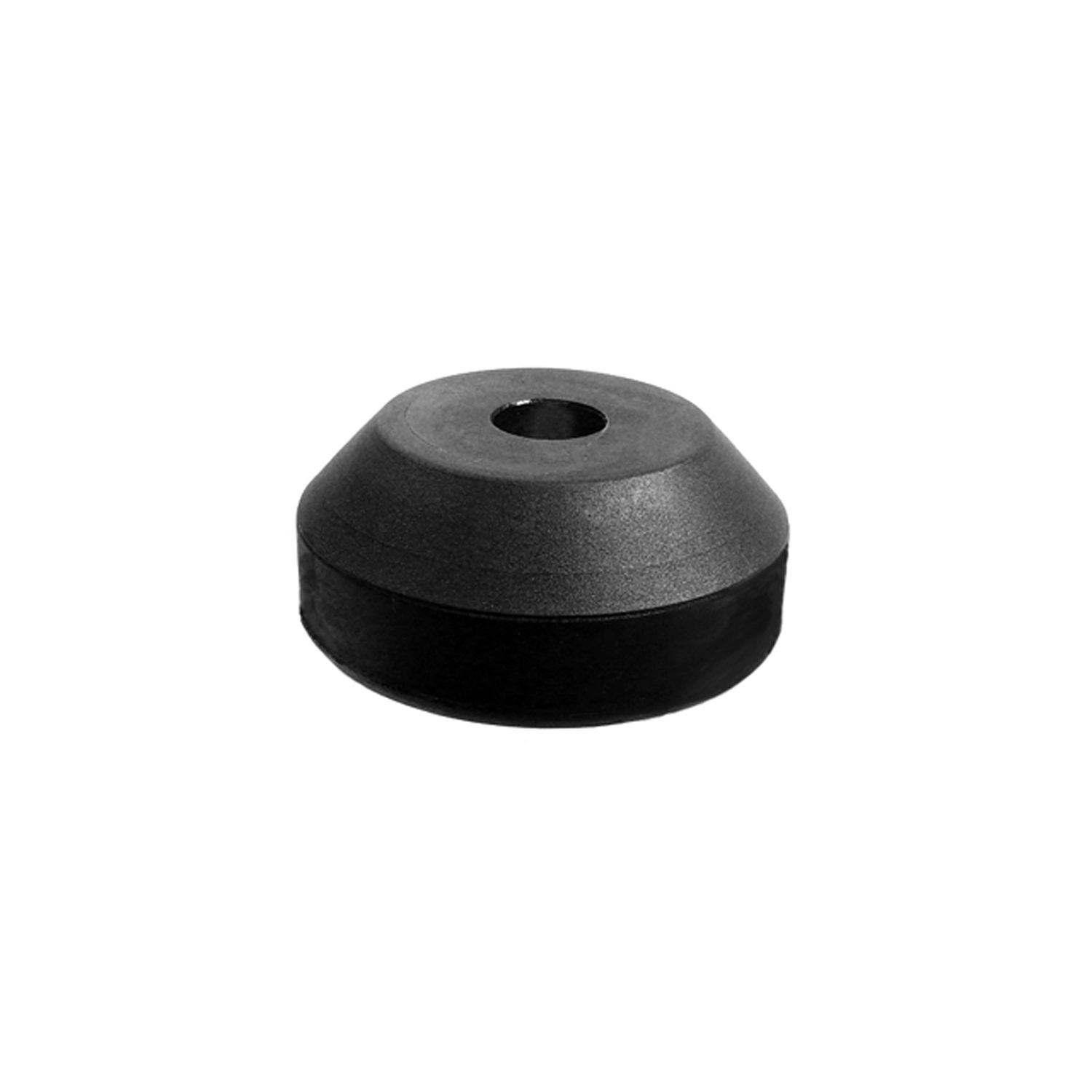 1932 Hudson Series U Upper Motor Mount. 5/8" I.D., 2-5/8" O.D. Each-MM 7-BUpper Motor Mount. 5/8" I.D., 2-5/8" O.D. Each
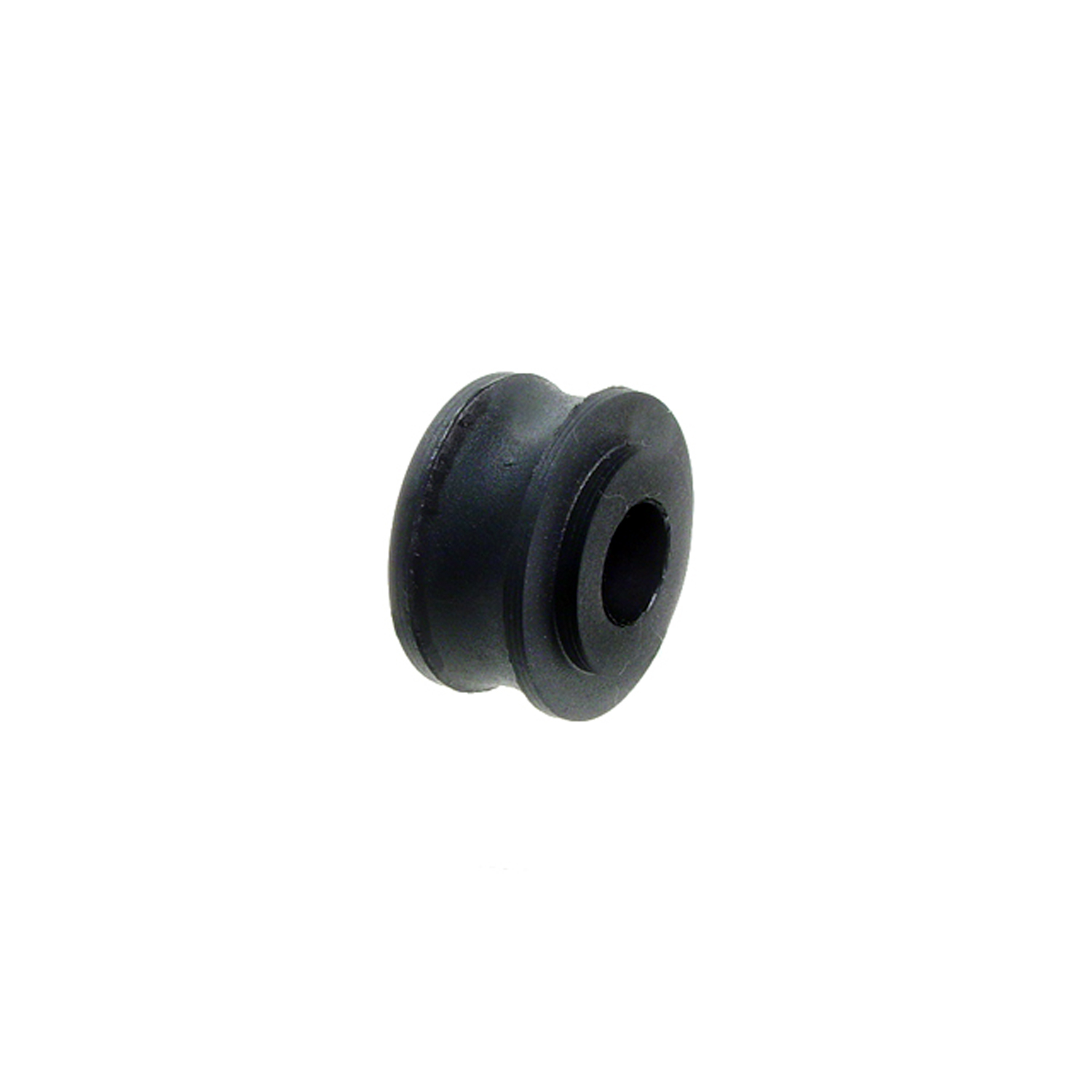 1932 Hudson Series U Lower Motor Mount. 5/8" I.D., 1-5/8" O.D. Each-MM 7-CLower Motor Mount. 5/8" I.D., 1-5/8" O.D. Each
 1932 Hudson Series U Spotlight Pad. 2-1/2" long X 1-1/8" wide. Each-MP 798-CSpotlight Pad. 2-1/2" long X 1-1/8" wide. Each
 1932 Hudson Series U Parking Light Pads. 2-1/4" long X 1-1/4" wide. Pair-MP 798-DParking Light Pads. 2-1/4" long X 1-1/4" wide. Pair
Why Choose Metro?
For over 100 years, Metro Moulded Parts has been the pinnacle of quality in classic car restoration parts. Our commitment to precision and authenticity in every component ensures a perfect fit and an OEM-level appearance.
- Expert Craftsmanship & Quality: Each part is a testament to our dedication to reliability and perfection, crafted from original designs and thoroughly tested.
- Advanced Technology: We use cutting-edge techniques to create flawless, long-lasting parts that surpass others in performance.
- SuperSoft Sponge – The Ultimate Door Seal: Not only are our door seals 30% softer than competitors', but they're also guaranteed to never leak. They effectively reduce wind and road noise, enhancing your classic car's comfort and driving experience.
- Proudly American: Our parts are a product of American craftsmanship, made in the USA with a spirit of excellence and heritage.
- Unrivaled Warranty: We back our products with a 30-year industry-leading warranty, a testament to our confidence in their quality.
Join us in preserving the legacy of classic cars with parts that are crafted for perfection, not just made.