

Image of 1933 Hudson Series E, Note: These illustrations use artistic license and may differ from actual historical models.
Performance Metrics
Fundamental Metrics
Emotional Appeal
MMP Rating
| Engine Specifications | |
|---|---|
| Engine: | Hudson Straight-6 |
| Displacement: | 3.5L |
| Horsepower: | Estimated 75-85 HP |
| Torque: | 130-140 lb-ft |
| Compression Ratio: | Estimated 6.0:1 |
| Ignition System: | Distributor and coil |
| Cooling System: | Liquid-cooled |
| Performance Specifications | |
| 0-60 Time: | Information not available |
| 1/4 Mile Time: | Information not available |
| Top Speed: | 70-80 mph |
| Transmission and Drive | |
| Drive Type: | Rear-wheel drive |
| Transmission Type: | 3-speed manual |
| Fuel and Efficiency | |
| Fuel System Type: | Carburetor |
| MPG: | Estimated 10-15 mpg |
| Dimensions and Brakes | |
| Brakes: | Drum brakes |
| Wheelbase: | 119 inches |
| Weight: | Estimated 2800-3000 lbs |
Note: Specifications for classic cars are given to the best of our ability, considering the limited and variant data available.
1933 Hudson Series E: A Full Guide
The 1933 Hudson Series E paired a smooth straight-eight engine with the dramatic, rounded styling that made early-1930s cars look ready to leave the horse-and-buggy era behind. Built by the Hudson Motor Car Company of Detroit, Michigan, it sat in the company’s upper-market range, offering more room and refinement than an economy car without reaching the price of the most exclusive luxury marques.
The Series E arrived during the Great Depression, when automakers had to convince cautious buyers that a new car offered real value. Hudson’s answer was a well-equipped automobile with generous power, distinctive styling and a reputation for sound engineering. One useful point of context: Hudson’s popular Essex-Terraplane was a separate, more affordable line, not another name for the Series E. Together, the two lines helped Hudson appeal to a broad range of buyers in 1933.
1933 Hudson Series E Specifications
Published specifications generally associate the Series E with Hudson’s 254.4-cubic-inch (4.2-liter) inline-eight, rated at roughly 100 horsepower, and a three-speed manual transmission. Its wheelbase was about 122 inches, giving the car a long, settled stance. Equipment and details could vary by body style and configuration, so period literature and the car itself are the best references when identifying a specific example.
Hudson Styling and Body Options
The Series E wore the visual vocabulary of the early streamlined era: a tall, forward-leaning grille, long hood, flowing fenders and a rounded rear body. Its hood sides and beltline drew the eye toward the passenger compartment, while bright trim and sculpted details gave the car a formal, upscale presence. It was not an aerodynamic design by modern standards, but it looked notably more integrated than the upright, boxier cars that had dominated only a few years earlier.
Hudson offered the Series E in multiple closed and open body configurations, with availability depending on the catalog offering. Sedan and coupe styles suited buyers seeking practical enclosed motoring. More formal sedans emphasized passenger comfort, while open models delivered the classic top-down appeal of the period. The sedan is generally the most recognizable and practical form today, though a well-preserved open car tends to attract extra attention from collectors.
Period paint choices varied by body and production run. Hudson buyers could choose from restrained solid colors and, on some combinations, contrasting or two-tone treatments. Black, deep blue, maroon, green and gray are all fitting colors for a car of this period, but an individual car’s original paint should be verified through factory references or evidence beneath trim and upholstery. A glossy black restoration is striking; a documented period color can make a car feel more distinctive.
Cabin Materials and Comfort
Inside, the Series E was designed to feel substantial rather than spartan. Upholstery materials varied with body style and trim level, but could include durable cloth or broadcloth in closed cars, with leather more likely in higher-grade or open configurations. The dashboard typically combined painted or wood-grain-finished surfaces with period-style instruments and bright metal accents. Door hardware, window regulators and upholstery patterns are important restoration details and can tell an enthusiast a great deal about a car’s originality.
Cabin space was a strength. The long wheelbase helped provide comfortable seating, especially compared with smaller economy cars of the time. The trade-off is familiar to anyone who has driven a prewar automobile: the seating position is upright, controls require deliberate effort, and the interior is more comfortable at modest speeds than at modern highway pace.
Engineering for the Early 1930s
The Series E’s defining mechanical feature was its straight-eight engine. Inline-eight engines were valued for their smooth power delivery, and Hudson’s large-displacement unit gave the car the relaxed torque expected of an upper-range automobile. The long engine also suited the Series E’s long hood, giving the car both a visual and mechanical identity.
A conventional three-speed manual gearbox put the driver in direct control. Some period Hudsons could be equipped with convenience features such as freewheeling, which allowed the car to coast with the engine disengaged under certain conditions. Availability depended on the model and specification, so it should not be assumed that every Series E had it. As with most cars of the era, braking and steering feel are distinctly different from modern systems. Buyers should inspect the equipment and condition of an individual car rather than assume its brakes are original or road-ready.
Historical Significance and Hudson’s Place
The Series E represents Hudson’s effort to remain competitive in a difficult market by combining performance, comfort and style. Its straight-eight placed it above many six-cylinder rivals in refinement, while Hudson’s broad product range gave buyers options at different prices.
It also belongs to a period of rapid change in American body design. Fenders were becoming more integrated, radiator shells and hoods were being visually unified, and passenger cabins were gaining a smoother, more enclosed appearance. Hudson did not invent streamlining, but cars like the Series E helped make flowing, less upright forms desirable to buyers.
Hudson’s 1933 story also includes the Essex-Terraplane, which brought the company a wider audience. That line was promoted with help from aviator Amelia Earhart, a memorable example of celebrity marketing during the era. The association belongs to the Terraplane, rather than the Series E itself, but it adds context to Hudson’s ambitious 1933 lineup.
Performance, Speed and Road Manners
With around 100 horsepower, the Series E offered strong period performance for a full-size car. A healthy example may reach approximately 75 to 85 mph, though that is a broad estimate rather than a guaranteed factory figure. A modern-style 0-to-60-mph time was not always reported for cars of this vintage. Based on its output, weight and gearing, roughly 20 to 30 seconds is a reasonable estimate for a sound, correctly tuned example. Actual results depend on body style, mechanical condition, road conditions and how hard the driver is willing to push an eighty-plus-year-old car.
The straight-eight’s character is more about smooth, steady progress than sharp acceleration. At low speeds it produces a measured pull; under load, the exhaust note deepens into a steady, old-fashioned burble. The manual gearbox calls for deliberate shifts, and drivers need to plan overtakes and hills rather than expect instant modern response.
On ordinary roads, the long wheelbase helps the car ride with a composed, rolling motion. It can take bumps gracefully, although worn springs, tired shock absorbers or old tires can make any prewar Hudson feel unsettled. On winding roads, the Series E rewards smooth inputs. Its size, steering effort, narrow tires and period suspension mean it is not a sports car, and quick direction changes are not its strength. Crosswinds and road grooves can also demand attention, especially at higher speeds.
Owning a Hudson Series E Today
Today, a Series E is best suited to touring, local shows, club events and occasional Sunday drives. An experienced owner might use one regularly, but it is not a practical modern daily driver. Parts availability is more limited than for later mass-market classics, and a car that has been sitting for years may need thorough recommissioning before it is safe to drive.
Routine work such as ignition service, lubrication, carburetor tuning and basic electrical repairs is manageable for an experienced home mechanic. The larger challenges are locating correct parts, repairing worn components and finding specialists familiar with Hudson straight-eights. Before buying, inspect the engine for oil pressure and unusual noise, check the cooling system, examine the frame and body for corrosion or old repairs, and verify that the brakes, steering and tires are safe. A running engine alone is not proof that a prewar car is roadworthy.
Originality matters. Incorrect upholstery, missing trim, nonstandard electrical work or poorly executed body repairs can become expensive to put right. A complete, honest car is often a better starting point than a shiny but incomplete restoration.
Hudson Series E Facts and Trivia
The Series E’s straight-eight is one of its most memorable features. Inline-eight engines were prized for their smoothness, but their length required a correspondingly long engine bay. That long hood was not just a styling flourish; it reflected the mechanical layout beneath it.
Hudson’s 1933 marketing also had a high-profile aviation connection through Amelia Earhart and the Essex-Terraplane. The association shows how automakers used speed, modernity and celebrity to make cars feel exciting during the Depression. It is a good story to know, but it should not be mistaken for a Series E-specific record or endorsement.
No widely recognized national speed or endurance record is commonly attributed specifically to the 1933 Series E. Its appeal rests instead on Hudson engineering, straight-eight refinement and period styling. Common criticisms today include the difficulty of finding certain parts, the effort required for steering and braking, and the fact that its performance should not be judged by modern standards.
Collector Value and Rarity
Exact production totals for the Series E can be difficult to isolate from broader Hudson model-year figures, and body-style breakdowns are not consistently reported in commonly available references. As a cautious estimate, production was likely in the low thousands rather than tens of thousands for the Series E itself, with individual body styles considerably scarcer. Surviving examples are uncommon, and complete, well-documented cars appear far less often than later Hudsons.
As a broad market guide, a project or incomplete car might sell for around $10,000 to $20,000. A sound driver-quality example could fall roughly between $20,000 and $45,000, while a high-quality restoration may reach approximately $50,000 to $90,000 or more. Rare open body styles, exceptional originality, strong provenance and concours-level workmanship can push a price higher. These are estimates, not appraisals; condition, configuration, documentation and the sale venue can shift values substantially.
Well-restored prewar Hudsons have maintained collector interest, but the market is selective. Prices do not rise automatically with age, and restoration costs can exceed resale value. The strongest examples are generally complete, correctly restored cars with desirable body styles and clear histories. For buyers, patience and a pre-purchase inspection are more valuable than chasing the first car that appears.
Why the 1933 Hudson Series E Still Matters
The 1933 Hudson Series E is a compelling snapshot of American motoring at a turning point. Its flowing bodywork looked forward, its straight-eight delivered the smooth power buyers expected from an upscale automobile, and its comfortable proportions made it a serious road car in its own time.
It may not have the fame of Hudson’s later step-down models or the celebrity association of the Terraplane, but the Series E has a distinction of its own: it captures a manufacturer combining engineering ambition with Depression-era practicality. For collectors who value prewar craftsmanship and character, that long hood and smooth eight-cylinder rhythm remain hard to mistake.
1933 Hudson Series E Catalog of Parts
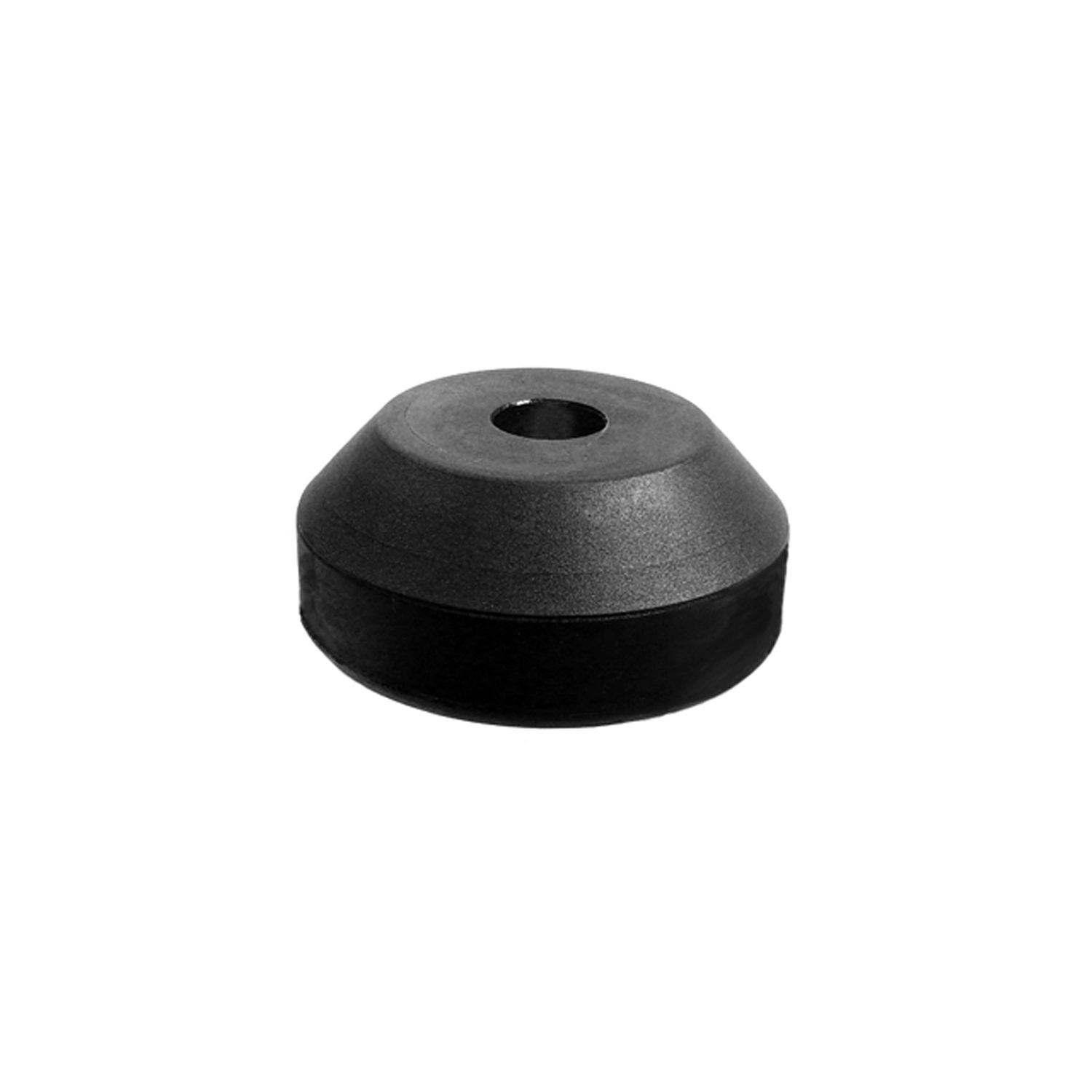 1933 Hudson SERIES E Upper Motor Mount. 5/8" I.D., 2-5/8" O.D. Each-MM 7-BUpper Motor Mount. 5/8" I.D., 2-5/8" O.D. Each
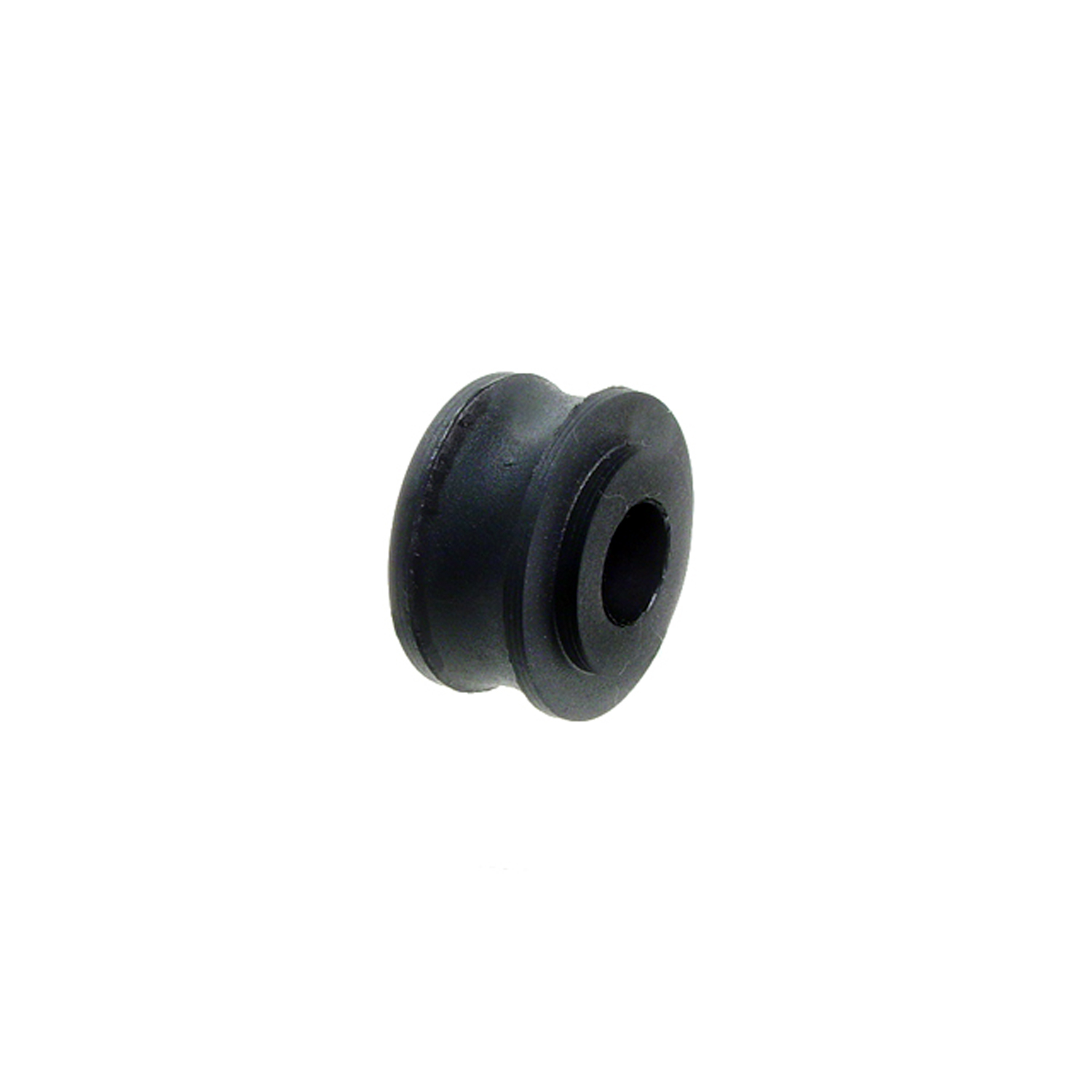 1933 Hudson SERIES E Lower Motor Mount. 5/8" I.D., 1-5/8" O.D. Each-MM 7-CLower Motor Mount. 5/8" I.D., 1-5/8" O.D. Each
 1933 Hudson SERIES E Spotlight Pad. 2-1/2" long X 1-1/8" wide. Each-MP 798-CSpotlight Pad. 2-1/2" long X 1-1/8" wide. Each
 1933 Hudson SERIES E Parking Light Pads. 2-1/4" long X 1-1/4" wide. Pair-MP 798-DParking Light Pads. 2-1/4" long X 1-1/4" wide. Pair
Why Choose Metro?
For over 100 years, Metro Moulded Parts has been the pinnacle of quality in classic car restoration parts. Our commitment to precision and authenticity in every component ensures a perfect fit and an OEM-level appearance.
- Expert Craftsmanship & Quality: Each part is a testament to our dedication to reliability and perfection, crafted from original designs and thoroughly tested.
- Advanced Technology: We use cutting-edge techniques to create flawless, long-lasting parts that surpass others in performance.
- SuperSoft Sponge – The Ultimate Door Seal: Not only are our door seals 30% softer than competitors', but they're also guaranteed to never leak. They effectively reduce wind and road noise, enhancing your classic car's comfort and driving experience.
- Proudly American: Our parts are a product of American craftsmanship, made in the USA with a spirit of excellence and heritage.
- Unrivaled Warranty: We back our products with a 30-year industry-leading warranty, a testament to our confidence in their quality.
Join us in preserving the legacy of classic cars with parts that are crafted for perfection, not just made.