

Image of 1933 Hudson Series T, Note: These illustrations use artistic license and may differ from actual historical models.
Performance Metrics
Fundamental Metrics
Emotional Appeal
MMP Rating
| Engine Specifications | |
|---|---|
| Engine: | Hudson Super Six |
| Displacement: | 254 cubic inches |
| Horsepower: | Estimated 93-100 hp |
| Torque: | Not available |
| Compression Ratio: | Not available |
| Ignition System: | Battery and coil |
| Cooling System: | Water-cooled |
| Performance Specifications | |
| 0-60 Time: | Not available |
| 1/4 Mile Time: | Not available |
| Top Speed: | 80 mph |
| Transmission and Drive | |
| Drive Type: | Rear-wheel drive |
| Transmission Type: | 3-speed manual |
| Fuel and Efficiency | |
| Fuel System Type: | Carburetor |
| MPG: | Not available |
| Dimensions and Brakes | |
| Brakes: | Mechanical drum brakes |
| Wheelbase: | 119 inches |
| Weight: | 3,200 lbs |
Note: Specifications for classic cars are given to the best of our ability, considering the limited and variant data available.
1933 Hudson Series T: The Terraplane with Big-Car Ambitions
The 1933 Hudson Series T brought the confidence of a full-size car to a price-conscious market, pairing Terraplane style with a roomy 113-inch wheelbase and a six-cylinder engine. Built by Hudson Motor Car Company of Detroit, the Series T belonged to the Terraplane line, a name Hudson introduced in 1932 to suggest modern, aircraft-inspired speed and engineering.
Its arrival came during the Great Depression, when buyers wanted dependable transportation but still valued performance and flair. Hudson’s answer was a car that looked substantial, offered a strong engine for its class, and cost less than many larger, more prestigious automobiles. The Terraplane name was more than advertising: aviator Amelia Earhart helped promote the marque, linking the car to the era’s fascination with flight and modern technology.
One important distinction for today’s researchers and collectors is that “Series T” identifies a particular Terraplane model series, not every 1933 Hudson. The T was the longer-wheelbase Terraplane Six, positioned above the shorter Series K. It should also not be confused with Hudson’s larger, eight-cylinder models.
Streamlined Style and Period Comfort
The Series T wore the confident, upright look of an early-1930s automobile, softened by flowing fenders and carefully shaped bodywork. Its tall radiator grille, long hood, sweeping front fenders, and prominent headlamps gave it a purposeful face. The hood ornament and brightwork added a touch of drama, while the long wheelbase helped the car look settled and substantial rather than compact and utilitarian.
Hudson offered the Series T in several body styles, including closed sedans and sportier coupe forms. Availability could vary by catalog and production run, so buyers restoring a particular car should verify its original body style through period literature and vehicle records. The sedan was the practical, family-friendly choice; coupe versions had a more personal, sporting character and tend to draw attention at shows today.
Inside, the cabin was designed for comfort rather than austerity. Upholstery materials varied with body style and trim, with cloth and broadcloth common in closed cars and more upscale materials available on better-appointed models. A wide bench seat, large steering wheel, clear analog gauges, and substantial dashboard gave the driver a familiar prewar cockpit. Compared with a modern car, the interior is simple, but its trim, upholstery, and bright fittings can feel surprisingly rich when well preserved.
Factory paint choices varied by body and trim combination. Period Hudsons appeared in sober shades such as black, gray, blue, green, and maroon, with contrasting details or two-tone treatments available on some combinations. Dark colors suited the car’s formal profile, while blue and green finishes brought out the sweep of the fenders. Exact color availability should be checked against the specific model’s original paint and trim information.
Technology in the Depression-Era Market
The Series T’s main technical attraction was its six-cylinder powerplant. The Terraplane Six used a 193-cubic-inch inline six rated at about 70 horsepower, paired with a three-speed manual transmission. That was persuasive output for a moderately priced car in 1933, and it helped Hudson market the Terraplane as lively transportation rather than simply basic transport.
Like other cars of its day, the Series T used conventional body-on-frame construction, mechanical controls, and a relatively straightforward drivetrain. Its significance was not that it introduced a single revolutionary feature. Rather, Hudson combined a strong engine, generous proportions, and distinctive styling in a car aimed at buyers who might otherwise have settled for something smaller or less powerful.
Why the Series T Mattered
The Terraplane helped Hudson build a recognizable identity below its larger, more expensive models. It offered a useful middle ground: more presence and performance than many economy cars, without the price of a big luxury automobile. That formula mattered in a period when automakers were competing fiercely for customers with limited budgets.
The Series T also reflects the design transition of the early 1930s. Cars were moving away from the boxier forms of the previous decade toward longer hoods, more integrated fenders, and smoother, more coordinated body lines. The Terraplane was not a direct template for later postwar designs, but it shows how manufacturers used styling and engineering together to make an affordable car feel modern and desirable.
Its lasting appeal comes from that combination of substance and character. The Series T is larger and more imposing than many people expect from a mid-priced car, yet its six-cylinder layout and relatively straightforward construction keep it approachable for owners who enjoy hands-on maintenance.
Six-Cylinder Performance and Road Manners
Hudson did not publish modern-style acceleration figures, so performance numbers for a surviving Series T are estimates rather than factory claims. With roughly 70 horsepower, a healthy car might reach a top speed in the neighborhood of 75 to 80 mph under favorable conditions. Zero to 60 mph would likely take around 20 seconds or longer, depending on gearing, body style, condition, and passenger load.
On the road, the six-cylinder engine delivers its power in a steady, unhurried way. The car rewards smooth throttle and deliberate gear changes rather than quick launches. Its long wheelbase helps it ride comfortably over ordinary pavement, although the suspension cannot disguise deep potholes or sharp-edged bumps as effectively as a modern car. On winding roads, the Series T feels tall and substantial, so measured steering inputs are more rewarding than aggressive cornering.
From behind the wheel, the experience is distinctly mechanical. The engine produces a low, even six-cylinder note, while the manual transmission and steering require more driver involvement than a contemporary vehicle. Braking distances, steering effort, visibility, and road grip all reflect 1933 technology. A well-maintained example can be enjoyable on local drives and touring events, but it needs room and anticipation in traffic.
Living with a 1933 Hudson
Most Series T owners use their cars for shows, club tours, parades, and occasional leisure drives. A carefully sorted example can handle short trips and relaxed country-road outings, but it is not an ideal daily driver in modern traffic. It lacks modern safety equipment, and its pace, braking, and lighting call for a cautious driving style.
The mechanical layout is comparatively simple, which can make routine service manageable for an owner with basic tools and mechanical experience. Ignition, carburetion, cooling, lubrication, and brake maintenance follow familiar vintage-car principles. The real challenges are often finding correct replacement parts, locating model-specific trim, and repairing decades of wear or previous alterations. Mechanical components may be easier to address than rare body fittings or upholstery details.
Reliability depends heavily on restoration quality and regular use. A car that has been stored for years may need attention to fuel lines, hoses, wiring, tires, brakes, and seals before it is safe to drive. For a dependable touring car, a thorough inspection and careful recommissioning matter more than a fresh coat of paint.
Terraplane Trivia and Common Criticisms
The Terraplane name was designed to evoke the speed and modernity of aviation, a powerful association in the 1930s. Amelia Earhart’s connection with Hudson’s promotion gave the marque additional visibility. The 1933 Series T is also a useful reminder that Terraplane was not simply a trim package on a Hudson Eight: it was a distinct line with its own model series and market position.
No widely recognized land-speed or endurance record belongs specifically to the Series T. Its notable achievement was commercial and strategic: Hudson used the Terraplane name to offer performance-minded, stylish cars to a broad audience during difficult economic times.
Common criticisms are typical of prewar cars. Owners must accept modest acceleration by modern standards, heavy controls, limited crash protection, and the possibility of parts-hunting. The car’s age also means that condition varies enormously. A beautiful exterior does not guarantee sound brakes, a healthy engine, or a safe chassis.
Collector Values and Rarity
Series T production figures are not consistently reported in the same detail as overall Hudson or Terraplane totals. As a practical estimate, the number built was likely in the tens of thousands, perhaps around 20,000 to 30,000, although that figure should be treated as a reasoned estimate rather than a confirmed factory count. Surviving cars are much scarcer, and condition, body style, originality, and documentation have a major effect on availability and value.
As a broad U.S. market guide, a project car might sell for roughly $5,000 to $12,000, while a presentable driver could fall around $15,000 to $30,000. A high-quality restoration may bring approximately $30,000 to $50,000 or more, with particularly desirable body styles, exceptional provenance, or concours-level workmanship potentially commanding a premium. These are estimates, not appraisals, and actual sales vary by region and condition.
Values for prewar Hudsons generally depend more on the individual car than on short-term market swings. Well-restored examples with strong documentation remain appealing, while incomplete projects can be difficult to sell because restoration costs add up quickly. The Series T’s distinctive styling and relative rarity give it collector interest, but it is not as universally sought after as the best-known luxury and performance cars of the era.
A Hudson Worth Remembering
The 1933 Hudson Series T captures a compelling moment in American motoring: a time when a car could be practical, mechanically straightforward, and still ambitious in its styling and performance. Its six-cylinder engine, long-wheelbase presence, and Terraplane identity made it stand apart from ordinary transportation without stepping into full luxury-car territory.
For today’s enthusiast, the Series T offers more than prewar charm. It tells the story of Hudson’s effort to bring power and personality within reach during the Depression, and it rewards owners who appreciate the craft and character of an earlier automotive age.
1933 Hudson Series T Catalog of Parts
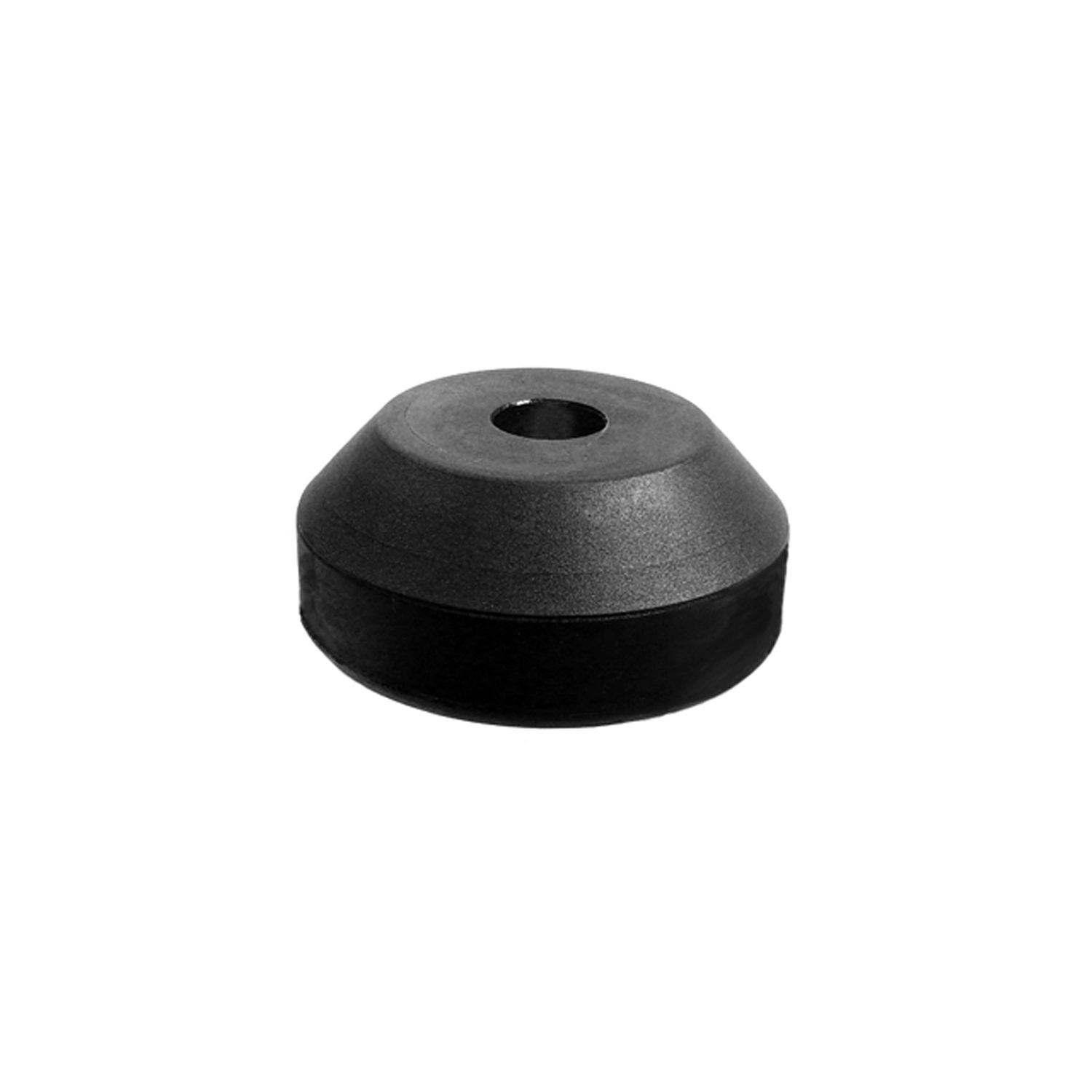 1933 Hudson Series T Upper Motor Mount. 5/8" I.D., 2-5/8" O.D. Each-MM 7-BUpper Motor Mount. 5/8" I.D., 2-5/8" O.D. Each
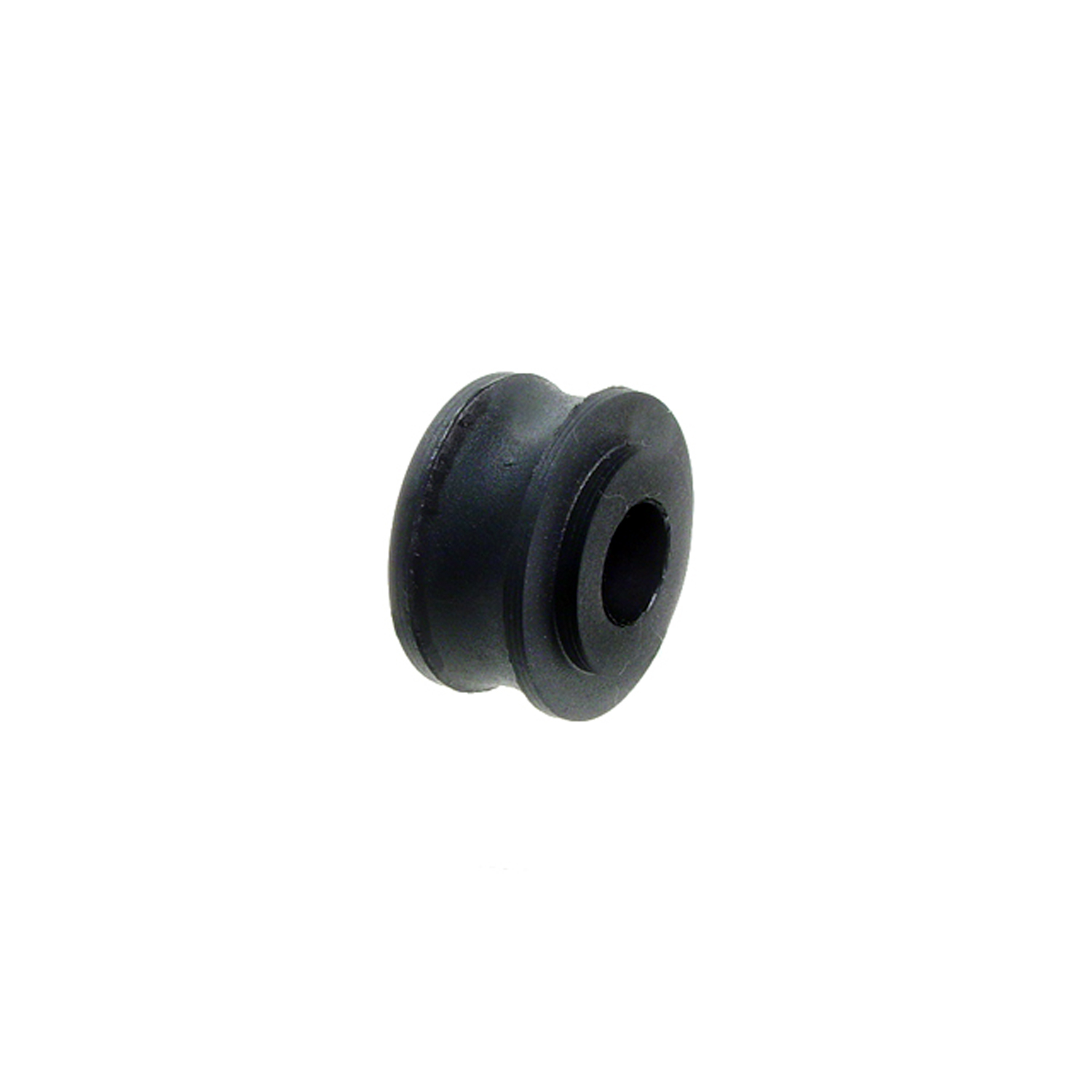 1933 Hudson Series T Lower Motor Mount. 5/8" I.D., 1-5/8" O.D. Each-MM 7-CLower Motor Mount. 5/8" I.D., 1-5/8" O.D. Each
 1933 Hudson Series T Spotlight Pad. 2-1/2" long X 1-1/8" wide. Each-MP 798-CSpotlight Pad. 2-1/2" long X 1-1/8" wide. Each
 1933 Hudson Series T Parking Light Pads. 2-1/4" long X 1-1/4" wide. Pair-MP 798-DParking Light Pads. 2-1/4" long X 1-1/4" wide. Pair
Why Choose Metro?
For over 100 years, Metro Moulded Parts has been the pinnacle of quality in classic car restoration parts. Our commitment to precision and authenticity in every component ensures a perfect fit and an OEM-level appearance.
- Expert Craftsmanship & Quality: Each part is a testament to our dedication to reliability and perfection, crafted from original designs and thoroughly tested.
- Advanced Technology: We use cutting-edge techniques to create flawless, long-lasting parts that surpass others in performance.
- SuperSoft Sponge – The Ultimate Door Seal: Not only are our door seals 30% softer than competitors', but they're also guaranteed to never leak. They effectively reduce wind and road noise, enhancing your classic car's comfort and driving experience.
- Proudly American: Our parts are a product of American craftsmanship, made in the USA with a spirit of excellence and heritage.
- Unrivaled Warranty: We back our products with a 30-year industry-leading warranty, a testament to our confidence in their quality.
Join us in preserving the legacy of classic cars with parts that are crafted for perfection, not just made.