

Image of 1934 Hudson Series Ll, Note: These illustrations use artistic license and may differ from actual historical models.
Performance Metrics
Fundamental Metrics
Emotional Appeal
MMP Rating
| Engine Specifications | |
|---|---|
| Engine: | Hudson Straight-6 |
| Displacement: | 254 cubic inches |
| Horsepower: | Estimated 93-105 hp |
| Torque: | Not available |
| Compression Ratio: | Not available |
| Ignition System: | Distributor and coil |
| Cooling System: | Water-cooled |
| Performance Specifications | |
| 0-60 Time: | Not available |
| 1/4 Mile Time: | Not available |
| Top Speed: | Estimated 70-80 mph |
| Transmission and Drive | |
| Drive Type: | Rear-wheel drive |
| Transmission Type: | 3-speed manual |
| Fuel and Efficiency | |
| Fuel System Type: | Carburetor |
| MPG: | Not available |
| Dimensions and Brakes | |
| Brakes: | Mechanical drum brakes |
| Wheelbase: | 119 inches |
| Weight: | Estimated 3,200 lbs |
Note: Specifications for classic cars are given to the best of our ability, considering the limited and variant data available.
1934 Hudson Series LL: A Long-Wheelbase Eight With Hudson Character
The 1934 Hudson Series LL brought the smooth, confident power of Hudson’s straight-eight engine to a substantial long-wheelbase automobile built for comfortable, unhurried travel. Made by the Hudson Motor Car Company of Detroit, Michigan, the LL belonged to a period when American manufacturers were finding new ways to combine graceful styling, stronger body construction, and more powerful engines.
Hudson had earned a reputation for engineering ambition, and the 1934 cars carried that spirit into the Depression-era market. The Series LL was not a mass-market bargain car. Its long chassis and eight-cylinder power placed it among Hudson’s more substantial offerings, appealing to buyers who wanted room and refinement as well as performance. One notable feature of the model year was Hudson’s “Monobilt” construction, a body-and-frame approach intended to create a strong, low-slung car rather than simply placing a tall body on a conventional high frame.
Long, Low 1930s Styling
The Series LL wore the unmistakable proportions of a 1930s Hudson: a tall, upright radiator grille, flowing front fenders, sweeping running boards, and a long hood that announced the presence of the straight-eight engine. Its enclosed body sat lower than many earlier cars, while the broad fenders and rounded rear contours softened the outline. The result was formal but not stiff, with enough streamlining to look modern without losing the dignified character expected of a large luxury automobile.
Inside, the emphasis was on space and finish. Depending on body style and trim, buyers could expect broad bench seating, quality cloth upholstery, wood-grain or polished trim, and a well-finished dashboard with clear, period-style instrumentation. The cabin was designed for comfortable touring rather than sporty intimacy. In a long-wheelbase car, rear-seat room was a particular asset, and higher-grade interiors could be appointed for chauffeur-driven or family use.
Hudson offered its cars in a range of period paint colors and two-tone combinations, though exact choices varied by body and sales market. Dark shades such as black, deep blue, and maroon suited the LL’s formal appearance, while lighter or contrasting fender colors gave the car a more individual look. Original paint charts and surviving factory records are the best guides for confirming a particular car’s correct colors.
Series LL body availability could vary by catalog and market. Long-wheelbase Hudsons were associated especially with roomy, formal sedans and other passenger-focused bodies, while Hudson’s wider 1934 range also included coupes and other closed and open styles. The large sedan is the most recognizable expression of the LL: it makes full use of the extended chassis and captures the model’s chauffeur-car presence.
Hudson Engineering in Context
The Series LL’s importance is tied in part to Hudson’s effort to make a large car feel lower and more composed. The company’s Monobilt construction integrated the body and structural elements more closely than the traditional body-on-frame arrangement. It was not identical to the fully integrated structures used in many modern cars, but it reflected a meaningful move toward a stronger, lower automobile. Hudson promoted the resulting combination of rigidity, interior room, and a lower center of gravity as a real advantage.
That approach helped distinguish Hudson from many contemporaries, whose cars could feel tall and heavy by comparison. The LL also benefited from the smoothness of its inline eight-cylinder engine. Straight-eights were valued for their even power delivery and refined running, and Hudson’s engine gave the long car an appropriate reserve of torque for highway travel. The Series LL was not a mass-market revolution, but it represents the sort of practical engineering experimentation that helped shape later American car design.
Straight-Eight Performance and Road Manners
The Series LL is generally associated with Hudson’s 254-cubic-inch inline-eight, rated at roughly 113 horsepower. Specifications can differ by source and equipment, so a surviving car should be checked against its engine number and factory literature. Power went through a conventional three-speed manual transmission, with a synchromesh feature that helped make gear changes smoother than in older unsynchronized gearboxes.
Period factory performance figures are not consistently available, and modern 0-to-60 testing was not reported in the same standardized way it is today. As a practical estimate, a healthy, correctly tuned Series LL might reach 60 mph in roughly 20 to 25 seconds, depending on body weight, gearing, condition, and passenger load. Top speed is commonly estimated in the neighborhood of 80 mph. Those numbers are best understood as approximate, not guaranteed specifications for every example.
On the road, the straight-eight’s character matters more than a stopwatch. It delivers a smooth, steady pull, accompanied by a muted mechanical hum that becomes more noticeable under acceleration. The long wheelbase helps the LL settle over ordinary bumps and gives it a calm, touring-car feel. On winding roads, its size and weight call for measured inputs: it is built to sweep through bends comfortably, not attack them like a modern sports sedan. Steering effort, braking response, and ride quality will also depend heavily on the condition of the suspension, tires, and brakes.
Living With a Hudson Series LL
In its day, the LL was suited to family touring, formal transportation, and comfortable long-distance travel. Today, most examples are used as show cars, club-tour vehicles, and occasional weekend drivers. A well-sorted Hudson can still cover miles, but its age and rarity make regular modern traffic a less forgiving environment than the open roads for which it was designed.
Routine mechanical work is straightforward for an owner or shop familiar with prewar American cars. The engine is a conventional inline eight, and many service tasks rely on familiar principles: ignition, carburetion, cooling, lubrication, and mechanical adjustment. The challenge is often not complicated design but locating correct parts and finding someone who understands period systems. Body trim, glass, upholstery details, and model-specific components can be harder to source than basic mechanical supplies.
Reliability depends on careful recommissioning. Before regular use, owners should inspect the fuel system, cooling system, brakes, tires, wiring, and lubrication points rather than assuming that a running engine means the whole car is road-ready. Original mechanical brakes and aging electrical components deserve particular attention. Common ownership complaints include the fuel consumption of a large straight-eight, the difficulty of finding specialized parts, and the limited pace and braking performance compared with modern traffic.
Hudson LL Facts and Misconceptions
The Series LL’s most distinctive talking point is its connection with Hudson’s Monobilt construction and low-slung design approach. It is also easy to mistake the LL for a Terraplane because both names are closely associated with Hudson’s 1930s lineup. The Series LL, however, was part of the larger Hudson range, not simply a Terraplane trim level.
There is no widely recognized speed or endurance record specific to the Series LL, and it is not known primarily as a racing model. Hudson’s broader engineering reputation and its later racing successes sometimes lead to those achievements being casually attributed to every Hudson nameplate. The LL’s significance is better understood through its construction, straight-eight refinement, and role as a substantial touring car.
Celebrity ownership claims attached to individual surviving cars should be treated carefully unless supported by documented provenance. As with many prewar vehicles, stories can become part of a car’s history, but paperwork, photographs, and period records are what make those stories convincing.
Collector Value and Rarity
The Series LL is uncommon in today’s collector market. Hudson production records and model-by-model totals are not always easy to match to surviving cars, so a precise production figure is difficult to state confidently. A reasonable working estimate is that production was in the hundreds to low thousands, with surviving examples much scarcer. The exact number depends on which body styles and catalog classifications are counted as Series LL.
Condition, originality, body style, and documentation drive value. As a broad present-day estimate, a project car might sell for about $10,000 to $25,000, while a solid driver could fall around $25,000 to $50,000. A well-restored, highly original, or particularly desirable example may bring roughly $50,000 to $90,000 or more. These are guide ranges rather than appraisals, and prices can vary considerably with location, restoration quality, and market timing.
Values for prewar cars tend to be selective rather than uniformly rising. Exceptional, documented examples can remain desirable, but restoration costs often exceed the final sale price, and the pool of buyers is smaller than for postwar classics. The Series LL’s rarity and engineering interest support its appeal, while its size, parts needs, and less familiar name can limit demand. Buyers should prioritize condition and provenance over the assumption that rarity alone guarantees appreciation.
Why the 1934 Hudson Series LL Still Matters
The 1934 Hudson Series LL combined the smooth delivery of a straight-eight, a spacious long-wheelbase body, and a forward-looking approach to structural design. It was a comfortable, substantial car built for the roads and expectations of its era, not a machine defined by outright speed. Its Monobilt construction and low-slung proportions reveal a manufacturer willing to challenge convention while preserving the refinement buyers expected from a large Hudson.
For collectors, the LL offers more than imposing prewar style. It is a reminder that automotive progress often came through thoughtful changes to the way a car was built and how it behaved on the road. In a well-preserved example, Hudson’s blend of engineering ambition and quiet straight-eight character remains unmistakable.
1934 Hudson Series Ll Catalog of Parts
 1934 Hudson SERIES LL Spare Tire Mount. 1/2" top I.D., 1" Bottom I.D., 1-5/8" O.D-CG 50Spare Tire Mount. 1/2" top I.D., 1" Bottom I.D., 1-5/8" O.D. Each
 1934 Hudson SERIES LL Hood Corners. Used at rear of hood. Slip-over type-HC 28-AHood Corners. Used at rear of hood. Slip-over type. 60° angle. No steel. It will duplicate the original appearance. 1-3/4" wide. Pair
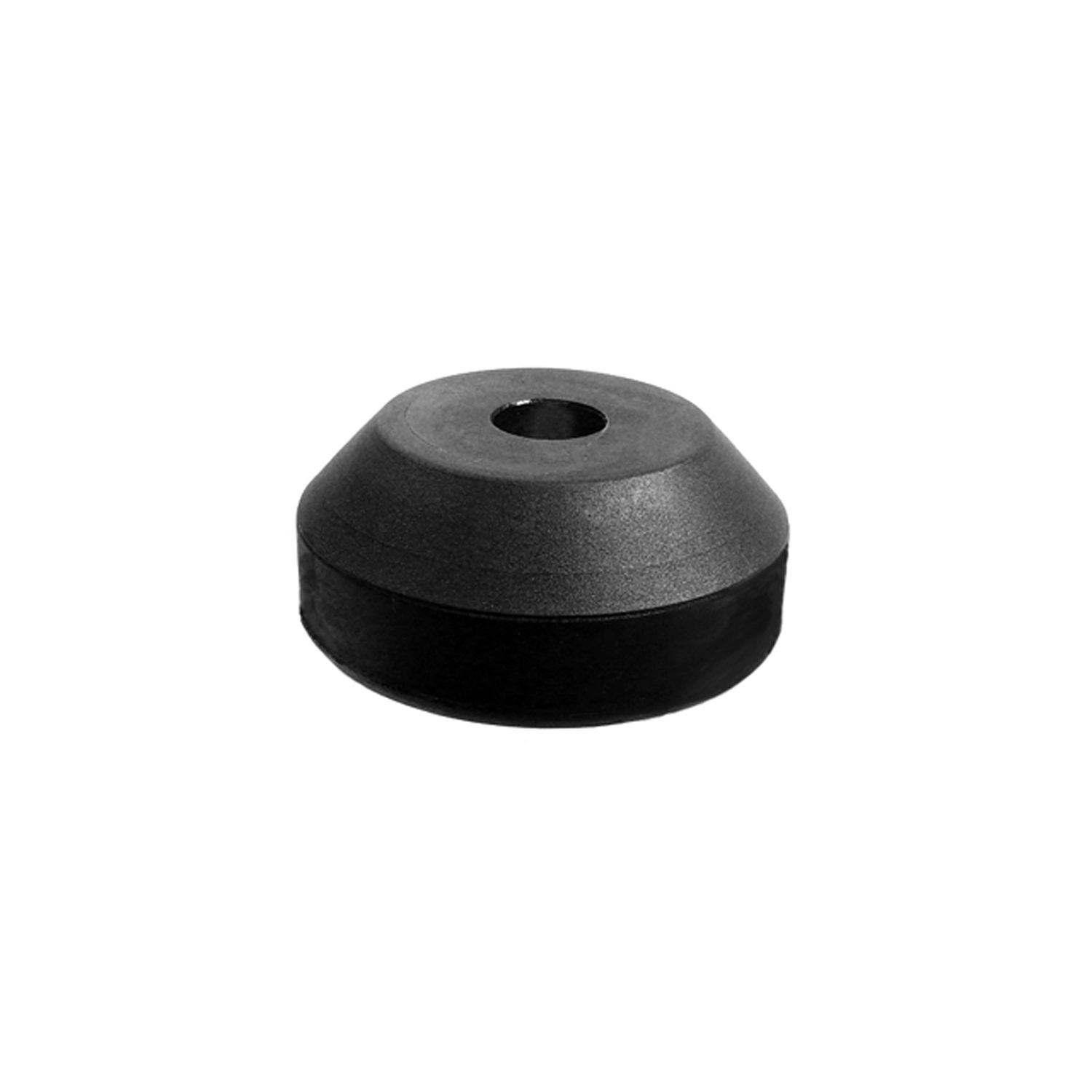 1934 Hudson SERIES LL Upper Motor Mount. 5/8" I.D., 2-5/8" O.D. Each-MM 7-BUpper Motor Mount. 5/8" I.D., 2-5/8" O.D. Each
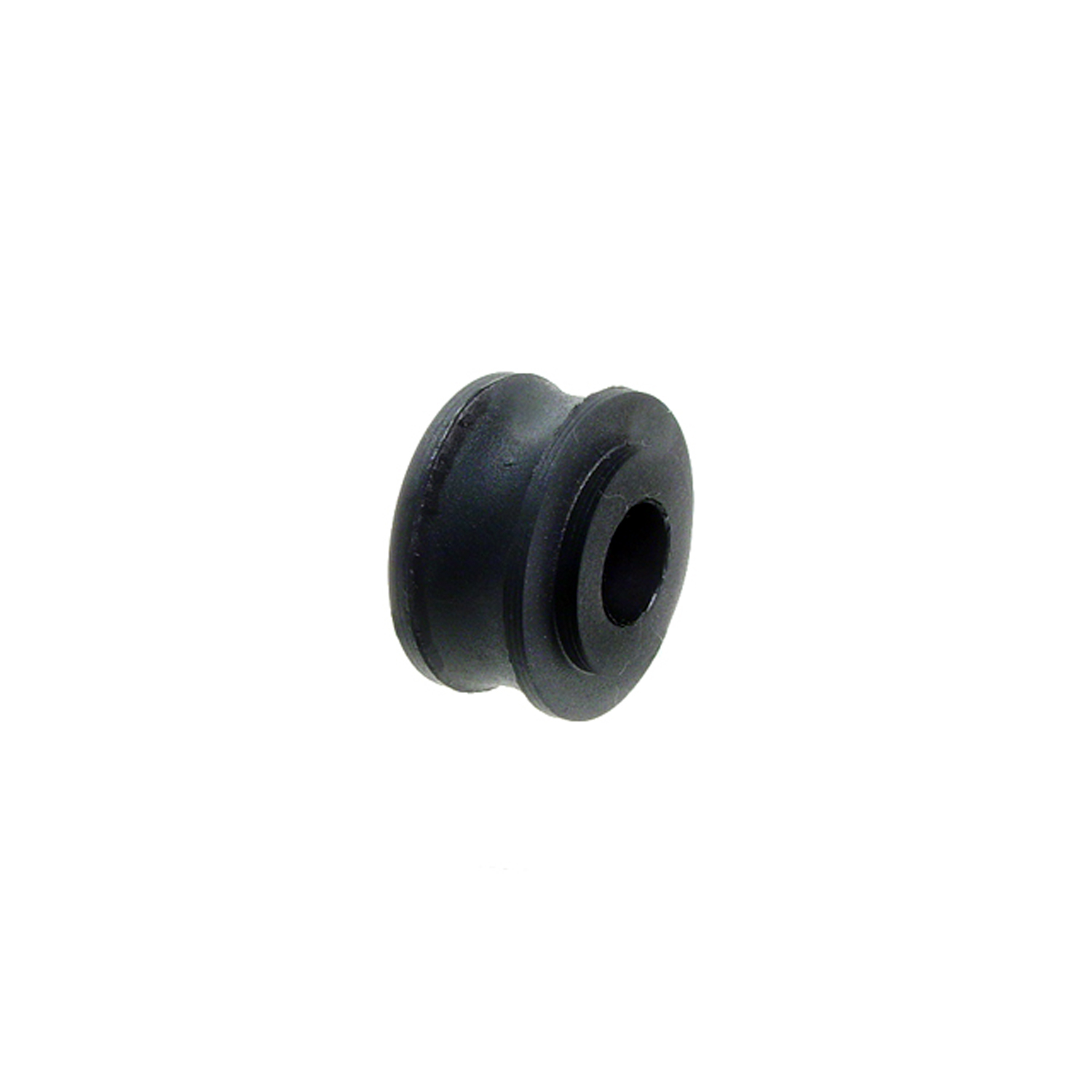 1934 Hudson SERIES LL Lower Motor Mount. 5/8" I.D., 1-5/8" O.D. Each-MM 7-CLower Motor Mount. 5/8" I.D., 1-5/8" O.D. Each
 1934 Hudson SERIES LL Headlight Pads. 7-5/8" long X 3-1/4" wide. Pair-MP 798-EHeadlight Pads. 7-5/8" long X 3-1/4" wide. Pair
 1934 Hudson SERIES LL Tail-light Pads. 3-9/16" long X 2-5/16" wide. Pair-MP 798-FTail-light Pads. 3-9/16" long X 2-5/16" wide. Pair
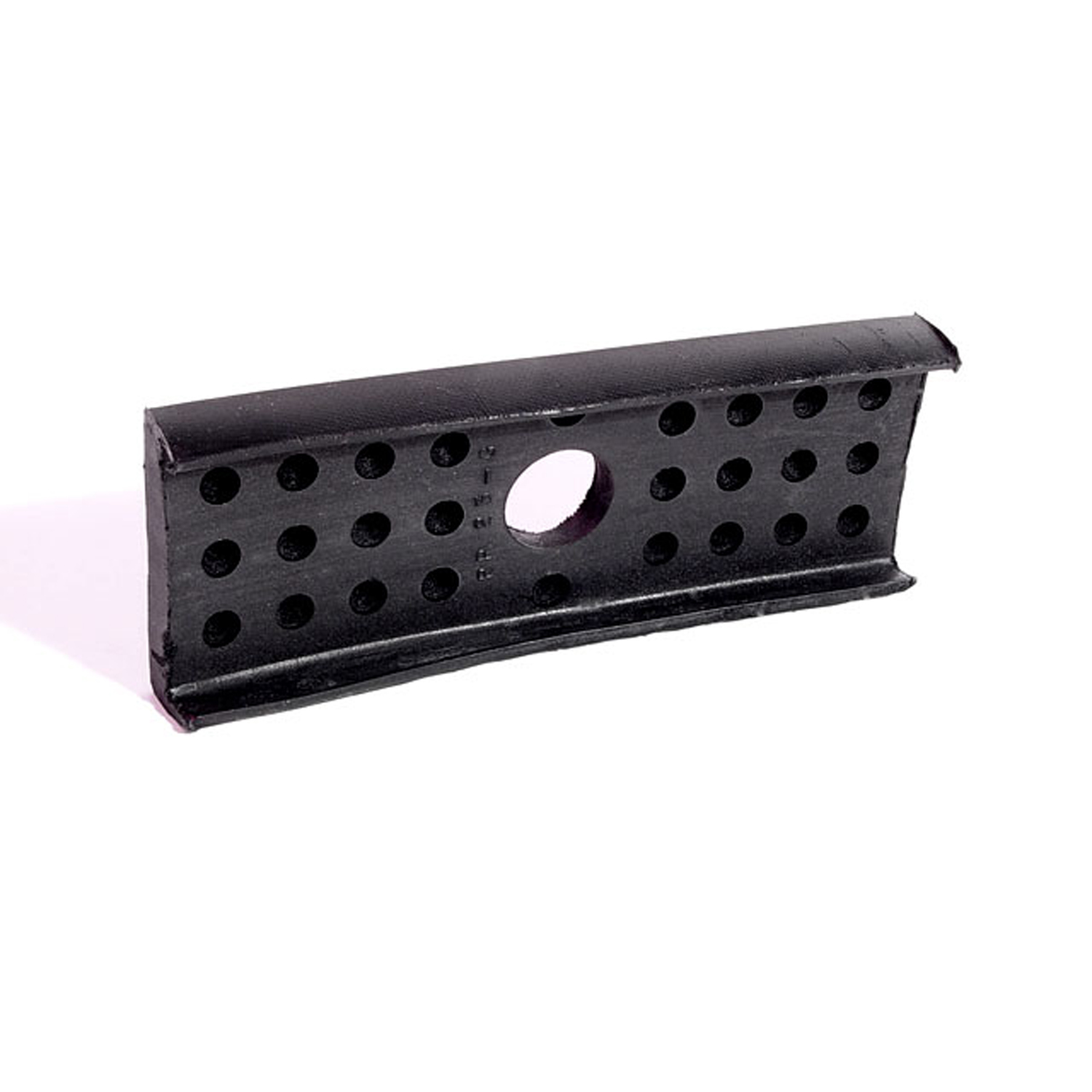 1934 Hudson SERIES LL Rear Leaf Spring Center Mounting Insulator-RP 23-GRear Leaf Spring Center Mounting Insulator. For all 1-3/4" wide leaf springs. Each
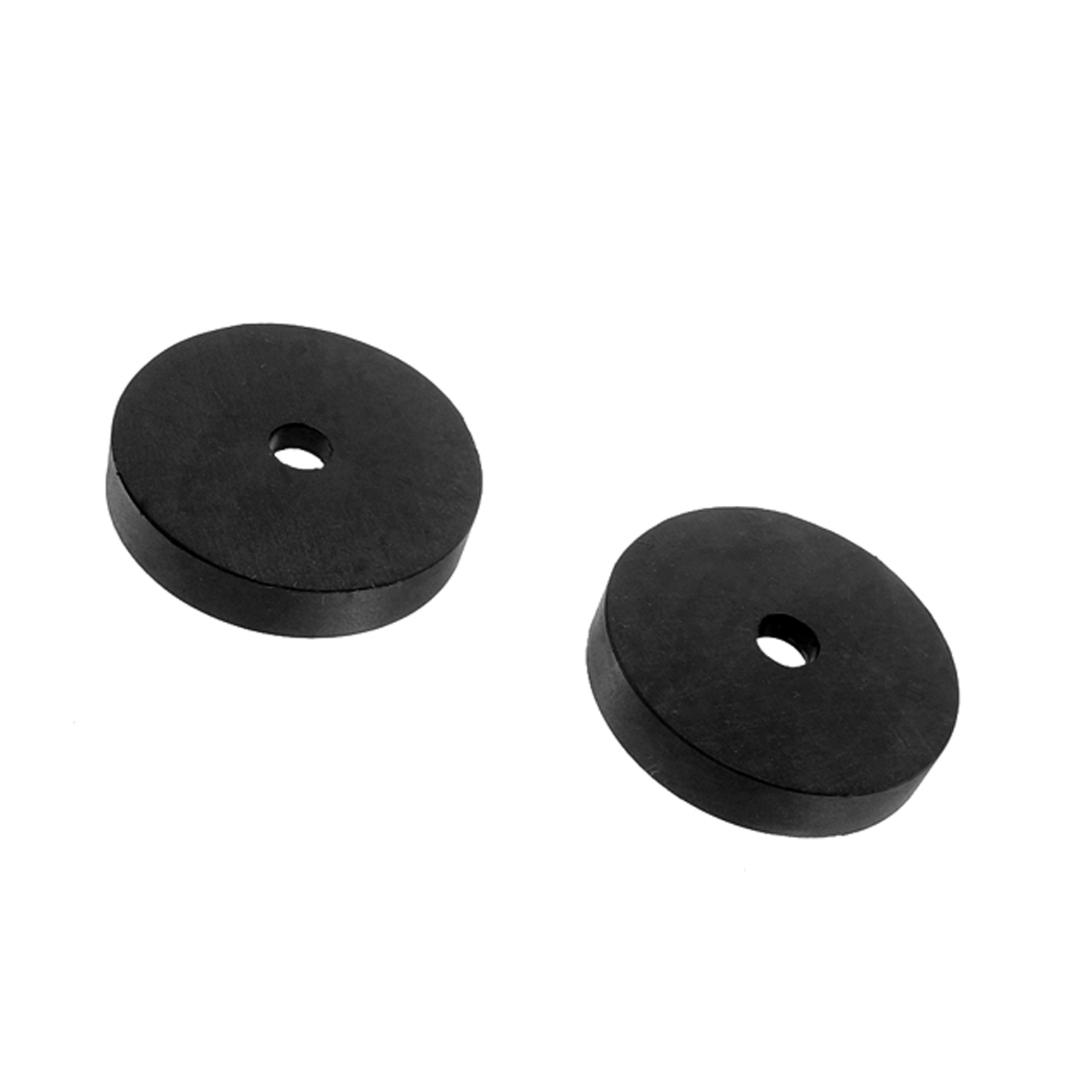 1934 Hudson SERIES LL Clutch and Brake Seals. Seals fit on a round shaft-RP 31-NClutch and Brake Seals. Seals fit on a round shaft. Made of soft rubber. 2-7/16" O.D., 7/16" I.D. Pair
 1934 Hudson SERIES LL Vertical Division Bar Seal. Enough for two vents. Each-VS 1Vertical Division Bar Seal. Enough for two vents. Each
 1934 Hudson SERIES LL Front Vent Window Seals. For disappearing-type vent windows-WR 4502Front Vent Window Seals. For disappearing-type vent windows. Pair R&L
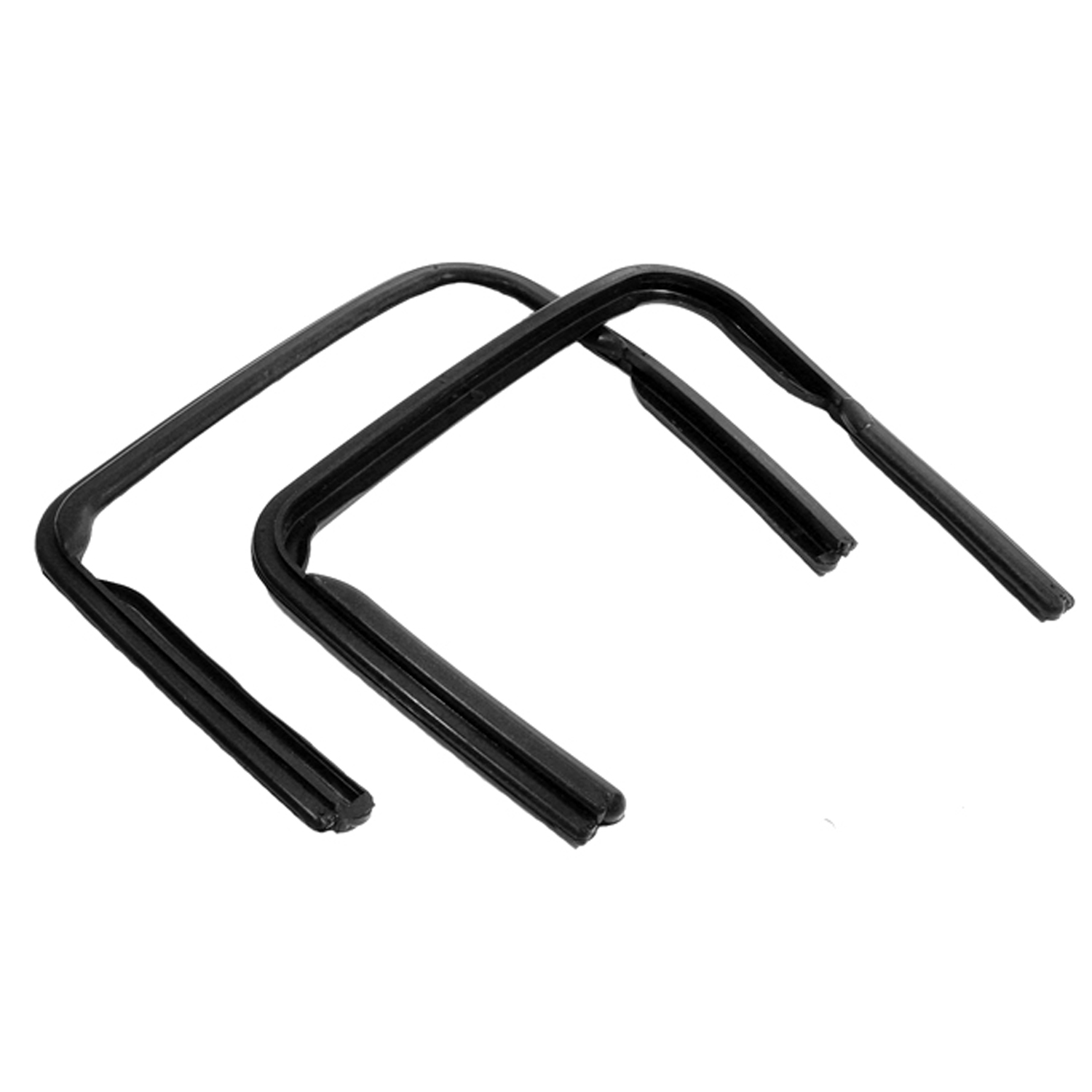 1934 Hudson SERIES LL Front Vent Window Seals, for Convertibles-WR 9Front Vent Window Seals, for Convertibles. 25-1/4" long each. Pair R&L
Why Choose Metro?
For over 100 years, Metro Moulded Parts has been the pinnacle of quality in classic car restoration parts. Our commitment to precision and authenticity in every component ensures a perfect fit and an OEM-level appearance.
- Expert Craftsmanship & Quality: Each part is a testament to our dedication to reliability and perfection, crafted from original designs and thoroughly tested.
- Advanced Technology: We use cutting-edge techniques to create flawless, long-lasting parts that surpass others in performance.
- SuperSoft Sponge – The Ultimate Door Seal: Not only are our door seals 30% softer than competitors', but they're also guaranteed to never leak. They effectively reduce wind and road noise, enhancing your classic car's comfort and driving experience.
- Proudly American: Our parts are a product of American craftsmanship, made in the USA with a spirit of excellence and heritage.
- Unrivaled Warranty: We back our products with a 30-year industry-leading warranty, a testament to our confidence in their quality.
Join us in preserving the legacy of classic cars with parts that are crafted for perfection, not just made.