

Image of 1934 Hudson Series Llu, Note: These illustrations use artistic license and may differ from actual historical models.
Performance Metrics
Fundamental Metrics
Emotional Appeal
MMP Rating
| Engine Specifications | |
|---|---|
| Engine: | Hudson Straight-6 |
| Displacement: | 254 cu in (4.2 L) |
| Horsepower: | Estimated 93-105 hp |
| Torque: | Not available |
| Compression Ratio: | Not available |
| Ignition System: | Distributor and coil |
| Cooling System: | Water-cooled |
| Performance Specifications | |
| 0-60 Time: | Not available |
| 1/4 Mile Time: | Not available |
| Top Speed: | Estimated 70-80 mph |
| Transmission and Drive | |
| Drive Type: | Rear-wheel drive |
| Transmission Type: | 3-speed manual |
| Fuel and Efficiency | |
| Fuel System Type: | Carburetor |
| MPG: | Not available |
| Dimensions and Brakes | |
| Brakes: | Mechanical drum brakes |
| Wheelbase: | 119 inches |
| Weight: | Estimated 3200-3400 lbs |
Note: Specifications for classic cars are given to the best of our ability, considering the limited and variant data available.
1934 Hudson Series L and LU: A Guide to Hudson’s Straight-Eight
The 1934 Hudson Series L and LU paired a smooth straight-eight engine with the long, graceful lines of a prewar American luxury car. Built by the Hudson Motor Car Company of Detroit, Michigan, these models sat above the company’s more affordable Terraplane range and offered buyers a substantial, refined automobile during the depths of the Great Depression.
The name “Series L-LU” is often used to refer to the related L and LU models. The distinction generally came down to chassis and wheelbase: the L was the shorter-wheelbase version, while the LU used a longer chassis suited to roomier bodies. Hudson’s eight-cylinder cars were not the most numerous models in the company’s lineup, but they showcase the engineering and style that helped establish Hudson as a serious rival to other American makes.
One intriguing detail is that a 1934 Hudson Eight could be ordered in several different body configurations, from practical sedans to open cars. The same smooth-running engine and distinctive Hudson character could therefore be found in automobiles with very different personalities.
Art Deco Lines and Hudson Craftsmanship
The Series L and LU wore the formal, upright styling typical of early-1930s luxury cars, but Hudson gave the design a strong identity of its own. A tall, curved radiator shell anchored the front end, flanked by prominent headlamps and sweeping front fenders. The long hood made room for the straight-eight engine, while the passenger cabin flowed back toward a rear section that varied with the body style. Fine brightwork, hood louvers, and carefully shaped fenders added visual detail without overwhelming the car’s proportions.
Inside, the Hudson was built for comfort and a sense of occasion. Depending on body and trim, occupants could find broad upholstered seats, cloth or other period upholstery, a substantial dashboard, and polished metal or wood-grain accents. The materials and finish varied by model and equipment level, but the Eight was positioned as a more substantial car than a basic economy sedan. Its generous interior space was especially noticeable in the longer-wheelbase LU.
Period Hudsons were offered in a range of solid and two-tone paint schemes, with colors changing according to body style, trim, and production choices. Deep blues, greens, maroons, blacks, and subdued earth tones suited the formal character of the car. Two-tone combinations could emphasize the separation between body sections or highlight the fenders. Exact color availability should be confirmed against a factory paint chart or documentation for a specific car, since modern restorations do not always reproduce original combinations.
Body styles varied by series and catalog offering. Buyers could encounter sedans, coupes, and open models, with the exact selection depending on the chassis and equipment. The four-door sedan is among the most recognizable and practical versions today, while convertible models and other open-bodied variants tend to attract extra attention from collectors. A car’s precise body designation matters: surviving examples may have been altered, and the long- and short-wheelbase chassis are not interchangeable in every respect.
Straight-Eight Engineering in 1934
At the heart of the Hudson Eight was a smooth-running L-head, or side-valve, straight-eight engine. Displacement is commonly listed at about 254 cubic inches, with period horsepower figures generally around 113, though published ratings and specifications can vary by source and configuration. The inline layout gave the engine a naturally even, refined character, a quality that mattered to buyers seeking quiet, comfortable touring rather than purely sporting performance.
The Series L and LU also reflect the engineering priorities of their era: a sturdy frame, rear-wheel drive, a manual transmission, and hydraulic brakes. Compared with later cars, the technology was straightforward, but it represented a meaningful step beyond the earliest mechanically braked automobiles. Hudson’s engineering reputation was built on practical improvements and robust construction, not just polished styling.
The model’s larger significance is part of Hudson’s broader story. The company competed in a crowded market by offering well-engineered cars with distinctive styling and strong performance for their class. The 1934 Eight helped preserve that reputation during a period when the Depression was putting pressure on manufacturers and buyers alike. It was not a radical design revolution, but it demonstrated how a traditional layout could still feel polished, capable, and desirable.
Road Manners and Performance
Expect performance figures to be estimates rather than guaranteed specifications. A healthy, correctly tuned Series L or LU may reach roughly 80 to 85 mph, depending on body style, gearing, tires, and mechanical condition. A 0-to-60-mph time in the neighborhood of 20 to 25 seconds is a reasonable modern estimate. These cars were designed for steady road travel, not quick launches or sharp, high-speed cornering.
On a smooth highway, the straight-eight’s appeal becomes clear. It tends to deliver power in a calm, even fashion, with a mellow engine note rather than the sharper sound of a smaller four-cylinder. The car’s long wheelbase, particularly on the LU, helps it settle into a relaxed touring rhythm. The steering and suspension feel more substantial and less precise than those of a modern car, and the driver must plan braking and passing maneuvers well ahead.
Over broken pavement, the Hudson’s weight and period suspension give it a softer, more deliberate ride than a modern sports sedan, though worn springs, tired shock absorbers, and old tires can make any surviving example feel unsettled. On winding roads, it rewards smooth inputs. Its size, steering effort, and modest tire grip encourage measured driving rather than aggressive cornering. The experience is less about carving through bends and more about enjoying the steady cadence of the engine and the view over the long hood.
Living With a 1934 Hudson
Today, most Series L and LU cars serve as show vehicles, touring cars, or prized additions to prewar collections. Some owners use them for local drives and vintage events, but they are rarely practical daily transportation. Their size, fuel consumption, older braking and safety systems, and the availability of specialist parts all make regular modern commuting a challenge.
Maintenance is manageable for an owner who is comfortable with prewar mechanical systems, but it is not the same as servicing a common postwar classic. Routine work includes ignition and carburetor tuning, lubrication, cooling-system care, brake adjustment, and attention to the electrical system. Many basic service tasks are accessible, and the engine’s conventional layout is appealing to experienced hobby mechanics. Body parts, trim, glass, and model-specific components can be harder to locate, so a complete car is often a better starting point than a heavily dismantled project.
Reliability depends heavily on restoration quality and regular use. A well-maintained Hudson can tour reliably at sensible speeds, but an old car that has sat for years may need extensive work before it is roadworthy. Buyers should inspect the frame, floor structure, engine, transmission, brakes, cooling system, and electrical components carefully. For a rare prewar car, a specialist inspection is money well spent.
Hudson Trivia and Common Criticisms
The L and LU are sometimes confused with Hudson’s Terraplane models, but they belong to the Hudson Eight side of the 1934 lineup. The distinction is worth remembering when researching parts, production figures, or restoration details. The two model families shared a manufacturer and period styling cues, but they were different cars with different specifications.
There is no widely established production total that neatly covers every Series L and LU body style, so precise claims should be treated cautiously. The cars were part of a broader Hudson lineup produced during a difficult economic period, and surviving examples are now uncommon. Their rarity is especially apparent in unusual body styles, where an original, documented car can be much harder to find than a sedan.
Common criticisms are familiar to anyone who drives a prewar automobile: braking distances are long by modern standards, steering can feel heavy, safety equipment is limited, and the cabin may be noisy at speed. Parts availability can also frustrate restorers. These are not flaws unique to Hudson, but they are important realities for anyone considering ownership. On the positive side, the smooth straight-eight and distinctive styling give the car a character that is difficult to reproduce in a newer classic.
Collector Values and Market Outlook
Values vary widely with body style, originality, restoration quality, and documentation. As a broad 2026 estimate in U.S. dollars, a rough project car might fall around $10,000 to $25,000. A running, usable example may bring approximately $25,000 to $45,000, while a high-quality restored sedan could reach roughly $50,000 to $85,000. Rare open models or exceptional, correctly restored examples can exceed those figures, potentially reaching $80,000 to $130,000 or more when condition and provenance support the price.
Those ranges are estimates, not a formal appraisal. The market for prewar cars is narrower than for more familiar postwar classics, and the value of an individual Hudson depends strongly on finding the right buyer. Originality, correct chassis identification, quality restoration work, and a documented history all help. A poorly executed restoration can cost more to correct than a sound, unrestored car.
Exact production figures for the L and LU are difficult to pin down across all body configurations. A cautious best guess is that combined production was in the several-thousand range, perhaps around 4,000 to 8,000 cars, rather than a mass-market total. That estimate should not be treated as a confirmed factory count. In recent years, well-preserved prewar cars have generally held collector interest, but values can be uneven and are not guaranteed to rise. Exceptional examples have the strongest prospects, while ordinary projects may remain relatively stable or sell slowly.
Why the 1934 Hudson Eight Still Matters
The 1934 Hudson Series L and LU combine a refined straight-eight, graceful prewar styling, and a choice of bodies that ranged from practical to genuinely special. They reflect a time when American manufacturers competed through engineering, craftsmanship, and presence on the road, even as the Depression made the market increasingly difficult.
For collectors, the Hudson offers more than a handsome radiator and a long hood. It is a rewarding example of the company’s independent spirit and a reminder of how smooth, confident touring felt before modern traffic and technology changed the rules. A well-kept Series L or LU does not need to be the fastest car on the road to make an impression; its quiet strength and unmistakable prewar character do that all by themselves.
1934 Hudson Series Llu Catalog of Parts
 1934 Hudson SERIES LLU Spare Tire Mount. 1/2" top I.D., 1" Bottom I.D., 1-5/8" O.D-CG 50Spare Tire Mount. 1/2" top I.D., 1" Bottom I.D., 1-5/8" O.D. Each
 1934 Hudson SERIES LLU Hood Corners. Used at rear of hood. Slip-over type-HC 28-AHood Corners. Used at rear of hood. Slip-over type. 60° angle. No steel. It will duplicate the original appearance. 1-3/4" wide. Pair
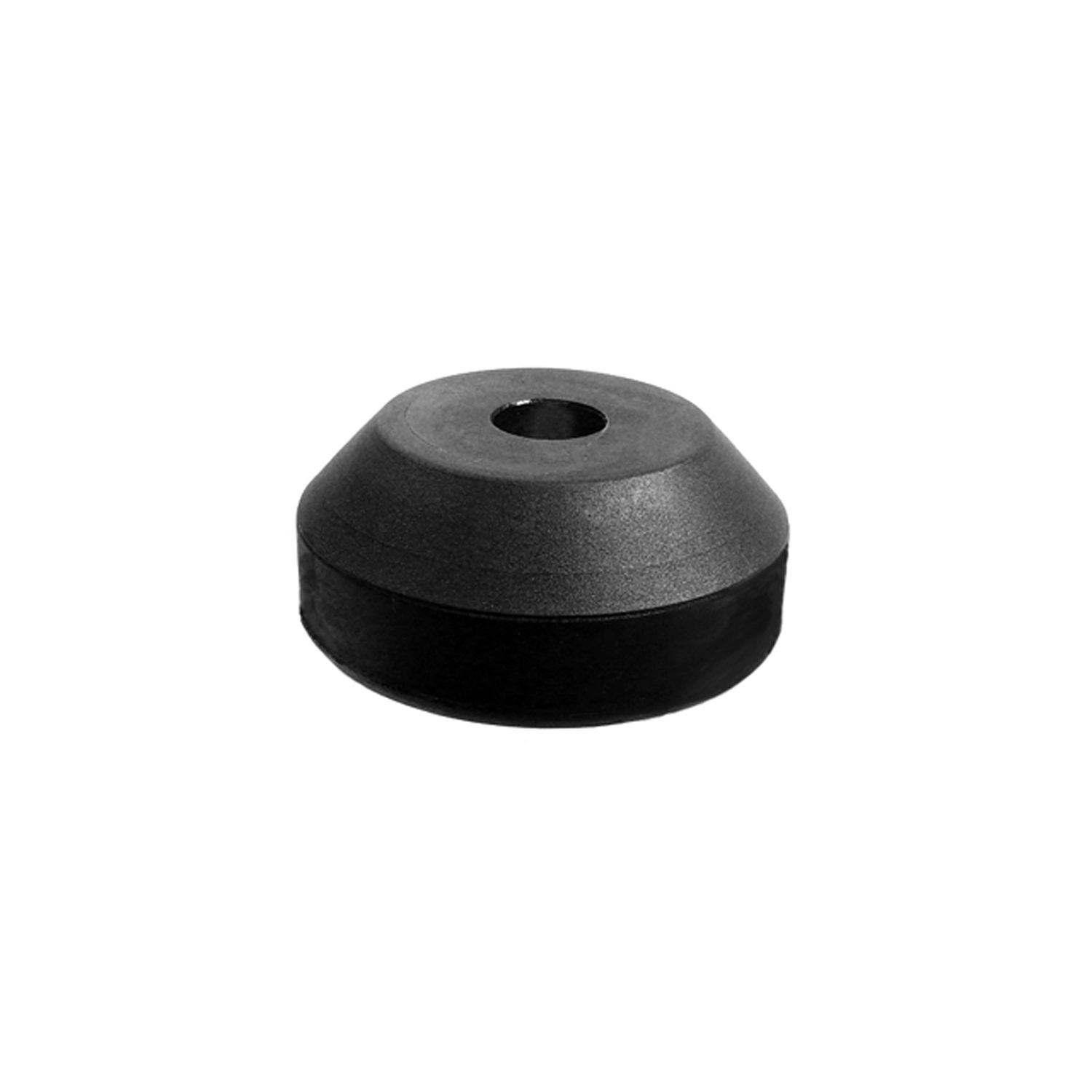 1934 Hudson SERIES LLU Upper Motor Mount. 5/8" I.D., 2-5/8" O.D. Each-MM 7-BUpper Motor Mount. 5/8" I.D., 2-5/8" O.D. Each
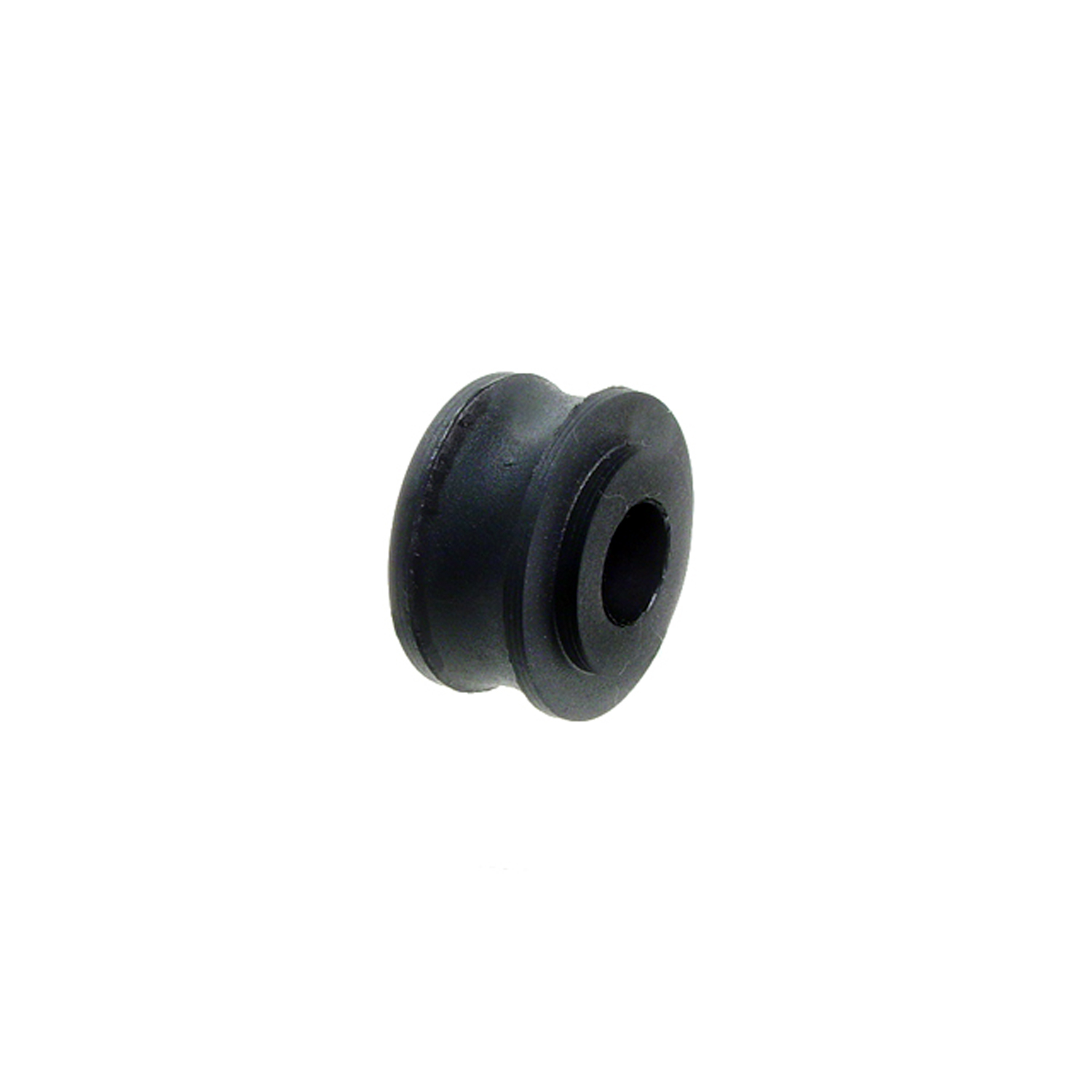 1934 Hudson SERIES LLU Lower Motor Mount. 5/8" I.D., 1-5/8" O.D. Each-MM 7-CLower Motor Mount. 5/8" I.D., 1-5/8" O.D. Each
 1934 Hudson SERIES LLU Headlight Pads. 7-5/8" long X 3-1/4" wide. Pair-MP 798-EHeadlight Pads. 7-5/8" long X 3-1/4" wide. Pair
 1934 Hudson SERIES LLU Tail-light Pads. 3-9/16" long X 2-5/16" wide. Pair-MP 798-FTail-light Pads. 3-9/16" long X 2-5/16" wide. Pair
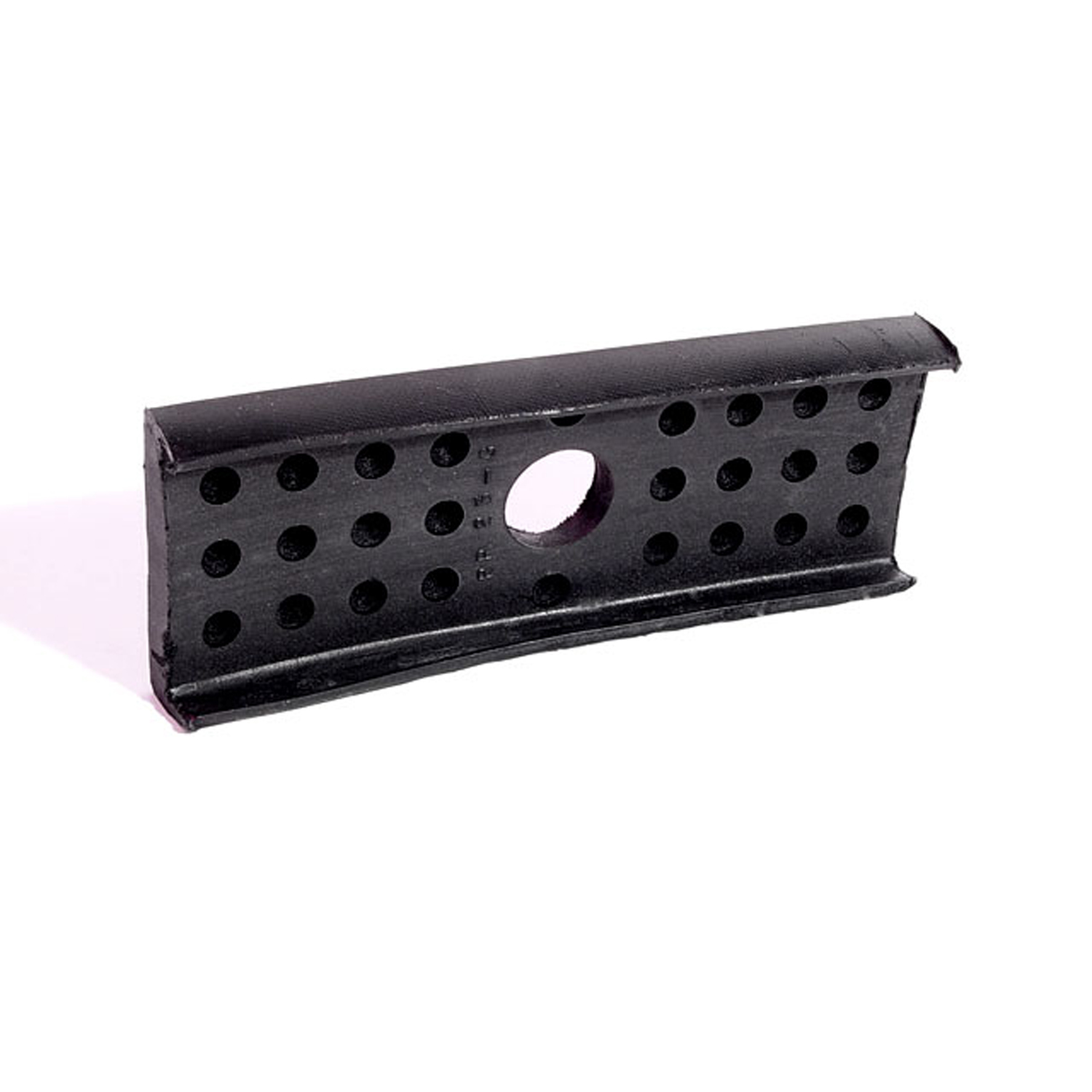 1934 Hudson SERIES LLU Rear Leaf Spring Center Mounting Insulator-RP 23-GRear Leaf Spring Center Mounting Insulator. For all 1-3/4" wide leaf springs. Each
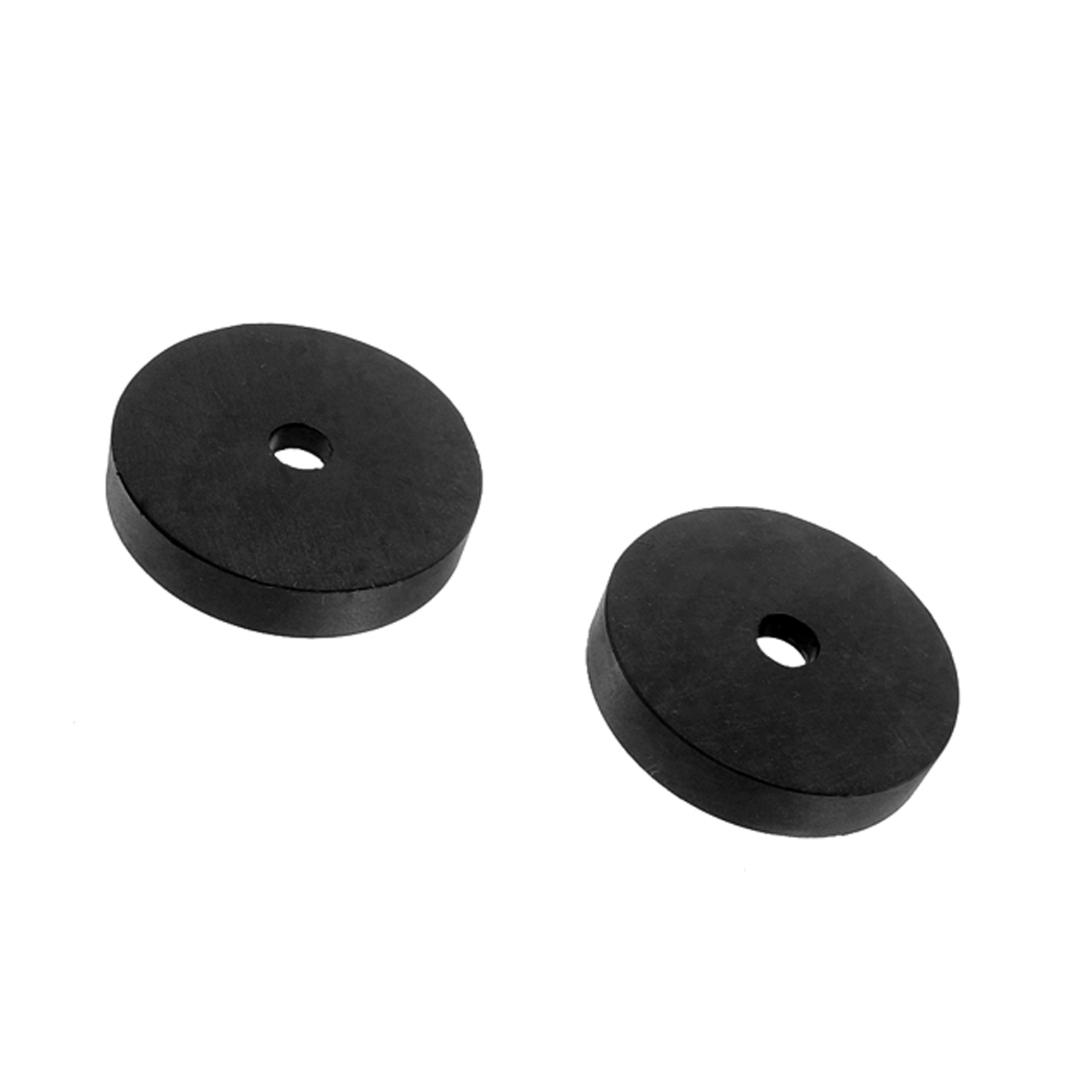 1934 Hudson SERIES LLU Clutch and Brake Seals. Seals fit on a round shaft-RP 31-NClutch and Brake Seals. Seals fit on a round shaft. Made of soft rubber. 2-7/16" O.D., 7/16" I.D. Pair
 1934 Hudson SERIES LLU Vertical Division Bar Seal. Enough for two vents. Each-VS 1Vertical Division Bar Seal. Enough for two vents. Each
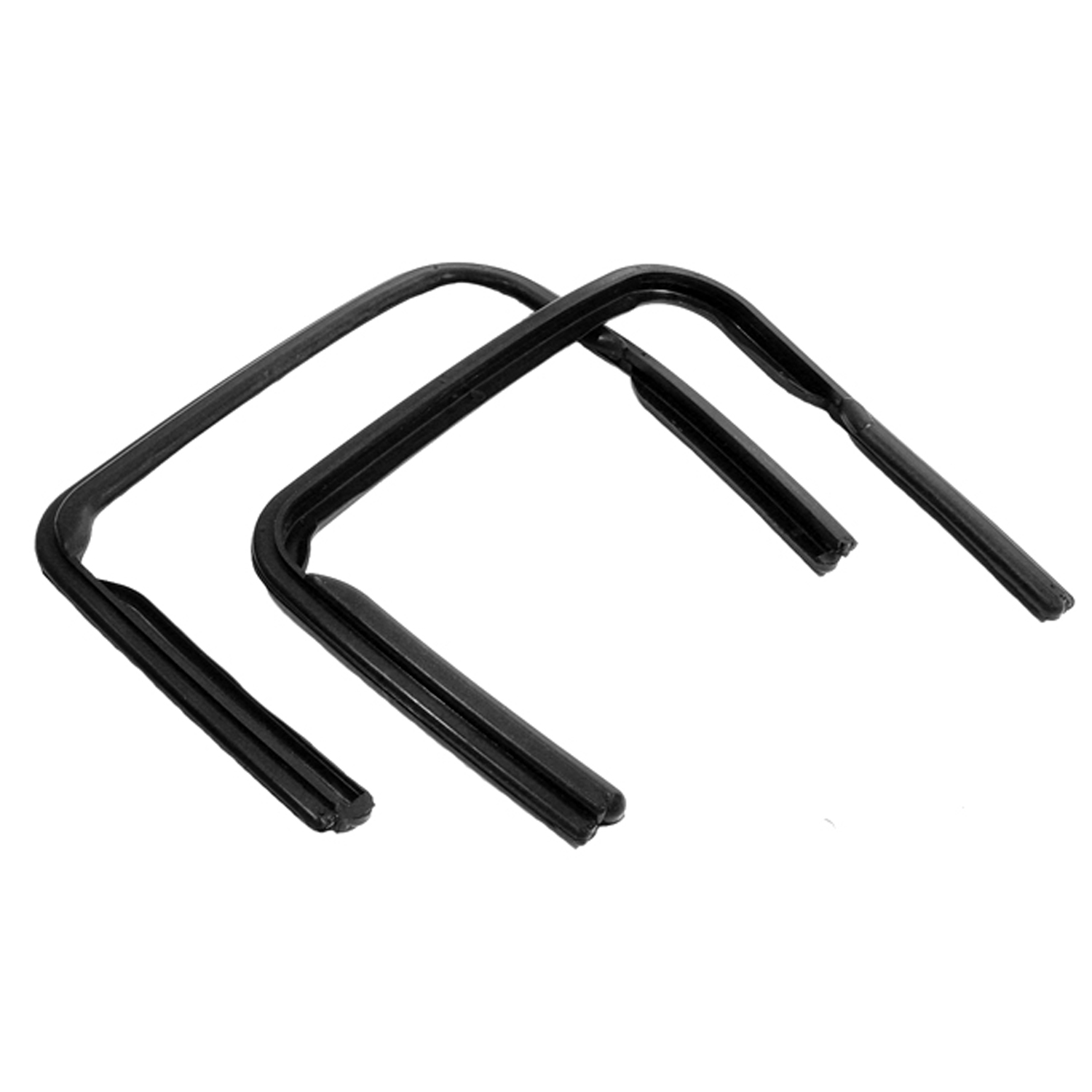 1934 Hudson SERIES LLU Front Vent Window Seals, for Convertibles-WR 9Front Vent Window Seals, for Convertibles. 25-1/4" long each. Pair R&L
Why Choose Metro?
For over 100 years, Metro Moulded Parts has been the pinnacle of quality in classic car restoration parts. Our commitment to precision and authenticity in every component ensures a perfect fit and an OEM-level appearance.
- Expert Craftsmanship & Quality: Each part is a testament to our dedication to reliability and perfection, crafted from original designs and thoroughly tested.
- Advanced Technology: We use cutting-edge techniques to create flawless, long-lasting parts that surpass others in performance.
- SuperSoft Sponge – The Ultimate Door Seal: Not only are our door seals 30% softer than competitors', but they're also guaranteed to never leak. They effectively reduce wind and road noise, enhancing your classic car's comfort and driving experience.
- Proudly American: Our parts are a product of American craftsmanship, made in the USA with a spirit of excellence and heritage.
- Unrivaled Warranty: We back our products with a 30-year industry-leading warranty, a testament to our confidence in their quality.
Join us in preserving the legacy of classic cars with parts that are crafted for perfection, not just made.