

Image of 1934 Hudson Series Lt, Note: These illustrations use artistic license and may differ from actual historical models.
Performance Metrics
Fundamental Metrics
Emotional Appeal
MMP Rating
| Engine Specifications | |
|---|---|
| Engine: | Hudson Straight-6 |
| Displacement: | 254 cubic inches |
| Horsepower: | Estimated 93-105 hp |
| Torque: | Information not available |
| Compression Ratio: | 6.0:1 |
| Ignition System: | Distributor and coil |
| Cooling System: | Liquid-cooled |
| Performance Specifications | |
| 0-60 Time: | Information not available |
| 1/4 Mile Time: | Information not available |
| Top Speed: | Estimated 75-85 mph |
| Transmission and Drive | |
| Drive Type: | Rear-wheel drive |
| Transmission Type: | 3-speed manual |
| Fuel and Efficiency | |
| Fuel System Type: | Carburetor |
| MPG: | Information not available |
| Dimensions and Brakes | |
| Brakes: | Mechanical drum brakes |
| Wheelbase: | 119 inches |
| Weight: | Estimated 3,200-3,400 lbs |
Note: Specifications for classic cars are given to the best of our ability, considering the limited and variant data available.
1934 Hudson Series LT: A Refined Six From a Changing Era
The 1934 Hudson Series LT brought big-car comfort and thoughtful engineering to an American market eager for style, value, and dependable performance. Built by Hudson Motor Car Company in Detroit, the LT was part of the company’s Hudson Six line, positioned above the more affordable Terraplane models and alongside Hudson’s larger, more powerful cars.
Hudson was an independent automaker competing with giants such as General Motors, Ford, and Chrysler. Its reputation rested on sturdy construction, capable engines, and a willingness to engineer beyond the basics. The Series LT is a useful snapshot of Hudson during the early 1930s: traditional in its body-on-frame layout, yet increasingly streamlined in appearance.
A detail worth keeping straight is that the Series LT was a Hudson Six, not a Terraplane. The two marques shared the Hudson family’s engineering and showroom presence, but they occupied different places in the range. Terraplane’s celebrated hill-climb and speed exploits helped build Hudson’s performance image, while the LT offered a more substantial, comfort-oriented alternative.
Streamlined Hudson Styling and Cabin Craft
The LT wore the confident proportions typical of a full-size American car of the period. Its long hood, upright windshield, separate fenders, and running boards made its construction unmistakably prewar, while a tapered radiator shell and smoothly shaped hood gave the front end a more aerodynamic impression than the squared-off cars of only a few years earlier. Large headlamps sat proudly on either side of the grille, and the sweeping fenders gave the car a strong, planted stance.
Hudson’s styling was not as radical as the Chrysler Airflow’s, but it reflected the industry’s growing interest in streamlined forms. The result was handsome rather than startling: a car that looked modern in 1934 without asking buyers to abandon familiar proportions.
Inside, the LT emphasized space and finish. Depending on body style and trim level, occupants could find broad cloth upholstery, a generous front seat, substantial door panels, and polished metal or wood-grain dashboard details. The cabin was designed for long-distance comfort, with a high seating position and large windows that provided good visibility by period standards. Materials and trim varied, so surviving cars can differ considerably from one another.
Factory paint choices changed with body and trim combinations, but period colors commonly included dark blue, green, maroon, gray, and black, sometimes paired with contrasting details. Deep, conservative colors suited the LT’s formal character and remain popular among restorers. Anyone planning a historically accurate repaint should check the car’s original paint remnants or factory documentation rather than rely on a generic color chart.
Hudson offered its 1934 cars in a range of closed and open body styles across the lineup, including sedans and coupe-type models. Exact availability depended on the Series LT body and equipment package. Four-door sedans are especially appealing to collectors who want the car’s full touring character, while coupes offer a more personal, sporting profile. The LT’s broad, practical sedan form is arguably its most representative look.
Engineering in the 1934 Hudson Six
At the heart of the Series LT was a side-valve, or L-head, inline six displacing about 212 cubic inches. Period specifications generally place output at roughly 93 horsepower, delivered through a three-speed manual transmission. The engine favored low-speed pulling power and smooth, unhurried progress over high-revving performance.
Hydraulic drum brakes were an important part of the car’s everyday engineering, giving the driver more consistent braking than the mechanical systems still found on some older cars. The LT also used a conventional frame and solid-axle suspension with leaf springs. That layout was familiar and durable, and it suited the rough roads and long-distance travel of the time.
The Series LT did not introduce one revolutionary feature that transformed the whole industry. Its appeal came from the way Hudson combined sound mechanical design, a strong six-cylinder engine, comfortable proportions, and contemporary styling in a single package. That balance helped the company compete as an independent manufacturer in an increasingly concentrated market.
Road Manners, Speed, and Driving Feel
Exact performance depended on body weight, gearing, mechanical condition, and the accuracy of period testing. A healthy 1934 Hudson Six could likely reach about 75 to 80 mph, with a 0-to-60-mph time in the neighborhood of 20 seconds. Those figures are estimates, not modern instrumented test results, and they describe a well-maintained example rather than every surviving car.
Behind the wheel, the LT rewards a measured driving style. The six-cylinder engine produces a steady, muted rumble, and the manual gearbox encourages deliberate shifts. Acceleration feels relaxed by modern standards, but the engine’s useful torque makes it comfortable in ordinary traffic and on rolling roads.
The long wheelbase and leaf-spring suspension soften many bumps, especially with the car carrying passengers. On a winding road, the LT feels substantial rather than nimble. Steering takes more effort at low speeds, body lean is noticeable, and narrow tires offer less grip than modern rubber. In crosswinds, the tall body can require steady corrections. A well-sorted example is pleasant on country roads, but it is best driven with space, patience, and respect for its age.
Living With a Series LT Today
Today, a 1934 Hudson Series LT is most often used as a show car, parade car, or occasional touring vehicle. It can still cover meaningful distances when properly restored, but modern highways demand care. Maintaining a sensible cruising speed, checking the cooling system, and allowing extra stopping distance are part of responsible prewar-car ownership.
The basic mechanical layout is straightforward for a competent hobby mechanic. The engine, manual gearbox, drum brakes, and leaf-spring suspension are understandable systems, and many service tasks do not require specialized electronic equipment. The challenge is finding correct parts and preserving the car’s original details. Wear in the steering, brakes, and suspension should be addressed before regular road use, and the cooling system deserves careful attention in warm weather.
Body and trim restoration can be more demanding than routine mechanical work. Replacement parts are not as easy to locate as they are for high-volume Fords or Chevrolets, and some pieces may need to be repaired or fabricated. A pre-purchase inspection by a mechanic familiar with prewar Hudsons can help reveal hidden rust, incomplete restoration work, or missing model-specific components.
Hudson LT Facts and Myths
The Series LT should not be credited with every famous Hudson achievement. The brand’s best-known 1930s performance stories often involve Terraplane models, including their hill-climb reputation. The LT belongs to the same broader Hudson story, but it was primarily a comfortable, capable six-cylinder touring car rather than a dedicated record-breaker.
There is no widely recognized speed or endurance record specifically associated with the Series LT. Nor is it known as a regular feature of a major historical event or as a model tied to a famous celebrity owner. Its significance is quieter: it represents the work of an independent American automaker trying to build distinctive, well-engineered cars through a difficult decade.
Common criticisms are familiar to owners of many prewar cars. The LT is slow by modern standards, its braking and handling require more anticipation, and the supply of correct parts can be limited. Its period-correct upholstery and trim may also be costly to restore. Those drawbacks are balanced by a distinctive presence, a comfortable ride, and a straightforward mechanical character.
1934 Hudson Series LT Values and Rarity
Hudson did not leave an easily available, definitive production breakdown for every Series LT body style. As a practical estimate, total LT production may have been in the range of roughly 5,000 to 10,000 cars, though that figure should be treated as a collector-market estimate rather than a confirmed factory count. The number surviving today is much smaller, and complete, correctly restored examples appear only occasionally.
Value depends heavily on body style, originality, restoration quality, and documentation. A project car may sell for roughly $5,000 to $12,000, while a sound driver could fall around $15,000 to $30,000. A high-quality restoration or especially desirable body style may reach approximately $35,000 to $55,000 or more. These are broad U.S. market estimates, not guaranteed sale prices.
Prewar closed cars generally attract a smaller audience than convertibles and sporting models, which can limit price growth. Still, well-presented Hudsons have a loyal following, and the Series LT’s rarity can appeal to collectors seeking something less familiar than the usual Ford or Chevrolet. Values are best described as steady to selectively appreciating for excellent, documented examples, while ordinary projects remain sensitive to restoration costs.
Why the Hudson Series LT Still Matters
The 1934 Hudson Series LT combines a strong six-cylinder engine, hydraulic braking, comfortable road manners, and understated streamlining in a distinctly prewar package. It was not a headline-grabbing record car, but it represented Hudson’s effort to deliver thoughtful engineering and style while competing against far larger manufacturers.
For today’s enthusiast, the LT offers more than vintage curb appeal. It is a reminder that independent automakers helped shape American motoring through practical innovation, confident design, and cars built to travel. In the right hands, a Series LT remains a handsome, rewarding link to that history.
1934 Hudson Series Lt Catalog of Parts
 1934 Hudson SERIES LT Spare Tire Mount. 1/2" top I.D., 1" Bottom I.D., 1-5/8" O.D-CG 50Spare Tire Mount. 1/2" top I.D., 1" Bottom I.D., 1-5/8" O.D. Each
 1934 Hudson SERIES LT Hood Corners. Used at rear of hood. Slip-over type-HC 28-AHood Corners. Used at rear of hood. Slip-over type. 60° angle. No steel. It will duplicate the original appearance. 1-3/4" wide. Pair
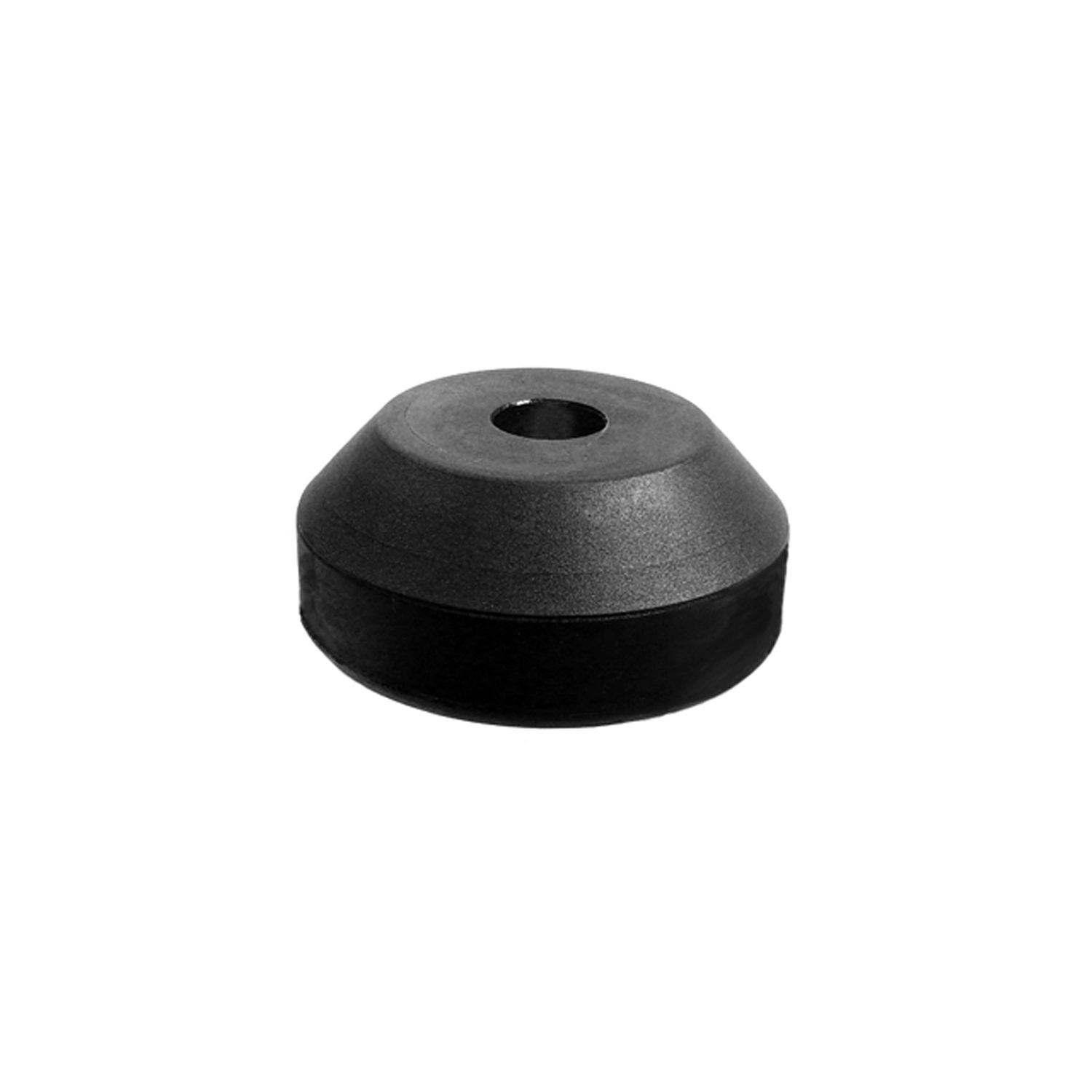 1934 Hudson SERIES LT Upper Motor Mount. 5/8" I.D., 2-5/8" O.D. Each-MM 7-BUpper Motor Mount. 5/8" I.D., 2-5/8" O.D. Each
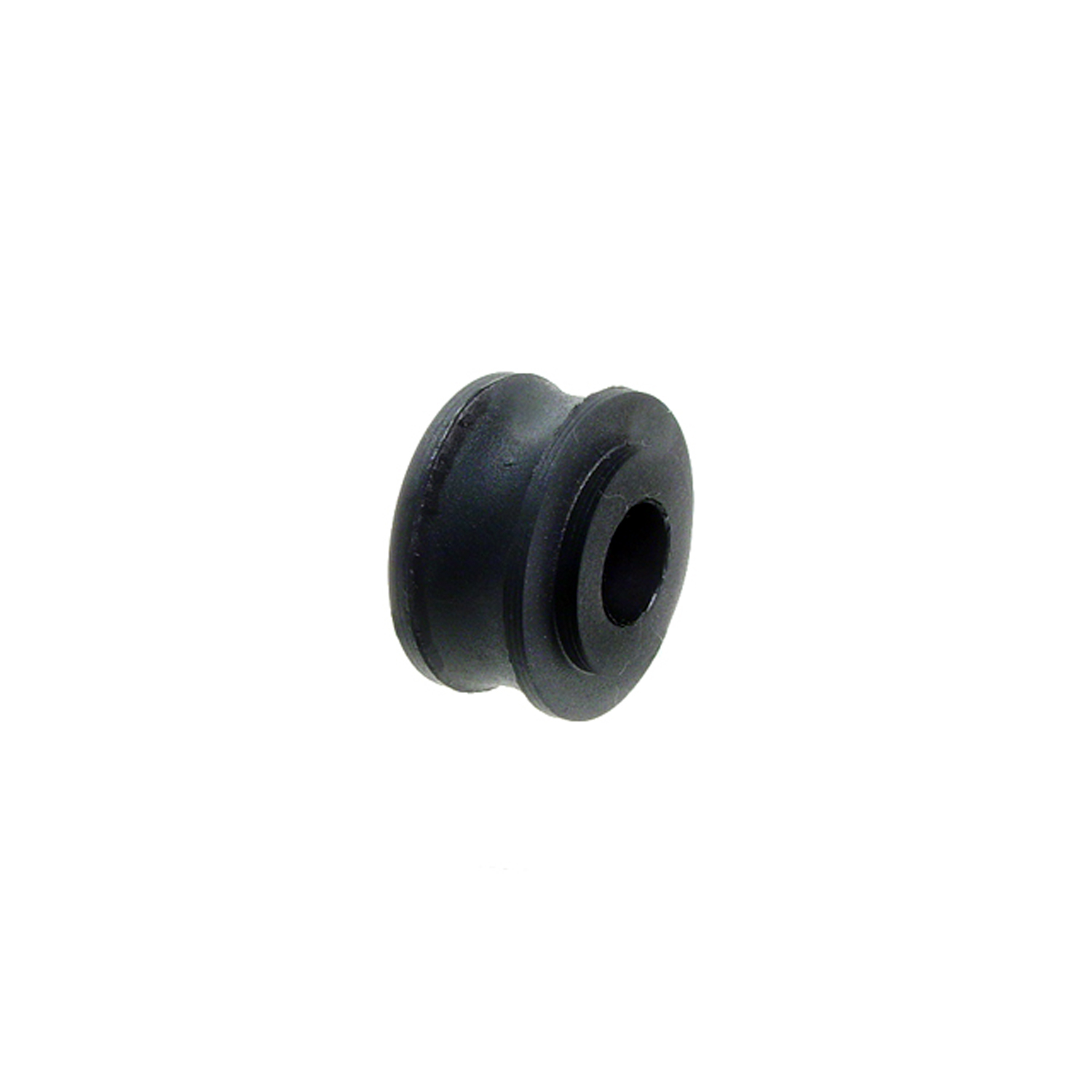 1934 Hudson SERIES LT Lower Motor Mount. 5/8" I.D., 1-5/8" O.D. Each-MM 7-CLower Motor Mount. 5/8" I.D., 1-5/8" O.D. Each
 1934 Hudson SERIES LT Headlight Pads. 7-5/8" long X 3-1/4" wide. Pair-MP 798-EHeadlight Pads. 7-5/8" long X 3-1/4" wide. Pair
 1934 Hudson SERIES LT Tail-light Pads. 3-9/16" long X 2-5/16" wide. Pair-MP 798-FTail-light Pads. 3-9/16" long X 2-5/16" wide. Pair
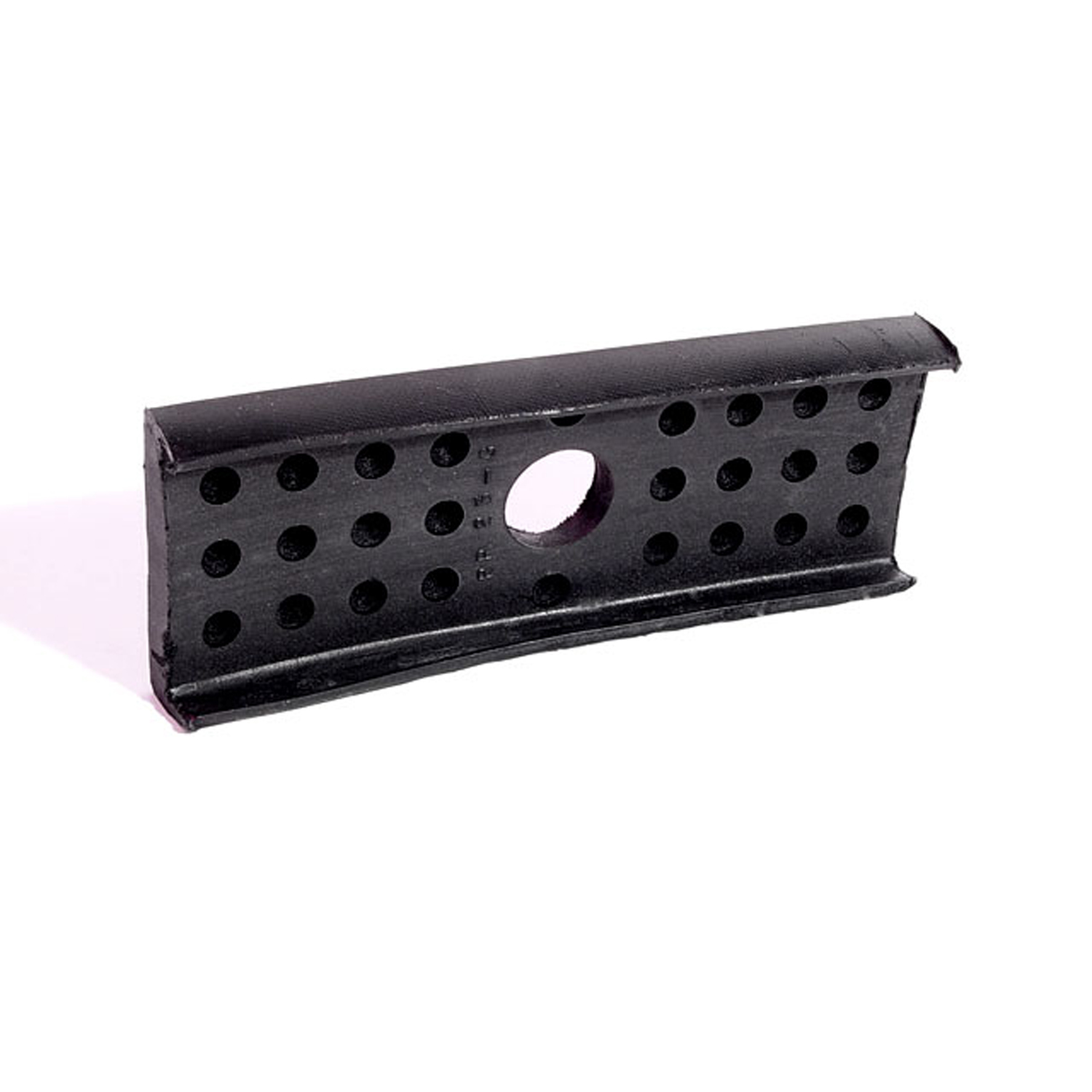 1934 Hudson SERIES LT Rear Leaf Spring Center Mounting Insulator-RP 23-GRear Leaf Spring Center Mounting Insulator. For all 1-3/4" wide leaf springs. Each
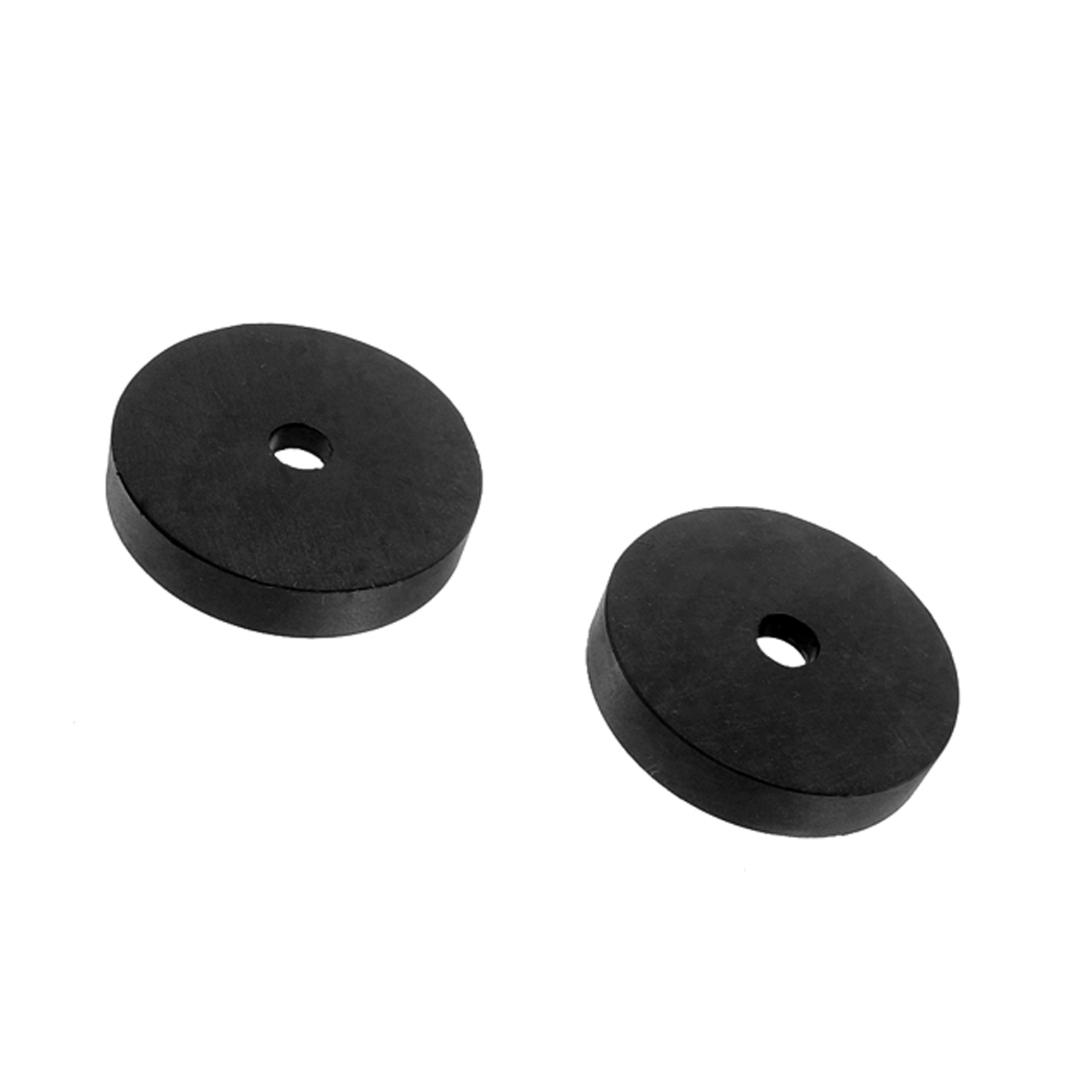 1934 Hudson SERIES LT Clutch and Brake Seals. Seals fit on a round shaft-RP 31-NClutch and Brake Seals. Seals fit on a round shaft. Made of soft rubber. 2-7/16" O.D., 7/16" I.D. Pair
 1934 Hudson SERIES LT Vertical Division Bar Seal. Enough for two vents. Each-VS 1Vertical Division Bar Seal. Enough for two vents. Each
 1934 Hudson SERIES LT Front Vent Window Seals. For disappearing-type vent windows-WR 4502Front Vent Window Seals. For disappearing-type vent windows. Pair R&L
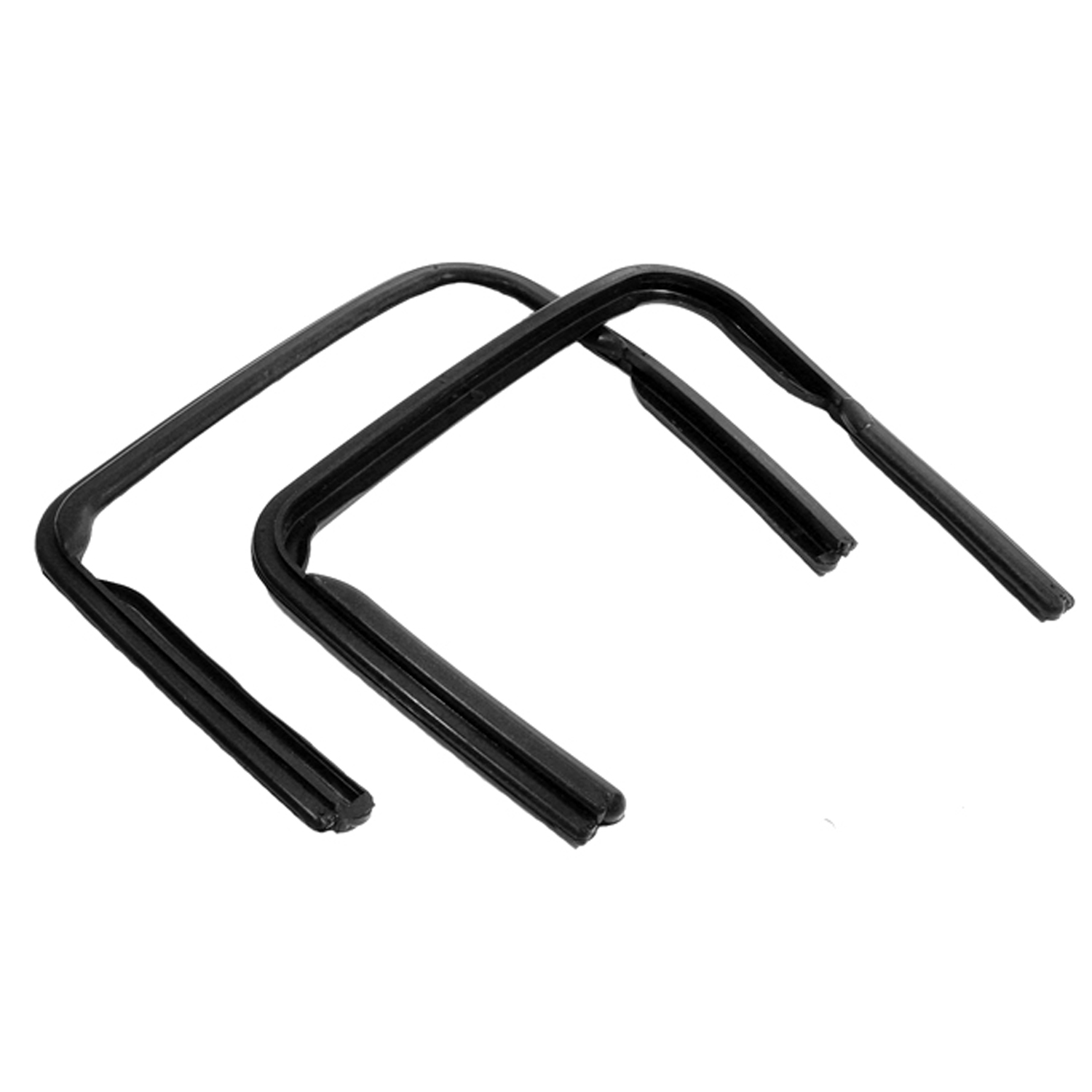 1934 Hudson SERIES LT Front Vent Window Seals, for Convertibles-WR 9Front Vent Window Seals, for Convertibles. 25-1/4" long each. Pair R&L
Why Choose Metro?
For over 100 years, Metro Moulded Parts has been the pinnacle of quality in classic car restoration parts. Our commitment to precision and authenticity in every component ensures a perfect fit and an OEM-level appearance.
- Expert Craftsmanship & Quality: Each part is a testament to our dedication to reliability and perfection, crafted from original designs and thoroughly tested.
- Advanced Technology: We use cutting-edge techniques to create flawless, long-lasting parts that surpass others in performance.
- SuperSoft Sponge – The Ultimate Door Seal: Not only are our door seals 30% softer than competitors', but they're also guaranteed to never leak. They effectively reduce wind and road noise, enhancing your classic car's comfort and driving experience.
- Proudly American: Our parts are a product of American craftsmanship, made in the USA with a spirit of excellence and heritage.
- Unrivaled Warranty: We back our products with a 30-year industry-leading warranty, a testament to our confidence in their quality.
Join us in preserving the legacy of classic cars with parts that are crafted for perfection, not just made.