

Image of 1934 Hudson Series Lts, Note: These illustrations use artistic license and may differ from actual historical models.
Performance Metrics
Fundamental Metrics
Emotional Appeal
MMP Rating
| Engine Specifications | |
|---|---|
| Engine: | Hudson Straight-6 |
| Displacement: | 254 cubic inches |
| Horsepower: | Estimated 93-105 hp |
| Torque: | Not available |
| Compression Ratio: | Not available |
| Ignition System: | Battery and coil |
| Cooling System: | Water-cooled |
| Performance Specifications | |
| 0-60 Time: | Not available |
| 1/4 Mile Time: | Not available |
| Top Speed: | 80 mph |
| Transmission and Drive | |
| Drive Type: | Rear-wheel drive |
| Transmission Type: | 3-speed manual |
| Fuel and Efficiency | |
| Fuel System Type: | Carburetor |
| MPG: | Not available |
| Dimensions and Brakes | |
| Brakes: | Mechanical drum brakes |
| Wheelbase: | 119 inches |
| Weight: | 3,200 lbs |
Note: Specifications for classic cars are given to the best of our ability, considering the limited and variant data available.
1934 Hudson Series LTS: A Long-Wheelbase American Eight
The 1934 Hudson Series LTS combined a smooth-running straight-eight engine with the generous proportions of a full-size luxury car, at a moment when American automakers were working hard to keep buyers interested through the Great Depression. Built by the Hudson Motor Car Company of Detroit, the LTS belonged to Hudson’s upscale Eight line and offered a quieter, roomier alternative to smaller and more economical cars.
Hudson had been founded in 1909 with financial backing from department-store entrepreneur Joseph L. Hudson. By the 1930s, the company had earned a reputation for engineering, strong performance and well-equipped cars. The Series LTS is not as famous as the later Hudson Hornet, but it represents an important chapter in the firm’s prewar story: a substantial, carefully engineered automobile aimed at motorists who still wanted comfort and prestige in difficult economic times.
One useful detail for prospective buyers is the “S” in the model designation. The Series LTS is generally identified as a long-wheelbase version of Hudson’s 1934 Eight, giving it a more spacious, formal character than the shorter-wheelbase models. Specifications and body offerings can vary between references, so a surviving car’s serial number and original sales literature are the best way to confirm its exact configuration.
Art Deco Style and Cabin Craftsmanship
The 1934 Hudson has the confident, upright look of a classic prewar automobile. Its long hood leads into a tall, carefully shaped radiator grille, while sweeping front fenders frame large headlamps mounted out in the open. The body sits high on narrow tires, and the flowing fender lines soften what might otherwise be a boxy profile. On the longer LTS chassis, the extended proportions lend the car an especially dignified presence.
Hudson’s styling was formal rather than flashy. Bright trim, curved body panels and a substantial grille provided visual polish without overwhelming the car’s shape. Depending on body style and trim, the Series LTS could look like a smart private sedan or a more imposing chauffeur-era conveyance.
Inside, buyers could expect the materials and finish associated with a premium American car of the period. Depending on the body and trim level, upholstery could include broadcloth, mohair or leather, with patterned fabrics and contrasting trim adding visual interest. The dashboard was designed around clear, period-style instruments and a large steering wheel. Today, an intact original interior is especially appealing to collectors, though restoring faded fabric or worn leather can be a significant part of a full restoration.
Factory color choices changed over time and varied by body and trim. Dark blue, maroon, green, gray and black were typical choices across prewar Hudson offerings, with contrasting details available on some combinations. Exact Series LTS paint charts are worth consulting before repainting a car. Many restored examples wear deep, glossy colors that suit the car’s formal lines, but an authentic period shade is usually the most compelling choice for a historically focused restoration.
Body Styles and Long-Wheelbase Appeal
Hudson offered its 1934 Eight in a range of closed and open body styles, while the long-wheelbase LTS is most strongly associated with roomy, formal passenger-car configurations. Sedans and other enclosed bodies gave the car its practical, dignified character. Availability depended on the precise series and catalog year, so it is wise to verify a specific body style rather than assume every Hudson Eight option was offered on the LTS chassis.
The long-wheelbase sedan is the version that best captures the LTS’s appeal. It offers a generous passenger compartment and a stately stance, making it a natural choice for touring, club events and display. Open cars are more visually dramatic, but enclosed LTS models better express the model’s role as a comfortable, upscale road car.
Engineering in the 1934 Hudson Eight
At the center of the Series LTS is Hudson’s 254.4-cubic-inch L-head inline-eight. Period specifications commonly list output at approximately 113 horsepower, delivered through a conventional three-speed manual transmission to the rear wheels. The straight-eight layout was prized for its smoothness: with eight cylinders firing in sequence, it could deliver a more refined feel than many contemporary six-cylinder engines.
Four-wheel hydraulic brakes were another important part of the driving package, providing more consistent braking than older mechanical systems. The car’s substantial body and chassis were designed for comfort and durability, while its traditional front-engine, rear-wheel-drive layout was familiar to mechanics and owners. It did not have modern conveniences such as power steering or electronic driver aids, but its engineering was well suited to the roads and expectations of its era.
Road Manners, Speed and Driving Feel
Exact performance depends on body weight, mechanical condition, gearing and tire choice. As a useful period-car estimate, a sound Series LTS might reach roughly 80 to 85 mph, with a 0-to-60-mph time in the neighborhood of 20 to 25 seconds. These are approximations, not guarantees for every surviving car. A long-wheelbase sedan with passengers and luggage will feel slower than a lighter body, and a nearly century-old engine should never be judged by modern performance standards.
On a smooth road, the straight-eight’s strongest impression is its quiet, even pull. The engine produces a mellow mechanical hum rather than the sharp note of a high-revving modern motor. The driver works a manual gear lever and a large steering wheel, while the long hood and broad fenders make the car’s size a constant part of the experience.
The LTS is best enjoyed at a relaxed touring pace. Its length and traditional suspension help it settle into steady cruising, though uneven pavement can still produce the body movement typical of a heavy prewar car. On winding roads, the driver needs to plan ahead: the steering is unassisted, the car is substantial, and its brakes and narrow tires call for earlier, smoother inputs than a modern vehicle. In crosswinds, its broad body can be affected more than a low, compact car. The reward is a calm, stately ride and a direct connection to the road that modern cars largely filter out.
Why the Series LTS Matters
The 1934 Series LTS is not remembered as a single-model technical revolution. Its importance is more representative: it shows how an established American manufacturer brought together a smooth eight-cylinder engine, hydraulic braking, substantial construction and formal styling for buyers seeking comfort and prestige. It also reflects the variety of the prewar market, when a customer could choose a long-wheelbase sedan rather than a one-size-fits-all family car.
Hudson’s broader engineering reputation continued beyond this model. The company later became famous for the low-slung, advanced-for-its-time 1948 Hudson step-down design and for the performance of its Hornet in early stock-car racing. The 1934 LTS belongs to an earlier phase of that story, when Hudson was building refined, conventional-layout cars with a distinctive identity of their own.
Ownership, Maintenance and Reliability
Today, a Series LTS is most often a show car, touring car or centerpiece in a collection of prewar American automobiles. Some owners use their cars for local club drives and carefully planned vintage tours. Regular commuting is possible in theory, but it is rarely practical: traffic, modern speeds, limited parts availability and the value of a well-preserved example all favor occasional use.
The basic mechanical layout is approachable for an experienced hobbyist. The engine is a conventional L-head straight-eight, and the car uses familiar mechanical systems rather than complex electronics. However, its age and size bring their own challenges. Engine work can be labor intensive, and parts for model-specific trim, body panels, glass and upholstery may require patient searching or specialist fabrication. Brakes, steering, tires, cooling and fuel systems should be inspected before road use, even if the car appears cosmetically complete.
Reliability depends more on the quality of restoration and maintenance than on the Hudson name alone. A carefully sorted car can be a rewarding tourer, but a neglected example may need extensive work before it is safe and dependable. Owners should also plan for the realities of prewar driving, including conservative cruising speeds and longer stopping distances.
Hudson LTS Trivia and Common Criticisms
The Series LTS’s long-wheelbase format is one of its defining curiosities. It gave buyers the extra passenger space and formal proportions associated with larger luxury cars, while retaining Hudson’s straight-eight powertrain. That combination can make an LTS feel more like a traditional touring limousine than a compact personal car.
There is no widely documented, model-specific speed or endurance record that defines the 1934 Series LTS, and celebrity ownership claims should be treated cautiously unless supported by reliable records. Hudson’s later racing successes are better known than any competition history tied directly to this particular model. The LTS’s appeal is its craftsmanship and road presence, not a famous lap time or headline-grabbing production record.
Common criticisms are much the same as those for other large prewar cars: heavy steering, modest acceleration by modern standards, a relatively high fuel appetite and the difficulty of finding certain restoration parts. Its size can also make urban driving and parking a chore. For the right owner, though, these are part of the car’s character rather than deal breakers.
Rarity, Production and Collector Values
Exact production totals for the Series LTS are not consistently reported in readily available references. A cautious estimate is that production was in the low thousands or fewer, rather than tens of thousands, with the long-wheelbase version representing only part of Hudson’s overall 1934 output. This should be treated as a broad estimate, not a confirmed factory figure. Surviving examples are scarce, and complete, correctly identified cars are harder to find than Hudsons from the company’s more popular later years.
As a broad U.S. market estimate, a project car or incomplete example might sell for around $10,000 to $25,000. A solid, usable car could fall in the $25,000 to $50,000 range, while a high-quality restoration or especially desirable body could reach roughly $50,000 to $80,000 or more. Condition, originality, documentation, body style and the quality of the restoration matter enormously. These figures are estimates, not appraisals, and unusual coachwork or exceptional provenance can move the price considerably.
Values for prewar cars tend to be selective. Exceptional restorations and rare, documented examples remain attractive, but the market is narrower than it is for postwar muscle cars or sports cars. The Series LTS is best viewed as a car with steady interest among prewar specialists rather than a guaranteed short-term investment. Over time, well-preserved examples may benefit from their rarity, while cars needing expensive restoration can remain difficult to sell at restoration-level prices.
A Lasting Piece of Hudson’s Prewar Story
The 1934 Hudson Series LTS brings together a smooth straight-eight, long-wheelbase comfort and the poised styling of a classic American automobile. It was built for quiet, confident travel rather than outright speed, and its appeal today lies in the same qualities: craftsmanship, presence and an unusually direct link to prewar motoring.
For collectors, the LTS is a distinctive choice from a respected manufacturer. For drivers, it offers a reminder that luxury once meant room to stretch out, a softly working eight-cylinder engine and the pleasure of taking the long way home.
1934 Hudson Series Lts Catalog of Parts
 1934 Hudson SERIES LTS Spare Tire Mount. 1/2" top I.D., 1" Bottom I.D., 1-5/8" O.D-CG 50Spare Tire Mount. 1/2" top I.D., 1" Bottom I.D., 1-5/8" O.D. Each
 1934 Hudson SERIES LTS Hood Corners. Used at rear of hood. Slip-over type-HC 28-AHood Corners. Used at rear of hood. Slip-over type. 60° angle. No steel. It will duplicate the original appearance. 1-3/4" wide. Pair
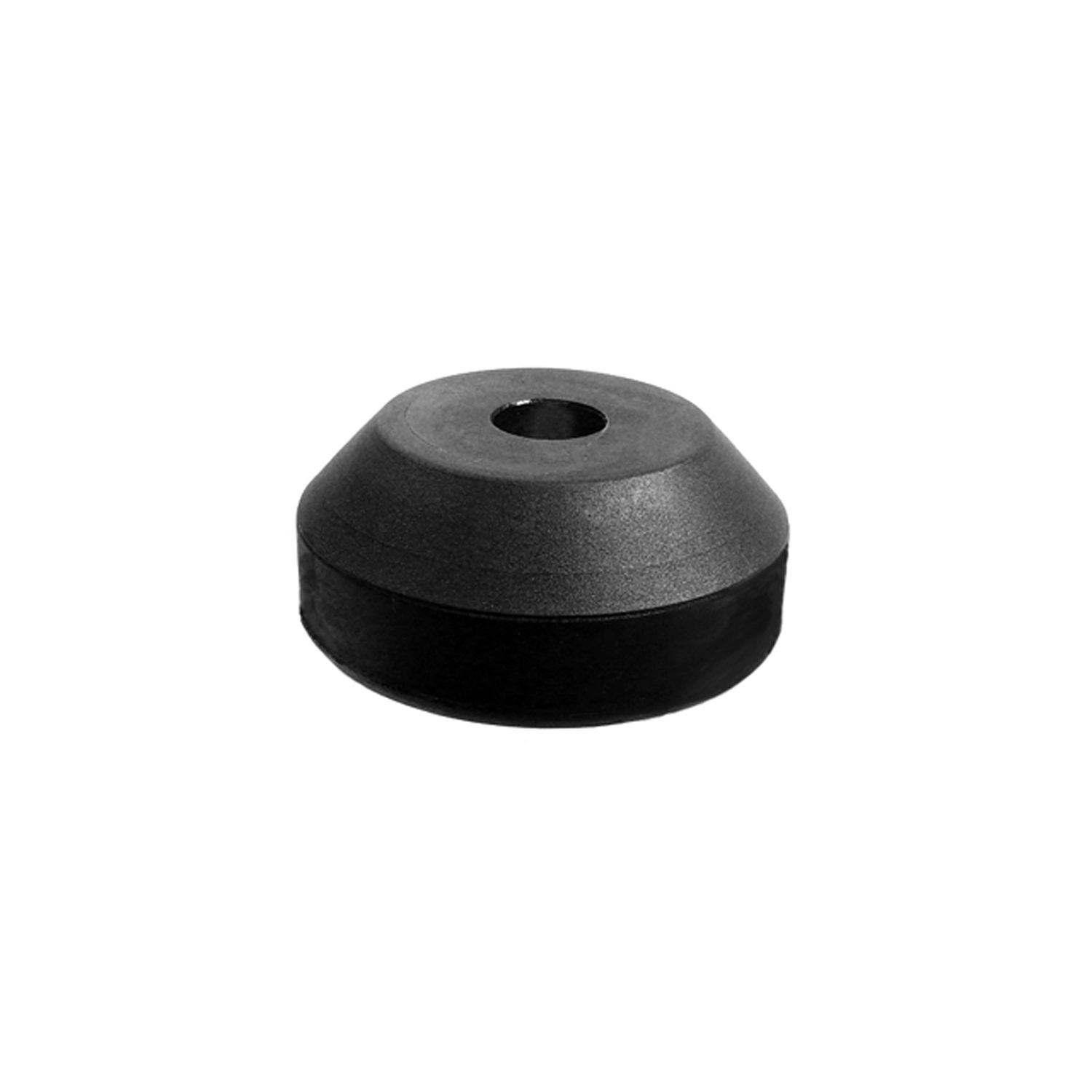 1934 Hudson SERIES LTS Upper Motor Mount. 5/8" I.D., 2-5/8" O.D. Each-MM 7-BUpper Motor Mount. 5/8" I.D., 2-5/8" O.D. Each
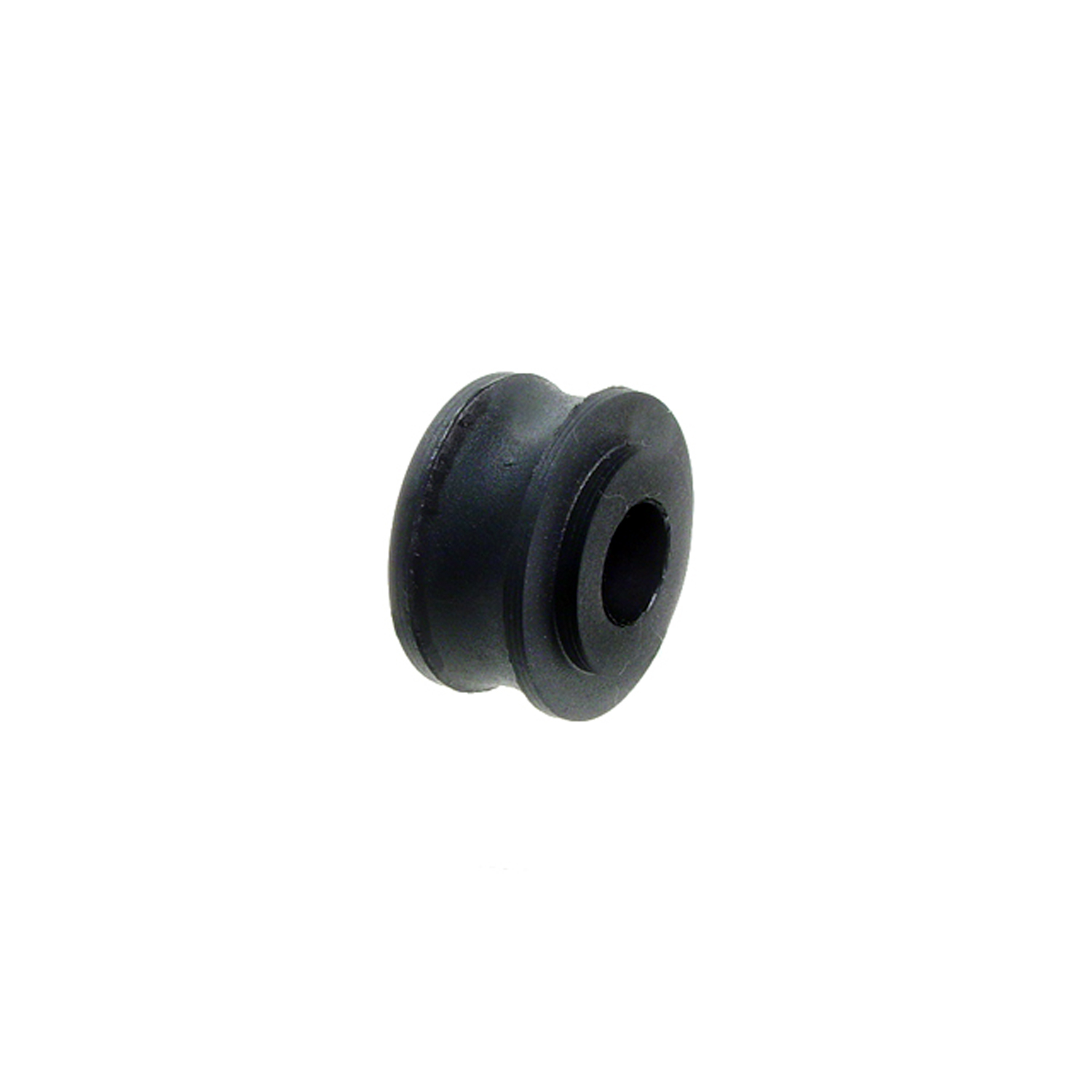 1934 Hudson SERIES LTS Lower Motor Mount. 5/8" I.D., 1-5/8" O.D. Each-MM 7-CLower Motor Mount. 5/8" I.D., 1-5/8" O.D. Each
 1934 Hudson SERIES LTS Headlight Pads. 7-5/8" long X 3-1/4" wide. Pair-MP 798-EHeadlight Pads. 7-5/8" long X 3-1/4" wide. Pair
 1934 Hudson SERIES LTS Tail-light Pads. 3-9/16" long X 2-5/16" wide. Pair-MP 798-FTail-light Pads. 3-9/16" long X 2-5/16" wide. Pair
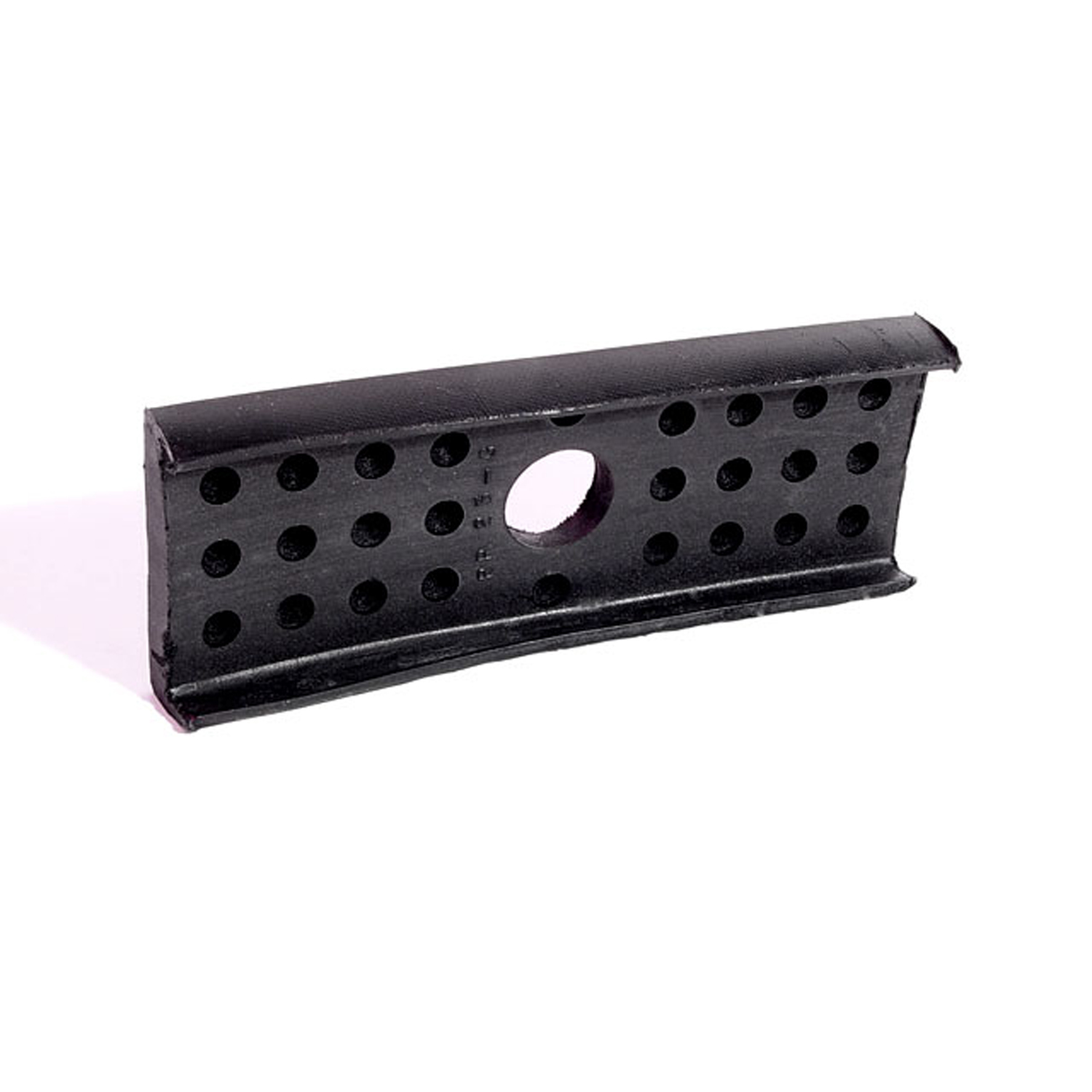 1934 Hudson SERIES LTS Rear Leaf Spring Center Mounting Insulator-RP 23-GRear Leaf Spring Center Mounting Insulator. For all 1-3/4" wide leaf springs. Each
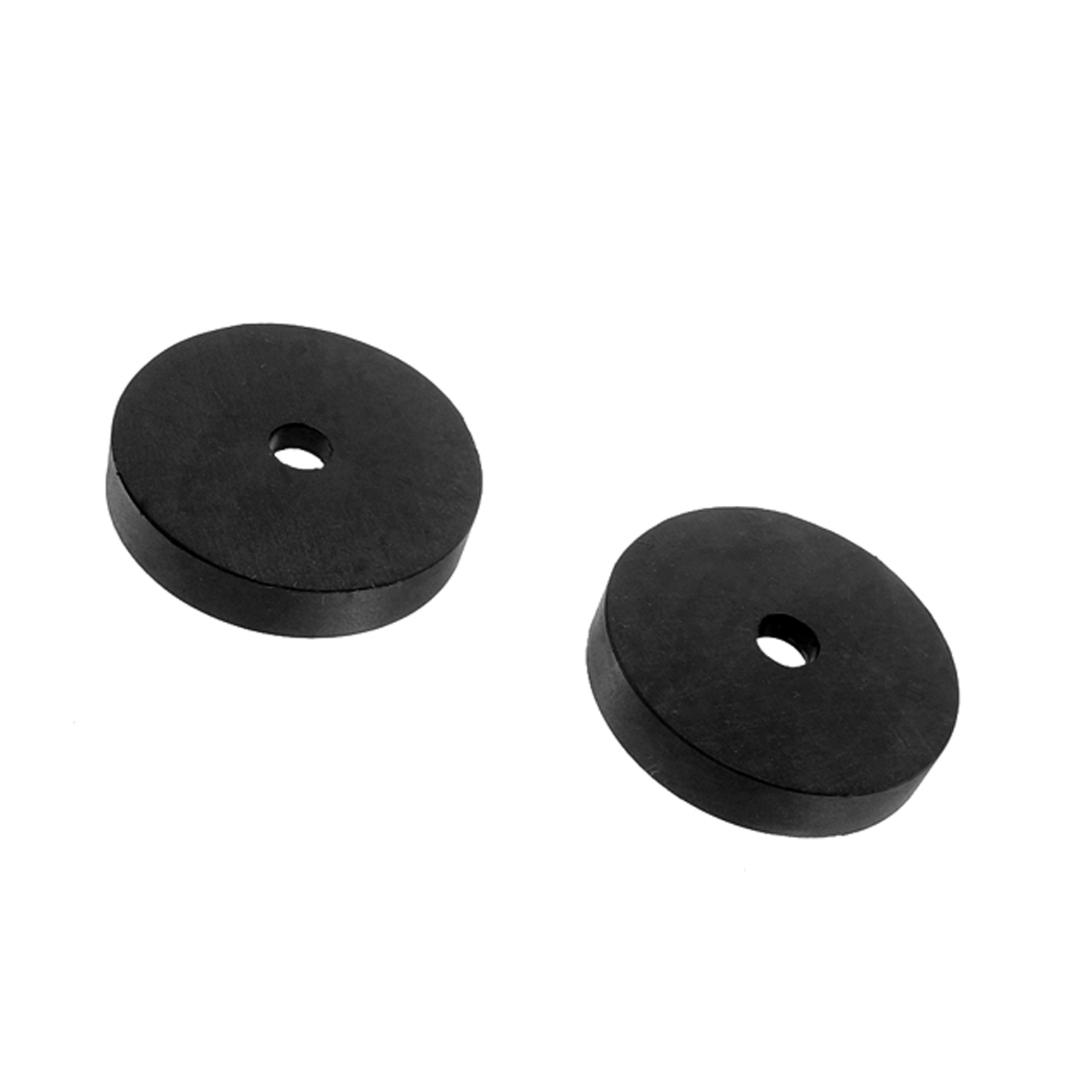 1934 Hudson SERIES LTS Clutch and Brake Seals. Seals fit on a round shaft-RP 31-NClutch and Brake Seals. Seals fit on a round shaft. Made of soft rubber. 2-7/16" O.D., 7/16" I.D. Pair
 1934 Hudson SERIES LTS Vertical Division Bar Seal. Enough for two vents. Each-VS 1Vertical Division Bar Seal. Enough for two vents. Each
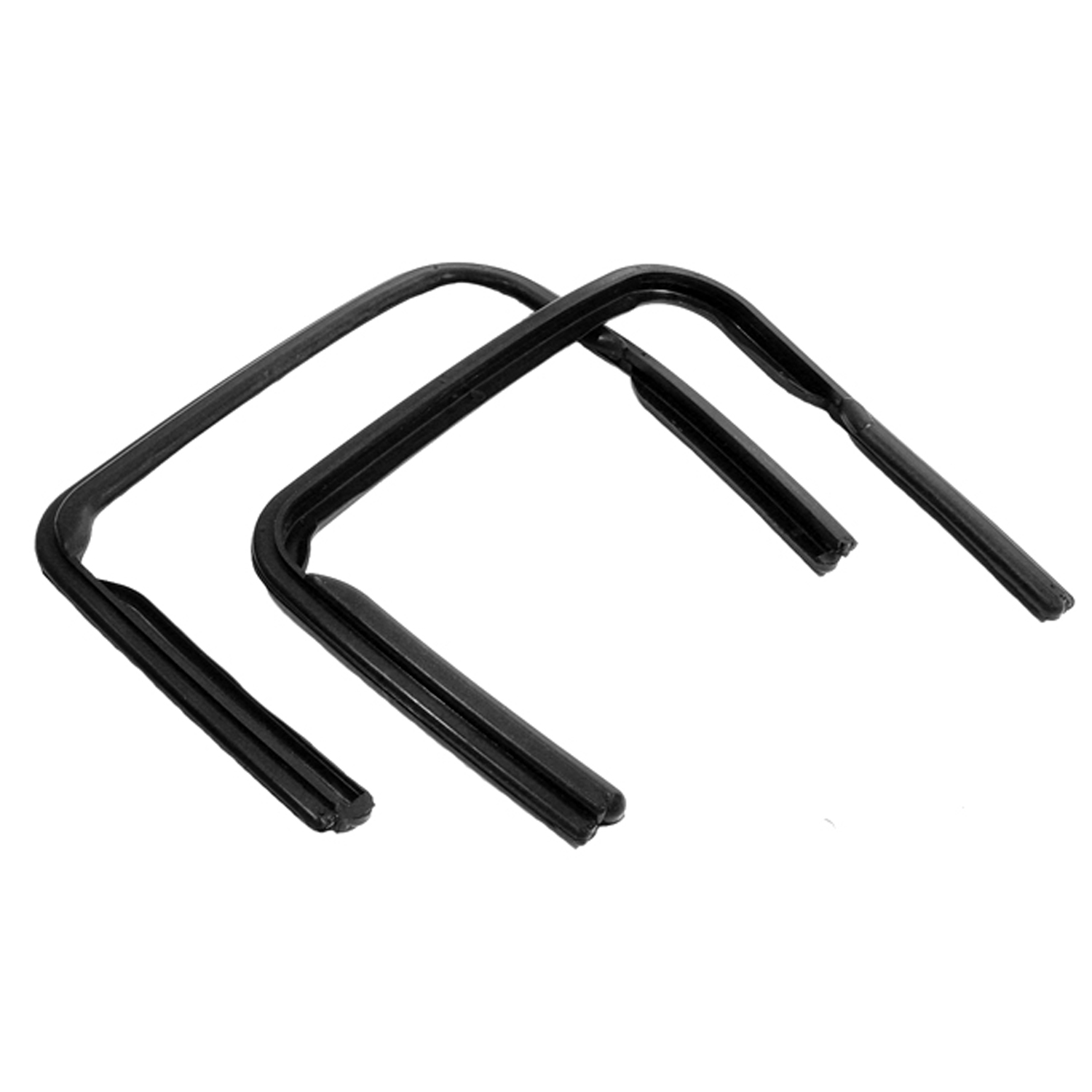 1934 Hudson SERIES LTS Front Vent Window Seals, for Convertibles-WR 9Front Vent Window Seals, for Convertibles. 25-1/4" long each. Pair R&L
Why Choose Metro?
For over 100 years, Metro Moulded Parts has been the pinnacle of quality in classic car restoration parts. Our commitment to precision and authenticity in every component ensures a perfect fit and an OEM-level appearance.
- Expert Craftsmanship & Quality: Each part is a testament to our dedication to reliability and perfection, crafted from original designs and thoroughly tested.
- Advanced Technology: We use cutting-edge techniques to create flawless, long-lasting parts that surpass others in performance.
- SuperSoft Sponge – The Ultimate Door Seal: Not only are our door seals 30% softer than competitors', but they're also guaranteed to never leak. They effectively reduce wind and road noise, enhancing your classic car's comfort and driving experience.
- Proudly American: Our parts are a product of American craftsmanship, made in the USA with a spirit of excellence and heritage.
- Unrivaled Warranty: We back our products with a 30-year industry-leading warranty, a testament to our confidence in their quality.
Join us in preserving the legacy of classic cars with parts that are crafted for perfection, not just made.