

Image of 1935 Hudson Series Gh, Note: These illustrations use artistic license and may differ from actual historical models.
Performance Metrics
Fundamental Metrics
Emotional Appeal
MMP Rating
| Engine Specifications | |
|---|---|
| Engine: | Hudson Straight-6 |
| Displacement: | 3.5L |
| Horsepower: | Estimated 93-105 hp |
| Torque: | 150-170 lb-ft |
| Compression Ratio: | Estimated 6.5:1 |
| Ignition System: | Distributor and coil |
| Cooling System: | Liquid-cooled |
| Performance Specifications | |
| 0-60 Time: | Information not available |
| 1/4 Mile Time: | Information not available |
| Top Speed: | Estimated 75-85 mph |
| Transmission and Drive | |
| Drive Type: | Rear-wheel drive |
| Transmission Type: | 3-speed manual |
| Fuel and Efficiency | |
| Fuel System Type: | Carburetor |
| MPG: | Estimated 10-15 mpg |
| Dimensions and Brakes | |
| Brakes: | Drum brakes |
| Wheelbase: | 119 inches |
| Weight: | Estimated 3,000-3,500 lbs |
Note: Specifications for classic cars are given to the best of our ability, considering the limited and variant data available.
1935 Hudson Series GH: The Six-Cylinder Hudson with Big-Car Ambitions
The 1935 Hudson Series GH brought the smooth, substantial feel of a full-size American car to a six-cylinder package. Built by the Hudson Motor Car Company of Detroit, Michigan, the GH was part of Hudson’s regular Hudson line, positioned above the more price-conscious Terraplane. Its recipe was straightforward: a roomy body, sturdy construction, and a 212-cubic-inch inline-six designed for dependable road travel.
The GH arrived during a pivotal period for American motoring. The country was still emerging from the Great Depression, and buyers wanted cars that felt modern and capable without the cost of a large eight-cylinder engine. One intriguing feature of the 1935 Hudson range was the optional “Electric Hand” gearshift, a button-operated system that used electrical controls and a vacuum-powered mechanism to change gears. It offered a glimpse of the convenience features automakers would continue developing in the decades ahead.
Streamlined 1930s Styling
The Series GH wore the confident proportions typical of a mid-1930s Hudson. A tall, upright grille anchored the front end, while long, flowing fenders softened the car’s substantial shape. Rounded headlamps, a swept-back hood, and carefully shaped body lines gave it a more streamlined appearance than the boxier cars of only a few years earlier. The look was handsome rather than flashy, with the visual weight and presence buyers expected from a full-size automobile.
Inside, the GH emphasized space and comfort. Depending on body style and trim, upholstery could include durable cloth or mohair, with more upscale appointments available on better-equipped models. The cabin featured a broad dashboard, large, legible instruments, and generous seating. Materials and finish varied with the specification, but the overall impression was of a substantial family car built for longer journeys, not just short trips around town.
Factory paint selections varied by model and production details. Period choices commonly included dark blues, greens, maroons, grays, and black, with two-tone treatments available on some configurations. Dark, restrained colors suited the Hudson’s formal lines, while brighter or contrasting fender treatments brought out the curves of its bodywork.
Hudson offered the GH in several closed-body configurations, including sedan and coupe forms, with the exact choice depending on the model and trim. Four-door sedans were especially practical and suited the car’s family-oriented character. Coupes offered a sportier profile, while Hudson’s broader 1935 range included additional body and trim variations. For anyone shopping today, it is wise to verify a car’s original body style and equipment against its serial and production records rather than assume every configuration was offered throughout the range.
Engineering for the Open Road
At the heart of the Series GH was a 212.3-cubic-inch (3.5-liter) L-head inline-six. Period specifications commonly list output at about 93 horsepower, delivered through a three-speed manual transmission. The engine’s emphasis was smooth, steady torque rather than high-revving performance. Hudson’s engineering gave the car a solid, substantial feel, and its longer wheelbase helped provide the room and ride comfort expected of a full-size automobile.
The optional Electric Hand gearshift was one of the more unusual features available in the 1935 Hudson line. Instead of making every gear change with the conventional floor lever, the driver selected gears using a small control near the steering wheel. The system then operated the transmission through an assist mechanism. It was innovative and convenient when working properly, but its added complexity can make repairs and parts sourcing more challenging today.
Hudson also paid attention to braking, steering, and passenger comfort, areas that mattered greatly as cars became faster and roads improved. The GH’s equipment and specifications could vary, so buyers restoring one should consult factory literature and inspect the actual car before assuming it has particular options or components.
How the Hudson GH Drove
With roughly 93 horsepower moving a sizable 1930s body, the Series GH was a capable touring car rather than a performance machine. A reasonable period-style estimate puts top speed in the neighborhood of 75 to 80 mph, with 0-to-60-mph acceleration taking roughly 20 seconds or more. These are approximate figures, not guaranteed test results for every body style, condition, or gearing combination. The GH was happiest building speed gradually and cruising steadily.
On rough roads, its long, heavy chassis and generous suspension travel helped take the edge off bumps, though the car still behaved like a prewar automobile: it rolled more through corners and demanded more attention than a modern car. On winding roads, the driver needed to plan ahead, use the gearbox, and avoid rushing into bends. The steering and brakes require a different touch from contemporary systems, especially if the car has not been fully restored.
Behind the wheel, the six-cylinder engine produces a low, even mechanical murmur, accompanied by the sounds of its manual transmission and period tires. The driving experience is hands-on. The driver works the clutch and gear lever, watches the road carefully, and feels the car’s mass through the steering wheel. It is a relaxed, engaging way to travel, particularly on open roads where the Hudson can settle into a steady pace.
A Place in Hudson History
The 1935 Series GH is significant as an example of Hudson’s effort to balance comfort, engineering, and value during a difficult decade. It was not a radical design landmark on the scale of Hudson’s later 1948 “step-down” models, but it helped sustain the company’s reputation for building substantial, well-engineered cars. The GH gave buyers a full-size Hudson experience without requiring them to choose an eight-cylinder model.
What distinguished Hudson from many rivals was the company’s willingness to experiment with engineering and driver convenience. The Electric Hand option stands out as an early attempt to make gear changing easier, while the company’s broader history included a strong focus on safety and chassis design. The GH’s lasting appeal is less about one headline-grabbing invention than the combination of thoughtful engineering, solid construction, and unmistakable period styling.
Living with a 1935 Hudson
Today, a Series GH is best suited to touring, club events, museum displays, and occasional local drives. It can be used on the road, but it is not a practical modern daily driver. Traffic speeds, limited crash protection, period braking performance, and the age of the mechanical components all call for cautious use.
The inline-six is relatively straightforward for a mechanic familiar with prewar American cars. Routine work includes ignition service, carburetor adjustment, cooling-system maintenance, lubrication, and careful attention to the brakes and steering. Mechanical repairs are generally manageable for an experienced hobbyist, but bodywork, upholstery, trim, and model-specific parts can take more time and money. Cars fitted with the Electric Hand system may need specialist knowledge if the controls or vacuum components are faulty.
Reliability depends heavily on restoration quality and maintenance. A well-sorted GH can make enjoyable touring trips, but a car that has sat for decades should not be driven far before its fuel system, tires, brakes, cooling system, and electrical equipment are inspected. For many owners, careful preservation is part of the pleasure.
Hudson GH Facts and Misconceptions
The Electric Hand gearshift is the GH’s most memorable conversation piece. It demonstrates that manufacturers were exploring alternatives to the conventional gear lever long before modern automatic transmissions became widespread. It is also a reminder that period innovation could bring extra maintenance demands.
The Series GH is not generally known for a single speed record or a major endurance victory. Hudson’s racing and record-setting stories belong to a broader company history and should not be casually attributed to this specific model. The GH’s claim to interest is its role as a refined, practical Hudson from an important prewar era.
Common criticisms are familiar to owners of many 1930s cars: modest acceleration by modern standards, heavy controls, limited safety equipment, and the challenge of locating specialized trim or mechanical parts. Those drawbacks are balanced by the Hudson’s distinctive design, roomy cabin, and satisfying mechanical character.
Collector Values and Availability
Surviving Series GH cars are uncommon in the general market, and availability depends on body style, completeness, and condition. Exact production figures for the GH are not consistently reported in readily available references. A sensible working estimate is that production ran into the several thousands, potentially around 8,000 to 15,000 cars across the series and its body configurations. That is an estimate, not a confirmed factory total, and the number of surviving examples is much smaller.
As a broad U.S. market guide, a project car may fall around $8,000 to $18,000, while a sound driver could bring roughly $20,000 to $35,000. A well-restored example may reach approximately $40,000 to $65,000 or more, depending on body style, originality, restoration quality, and documentation. Exceptional or especially desirable configurations can exceed those ranges, while incomplete cars may sell for less. Values vary with the collector market and the cost of bringing a prewar car back to roadworthy condition.
Rather than follow a dramatic boom-and-bust pattern, values for cars like the GH tend to reward condition and authenticity. A documented, correctly restored car is likely to hold interest better than a poorly executed restoration. Buyers should budget for inspection and transport, and should confirm that major components, trim, and body panels are present before committing.
Why the 1935 Hudson Series GH Still Matters
The 1935 Hudson Series GH combined a smooth six-cylinder engine, full-size comfort, distinctive prewar styling, and forward-looking options such as the Electric Hand gearshift. It was not built to dominate racetracks or set speed records. It was built to carry its passengers with confidence and make ordinary travel feel a little more special.
Nearly a century later, the GH remains a rewarding classic for enthusiasts who appreciate engineering with character and design with real presence. Its greatest appeal is the way it brings Hudson’s ambitious prewar spirit to life, one deliberate gear change and one unmistakable six-cylinder note at a time.
1935 Hudson Series Gh Catalog of Parts
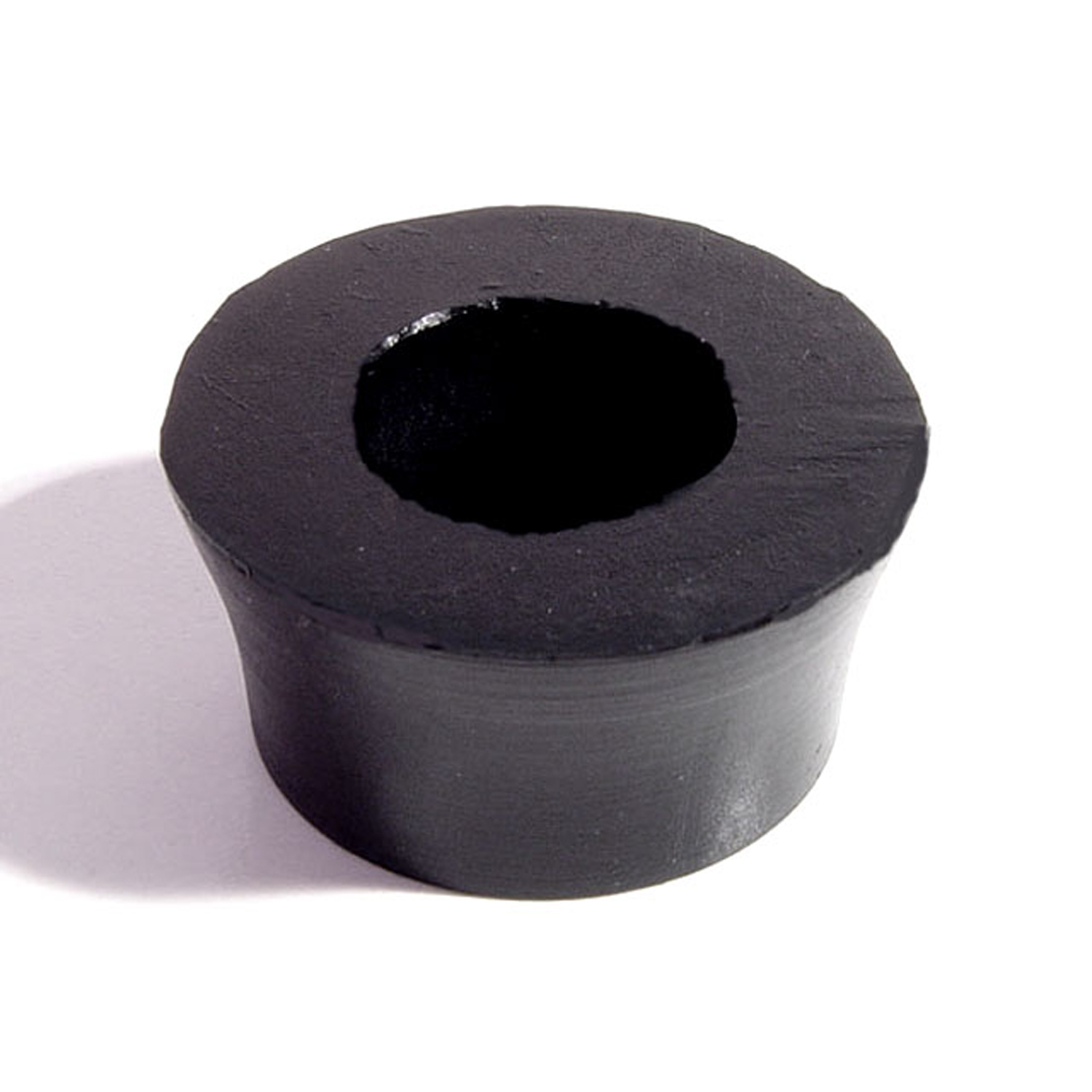 1935 Hudson SERIES GH Shock Absorber Grommet. 1" bottom O.D., 5/8" high-BN 10Shock Absorber Grommet. 1" bottom O.D., 5/8" high., with 5/8" I.D. Each
 1935 Hudson SERIES GH Spare Tire Mount. 1/2" top I.D., 1" Bottom I.D., 1-5/8" O.D-CG 50Spare Tire Mount. 1/2" top I.D., 1" Bottom I.D., 1-5/8" O.D. Each
 1935 Hudson SERIES GH Hood Corners. Used at rear of hood. Slip-over type-HC 28-AHood Corners. Used at rear of hood. Slip-over type. 60° angle. No steel. It will duplicate the original appearance. 1-3/4" wide. Pair
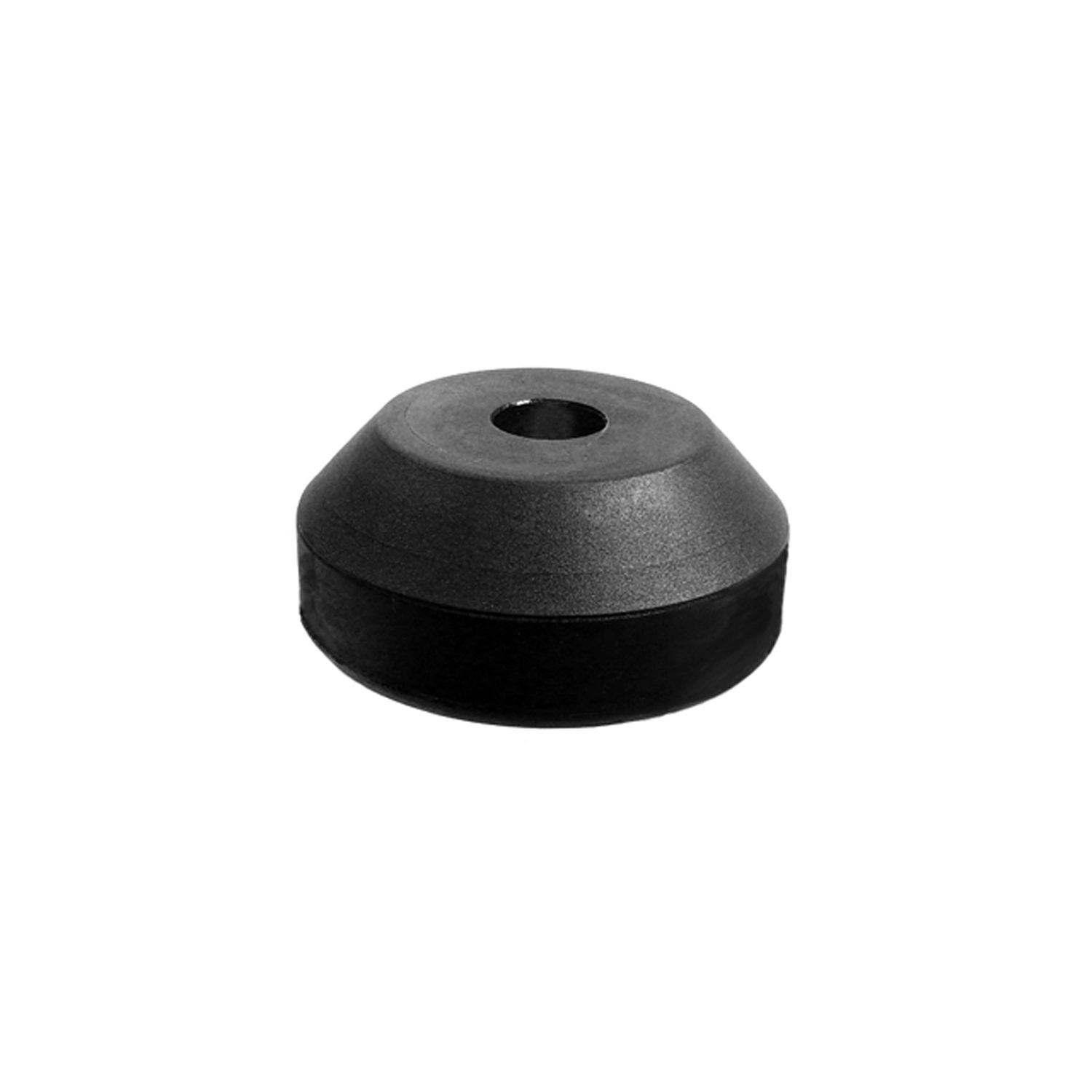 1935 Hudson SERIES GH Upper Motor Mount. 5/8" I.D., 2-5/8" O.D. Each-MM 7-BUpper Motor Mount. 5/8" I.D., 2-5/8" O.D. Each
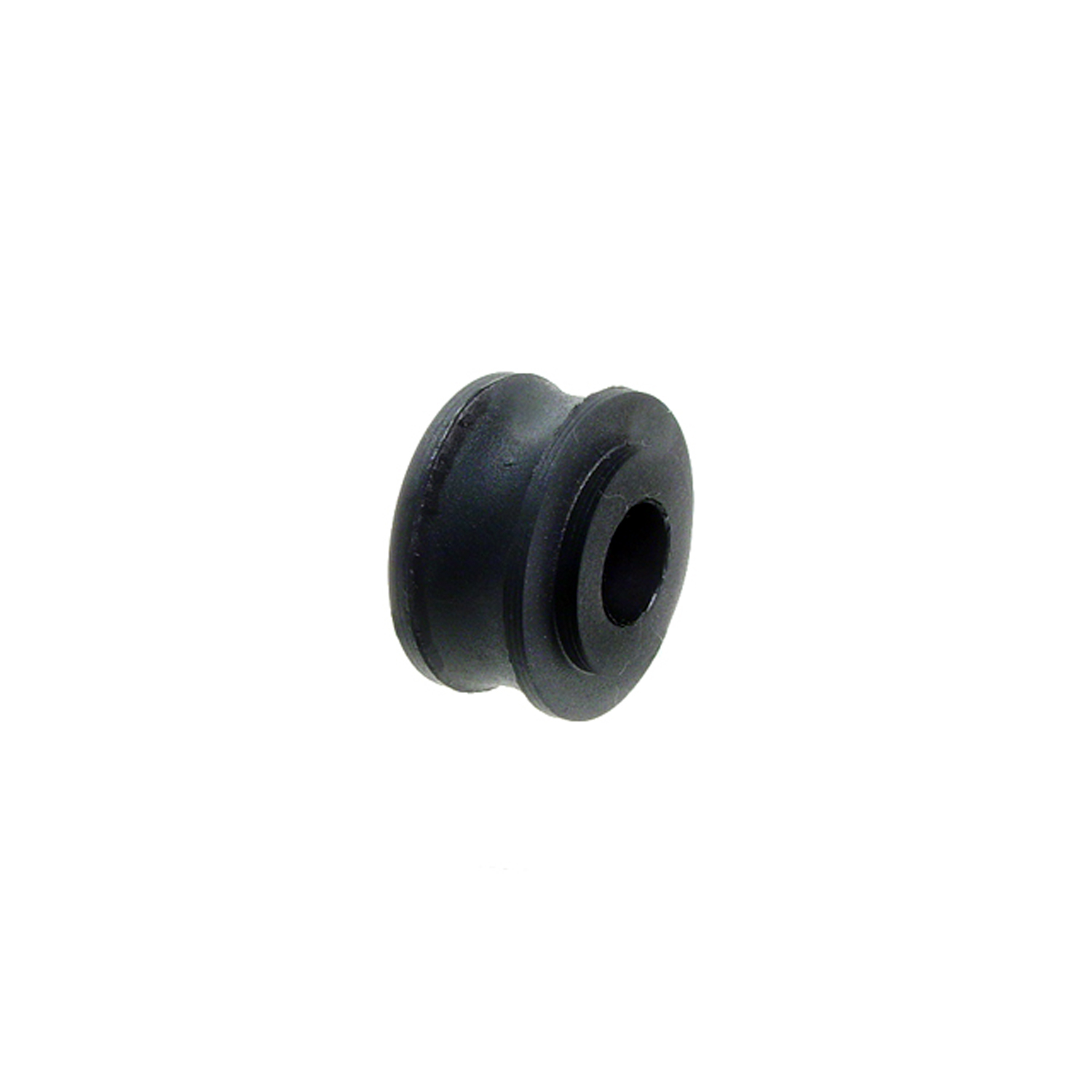 1935 Hudson SERIES GH Lower Motor Mount. 5/8" I.D., 1-5/8" O.D. Each-MM 7-CLower Motor Mount. 5/8" I.D., 1-5/8" O.D. Each
 1935 Hudson SERIES GH Tail-light Pads. 7-3/4" long X 2-9/16" wide. Pair-MP 798-JTail-light Pads. 7-3/4" long X 2-9/16" wide. Pair
 1935 Hudson SERIES GH Headlight Pads. 4-1/2" wide X 7-5/8" long. Pair R&L-MP 798-QHeadlight Pads. 4-1/2" wide X 7-5/8" long. Pair R&L
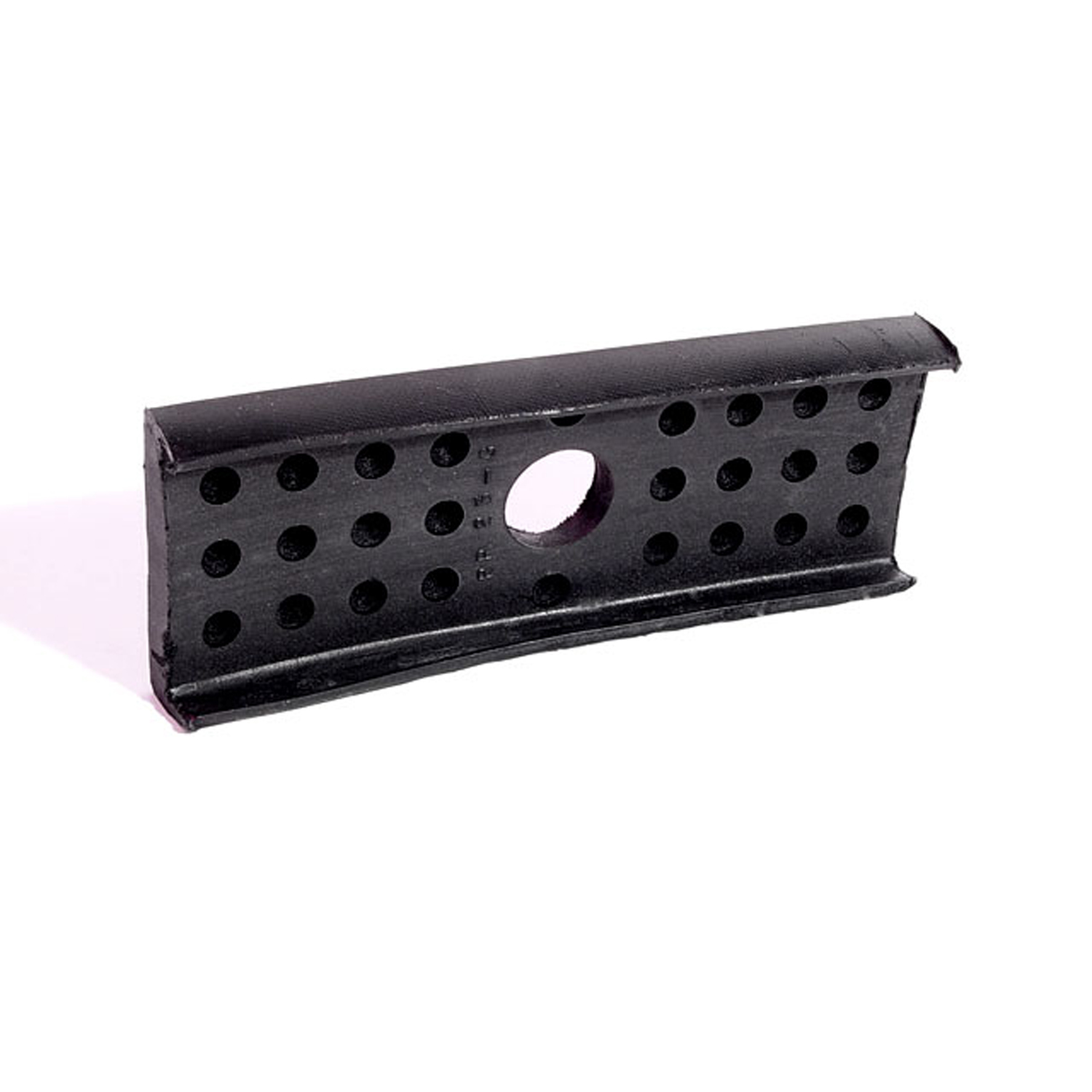 1935 Hudson SERIES GH Rear Leaf Spring Center Mounting Insulator-RP 23-GRear Leaf Spring Center Mounting Insulator. For all 1-3/4" wide leaf springs. Each
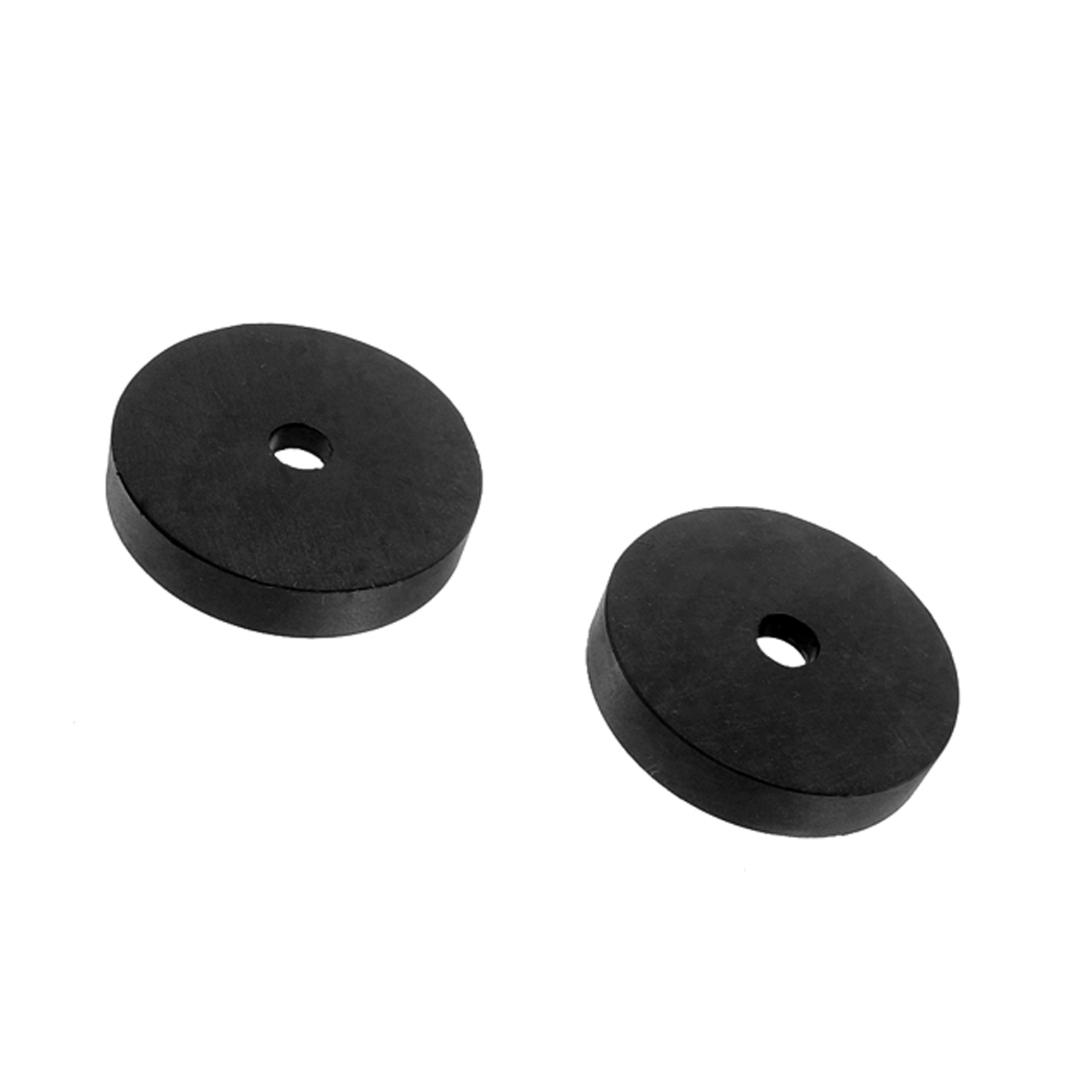 1935 Hudson SERIES GH Clutch and Brake Seals. Seals fit on a round shaft-RP 31-NClutch and Brake Seals. Seals fit on a round shaft. Made of soft rubber. 2-7/16" O.D., 7/16" I.D. Pair
 1935 Hudson SERIES GH Vertical Division Bar Seal. Enough for two vents. Each-VS 1Vertical Division Bar Seal. Enough for two vents. Each
 1935 Hudson SERIES GH Front Vent Window Seals. For disappearing-type vent windows-WR 4502Front Vent Window Seals. For disappearing-type vent windows. Pair R&L
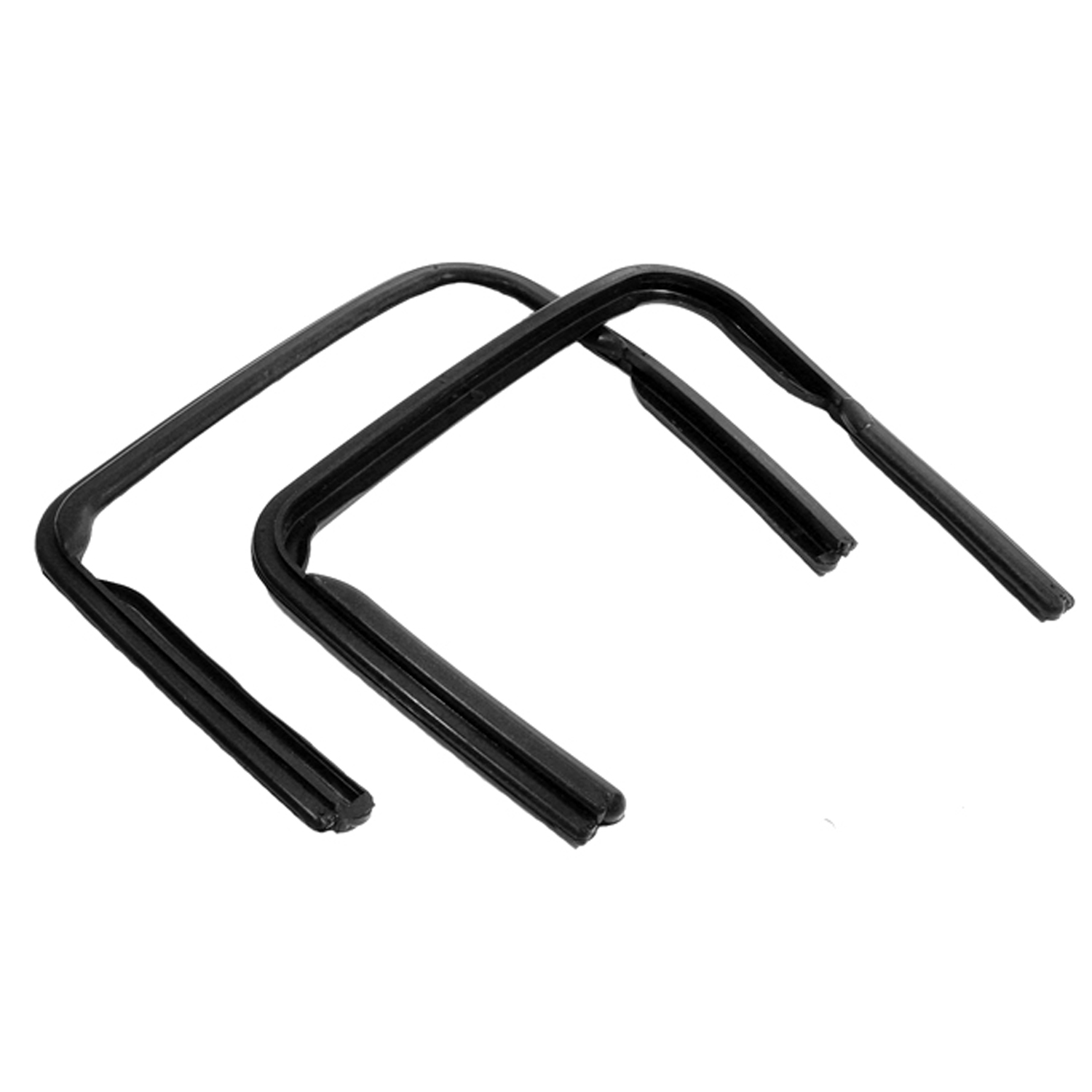 1935 Hudson SERIES GH Front Vent Window Seals, for Convertibles-WR 9Front Vent Window Seals, for Convertibles. 25-1/4" long each. Pair R&L
Why Choose Metro?
For over 100 years, Metro Moulded Parts has been the pinnacle of quality in classic car restoration parts. Our commitment to precision and authenticity in every component ensures a perfect fit and an OEM-level appearance.
- Expert Craftsmanship & Quality: Each part is a testament to our dedication to reliability and perfection, crafted from original designs and thoroughly tested.
- Advanced Technology: We use cutting-edge techniques to create flawless, long-lasting parts that surpass others in performance.
- SuperSoft Sponge – The Ultimate Door Seal: Not only are our door seals 30% softer than competitors', but they're also guaranteed to never leak. They effectively reduce wind and road noise, enhancing your classic car's comfort and driving experience.
- Proudly American: Our parts are a product of American craftsmanship, made in the USA with a spirit of excellence and heritage.
- Unrivaled Warranty: We back our products with a 30-year industry-leading warranty, a testament to our confidence in their quality.
Join us in preserving the legacy of classic cars with parts that are crafted for perfection, not just made.