

Image of 1935 Hudson Series Ht, Note: These illustrations use artistic license and may differ from actual historical models.
Performance Metrics
Fundamental Metrics
Emotional Appeal
MMP Rating
| Engine Specifications | |
|---|---|
| Engine: | Hudson Straight-6 |
| Displacement: | 212 cu in (3.5 L) |
| Horsepower: | Estimated 93-105 hp |
| Torque: | Not available |
| Compression Ratio: | Not available |
| Ignition System: | Battery and coil |
| Cooling System: | Water-cooled |
| Performance Specifications | |
| 0-60 Time: | Not available |
| 1/4 Mile Time: | Not available |
| Top Speed: | Estimated 75-85 mph |
| Transmission and Drive | |
| Drive Type: | Rear-wheel drive |
| Transmission Type: | 3-speed manual |
| Fuel and Efficiency | |
| Fuel System Type: | Carburetor |
| MPG: | Not available |
| Dimensions and Brakes | |
| Brakes: | Mechanical drum brakes |
| Wheelbase: | 119 inches |
| Weight: | Estimated 2,800-3,000 lbs |
Note: Specifications for classic cars are given to the best of our ability, considering the limited and variant data available.
1935 Hudson Series Ht: A Prewar Classic with Real Engineering Ambition
The 1935 Hudson is a handsome prewar car with a surprisingly modern streak: beneath its long hood and upright grille, Hudson offered suspension engineering and convenience features that went well beyond simple transportation. Hudson Motor Car Company built its reputation in Detroit on sturdy construction and practical innovation, and its 1935 models carried that tradition into a market still recovering from the Great Depression.
One detail needs a little care: “Series Ht” is not a model name used consistently across surviving Hudson literature and modern vehicle listings. Hudson’s 1935 range included several Six, Eight, and Terraplane models, with specifications that varied by series and body style. A car’s data plate, engine number, and original sales documents are the best way to establish exactly which version it is. The overview below describes the 1935 Hudson family and flags where equipment could differ.
Hudson’s 1935 lineup also reflects an important moment for the company. The lower-priced Terraplane helped Hudson reach buyers looking for style and performance at a more accessible price, while Hudson-badged Six and Eight models occupied the upper end of the range. A particularly intriguing option was the Electric Hand gearshift, an electrically controlled, vacuum-assisted shifting system that let the driver select gears using a small control rather than moving a conventional floor lever.
Art Deco Lines and a Carefully Finished Cabin
A 1935 Hudson has the confident proportions of a classic prewar automobile: a tall, upright front end, a long hood, sweeping front fenders, prominent headlamps, and running boards that visually connect the front and rear bodywork. The grille is a focal point, with a vertical treatment that gives the car a formal, almost architectural face. Hood louvers, bright trim, and carefully shaped fenders add movement without sacrificing the solid, substantial look buyers expected from a Hudson.
Inside, the cabin is roomy and straightforward. Depending on the model and trim, upholstery could include durable cloth or broadcloth, with more luxurious materials and finishes available on higher-grade cars. The dashboard typically combines clear, period-style instruments with simple controls and polished details. It is not a modern luxury interior, but the space, visibility, and quality of the better-trimmed cars make a strong impression today.
Paint choices varied by model and order. Dark greens, blues, maroons, blacks, and two-tone combinations suited the era’s formal styling, while lighter colors could make the broad fenders and flowing body lines stand out. Exact factory palettes changed across series, so a restoration should be checked against the car’s original paint code or period documentation rather than relying on a generic color list.
Hudson offered a broad selection of body styles across its 1935 range, including sedans, coupes, and open cars. Availability depended on the specific series. The four-door sedan was a practical and popular choice for families, while the coupe has an especially appealing profile for collectors who want the long hood and sweeping rear bodywork in a more personal package. Open models are rarer and often attract the most attention at shows.
Innovation Before the Famous Step-Down
Hudson’s best-known postwar engineering feature was its “step-down” body, introduced in 1948, but the company was already experimenting with ways to improve comfort and road manners in the 1930s. Some 1935 Hudson models featured independent front suspension marketed as Radial Safety Control. By allowing the front wheels to respond more independently to uneven pavement, the design aimed to improve stability and reduce the jarring motion associated with older solid-axle arrangements.
The Electric Hand shift was another unusual feature. It used electrical controls and vacuum assistance to operate the gear-selection mechanism, offering a more convenient alternative to a traditional gear lever. It is an interesting piece of period engineering, though it is not as simple to maintain as a conventional manual linkage. Not every 1935 Hudson had it, and a car advertised with the system should be inspected to confirm that the equipment is present and functioning.
These features helped distinguish Hudson from many competitors, but they should not be confused with the later innovations that made the marque famous. The 1935 cars were conventional in their overall layout, with a front-mounted engine and rear-wheel drive. Their appeal came from combining sturdy construction and evolving chassis technology with distinctive styling and a wide model range.
Six-Cylinder Ease or Straight-Eight Smoothness
Engine specifications depend on the exact 1935 series. Hudson offered six-cylinder cars as well as more powerful straight-eight models. Period specifications commonly list a 212-cubic-inch inline six in some Hudson and Terraplane versions, while Hudson Eight models used a larger 254-cubic-inch straight-eight. Horsepower ratings also varied by tune and model, so the vehicle’s original engine identification is essential before quoting a precise figure.
As a broad guide, a sound six-cylinder car is likely to reach roughly 70 to 80 mph, while a healthy straight-eight may approach 80 to 90 mph under favorable conditions. Acceleration is leisurely by modern standards. A reasonable estimate for 0 to 60 mph is around 20 to 25 seconds for many six-cylinder configurations and approximately 17 to 22 seconds for an Eight, depending on gearing, body weight, engine condition, and measurement method. These are estimates, not guaranteed factory figures.
On the road, a 1935 Hudson feels substantial and deliberate. The engine produces a low, steady rumble, with the straight-eight generally delivering a smoother note than the six. The long wheelbase helps the car settle over ordinary road imperfections, while the suspension design on suitably equipped models can make rough surfaces less punishing than drivers might expect from a car of this age. Narrow tires, period steering geometry, and a tall body still call for measured inputs, especially on tight or winding roads.
The driving experience is part of the appeal. Steering requires more effort at low speeds than in a modern car, braking distances are longer, and the driver must plan ahead. There is no need to rush: a Hudson feels most at home cruising at a relaxed pace, where its engine, broad seating, and composed road manners can be appreciated.
Living with a 1935 Hudson
Today, most 1935 Hudsons are used as show cars, touring cars, or occasional weekend drivers rather than daily transportation. A well-sorted example can take part in local events and measured touring, but regular use depends on careful maintenance and a realistic approach to vintage-car limitations. Modern traffic, highway speeds, and the availability of suitable tires should all be considered before planning long trips.
Routine jobs such as ignition service, lubrication, and basic engine work are familiar to an experienced classic-car mechanic. However, age and parts availability complicate ownership. Wear items may require specialist suppliers, while body trim, glass, suspension components, and Electric Hand parts can take time to locate or restore. The Electric Hand system in particular needs someone familiar with its electrical and vacuum-operated components.
Reliability depends far more on condition and maintenance than on the Hudson name alone. Before buying, inspect the frame and body for corrosion, check the engine for oil pressure and overheating, examine the brakes and steering, and look closely at the wiring. A car that has been stored for years may need extensive recommissioning even if it appears complete. For an average owner, a well-documented and mechanically sorted Hudson is much easier to enjoy than a cheaper project with missing parts.
Hudson Trivia and Common Criticisms
The Electric Hand is the standout conversation piece: it shows how manufacturers experimented with easier shifting decades before modern electronic transmissions. Hudson’s broader engineering story also reaches beyond 1935. The company later became associated with the safety-conscious, low-center-of-gravity design of its postwar step-down cars, making the earlier models an interesting chapter in a longer history of chassis innovation.
There is no widely recognized speed or endurance record that belongs specifically to the 1935 “Series Ht” designation. Hudson’s most famous record-setting and competition stories are associated with other models and later periods, so claims about a record-breaking 1935 car should be supported by reliable documentation. Production totals are also difficult to state for “Series Ht” because the designation is not consistently defined in published references. As a broad estimate, the relevant 1935 Hudson and Terraplane model families together likely accounted for tens of thousands of cars, but a particular body-and-series combination may have been built in far smaller numbers.
Common criticisms are familiar to owners of many prewar cars: modest acceleration, heavy low-speed steering, limited braking performance by modern standards, and the challenge of sourcing correct parts. Some drivers also find the Electric Hand system less intuitive than a conventional shift lever. These are trade-offs rather than surprises, and they are easier to accept when the car is maintained properly and driven at an appropriate pace.
Collector Values and Rarity
Values vary widely with body style, originality, restoration quality, mechanical condition, and documentation. As a general current-market estimate, a project or incomplete car might sell for roughly $8,000 to $20,000. A usable driver could fall around $20,000 to $40,000, while a well-restored example may bring approximately $40,000 to $75,000 or more. Particularly desirable open cars or exceptional, documented examples can exceed that range. These figures are broad estimates, not a valuation of a specific Series Ht car.
Availability is limited compared with common postwar classics. Cars do appear at auctions and through specialist dealers, but the exact series, body style, and equipment can make a large difference to how often a buyer sees a suitable example. No dependable production figure for “Series Ht” is easy to establish, so assigning an exact number would create false precision. For a specific configuration, a reasonable best guess is that surviving examples are scarce, with production likely numbering in the hundreds or low thousands rather than the tens of thousands.
Over the long term, well-restored prewar Hudsons have generally held collector interest, especially when they retain unusual factory equipment or a rare body style. Prices can still move with the broader classic-car market, and restoration costs may exceed resale value. Condition, provenance, and completeness tend to matter more than speculation about future appreciation.
Why the 1935 Hudson Still Matters
The 1935 Hudson combines strong prewar styling with thoughtful engineering, including available independent front suspension and the memorable Electric Hand gearshift. Its broad range of six- and eight-cylinder models offered buyers different balances of economy, smoothness, and performance, while its substantial construction gave the cars a distinctively solid character.
For today’s enthusiast, the best 1935 Hudson is not simply the rarest one. It is the car whose identity is documented, whose mechanical systems work as intended, and whose condition makes it enjoyable to drive. More than ninety years on, a Hudson still turns a quiet cruise into a lesson in how boldly an American automaker could shape the road ahead.
1935 Hudson Series Ht Catalog of Parts
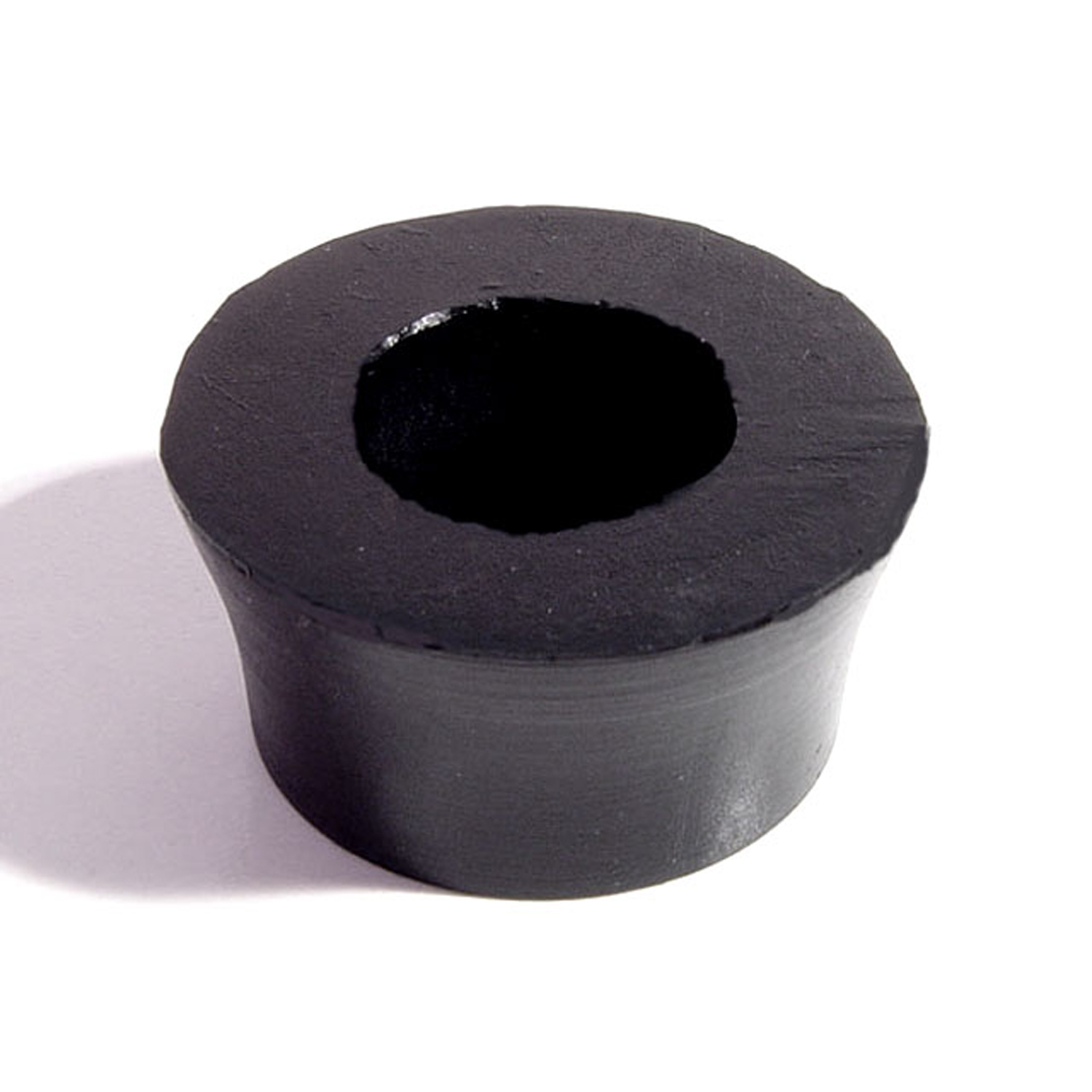 1935 Hudson SERIES HT Shock Absorber Grommet. 1" bottom O.D., 5/8" high-BN 10Shock Absorber Grommet. 1" bottom O.D., 5/8" high., with 5/8" I.D. Each
 1935 Hudson SERIES HT Spare Tire Mount. 1/2" top I.D., 1" Bottom I.D., 1-5/8" O.D-CG 50Spare Tire Mount. 1/2" top I.D., 1" Bottom I.D., 1-5/8" O.D. Each
 1935 Hudson SERIES HT Hood Corners. Used at rear of hood. Slip-over type-HC 28-AHood Corners. Used at rear of hood. Slip-over type. 60° angle. No steel. It will duplicate the original appearance. 1-3/4" wide. Pair
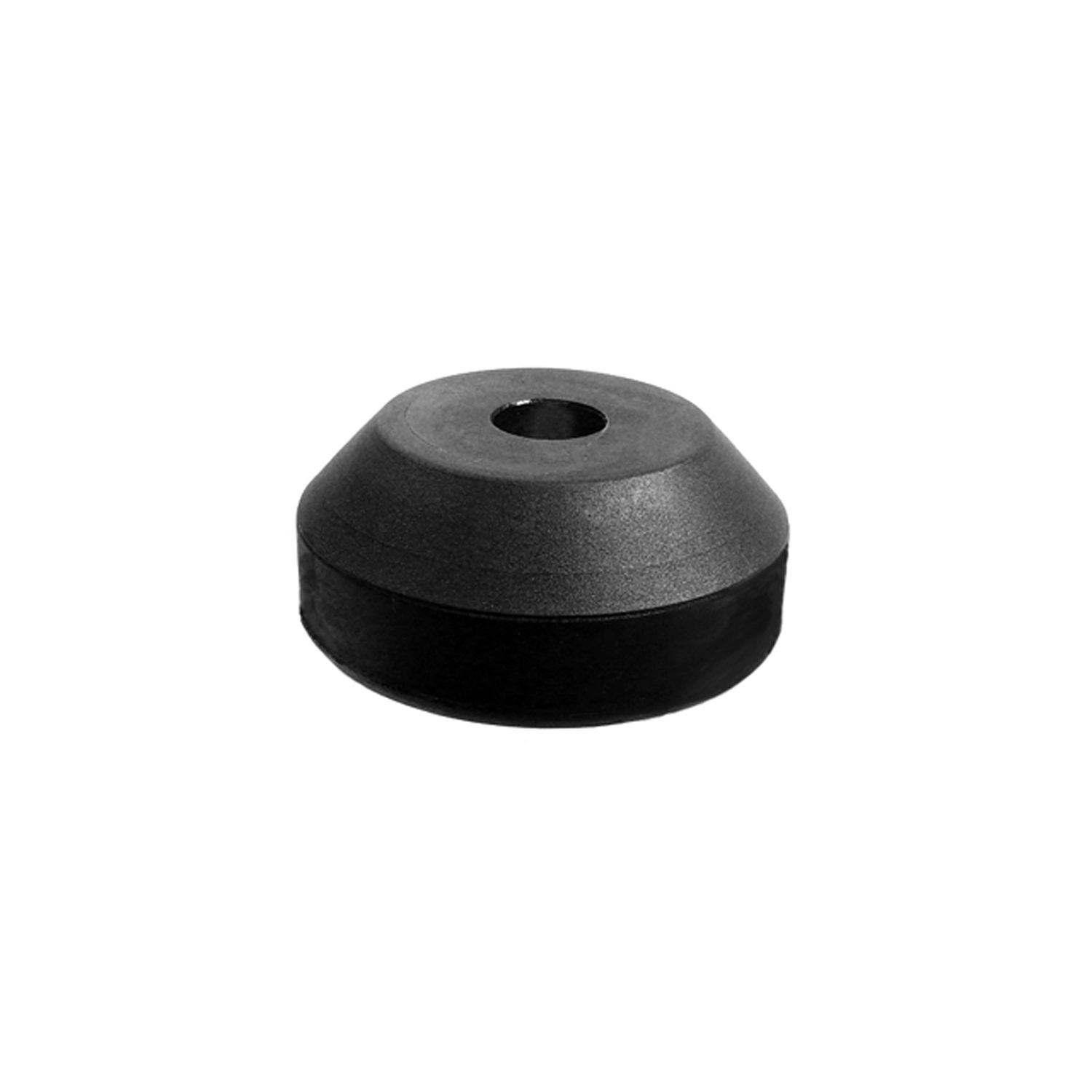 1935 Hudson SERIES HT Upper Motor Mount. 5/8" I.D., 2-5/8" O.D. Each-MM 7-BUpper Motor Mount. 5/8" I.D., 2-5/8" O.D. Each
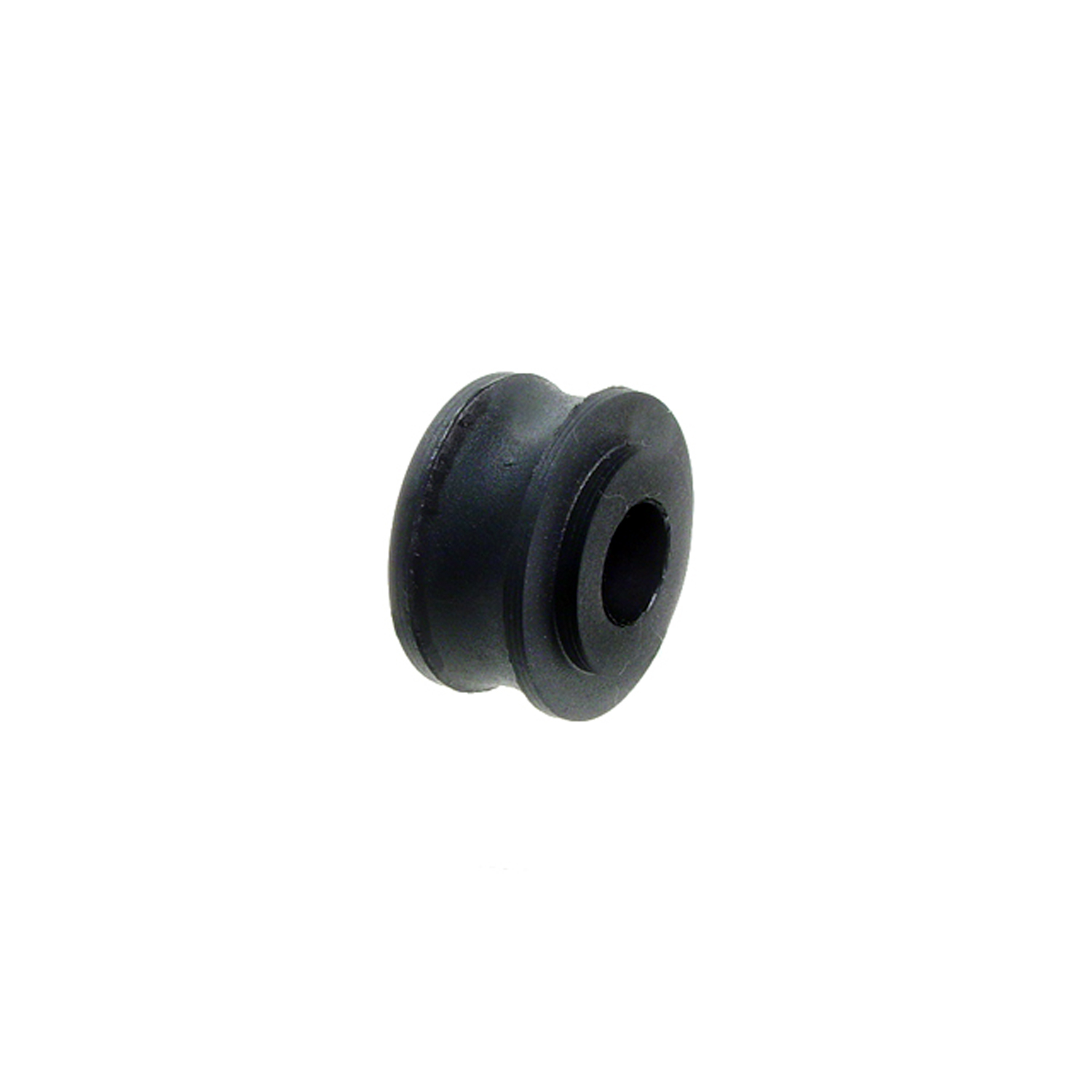 1935 Hudson SERIES HT Lower Motor Mount. 5/8" I.D., 1-5/8" O.D. Each-MM 7-CLower Motor Mount. 5/8" I.D., 1-5/8" O.D. Each
 1935 Hudson SERIES HT Tail-light Pads. 7-3/4" long X 2-9/16" wide. Pair-MP 798-JTail-light Pads. 7-3/4" long X 2-9/16" wide. Pair
 1935 Hudson SERIES HT Headlight Pads. 4-1/2" wide X 7-5/8" long. Pair R&L-MP 798-QHeadlight Pads. 4-1/2" wide X 7-5/8" long. Pair R&L
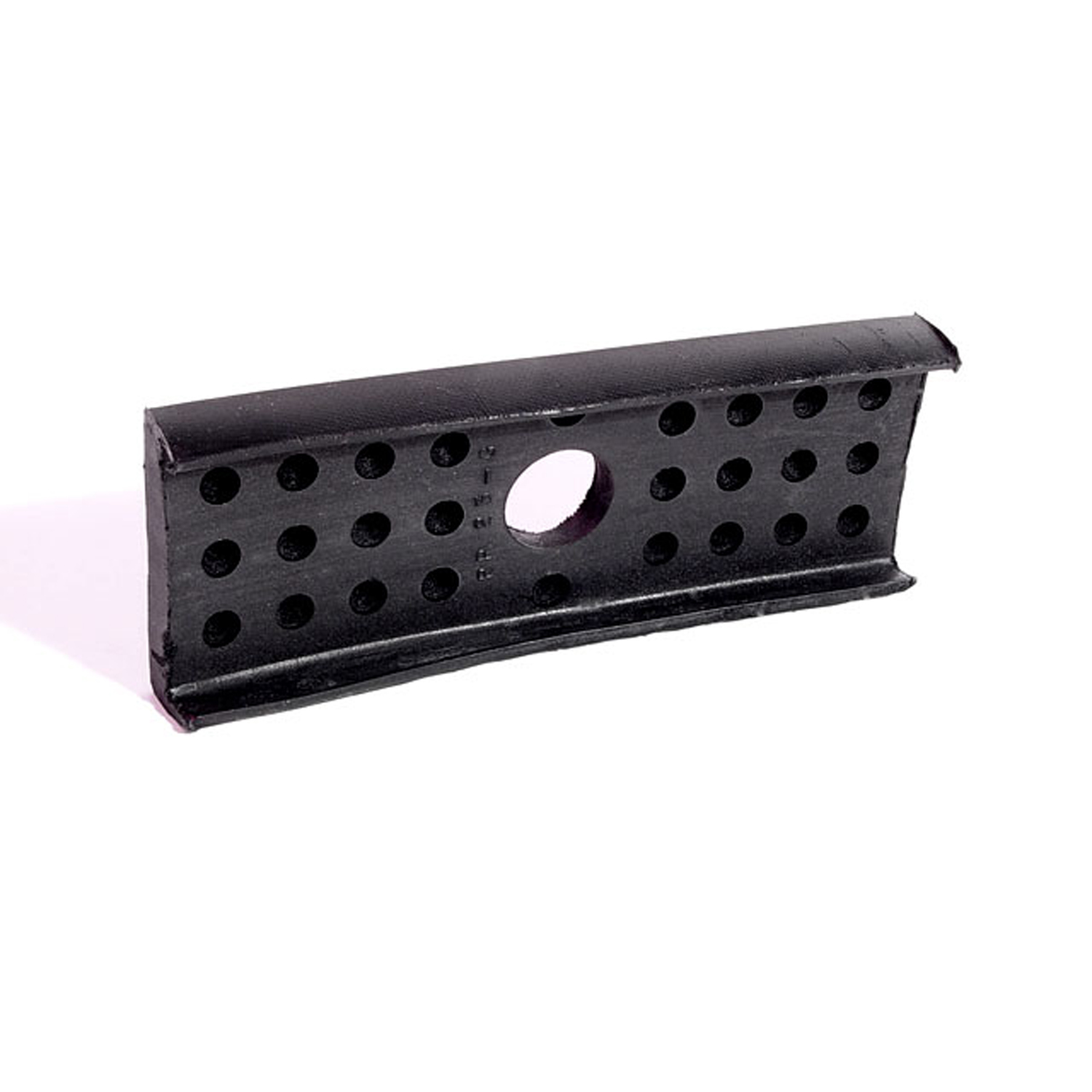 1935 Hudson SERIES HT Rear Leaf Spring Center Mounting Insulator-RP 23-GRear Leaf Spring Center Mounting Insulator. For all 1-3/4" wide leaf springs. Each
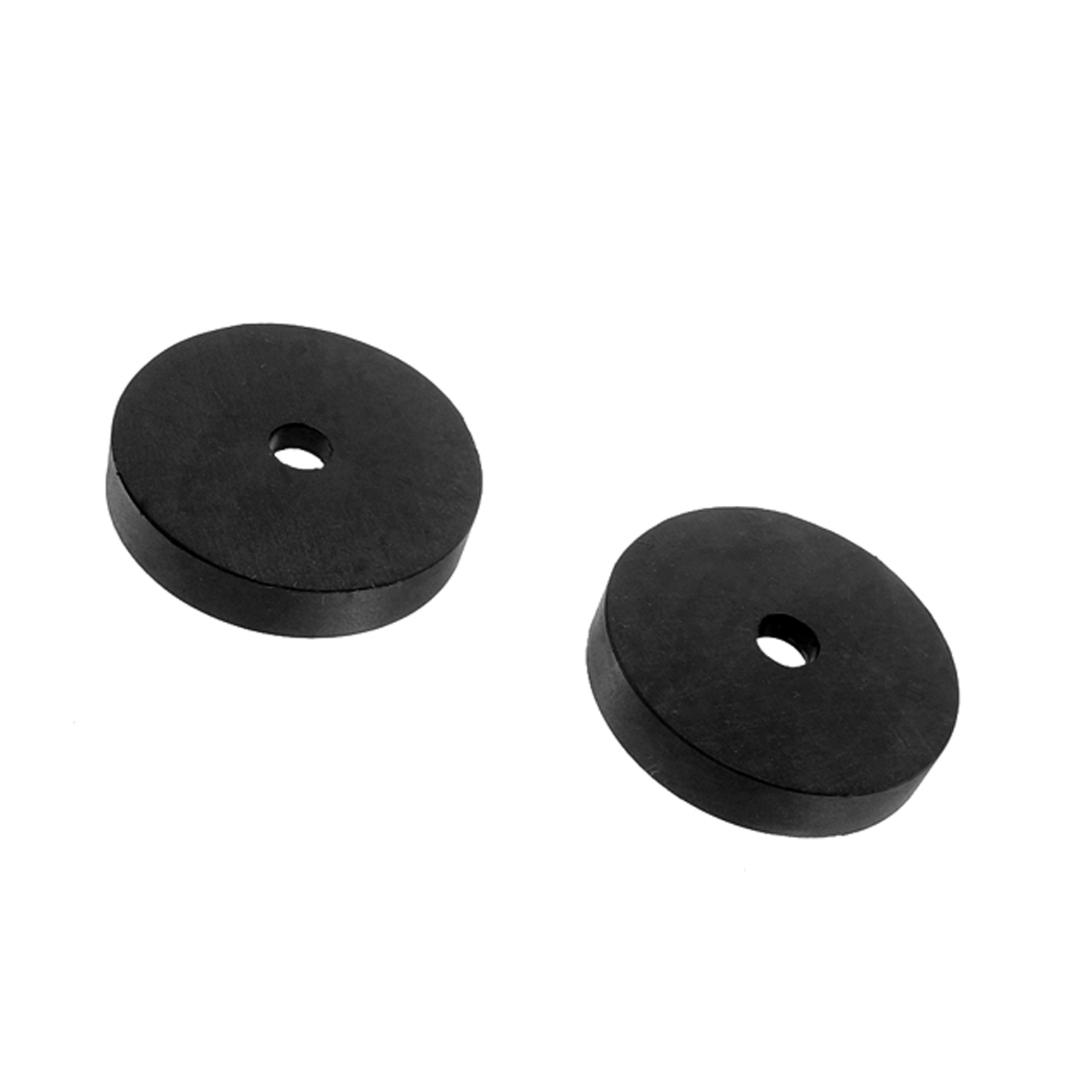 1935 Hudson SERIES HT Clutch and Brake Seals. Seals fit on a round shaft-RP 31-NClutch and Brake Seals. Seals fit on a round shaft. Made of soft rubber. 2-7/16" O.D., 7/16" I.D. Pair
 1935 Hudson SERIES HT Vertical Division Bar Seal. Enough for two vents. Each-VS 1Vertical Division Bar Seal. Enough for two vents. Each
 1935 Hudson SERIES HT Front Vent Window Seals. For disappearing-type vent windows-WR 4502Front Vent Window Seals. For disappearing-type vent windows. Pair R&L
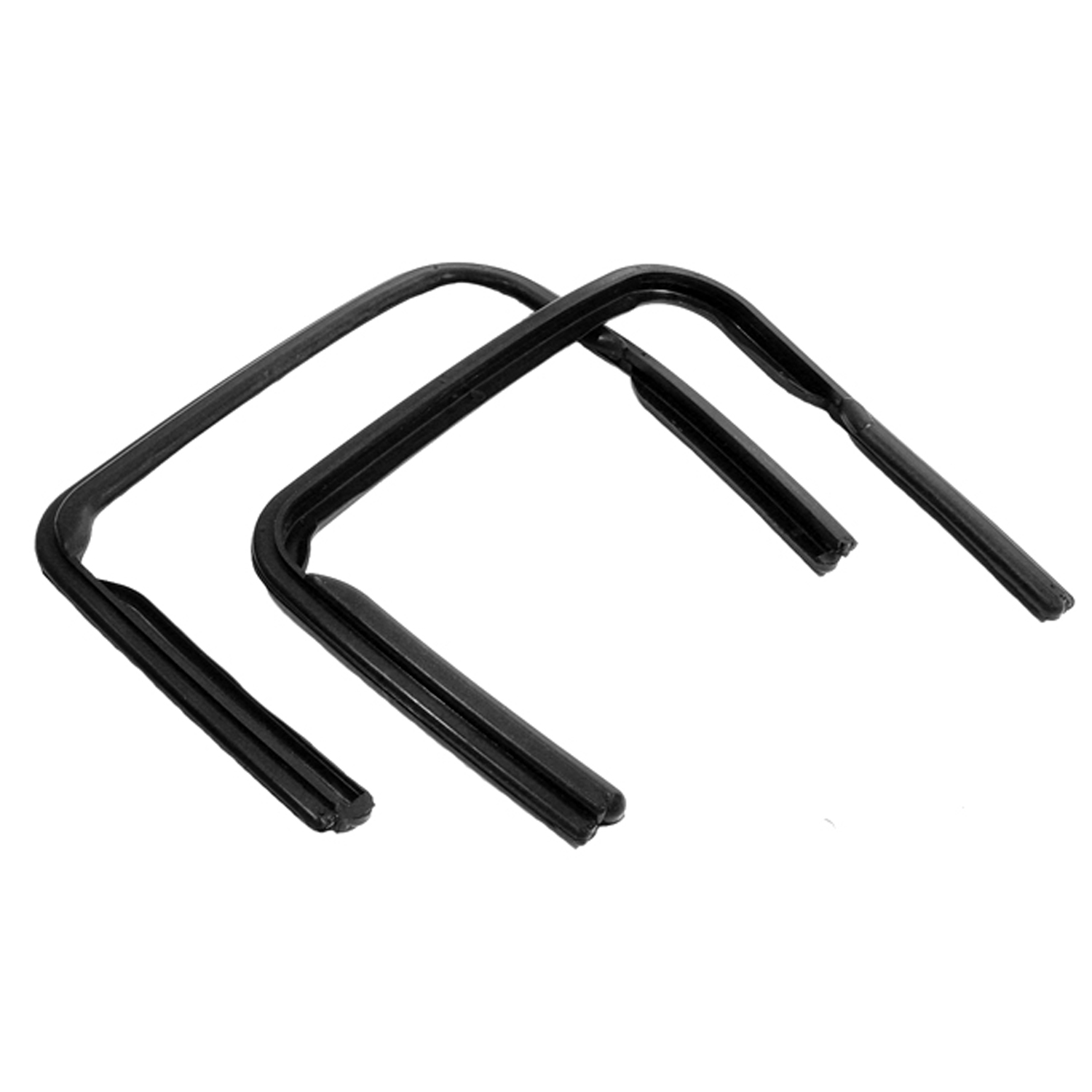 1935 Hudson SERIES HT Front Vent Window Seals, for Convertibles-WR 9Front Vent Window Seals, for Convertibles. 25-1/4" long each. Pair R&L
Why Choose Metro?
For over 100 years, Metro Moulded Parts has been the pinnacle of quality in classic car restoration parts. Our commitment to precision and authenticity in every component ensures a perfect fit and an OEM-level appearance.
- Expert Craftsmanship & Quality: Each part is a testament to our dedication to reliability and perfection, crafted from original designs and thoroughly tested.
- Advanced Technology: We use cutting-edge techniques to create flawless, long-lasting parts that surpass others in performance.
- SuperSoft Sponge – The Ultimate Door Seal: Not only are our door seals 30% softer than competitors', but they're also guaranteed to never leak. They effectively reduce wind and road noise, enhancing your classic car's comfort and driving experience.
- Proudly American: Our parts are a product of American craftsmanship, made in the USA with a spirit of excellence and heritage.
- Unrivaled Warranty: We back our products with a 30-year industry-leading warranty, a testament to our confidence in their quality.
Join us in preserving the legacy of classic cars with parts that are crafted for perfection, not just made.