

Image of 1935 Hudson Series Htl, Note: These illustrations use artistic license and may differ from actual historical models.
Performance Metrics
Fundamental Metrics
Emotional Appeal
MMP Rating
| Engine Specifications | |
|---|---|
| Engine: | Hudson Straight-6 |
| Displacement: | 212 cu in (3.5 L) |
| Horsepower: | Estimated 93-105 hp |
| Torque: | Not available |
| Compression Ratio: | Not available |
| Ignition System: | Battery and coil |
| Cooling System: | Water-cooled |
| Performance Specifications | |
| 0-60 Time: | Not available |
| 1/4 Mile Time: | Not available |
| Top Speed: | Estimated 75-85 mph |
| Transmission and Drive | |
| Drive Type: | Rear-wheel drive |
| Transmission Type: | 3-speed manual |
| Fuel and Efficiency | |
| Fuel System Type: | Carburetor |
| MPG: | Not available |
| Dimensions and Brakes | |
| Brakes: | Mechanical drum brakes |
| Wheelbase: | 119 inches |
| Weight: | Estimated 2,800-3,000 lbs |
Note: Specifications for classic cars are given to the best of our ability, considering the limited and variant data available.
1935 Hudson Series HTL: A Streamlined Six From Detroit
The 1935 Hudson Series HTL belongs to a fascinating moment when American cars were growing sleeker, more comfortable, and more technically ambitious without losing their sturdy, road-going character. Built by the Hudson Motor Car Company of Detroit, it came from a manufacturer known for engineering-minded cars and a willingness to challenge larger rivals.
“Series HTL” is a designation found in some vehicle listings and records, rather than a familiar showroom name like Hudson Eight or Terraplane. Hudson’s 1935 range included several series, body styles, and engine choices, so a car’s serial plate, engine, and body details are important when identifying its precise specification. The guide below focuses on the period’s Hudson six-cylinder character, while noting where equipment and performance could differ by series.
One detail worth seeking out is Hudson’s optional Electric Hand gear selector. Introduced for 1935, it let the driver select gears using a small control near the steering wheel, a distinctly modern touch in an era when most motorists shifted with a conventional floor lever.
Streamlined Hudson Styling
Hudson’s 1935 cars had a confident, forward-looking shape. A tall, carefully formed grille anchored the nose, while sweeping front fenders and a long hood gave the car a sense of motion even at a standstill. Rounded body contours softened the upright proportions typical of earlier cars, and bright trim added definition without overwhelming the design. The result was handsome rather than flashy, with a solid, substantial presence on the road.
Body styles across Hudson’s 1935 range included sedans, coupes, and open models, with availability varying by series. A closed sedan is the most recognizable and practical choice today, while coupes and open cars have a sportier profile and are often especially appealing to collectors. Exact body offerings should be checked against the car’s serial and body tags, since a “Series HTL” label alone may not identify the original configuration.
Inside, the emphasis was on comfort and durable workmanship. Depending on model and trim, buyers could find broadcloth or mohair upholstery, with leather available on some higher-grade or open models. A broad bench seat, large steering wheel, clear instruments, and generous cabin space made the Hudson feel properly substantial. Original interiors were designed for regular use, not delicate display, though years of wear and replacement trim mean surviving examples vary considerably.
Factory paint choices differed by model and production details. Solid dark colors and restrained two-tone combinations suited the car’s sweeping fenders and long body particularly well. Deep blue, maroon, green, and black are popular choices among restorers and enthusiasts, but a careful restoration should follow the paint and trim information for the individual car rather than assume every color was available on every body.
Engineering Ahead of Its Time
Hudson earned a following by combining strong engines with practical engineering. The company had already established a reputation for capable six-cylinder cars, and its 1935 models carried that tradition into a more streamlined era. Hydraulic brakes, increasingly common by this point, offered more consistent stopping than older mechanical systems when properly maintained. Hudson also paid attention to body construction and passenger comfort, areas that mattered as cars became faster and more likely to cover long distances.
The Electric Hand was the year’s standout conversation piece. It moved gear selection from the usual floor-mounted lever to a compact hand control, operating a mechanism that assisted the driver in shifting. It was not a modern automatic transmission: the driver still had to coordinate the clutch. But it showed how manufacturers were experimenting with easier, more convenient controls well before automatic transmissions became commonplace.
Hudson’s significance is also tied to its competitive spirit. It was an independent automaker facing much larger corporations, yet it continued to develop distinctive cars rather than simply follow the market. The streamlined styling and focus on usable performance helped establish the kind of comfortable, capable American touring car that buyers increasingly wanted.
Six-Cylinder Performance and Road Manners
Many Hudson and Terraplane models of this period used a 212-cubic-inch L-head inline-six. Output depended on the exact version and rating, but figures around 80 to 88 horsepower are commonly associated with six-cylinder specifications. A three-speed manual transmission was typical. With the six-cylinder engine, a reasonable period-performance estimate is a top speed in the neighborhood of 70 to 80 mph and a 0-to-60-mph time in roughly the 20-to-25-second range. These are estimates, not guaranteed figures for every Series HTL car. Hudson Eight models had a larger engine and different performance.
Those numbers tell only part of the story. A healthy Hudson six is best appreciated for its steady torque and relaxed cruising rather than modern-style acceleration. It gathers speed in a measured fashion, with the engine producing a mellow mechanical note that becomes more pronounced under load. The manual gearbox and clutch keep the driver involved, and the optional Electric Hand adds an unusual period novelty.
On ordinary roads, the car’s long, substantial body helps it feel composed, while its suspension is more forgiving than that of many contemporary sports-oriented cars. It can absorb rough pavement, though worn shocks, tired springs, loose steering components, or old tires can quickly spoil the ride. On winding roads, expect deliberate steering and noticeable body movement rather than sharp, modern responses. Crosswinds and road crowns also demand more attention than they would in a contemporary car. A well-sorted Hudson feels reassuring and comfortable, but it rewards smooth inputs and sensible speeds.
Living With a 1935 Hudson
Today, a Series HTL is most often a show car, touring car, or weekend-driver project. Some owners take their Hudsons on vintage rallies and local club tours, where the roomy cabin and relaxed pace suit longer outings. Regular commuting is possible only for an owner prepared to accept prewar braking distances, slower acceleration, and the routine attention required by an almost 90-year-old vehicle.
The basic mechanical layout is approachable for an experienced home mechanic. The engine, clutch, brakes, and conventional electrical system can be serviced with ordinary workshop skills and period-appropriate tools. The harder challenges are often finding correct trim, body panels, glass, and specialized Electric Hand components, if fitted. Parts availability is more limited than for a mass-produced Chevrolet or Ford of the same era, and the condition of the car matters enormously.
Reliability is closely tied to maintenance. Cooling-system condition, fuel delivery, ignition, wiring, brake hydraulics, and tire age deserve careful inspection before regular driving. A car that has been restored thoughtfully can be dependable on tours, but neglected examples may need substantial work. A pre-purchase inspection by a mechanic familiar with prewar Hudsons is money well spent.
Hudson Trivia and Common Misconceptions
The Terraplane name was chosen to evoke speed and modernity in the age of aviation. It became one of Hudson’s best-known sub-brands, helping the company appeal to buyers who wanted a lively, contemporary car. The name also makes identification tricky: later descriptions may call a car a Hudson, a Terraplane, or both, depending on its series and original marketing.
The Electric Hand is another memorable piece of trivia, but it is sometimes mistaken for an automatic transmission. It was a driver-operated shifting aid, not a system that handled every gear change by itself. Owners should also be cautious about claims that a particular car set a speed or endurance record. Hudson and Terraplane models had a strong performance reputation, but a record attributed to one model or year should be supported by a reliable period source before being repeated as fact.
Common criticisms are familiar to anyone considering a prewar car: modest acceleration by modern standards, heavy steering at low speeds, less effective braking than a modern vehicle, and the difficulty of sourcing some model-specific parts. These are not unique flaws in the Hudson. They are part of the ownership reality of a car built for a very different traffic environment.
Collector Values and Rarity
Values depend heavily on the exact series, body style, originality, restoration quality, and documentation. As a broad current-market estimate, a project or incomplete example might fall around $5,000 to $15,000. A sound driver or older restoration could bring roughly $15,000 to $35,000, while a high-quality, correctly restored car may reach $35,000 to $60,000 or more. Rare body styles and exceptional provenance can command higher prices, while a costly restoration does not automatically translate into an equally high sale price.
There is no dependable production total for the specific “Series HTL” designation in common reference listings. As a best-guess estimate, a particular HTL body-and-series combination may have been built in the low thousands, perhaps around 1,000 to 5,000 examples, but that is not a verified factory figure. The broader 1935 Hudson and Terraplane output was much larger. Surviving cars are now relatively scarce, especially those retaining their original trim, drivetrain, and identifying plates.
Like many prewar classics, Hudson values have tended to favor well-documented, usable cars over projects, and prices can move with broader collector-market interest. The best examples remain desirable, but these cars are not guaranteed investments. Condition, authenticity, and the availability of parts have a greater effect on value than a general prediction that the market will rise.
Why the 1935 Hudson Still Matters
The 1935 Hudson Series HTL represents an independent automaker combining graceful styling, practical engineering, and a genuine interest in making cars easier and more enjoyable to drive. Its six-cylinder performance is measured by modern standards, but its comfortable road manners, distinctive design, and period innovations give it lasting appeal.
For collectors, the reward is more than owning an attractive prewar automobile. It is the chance to experience Hudson’s individual approach to American motoring, from the steady six-cylinder engine to the clever Electric Hand. Properly identified and carefully maintained, a 1935 Hudson is a rolling reminder that innovation and character were never exclusive to the biggest names in Detroit.
1935 Hudson Series Htl Catalog of Parts
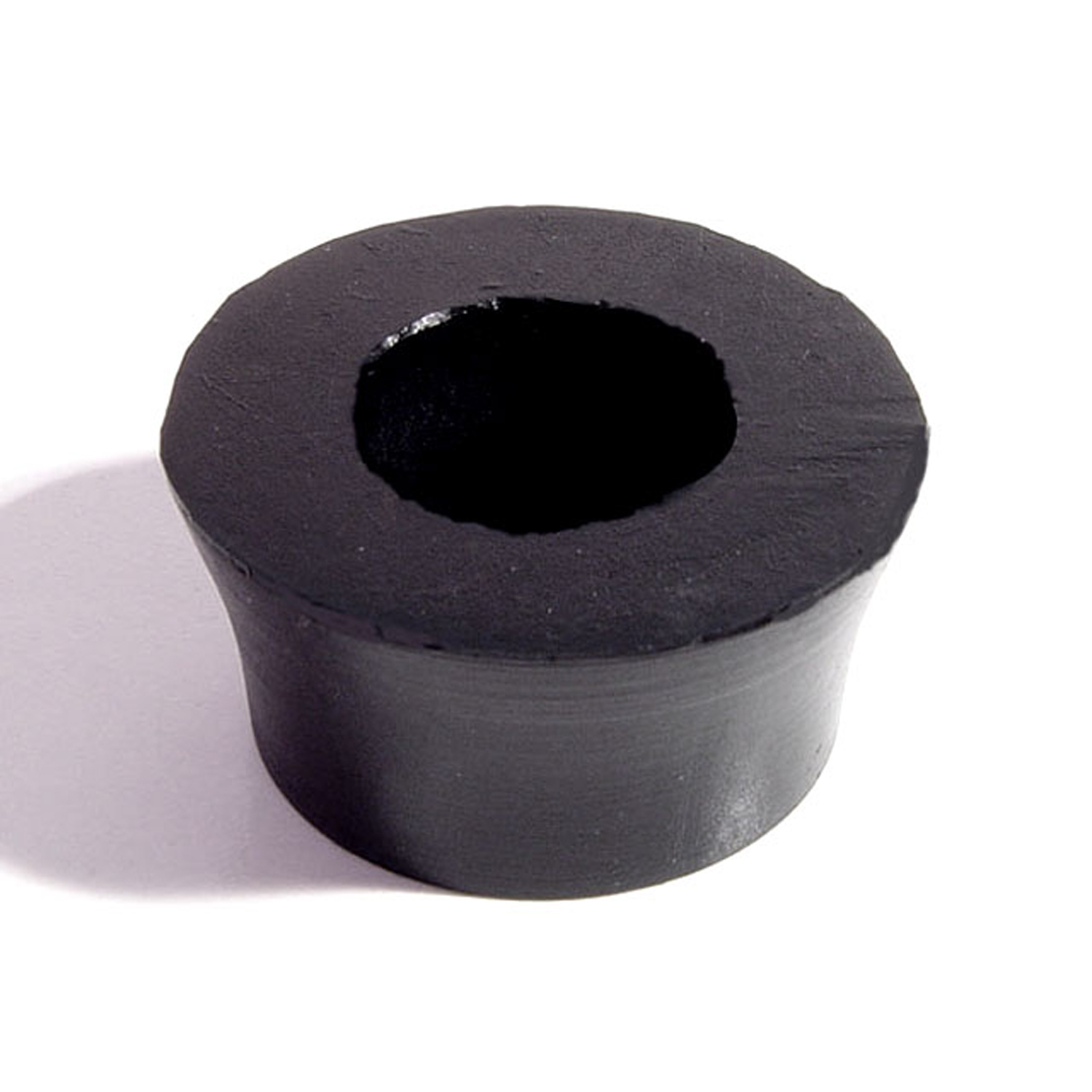 1935 Hudson SERIES HTL Shock Absorber Grommet. 1" bottom O.D., 5/8" high-BN 10Shock Absorber Grommet. 1" bottom O.D., 5/8" high., with 5/8" I.D. Each
 1935 Hudson SERIES HTL Spare Tire Mount. 1/2" top I.D., 1" Bottom I.D., 1-5/8" O.D-CG 50Spare Tire Mount. 1/2" top I.D., 1" Bottom I.D., 1-5/8" O.D. Each
 1935 Hudson SERIES HTL Hood Corners. Used at rear of hood. Slip-over type-HC 28-AHood Corners. Used at rear of hood. Slip-over type. 60° angle. No steel. It will duplicate the original appearance. 1-3/4" wide. Pair
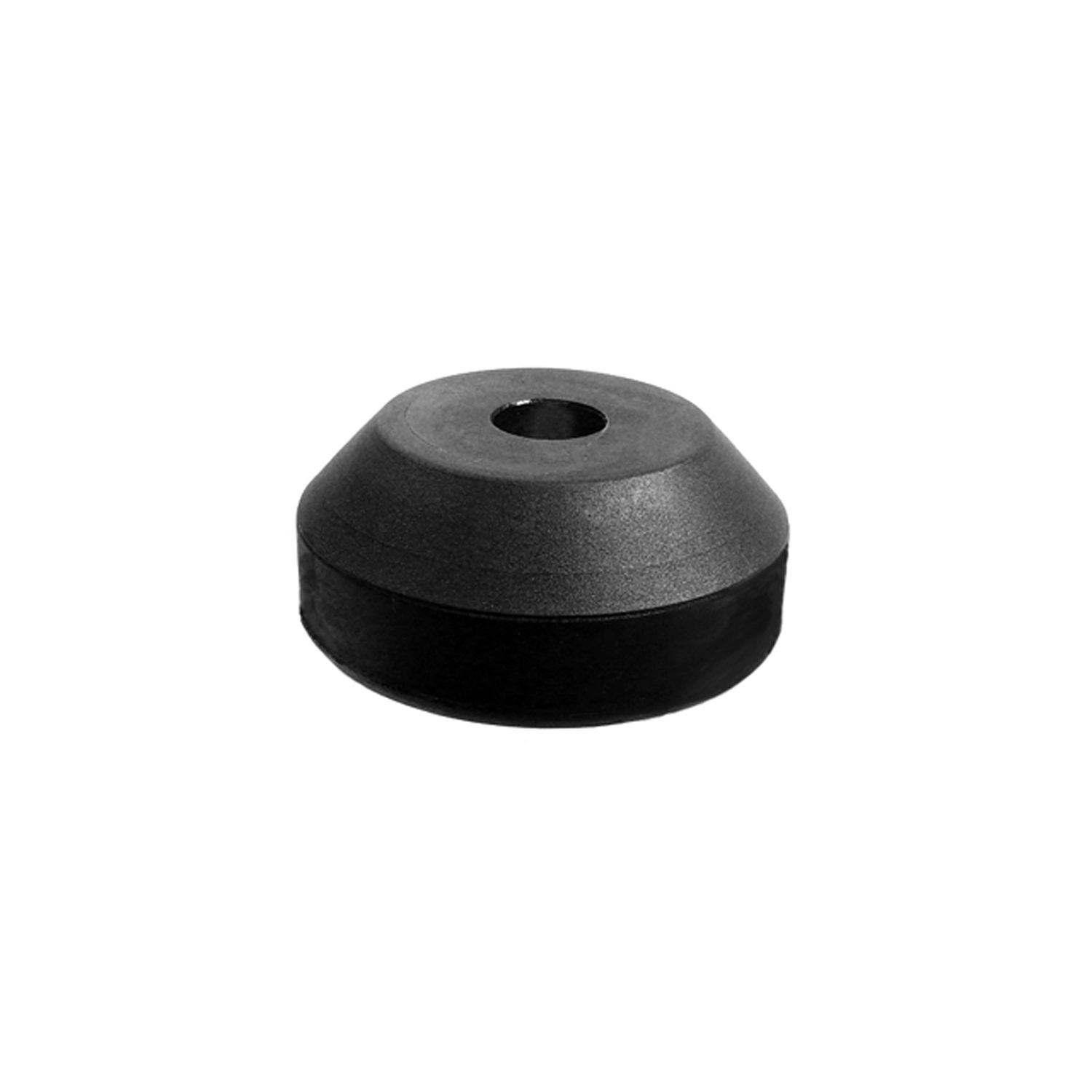 1935 Hudson SERIES HTL Upper Motor Mount. 5/8" I.D., 2-5/8" O.D. Each-MM 7-BUpper Motor Mount. 5/8" I.D., 2-5/8" O.D. Each
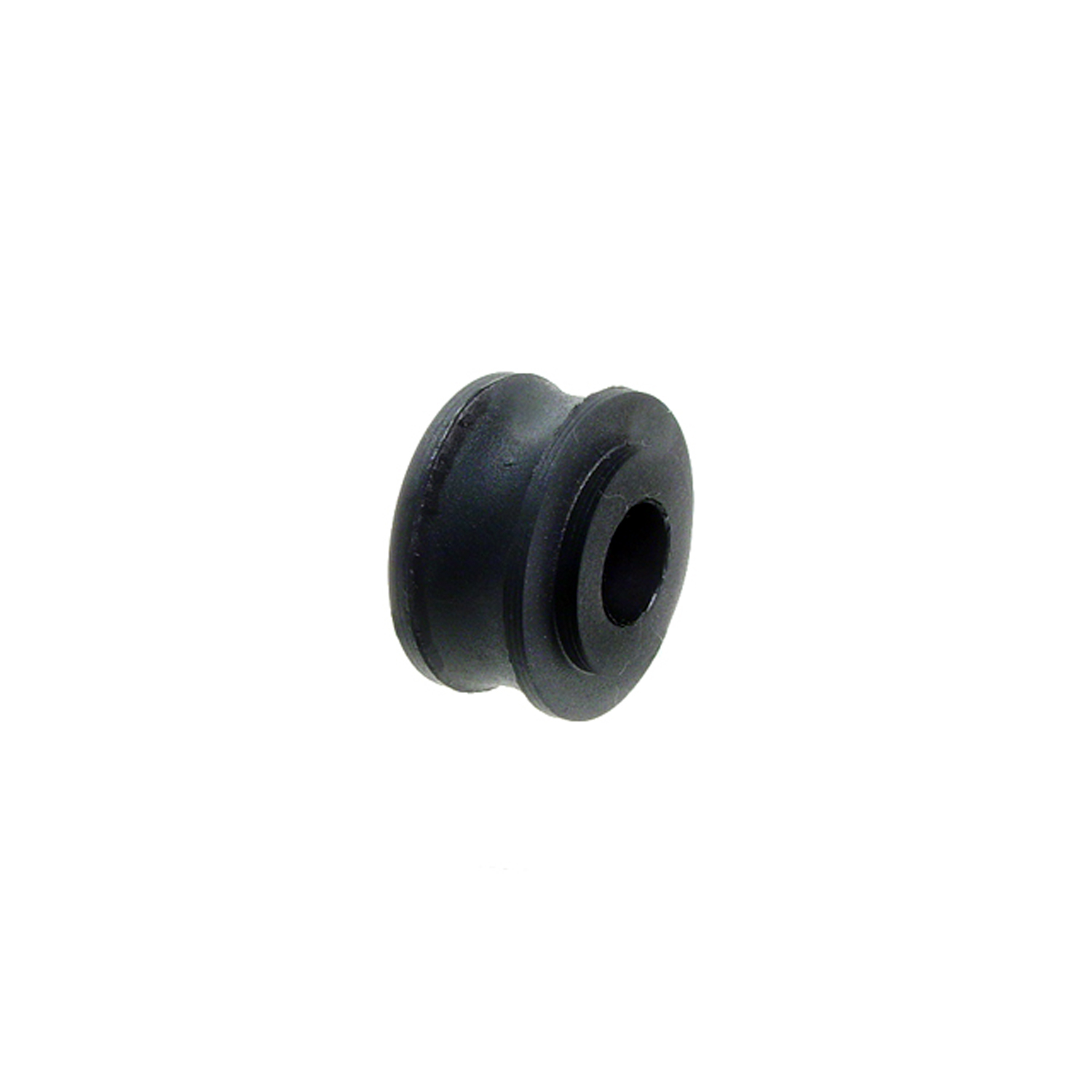 1935 Hudson SERIES HTL Lower Motor Mount. 5/8" I.D., 1-5/8" O.D. Each-MM 7-CLower Motor Mount. 5/8" I.D., 1-5/8" O.D. Each
 1935 Hudson SERIES HTL Tail-light Pads. 7-3/4" long X 2-9/16" wide. Pair-MP 798-JTail-light Pads. 7-3/4" long X 2-9/16" wide. Pair
 1935 Hudson SERIES HTL Headlight Pads. 4-1/2" wide X 7-5/8" long. Pair R&L-MP 798-QHeadlight Pads. 4-1/2" wide X 7-5/8" long. Pair R&L
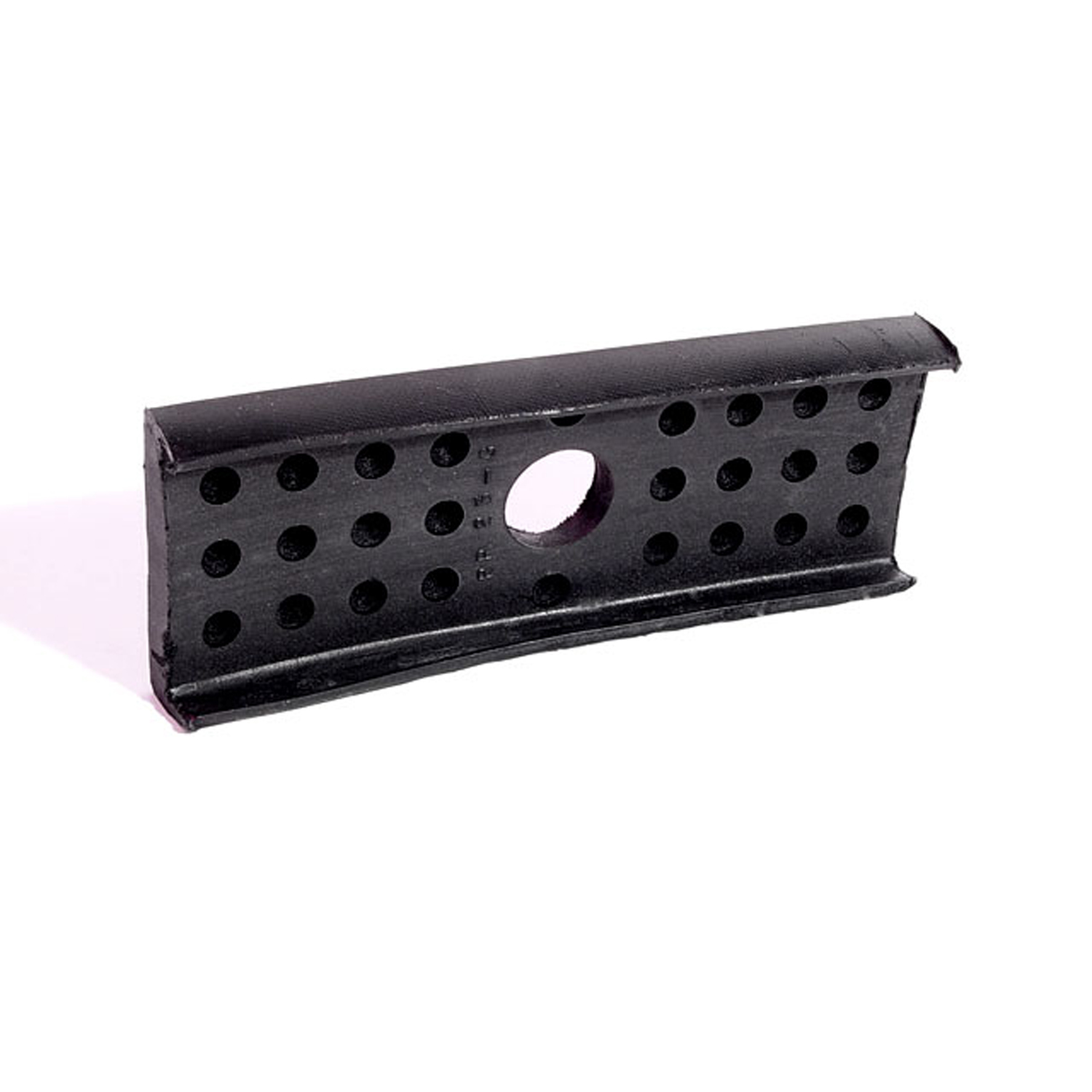 1935 Hudson SERIES HTL Rear Leaf Spring Center Mounting Insulator-RP 23-GRear Leaf Spring Center Mounting Insulator. For all 1-3/4" wide leaf springs. Each
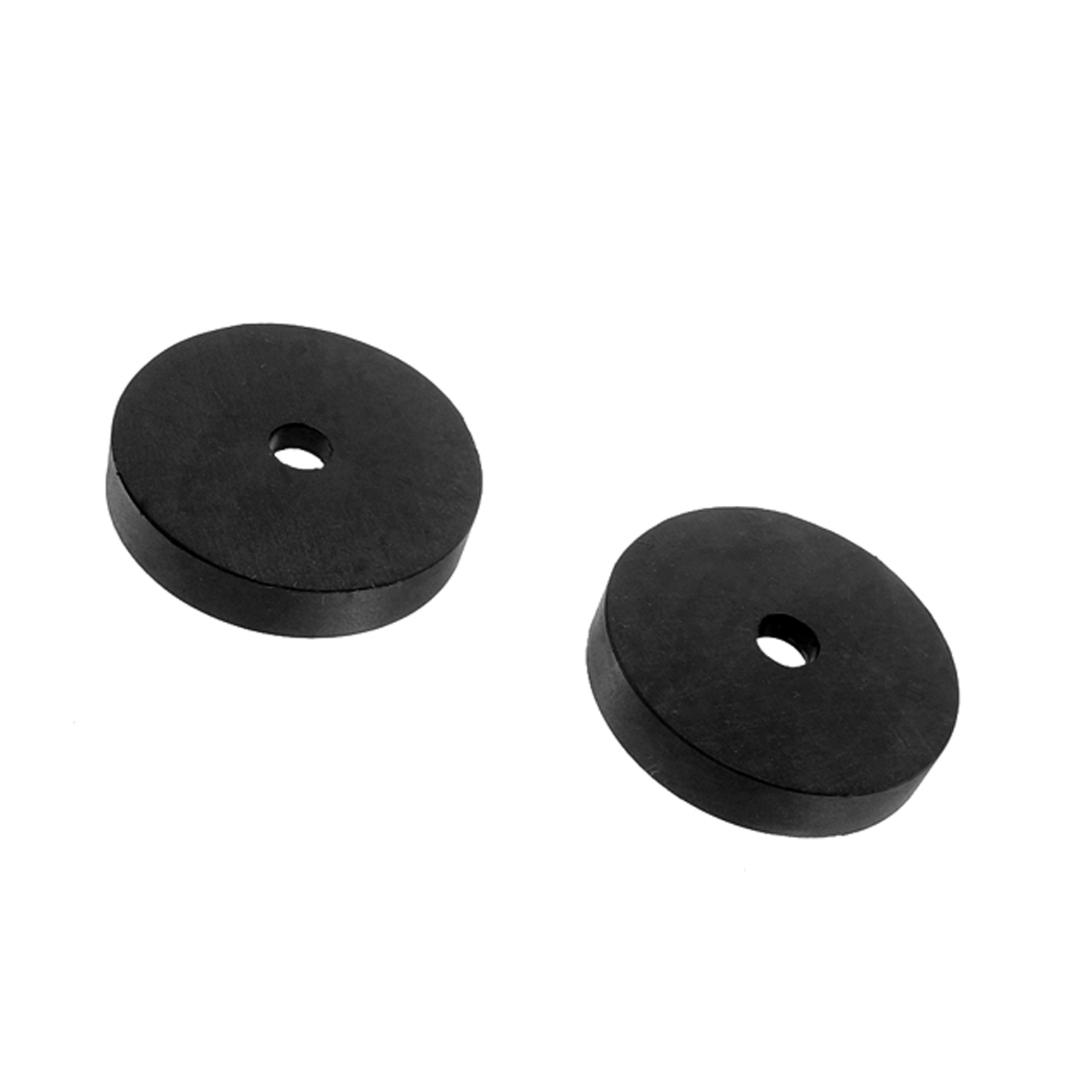 1935 Hudson SERIES HTL Clutch and Brake Seals. Seals fit on a round shaft-RP 31-NClutch and Brake Seals. Seals fit on a round shaft. Made of soft rubber. 2-7/16" O.D., 7/16" I.D. Pair
 1935 Hudson SERIES HTL Vertical Division Bar Seal. Enough for two vents. Each-VS 1Vertical Division Bar Seal. Enough for two vents. Each
 1935 Hudson SERIES HTL Front Vent Window Seals. For disappearing-type vent windows-WR 4502Front Vent Window Seals. For disappearing-type vent windows. Pair R&L
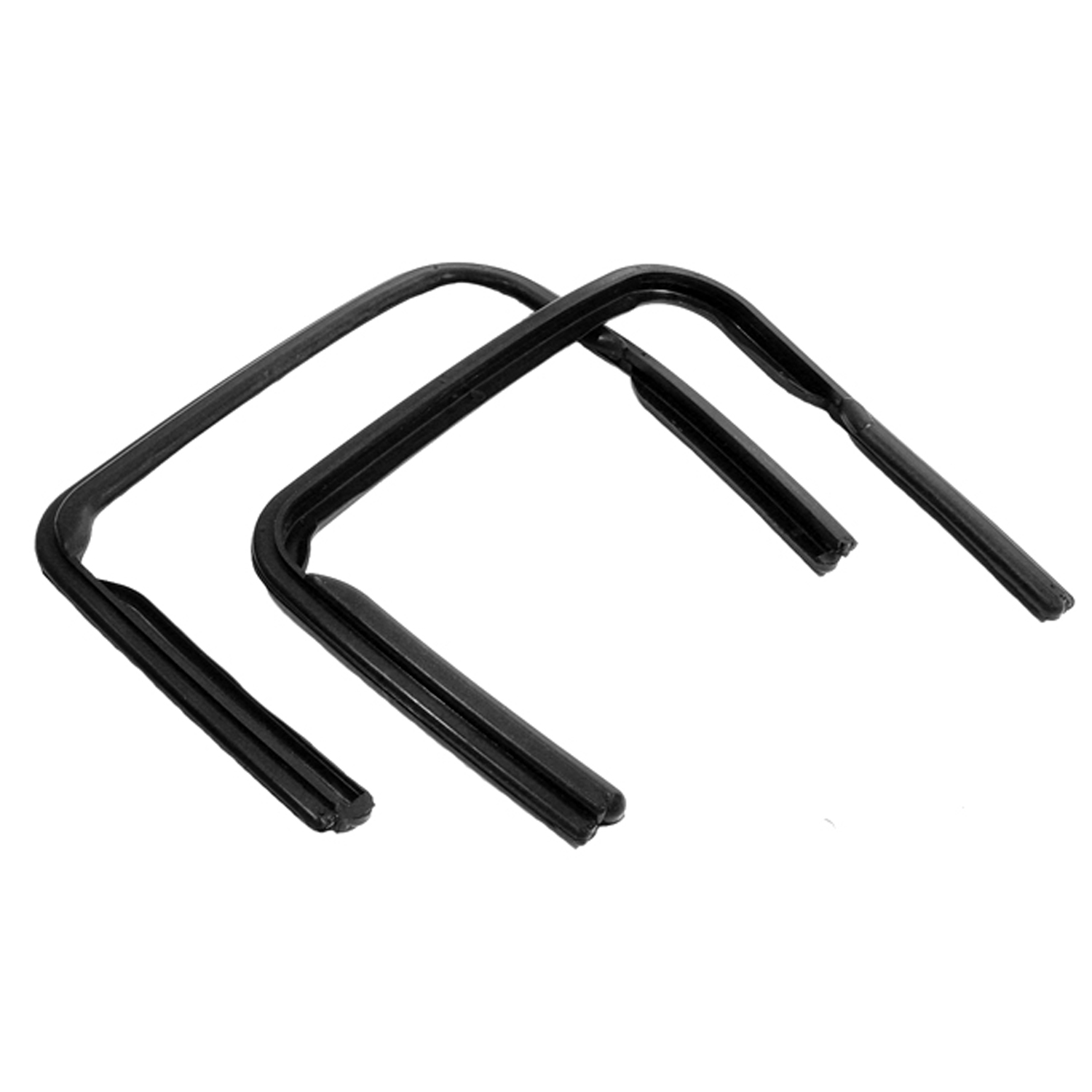 1935 Hudson SERIES HTL Front Vent Window Seals, for Convertibles-WR 9Front Vent Window Seals, for Convertibles. 25-1/4" long each. Pair R&L
Why Choose Metro?
For over 100 years, Metro Moulded Parts has been the pinnacle of quality in classic car restoration parts. Our commitment to precision and authenticity in every component ensures a perfect fit and an OEM-level appearance.
- Expert Craftsmanship & Quality: Each part is a testament to our dedication to reliability and perfection, crafted from original designs and thoroughly tested.
- Advanced Technology: We use cutting-edge techniques to create flawless, long-lasting parts that surpass others in performance.
- SuperSoft Sponge – The Ultimate Door Seal: Not only are our door seals 30% softer than competitors', but they're also guaranteed to never leak. They effectively reduce wind and road noise, enhancing your classic car's comfort and driving experience.
- Proudly American: Our parts are a product of American craftsmanship, made in the USA with a spirit of excellence and heritage.
- Unrivaled Warranty: We back our products with a 30-year industry-leading warranty, a testament to our confidence in their quality.
Join us in preserving the legacy of classic cars with parts that are crafted for perfection, not just made.