

Image of 1935 Hudson Series Hu, Note: These illustrations use artistic license and may differ from actual historical models.
Performance Metrics
Fundamental Metrics
Emotional Appeal
MMP Rating
| Engine Specifications | |
|---|---|
| Engine: | Hudson Straight-6 |
| Displacement: | 212 cubic inches |
| Horsepower: | Estimated 93-102 hp |
| Torque: | Not available |
| Compression Ratio: | Not available |
| Ignition System: | Battery and coil |
| Cooling System: | Water-cooled |
| Performance Specifications | |
| 0-60 Time: | Not available |
| 1/4 Mile Time: | Not available |
| Top Speed: | Estimated 70-80 mph |
| Transmission and Drive | |
| Drive Type: | Rear-wheel drive |
| Transmission Type: | 3-speed manual |
| Fuel and Efficiency | |
| Fuel System Type: | Carburetor |
| MPG: | Not available |
| Dimensions and Brakes | |
| Brakes: | Mechanical drum brakes |
| Wheelbase: | 119 inches |
| Weight: | Estimated 2,800-3,000 lbs |
Note: Specifications for classic cars are given to the best of our ability, considering the limited and variant data available.
1935 Hudson Series HU: A Streamlined American Eight
The 1935 Hudson Series HU brought big-car power and fresh, wind-swept styling to a market still feeling the effects of the Great Depression. Built by the Hudson Motor Car Company of Detroit, the HU is generally identified as part of Hudson’s 1935 Eight lineup, rather than the more compact Terraplane range. Its combination of a smooth eight-cylinder engine, substantial bodywork, and clever engineering made it a distinctive choice for buyers who wanted something more than basic transportation.
One intriguing detail from the period is Hudson’s optional Electric Hand gearshift. Instead of moving the transmission lever in the conventional way, the driver used a small control near the steering wheel to operate the gear-changing mechanism. It was not a modern automatic transmission, but it offered a taste of the push-button convenience that would become familiar decades later.
Streamlined Style and Coachwork
The HU wore the rounded, carefully integrated look that characterized mid-1930s American cars. Its tall front grille gave the nose a formal presence, while flowing front fenders, a long hood, and teardrop-like headlamp housings helped soften the outline. Running boards remained part of the design, but the body’s sweeping lines made the Hudson look more aerodynamic than many upright cars from just a few years earlier.
Hudson’s Monobilt construction was another important part of the package. Rather than treating the body as a simple shell sitting on a separate frame, Hudson promoted a strongly integrated body-and-chassis structure. The result was a solid, substantial car, although it was still a large machine by modern standards.
Body styles varied across the 1935 Hudson range and included sedans, coupes, and more sporting open or convertible-style offerings, depending on model and equipment. Four-door sedans were practical and likely the most familiar sight on the road. Coupes, with their longer doors and more intimate cabins, have particular visual appeal to collectors today. Availability could vary between the Hudson Eight and Terraplane lines, so a specific HU’s body style should be confirmed from its serial number, identification plates, and period literature.
Inside, the Hudson emphasized comfort and a sense of quality. Expect broad seating, generous wood or wood-grain trim depending on specification, patterned upholstery, and a large, clearly arranged instrument panel. Materials and finishes differed by body style and trim level, but the cabin was designed to feel like a substantial, well-appointed automobile rather than a stripped-down economy car.
Factory color choices depended on the body and trim combination. Period Hudsons could be found in shades such as black, blue, green, maroon, and tan, with contrasting details or two-tone treatments on some cars. Dark, rich colors suit the HU’s formal lines particularly well, though surviving cars may wear later repaint colors. Original paint codes and sales literature are the best guide when authenticity matters.
Engineering Ahead of Its Time
Hudson had a reputation for engineering ambition, and the HU reflected that approach. The brand’s Monobilt construction aimed to create a rigid, integrated structure, while hydraulic brakes and contemporary chassis engineering helped make a heavy car controllable. Hudson was also working to make its vehicles feel more streamlined and modern without sacrificing the roominess buyers expected from a full-size American automobile.
The optional Electric Hand system is one of the HU’s most memorable innovations. A compact control at the steering wheel directed the gearshift mechanism, reducing the need to reach for a floor-mounted lever. The driver still had to operate the clutch, so it was not a fully automatic setup. When properly adjusted, however, it made shifting feel unusual and advanced for its day. The system’s complexity also means that a surviving example deserves a careful inspection by someone familiar with Hudsons.
The 1935 HU should not be confused with Hudson’s later, more revolutionary Step-Down models, which arrived after the Second World War. But it belongs to the company’s longer story of using structural and mechanical ideas to distinguish its cars from mainstream competitors.
Eight-Cylinder Performance and Road Manners
The Hudson Eight was powered by a flathead, or L-head, inline-eight of approximately 254 cubic inches. Published specifications for the 1935 Hudson Eight commonly list output in the neighborhood of 113 horsepower, with a three-speed manual transmission. Exact figures can vary by source and configuration, and a car’s present-day performance depends heavily on its mechanical condition.
Period cars were not usually tested with today’s standardized 0-to-60-mph procedures. As a modern estimate, a healthy HU might take roughly 20 to 25 seconds to reach 60 mph. Top speed is often estimated in the neighborhood of 80 to 85 mph, though sustained high-speed driving is not advisable without confidence in the brakes, tires, cooling system, and drivetrain.
On the road, the eight-cylinder engine’s main attraction is its smoothness. Rather than delivering a sharp, high-revving rush, it builds speed steadily with a mellow mechanical note. The long wheelbase and substantial mass help the car settle over ordinary bumps, while the suspension is tuned for comfort rather than sharp cornering. On winding roads, the driver needs to plan ahead: steering is slower than in a modern car, the body leans through turns, and narrow period tires offer a very different grip limit.
That relaxed character is part of the appeal. The driver sits behind a large steering wheel, works a traditional clutch and gearbox, and feels the car’s weight through the controls. A well-sorted HU can be pleasant on secondary roads and at moderate highway speeds, but it is best enjoyed as a classic touring car, not driven like a contemporary performance sedan.
Living With a 1935 Hudson
Today, most Series HU cars are used for weekend touring, historic displays, club events, and concours-style shows. Some owners drive them regularly in fair weather, but using one as a daily driver requires patience and a willingness to manage old-car limitations. Visibility, braking distances, fuel economy, and traffic-speed expectations are all products of another era.
Routine mechanical work is approachable for an experienced home mechanic. The engine is a conventional prewar design, and many service tasks can be handled with standard tools and a workshop manual. The harder part is sourcing correct parts and finding specialists for less common components, particularly trim, body panels, and any Electric Hand equipment. Before buying, check the engine’s compression, cooling system, brakes, electrical wiring, clutch, and gearbox. Rust in structural areas and poorly repaired collision damage can turn an appealing project into an expensive one.
Reliability is closely tied to maintenance and use. These cars can tour reliably when restored and serviced properly, but age-related issues are inevitable. A car that has been sitting for years should not be judged by whether it starts once; fuel delivery, lubrication, brake hydraulics, tires, and electrical systems all need attention before regular road use.
Hudson HU Trivia and Common Complaints
The Electric Hand is the HU’s standout conversation starter, especially when a car retains the system and it works correctly. It was a clever alternative to a conventional shift lever, but owners sometimes prefer a standard manual setup because the mechanism can require careful adjustment and specialized knowledge.
There is no widely recognized speed or endurance record attached specifically to the 1935 Series HU. Its significance is better understood through Hudson’s broader reputation for engineering and the car’s role in the company’s prewar lineup. Nor is there a dependable, well-documented celebrity-owner story that should be treated as a defining fact about the model.
Common criticisms are practical rather than dramatic: the HU is heavy, its fuel consumption is high by modern standards, and its brakes and handling demand more planning than a newer car. Parts availability can also be uneven. Those trade-offs come with the territory for a large prewar automobile, and they are balanced by the Hudson’s smooth engine, distinctive styling, and uncommon presence at classic-car events.
Collector Values and Rarity
Exact production totals for the Series HU are not consistently broken out in readily available summaries, so any figure should be treated as an estimate rather than a confirmed factory count. A reasonable working estimate is that several thousand were built, perhaps roughly 5,000 to 10,000 across the relevant HU configurations. Surviving cars are much less common than that estimate suggests, particularly in complete, well-documented condition.
In the current U.S. collector market, a project or incomplete example might sell for approximately $8,000 to $18,000. A usable driver could fall around $20,000 to $35,000, while a high-quality restoration or especially desirable body style may reach roughly $40,000 to $60,000 or more. These are broad estimates, not a guaranteed appraisal. Condition, originality, body style, restoration quality, provenance, and whether the car has a functioning Electric Hand system can all affect the price.
Values for prewar cars tend to move gradually rather than follow the rapid swings seen in some newer collector categories. Well-restored examples have the strongest appeal, but restoration costs can exceed a car’s eventual sale price. Buyers should compare completed sales for the same body style and condition, rather than relying on asking prices alone. Overall, the HU is best viewed as a specialist collectible with steady enthusiast interest, not a short-term investment.
Why the 1935 Hudson HU Still Matters
The 1935 Hudson Series HU combines a smooth inline-eight, substantial Monobilt construction, elegant prewar styling, and a genuinely unusual shift-control option. It was built for a period when automakers were working to make large cars feel safer, more streamlined, and more sophisticated, and Hudson brought its own engineering character to that challenge.
For collectors, the HU offers more than polished fenders and a period-correct cabin. It is a reminder of Hudson’s independent streak and of an era when an American car could be both imposing and inventive. A good one does not need to hurry to make an impression; it simply needs to roll out, settle into its stride, and let that straight-eight speak for itself.
1935 Hudson Series Hu Catalog of Parts
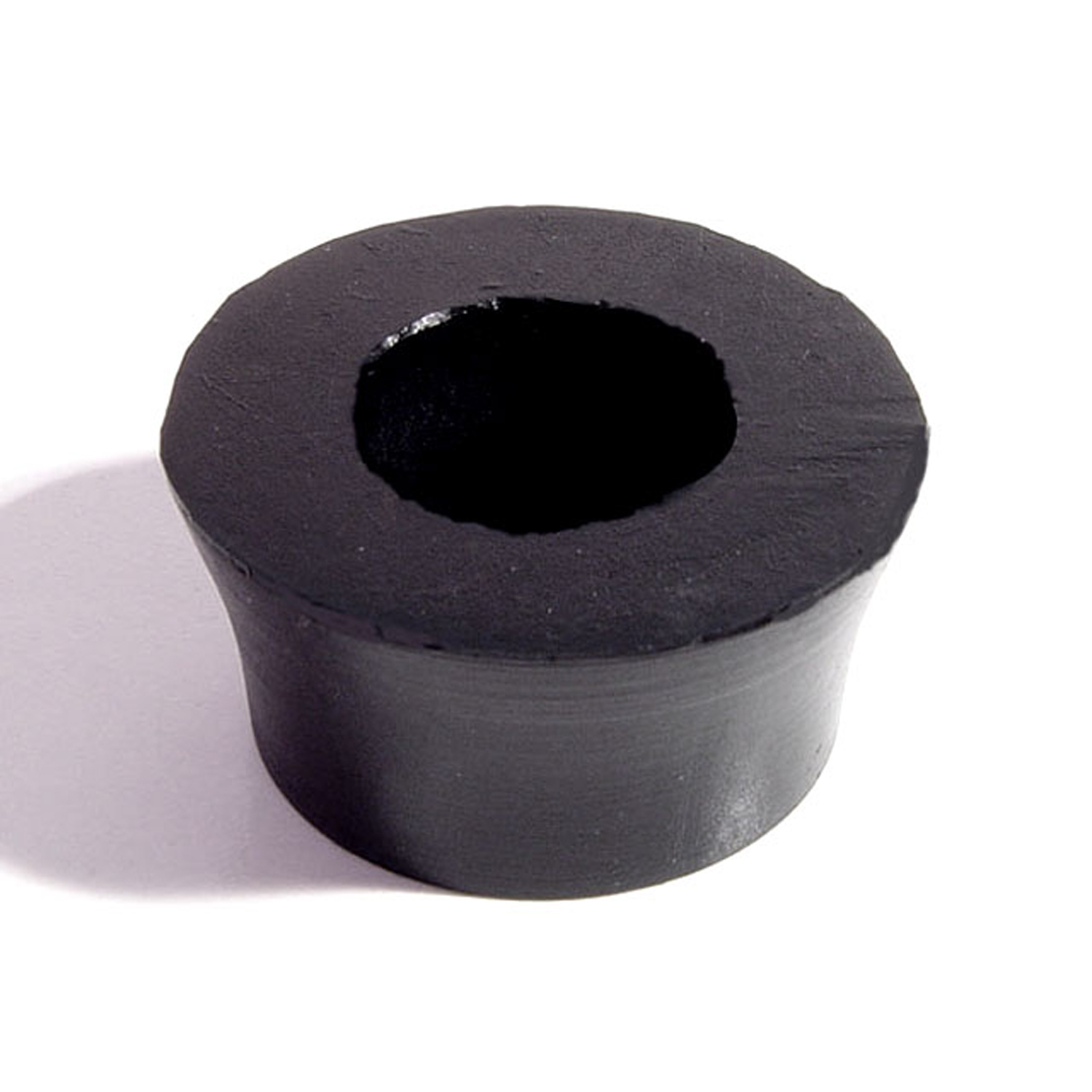 1935 Hudson SERIES HU Shock Absorber Grommet. 1" bottom O.D., 5/8" high-BN 10Shock Absorber Grommet. 1" bottom O.D., 5/8" high., with 5/8" I.D. Each
 1935 Hudson SERIES HU Spare Tire Mount. 1/2" top I.D., 1" Bottom I.D., 1-5/8" O.D-CG 50Spare Tire Mount. 1/2" top I.D., 1" Bottom I.D., 1-5/8" O.D. Each
 1935 Hudson SERIES HU Hood Corners. Used at rear of hood. Slip-over type-HC 28-AHood Corners. Used at rear of hood. Slip-over type. 60° angle. No steel. It will duplicate the original appearance. 1-3/4" wide. Pair
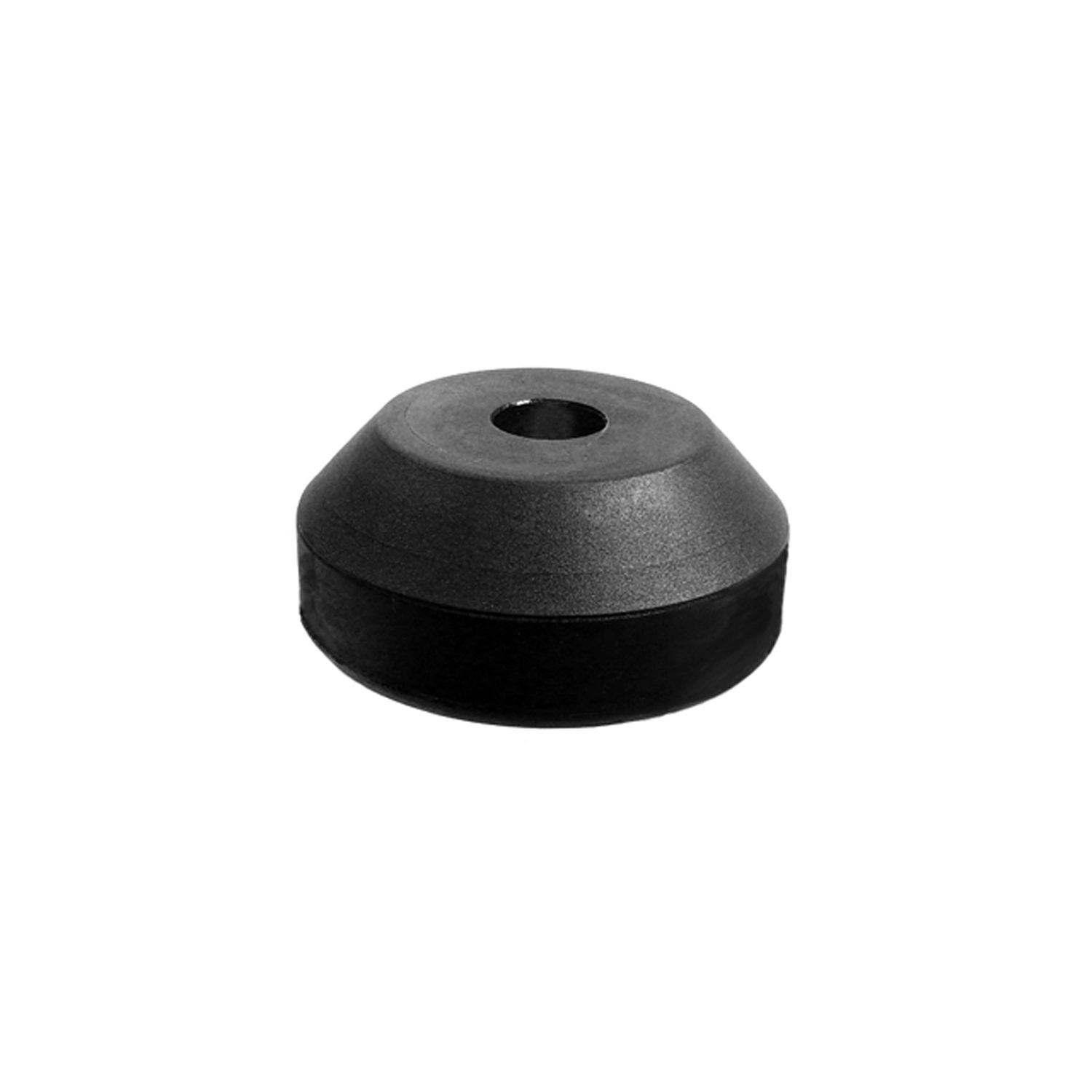 1935 Hudson SERIES HU Upper Motor Mount. 5/8" I.D., 2-5/8" O.D. Each-MM 7-BUpper Motor Mount. 5/8" I.D., 2-5/8" O.D. Each
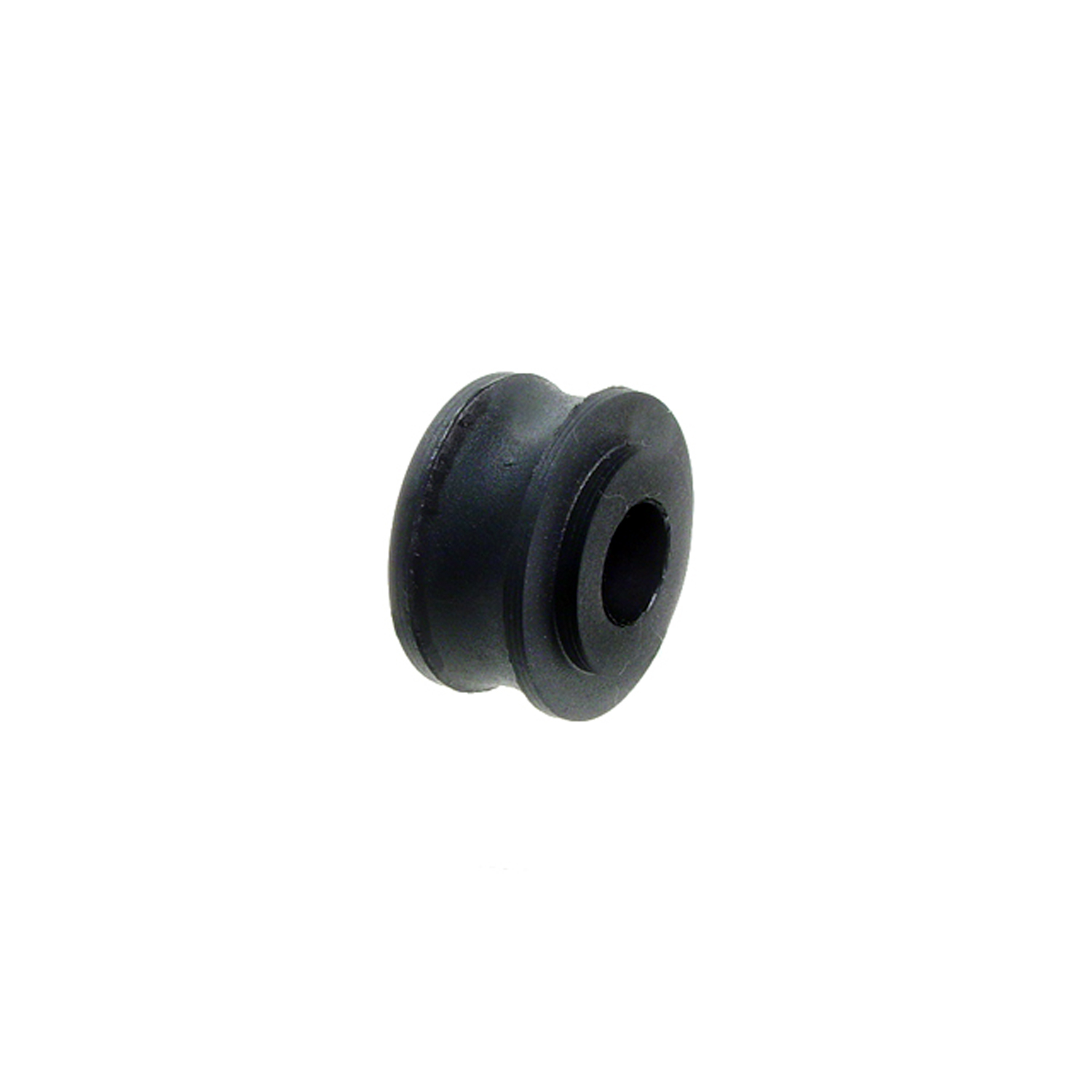 1935 Hudson SERIES HU Lower Motor Mount. 5/8" I.D., 1-5/8" O.D. Each-MM 7-CLower Motor Mount. 5/8" I.D., 1-5/8" O.D. Each
 1935 Hudson SERIES HU Tail-light Pads. 7-3/4" long X 2-9/16" wide. Pair-MP 798-JTail-light Pads. 7-3/4" long X 2-9/16" wide. Pair
 1935 Hudson SERIES HU Headlight Pads. 4-1/2" wide X 7-5/8" long. Pair R&L-MP 798-QHeadlight Pads. 4-1/2" wide X 7-5/8" long. Pair R&L
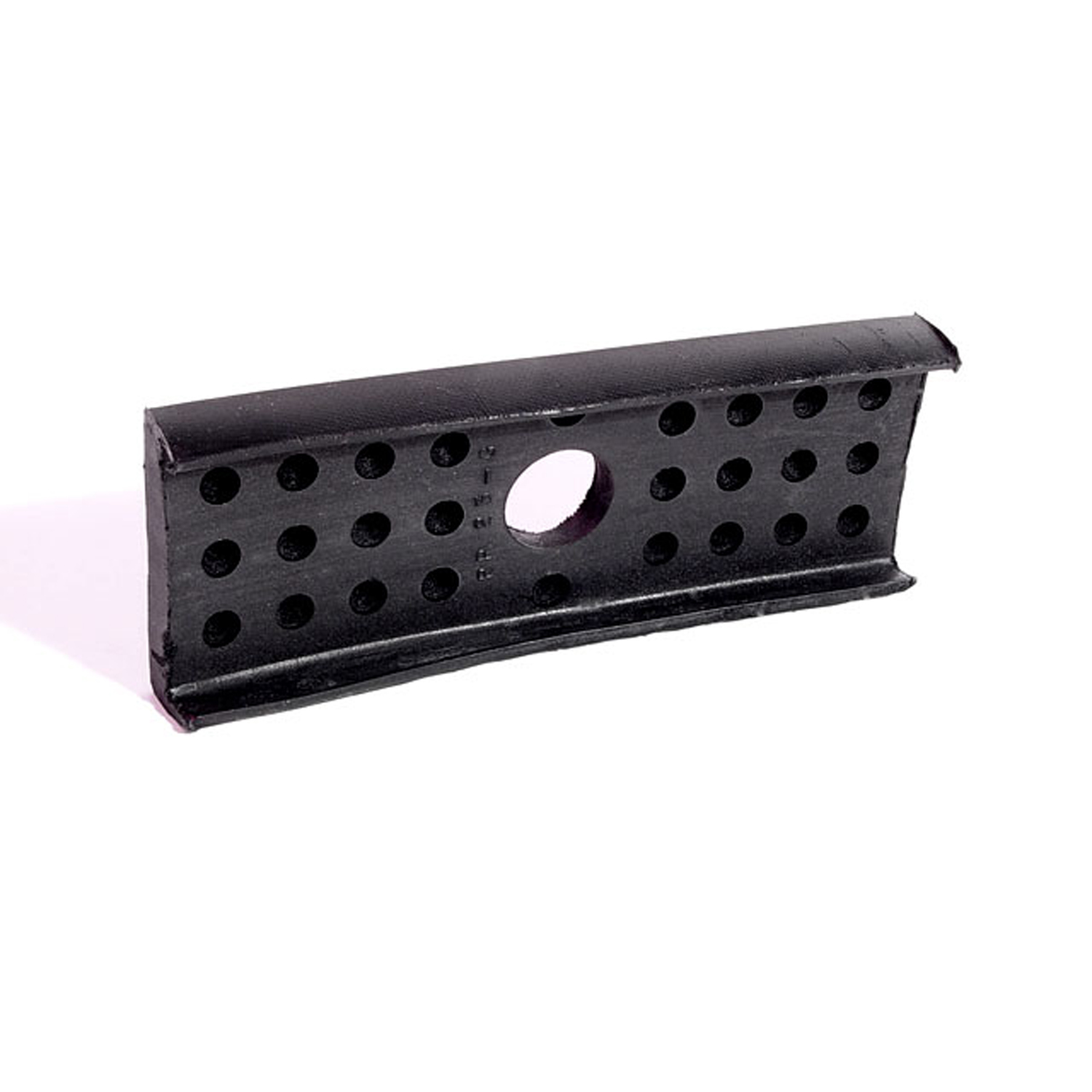 1935 Hudson SERIES HU Rear Leaf Spring Center Mounting Insulator-RP 23-GRear Leaf Spring Center Mounting Insulator. For all 1-3/4" wide leaf springs. Each
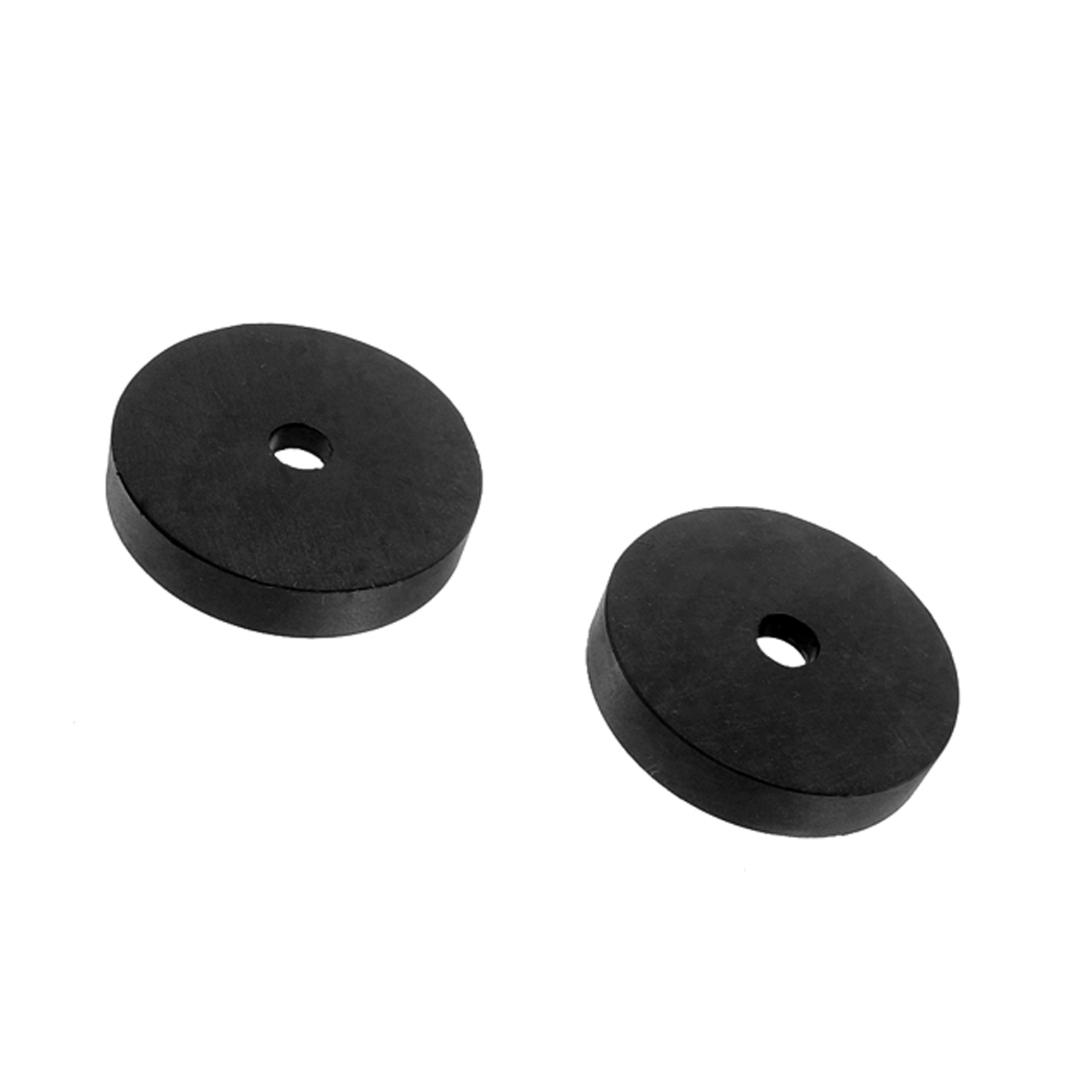 1935 Hudson SERIES HU Clutch and Brake Seals. Seals fit on a round shaft-RP 31-NClutch and Brake Seals. Seals fit on a round shaft. Made of soft rubber. 2-7/16" O.D., 7/16" I.D. Pair
 1935 Hudson SERIES HU Vertical Division Bar Seal. Enough for two vents. Each-VS 1Vertical Division Bar Seal. Enough for two vents. Each
 1935 Hudson SERIES HU Front Vent Window Seals. For disappearing-type vent windows-WR 4502Front Vent Window Seals. For disappearing-type vent windows. Pair R&L
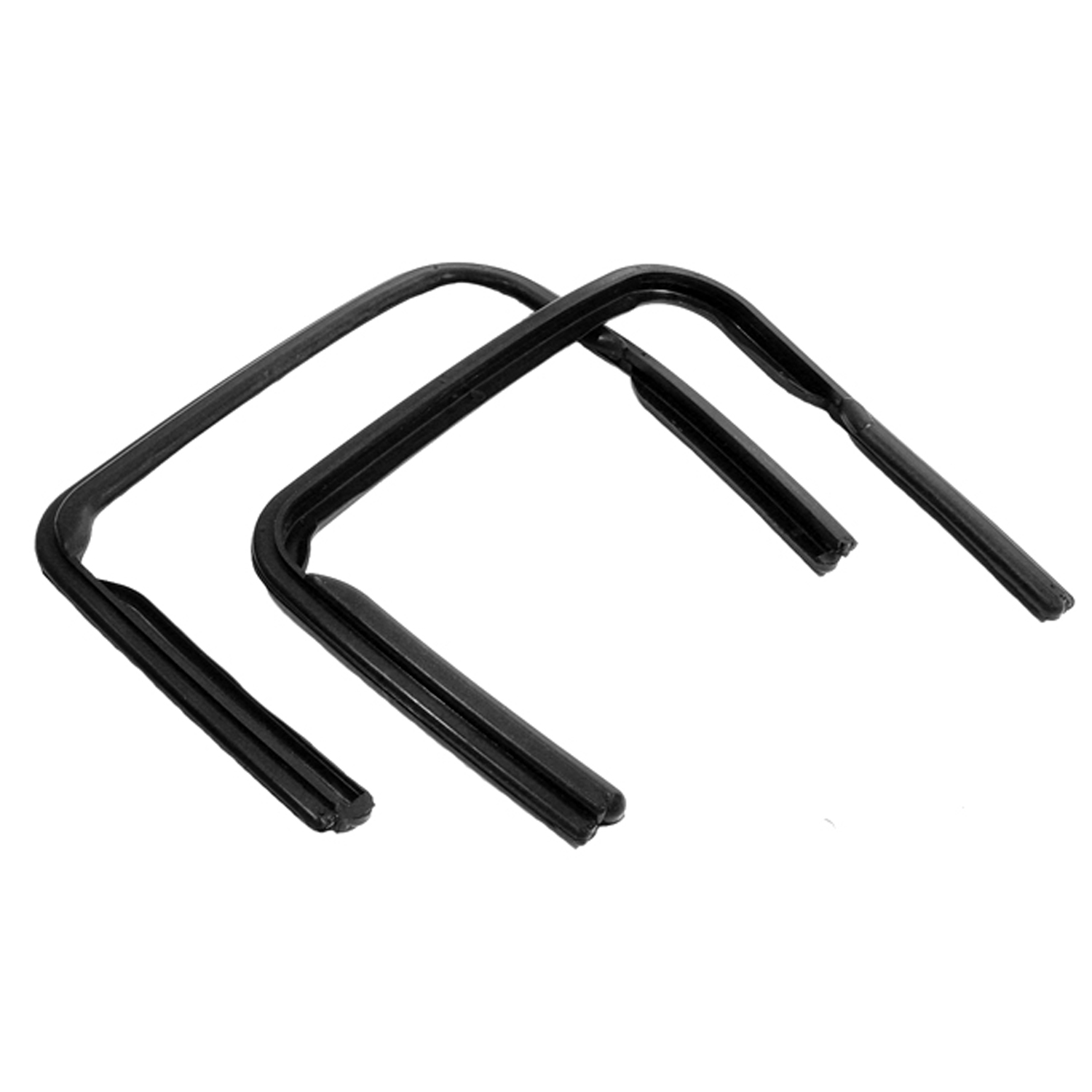 1935 Hudson SERIES HU Front Vent Window Seals, for Convertibles-WR 9Front Vent Window Seals, for Convertibles. 25-1/4" long each. Pair R&L
Why Choose Metro?
For over 100 years, Metro Moulded Parts has been the pinnacle of quality in classic car restoration parts. Our commitment to precision and authenticity in every component ensures a perfect fit and an OEM-level appearance.
- Expert Craftsmanship & Quality: Each part is a testament to our dedication to reliability and perfection, crafted from original designs and thoroughly tested.
- Advanced Technology: We use cutting-edge techniques to create flawless, long-lasting parts that surpass others in performance.
- SuperSoft Sponge – The Ultimate Door Seal: Not only are our door seals 30% softer than competitors', but they're also guaranteed to never leak. They effectively reduce wind and road noise, enhancing your classic car's comfort and driving experience.
- Proudly American: Our parts are a product of American craftsmanship, made in the USA with a spirit of excellence and heritage.
- Unrivaled Warranty: We back our products with a 30-year industry-leading warranty, a testament to our confidence in their quality.
Join us in preserving the legacy of classic cars with parts that are crafted for perfection, not just made.