

Image of 1935 Hudson Series Hul, Note: These illustrations use artistic license and may differ from actual historical models.
Performance Metrics
Fundamental Metrics
Emotional Appeal
MMP Rating
| Engine Specifications | |
|---|---|
| Engine Options: | Hudson Straight-6 |
| Displacement Range: | 212 cubic inches |
| Horsepower Range: | Estimated 93-102 hp |
| Torque: | Not available |
| Compression Ratio: | Not available |
| Ignition System: | Distributor and coil |
| Cooling System: | Water-cooled |
| Performance Specifications | |
| 0-60 Time: | Not available |
| 1/4 Mile Time: | Not available |
| Top Speed: | Estimated 70-80 mph |
| Transmission and Drive | |
| Drive Type: | Rear-wheel drive |
| Transmission Type: | 3-speed manual |
| Fuel and Efficiency | |
| Fuel System Type: | Carburetor |
| MPG: | Not available |
| Dimensions and Brakes | |
| Brakes: | Mechanical drum brakes |
| Wheelbase: | 119 inches |
| Weight: | Estimated 2,800-3,000 lbs |
Note: Specifications for classic cars are given to the best of our ability, considering the limited and variant data available.
1935 Hudson Series HUL: A Streamlined American Classic
The 1935 Hudson Series HUL brought big-car presence and thoughtful engineering to a decade when American automakers were finding their way out of the Great Depression. Built by the Hudson Motor Car Company of Detroit, it belonged to a marque known for strong engines, substantial construction, and a willingness to try ideas beyond the ordinary.
Hudson’s model and body codes can vary across catalogs and surviving records, so “Series HUL” is not always presented as a distinct retail name. This guide focuses on the 1935 Hudson passenger-car range associated with that designation. Exact equipment, engine, and body details depend on the car’s original specification and should be checked against its serial number and period documentation.
One reason Hudsons deserve a closer look is that the company was not simply building handsome transportation. It was developing a reputation for engineering that would later help make Hudson a serious force in American stock-car racing. The 1935 cars show that ambition in a more elegant, prewar package.
1935 Hudson Styling and Cabin
The Series HUL has the substantial, rounded proportions associated with mid-1930s American design. A tall grille anchors the front end, while separate headlamps, sweeping front fenders, and running boards give the car a formal profile. The hood stretches forward with the confidence of a car designed for open roads, and the body’s curved roof and gently tapered rear help soften its otherwise imposing shape.
Chrome trim was used to highlight the grille, lamps, and other exterior details without overwhelming the overall design. Paint choices varied by model and order, with period palettes typically including dark shades such as black, maroon, blue, green, and brown or tan tones. Availability was not necessarily identical across every body style, and many surviving cars have been repainted in colors that may not match their original finish.
Inside, Hudson aimed for comfort and a sense of quality. Depending on specification, upholstery could include durable cloth or broadcloth, with more upscale materials and trim available on better-equipped versions. The cabin generally offered a broad bench seat, a large steering wheel, clear period-style instruments, and generous space for passengers. Wood-grain or painted trim could add warmth to the dashboard, though original finishes and materials vary from car to car.
Hudson offered its 1935 cars in several traditional body styles across the range, including sedans, coupes, and open or convertible-style models. The four-door sedan is among the most recognizable and practical today, while coupes and open cars have particular appeal to collectors. The precise body styles available under the HUL code should be confirmed from factory literature or a vehicle’s build information rather than assumed from the broader Hudson lineup.
Engineering in the 1930s
Hudson’s appeal rested on more than appearance. The company had a reputation for sturdy construction and capable powertrains, and its 1935 passenger cars used the engineering expected of a premium American automobile of the period: a substantial chassis, a conventional rear-wheel-drive layout, and a manually operated transmission. Hydraulic brakes were an important modern convenience compared with the older mechanical systems still found on some cars of the era.
Hudson was also part of a wider shift toward smoother, more aerodynamic-looking bodies. The Series HUL was not a radical streamliner, but its rounded fenders, integrated-looking body contours, and carefully shaped front end reflected the period’s growing interest in reducing visual and aerodynamic drag. The result was a car that looked more modern than the upright automobiles of the previous decade while retaining familiar, serviceable construction.
That balance was a Hudson hallmark: adopt useful improvements, but keep the car understandable to owners and mechanics. It was not the only manufacturer building comfortable six- and eight-cylinder cars, yet Hudson’s combination of room, robust engineering, and performance helped distinguish the marque from more basic mass-market offerings.
Performance and Road Manners
Performance depends on the exact engine fitted to a particular Series HUL. Hudson’s 1935 range included different engine configurations, so a single horsepower or acceleration figure cannot safely be assigned to every car carrying this designation. As a broad guide, period Hudson six- and eight-cylinder models were designed for confident highway travel rather than modern sports-car acceleration.
Factory speed claims and modern test figures are not always directly comparable. A sound, correctly tuned example might reach roughly 70 to 85 mph, depending on engine, gearing, body style, and mechanical condition. A 0-to-60 mph time in the neighborhood of 18 to 25 seconds is a reasonable period-car estimate, not a guaranteed factory specification for every HUL. Tire condition, ignition timing, compression, and the car’s weight can make a noticeable difference.
On the road, expect a relaxed, substantial feel. The long wheelbase and heavy chassis help the car settle over ordinary bumps, though its suspension will not isolate passengers like a modern luxury vehicle. On winding roads, the Hudson rewards smooth steering inputs. It is a large car with period tires and brakes, so it is best driven with anticipation rather than hurried into corners.
The engine note is part of the pleasure: a steady, low mechanical rumble that rises into a fuller growl under acceleration. The driver sits behind a large steering wheel and works a traditional manual gearbox, making each trip an involved experience. A well-maintained Hudson feels composed and dignified, but it still asks its driver to respect its age, mass, and braking distances.
Living With a 1935 Hudson
Today, a Series HUL is most often enjoyed as a show car, touring car, or occasional-use classic rather than as daily transportation. It is well suited to relaxed club drives and vintage events, where its distinctive styling and relative rarity tend to attract attention. Regular highway use is possible for a properly prepared car, but modern traffic speeds and braking expectations call for sensible route planning.
Routine work is familiar to anyone comfortable with prewar American cars: ignition service, carburetor adjustment, lubrication, cooling-system care, and regular checks of the brakes and tires. Many basic mechanical tasks can be handled by an experienced home mechanic, but age and parts availability complicate repairs. Specialist knowledge may be needed for engine rebuilding, body restoration, trim work, or locating model-specific components.
Reliability depends heavily on maintenance and restoration quality. A car that has been stored for years may need attention to its fuel system, electrical wiring, cooling system, brakes, and rubber components before it is safe to drive. Before buying, inspect the frame and body for rust, check for evidence of an overheating engine, and verify that the title and identification numbers are consistent.
Hudson Facts and Common Criticisms
Hudson’s broader story reached a dramatic chapter after the war. The company’s later “Step-Down” cars, introduced in 1948, placed passengers lower within the body structure and became famous for their handling and stock-car success. The 1935 Series HUL is from an earlier chapter, but it represents the engineering culture that helped Hudson earn its reputation.
The 1935 Hudson should not be confused with a dedicated racing model or a record-setting speed car. Its significance is more about the marque’s steady development of capable, well-built road cars. No reliable production total is readily available for every individual Series HUL body and equipment combination, so claims of exact rarity should be treated cautiously.
Common criticisms are typical of prewar cars. The cabin can be noisy by modern standards, fuel economy is modest, and parts may take time to source. Braking and handling require more planning than in a contemporary vehicle. Buyers should also be alert to cars described simply as “rare” without documentation, since rarity depends on the exact body style, engine, and surviving condition.
Collector Value and Availability
There is no single market price for a 1935 Hudson Series HUL. Condition, originality, body style, mechanical health, and the quality of any restoration all have a major effect. As a broad current-market estimate, a project or incomplete car might fall around $10,000 to $25,000, while a sound driver could bring approximately $25,000 to $50,000. A high-quality restoration or especially desirable body style may reach $50,000 to $85,000 or more.
These are guide ranges, not appraisals. A recent sale of a comparable Hudson, a specialist inspection, and confirmation of the car’s exact specification are more useful than relying on a generic model estimate. The HUL designation’s inconsistent use in listings makes documentation particularly important.
Survivor numbers are difficult to pin down. Hudson produced cars in meaningful numbers during the 1930s, but the share represented by this exact code and body combination is not well established. A reasonable collector’s assumption is that examples are scarce today, while avoiding an unsupported claim about the number built. Values for sound, well-documented prewar cars have generally been supported by their rarity and craftsmanship, though the market is selective: exceptional restorations attract buyers more readily than unfinished projects.
Why the 1935 Hudson Still Matters
The 1935 Hudson Series HUL combines graceful prewar styling with the sturdy engineering that helped define the Hudson name. Its broad body styles, comfortable cabin, and confident road presence made it a compelling American car in its own time, while its rarity and hands-on driving character give it appeal today.
For collectors, the key is to verify exactly what the car is, assess its condition carefully, and buy the example rather than the story. A good Series HUL is more than a handsome artifact from the 1930s. It is a reminder that Hudson built its reputation one substantial, thoughtfully engineered mile at a time.
1935 Hudson Series Hul Catalog of Parts
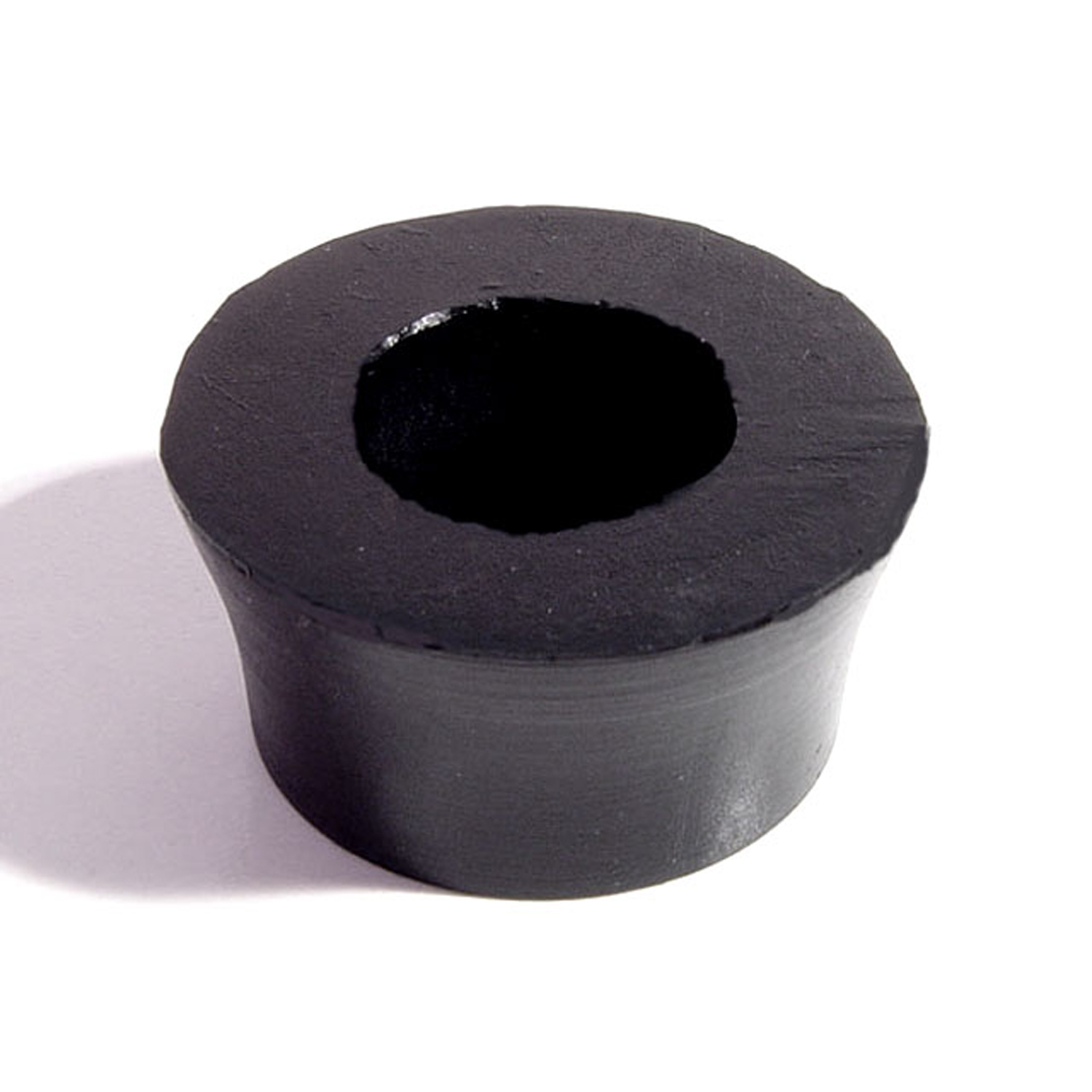 1935 Hudson SERIES HUL Shock Absorber Grommet. 1" bottom O.D., 5/8" high-BN 10Shock Absorber Grommet. 1" bottom O.D., 5/8" high., with 5/8" I.D. Each
 1935 Hudson SERIES HUL Spare Tire Mount. 1/2" top I.D., 1" Bottom I.D., 1-5/8" O.D-CG 50Spare Tire Mount. 1/2" top I.D., 1" Bottom I.D., 1-5/8" O.D. Each
 1935 Hudson SERIES HUL Hood Corners. Used at rear of hood. Slip-over type-HC 28-AHood Corners. Used at rear of hood. Slip-over type. 60° angle. No steel. It will duplicate the original appearance. 1-3/4" wide. Pair
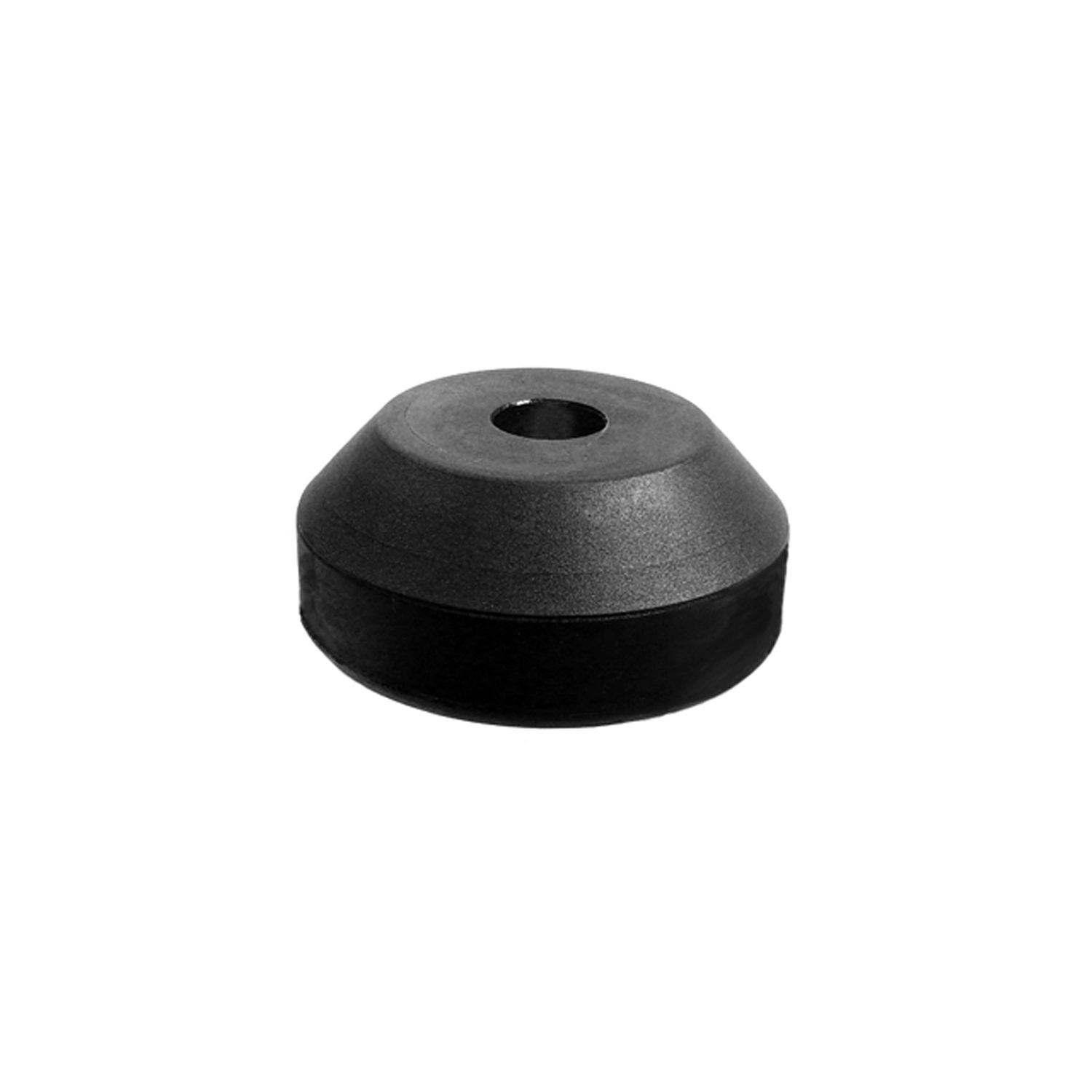 1935 Hudson SERIES HUL Upper Motor Mount. 5/8" I.D., 2-5/8" O.D. Each-MM 7-BUpper Motor Mount. 5/8" I.D., 2-5/8" O.D. Each
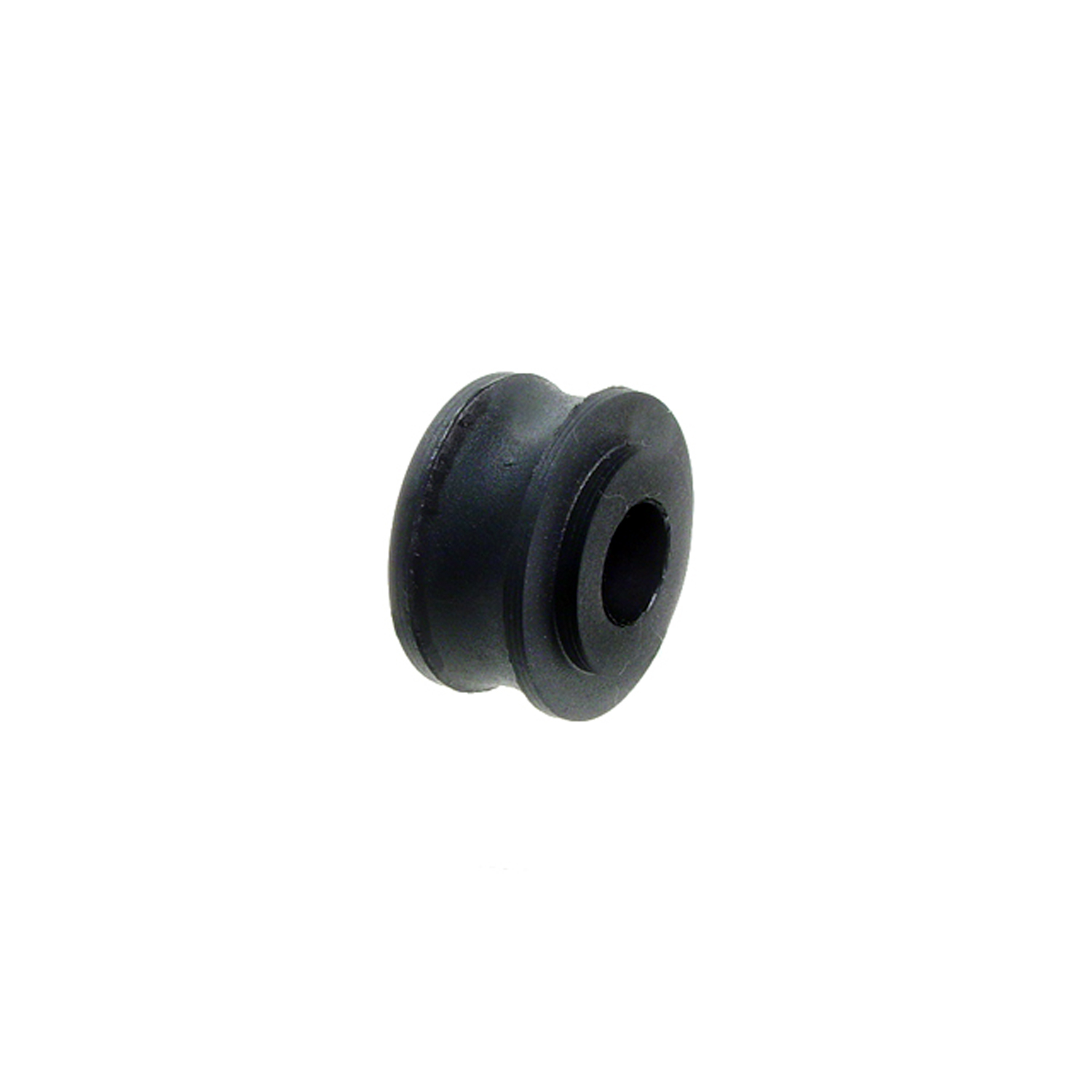 1935 Hudson SERIES HUL Lower Motor Mount. 5/8" I.D., 1-5/8" O.D. Each-MM 7-CLower Motor Mount. 5/8" I.D., 1-5/8" O.D. Each
 1935 Hudson SERIES HUL Tail-light Pads. 7-3/4" long X 2-9/16" wide. Pair-MP 798-JTail-light Pads. 7-3/4" long X 2-9/16" wide. Pair
 1935 Hudson SERIES HUL Headlight Pads. 4-1/2" wide X 7-5/8" long. Pair R&L-MP 798-QHeadlight Pads. 4-1/2" wide X 7-5/8" long. Pair R&L
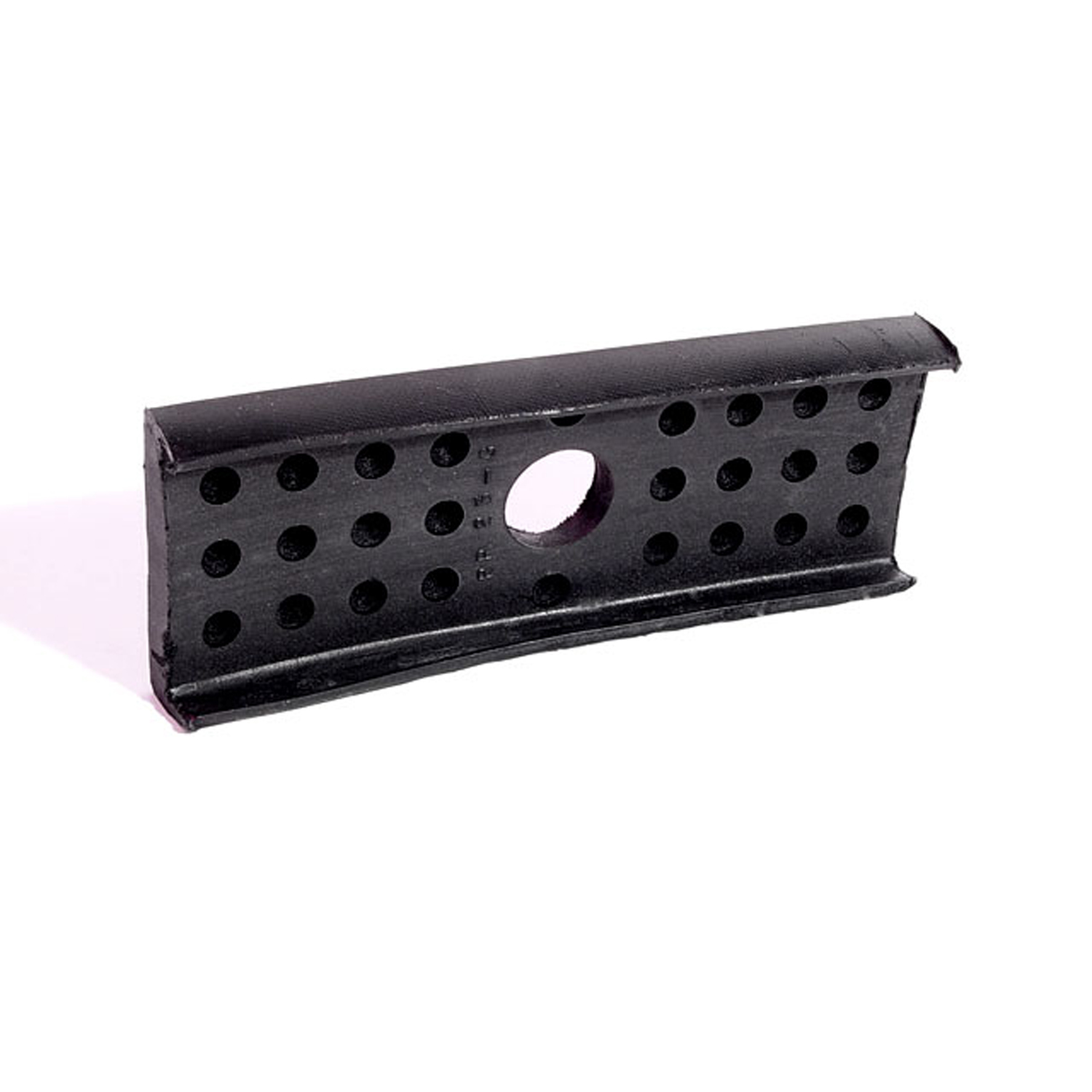 1935 Hudson SERIES HUL Rear Leaf Spring Center Mounting Insulator-RP 23-GRear Leaf Spring Center Mounting Insulator. For all 1-3/4" wide leaf springs. Each
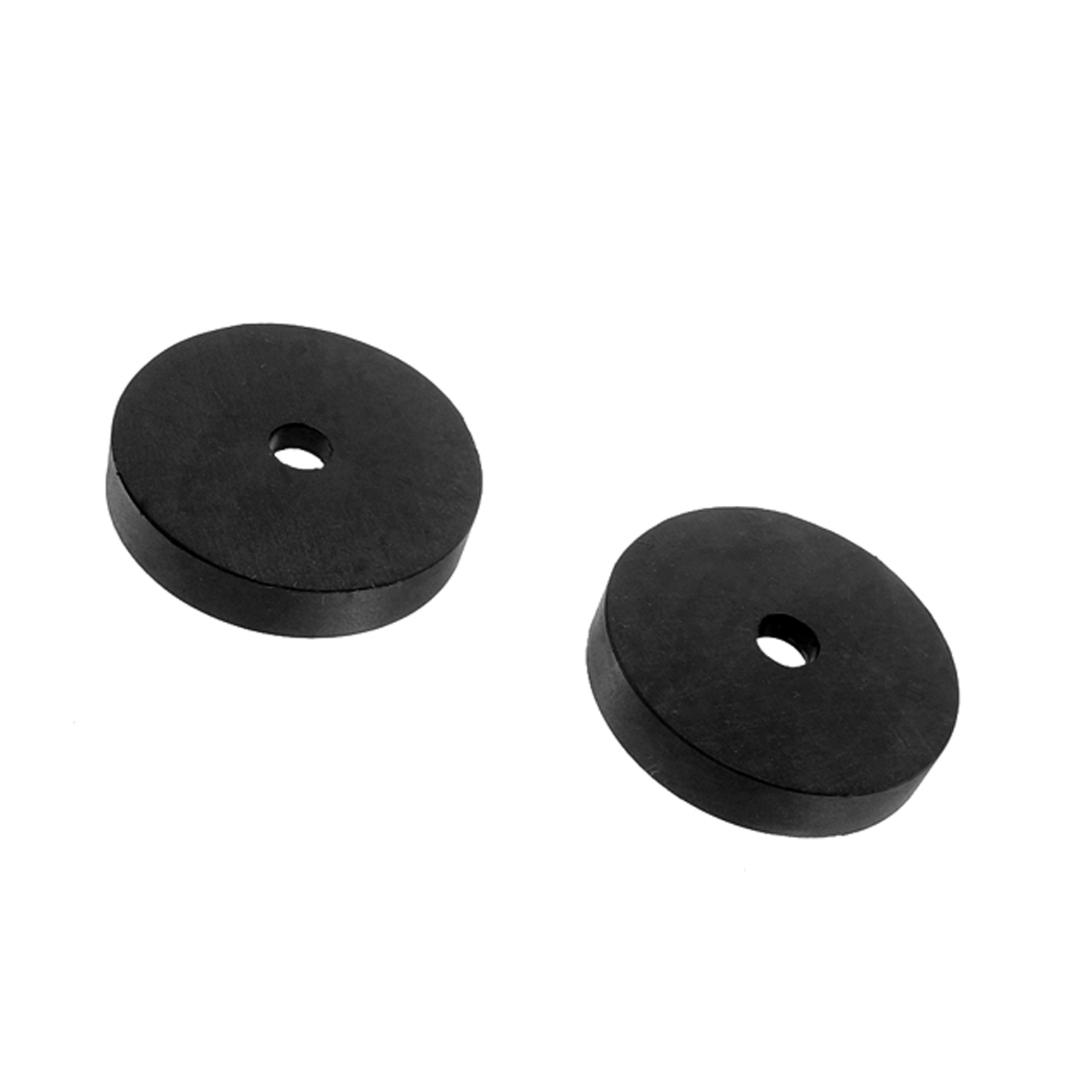 1935 Hudson SERIES HUL Clutch and Brake Seals. Seals fit on a round shaft-RP 31-NClutch and Brake Seals. Seals fit on a round shaft. Made of soft rubber. 2-7/16" O.D., 7/16" I.D. Pair
 1935 Hudson SERIES HUL Vertical Division Bar Seal. Enough for two vents. Each-VS 1Vertical Division Bar Seal. Enough for two vents. Each
 1935 Hudson SERIES HUL Front Vent Window Seals. For disappearing-type vent windows-WR 4502Front Vent Window Seals. For disappearing-type vent windows. Pair R&L
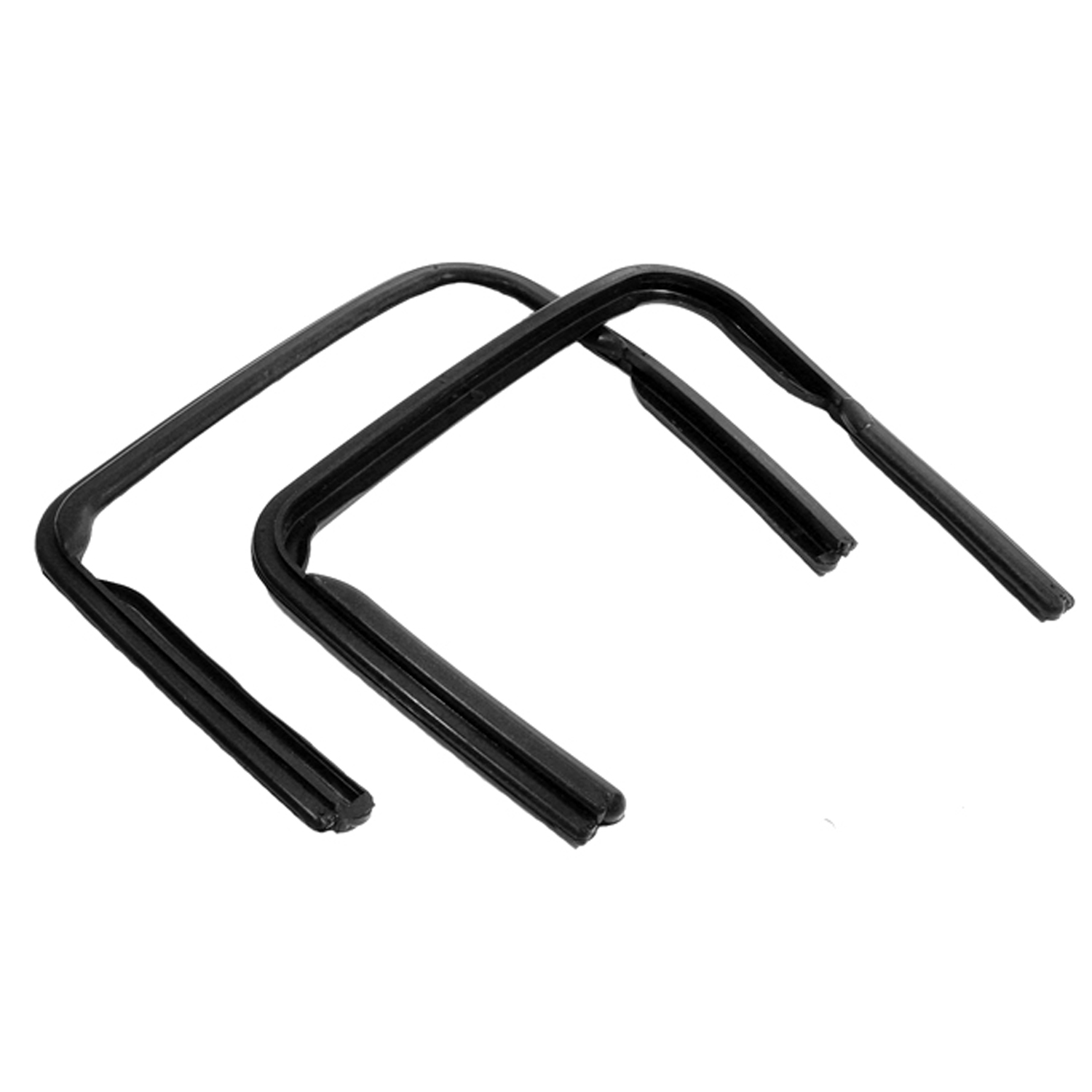 1935 Hudson SERIES HUL Front Vent Window Seals, for Convertibles-WR 9Front Vent Window Seals, for Convertibles. 25-1/4" long each. Pair R&L
Why Choose Metro?
For over 100 years, Metro Moulded Parts has been the pinnacle of quality in classic car restoration parts. Our commitment to precision and authenticity in every component ensures a perfect fit and an OEM-level appearance.
- Expert Craftsmanship & Quality: Each part is a testament to our dedication to reliability and perfection, crafted from original designs and thoroughly tested.
- Advanced Technology: We use cutting-edge techniques to create flawless, long-lasting parts that surpass others in performance.
- SuperSoft Sponge – The Ultimate Door Seal: Not only are our door seals 30% softer than competitors', but they're also guaranteed to never leak. They effectively reduce wind and road noise, enhancing your classic car's comfort and driving experience.
- Proudly American: Our parts are a product of American craftsmanship, made in the USA with a spirit of excellence and heritage.
- Unrivaled Warranty: We back our products with a 30-year industry-leading warranty, a testament to our confidence in their quality.
Join us in preserving the legacy of classic cars with parts that are crafted for perfection, not just made.