

Image of 1936 Hudson Deluxe Eight Series 66, Note: These illustrations use artistic license and may differ from actual historical models.
Performance Metrics
Fundamental Metrics
Emotional Appeal
MMP Rating
| Engine Specifications | |
|---|---|
| Engine: | Straight-8 |
| Displacement: | 254 cu in (4.2 L) |
| Horsepower: | Estimated 113-124 hp |
| Torque: | Not available |
| Compression Ratio: | Not available |
| Ignition System: | Battery and coil |
| Cooling System: | Water-cooled |
| Performance Specifications | |
| 0-60 Time: | Not available |
| 1/4 Mile Time: | Not available |
| Top Speed: | Estimated 80-85 mph |
| Transmission and Drive | |
| Drive Type: | Rear-wheel drive |
| Transmission Type: | 3-speed manual |
| Fuel and Efficiency | |
| Fuel System Type: | Carburetor |
| MPG: | Not available |
| Dimensions and Brakes | |
| Brakes: | Mechanical drum brakes |
| Wheelbase: | 119 inches |
| Weight: | Estimated 3,200-3,500 lbs |
Note: Specifications for classic cars are given to the best of our ability, considering the limited and variant data available.
1936 Hudson Deluxe Eight Series 66: An Independent Classic
The 1936 Hudson Deluxe Eight Series 66 brought eight-cylinder power and upscale comfort to a car built by one of America’s most ambitious independent automakers. It came from the Hudson Motor Car Company of Detroit, founded in 1909 and named for department-store magnate Joseph L. Hudson, one of the company’s early financial backers. By the mid-1930s, Hudson had earned a reputation for engineering flair and substantial, well-equipped cars.
The Deluxe Eight sat above Hudson’s six-cylinder offerings, appealing to buyers who wanted a roomy, refined automobile without moving into the price territory of the most expensive luxury marques. A detail worth looking for is Hudson’s optional “Electric Hand” gear selector. It moved the shift control from the conventional floor position to a small selector on the steering column, giving the driver a distinctly modern-feeling feature for the period.
Streamlined Style and Cabin Craft
Hudson’s 1936 design balanced traditional proportions with the more streamlined look emerging in American cars. The front end is dominated by a broad, upright grille, with rounded fenders flowing around the wheels and headlamps integrated into the overall body design. A long hood and substantial passenger compartment give the Eight a dignified presence, while its curved lines keep it from looking as boxy as many earlier cars.
Inside, the Series 66 was designed for comfort on long trips. Depending on body style and specification, buyers could find cloth or broadcloth upholstery, with leather used on some open or better-trimmed models. The dashboard and door trim were finished to suit the car’s price class, and the bench seats provided the generous room expected of a full-size 1930s automobile. Materials and trim could vary, so surviving cars are best judged against their original build information rather than a single assumed standard.
Period Hudsons were available in a selection of solid colors, with dark shades such as black, deep blue, green, and maroon especially in keeping with the car’s formal character. Paint availability could change by body style and production period. Two-tone finishes were also part of the era’s styling vocabulary, though the exact combinations should be verified for an individual car.
Series 66 body offerings centered on closed passenger-car and coupe forms, with availability dependent on the specific catalog and trim level. Four-door sedans are among the most recognizable Hudson Eights today, while coupes provide a sportier profile. Open cars from the period are generally much less common and can command extra attention from collectors.
Hudson Engineering in the 1930s
The Deluxe Eight’s significance lies less in a single revolutionary invention than in Hudson’s habit of combining strong engineering with practical features. Its eight-cylinder engine, substantial chassis, and comfort-oriented suspension made it a serious competitor to cars from larger manufacturers. Hudson was an independent company in a market increasingly dominated by the major corporations, and its ability to offer a polished, technically interesting full-size car helped it stand out.
One period feature associated with Hudson was Center-Point Steering, developed to improve steering feel and reduce the effects of road irregularities reaching the steering wheel. The optional Electric Hand system also showed how manufacturers were experimenting with easier gear selection before automatic transmissions became commonplace. It was an intriguing convenience, though it added complexity compared with a standard manual shift.
The Series 66 should not be confused with Hudson’s later, more famous “step-down” cars. That major change in body and chassis design arrived after the Second World War. The 1936 Eight instead represents Hudson’s prewar approach: traditional body-on-frame construction, powerful straight-eight performance, and a focus on room, comfort, and mechanical substance.
Straight-Eight Performance and Road Manners
The Series 66 used Hudson’s L-head inline-eight, displacing about 254 cubic inches and producing approximately 124 horsepower in commonly cited specifications. Power was delivered through a three-speed manual transmission. Exact figures can differ slightly among references and individual cars, so engine and specification details should be checked against the vehicle’s documentation.
Period performance figures are not as consistently recorded as modern test data. A sound, correctly tuned car would likely reach roughly 80 to 90 mph, with a 0-to-60-mph time in the neighborhood of 18 to 22 seconds. Those are estimates, not guaranteed factory test results. Today, the car’s appeal is its smooth, relaxed progress rather than quick acceleration by modern standards.
On the road, the straight-eight delivers its power with a steady, muted rhythm. The engine’s long, even note becomes part of the experience, especially when cruising at a moderate pace. The car’s weight and generous suspension travel help it absorb rough pavement, though worn springs, tired shock absorbers, or old tires can make a surviving example feel loose or floaty.
On winding roads, the Series 66 rewards a measured driving style. Its steering and brakes require more anticipation than those of a modern car, and the tall body has noticeable lean when pushed through corners. It feels most at home on open roads, where the driver can enjoy its smooth power delivery and roomy cabin instead of asking it to behave like a contemporary sports sedan.
Living With a Hudson Eight
In its own day, a Deluxe Eight could serve as family transport, business travel, or a comfortable long-distance touring car. Today, most examples are used for weekend drives, antique-car tours, museum displays, and shows. Regular use is possible, but the car’s age and 1930s safety standards make it a less practical choice for modern commuting or high-speed highway travel.
Routine service is straightforward for an owner familiar with prewar cars. The engine is a conventional, accessible design, and many maintenance tasks can be handled by a capable home mechanic. The bigger challenge is often finding correct replacement parts, especially trim, body hardware, and components specific to Hudson. An Electric Hand-equipped car may need specialist attention if its selector or control system is not operating properly.
Reliability depends heavily on restoration quality and ongoing care. Before buying, check the engine’s oil pressure and cooling system, inspect the frame and body for corrosion or poor repairs, and test the transmission, clutch, steering, and brakes. A car that has been driven regularly and maintained carefully is usually a better prospect than a freshly polished example with unknown mechanical history.
Rare Details and Hudson Trivia
The Electric Hand selector is one of the most conversation-starting features to find in a 1936 Hudson. It offered a novel way to choose gears, but it did not turn the car into an automatic. The driver still managed the clutch, and the system’s extra mechanisms make condition and correct operation important considerations for collectors.
There is no widely recognized speed or endurance record associated specifically with the Series 66. Its story is more closely tied to Hudson’s broader reputation for engineering and to the experience of driving a well-appointed independent car in the prewar era. Hudson continued as a separate manufacturer until its 1954 merger with Nash-Kelvinator helped form American Motors Corporation.
Common criticisms are familiar to owners of many prewar cars: modest acceleration by modern standards, heavy controls, limited braking performance compared with newer vehicles, and the difficulty of sourcing certain parts. The Deluxe Eight’s size can also make tight streets and parking less convenient. In return, it offers period character, a distinctive straight-eight engine, and a cabin built for unhurried travel.
Collector Value and Availability
Series-specific production figures are difficult to establish from commonly available summaries, so any total should be treated as an estimate rather than a confirmed factory count. A reasonable working estimate is that production ran into the low thousands across the Series 66 body styles, with surviving examples far fewer today. Sedans are generally easier to encounter than unusual or open-body versions, and condition has a major effect on availability.
As a broad U.S. market guide, a project car may fall around $8,000 to $15,000, while a solid driver or older restoration might bring approximately $18,000 to $35,000. A high-quality restoration, especially in a desirable body style with correct equipment, could reach roughly $40,000 to $60,000 or more. These are estimates rather than a formal appraisal; originality, provenance, mechanical condition, and regional demand can shift the result substantially.
Values for prewar Hudsons tend to be selective rather than uniformly rising. Strong, well-documented cars with appealing body styles remain the most desirable, while cars needing extensive restoration can be difficult to sell because restoration costs may exceed the finished car’s market value. Over the long term, the best examples have the strongest prospects, but buyers should prioritize condition and authenticity over assumptions that every old car will appreciate.
Why the 1936 Deluxe Eight Still Matters
The 1936 Hudson Deluxe Eight Series 66 combines a smooth 254-cubic-inch straight-eight, substantial prewar styling, comfort-focused engineering, and a few memorable innovations such as the optional Electric Hand selector. It was not a mass-market phenomenon or a record-breaking speed machine. Its importance comes from showing how an independent American automaker could build a distinctive, capable car with real technical personality.
For today’s enthusiast, the Series 66 is more than a handsome survivor from the 1930s. It is a reminder that before modern cars became standardized, manufacturers like Hudson were willing to take their own route, and the result still has a voice, a presence, and a place on the road.
1936 Hudson Deluxe Eight Series 66 Catalog of Parts
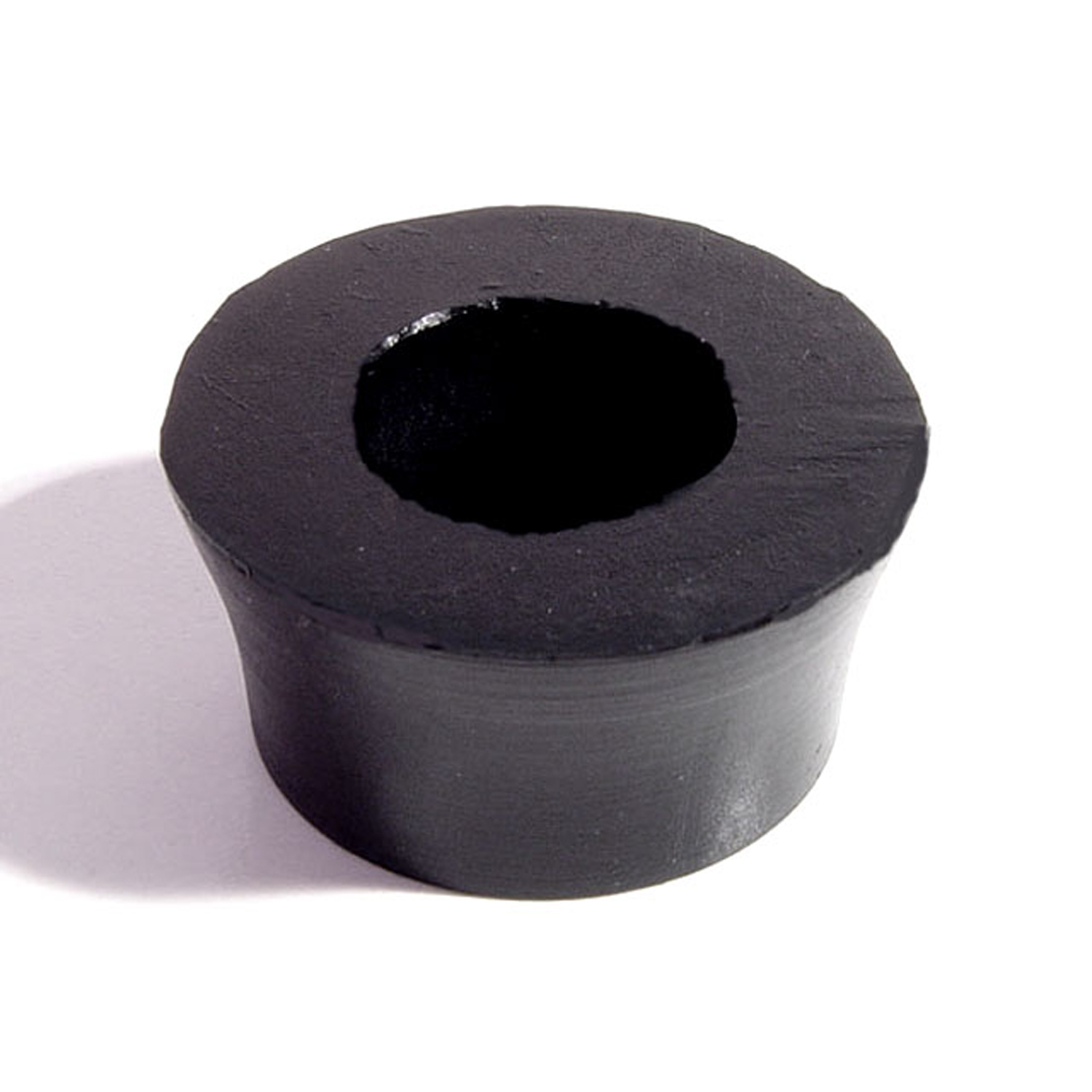 1936 Hudson Deluxe Eight Series 66 Shock Absorber Grommet. 1" bottom O.D., 5/8" high-BN 10Shock Absorber Grommet. 1" bottom O.D., 5/8" high., with 5/8" I.D. Each
 1936 Hudson Deluxe Eight Series 66 Spare Tire Mount. 1/2" top I.D., 1" Bottom I.D., 1-5/8" O.D-CG 50Spare Tire Mount. 1/2" top I.D., 1" Bottom I.D., 1-5/8" O.D. Each
 1936 Hudson Deluxe Eight Series 66 Hood Corners. Used at rear of hood-HC 14-DHood Corners. Used at rear of hood. 1-1/2" wide X 3-1/8" long. Pair
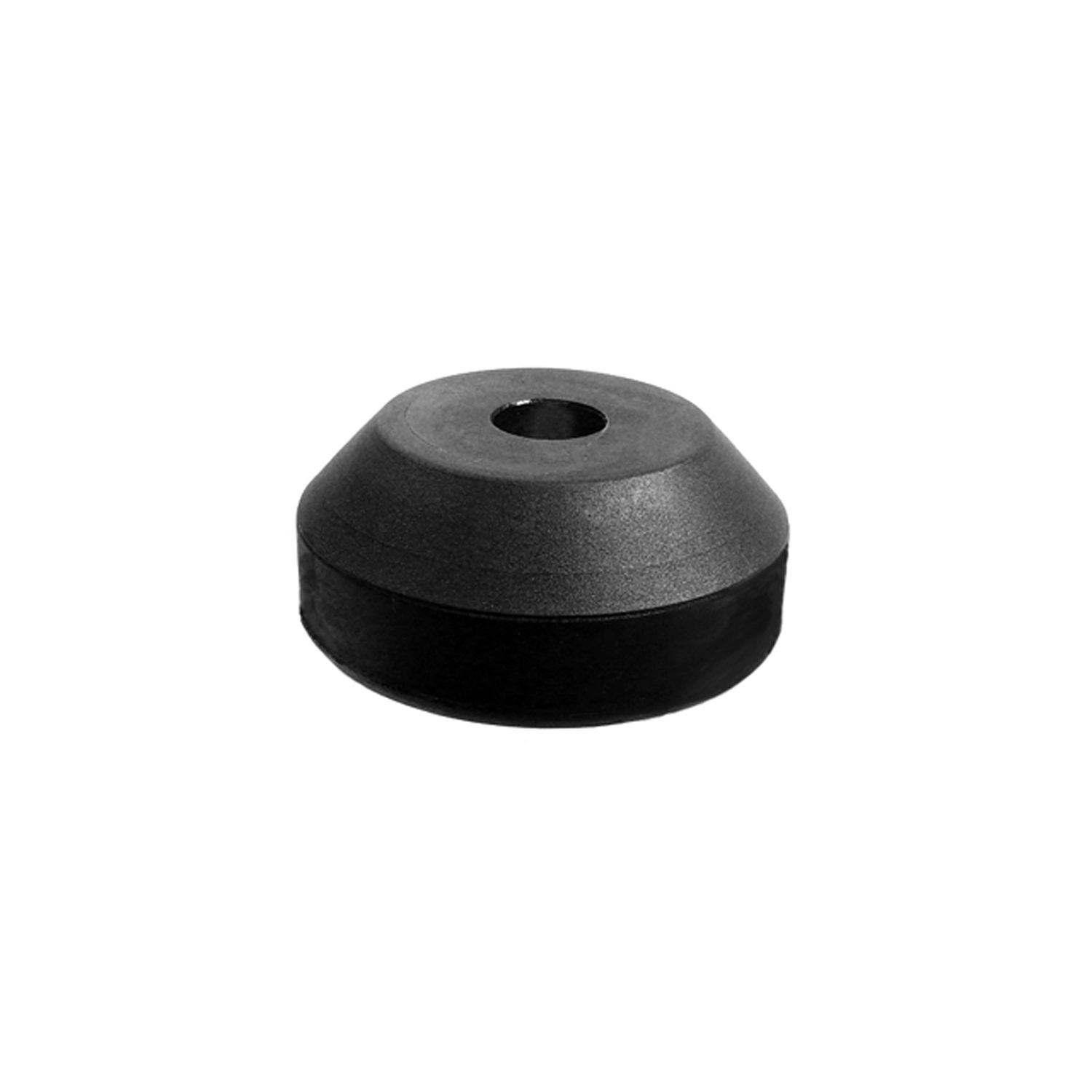 1936 Hudson Deluxe Eight Series 66 Upper Motor Mount. 5/8" I.D., 2-5/8" O.D. Each-MM 7-BUpper Motor Mount. 5/8" I.D., 2-5/8" O.D. Each
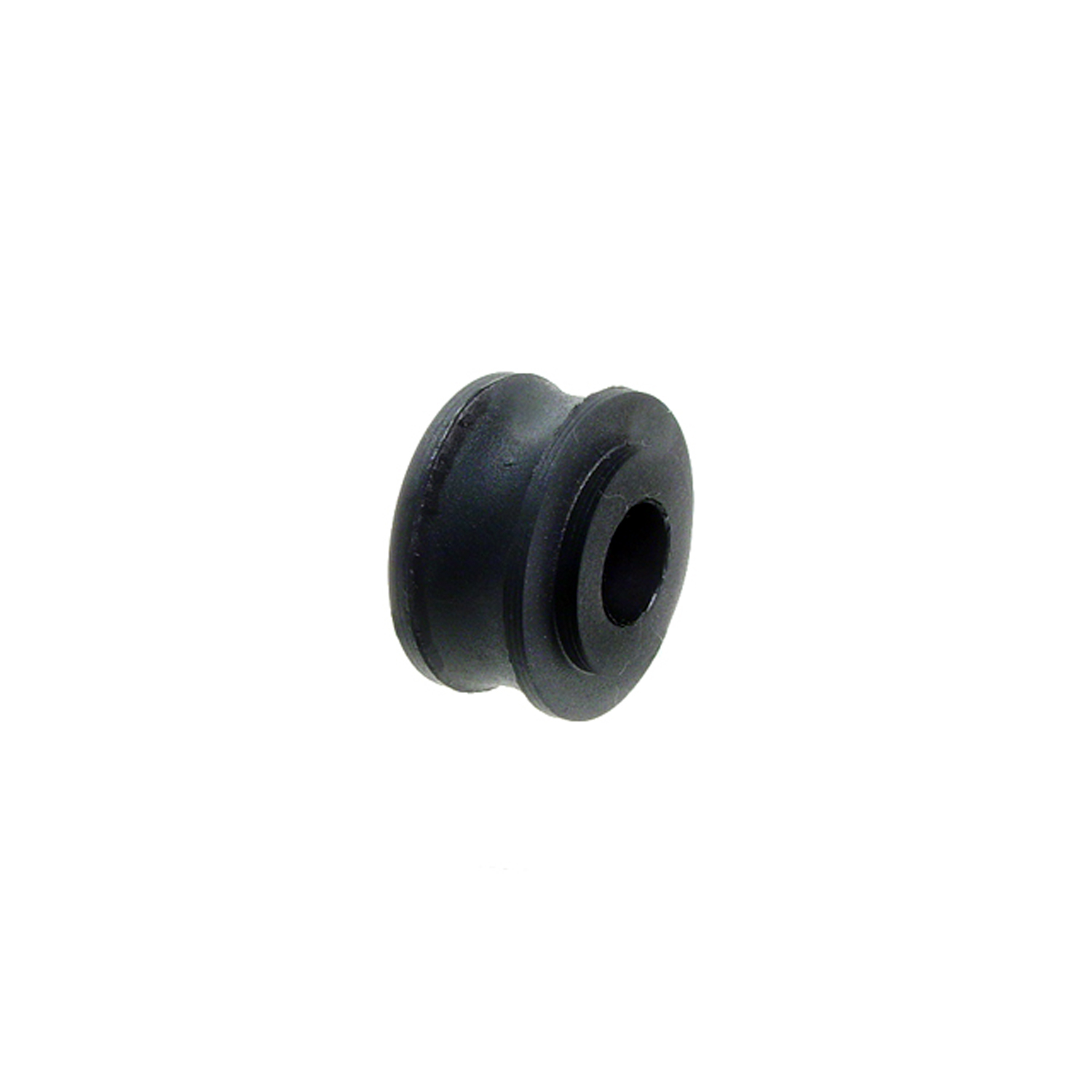 1936 Hudson Deluxe Eight Series 66 Lower Motor Mount. 5/8" I.D., 1-5/8" O.D. Each-MM 7-CLower Motor Mount. 5/8" I.D., 1-5/8" O.D. Each
 1936 Hudson Deluxe Eight Series 66 Tail-light Pads. 3-3/8" long X 2-1/2" wide. Pair-MP 798-MTail-light Pads. 3-3/8" long X 2-1/2" wide. Pair
 1936 Hudson Deluxe Eight Series 66 Headlight Pads. 6-5/16" long X 2-13/16" wide. Pair-MP 798-NHeadlight Pads. 6-5/16" long X 2-13/16" wide. Pair
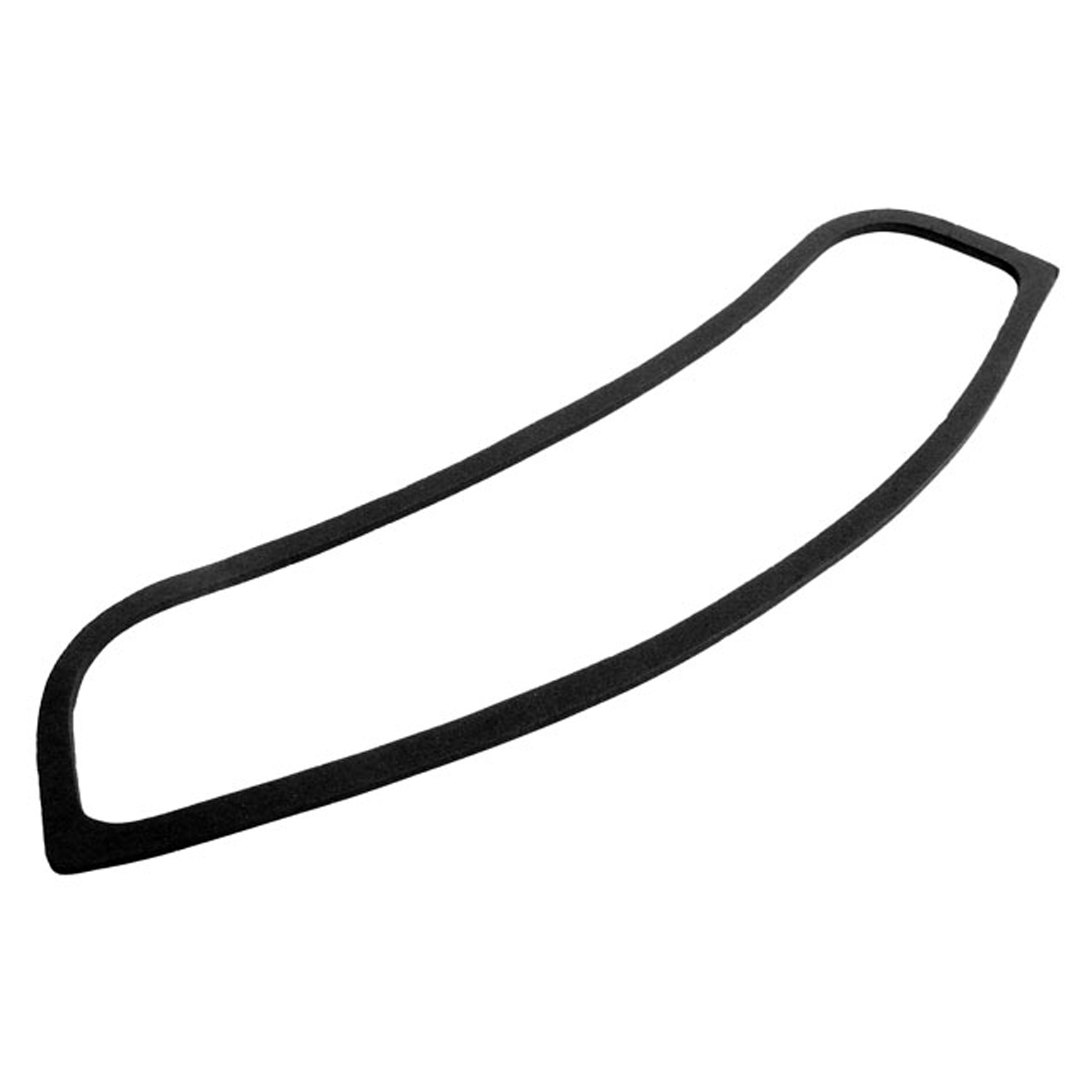 1936 Hudson Deluxe Eight Series 66 Cowl Vent Seal. 4-1/2" wide X 18-1/2" long. Each-RP 100-YCowl Vent Seal. 4-1/2" wide X 18-1/2" long. Each
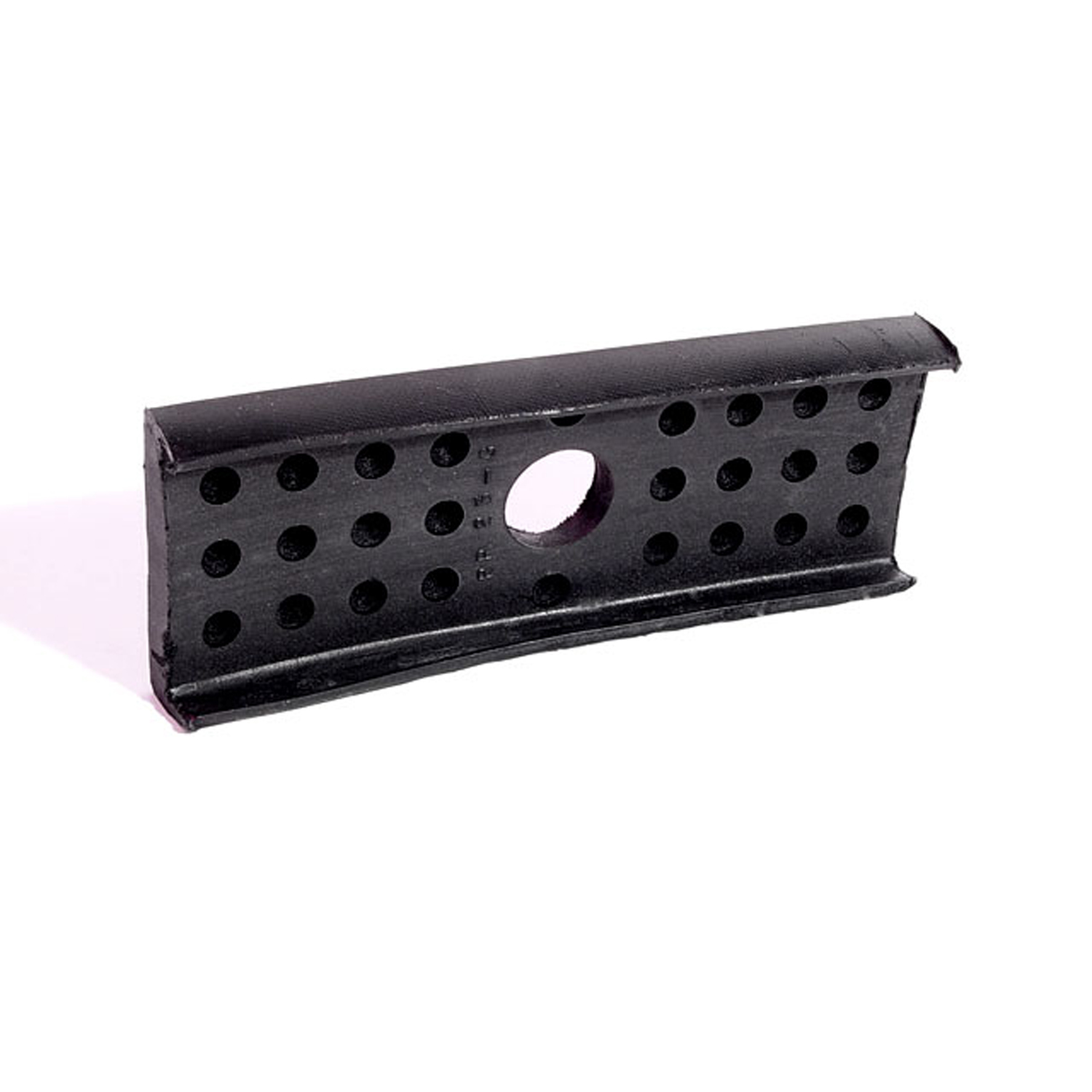 1936 Hudson Deluxe Eight Series 66 Rear Leaf Spring Center Mounting Insulator-RP 23-GRear Leaf Spring Center Mounting Insulator. For all 1-3/4" wide leaf springs. Each
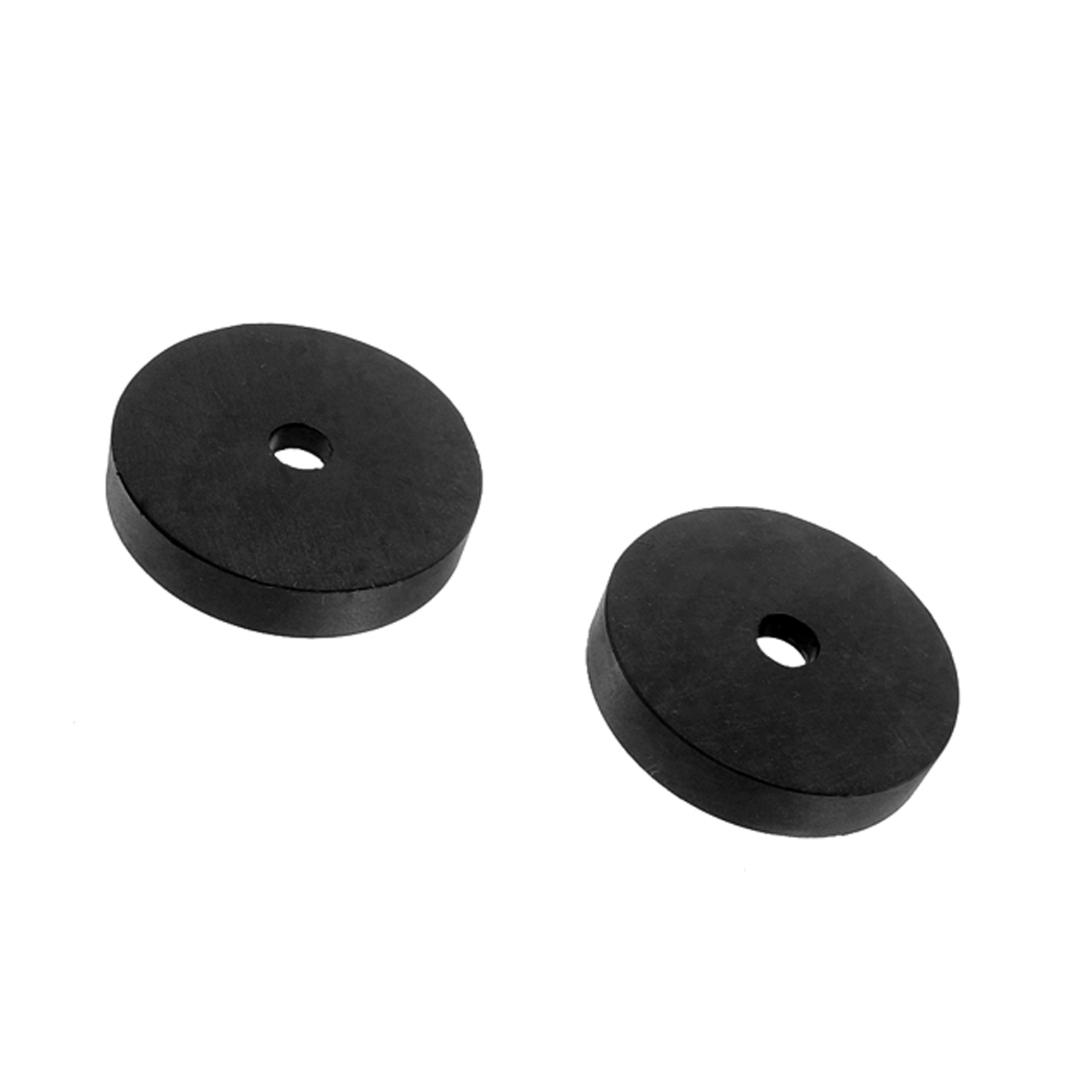 1936 Hudson Deluxe Eight Series 66 Clutch and Brake Seals. Seals fit on a round shaft-RP 31-NClutch and Brake Seals. Seals fit on a round shaft. Made of soft rubber. 2-7/16" O.D., 7/16" I.D. Pair
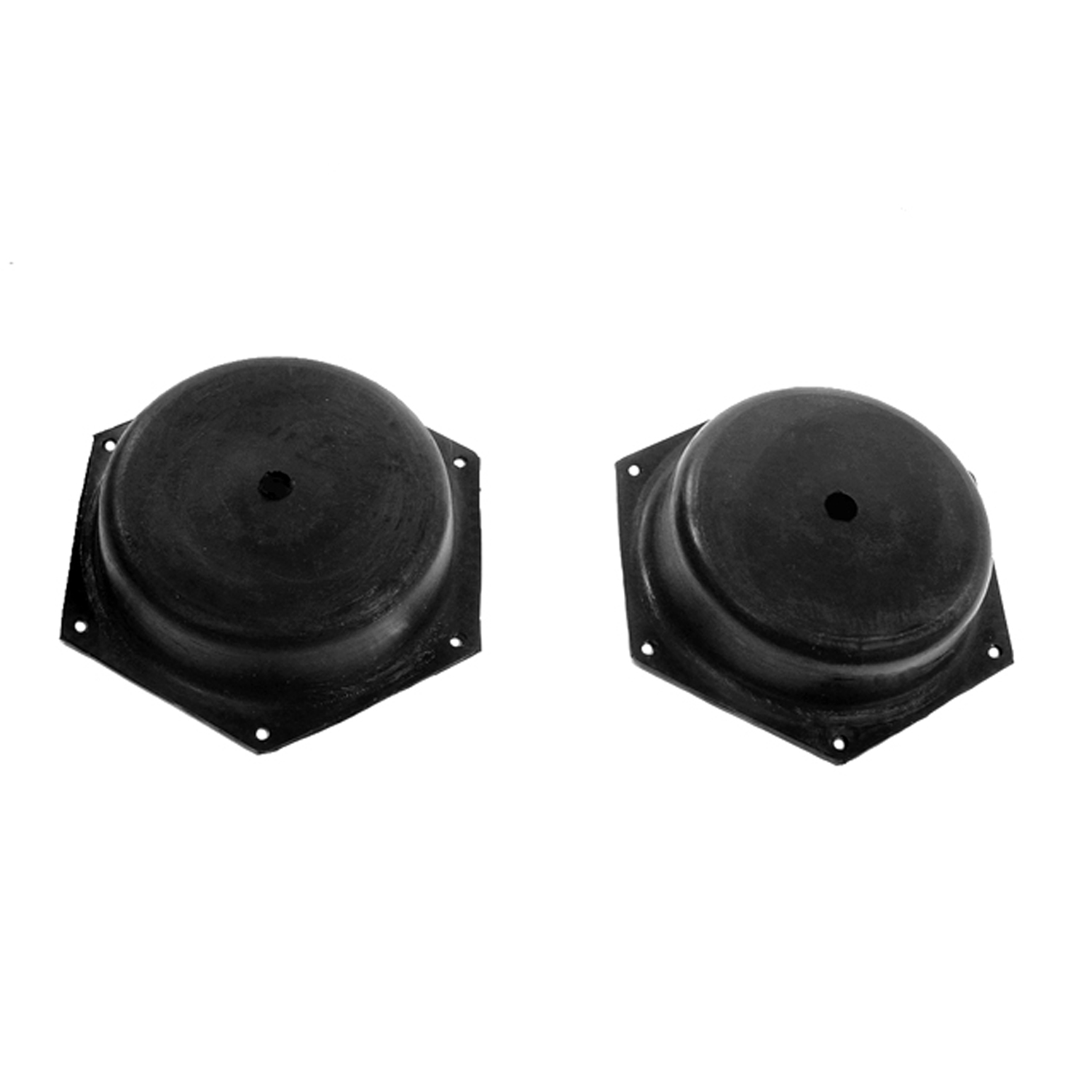 1936 Hudson Deluxe Eight Series 66 Drive Master Electric Shift Vacuum Diaphragm-RP 32-ADrive Master Electric Shift Vacuum Diaphragm. For all models with drive master system for standard transmission. Pair
 1936 Hudson Deluxe Eight Series 66 Vertical Division Bar Seal. Enough for two vents. Each-VS 1Vertical Division Bar Seal. Enough for two vents. Each
 1936 Hudson Deluxe Eight Series 66 Front Vent Window Seals. For disappearing-type vent windows-WR 4502Front Vent Window Seals. For disappearing-type vent windows. Pair R&L
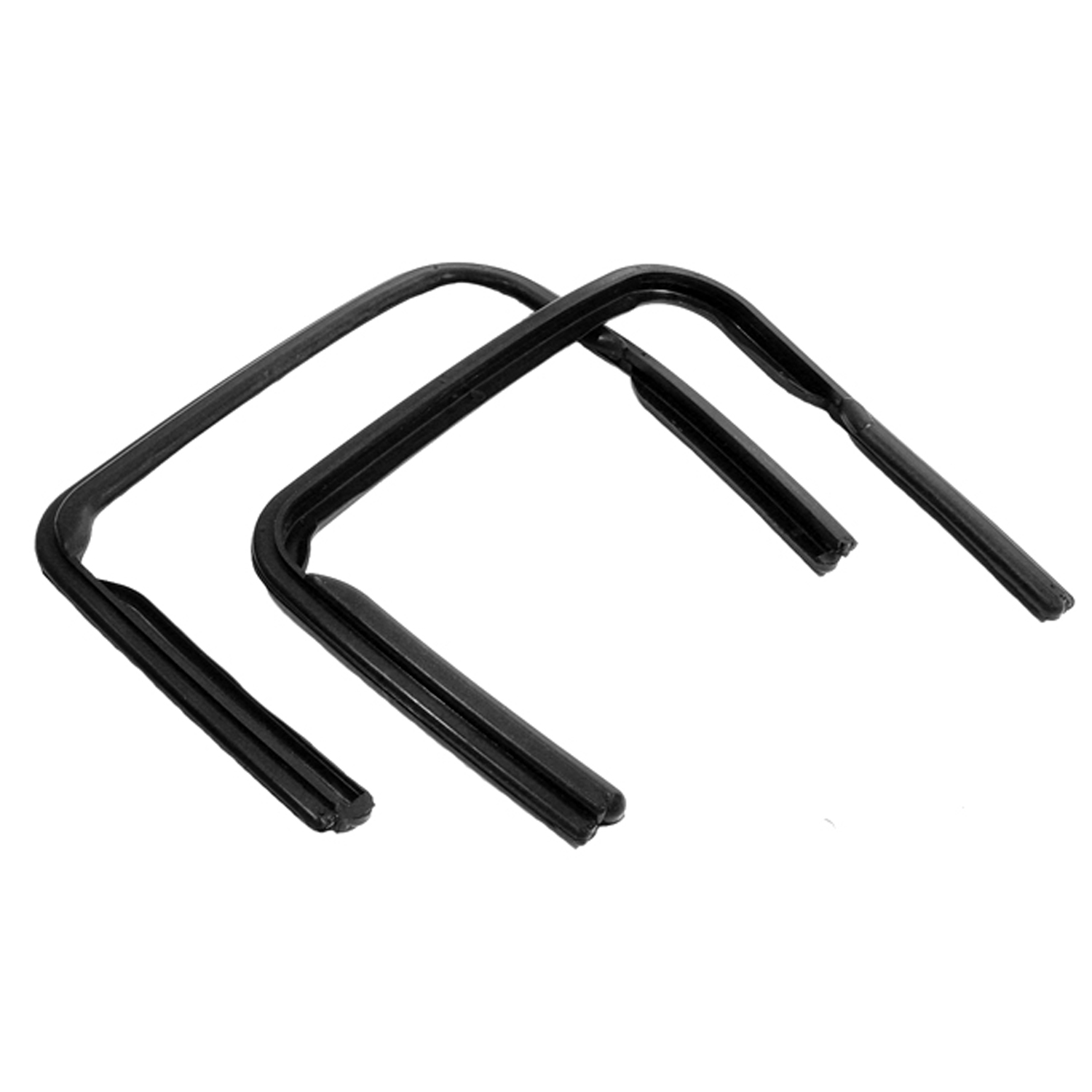 1936 Hudson Deluxe Eight Series 66 Front Vent Window Seals, for Convertibles-WR 9Front Vent Window Seals, for Convertibles. 25-1/4" long each. Pair R&L
Why Choose Metro?
For over 100 years, Metro Moulded Parts has been the pinnacle of quality in classic car restoration parts. Our commitment to precision and authenticity in every component ensures a perfect fit and an OEM-level appearance.
- Expert Craftsmanship & Quality: Each part is a testament to our dedication to reliability and perfection, crafted from original designs and thoroughly tested.
- Advanced Technology: We use cutting-edge techniques to create flawless, long-lasting parts that surpass others in performance.
- SuperSoft Sponge – The Ultimate Door Seal: Not only are our door seals 30% softer than competitors', but they're also guaranteed to never leak. They effectively reduce wind and road noise, enhancing your classic car's comfort and driving experience.
- Proudly American: Our parts are a product of American craftsmanship, made in the USA with a spirit of excellence and heritage.
- Unrivaled Warranty: We back our products with a 30-year industry-leading warranty, a testament to our confidence in their quality.
Join us in preserving the legacy of classic cars with parts that are crafted for perfection, not just made.