

Image of 1936 Hudson Series 63, Note: These illustrations use artistic license and may differ from actual historical models.
Performance Metrics
Fundamental Metrics
Emotional Appeal
MMP Rating
| Engine Specifications | |
|---|---|
| Engine: | Hudson Straight-6 |
| Displacement: | 212 cu in (3.5 L) |
| Horsepower: | Estimated 93-102 hp |
| Torque: | Not available |
| Compression Ratio: | Not available |
| Ignition System: | Battery and coil |
| Cooling System: | Liquid-cooled |
| Performance Specifications | |
| 0-60 Time: | Not available |
| 1/4 Mile Time: | Not available |
| Top Speed: | Estimated 75-85 mph |
| Transmission and Drive | |
| Drive Type: | Rear-wheel drive |
| Transmission Type: | 3-speed manual |
| Fuel and Efficiency | |
| Fuel System Type: | Carburetor |
| MPG: | Not available |
| Dimensions and Brakes | |
| Brakes: | Mechanical drum brakes |
| Wheelbase: | 119 inches |
| Weight: | Estimated 3,200 lbs |
Note: Specifications for classic cars are given to the best of our ability, considering the limited and variant data available.
1936 Hudson Series 63: A Distinctive Six From Detroit
The 1936 Hudson Series 63 combined a smooth six-cylinder engine, substantial road manners, and unmistakable prewar style in a car built by one of America’s most ambitious independent automakers. Hudson Motor Car Company was founded in Detroit in 1909 and named for Joseph L. Hudson, the department-store entrepreneur who helped finance the venture. By 1936, Hudson had earned a reputation for engineering cars that felt more substantial and technically thoughtful than their price might suggest.
The Series 63 was part of Hudson’s regular Six line, not a Terraplane. That distinction matters: Hudson sold both names during this period, with Terraplane positioned as a separate, generally more affordable range. The Series 63 offered buyers a six-cylinder Hudson with the room, finish, and road presence expected of a full-size car.
Its arrival came as the American industry was recovering from the worst years of the Depression. Buyers wanted dependable transportation, but styling and comfort were becoming important selling points too. A Series 63 could serve as practical family transport while still looking smart outside a hotel, theater, or country club. One useful bit of model-name trivia: “Series 63” identifies the car’s series, not its engine size or production total.
Streamlined Style and Hudson Comfort
The 1936 Series 63 wore the flowing, forward-looking shape that made mid-1930s cars so appealing. Its long hood led into a prominent, sculpted grille, while rounded fenders swept over the wheels and softened the transition into the body. The headlamps sat prominently at the front, and the overall profile balanced a substantial cabin with a relatively low, streamlined appearance. Details varied by body style and equipment, but the impression was unmistakably Hudson: sturdy, elegant, and less upright than many earlier cars.
Inside, the Series 63 offered a broad cabin with a bench seat and a generous amount of room for passengers. Period Hudson interiors typically paired durable upholstery with finished metal trim and a wood-grain-style instrument panel treatment. Materials and trim could vary with body style and specification, so surviving cars are not all identically appointed. The dashboard placed the main instruments and controls within easy view, with a large steering wheel suited to the car’s manual steering.
Factory paint choices varied by body style and market, and surviving cars may have been repainted over the decades. Buyers could choose from period solid colors and, depending on the model and finish, contrasting accents. Dark greens, blues, maroons, and black were among the colors that suit the car’s formal lines particularly well. A correct color combination can make a well-restored Series 63 stand out, but original paint records are the best guide when authenticity matters.
Series 63 offerings included closed and open body styles, with sedan configurations especially practical for families. Coupes and convertible-style models added a more personal, sporting character where offered. The four-door sedan is one of the most recognizable forms today: it shows off the car’s long, balanced profile and is generally more useful than an open car. Exact body-style availability should be checked against the specific Hudson catalog or production records for the car in question.
Engineering in the Mid-1930s
Hudson’s appeal rested on more than appearance. The Series 63 used a front-mounted, side-valve six-cylinder engine driving the rear wheels through a conventional manual transmission. Hydraulic brakes were an important practical feature for the period, and the car’s chassis and suspension were designed to deliver a composed ride on the often uneven roads of the 1930s. Equipment could differ by specification, so a prospective owner should inspect the individual car rather than assume every surviving example has the same options.
Hudson was also an inventive company with a broader influence on automotive engineering. Its later “step-down” design, introduced after the war, became one of its most famous innovations, but that feature does not belong to the 1936 Series 63. The ’36 is better understood as a refined conventional front-engine, rear-drive car from a manufacturer that consistently sought to improve safety, comfort, and performance within familiar mechanical layouts.
Compared with many contemporaries, the Series 63 stood out for its substantial feel and carefully developed six-cylinder powertrain. It did not invent the modern automobile, but it reflected a significant industry shift: buyers increasingly expected a car to be comfortable, attractively styled, and mechanically dependable, not merely a basic means of getting from one town to another.
Six-Cylinder Performance and Road Manners
The Series 63’s six-cylinder engine displaced about 212 cubic inches and produced approximately 93 horsepower in commonly cited specifications. Power reached the rear wheels through a three-speed manual transmission. These figures gave the Hudson respectable performance for a full-size car of its time, though gearing, body style, mechanical condition, and passenger load all affected how it felt on the road.
Period performance figures are not perfectly consistent, and reliable modern instrumented tests of surviving cars are scarce. A healthy example might reach roughly 80 to 85 mph, with 0 to 60 mph taking somewhere around 20 to 25 seconds. Those are useful estimates, not guaranteed factory figures. The Series 63 was built for steady progress and comfortable touring rather than quick acceleration by modern standards.
On a smooth highway, the Hudson feels substantial and settled. Its suspension absorbs ordinary road imperfections with the softly controlled motion expected of a large prewar sedan, though sharp potholes and broken pavement still make themselves known. On winding roads, the driver feels the car’s weight and period steering geometry. It rewards anticipation and smooth inputs rather than quick direction changes. In crosswinds, its tall body can move around more than a modern car, making attentive steering part of the experience.
Behind the wheel, the engine’s low, even note is a reminder that this is a relaxed six, not a high-revving sports motor. The steering is unassisted, the brakes require a firm and considered foot, and shifting calls for deliberate timing. In return, the driver gets a close connection to the car’s mechanical character. A well-maintained Series 63 feels composed, dignified, and surprisingly capable of covering distance at a measured pace.
Living With a Series 63
Today, most Series 63s are used as show cars, touring cars, or occasional weekend drivers. Some owners take them to local events and vintage-car gatherings, while others enjoy short drives on quieter roads. Regular modern commuting is possible only with realistic expectations: the car lacks contemporary crash protection, traffic-speed acceleration, air conditioning, and the braking performance of a modern vehicle.
The basic mechanical layout is familiar to many classic-car mechanics. Routine work such as ignition service, carburetor tuning, lubrication, and brake maintenance is straightforward for a knowledgeable owner. The bigger challenge is often finding correct replacement parts, especially body trim, interior details, and model-specific components. Wear in the steering and suspension, corrosion in the body and frame, and the condition of the cooling and braking systems deserve close inspection.
Reliability depends heavily on restoration quality and maintenance. A sound, properly sorted Hudson can be dependable for touring, but age alone makes careful preparation essential. Before a long drive, check the tires, brakes, fuel system, cooling system, charging system, and all fluid levels. A car that has sat unused may need substantial recommissioning even if it looks excellent in photographs.
Hudson Facts and Owner Considerations
Hudson’s story is closely tied to Detroit’s independent manufacturers, companies that competed with much larger automakers through distinctive engineering and strong brand identities. The company’s later innovations, especially its postwar body and chassis design, helped make Hudson a favorite among enthusiasts who value engineering history. The 1936 Series 63 represents an earlier chapter, when Hudson was building refined, conventional cars with a character all their own.
There is no widely recognized speed, endurance, or sales record specifically associated with the Series 63. Nor is there a firmly documented celebrity-ownership story that defines this model. Its appeal is more grounded: it is a comparatively uncommon Hudson from a period when the company was an important competitor, yet it remains less familiar to the general public than a Ford or Chevrolet of the same year.
Common criticisms are practical rather than dramatic. The six-cylinder engine is leisurely by modern standards, the car is large to park, and parts availability can require patience. The brakes, steering, visibility, and safety equipment also reflect 1936, not today. For enthusiasts, these are part of the period experience, but they should be understood before buying.
1936 Hudson Series 63 Values and Rarity
Exact Series 63 production figures can be difficult to verify by body style, and surviving examples appear far less often than mass-produced cars from the largest manufacturers. As a broad estimate rather than a confirmed factory total, production across the Series 63 range may have been in the neighborhood of 5,000 to 10,000 cars. The number still on the road is much smaller, and condition, body style, originality, and documentation greatly affect desirability.
As a general U.S. market estimate, a project car may sell for roughly $8,000 to $15,000. A running, presentable driver might fall around $20,000 to $35,000, while a high-quality restoration can bring approximately $40,000 to $60,000 or more. These are broad ranges, not appraisals: an unusually original car, a rarer body style, or an exceptional restoration may sell outside them. A sedan is generally more attainable than a particularly desirable open model.
Values for prewar Hudsons tend to move gradually rather than following the sharp swings seen in some muscle cars. The Series 63’s relative rarity supports its collector appeal, but its smaller audience can limit how quickly a seller finds the right buyer. Over time, well-preserved examples may appreciate, particularly when restoration quality and provenance are strong. Condition and authenticity usually matter more than simply spending heavily on a restoration.
Why the 1936 Hudson Series 63 Still Matters
The 1936 Hudson Series 63 brings together the qualities that make a prewar classic rewarding: handsome streamlined styling, a roomy and carefully finished cabin, and a smooth six-cylinder engine built for measured touring. It was not a record-breaking speedster or a radical engineering experiment, but it showed how an independent automaker could deliver refinement and personality in a practical full-size car.
For collectors, the Series 63 offers a less familiar alternative to the best-known American classics, with the added satisfaction of owning a product from one of Detroit’s most inventive independent manufacturers. It is a Hudson with genuine road presence and a story worth telling, a reminder that the best classic cars are not always the most famous ones.
1936 Hudson Series 63 Catalog of Parts
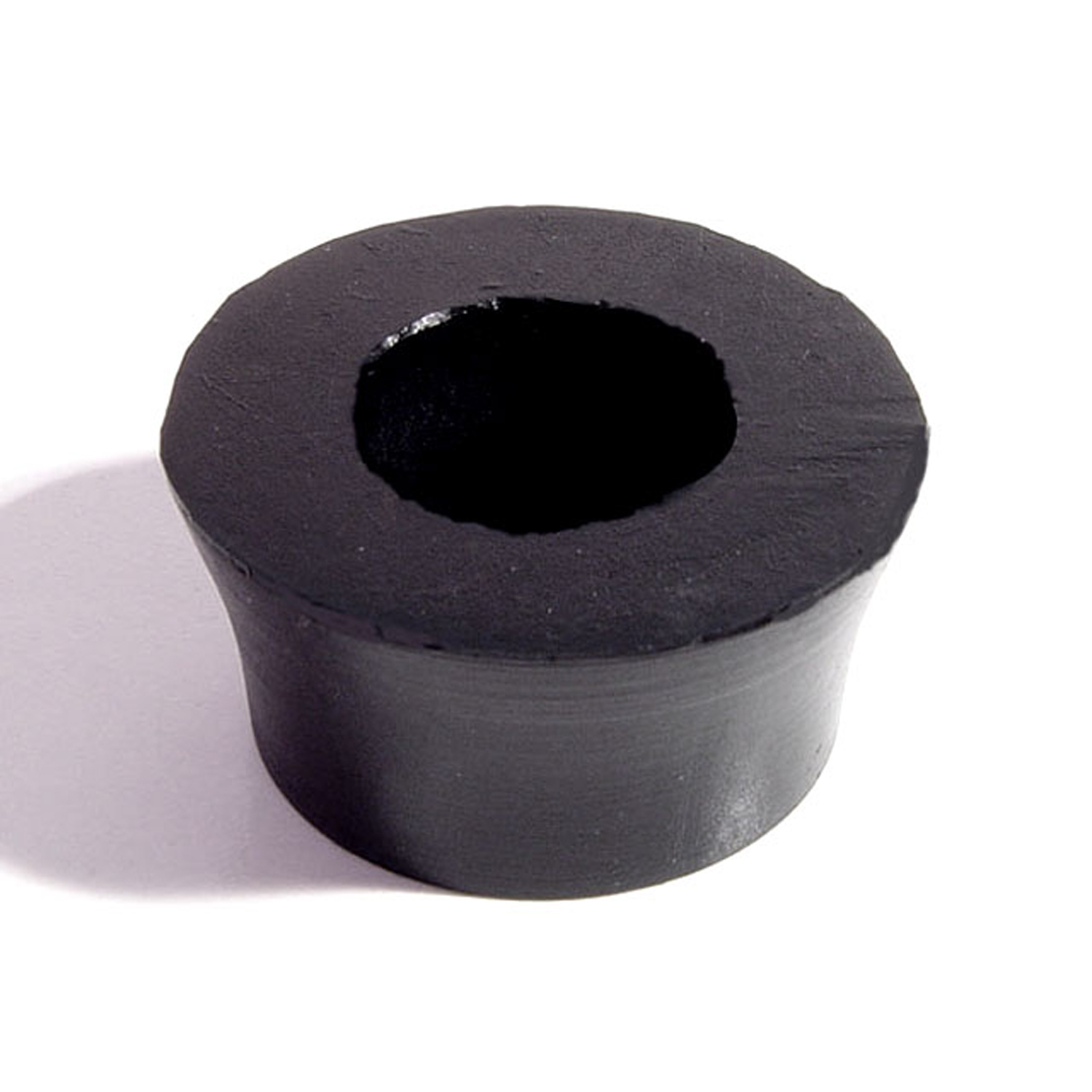 1936 Hudson SERIES 63 Shock Absorber Grommet. 1" bottom O.D., 5/8" high-BN 10Shock Absorber Grommet. 1" bottom O.D., 5/8" high., with 5/8" I.D. Each
 1936 Hudson SERIES 63 Spare Tire Mount. 1/2" top I.D., 1" Bottom I.D., 1-5/8" O.D-CG 50Spare Tire Mount. 1/2" top I.D., 1" Bottom I.D., 1-5/8" O.D. Each
 1936 Hudson SERIES 63 Hood Corners. Used at rear of hood-HC 14-DHood Corners. Used at rear of hood. 1-1/2" wide X 3-1/8" long. Pair
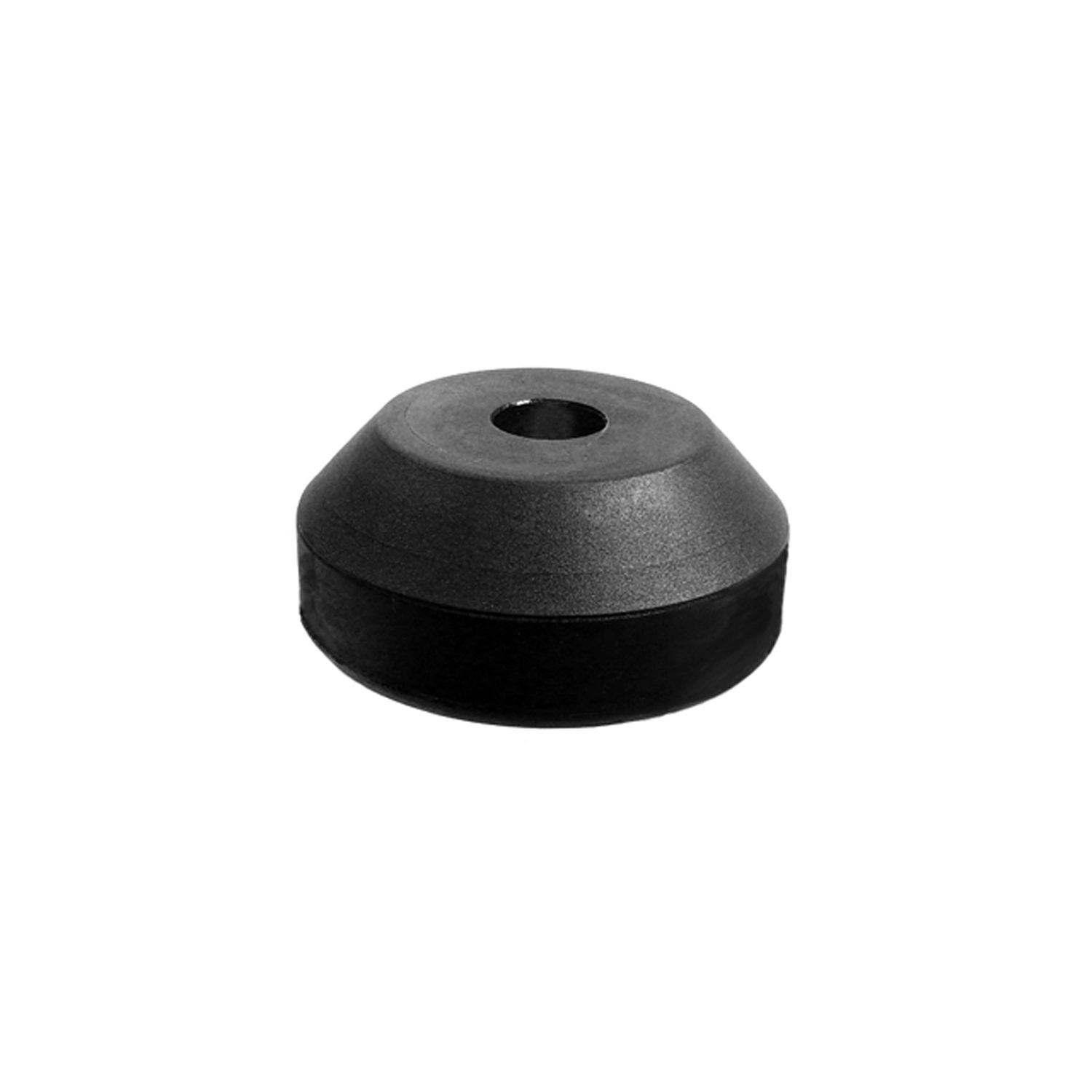 1936 Hudson SERIES 63 Upper Motor Mount. 5/8" I.D., 2-5/8" O.D. Each-MM 7-BUpper Motor Mount. 5/8" I.D., 2-5/8" O.D. Each
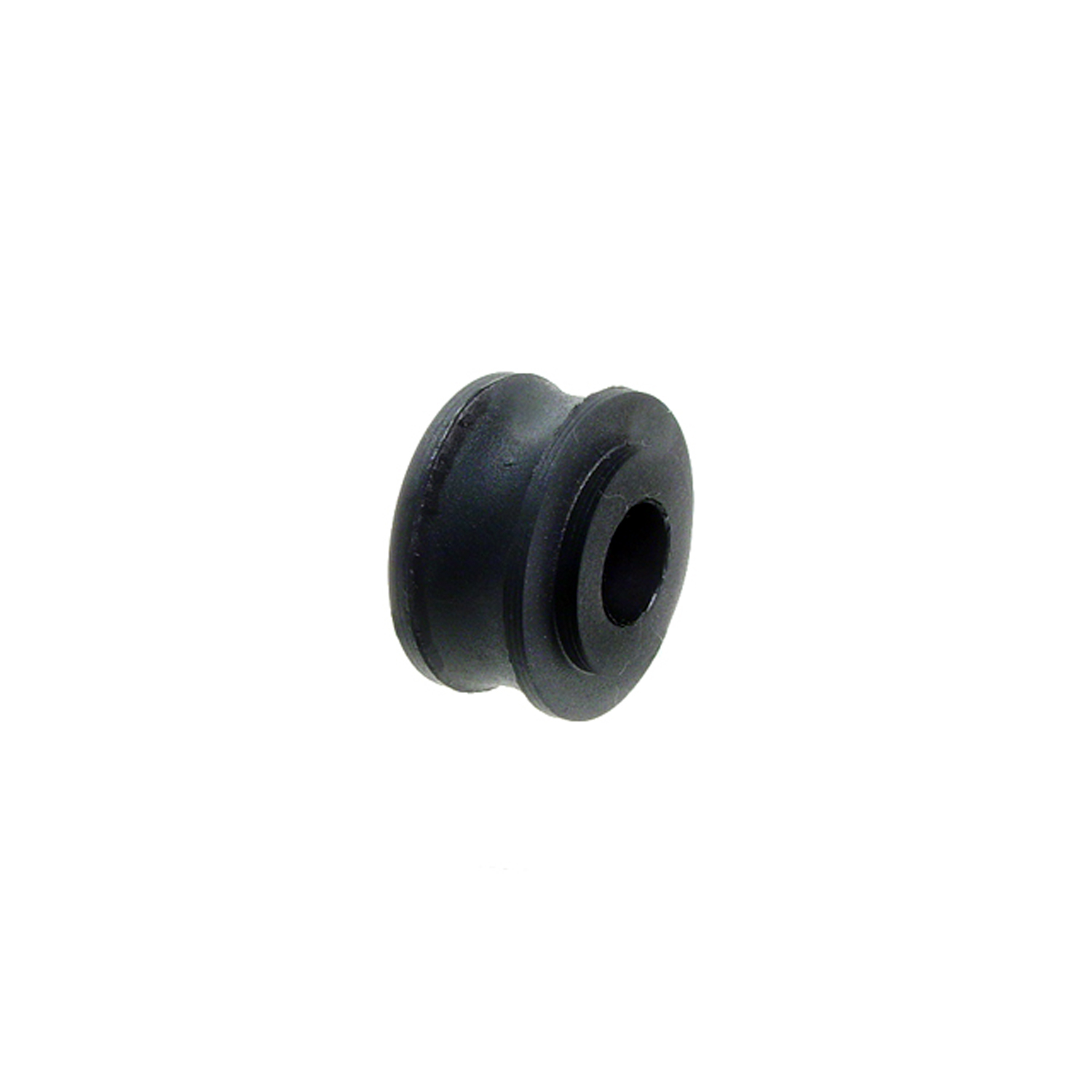 1936 Hudson SERIES 63 Lower Motor Mount. 5/8" I.D., 1-5/8" O.D. Each-MM 7-CLower Motor Mount. 5/8" I.D., 1-5/8" O.D. Each
 1936 Hudson SERIES 63 Tail-light Pads. 3-3/8" long X 2-1/2" wide. Pair-MP 798-MTail-light Pads. 3-3/8" long X 2-1/2" wide. Pair
 1936 Hudson SERIES 63 Headlight Pads. 6-5/16" long X 2-13/16" wide. Pair-MP 798-NHeadlight Pads. 6-5/16" long X 2-13/16" wide. Pair
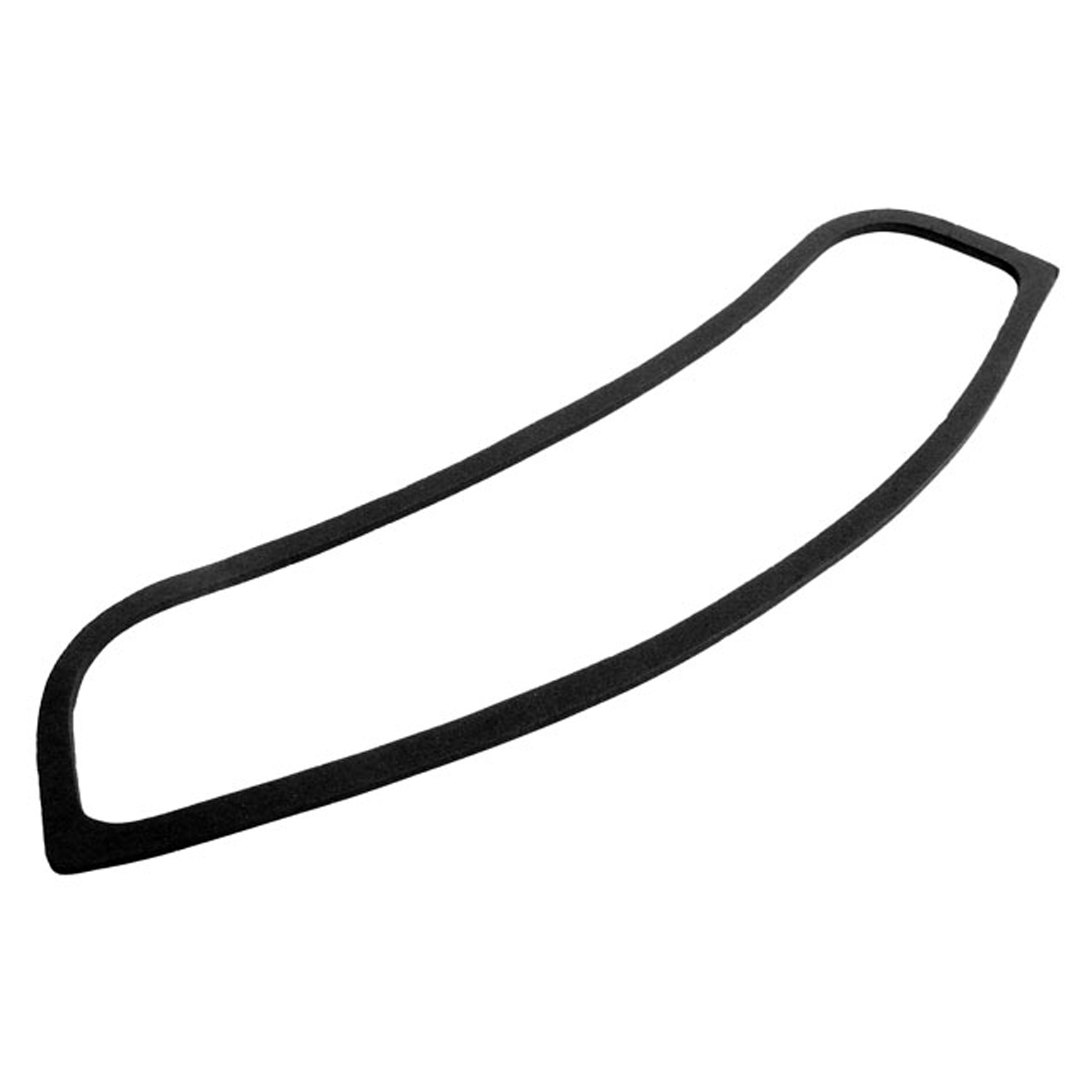 1936 Hudson SERIES 63 Cowl Vent Seal. 4-1/2" wide X 18-1/2" long. Each-RP 100-YCowl Vent Seal. 4-1/2" wide X 18-1/2" long. Each
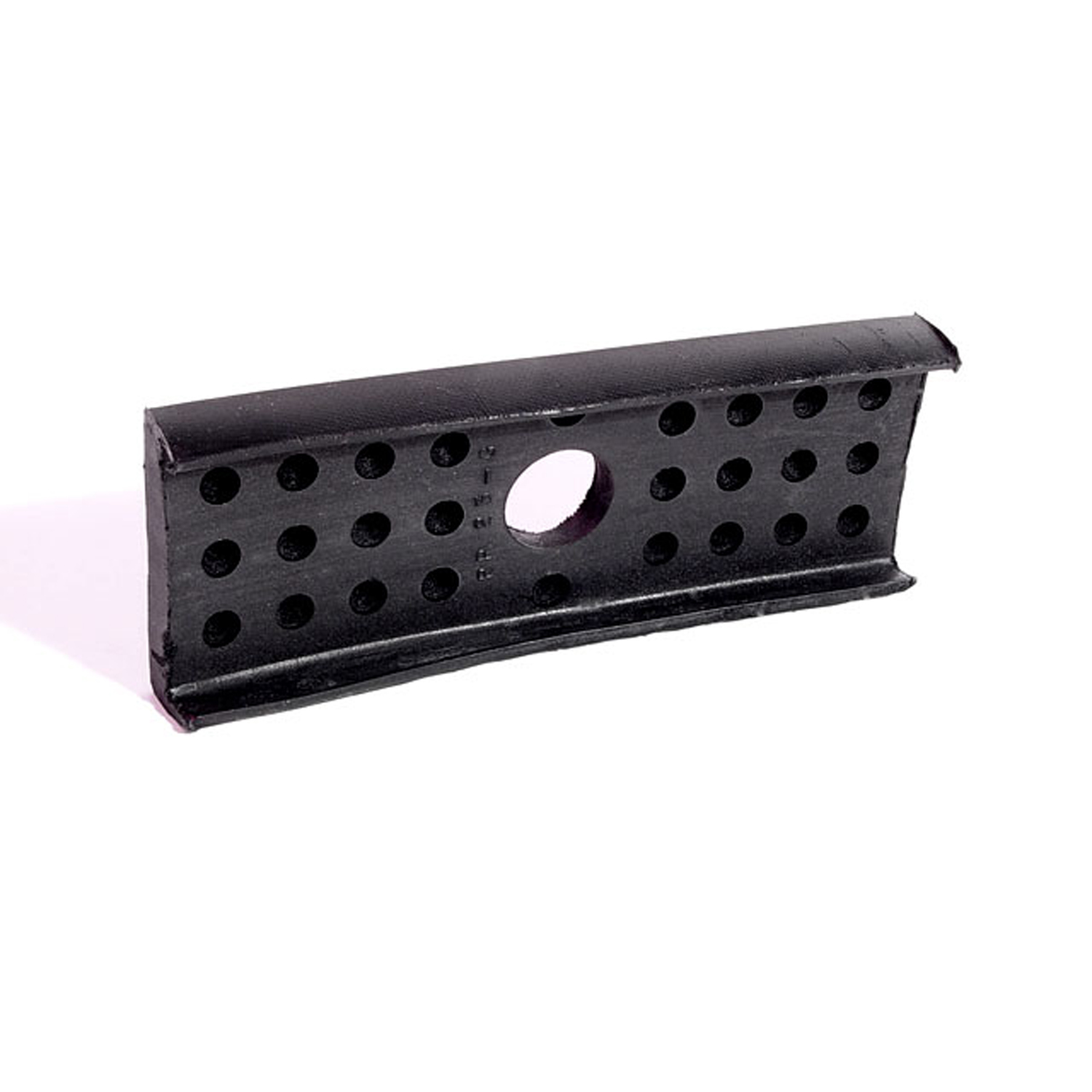 1936 Hudson SERIES 63 Rear Leaf Spring Center Mounting Insulator-RP 23-GRear Leaf Spring Center Mounting Insulator. For all 1-3/4" wide leaf springs. Each
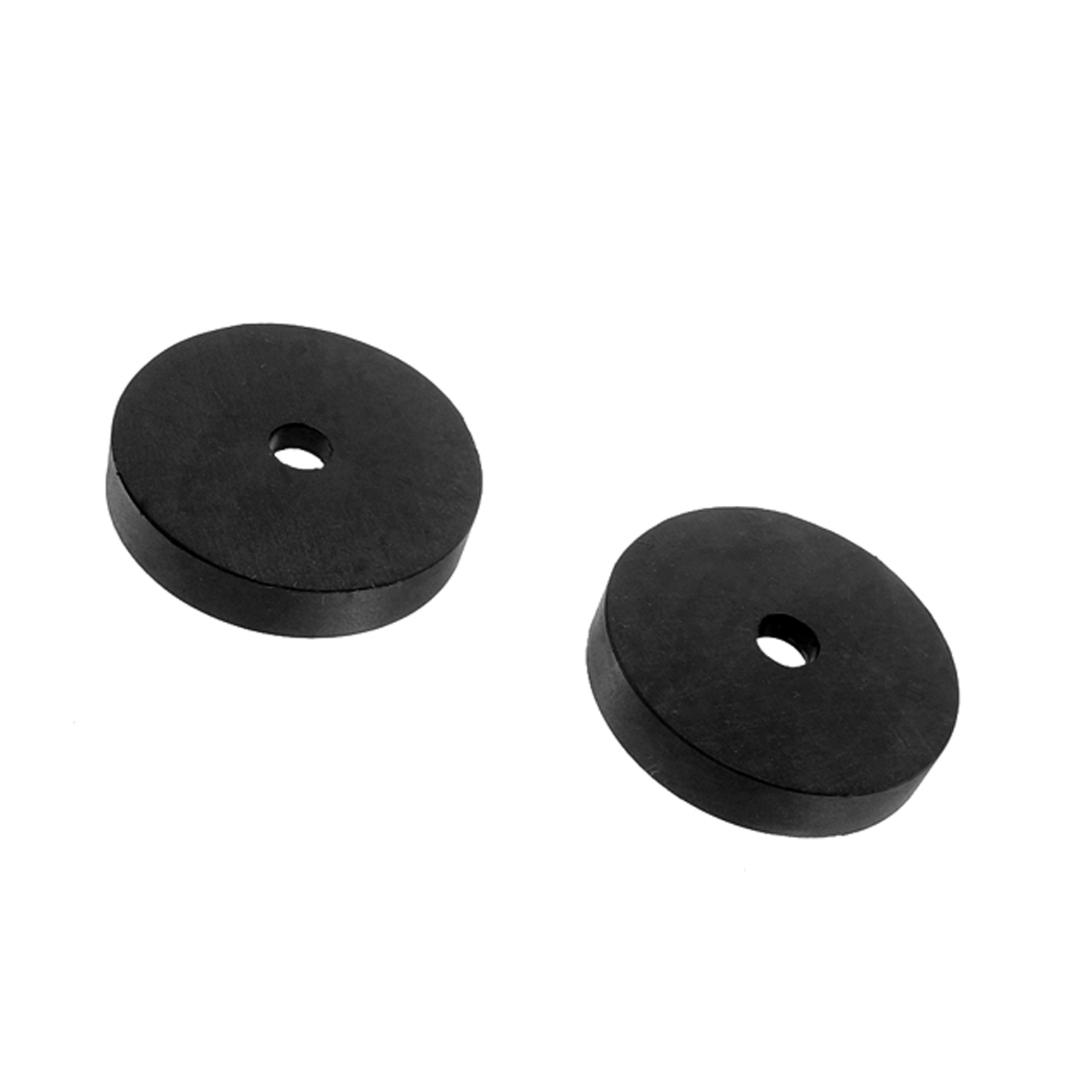 1936 Hudson SERIES 63 Clutch and Brake Seals. Seals fit on a round shaft-RP 31-NClutch and Brake Seals. Seals fit on a round shaft. Made of soft rubber. 2-7/16" O.D., 7/16" I.D. Pair
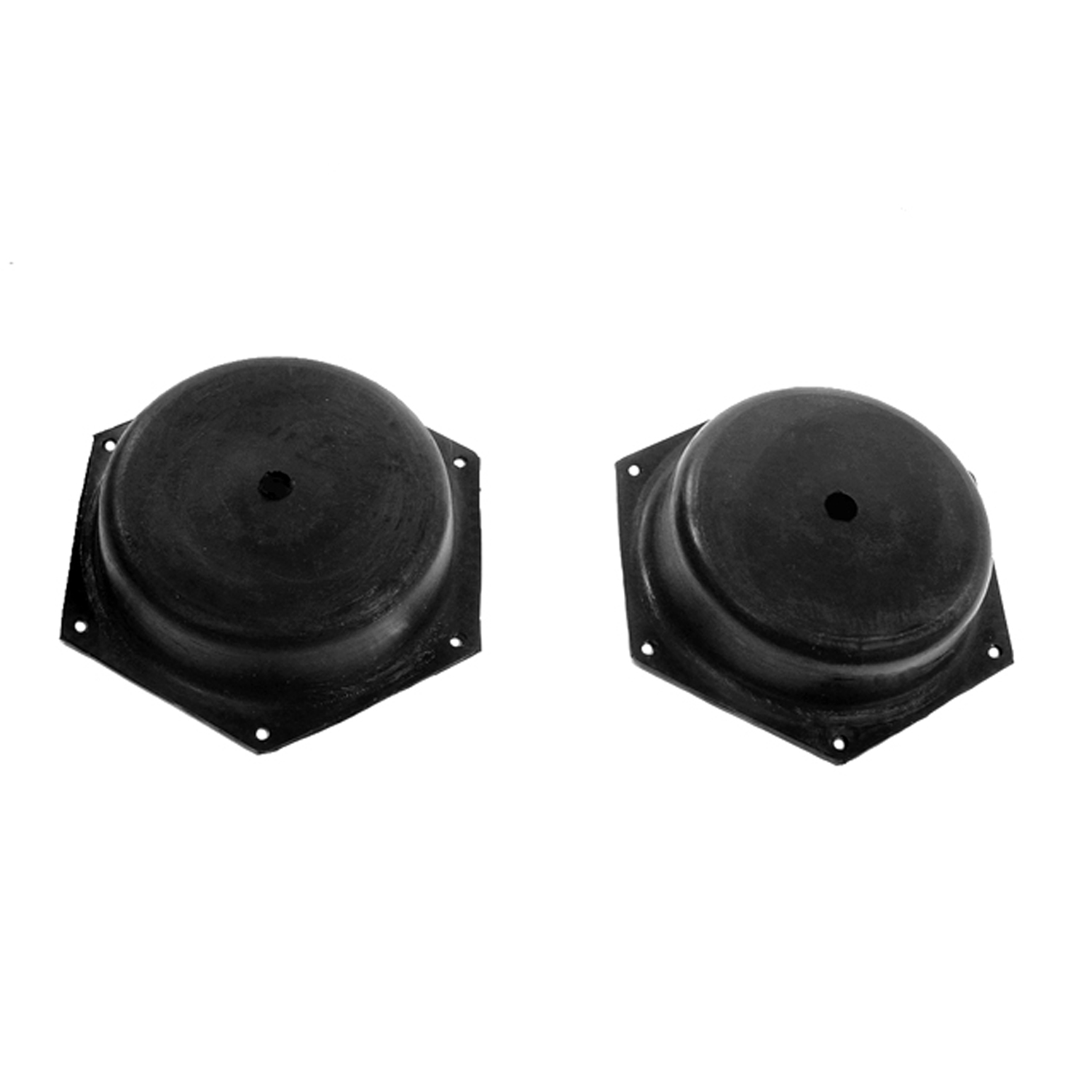 1936 Hudson SERIES 63 Drive Master Electric Shift Vacuum Diaphragm-RP 32-ADrive Master Electric Shift Vacuum Diaphragm. For all models with drive master system for standard transmission. Pair
 1936 Hudson SERIES 63 Vertical Division Bar Seal. Enough for two vents. Each-VS 1Vertical Division Bar Seal. Enough for two vents. Each
 1936 Hudson SERIES 63 Front Vent Window Seals. For disappearing-type vent windows-WR 4502Front Vent Window Seals. For disappearing-type vent windows. Pair R&L
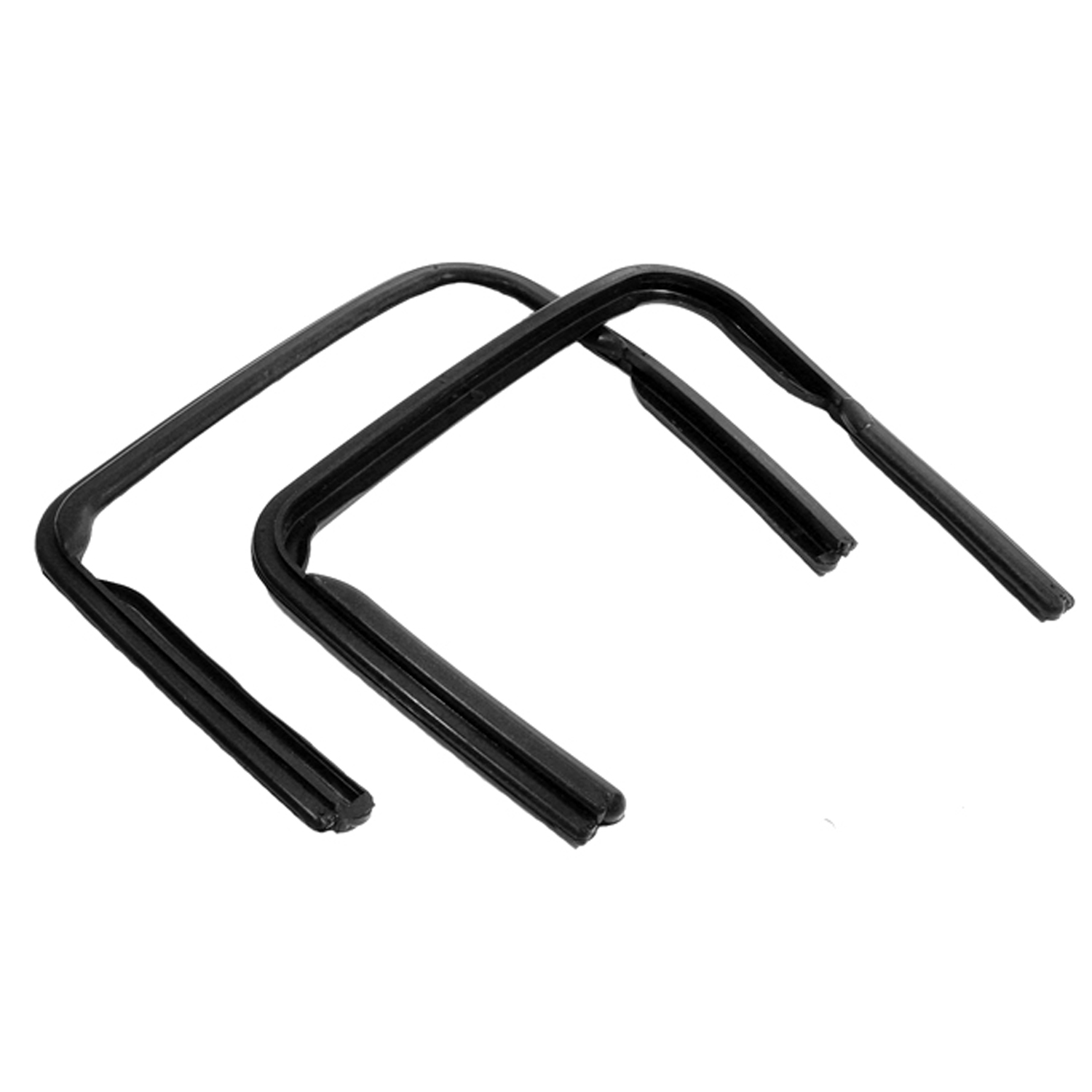 1936 Hudson SERIES 63 Front Vent Window Seals, for Convertibles-WR 9Front Vent Window Seals, for Convertibles. 25-1/4" long each. Pair R&L
Why Choose Metro?
For over 100 years, Metro Moulded Parts has been the pinnacle of quality in classic car restoration parts. Our commitment to precision and authenticity in every component ensures a perfect fit and an OEM-level appearance.
- Expert Craftsmanship & Quality: Each part is a testament to our dedication to reliability and perfection, crafted from original designs and thoroughly tested.
- Advanced Technology: We use cutting-edge techniques to create flawless, long-lasting parts that surpass others in performance.
- SuperSoft Sponge – The Ultimate Door Seal: Not only are our door seals 30% softer than competitors', but they're also guaranteed to never leak. They effectively reduce wind and road noise, enhancing your classic car's comfort and driving experience.
- Proudly American: Our parts are a product of American craftsmanship, made in the USA with a spirit of excellence and heritage.
- Unrivaled Warranty: We back our products with a 30-year industry-leading warranty, a testament to our confidence in their quality.
Join us in preserving the legacy of classic cars with parts that are crafted for perfection, not just made.