

Image of 1936 Hudson Series 64, Note: These illustrations use artistic license and may differ from actual historical models.
Performance Metrics
Fundamental Metrics
Emotional Appeal
MMP Rating
| Engine Specifications | |
|---|---|
| Engine: | Inline-6 |
| Displacement: | 212 cubic inches |
| Horsepower: | Estimated 88-102 hp |
| Torque: | Not available |
| Compression Ratio: | Not available |
| Ignition System: | Distributor and coil |
| Cooling System: | Water-cooled |
| Performance Specifications | |
| 0-60 Time: | Not available |
| 1/4 Mile Time: | Not available |
| Top Speed: | 75-80 mph |
| Transmission and Drive | |
| Drive Type: | Rear-wheel drive |
| Transmission Type: | 3-speed manual |
| Fuel and Efficiency | |
| Fuel System Type: | Carburetor |
| MPG: | Not available |
| Dimensions and Brakes | |
| Brakes: | Mechanical drum brakes |
| Wheelbase: | 119 inches |
| Weight: | 3,200 lbs |
Note: Specifications for classic cars are given to the best of our ability, considering the limited and variant data available.
1936 Hudson Series 64: A Straight-Eight with Purpose
The 1936 Hudson Series 64 combined the confident presence of a full-size American car with engineering that was anything but ordinary. Built by the Hudson Motor Car Company of Detroit, Michigan, the Series 64 belonged to Hudson’s eight-cylinder line, positioned above the more affordable Terraplane models. Its smooth straight-eight engine, substantial construction, and carefully considered chassis made it a compelling choice for drivers who wanted comfort and performance in the same package.
The Series 64 arrived during a period of rapid change in the American auto industry. Streamlined bodywork was replacing the boxy shapes of the early 1930s, while hydraulic brakes, more refined suspensions, and increasingly powerful engines were becoming selling points. Hudson had a reputation for putting serious engineering into its cars, and the Series 64 carried that identity into a sleek, practical package. One especially interesting option was Hudson’s Electric Hand, a preselector gear-shifting system that let the driver choose a gear with a small control near the steering wheel before engaging it with the clutch.
Art Deco Lines and Hudson Craftsmanship
The Series 64 wore the flowing proportions typical of a well-appointed mid-1930s car, but with a distinctly Hudson character. Its long hood gave the straight-eight room to breathe, while the upright grille, rounded fenders, and sweeping hood lines created a purposeful front profile. Headlamps sat neatly beside the grille, and bright trim added polish without overwhelming the body. From the side, the car’s flowing roof and extended rear section gave it a substantial, composed appearance.
Inside, the emphasis was on comfort and quality rather than flashy decoration. Depending on body style and trim, buyers could expect broad bench seating, carefully finished door panels, a woodgrain-effect instrument panel, and durable upholstery in cloth or higher-grade materials. The dashboard placed the principal gauges and controls within the driver’s reach, though by modern standards the driving position was upright and the steering wheel large. Period color choices varied by body and trim, but owners could commonly find dark, formal shades such as black, maroon, blue, green, and gray. Two-tone finishes were also part of the era’s style, though availability depended on the specific body and paint combination.
Hudson offered the Series 64 in several passenger-car configurations, generally including closed sedans and more formal or sportier open-body options. Exact availability could vary across the model-year catalog and market. The four-door sedan was the practical, familiar choice, while a convertible or other open model, where offered, had the greatest visual drama and is especially appealing to collectors today.
Engineering Ahead of Its Time
The Series 64’s most important distinction was not a single styling flourish. It was the way Hudson paired a large straight-eight with a chassis designed for comfortable, controlled travel. Hudson had adopted independent front suspension on its passenger cars earlier in the decade, giving the front wheels more freedom to respond individually to uneven pavement than a conventional solid front axle. Combined with the car’s substantial frame and suspension, that layout helped deliver a smoother ride on rough roads.
Hydraulic brakes were another important feature for a car of this period, providing more consistent stopping power than the mechanical systems that had been common only a few years earlier. The standard three-speed manual transmission used synchronized shifting, while the optional Electric Hand offered a distinctive alternative to conventional gear selection. It was not a modern automatic transmission: the driver still operated a clutch, but the system made gear selection feel novel and convenient for its time.
The Series 64 also illustrates Hudson’s broader approach to the automobile: engineering should improve how the car behaved, not merely make a good brochure claim. It did not introduce the later “step-down” design that made postwar Hudsons famous, but it belonged to the same tradition of a company willing to challenge convention. Its blend of independent front suspension, strong power, and solid construction helped establish the qualities that Hudson enthusiasts still value.
Straight-Eight Performance and Road Manners
Series 64 cars used Hudson’s 254.4-cubic-inch inline eight-cylinder engine. Period specifications commonly list output at about 124 horsepower, delivered through a three-speed manual transmission. That was respectable power for a large 1936 automobile, and the long-stroke straight-eight was designed to deliver smooth, steady pull rather than a sharp, high-revving rush.
Precise performance figures depend on body style, gearing, vehicle condition, and the test method used. As a general estimate, a well-maintained Series 64 might reach roughly 80 to 90 mph, with a 0-to-60-mph time in the neighborhood of 19 to 23 seconds. Those figures are best treated as period-car estimates, not guaranteed results for every surviving example. A modern restoration with tired compression, incorrect gearing, or old tires will perform differently from a freshly rebuilt car.
On the road, the Hudson’s strengths are smoothness and composure. The straight-eight produces a deep, even mechanical murmur, while the car’s weight and suspension help it settle over broken pavement. On a winding road, it rewards a measured driving style. The steering and brakes require more effort and anticipation than a modern car, and the tall body does not invite aggressive cornering. In crosswinds, its size and upright cabin can be noticeable, so a steady hand and sensible speed matter. The experience is less about carving corners than covering distance with an unhurried, confident rhythm.
Living with a Series 64
Today, a Series 64 is most often used as a show car, a touring car, or a special-occasion driver. It can handle local outings and vintage events, but its age makes it less suited to routine modern commuting. The car lacks contemporary safety equipment, and its size, fuel consumption, drum-brake performance, and slower acceleration call for a different mindset in present-day traffic.
Routine maintenance is familiar to anyone comfortable with prewar American cars: regular attention to ignition and carburetion, lubrication, cooling, brakes, tires, and the electrical system. Mechanical parts can often be repaired or rebuilt by specialists, but some trim, body, and model-specific components may take time to locate. The straight-eight is robust when maintained properly, yet a neglected engine or cooling system can turn into an expensive project. Before buying, inspect the frame and body for corrosion, check the engine for oil pressure and overheating, and verify that the transmission and brakes operate correctly.
The Electric Hand system deserves a specific check on cars equipped with it. Its novelty is part of the appeal, but a system that has been disconnected, poorly repaired, or left out of adjustment may require a knowledgeable specialist. A well-sorted standard manual car can be simpler to maintain, while a functioning Electric Hand-equipped example offers a memorable piece of Hudson engineering.
Hudson Series 64 Facts and Myths
The Electric Hand is one of the Series 64’s best conversation starters. It used electrical controls to select a gear in advance, with the driver then operating the clutch to complete the shift. That made it a preselector system, not a fully automatic transmission. It also shows how automakers of the 1930s were experimenting with ways to make driving easier well before modern automatic gearboxes became widespread.
The Series 64 was not known for a headline-grabbing land-speed record or a single celebrity association. Its significance is quieter: it represents the kind of well-engineered, full-size American car that made long-distance motoring more comfortable during the prewar years. Hudson later became part of the 1954 merger with Nash-Kelvinator that created American Motors Corporation, but the Series 64 came from Hudson’s independent era.
Common criticisms are practical ones. The car is large, thirsty by modern standards, and slow to accelerate compared with contemporary traffic. Braking distances and steering effort also reflect 1930s technology. Parts availability can be uneven, especially for unique trim and optional equipment. None of that erases the appeal, but it makes condition and completeness especially important when shopping.
Collector Value and Availability
Surviving Series 64 cars are uncommon, and a well-preserved example is not something most buyers will encounter every day. A reliable, model-specific production total is difficult to establish from widely available records, so a precise figure would be misleading. As a cautious estimate, Series 64 production was likely in the low tens of thousands or fewer, with substantially fewer cars surviving today. Open body styles and cars with unusual factory equipment are likely to be harder to find than ordinary sedans.
As a broad 2026 market estimate, a project car may bring roughly $5,000 to $15,000, depending heavily on completeness and rust. A usable driver or older restoration might fall around $18,000 to $35,000, while a high-quality, correctly restored example could reach approximately $40,000 to $65,000 or more. Exceptional open models, rare configurations, or cars with unusually strong provenance can exceed those ranges. These are guide estimates, not formal appraisals; local demand, documentation, mechanical condition, and restoration quality make a substantial difference.
Values have generally been steady to gradually appreciating for good examples, rather than rising at the dramatic pace seen with some more famous prewar marques. The strongest cars attract dedicated Hudson collectors, but the market is narrower than for a Ford or Chevrolet of the same year. Originality, sound bodywork, a complete interior, and working special equipment are often more valuable than an expensive restoration that has altered the car’s character.
Why the 1936 Hudson Series 64 Still Matters
The 1936 Hudson Series 64 brought together a smooth 254.4-cubic-inch straight-eight, independent front suspension, hydraulic brakes, distinctive styling, and the option of an ingenious preselector shifting system. It was built for comfort and confident road travel, with engineering that reflected Hudson’s willingness to think beyond the obvious. Its size and upkeep demand respect, but for enthusiasts who appreciate prewar design and mechanical detail, it offers much more than a handsome grille.
Nearly a century later, the Series 64 remains a reminder that a great classic is not defined by speed alone. It is defined by the way its engineering, craftsmanship, and personality come together on the road.
1936 Hudson Series 64 Catalog of Parts
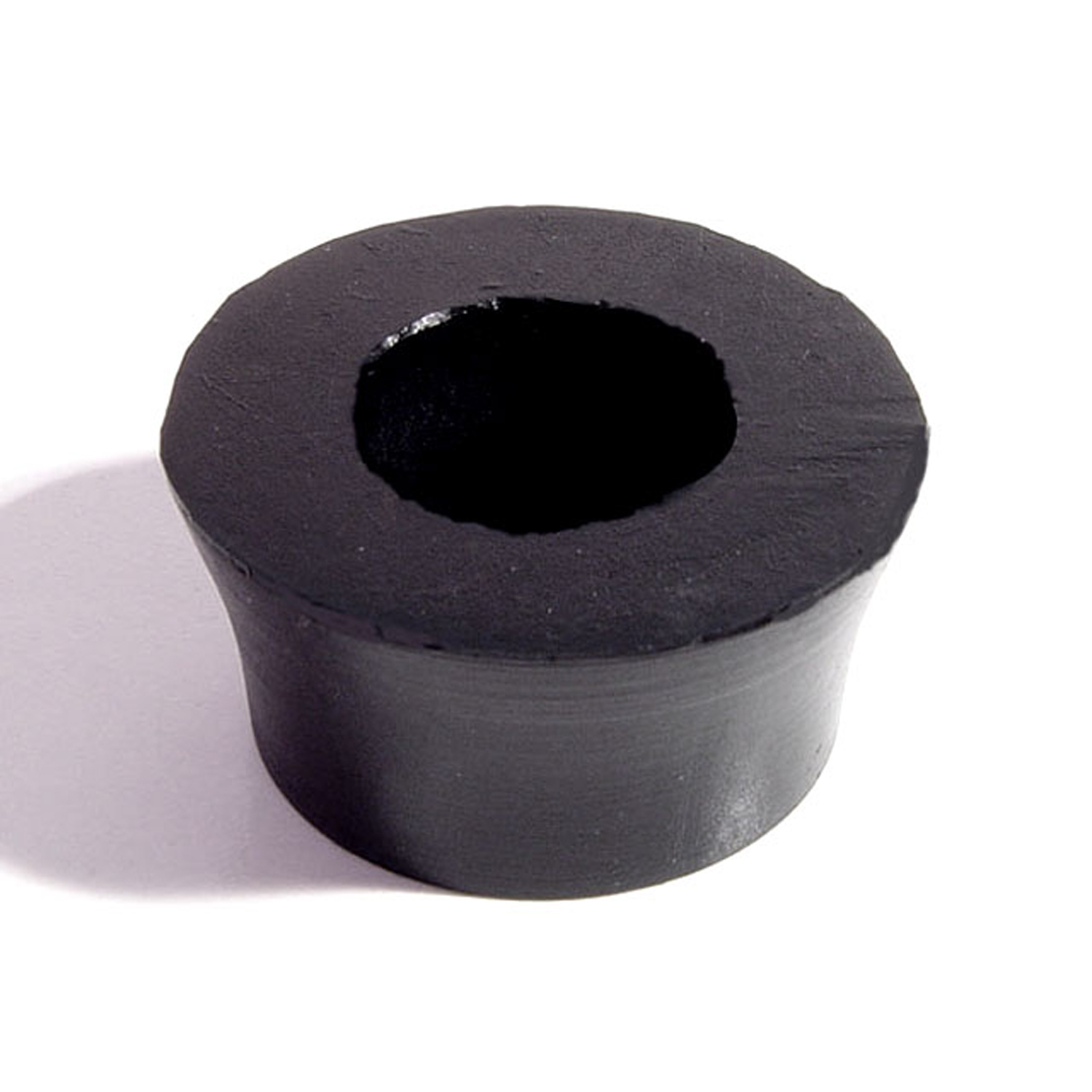 1936 Hudson SERIES 64 Shock Absorber Grommet. 1" bottom O.D., 5/8" high-BN 10Shock Absorber Grommet. 1" bottom O.D., 5/8" high., with 5/8" I.D. Each
 1936 Hudson SERIES 64 Spare Tire Mount. 1/2" top I.D., 1" Bottom I.D., 1-5/8" O.D-CG 50Spare Tire Mount. 1/2" top I.D., 1" Bottom I.D., 1-5/8" O.D. Each
 1936 Hudson SERIES 64 Hood Corners. Used at rear of hood-HC 14-DHood Corners. Used at rear of hood. 1-1/2" wide X 3-1/8" long. Pair
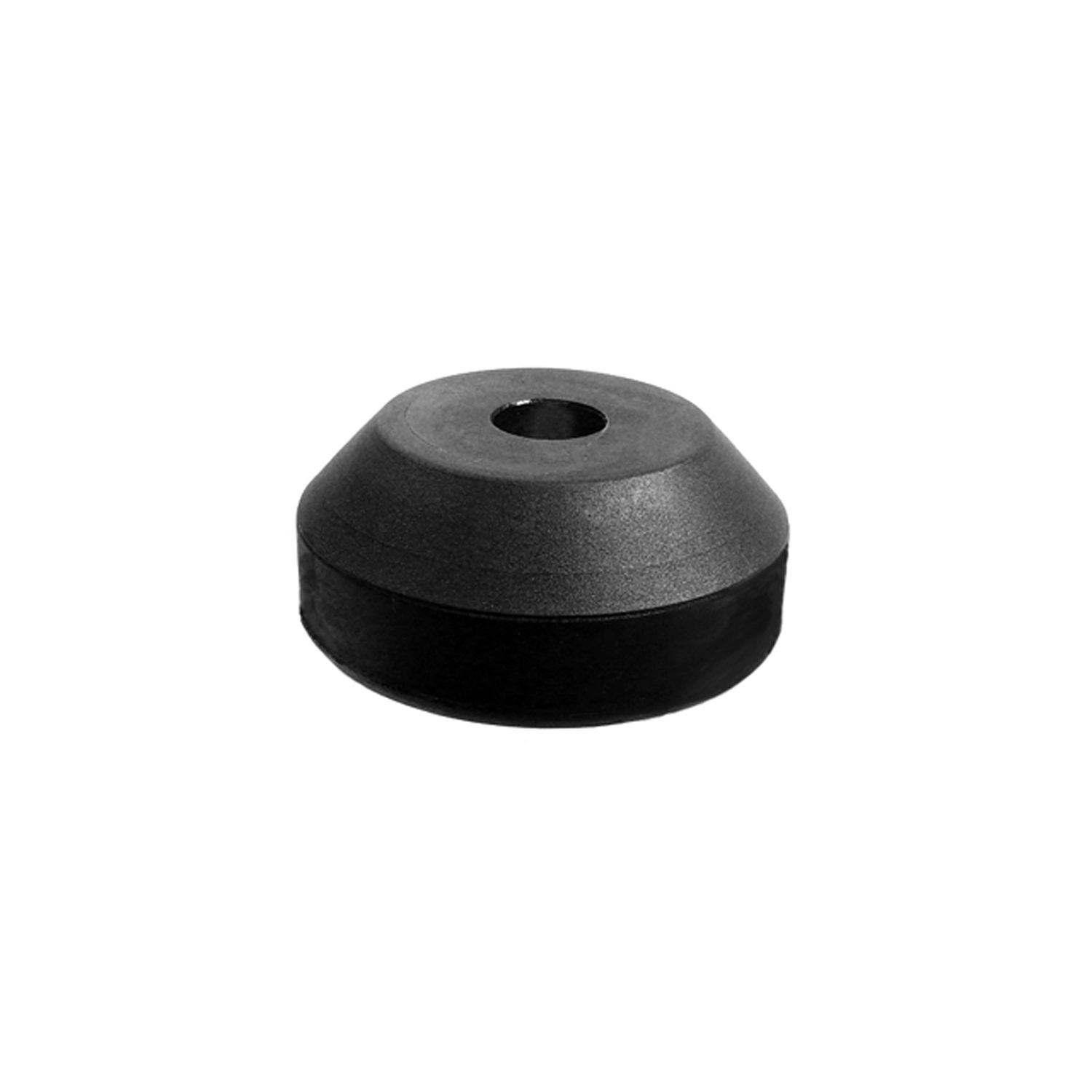 1936 Hudson SERIES 64 Upper Motor Mount. 5/8" I.D., 2-5/8" O.D. Each-MM 7-BUpper Motor Mount. 5/8" I.D., 2-5/8" O.D. Each
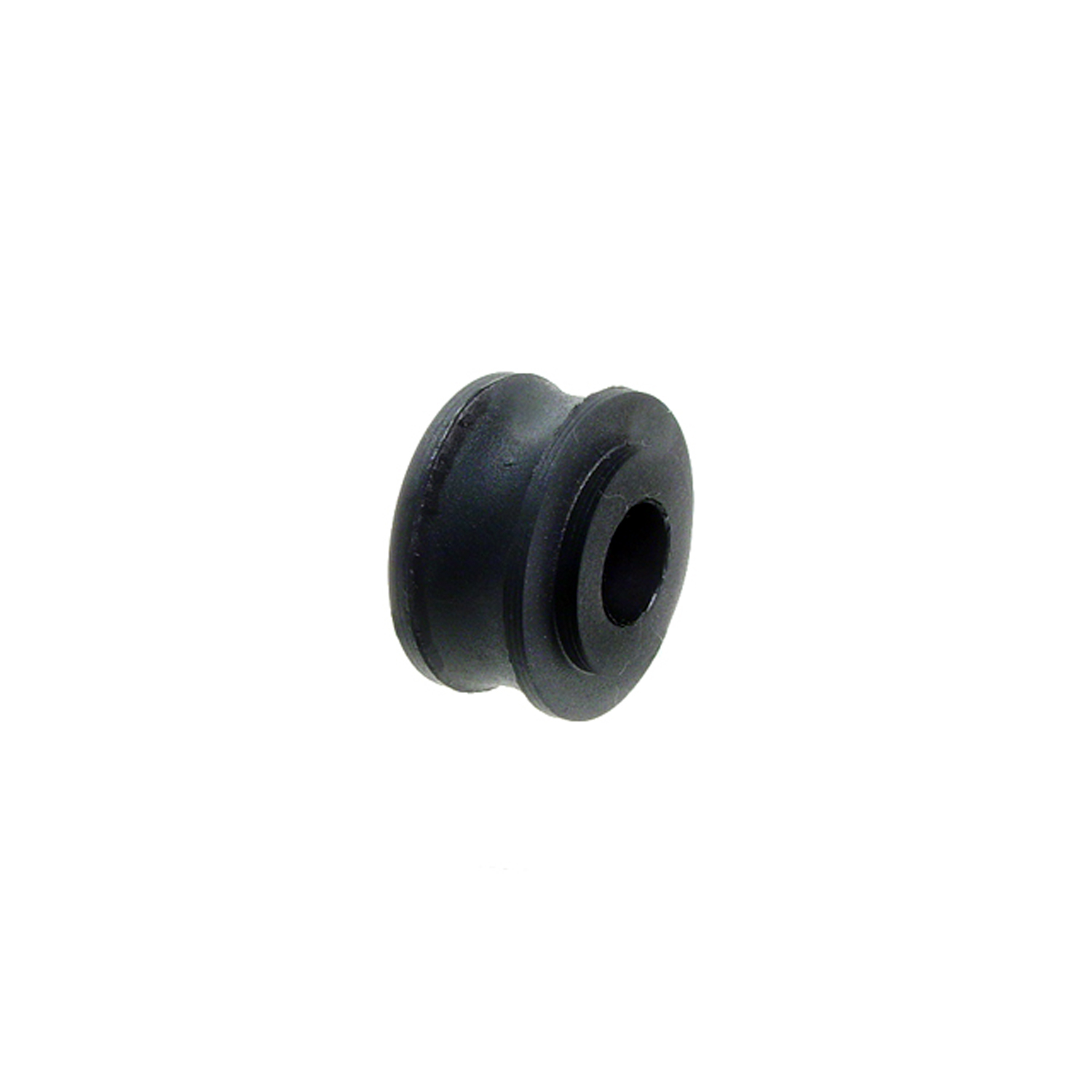 1936 Hudson SERIES 64 Lower Motor Mount. 5/8" I.D., 1-5/8" O.D. Each-MM 7-CLower Motor Mount. 5/8" I.D., 1-5/8" O.D. Each
 1936 Hudson SERIES 64 Tail-light Pads. 3-3/8" long X 2-1/2" wide. Pair-MP 798-MTail-light Pads. 3-3/8" long X 2-1/2" wide. Pair
 1936 Hudson SERIES 64 Headlight Pads. 6-5/16" long X 2-13/16" wide. Pair-MP 798-NHeadlight Pads. 6-5/16" long X 2-13/16" wide. Pair
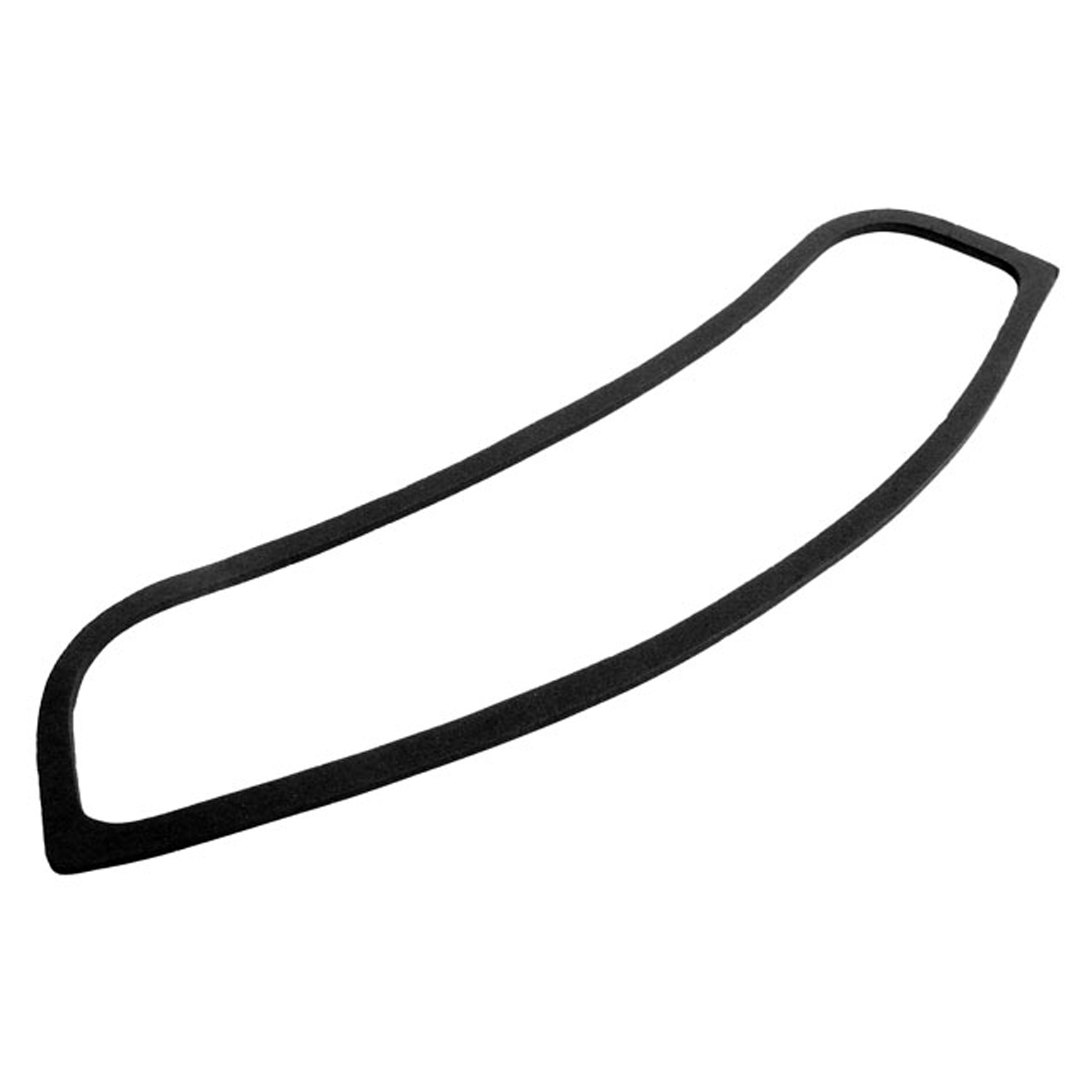 1936 Hudson SERIES 64 Cowl Vent Seal. 4-1/2" wide X 18-1/2" long. Each-RP 100-YCowl Vent Seal. 4-1/2" wide X 18-1/2" long. Each
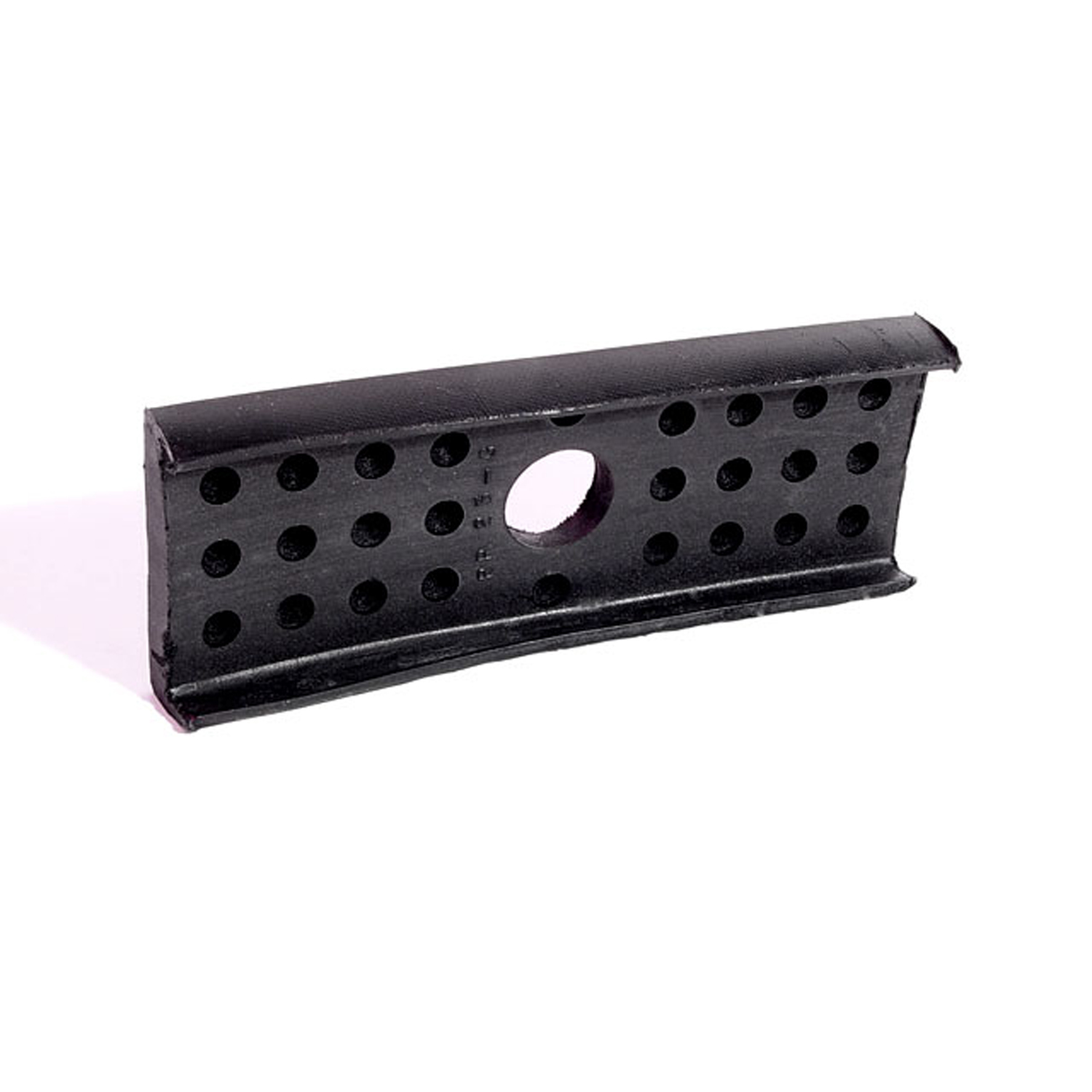 1936 Hudson SERIES 64 Rear Leaf Spring Center Mounting Insulator-RP 23-GRear Leaf Spring Center Mounting Insulator. For all 1-3/4" wide leaf springs. Each
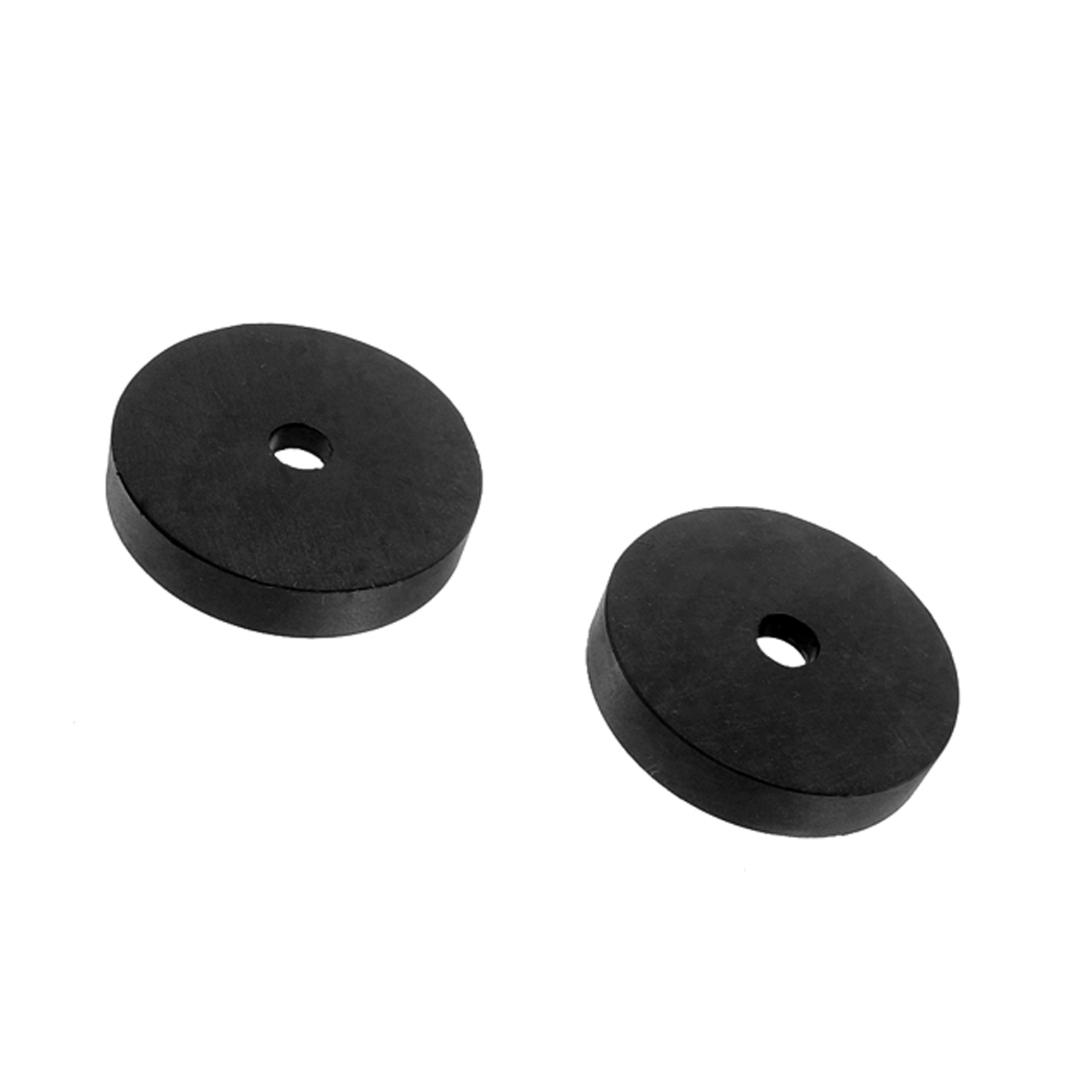 1936 Hudson SERIES 64 Clutch and Brake Seals. Seals fit on a round shaft-RP 31-NClutch and Brake Seals. Seals fit on a round shaft. Made of soft rubber. 2-7/16" O.D., 7/16" I.D. Pair
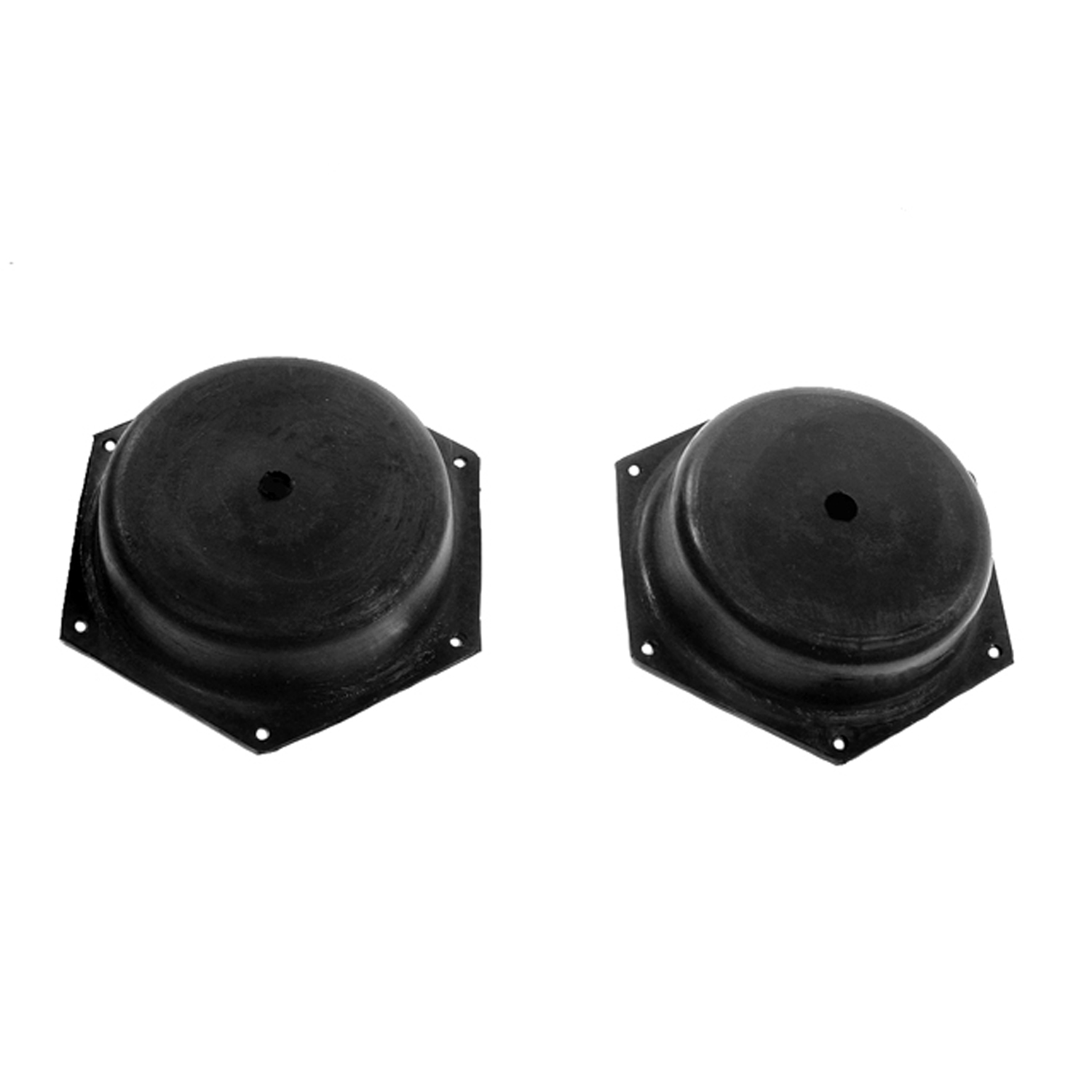 1936 Hudson SERIES 64 Drive Master Electric Shift Vacuum Diaphragm-RP 32-ADrive Master Electric Shift Vacuum Diaphragm. For all models with drive master system for standard transmission. Pair
 1936 Hudson SERIES 64 Vertical Division Bar Seal. Enough for two vents. Each-VS 1Vertical Division Bar Seal. Enough for two vents. Each
 1936 Hudson SERIES 64 Front Vent Window Seals. For disappearing-type vent windows-WR 4502Front Vent Window Seals. For disappearing-type vent windows. Pair R&L
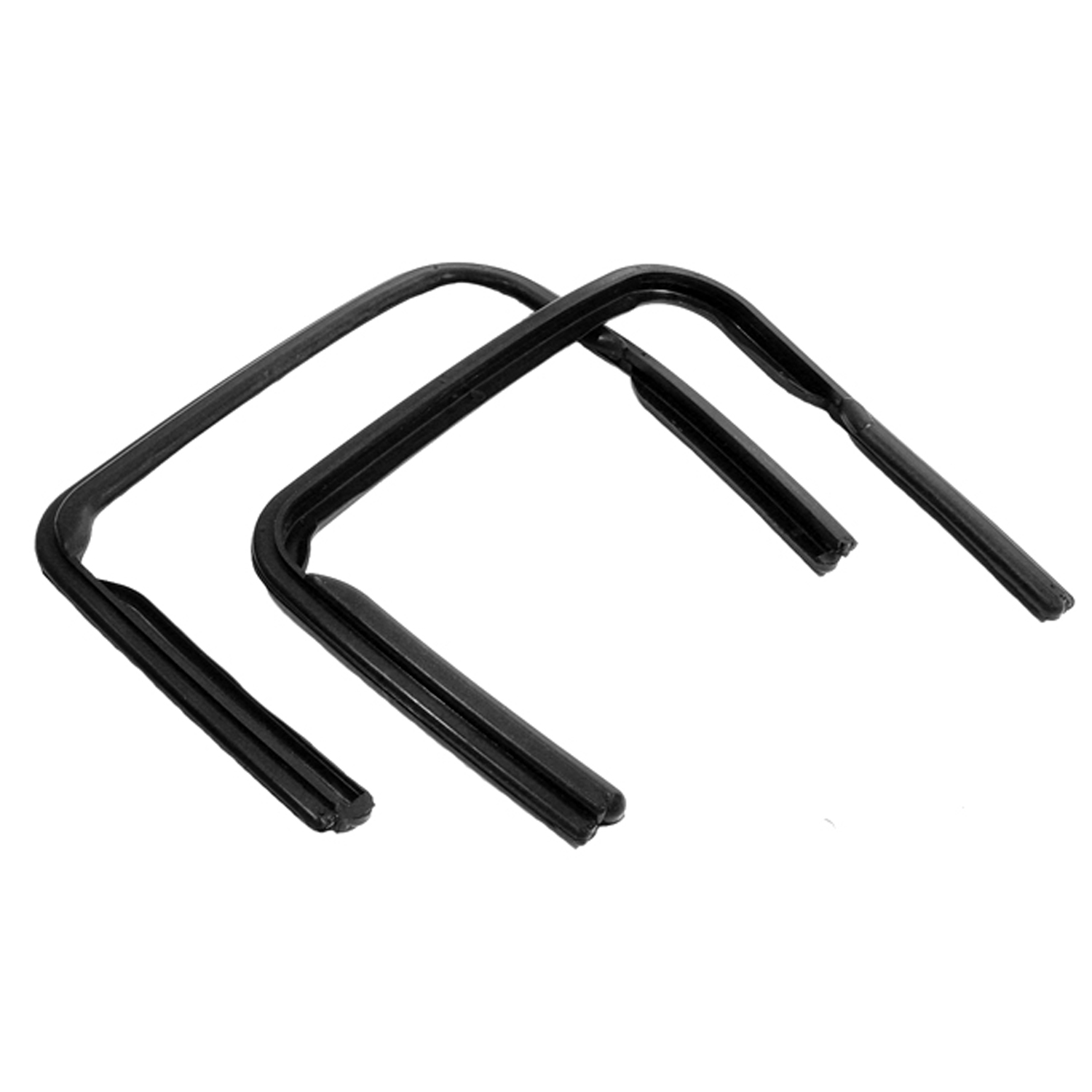 1936 Hudson SERIES 64 Front Vent Window Seals, for Convertibles-WR 9Front Vent Window Seals, for Convertibles. 25-1/4" long each. Pair R&L
Why Choose Metro?
For over 100 years, Metro Moulded Parts has been the pinnacle of quality in classic car restoration parts. Our commitment to precision and authenticity in every component ensures a perfect fit and an OEM-level appearance.
- Expert Craftsmanship & Quality: Each part is a testament to our dedication to reliability and perfection, crafted from original designs and thoroughly tested.
- Advanced Technology: We use cutting-edge techniques to create flawless, long-lasting parts that surpass others in performance.
- SuperSoft Sponge – The Ultimate Door Seal: Not only are our door seals 30% softer than competitors', but they're also guaranteed to never leak. They effectively reduce wind and road noise, enhancing your classic car's comfort and driving experience.
- Proudly American: Our parts are a product of American craftsmanship, made in the USA with a spirit of excellence and heritage.
- Unrivaled Warranty: We back our products with a 30-year industry-leading warranty, a testament to our confidence in their quality.
Join us in preserving the legacy of classic cars with parts that are crafted for perfection, not just made.