

Image of 1936 Hudson Series 65, Note: These illustrations use artistic license and may differ from actual historical models.
Performance Metrics
Fundamental Metrics
Emotional Appeal
MMP Rating
| Engine Specifications | |
|---|---|
| Engine: | Hudson Straight-6 |
| Displacement: | 212 cu in (3.5 L) |
| Horsepower: | Estimated 87-100 hp |
| Torque: | Not available |
| Compression Ratio: | Not available |
| Ignition System: | Battery and coil |
| Cooling System: | Water-cooled |
| Performance Specifications | |
| 0-60 Time: | Not available |
| 1/4 Mile Time: | Not available |
| Top Speed: | Estimated 75-80 mph |
| Transmission and Drive | |
| Drive Type: | Rear-wheel drive |
| Transmission Type: | 3-speed manual |
| Fuel and Efficiency | |
| Fuel System Type: | Carburetor |
| MPG: | Not available |
| Dimensions and Brakes | |
| Brakes: | Mechanical drum brakes |
| Wheelbase: | 113 inches |
| Weight: | Estimated 2,800-3,000 lbs |
Note: Specifications for classic cars are given to the best of our ability, considering the limited and variant data available.
1936 Hudson Series 65: An Eight-Cylinder Hudson with Purpose
The 1936 Hudson Series 65 paired the imposing presence of a prewar luxury car with engineering intended for real road use. Built by the Hudson Motor Car Company of Detroit, Michigan, it belonged to Hudson’s upper-range eight-cylinder offerings, generally identified with the Custom Eight line. Hudson had earned a reputation for building sturdy, technically ambitious cars, and the Series 65 carried that identity into a decade when American automobiles were becoming longer, smoother, and more carefully streamlined.
Its historical setting matters: the United States was still climbing out of the Great Depression, and buyers expected a substantial car to signal quality as well as provide dependable transportation. Hudson answered with a roomy, well-appointed automobile and a smooth inline-eight engine. One intriguing detail is that buyers could equip certain Hudsons with the optional Electric Hand gearshift, a distinctive preselector system that let the driver choose a gear using a small control near the steering wheel. It looked forward to easier shifting, even though the driver still had work to do.
Streamlined Style and a Well-Finished Cabin
The Series 65 has the confident proportions of a classic 1930s American car: a long hood, upright passenger compartment, rounded fenders, running boards, and a tall, bright front grille. Its headlamps sit prominently at the front, while chrome trim and carefully shaped body panels give the car a more polished appearance than a purely utilitarian sedan. The overall effect is formal but not fussy, with enough flowing lines to soften the imposing profile.
Inside, the Hudson offered generous seating and a broad, upright dashboard designed around the instruments and controls. Upholstery materials depended on body style and trim, but buyers could encounter durable cloth, broadcloth, or more luxurious upholstery such as mohair or leather. Wood-grain finishes and bright metal details helped create a traditional, upscale atmosphere. These were not modern, heavily insulated interiors, but the cabin was built to feel substantial and comfortable on long journeys.
Hudson offered its 1936 cars in a selection of period colors and trim combinations. Dark shades such as black, deep blue, maroon, and green suited the car’s formal character, while two-tone treatments could add visual contrast. Exact paint names and combinations varied by body and order, so surviving cars may not all match a single standard palette.
Hudson’s full range included several body configurations, with sedans and closed coupes among the familiar choices. Body availability varied by series and trim, so not every style was offered on every Series 65 specification. The four-door sedan is the most recognizable practical choice today, while a more unusual open or coupe body tends to draw extra attention at shows and auctions.
Engineering That Set Hudson Apart
Hudson’s appeal was not just its styling. The company had a long record of developing its own engineering solutions and marketing the strength and road manners of its cars. For 1936, the Series 65’s central attraction was its inline-eight powerplant, supported by a conventional rear-wheel-drive layout and a three-speed manual transmission. Hydraulic brakes and a strong chassis were important features in a period when stopping power and structural quality were major selling points.
The optional Electric Hand system was Hudson’s most memorable piece of period technology. It used a small steering-column control to preselect gears, with the clutch still involved in completing the shift. It was not an automatic transmission, but it reduced the need to reach for a floor-mounted gear lever and gave the driver a taste of a more modern control layout. The system is fascinating today, although an owner should make sure that a surviving example is correctly adjusted and understood before expecting it to work like a modern gearbox.
Compared with many contemporaries, Hudson combined a sophisticated image with a reputation for practical durability. The Series 65 did not introduce a single feature that transformed the entire industry, but it demonstrated how a smaller independent manufacturer could compete through engineering, refinement, and a distinctive product identity. Hudson’s later reputation for innovative chassis design, especially its postwar step-down models, grew from this broader tradition of ambitious engineering.
Series 65 Performance and Road Manners
The Series 65’s straight-eight engine is commonly listed at about 254 cubic inches, producing roughly 124 horsepower, though published specifications can vary by source and configuration. Period cars were heavy, so the experience was more about smooth, steady progress than startling acceleration. A reasonable modern estimate is a 0-to-60-mph time in the neighborhood of 18 to 22 seconds, with a top speed around 80 to 85 mph under favorable conditions. These are estimates, not guaranteed figures for every surviving car.
On the road, the engine’s long, even power pulses give the Hudson a relaxed character. The car feels most at home cruising at a measured pace, where the straight-eight can settle into a smooth rhythm and the substantial body helps it feel planted. Its suspension is designed for the roads of its era, so it can absorb ordinary bumps with a softer, more compliant motion than a modern car. On winding roads, the driver must account for the car’s size, steering effort, body lean, and older tire technology. It rewards anticipation rather than quick, sharp inputs.
Driving one is a tactile experience. The engine produces a low, mellow mechanical sound rather than the sharp note of a modern high-revving motor. The steering and controls require more physical involvement, and braking distances are longer than those of a contemporary vehicle. The reward is a sense of occasion: a broad view over the hood, a deliberate gear change, and the feeling of piloting a carefully engineered machine from another era.
Living with a 1936 Hudson
Today, a Series 65 is best suited to touring, club events, local shows, and occasional pleasure drives. Some owners preserve them as museum-quality show cars, while others prefer sympathetic restorations that retain the car’s original character. It can be used on the road, but its age makes modern traffic, high-speed highways, and frequent short trips less suitable than leisurely drives on quieter routes.
Maintenance is manageable for an owner familiar with prewar cars, but it is not the same as servicing a common postwar classic. Routine tasks such as lubrication, ignition work, cooling-system care, and brake maintenance are straightforward in principle. Parts availability is more limited than for high-volume Ford or Chevrolet models, and specialist knowledge may be needed for the Electric Hand gearshift, trim, body fittings, or engine components. Before buying, inspect the frame, body structure, cooling system, brakes, and electrical work carefully. A car that has been maintained consistently is much more appealing than a superficially shiny example with neglected mechanical systems.
Hudson Series 65 Facts and Myths
The Electric Hand is the feature most likely to surprise people who encounter a Series 65 today. It is often mistaken for a fully automatic transmission, but it is better understood as a gear-preselection aid that still requires driver input. Another point worth remembering is that Hudson and Terraplane were related but distinct parts of the company’s lineup. The Series 65 represents the more substantial Hudson side of the range rather than the smaller, sportier image often associated with Terraplane advertising.
The Series 65 is not especially known for a headline speed record or a single celebrity-owner story. Its significance is quieter: it represents the kind of high-quality, technically individual car that independent American manufacturers built before the market consolidated around a few larger companies. A common criticism is that its size, fuel consumption, and need for specialist parts make it less convenient than a more common classic. Those drawbacks are real, but they are balanced by its presence, smooth eight-cylinder character, and rarity on today’s roads.
Collector Value and Availability
Series 65 production figures are not consistently reported in the sources commonly available to collectors. As a broad estimate rather than a factory-confirmed total, production may have been in the range of several thousand to perhaps around 10,000 cars, depending on which body styles and catalog classifications are included. The number of surviving examples is much smaller, and condition, originality, and body style matter greatly when comparing cars.
As a general U.S. market guide, a project or incomplete car might fall around $10,000 to $20,000. A usable driver-quality example could be roughly $20,000 to $40,000, while a high-quality restoration may reach approximately $40,000 to $65,000 or more. Particularly rare body styles, exceptional provenance, or concours-level restoration can push prices higher. These are broad estimates, not appraisals, and actual sale prices depend on the individual car and the market at the time.
The Series 65 occupies a specialist corner of the collector market. Values are supported by its rarity and engineering interest, but its buyer pool is smaller than that for more familiar mass-market classics. Prices have generally been steadier than spectacular, with the best original and correctly restored cars holding the most appeal. Mechanical condition and documentation are often more persuasive to informed buyers than a fresh cosmetic restoration alone.
Why the 1936 Hudson Series 65 Still Matters
The 1936 Hudson Series 65 brought together elegant prewar proportions, a smooth eight-cylinder engine, a carefully finished cabin, and technology such as the unusual Electric Hand gearshift. It was built by a manufacturer willing to distinguish itself through engineering rather than simply follow the biggest players in the American market.
More than a handsome old sedan, the Series 65 is a reminder of Hudson’s independent spirit and the ingenuity of 1930s automotive design. For collectors who value substance as much as style, it remains a compelling way to experience a chapter of motoring history that feels increasingly rare every time one rolls onto the road.
1936 Hudson Series 65 Catalog of Parts
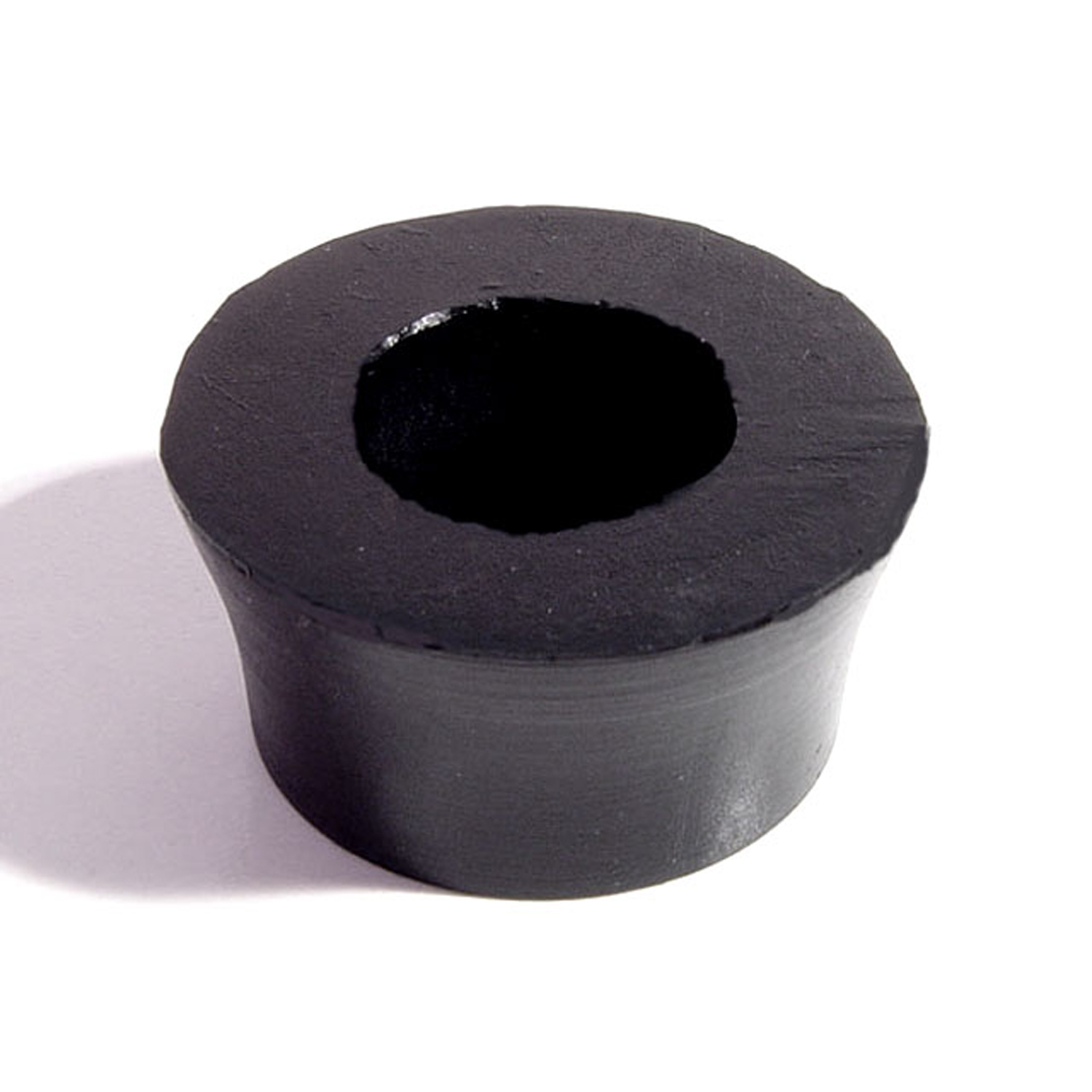 1936 Hudson SERIES 65 Shock Absorber Grommet. 1" bottom O.D., 5/8" high-BN 10Shock Absorber Grommet. 1" bottom O.D., 5/8" high., with 5/8" I.D. Each
 1936 Hudson SERIES 65 Spare Tire Mount. 1/2" top I.D., 1" Bottom I.D., 1-5/8" O.D-CG 50Spare Tire Mount. 1/2" top I.D., 1" Bottom I.D., 1-5/8" O.D. Each
 1936 Hudson SERIES 65 Hood Corners. Used at rear of hood-HC 14-DHood Corners. Used at rear of hood. 1-1/2" wide X 3-1/8" long. Pair
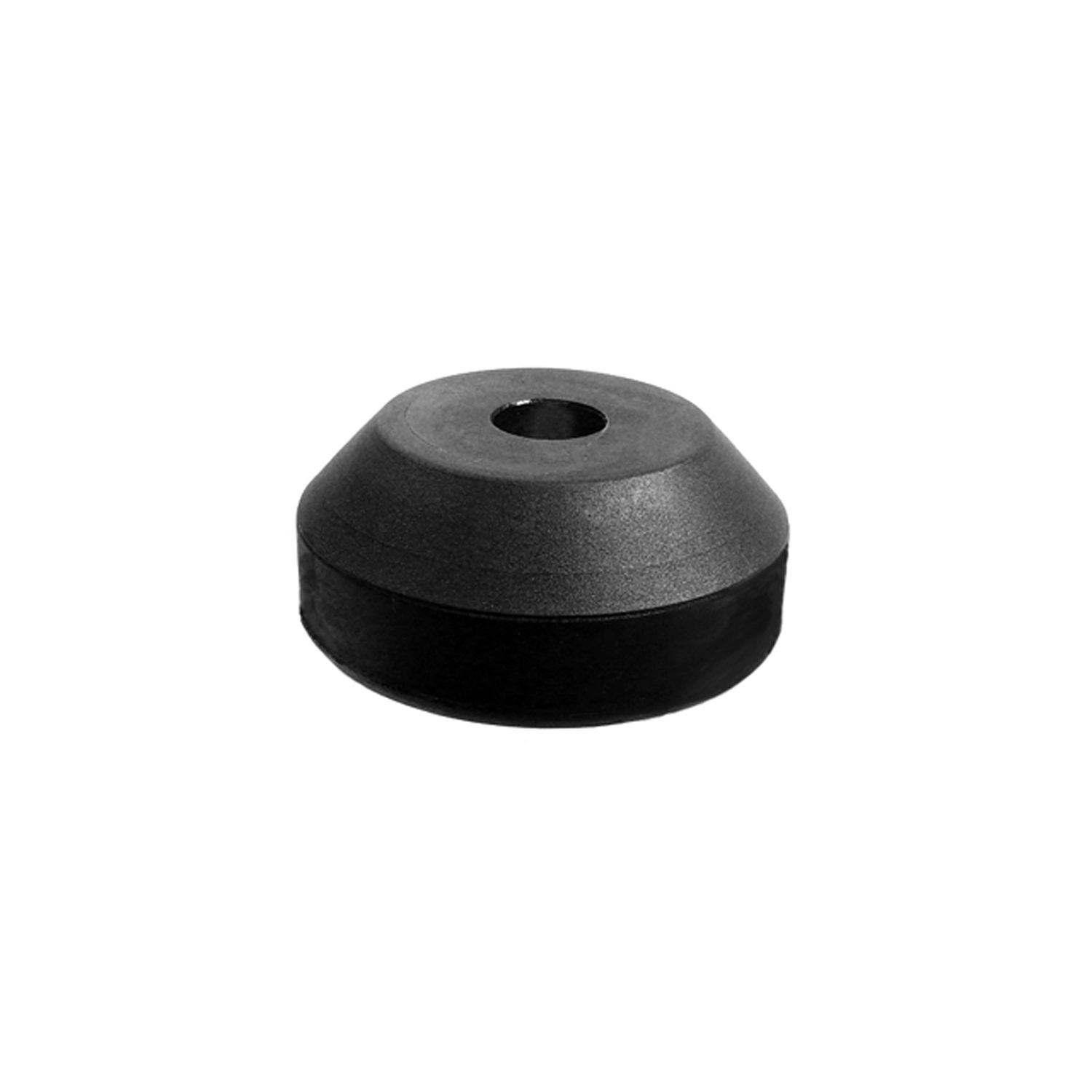 1936 Hudson SERIES 65 Upper Motor Mount. 5/8" I.D., 2-5/8" O.D. Each-MM 7-BUpper Motor Mount. 5/8" I.D., 2-5/8" O.D. Each
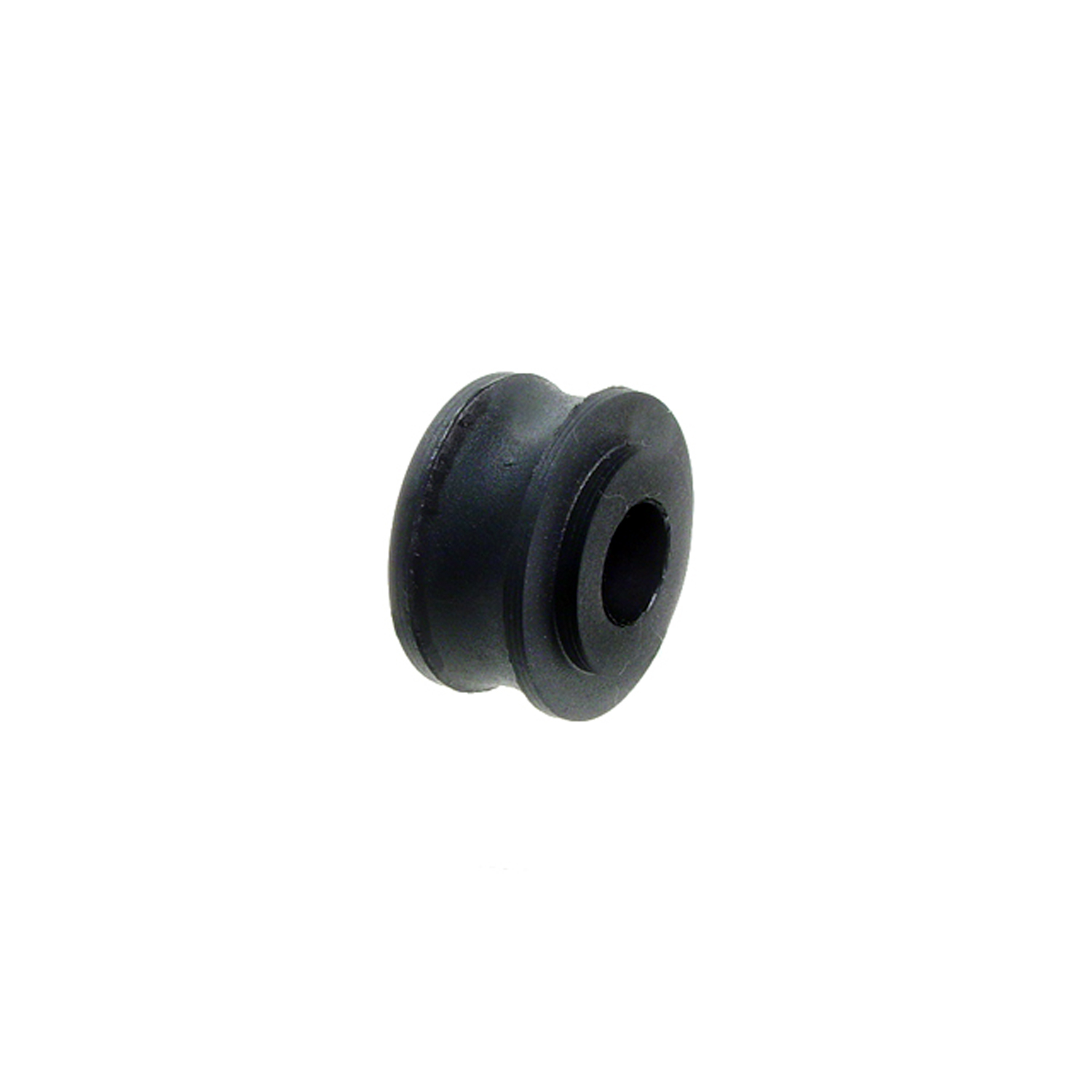 1936 Hudson SERIES 65 Lower Motor Mount. 5/8" I.D., 1-5/8" O.D. Each-MM 7-CLower Motor Mount. 5/8" I.D., 1-5/8" O.D. Each
 1936 Hudson SERIES 65 Tail-light Pads. 3-3/8" long X 2-1/2" wide. Pair-MP 798-MTail-light Pads. 3-3/8" long X 2-1/2" wide. Pair
 1936 Hudson SERIES 65 Headlight Pads. 6-5/16" long X 2-13/16" wide. Pair-MP 798-NHeadlight Pads. 6-5/16" long X 2-13/16" wide. Pair
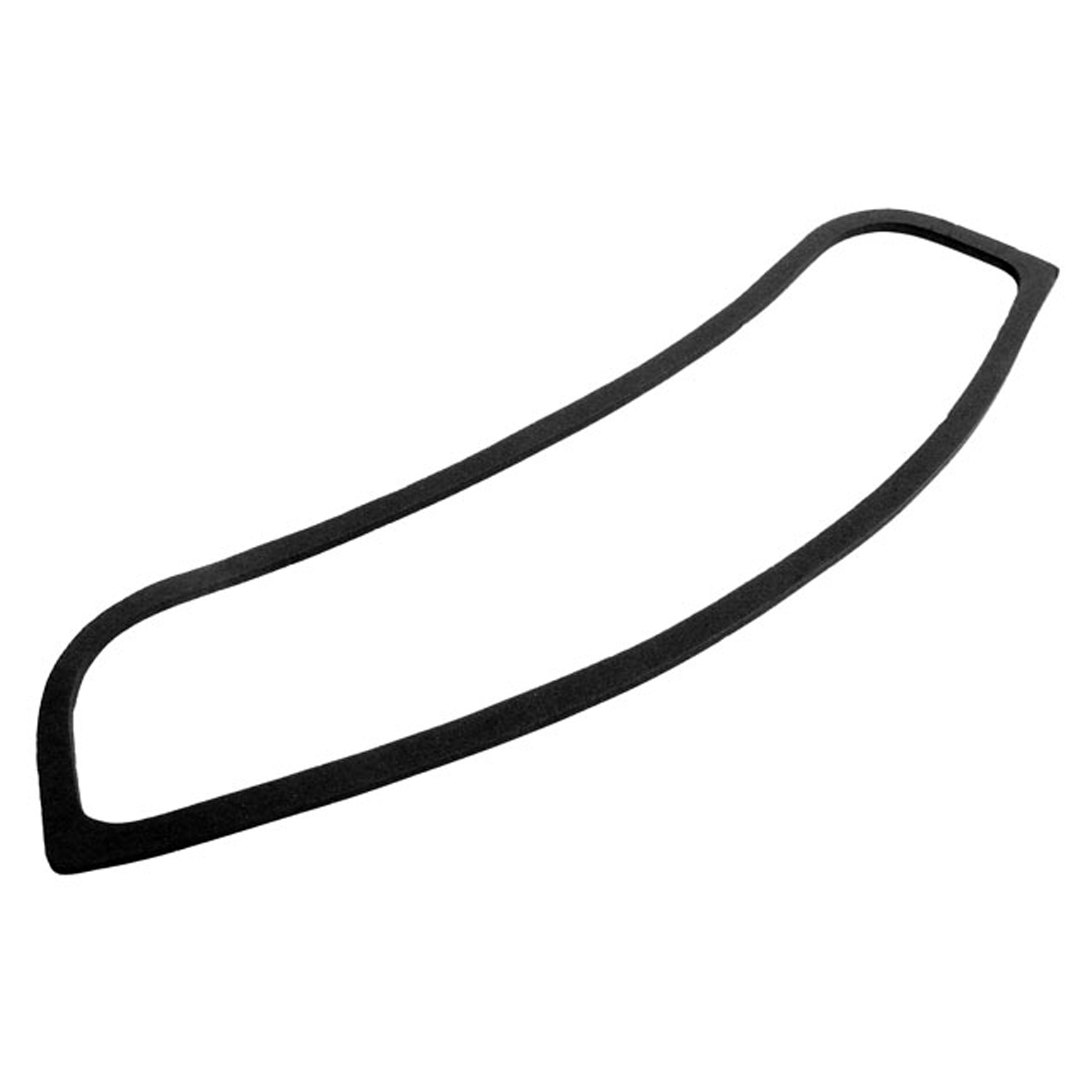 1936 Hudson SERIES 65 Cowl Vent Seal. 4-1/2" wide X 18-1/2" long. Each-RP 100-YCowl Vent Seal. 4-1/2" wide X 18-1/2" long. Each
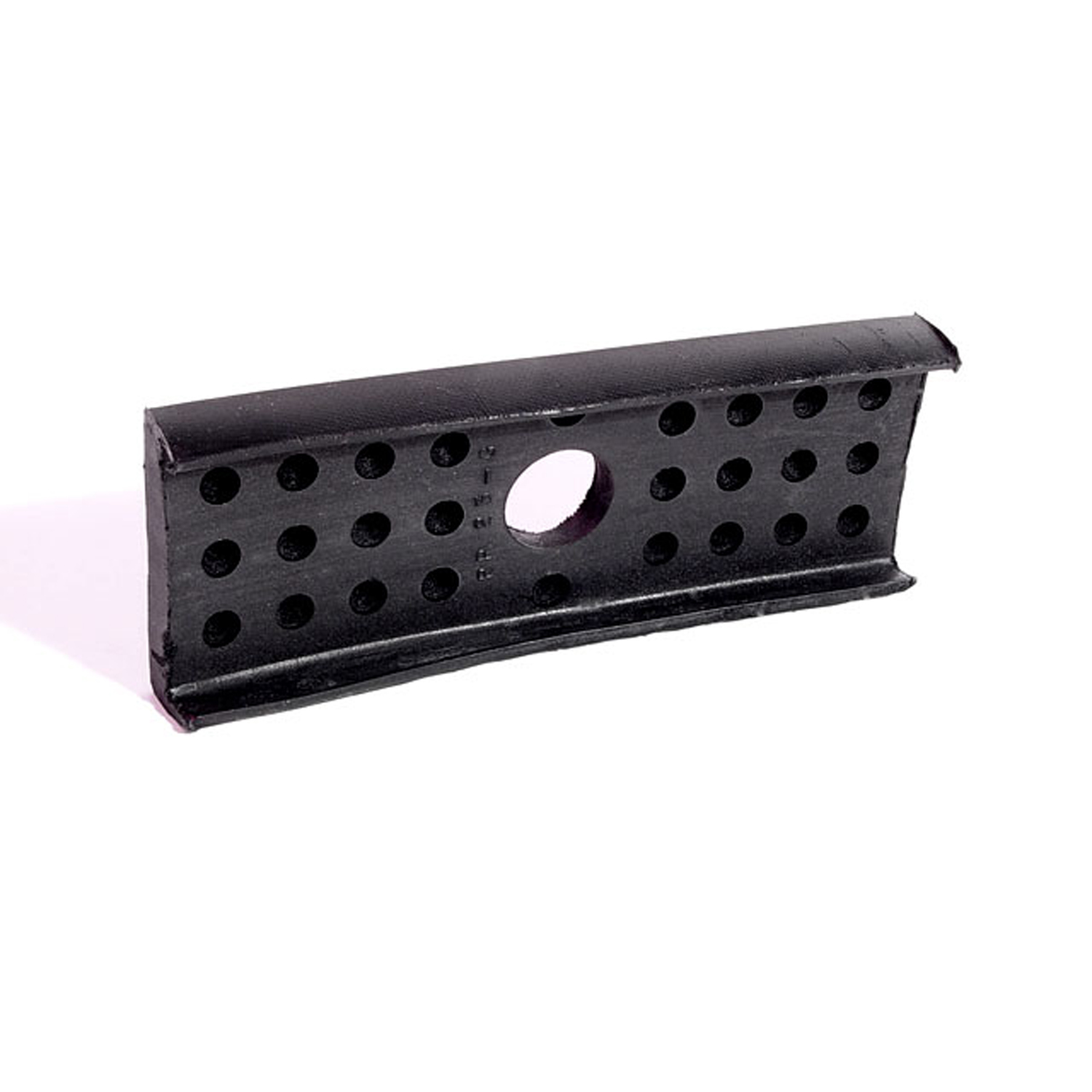 1936 Hudson SERIES 65 Rear Leaf Spring Center Mounting Insulator-RP 23-GRear Leaf Spring Center Mounting Insulator. For all 1-3/4" wide leaf springs. Each
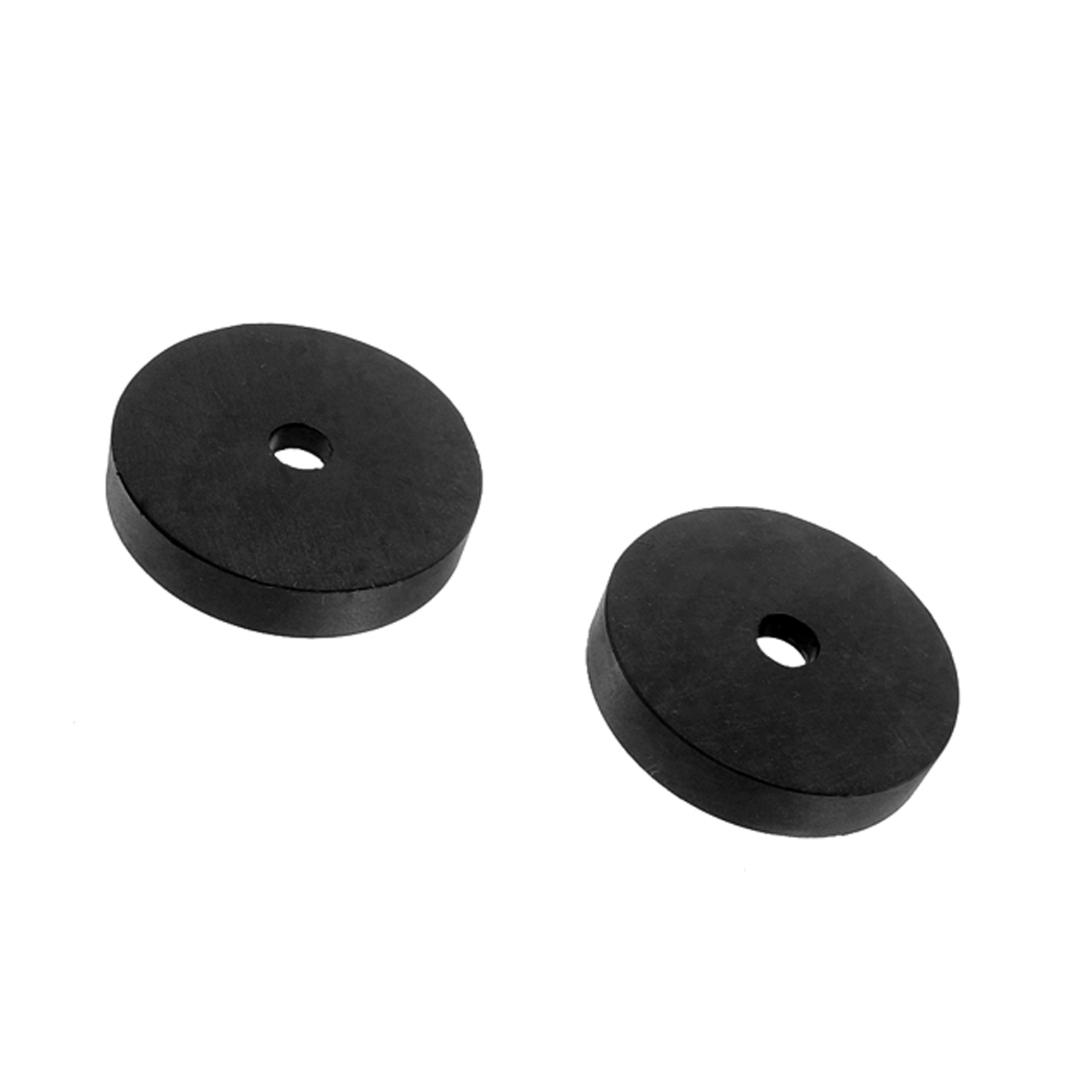 1936 Hudson SERIES 65 Clutch and Brake Seals. Seals fit on a round shaft-RP 31-NClutch and Brake Seals. Seals fit on a round shaft. Made of soft rubber. 2-7/16" O.D., 7/16" I.D. Pair
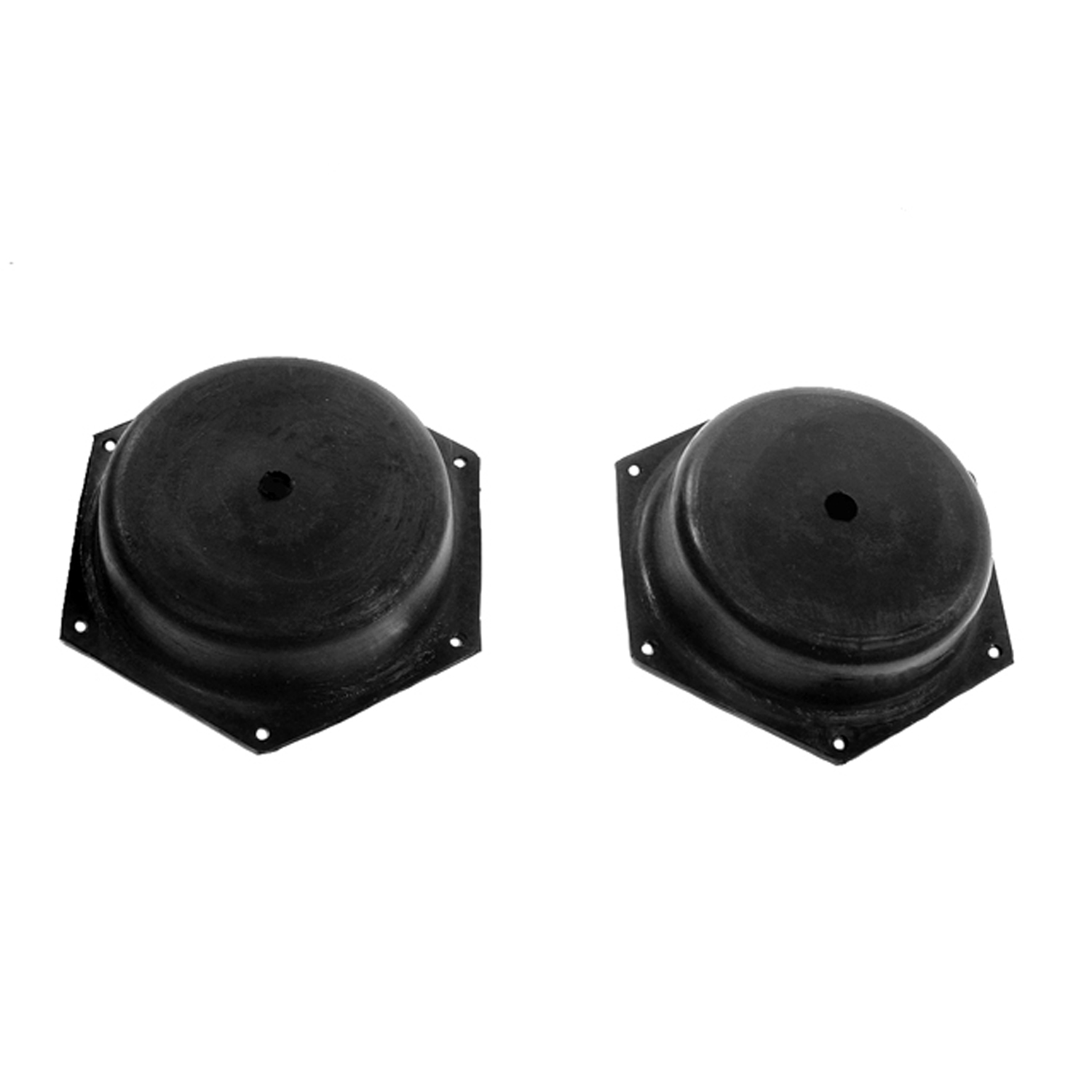 1936 Hudson SERIES 65 Drive Master Electric Shift Vacuum Diaphragm-RP 32-ADrive Master Electric Shift Vacuum Diaphragm. For all models with drive master system for standard transmission. Pair
 1936 Hudson SERIES 65 Vertical Division Bar Seal. Enough for two vents. Each-VS 1Vertical Division Bar Seal. Enough for two vents. Each
 1936 Hudson SERIES 65 Front Vent Window Seals. For disappearing-type vent windows-WR 4502Front Vent Window Seals. For disappearing-type vent windows. Pair R&L
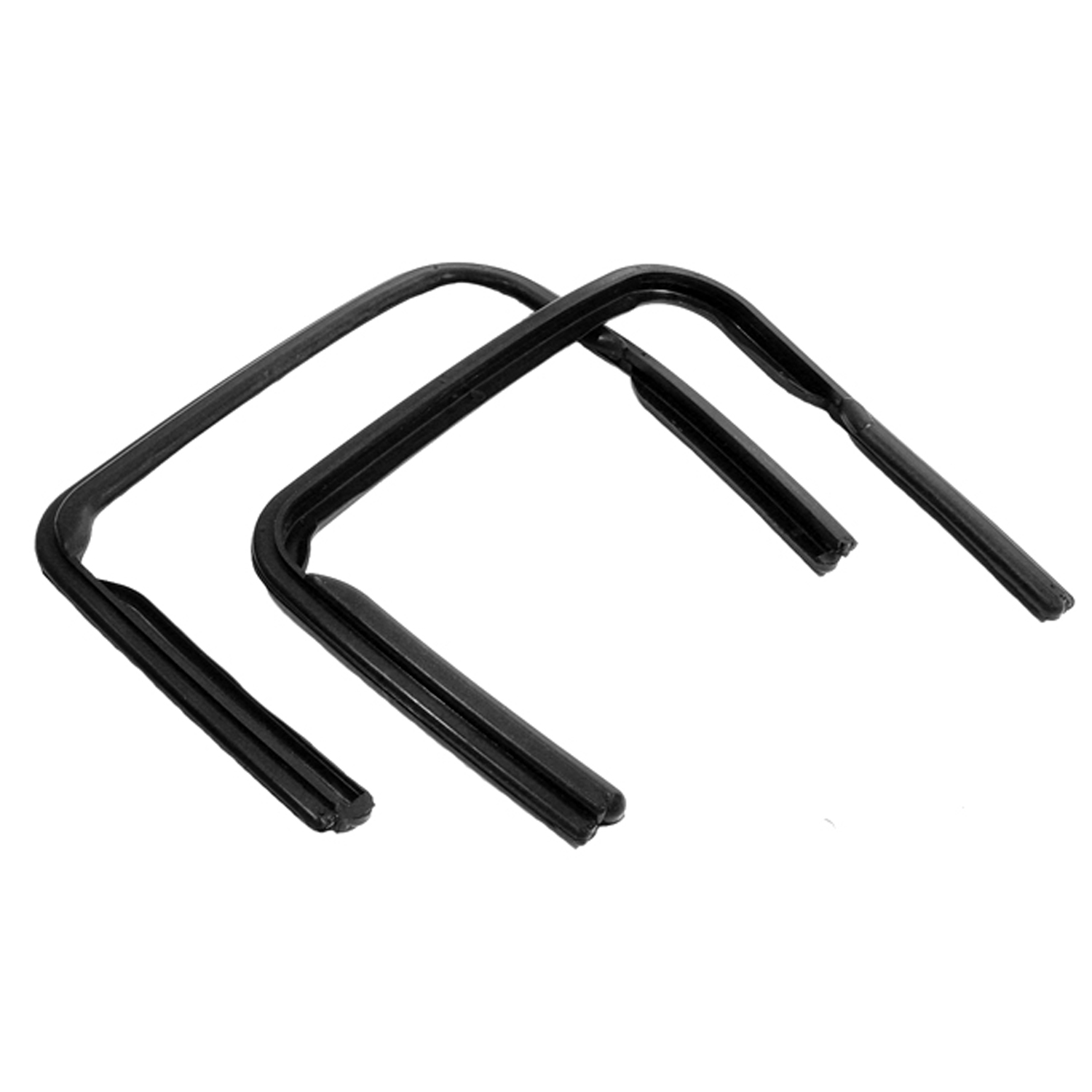 1936 Hudson SERIES 65 Front Vent Window Seals, for Convertibles-WR 9Front Vent Window Seals, for Convertibles. 25-1/4" long each. Pair R&L
Why Choose Metro?
For over 100 years, Metro Moulded Parts has been the pinnacle of quality in classic car restoration parts. Our commitment to precision and authenticity in every component ensures a perfect fit and an OEM-level appearance.
- Expert Craftsmanship & Quality: Each part is a testament to our dedication to reliability and perfection, crafted from original designs and thoroughly tested.
- Advanced Technology: We use cutting-edge techniques to create flawless, long-lasting parts that surpass others in performance.
- SuperSoft Sponge – The Ultimate Door Seal: Not only are our door seals 30% softer than competitors', but they're also guaranteed to never leak. They effectively reduce wind and road noise, enhancing your classic car's comfort and driving experience.
- Proudly American: Our parts are a product of American craftsmanship, made in the USA with a spirit of excellence and heritage.
- Unrivaled Warranty: We back our products with a 30-year industry-leading warranty, a testament to our confidence in their quality.
Join us in preserving the legacy of classic cars with parts that are crafted for perfection, not just made.