

Image of 1937 Hudson Custom Eight Series 75, Note: These illustrations use artistic license and may differ from actual historical models.
Performance Metrics
Fundamental Metrics
Emotional Appeal
MMP Rating
| Engine Specifications | |
|---|---|
| Engine: | 254 cu in (4.2 L) I8 |
| Displacement: | 254 cu in (4.2 L) |
| Horsepower: | 122 hp |
| Torque: | Estimated 200 lb-ft |
| Compression Ratio: | 6.5:1 |
| Ignition System: | Distributor and coil |
| Cooling System: | Liquid-cooled |
| Performance Specifications | |
| 0-60 Time: | Information not available |
| 1/4 Mile Time: | Information not available |
| Top Speed: | 80 mph |
| Transmission and Drive | |
| Drive Type: | Rear-wheel drive |
| Transmission Type: | 3-speed manual |
| Fuel and Efficiency | |
| Fuel System Type: | Carburetor |
| MPG: | Information not available |
| Dimensions and Brakes | |
| Brakes: | Drum brakes |
| Wheelbase: | 125 in (3,175 mm) |
| Weight: | 3,400 lbs |
Note: Specifications for classic cars are given to the best of our ability, considering the limited and variant data available.
1937 Hudson Custom Eight Series 75: A Full Guide
The 1937 Hudson Custom Eight Series 75 brought the smooth pull of a straight-eight engine and the confident presence of a full-size American luxury car to a country still climbing out of the Great Depression. Built by the Hudson Motor Car Company of Detroit, it sat near the top of Hudson’s range, offering more refinement and equipment than the company’s six-cylinder models without the price tag of an ultra-luxury marque.
Hudson was founded in 1909 and named for department-store entrepreneur Joseph L. Hudson, an early financial backer. By 1937, the company had established a reputation for engineering ambition and strong performance. The Custom Eight is also a useful reminder that Hudson’s later fame did not begin with the 1950s Hornet: long before its NASCAR victories, the company was building substantial, technically progressive road cars.
One appealing detail is the car’s place in Hudson’s long engineering story. The Series 75 belongs to the prewar generation of Hudson eights, while the company’s postwar innovations would later include the distinctive unit-bodied step-down Hudsons. It is a different kind of Hudson from the celebrated Hornet, but it shows the marque already taking ride, handling, and road manners seriously.
Streamlined Style and Cabin Craft
The Custom Eight has the confident proportions of a classic prewar American car: a long hood, upright passenger compartment, sweeping fenders, and a substantial tail. Its front end is dominated by a tall, bright-finished grille, flanked by headlamps mounted into the fenders. Carefully shaped hood panels and flowing body lines soften what might otherwise be a boxy design. From the side, the long wheelbase gives the car an especially formal, composed appearance.
Inside, the Series 75 was designed for comfort rather than austerity. Buyers could expect generous seating, a broad dashboard, clear instruments, and substantial trim. Depending on body style and equipment, upholstery could include durable cloth or broadcloth, with richer materials such as mohair or leather available on some versions. Wood-look or polished trim details, carpeting, and passenger conveniences helped distinguish the Custom Eight from more basic cars.
Period color choices varied with body style and market, but buyers could select from restrained shades such as black, blue, green, maroon, gray, and tan. Dark colors suited the car’s formal character, while two-tone combinations could make its long fenders and curved bodywork stand out. Restored cars today are often seen in deep maroon, dark blue, or black, though an accurate finish depends on the specific factory paint record for the car.
Series 75 body styles included closed sedans and coupe variations, with an open convertible coupe among the more eye-catching possibilities. Names and availability could differ by catalog and market, so a car’s original body plate and period sales literature are useful when identifying a particular example. The four-door sedan is the most recognizable practical choice, while the convertible coupe is typically the most visually dramatic and collectible.
Eight-Cylinder Engineering in 1937
At the heart of the Custom Eight was a 254.4-cubic-inch (about 4.2-liter) inline eight-cylinder engine, rated at approximately 122 horsepower. Its long crankshaft and eight-cylinder layout were designed to deliver smooth, even power, a quality that suited a large touring car. A three-speed manual transmission was standard, and equipment could vary by car; check the individual vehicle rather than assuming every surviving example has the same options.
Hydraulic brakes were part of the car’s modern equipment for the period, and the chassis was engineered to give a more controlled ride than the simple, stiff setups found in many older cars. Hudson also promoted its attention to steering and road control. The result was a car intended to feel stable and substantial at speed, not merely imposing in the driveway.
For a mid-1930s American automobile, the Custom Eight represented a blend of traditional construction and evolving comfort engineering. It did not have the later all-in-one body structure associated with Hudson’s postwar step-down cars, but it belonged to a company that regularly used engineering as a point of distinction rather than relying on styling alone.
Road Performance and Driving Feel
Period performance figures vary with body style, gearing, tire condition, and test method. A healthy Series 75 is generally estimated to reach roughly 80 to 90 mph, with a 0-to-60-mph time in the neighborhood of 18 to 22 seconds. Those figures should be treated as practical estimates, not guaranteed factory test results for every car. Today, traffic, mechanical condition, and the age of the tires matter far more than chasing a top-speed number.
The straight-eight’s character is its own reward. At idle, it produces a measured mechanical rumble; under acceleration, the sound becomes a smoother, sustained growl rather than the sharper note of a smaller engine. The three-speed gearbox asks for deliberate shifts, and the driver has to plan overtakes rather than expect modern-style instant response.
On a rough road, the Hudson’s long wheelbase and substantial chassis help it settle into a comfortable cruising rhythm. It feels at home on open highways and sweeping roads, where its weight and steady steering encourage a relaxed pace. Tight, winding roads require more attention: the car is large, its steering and brakes demand more effort than a modern vehicle’s, and its body can lean through corners. A well-maintained example should feel composed, but it is still a nearly 90-year-old automobile, not a contemporary sports sedan.
Living With a Prewar Hudson
Most Custom Eights today are used for touring, club events, museum displays, and weekend shows rather than daily commuting. Their size and comfortable seating make them enjoyable on planned drives, but modern traffic brings challenges: limited crash protection, slower acceleration, less capable braking, and the need to monitor the cooling system and other age-sensitive components.
The straight-eight is mechanically understandable to an experienced vintage-car mechanic, and many routine jobs do not require specialized electronic equipment. That does not make every repair simple. Parts for ignition, fuel, cooling, brakes, and the drivetrain may require specialist suppliers, careful searching, or refurbishment of original components. Before buying, inspect the engine for oil pressure and overheating, check the clutch and transmission, and examine the frame, floors, body mounts, and brake system for corrosion or past repairs.
Reliability depends heavily on upkeep. A car that has been regularly exercised and correctly serviced can be a dependable tourer by prewar standards. One that has sat unused may need a thorough recommissioning, including fuel-system work, new hoses and belts, brake attention, and a careful review of its tires and electrical system. A pre-purchase inspection by someone familiar with Hudsons is money well spent.
Hudson Facts, Myths, and Caveats
The Custom Eight should not be confused with the postwar Hudson Hornet. The Hornet became famous for its NASCAR success in the early 1950s, while the 1937 Series 75 represents an earlier chapter in the same manufacturer’s history. It has no equally famous racing identity, and it is best understood as a refined road car rather than a competition model.
Reliable, model-specific production totals are not consistently available in commonly cited public references, particularly when body styles and market variations are separated. A reasonable working estimate is that Series 75 production was in the low thousands, rather than tens of thousands, but that should be treated as an informed estimate, not a confirmed factory total. Surviving examples are uncommon, and correct, complete cars are harder to find than cars needing restoration.
Common criticisms are familiar to anyone considering a large prewar car: fuel economy is modest, handling feels ponderous by modern standards, and some replacement parts take patience to locate. Its size can also make storage and transport expensive. On the other hand, those same dimensions, the smooth eight-cylinder engine, and the handsome prewar styling are central to its appeal.
Collector Value and Market Outlook
As a broad U.S. market estimate, a running but tired Series 75 might sell for about $12,000 to $25,000, depending on completeness and mechanical condition. A sound driver-quality car could fall around $25,000 to $45,000, while a high-quality restoration may bring approximately $45,000 to $75,000. A particularly attractive or exceptionally restored convertible could exceed that range, especially if its history and originality are well documented. These are general estimates, not appraisals, and a specific car’s body style, provenance, condition, and region can change the result substantially.
The market for prewar American cars is selective. Excellent, usable examples tend to hold interest, while costly restorations do not always return every dollar spent. Values have generally been steadier than spectacular: inflation-adjusted appreciation is not guaranteed, and condition often matters more than short-term market movement. The convertible and other rarer body styles usually attract more attention, but a well-preserved sedan can be the smarter purchase for someone who wants to tour.
Because production records and surviving-car counts are incomplete, any precise rarity claim should be treated cautiously. Before buying, compare recent sales of the same body style, confirm the car’s identity and originality, and budget for transport and recommissioning as well as the purchase price.
Why the 1937 Custom Eight Still Matters
The Hudson Custom Eight Series 75 combines a smooth 254.4-cubic-inch straight eight, formal prewar styling, a comfortable cabin, and the engineering confidence of an independent American automaker. It was not a mass-market family car, nor was it a stripped-down speed machine. It was a substantial touring automobile built for buyers who valued quiet power and road presence.
For today’s enthusiast, its appeal is the experience of driving a different kind of classic: unhurried, mechanical, and unmistakably of its era. The 1937 Hudson Custom Eight is a reminder that Hudson’s history was already rich with character before the Hornet ever took a checkered flag.
1937 Hudson Custom Eight Series 75 Catalog of Parts
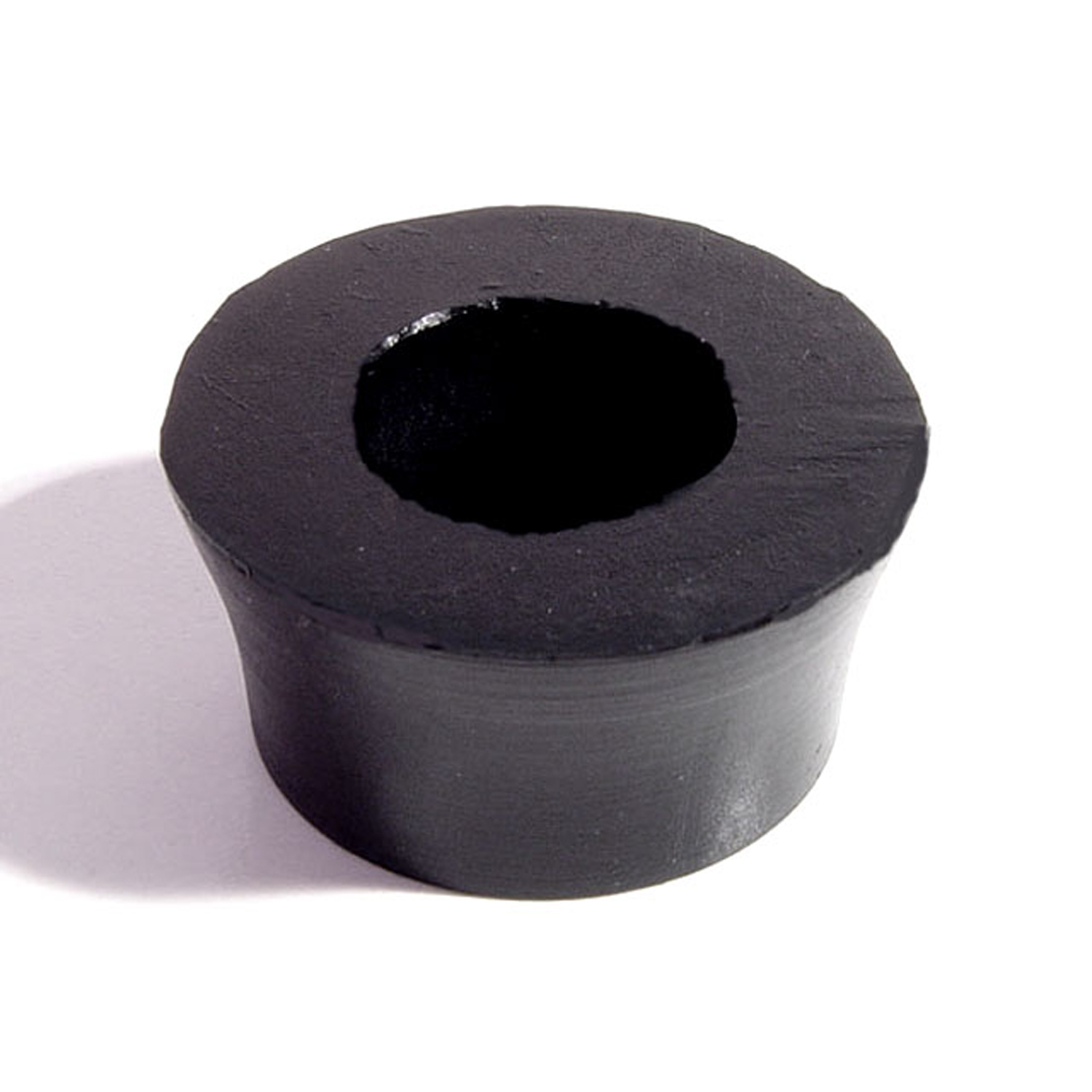 1937 Hudson Custom Eight Series 75 Shock Absorber Grommet. 1" bottom O.D., 5/8" high-BN 10Shock Absorber Grommet. 1" bottom O.D., 5/8" high., with 5/8" I.D. Each
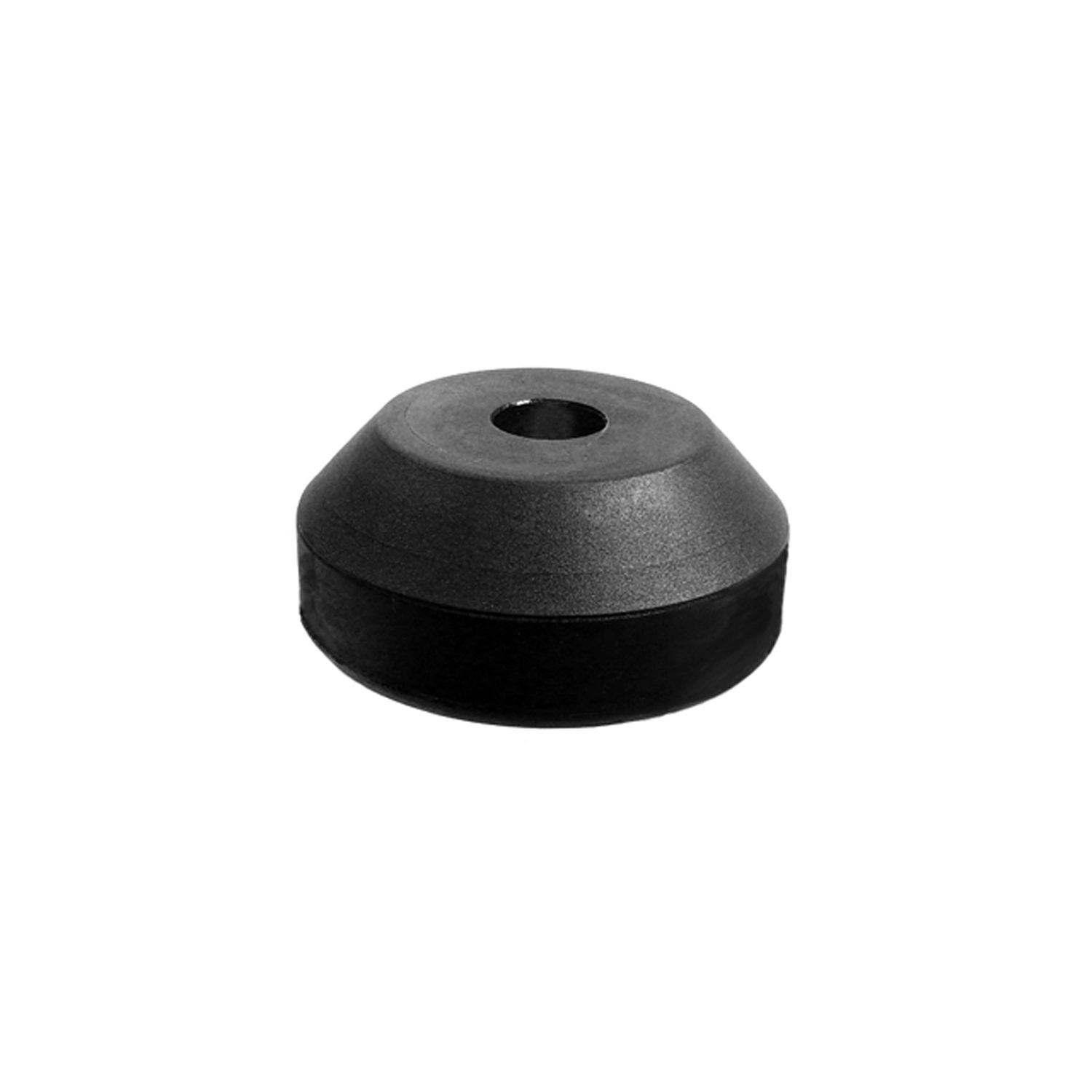 1937 Hudson Custom Eight Series 75 Upper Motor Mount. 5/8" I.D., 2-5/8" O.D. Each-MM 7-BUpper Motor Mount. 5/8" I.D., 2-5/8" O.D. Each
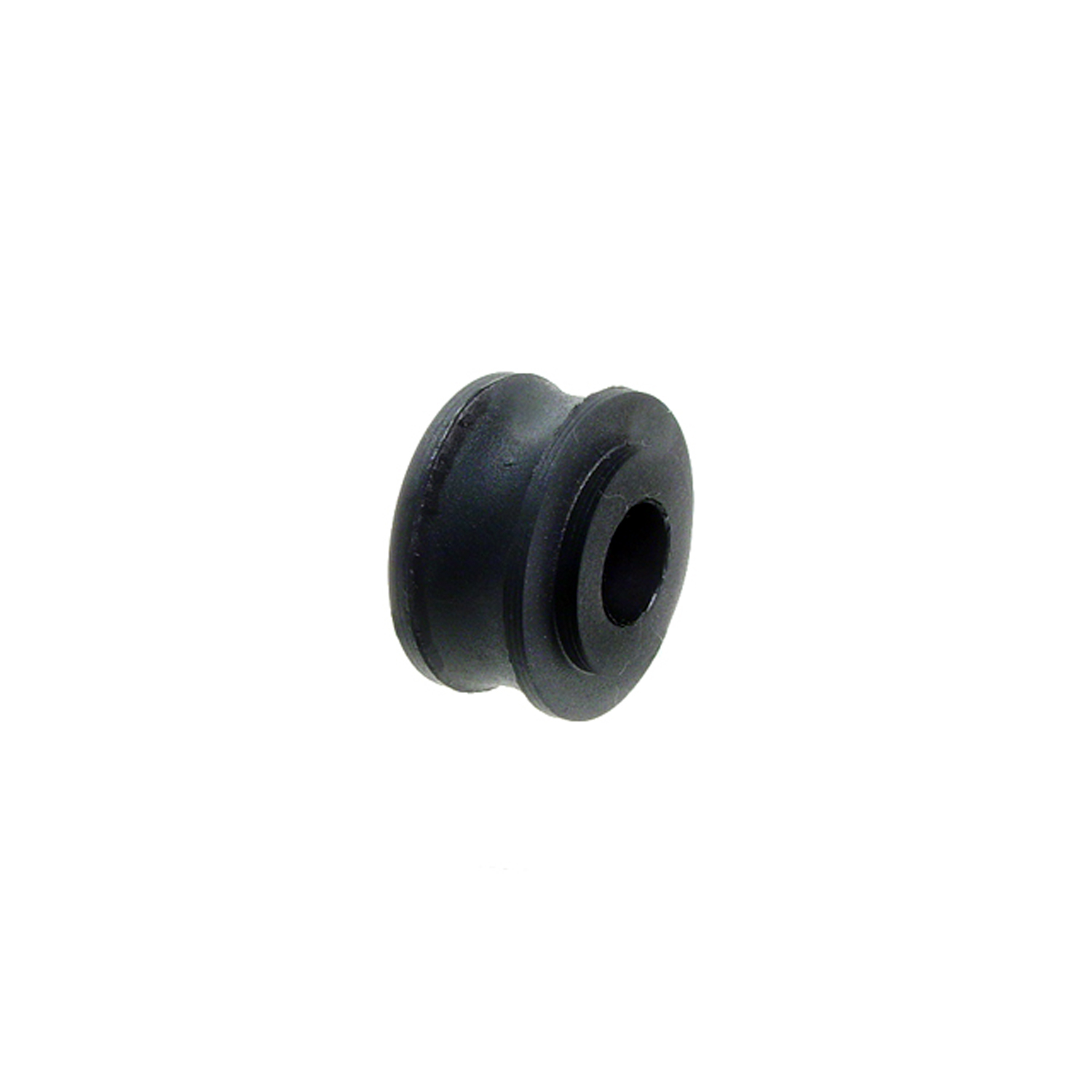 1937 Hudson Custom Eight Series 75 Lower Motor Mount. 5/8" I.D., 1-5/8" O.D. Each-MM 7-CLower Motor Mount. 5/8" I.D., 1-5/8" O.D. Each
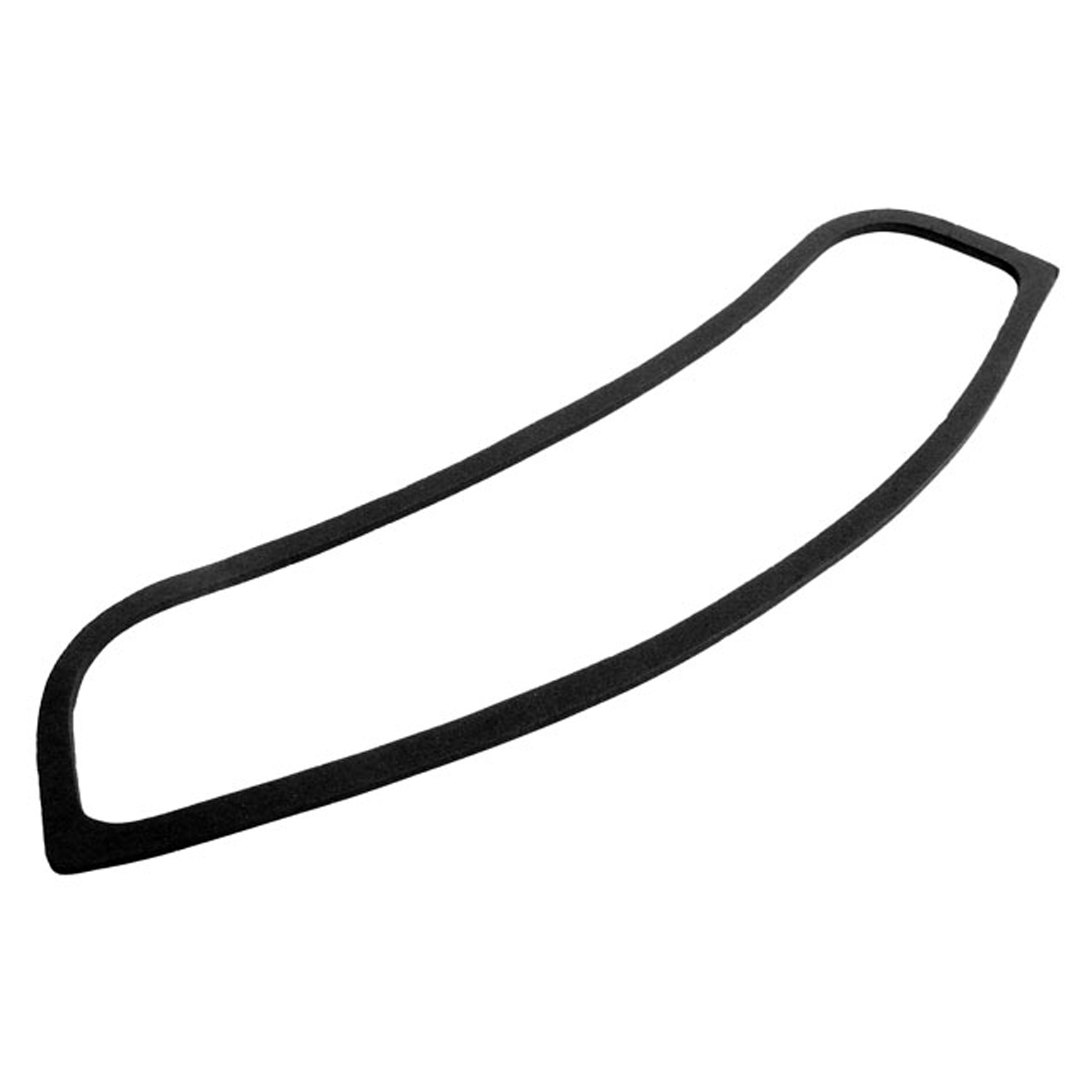 1937 Hudson Custom Eight Series 75 Cowl Vent Seal. 4-1/2" wide X 18-1/2" long. Each-RP 100-YCowl Vent Seal. 4-1/2" wide X 18-1/2" long. Each
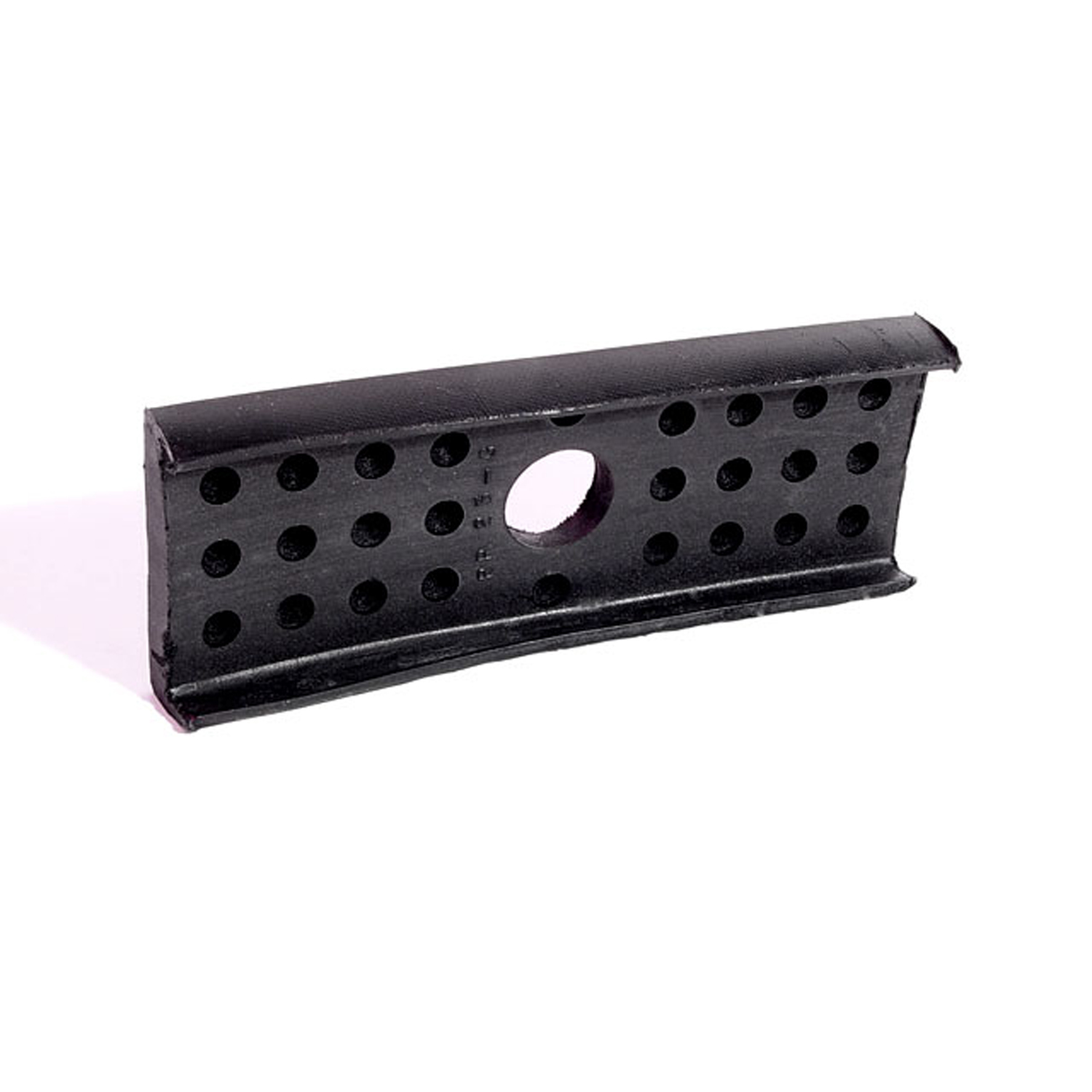 1937 Hudson Custom Eight Series 75 Rear Leaf Spring Center Mounting Insulator-RP 23-GRear Leaf Spring Center Mounting Insulator. For all 1-3/4" wide leaf springs. Each
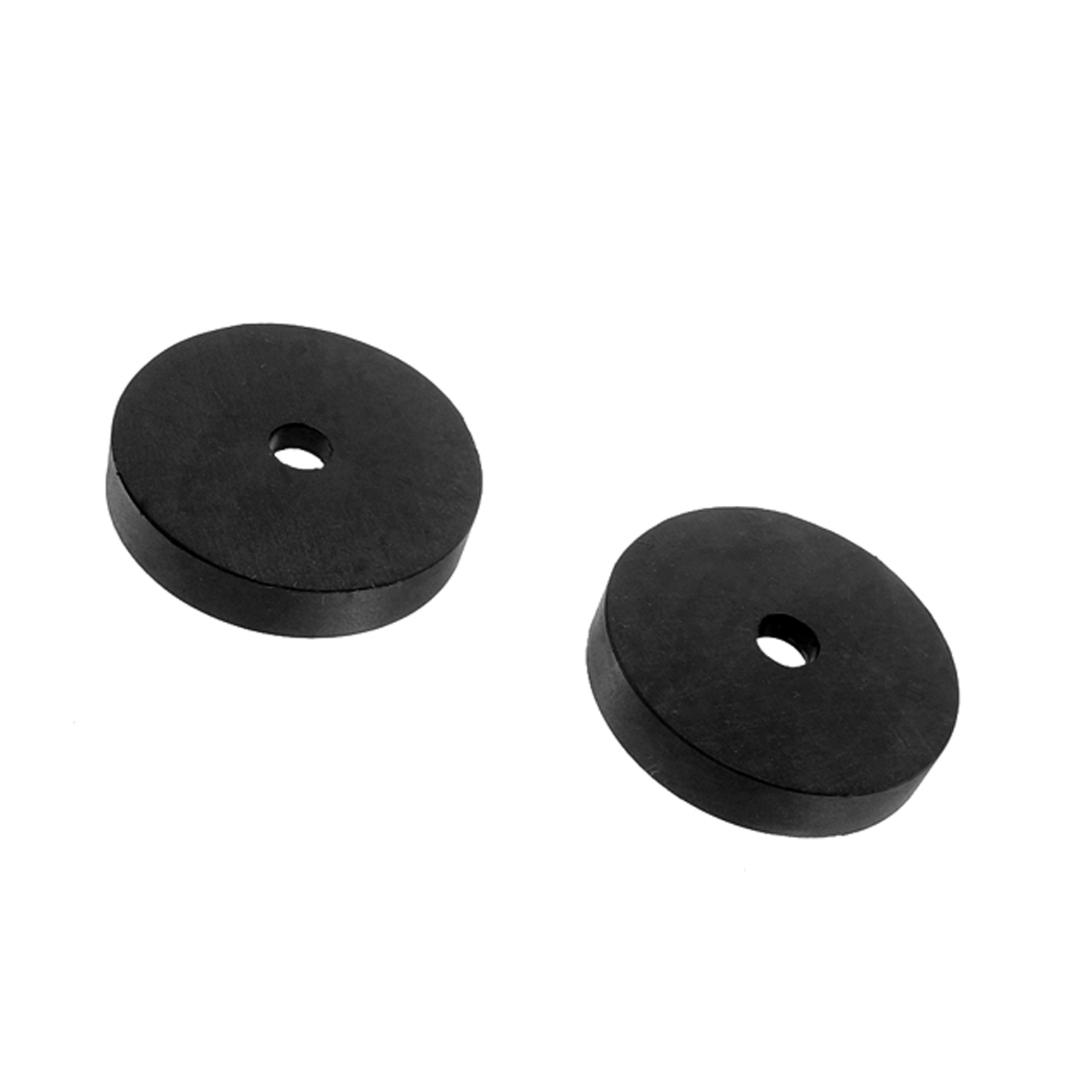 1937 Hudson Custom Eight Series 75 Clutch and Brake Seals. Seals fit on a round shaft-RP 31-NClutch and Brake Seals. Seals fit on a round shaft. Made of soft rubber. 2-7/16" O.D., 7/16" I.D. Pair
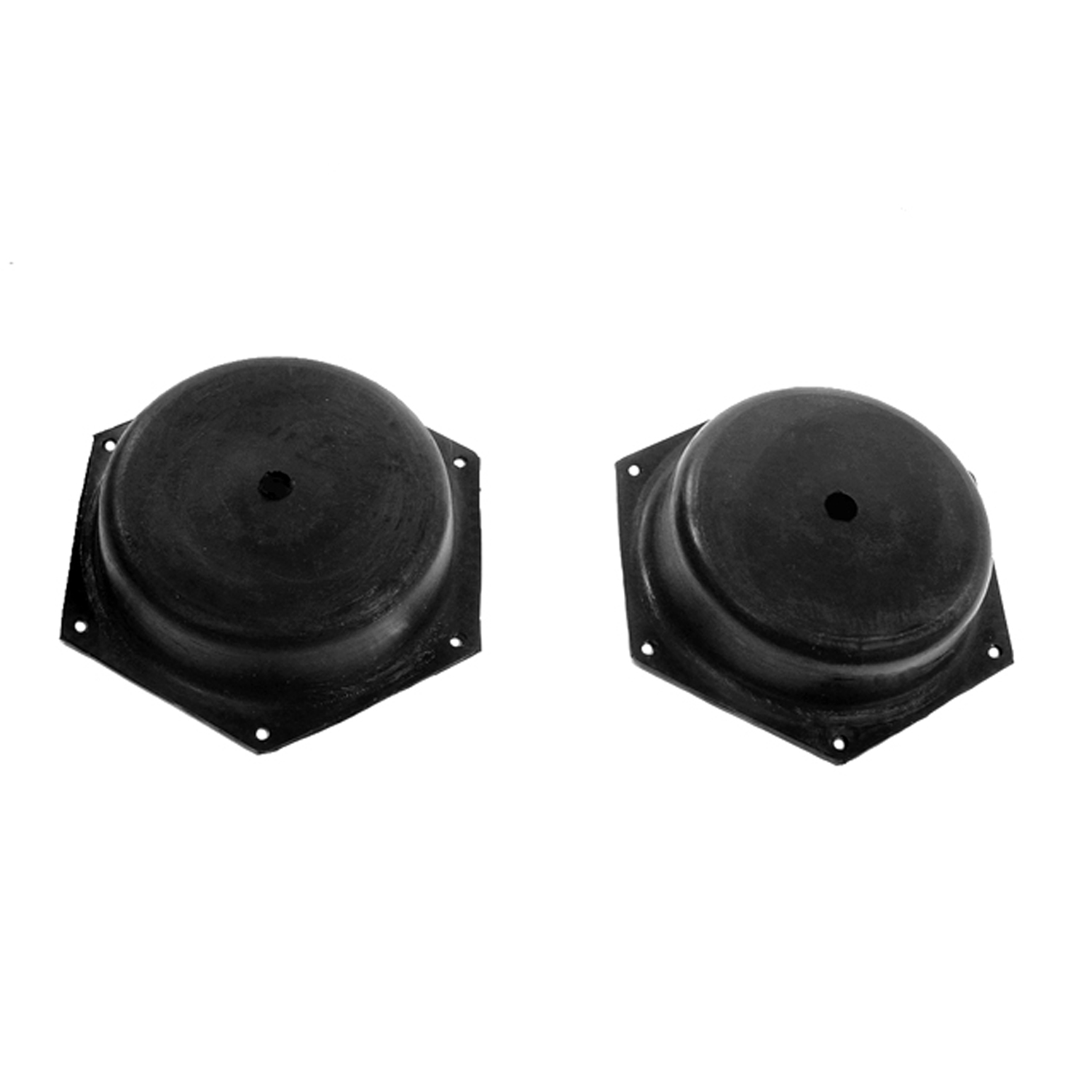 1937 Hudson Custom Eight Series 75 Drive Master Electric Shift Vacuum Diaphragm-RP 32-ADrive Master Electric Shift Vacuum Diaphragm. For all models with drive master system for standard transmission. Pair
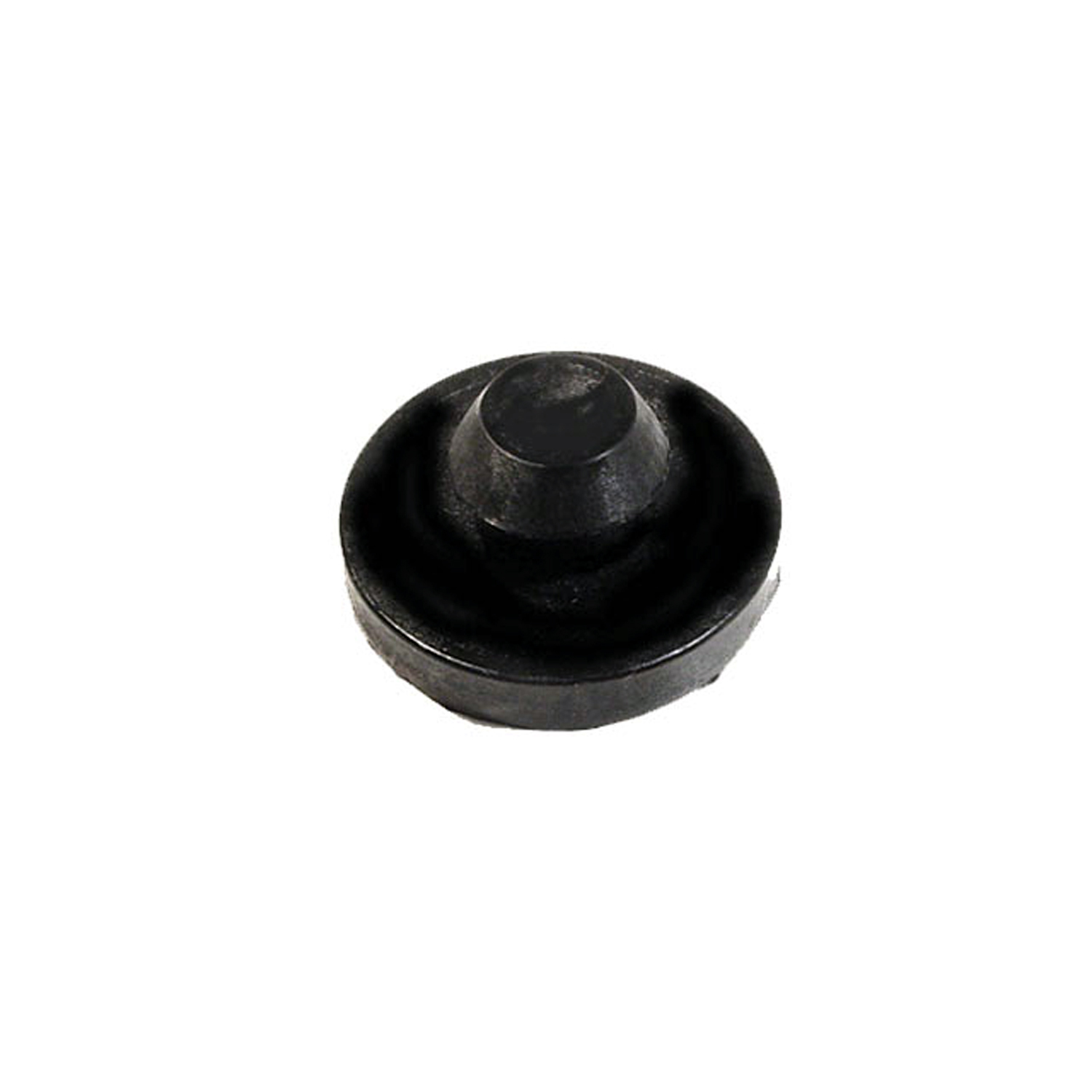 1937 Hudson Custom Eight Series 75 Clutch Linkage Cushion. 1/4" top thickness, 1-1/2" O.D-SB 33-AClutch Linkage Cushion. 1/4" top thickness, 1-1/2" O.D. Each
 1937 Hudson Custom Eight Series 75 Vertical Division Bar Seal. Enough for two vents. Each-VS 1Vertical Division Bar Seal. Enough for two vents. Each
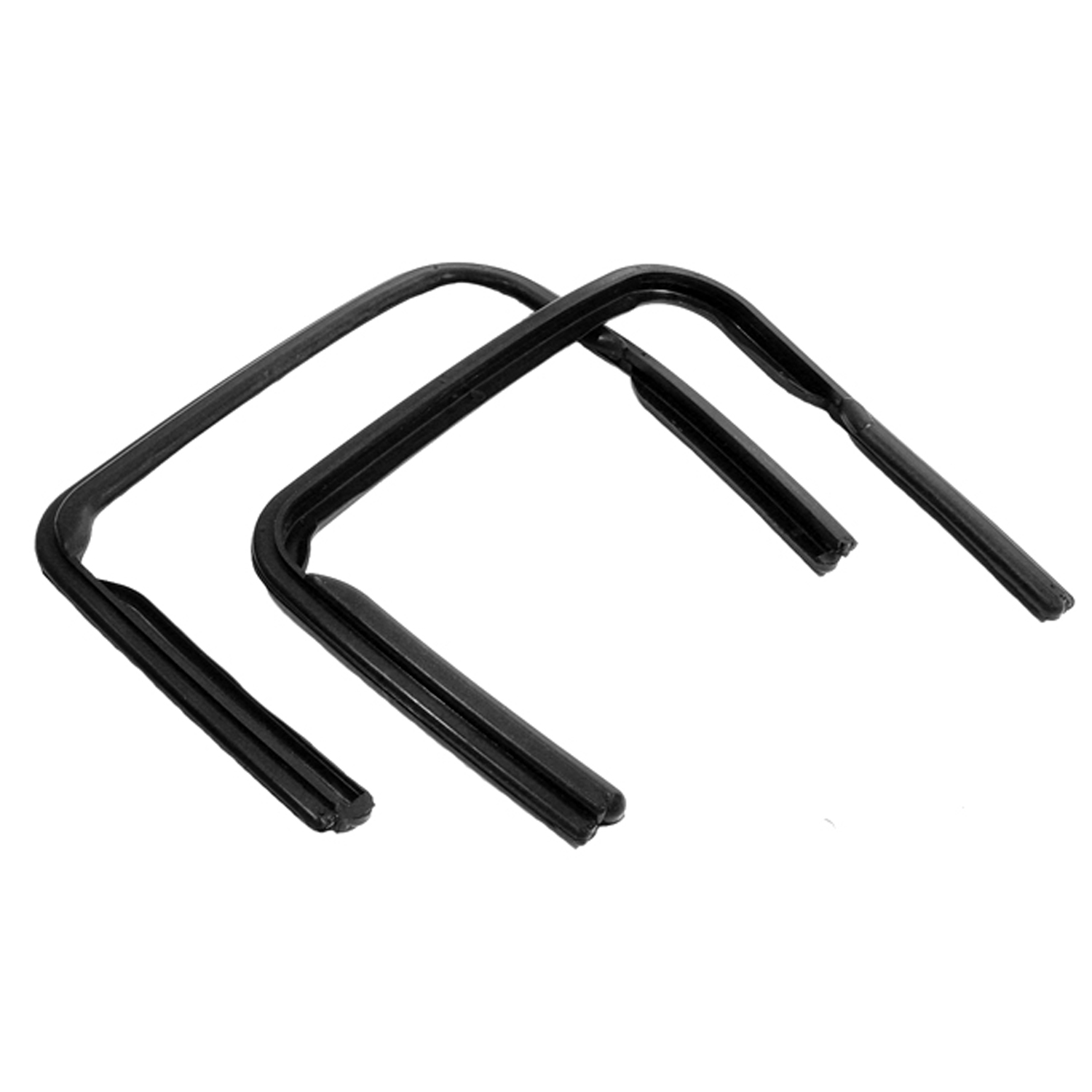 1937 Hudson Custom Eight Series 75 Front Vent Window Seals, for Convertibles-WR 9Front Vent Window Seals, for Convertibles. 25-1/4" long each. Pair R&L
Why Choose Metro?
For over 100 years, Metro Moulded Parts has been the pinnacle of quality in classic car restoration parts. Our commitment to precision and authenticity in every component ensures a perfect fit and an OEM-level appearance.
- Expert Craftsmanship & Quality: Each part is a testament to our dedication to reliability and perfection, crafted from original designs and thoroughly tested.
- Advanced Technology: We use cutting-edge techniques to create flawless, long-lasting parts that surpass others in performance.
- SuperSoft Sponge – The Ultimate Door Seal: Not only are our door seals 30% softer than competitors', but they're also guaranteed to never leak. They effectively reduce wind and road noise, enhancing your classic car's comfort and driving experience.
- Proudly American: Our parts are a product of American craftsmanship, made in the USA with a spirit of excellence and heritage.
- Unrivaled Warranty: We back our products with a 30-year industry-leading warranty, a testament to our confidence in their quality.
Join us in preserving the legacy of classic cars with parts that are crafted for perfection, not just made.