

Image of 1937 Hudson Custom Eight Series 77, Note: These illustrations use artistic license and may differ from actual historical models.
Performance Metrics
Fundamental Metrics
Emotional Appeal
MMP Rating
| Engine Specifications | |
|---|---|
| Engine: | 254 cu in (4.2 L) I8 |
| Displacement: | 254 cu in (4.2 L) |
| Horsepower: | 122 hp |
| Torque: | Estimated 200 lb-ft |
| Compression Ratio: | 6.5:1 |
| Ignition System: | Distributor and coil |
| Cooling System: | Liquid-cooled |
| Performance Specifications | |
| 0-60 Time: | Estimated 20 seconds |
| 1/4 Mile Time: | Estimated 23 seconds |
| Top Speed: | 80 mph |
| Transmission and Drive | |
| Drive Type: | Rear-wheel drive |
| Transmission Type: | 3-speed manual |
| Fuel and Efficiency | |
| Fuel System Type: | Carburetor |
| MPG: | Estimated 15 mpg |
| Dimensions and Brakes | |
| Brakes: | Drum brakes |
| Wheelbase: | 125 inches |
| Weight: | 3,400 lbs |
Note: Specifications for classic cars are given to the best of our ability, considering the limited and variant data available.
1937 Hudson Custom Eight Series 77: A Prewar American Classic
The 1937 Hudson Custom Eight Series 77 brought the smoothness of a straight-eight engine together with the bold proportions of a substantial American road car. Built by the Hudson Motor Car Company of Detroit, Michigan, it represented the upper end of Hudson’s prewar lineup, with more power, room, and finish than the company’s six-cylinder models.
Hudson had been founded in 1909 with backing from department-store entrepreneur Joseph L. Hudson and led by automotive pioneer Roy D. Chapin. By the late 1930s, the independent manufacturer was competing against much larger firms such as Ford, General Motors, and Chrysler. The Custom Eight was one way Hudson made its case: deliver a refined, well-equipped car with engineering and style that could stand beside the industry’s best.
One detail that makes the 1937 Hudson especially intriguing is its optional “Electric Hand” gearshift. Despite the name, it was not an automatic transmission. The driver selected gears with a small control near the steering wheel, while a powered mechanism moved the transmission linkage. It offered a glimpse of easier shifting decades before modern automatic gearboxes became commonplace.
Streamlined Styling and Custom Eight Trim
The Series 77 had the long, confident stance expected of an eight-cylinder luxury car. Its tall front end was framed by rounded front fenders, with headlamps integrated into the fender line rather than standing apart as separate lamps. A prominent upright grille gave the nose a formal look, while the hood and body sides carried the eye rearward in a smoother, more aerodynamic sweep than on many earlier cars.
Hudson’s styling balanced streamlining with traditional proportions. The body was still tall and substantial, with generous running-board-era proportions, but the fenders, hood, and rear body were shaped to look more unified. Bright trim and a carefully finished grille helped distinguish the Custom Eight from less expensive Hudson models. It was not yet the radical, low-slung “Step-Down” Hudson that would arrive in 1948, but it was a clear expression of the industry’s move toward integrated, flowing bodywork.
Inside, the Custom Eight put its emphasis on space and comfort. Buyers could expect broad seats, a full-width dashboard, and upholstery and trim selected to suit the car’s upscale position. Depending on body style and specification, materials included quality cloth or mohair, with leather available on some configurations. Woodgrain-style detailing and bright interior hardware added a more formal touch. As with many surviving prewar cars, exact upholstery and trim could vary with factory options, so an individual car’s original build details matter.
Hudson offered a period palette of exterior finishes, including dark and subdued colors as well as brighter choices. Black, deep blue, maroon, and gray tones are all in keeping with the era, while two-tone treatments could add visual contrast where offered. The exact paint choices depended on body and production details. Today, dark colors suit the Custom Eight’s formal character, though lighter shades can make its sweeping fenders and body contours easier to appreciate.
Series 77 cars were offered in closed-body styles, with sedan and coupe-type configurations among the Hudson body offerings of the period. Hudson’s broader 1937 range included several body and seating arrangements, but availability varied by series, and not every style was offered as a Custom Eight. Four-door sedans are the most familiar surviving examples. Body-style names and exact availability can differ across period references, so buyers should verify a particular car’s identity against its serial and factory documentation.
Engineering That Set Hudson Apart
The Custom Eight’s defining mechanical feature was its 254.4-cubic-inch inline eight-cylinder engine. Period specifications commonly list output at about 122 horsepower, giving the car smooth, flexible power for highway cruising and long-distance touring. A three-speed manual transmission was typical, with the unusual Electric Hand gear-selection system available as an option.
Hudson’s engineering reflected a practical form of innovation. The company worked to make its cars feel stable, comfortable, and substantial without relying only on decorative luxury. The 1937 Hudson used hydraulic brakes and a conventional separate-frame construction, with suspension and chassis tuning intended to cope with the heavier roads and less consistent pavement of the era. Its straight-eight layout also delivered the even, low-vibration character that buyers associated with prestige cars.
What set the Series 77 apart from many contemporaries was the combination of a large eight-cylinder engine, a well-appointed cabin, and a distinctive identity from an independent automaker. Hudson did not have the production scale of Detroit’s biggest companies, but it developed a loyal following by offering cars that felt thoughtfully engineered rather than merely imposing. The Custom Eight also belongs to the final prewar chapter of Hudson design, before wartime production halted civilian car manufacturing and postwar styling changed the market.
Performance, Ride, and Driving Feel
Exact performance figures depend on body style, gearing, engine condition, and road-test method. A healthy 1937 Custom Eight is generally estimated to reach roughly 80 to 90 mph, with 0 to 60 mph taking around 18 to 22 seconds. These are period-car estimates, not modern standardized test results. The Hudson was built to cover distance smoothly, not to deliver sports-car acceleration.
On the road, the straight eight is the star. It produces a deep, even mechanical note and gathers speed in a measured, reassuring way. The engine’s long power pulses make the car feel less busy than a smaller six-cylinder model, especially when cruising at a steady pace. A manual-transmission example asks the driver to work the clutch and gear lever with more effort than a modern car, while an Electric Hand-equipped car changes the interaction without removing the need for clutch operation.
The car’s size and period suspension give it a soft, rolling ride over ordinary bumps. That comfort comes with the body movement expected of a tall, heavy prewar automobile. On winding roads, the driver needs to plan ahead: steering response is slower than in a modern car, and the car’s mass makes quick direction changes feel deliberate. Strong crosswinds, crowned roads, and rough pavement are best handled with a light but attentive grip on the wheel and moderate speed.
Braking and handling also demand a period-correct mindset. Even with hydraulic brakes, stopping distances and pedal feel are not comparable to a contemporary vehicle. A well-maintained Hudson can be reassuring on a quiet back road or at touring speed, but it is not suited to modern traffic’s sudden stops and rapid lane changes without extra care.
Living With a 1937 Hudson
Today, the Custom Eight is most often used for antique-car touring, club events, local shows, and occasional pleasure drives. Its roomy cabin and relaxed cruising character make it a natural fit for scenic trips. It is not generally chosen as a daily driver, and its size, fuel consumption, limited safety equipment, and need for specialist attention make regular modern commuting impractical.
Routine mechanical work is understandable to an experienced owner or mechanic familiar with prewar American cars. The engine uses conventional components such as a carburetor and ignition points, and many service tasks follow familiar vintage-car principles. The bigger challenge is not always the mechanics. Model-specific trim, interior pieces, glass, and body hardware can be difficult to locate, while some repairs require a specialist who understands Hudson construction.
Parts support is helped by Hudson-Essex-Terraplane clubs and networks of marque enthusiasts. Before buying, inspect the frame, floors, body mounts, and lower body panels for corrosion, along with the engine, cooling system, transmission, and hydraulic brakes. A car that has been stored for years may need extensive recommissioning even if it looks presentable. Confirm that any Electric Hand equipment works correctly, since diagnosis and adjustment can be more involved than servicing a simple manual shift linkage.
Hudson Facts, Myths, and Common Criticisms
The Electric Hand is the most memorable bit of 1937 Hudson trivia, but it is worth describing accurately: it was a gear-selection aid, not a pushbutton automatic. It let the driver choose a gear from a small control near the steering wheel, with a powered mechanism doing the shifting work at the transmission. The driver still had to use the clutch.
The 1937 Custom Eight is not widely known for a single speed record or endurance achievement. Hudson’s most famous competition reputation came later, particularly with the powerful Hudson Hornets that dominated stock-car racing in the early 1950s. The Custom Eight’s significance is more closely tied to Hudson’s prewar engineering and its role in the company’s upscale range than to a headline-grabbing race victory.
Common criticisms are familiar to anyone considering a large prewar car: it is heavy, thirsty by modern standards, and less agile than a later automobile. Its period brakes, steering, and safety features also require respect. The same qualities that make it comfortable and imposing on a tour can make it demanding in tight parking, heavy traffic, or on winding roads.
Collector Value and Availability
Series-specific production totals are not consistently reported in easily comparable factory records, so a precise count for the 1937 Custom Eight Series 77 is difficult to establish. A reasonable working estimate is that production numbered in the low thousands, perhaps around 2,000 to 5,000 cars across the series, rather than tens of thousands. That is an informed estimate, not a confirmed factory figure. The number of surviving, complete examples is much smaller, and particular body styles can be considerably harder to find than sedans.
As a broad 2026 U.S. market guide, a major project might fall around $8,000 to $20,000. A running driver-quality example may bring roughly $25,000 to $45,000, while a very good restoration or highly presentable original car could reach about $50,000 to $85,000. Exceptional cars, especially rare body styles with excellent provenance, may exceed that range. Condition, originality, restoration quality, and documentation have a major effect on price.
Prewar American cars have not followed one uniform appreciation curve. The best-preserved and most unusual Hudsons remain appealing, but ordinary sedans can be challenging to sell at top prices because the buyer pool is smaller than for postwar classics. In nominal dollars, strong examples may appreciate gradually over time. After inflation and restoration costs, however, many owners should think of a Custom Eight as a rewarding hobby car first and a guaranteed investment second.
Why the 1937 Custom Eight Still Matters
The 1937 Hudson Custom Eight Series 77 combines a smooth 254.4-cubic-inch straight eight, upscale prewar comfort, distinctive Detroit styling, and clever touches such as the optional Electric Hand. It was not a racing legend or a mass-market bestseller, but it showed how an independent automaker could challenge larger rivals with thoughtful engineering and a strong design identity.
More than eighty years later, the Custom Eight rewards drivers who value character over convenience. Its long hood, quiet eight-cylinder rhythm, and stately road manners make every trip feel connected to a different era of American motoring. It is a reminder that Hudson’s place in automotive history was built not only on its later racing fame, but also on elegant, ambitious cars like this one.
1937 Hudson Custom Eight Series 77 Catalog of Parts
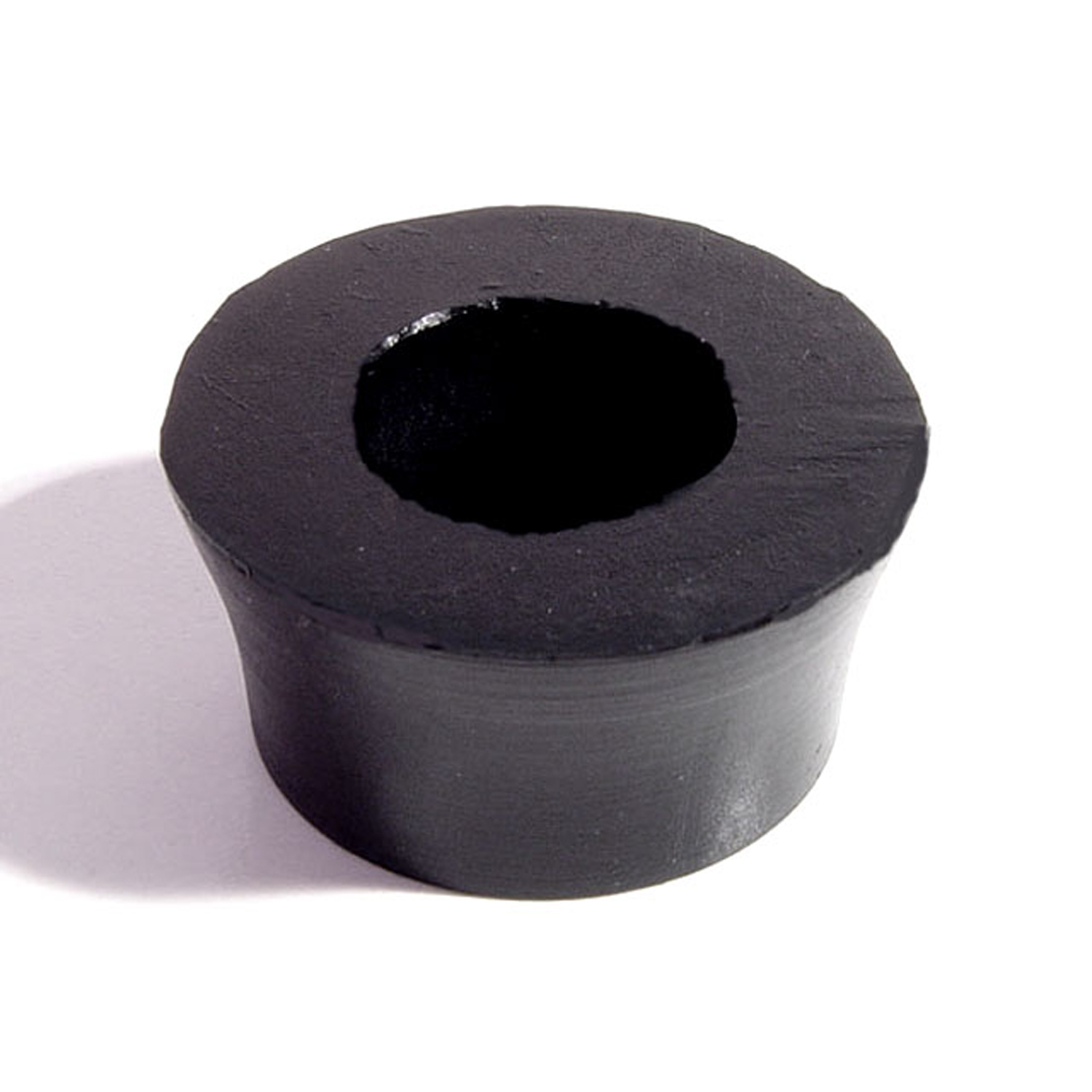 1937 Hudson Custom Eight Series 77 Shock Absorber Grommet. 1" bottom O.D., 5/8" high-BN 10Shock Absorber Grommet. 1" bottom O.D., 5/8" high., with 5/8" I.D. Each
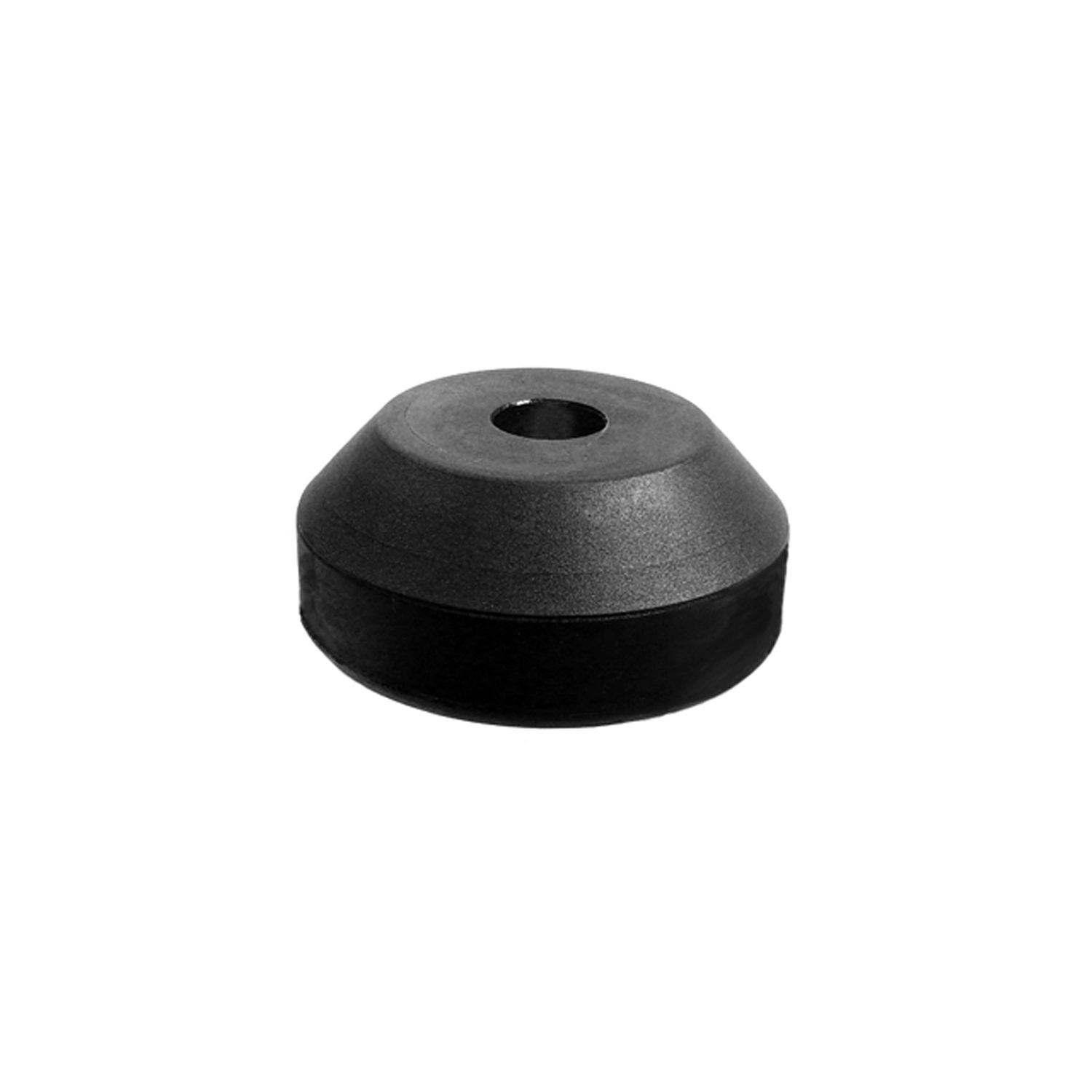 1937 Hudson Custom Eight Series 77 Upper Motor Mount. 5/8" I.D., 2-5/8" O.D. Each-MM 7-BUpper Motor Mount. 5/8" I.D., 2-5/8" O.D. Each
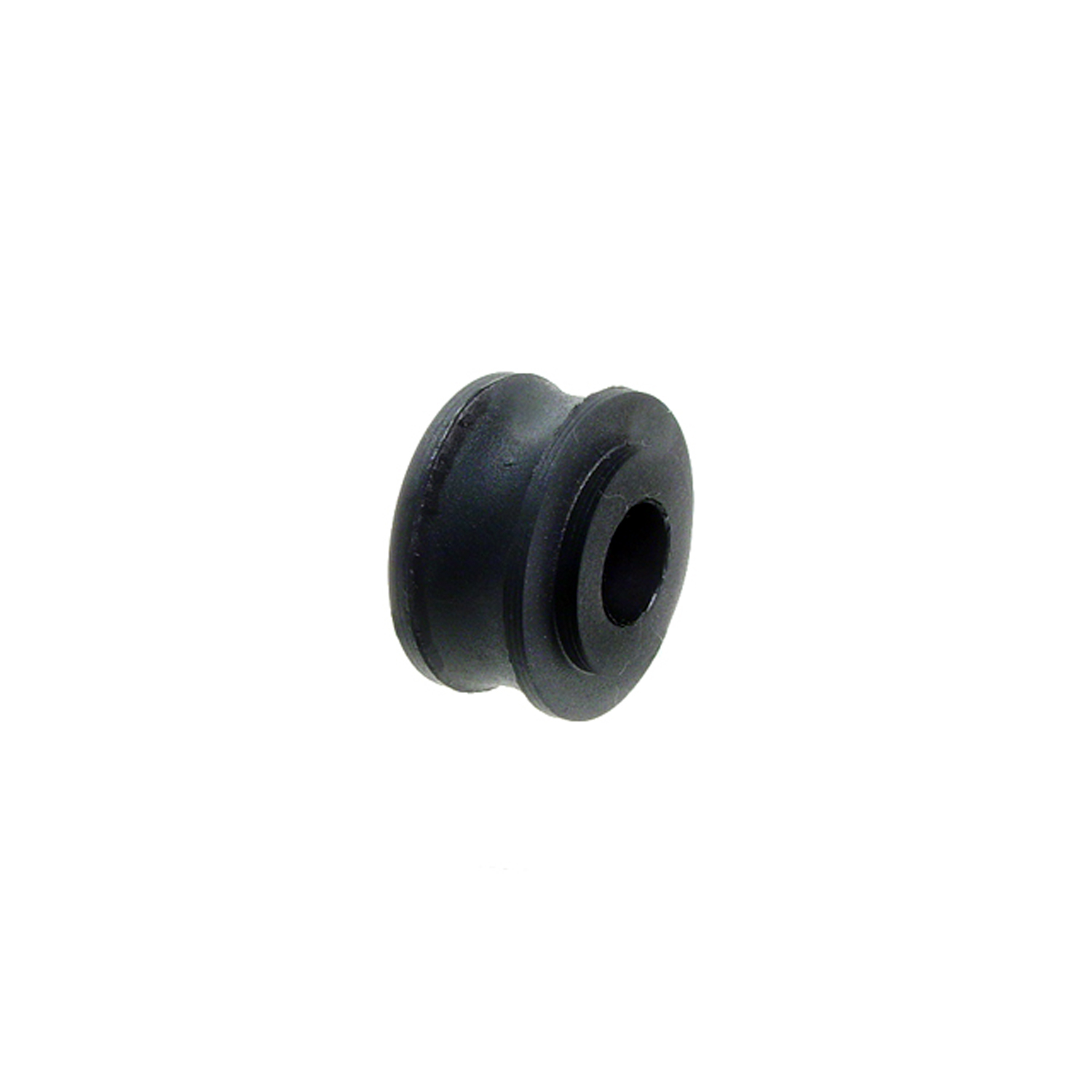 1937 Hudson Custom Eight Series 77 Lower Motor Mount. 5/8" I.D., 1-5/8" O.D. Each-MM 7-CLower Motor Mount. 5/8" I.D., 1-5/8" O.D. Each
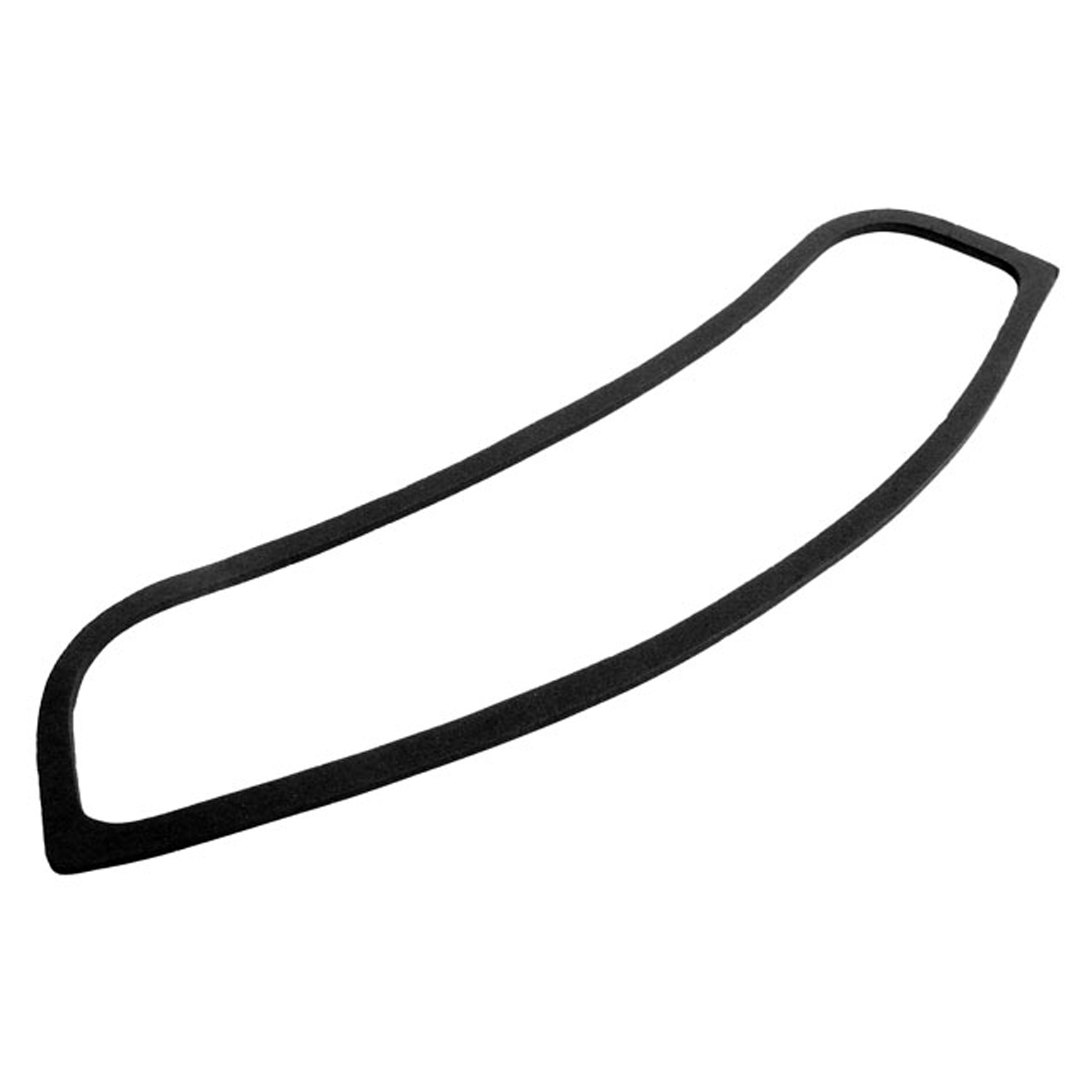 1937 Hudson Custom Eight Series 77 Cowl Vent Seal. 4-1/2" wide X 18-1/2" long. Each-RP 100-YCowl Vent Seal. 4-1/2" wide X 18-1/2" long. Each
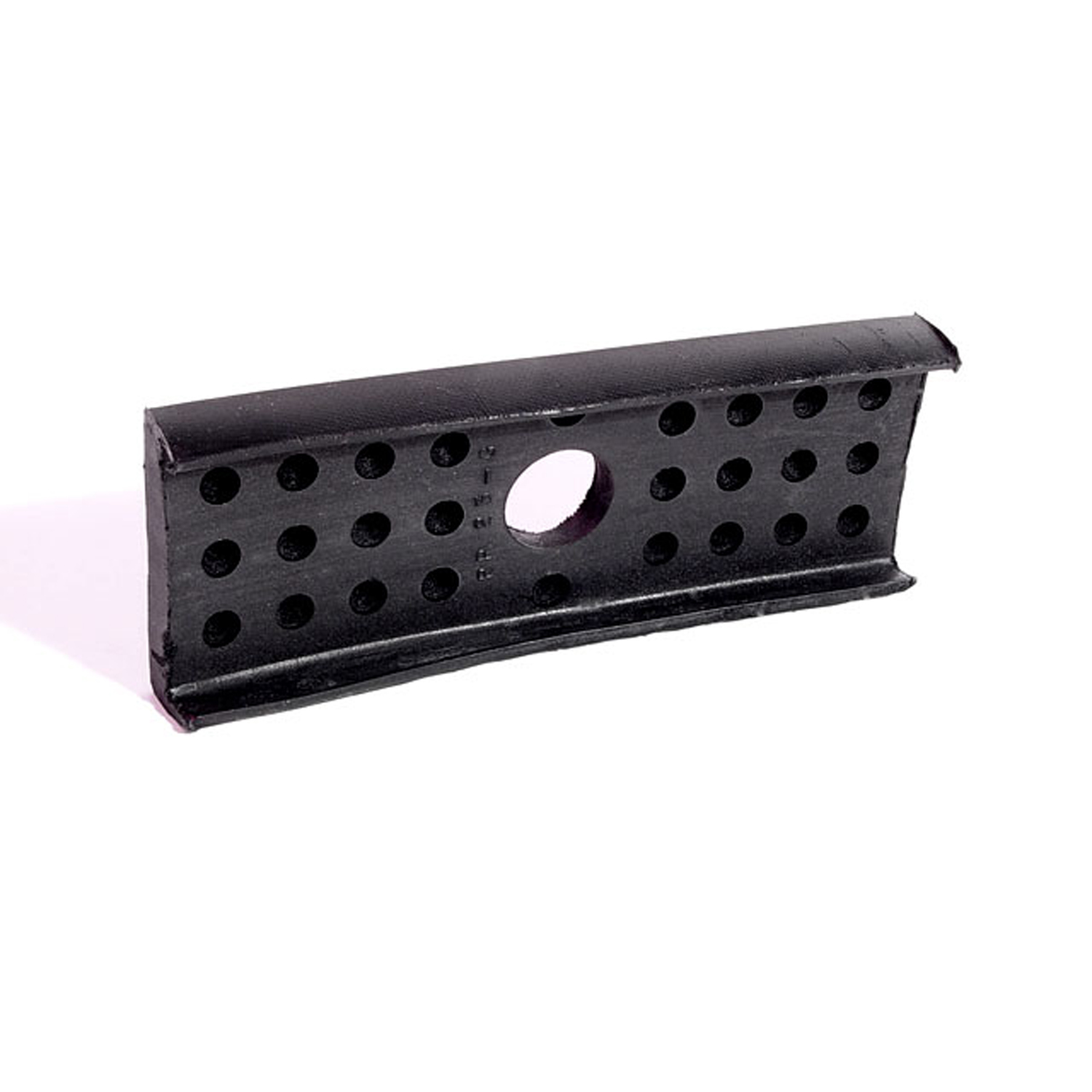 1937 Hudson Custom Eight Series 77 Rear Leaf Spring Center Mounting Insulator-RP 23-GRear Leaf Spring Center Mounting Insulator. For all 1-3/4" wide leaf springs. Each
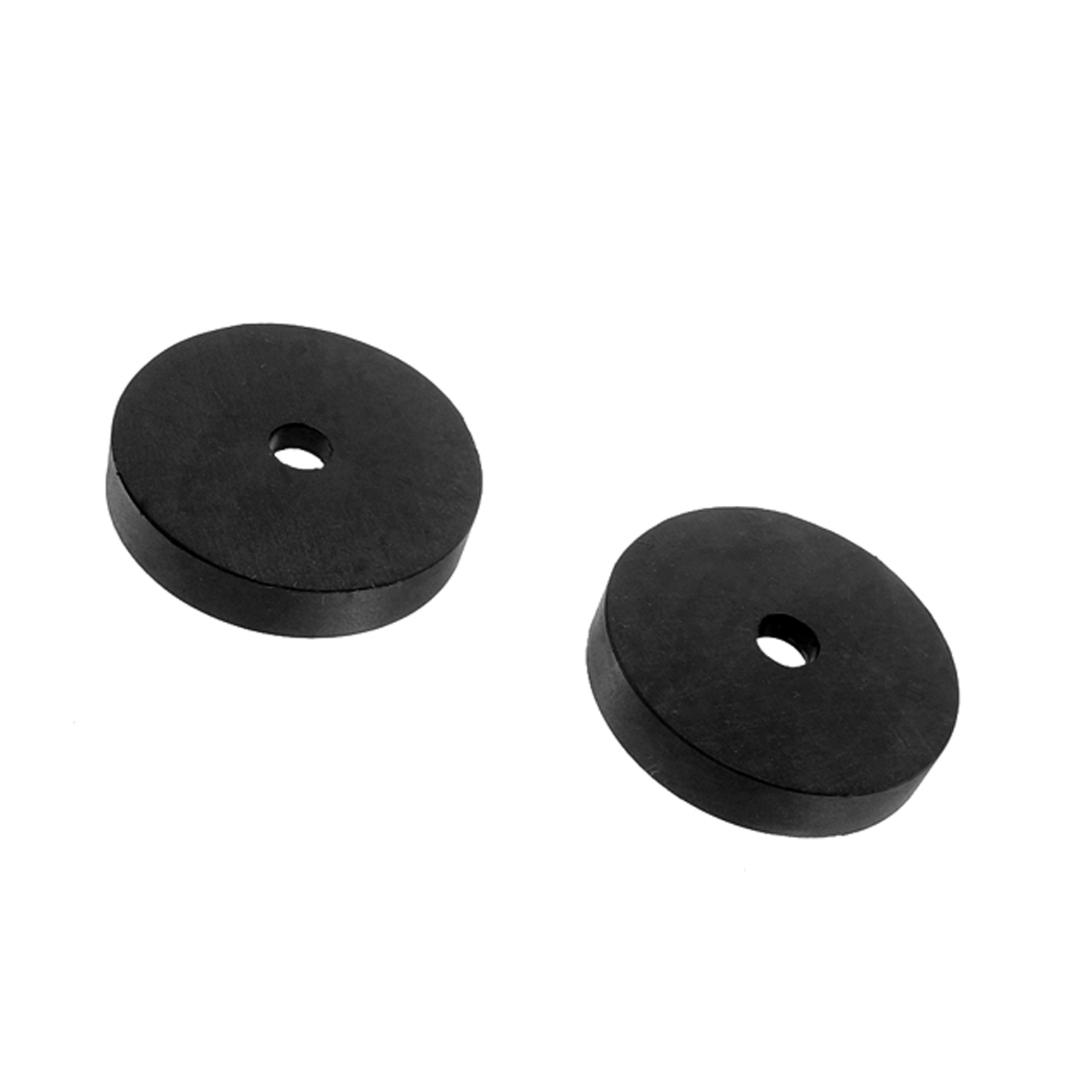 1937 Hudson Custom Eight Series 77 Clutch and Brake Seals. Seals fit on a round shaft-RP 31-NClutch and Brake Seals. Seals fit on a round shaft. Made of soft rubber. 2-7/16" O.D., 7/16" I.D. Pair
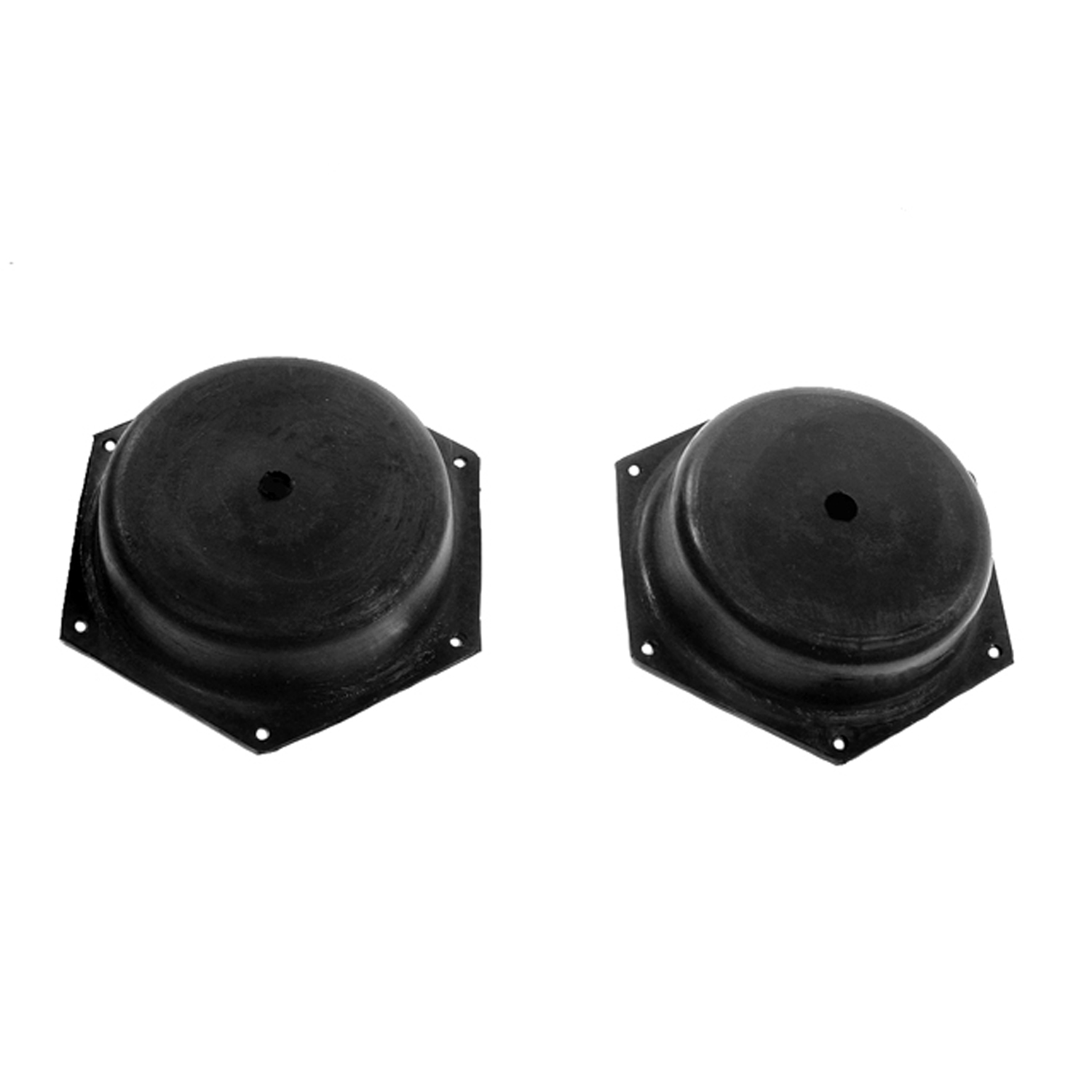 1937 Hudson Custom Eight Series 77 Drive Master Electric Shift Vacuum Diaphragm-RP 32-ADrive Master Electric Shift Vacuum Diaphragm. For all models with drive master system for standard transmission. Pair
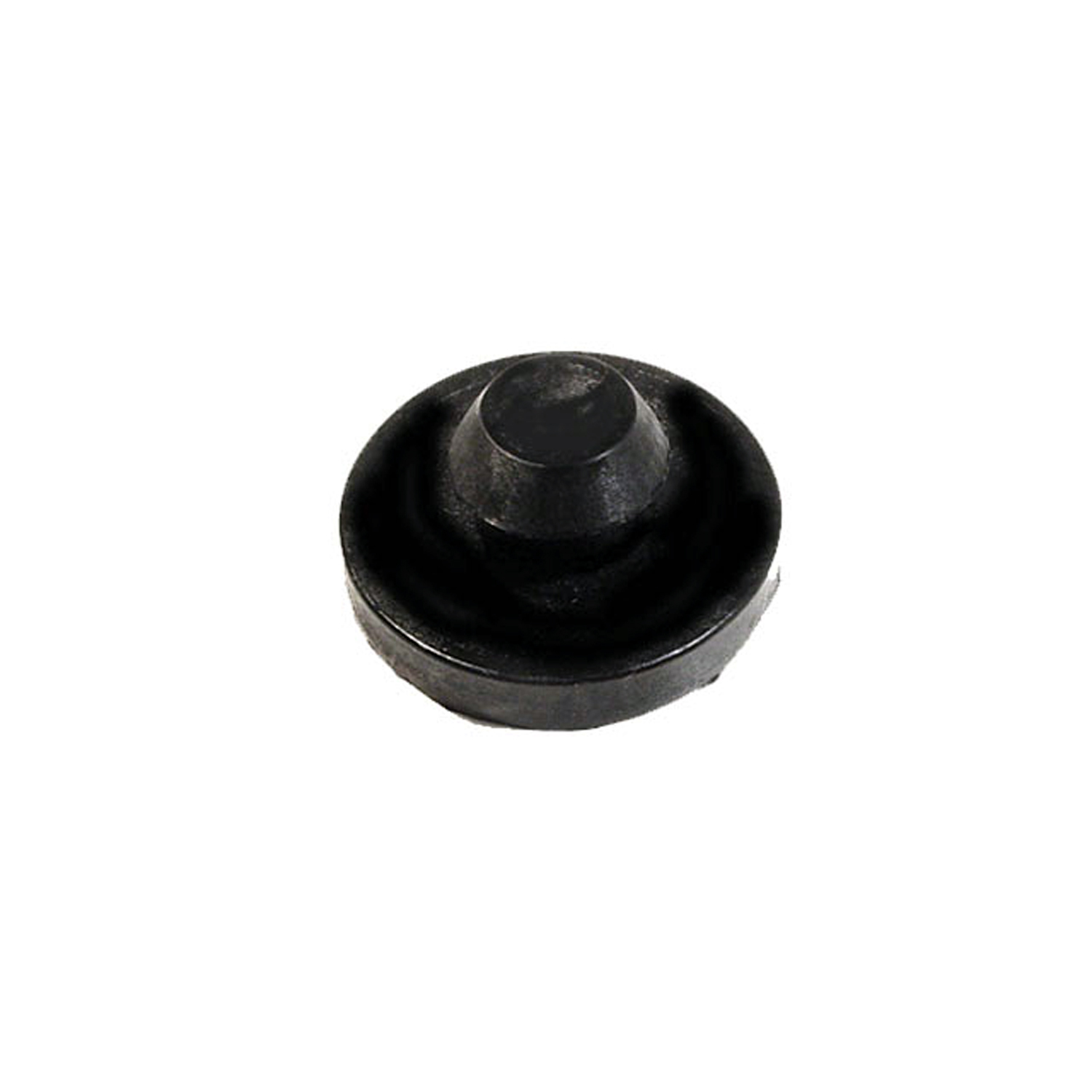 1937 Hudson Custom Eight Series 77 Clutch Linkage Cushion. 1/4" top thickness, 1-1/2" O.D-SB 33-AClutch Linkage Cushion. 1/4" top thickness, 1-1/2" O.D. Each
 1937 Hudson Custom Eight Series 77 Vertical Division Bar Seal. Enough for two vents. Each-VS 1Vertical Division Bar Seal. Enough for two vents. Each
 1937 Hudson Custom Eight Series 77 Front Vent Window Seals. For disappearing-type vent windows-WR 4502Front Vent Window Seals. For disappearing-type vent windows. Pair R&L
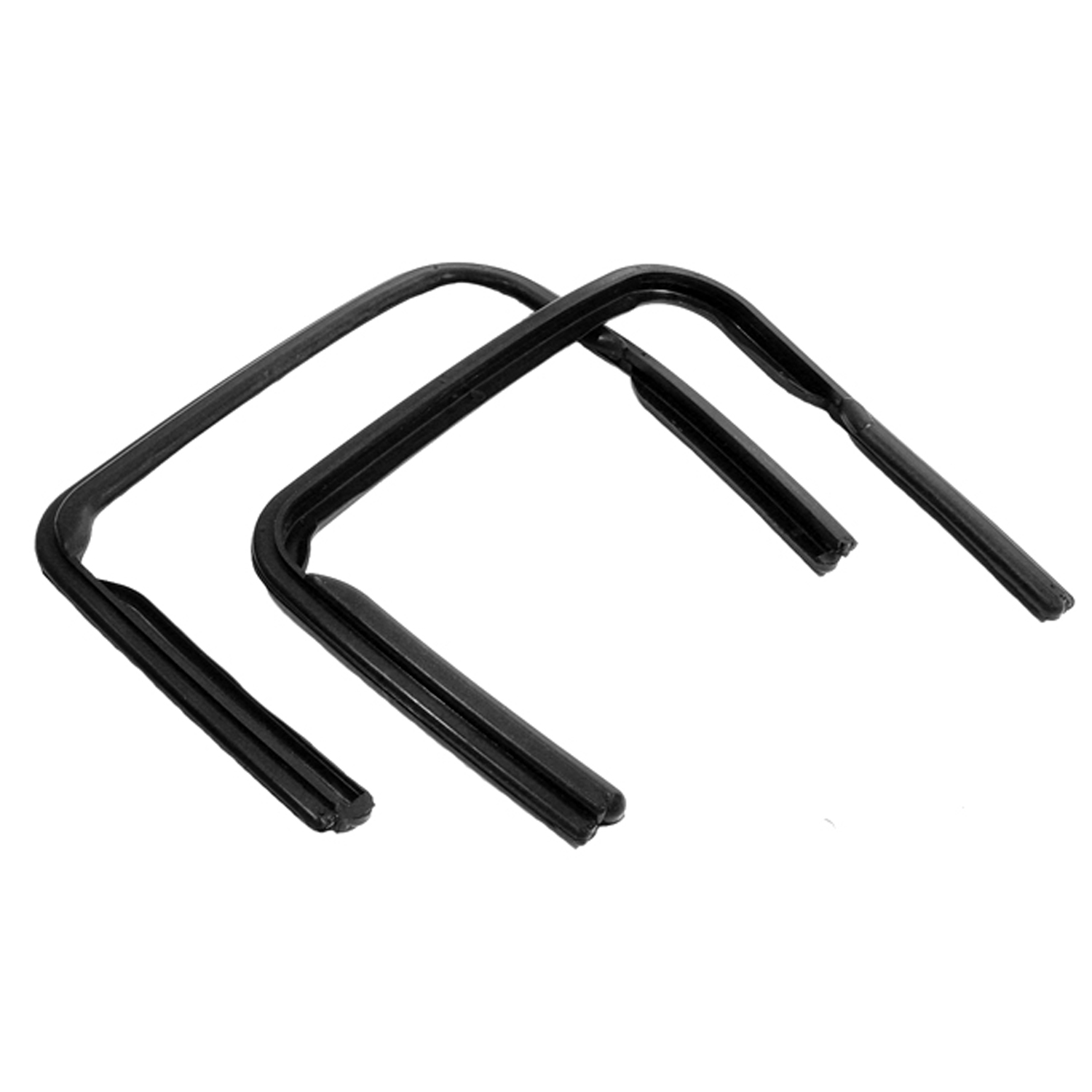 1937 Hudson Custom Eight Series 77 Front Vent Window Seals, for Convertibles-WR 9Front Vent Window Seals, for Convertibles. 25-1/4" long each. Pair R&L
Why Choose Metro?
For over 100 years, Metro Moulded Parts has been the pinnacle of quality in classic car restoration parts. Our commitment to precision and authenticity in every component ensures a perfect fit and an OEM-level appearance.
- Expert Craftsmanship & Quality: Each part is a testament to our dedication to reliability and perfection, crafted from original designs and thoroughly tested.
- Advanced Technology: We use cutting-edge techniques to create flawless, long-lasting parts that surpass others in performance.
- SuperSoft Sponge – The Ultimate Door Seal: Not only are our door seals 30% softer than competitors', but they're also guaranteed to never leak. They effectively reduce wind and road noise, enhancing your classic car's comfort and driving experience.
- Proudly American: Our parts are a product of American craftsmanship, made in the USA with a spirit of excellence and heritage.
- Unrivaled Warranty: We back our products with a 30-year industry-leading warranty, a testament to our confidence in their quality.
Join us in preserving the legacy of classic cars with parts that are crafted for perfection, not just made.