

Image of 1937 Hudson Deluxe Eight Series 74, Note: These illustrations use artistic license and may differ from actual historical models.
Performance Metrics
Fundamental Metrics
Emotional Appeal
MMP Rating
| Engine Specifications | |
|---|---|
| Engine: | 254 cu in (4.2 L) I8 |
| Displacement: | 254 cu in (4.2 L) |
| Horsepower: | 122 hp |
| Torque: | Estimated 200 lb-ft |
| Compression Ratio: | 6.5:1 |
| Ignition System: | Battery and coil |
| Cooling System: | Water-cooled |
| Performance Specifications | |
| 0-60 Time: | Information not available |
| 1/4 Mile Time: | Information not available |
| Top Speed: | 80 mph |
| Transmission and Drive | |
| Drive Type: | Rear-wheel drive |
| Transmission Type: | 3-speed manual |
| Fuel and Efficiency | |
| Fuel System Type: | Carburetor |
| MPG: | Information not available |
| Dimensions and Brakes | |
| Brakes: | Hydraulic drum brakes |
| Wheelbase: | 122 in (3,099 mm) |
| Weight: | 3,400 lbs |
Note: Specifications for classic cars are given to the best of our ability, considering the limited and variant data available.
1937 Hudson Deluxe Eight Series 74: A Full Classic-Car Guide
The 1937 Hudson Deluxe Eight Series 74 paired a smooth, 254-cubic-inch straight-eight with the confident, streamlined styling that made Hudson one of America’s most respected independent automakers. It was a substantial, well-equipped car for buyers who wanted eight-cylinder refinement without stepping up to the company’s more expensive models. One especially intriguing feature was Hudson’s optional Electric Hand, a clever system that let the driver select gears with a small steering-column control while a powered mechanism did the shifting.
Hudson Motor Car Company built the Series 74 in Detroit during a period when the American auto industry was recovering from the Great Depression and automakers were competing to offer more comfort, style, and engineering for the money. The Deluxe Eight sat in Hudson’s 1937 lineup as a practical, polished choice: larger and more powerful than an economy car, but less imposing than a luxury flagship.
Streamlined Hudson Styling
The Series 74 wore the rounded, forward-looking shape that distinguished many late-1930s cars from the upright designs of the previous decade. Its long hood flowed into a low, broad body, while sweeping fenders framed the wheels and gave the car a sense of motion even at a standstill. A prominent vertical grille, bright trim, and carefully integrated headlamps supplied the formal details expected of a substantial American automobile.
Hudson’s bodywork looked substantial without being excessively ornate. The overall impression was of a car built for comfortable travel, with a wide stance and generous cabin rather than a lightweight, sporting profile. Chrome accents varied with body style and trim, so surviving cars can look noticeably different depending on their original specification and how they have been restored.
Inside, buyers found a roomy cabin with a broad dashboard, clear instrumentation, and generous seating. Upholstery depended on the body and trim ordered, with period materials such as durable cloth or broadcloth common on closed cars and more luxurious finishes available on better-equipped versions. As with most cars of the era, the cabin emphasized craftsmanship and space over modern conveniences. The steering wheel, tall windows, and comparatively upright seating position gave the driver a commanding view of the road.
Body Styles, Colors, and Equipment
The Series 74 range included closed-car choices such as sedans and coupe styles, with the exact selection depending on the catalog configuration. Hudson’s four-door sedan is the most familiar and practical form today, while coupes offer a more compact, personal-car character. Convertible and open-car offerings existed within the broader Hudson range, but availability varied by series and trim, so a buyer should verify a specific car’s original model identity rather than assume every body style belonged to the Series 74.
Factory paint choices varied by model year and body style. Period Hudsons could be found in colors such as black, blue, green, gray, maroon, and lighter tan shades, with trim and wheel colors adding contrast. Black remains a popular choice among restored examples because it suits the car’s formal lines, though period-inspired greens, blues, and maroons bring out its late-1930s character particularly well.
Equipment reflected the era’s transition toward more convenient and confidence-inspiring motoring. The car had hydraulic brakes and a conventional manual transmission. Hudson’s optional Electric Hand system was a standout convenience feature: the driver moved a small control near the steering wheel to choose a gear, while the system operated the transmission. It was not a modern automatic, but it reduced the effort of conventional shifting and made the cabin feel unusually advanced for its time.
Why the Series 74 Matters
The Deluxe Eight was not a radical styling landmark on the scale of Hudson’s later 1948 “Step-Down” cars, but it represents an important phase in the company’s engineering story. Hudson built its reputation by offering strong engines, sturdy construction, and useful technical ideas in cars aimed at ordinary American buyers. The Series 74 brought those qualities together in a comfortable, relatively accessible eight-cylinder package.
Its combination of a straight-eight engine, hydraulic braking, a roomy body, and optional powered gear selection showed how manufacturers were making long-distance driving easier and more refined. Hudson’s approach was to make engineering part of the ownership experience, not merely a specification-sheet talking point. The Electric Hand is a good example: unusual and ambitious, it gave the driver a glimpse of a more effortless future while retaining a conventional gearbox underneath.
What set the car apart from many contemporaries was the balance between size, power, and price. It offered the smoothness associated with an eight-cylinder engine without requiring buyers to choose a top-tier luxury make. Hudson’s independent-minded engineering also helped the company stand out in a market dominated by the much larger Ford, General Motors, and Chrysler organizations.
Straight-Eight Performance and Road Manners
The Series 74’s 254-cubic-inch L-head straight-eight is generally listed at about 122 horsepower. It was designed for smooth, steady power rather than high-revving excitement. Exact performance depends on condition, gearing, body style, and test method, but a healthy car is commonly estimated to reach roughly 80 to 85 mph. A 0-to-60-mph run would likely take around 20 to 25 seconds, a reasonable period estimate for a heavy sedan with a three-speed manual transmission.
On the road, the engine’s long, even firing rhythm is part of the appeal. Rather than delivering a sharp burst of acceleration, it gathers speed in a measured swell, accompanied by the subdued mechanical hum typical of a well-tuned flathead straight-eight. The transmission asks for deliberate shifts, and the brakes and steering require more driver input than a modern car. That interaction is part of the vintage experience, not a flaw to be judged by current standards.
Hudson’s suspension was engineered for comfort on the uneven roads of the 1930s. The front suspension used independent wheel movement, while the rear relied on a conventional live axle and leaf springs. On broken pavement, the car has the soft, substantial ride expected of a full-size prewar sedan. It can feel composed on a winding road when driven at a sensible pace, but its size, vintage tires, and relatively slow steering mean it is better suited to smooth, unhurried touring than aggressive cornering.
Windy conditions, crowned roads, and rough surfaces demand attention. A well-maintained example should track confidently, but worn steering components, tired springs, old tires, or incorrect alignment can make any 1930s car feel vague. The best driving experience comes from keeping the chassis in sound condition and allowing the car to cruise at its natural pace.
Living With a 1937 Hudson
Today, the Deluxe Eight is most often enjoyed as a show car, parade vehicle, weekend tourer, or piece of automotive history. It can be driven on local roads and country routes, but regular modern commuting is less appealing because of its age, fuel consumption, braking distance, and lack of contemporary safety equipment. A carefully maintained car can still cover enjoyable miles, especially when driven with patience and mechanically sympathetic habits.
Routine service is straightforward for an owner familiar with older American cars. The engine uses conventional mechanical components, and many basic jobs, such as ignition service, lubrication, and brake adjustment, are understandable to a capable home mechanic. The harder part is often sourcing correct Hudson-specific parts, trim, interior materials, or components for the Electric Hand system. Before buying, inspect the cooling system, engine oil pressure, clutch and gearbox, brakes, steering, and electrical system. Also check for rust in the body, floors, and structural areas, since metalwork can become the most expensive part of a restoration.
Reliability depends heavily on restoration quality and maintenance history. A sound, properly sorted car can be rewarding, but a neglected example may need far more than a tune-up. Specialist Hudson clubs and parts networks are valuable resources for owners, particularly when identifying original equipment or troubleshooting unusual factory features.
Hudson Facts and Common Misconceptions
The Electric Hand is the Series 74’s most memorable technical talking point. It is sometimes mistaken for a fully automatic transmission, but it was a gear-selection aid for a conventional manual gearbox. Its distinctive controls and powered operation make it one of the more conversation-starting options on a surviving Hudson.
The 1937 Deluxe Eight should also be kept separate from Hudson’s later racing reputation. Hudson cars became especially famous in stock-car competition in the early 1950s, when the lighter, powerful Hornet helped establish the brand’s racing credentials. That later success is part of Hudson history, but it was not a record set by the 1937 Series 74.
There is no widely recognized speed, sales, or endurance record attached specifically to the Deluxe Eight Series 74. Its appeal is more grounded: it represents the engineering and comfort ambitions of a respected independent manufacturer during the prewar years. Common criticisms include modest acceleration by modern standards, heavy steering at low speeds, limited braking performance compared with modern cars, and the difficulty of finding some correct replacement parts.
Collector Values and Rarity
Exact Series 74 production figures are difficult to pin down from commonly available model summaries, and surviving cars are not numerous. As a best-guess estimate rather than a verified factory count, production may have been in the several-thousand range, perhaps roughly 5,000 to 10,000 examples across the series. That estimate should be treated cautiously: body-style totals and surviving-car numbers are not always consistently documented.
In the U.S. collector market, condition, originality, body style, and restoration quality make a substantial difference. As a broad 2026 guide, a project car might fall around $5,000 to $15,000, while a usable driver or older restoration could bring roughly $15,000 to $30,000. A high-quality restored sedan may reach approximately $30,000 to $50,000, with exceptional, unusually rare, or especially desirable examples potentially selling for more. These are general ranges, not a formal appraisal, and local demand can shift the result.
Values for prewar American cars have been selective rather than uniformly rising. The best restored examples and unusual body styles tend to attract the strongest interest, while ordinary sedans can be more affordable than their size and engineering might suggest. In inflation-adjusted terms, many mainstream prewar cars have faced softer demand, even as top-quality examples remain desirable. Buyers should focus on condition and documentation rather than assume every old Hudson is automatically an appreciating investment.
A Refined Prewar Hudson With Its Own Personality
The 1937 Hudson Deluxe Eight Series 74 combines graceful late-1930s styling, a smooth straight-eight, a comfortable ride, and distinctive engineering touches such as the optional Electric Hand. It may not have the fame of Hudson’s later Step-Down models or racing Hornets, but it captures the company’s ability to build thoughtful, capable cars outside the mainstream giants.
For collectors and enthusiasts, the Series 74 offers more than prewar elegance. It delivers a tangible connection to an era when automakers were finding new ways to make powerful, substantial cars easier and more pleasant to drive. Get behind the wheel of a well-kept example, and Hudson’s quiet confidence becomes clear, one smooth straight-eight mile at a time.
1937 Hudson Deluxe Eight Series 74 Catalog of Parts
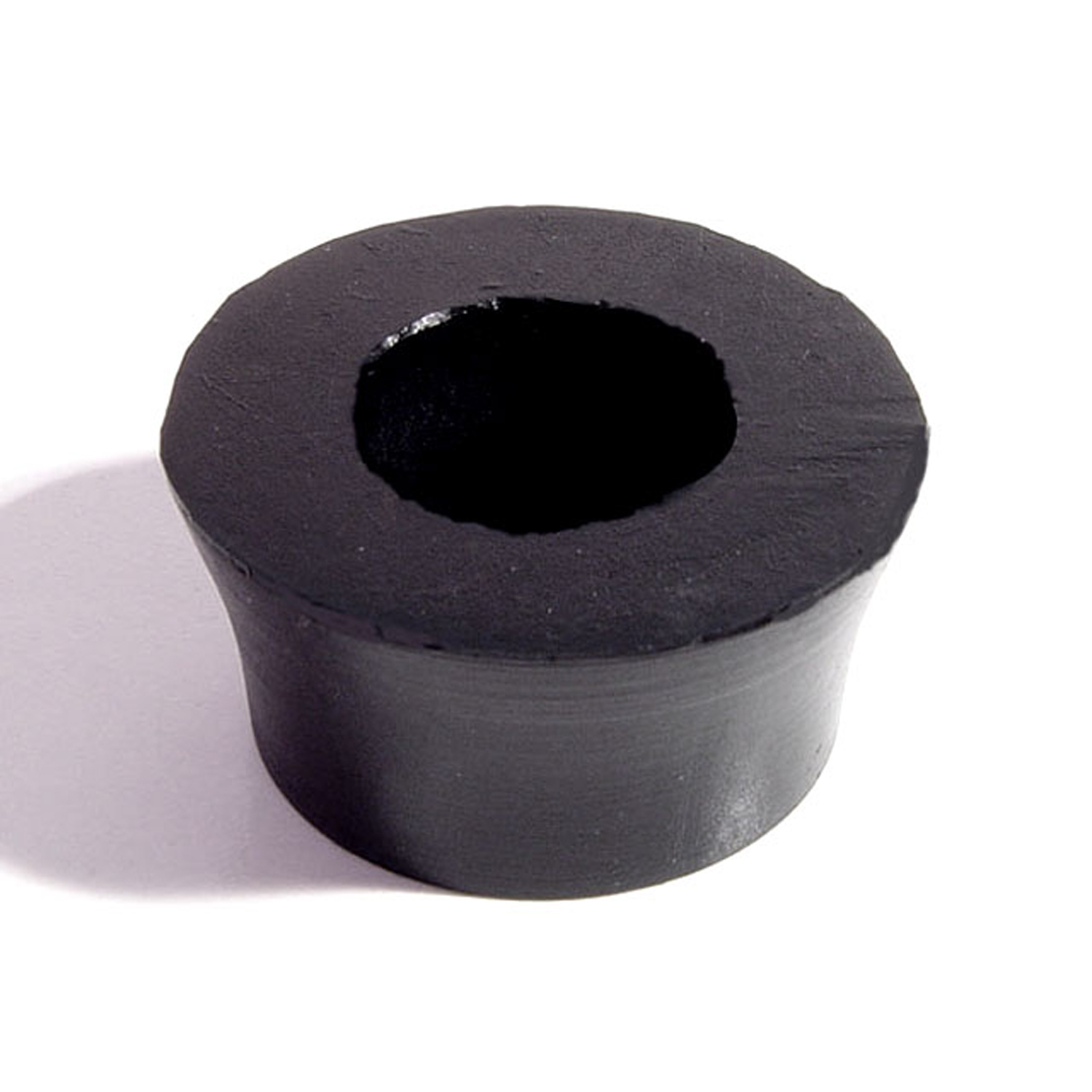 1937 Hudson Deluxe Eight Series 74 Shock Absorber Grommet. 1" bottom O.D., 5/8" high-BN 10Shock Absorber Grommet. 1" bottom O.D., 5/8" high., with 5/8" I.D. Each
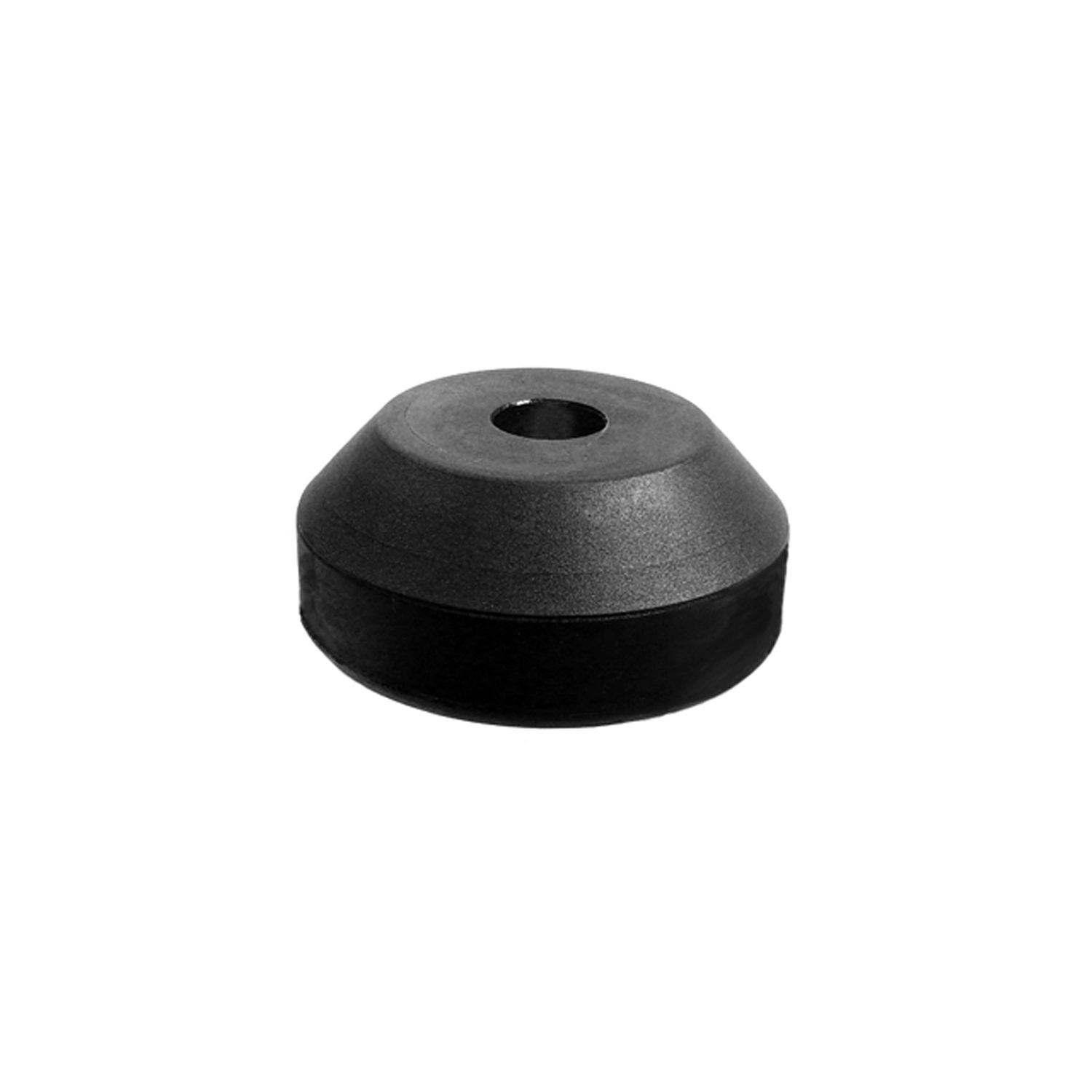 1937 Hudson Deluxe Eight Series 74 Upper Motor Mount. 5/8" I.D., 2-5/8" O.D. Each-MM 7-BUpper Motor Mount. 5/8" I.D., 2-5/8" O.D. Each
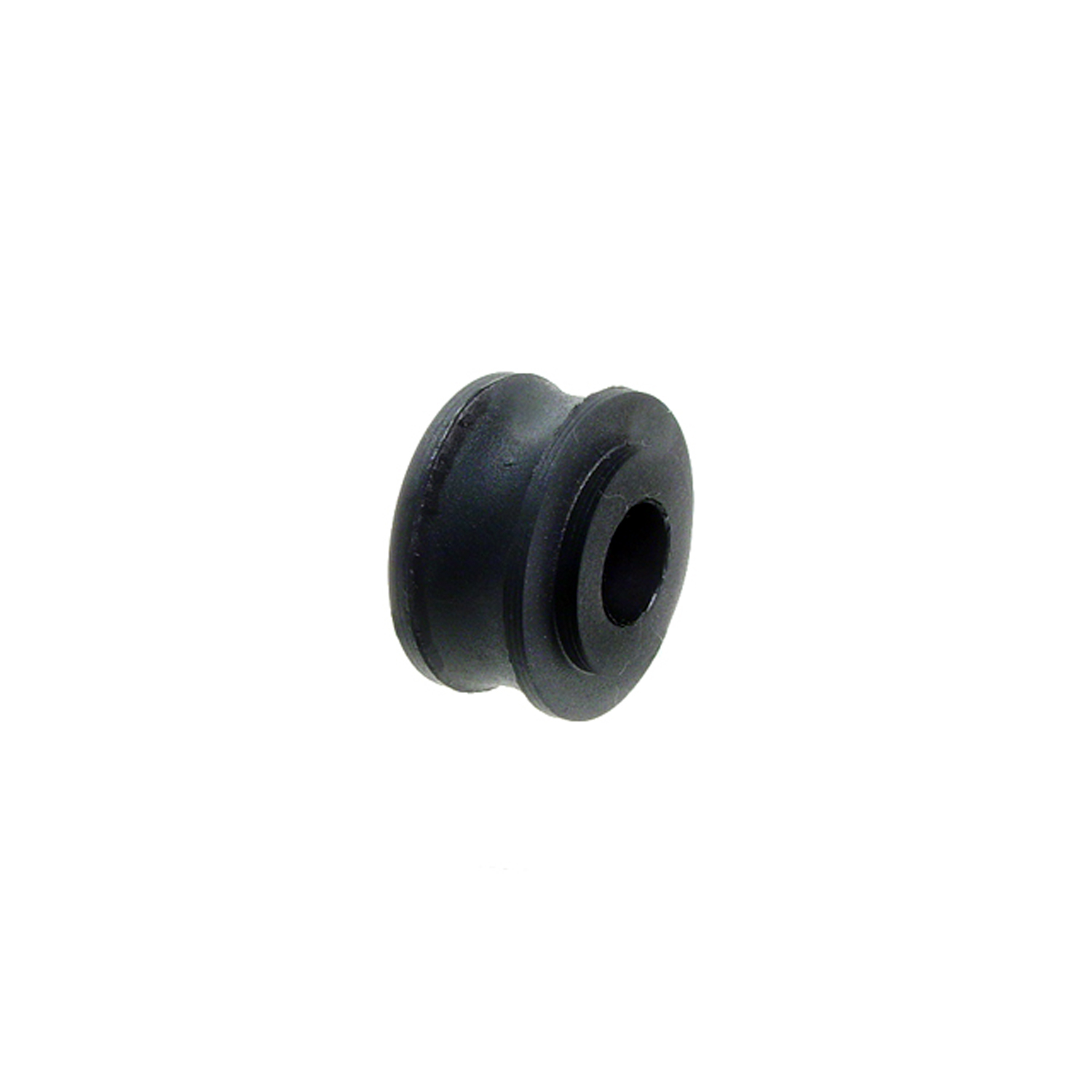 1937 Hudson Deluxe Eight Series 74 Lower Motor Mount. 5/8" I.D., 1-5/8" O.D. Each-MM 7-CLower Motor Mount. 5/8" I.D., 1-5/8" O.D. Each
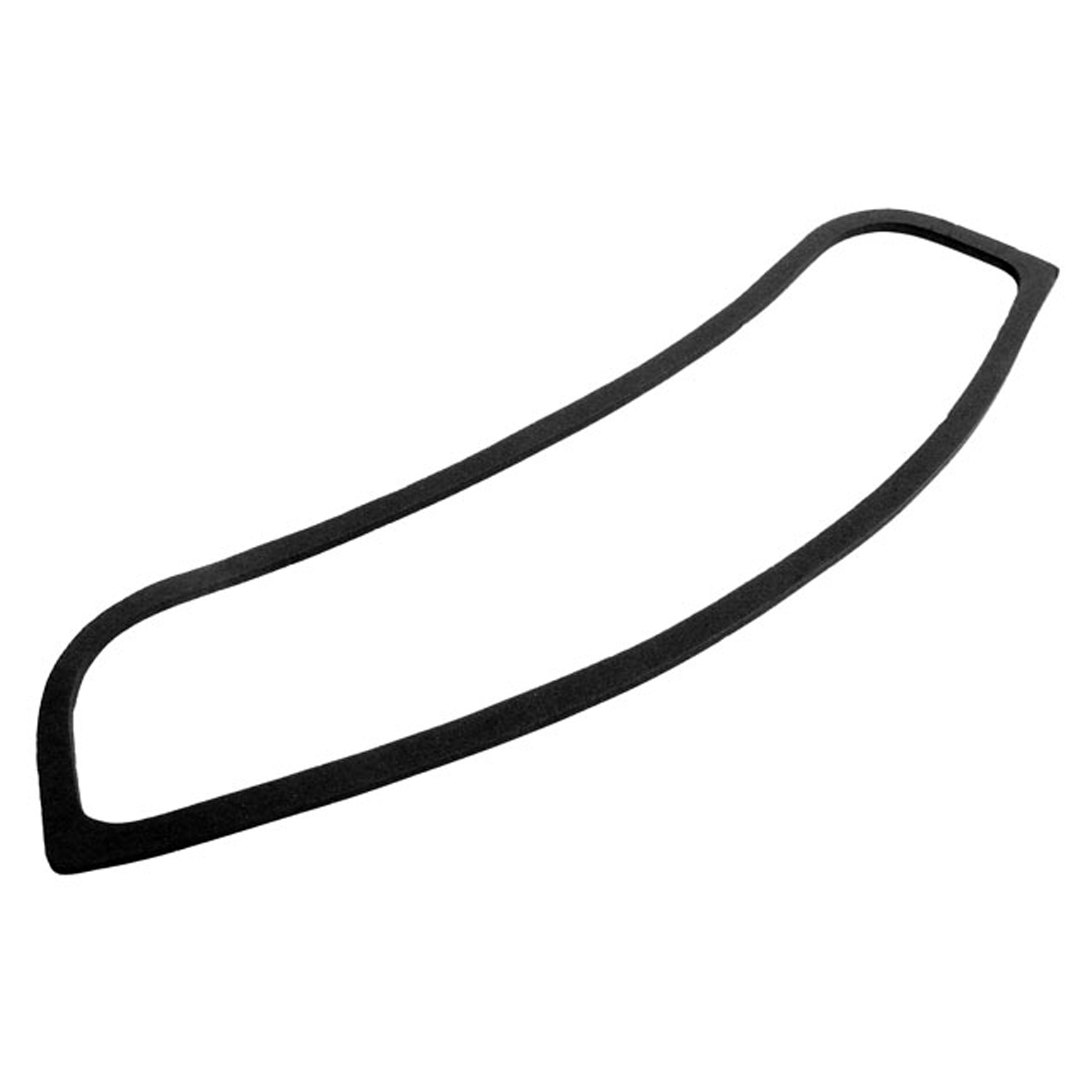 1937 Hudson Deluxe Eight Series 74 Cowl Vent Seal. 4-1/2" wide X 18-1/2" long. Each-RP 100-YCowl Vent Seal. 4-1/2" wide X 18-1/2" long. Each
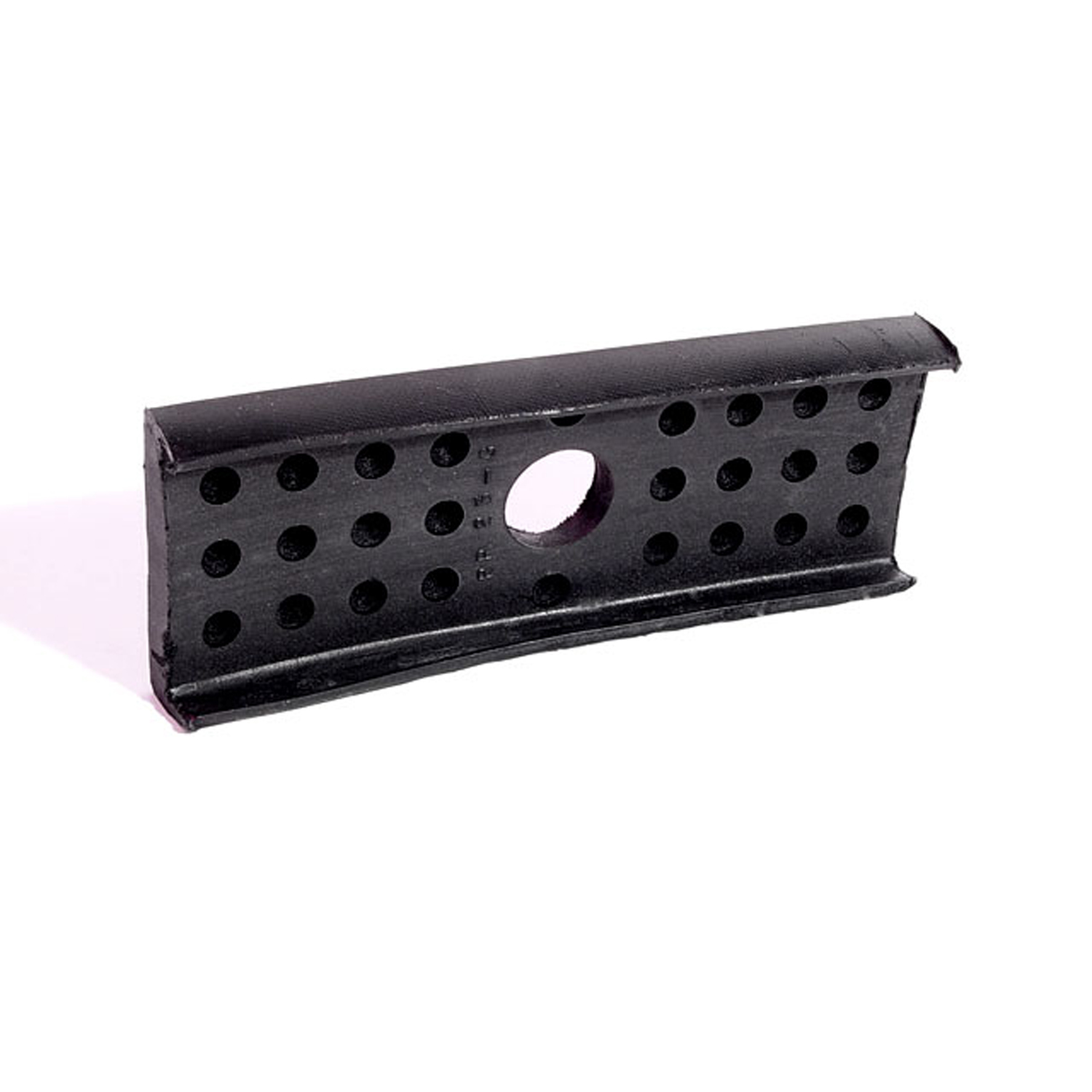 1937 Hudson Deluxe Eight Series 74 Rear Leaf Spring Center Mounting Insulator-RP 23-GRear Leaf Spring Center Mounting Insulator. For all 1-3/4" wide leaf springs. Each
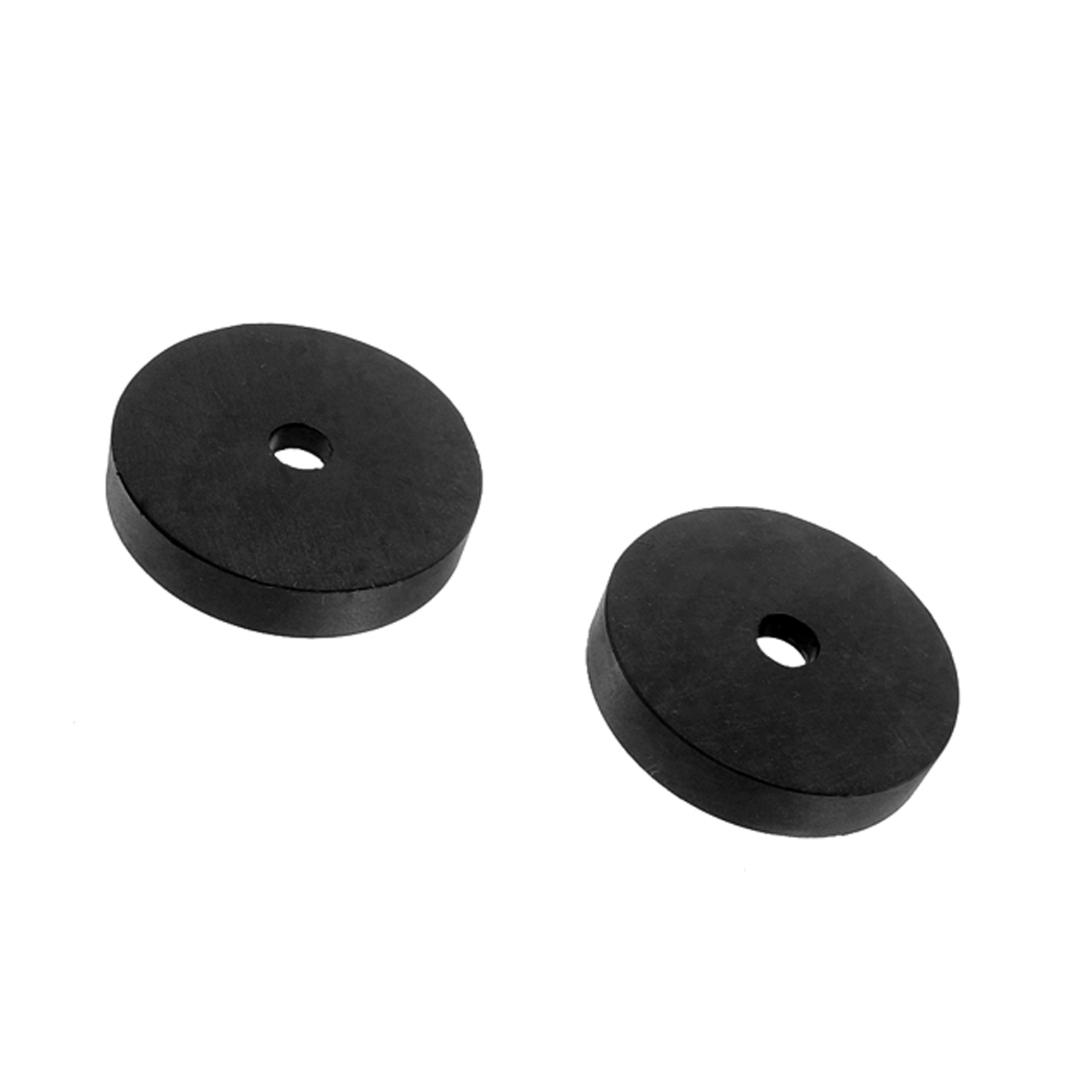 1937 Hudson Deluxe Eight Series 74 Clutch and Brake Seals. Seals fit on a round shaft-RP 31-NClutch and Brake Seals. Seals fit on a round shaft. Made of soft rubber. 2-7/16" O.D., 7/16" I.D. Pair
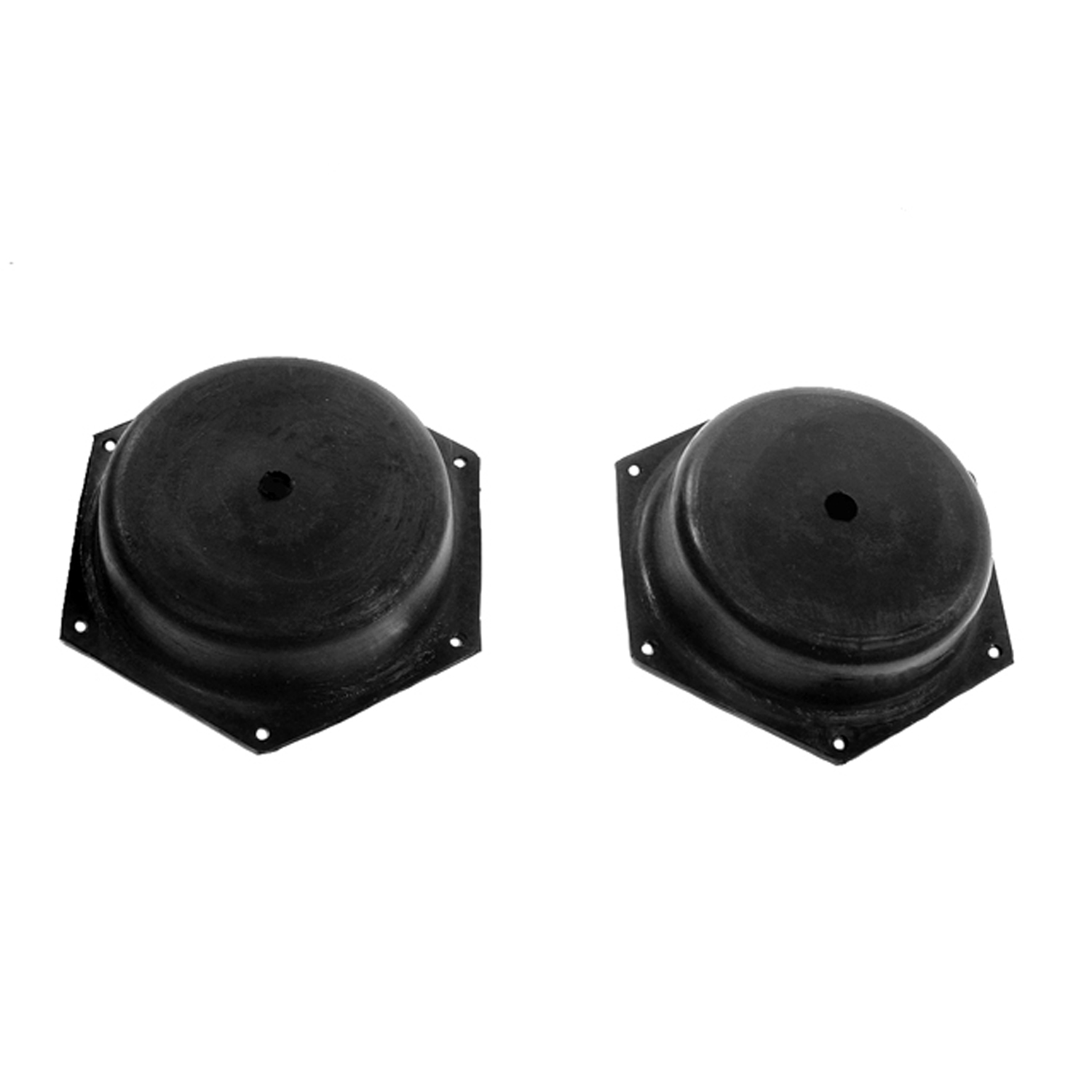 1937 Hudson Deluxe Eight Series 74 Drive Master Electric Shift Vacuum Diaphragm-RP 32-ADrive Master Electric Shift Vacuum Diaphragm. For all models with drive master system for standard transmission. Pair
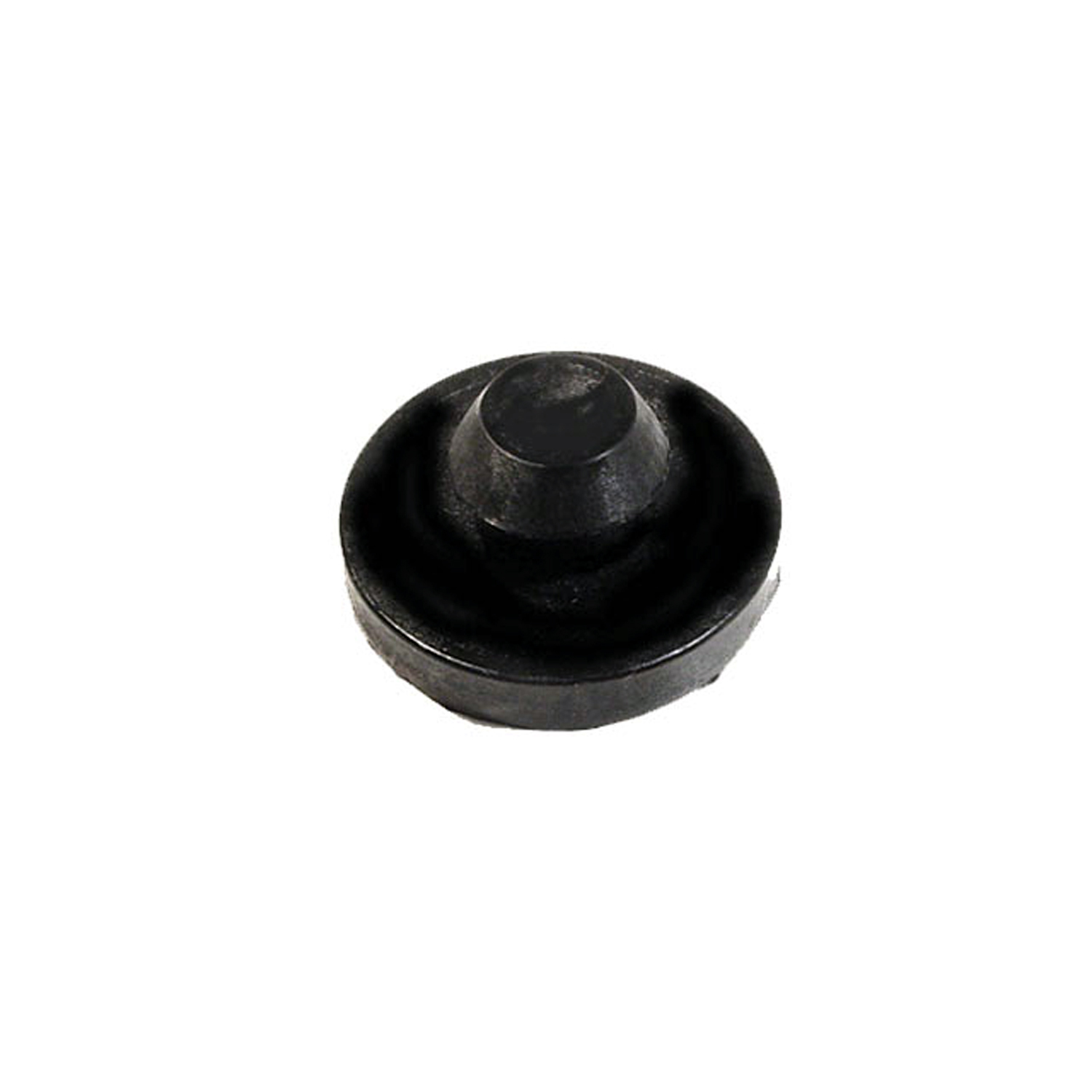 1937 Hudson Deluxe Eight Series 74 Clutch Linkage Cushion. 1/4" top thickness, 1-1/2" O.D-SB 33-AClutch Linkage Cushion. 1/4" top thickness, 1-1/2" O.D. Each
 1937 Hudson Deluxe Eight Series 74 Vertical Division Bar Seal. Enough for two vents. Each-VS 1Vertical Division Bar Seal. Enough for two vents. Each
 1937 Hudson Deluxe Eight Series 74 Front Vent Window Seals. For disappearing-type vent windows-WR 4502Front Vent Window Seals. For disappearing-type vent windows. Pair R&L
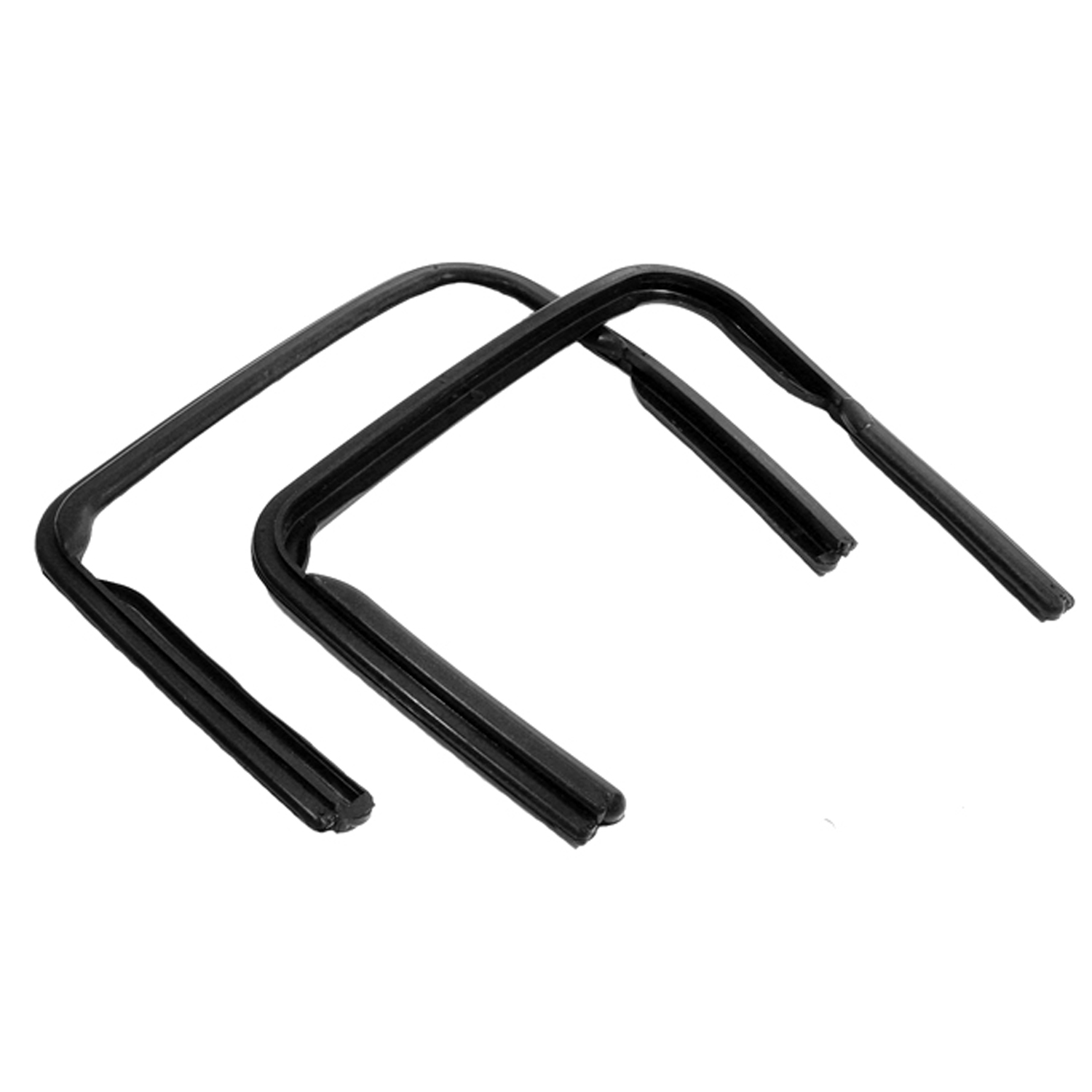 1937 Hudson Deluxe Eight Series 74 Front Vent Window Seals, for Convertibles-WR 9Front Vent Window Seals, for Convertibles. 25-1/4" long each. Pair R&L
Why Choose Metro?
For over 100 years, Metro Moulded Parts has been the pinnacle of quality in classic car restoration parts. Our commitment to precision and authenticity in every component ensures a perfect fit and an OEM-level appearance.
- Expert Craftsmanship & Quality: Each part is a testament to our dedication to reliability and perfection, crafted from original designs and thoroughly tested.
- Advanced Technology: We use cutting-edge techniques to create flawless, long-lasting parts that surpass others in performance.
- SuperSoft Sponge – The Ultimate Door Seal: Not only are our door seals 30% softer than competitors', but they're also guaranteed to never leak. They effectively reduce wind and road noise, enhancing your classic car's comfort and driving experience.
- Proudly American: Our parts are a product of American craftsmanship, made in the USA with a spirit of excellence and heritage.
- Unrivaled Warranty: We back our products with a 30-year industry-leading warranty, a testament to our confidence in their quality.
Join us in preserving the legacy of classic cars with parts that are crafted for perfection, not just made.