

Image of 1937 Hudson Deluxe Eight Series 76, Note: These illustrations use artistic license and may differ from actual historical models.
Performance Metrics
Fundamental Metrics
Emotional Appeal
MMP Rating
| Engine Specifications | |
|---|---|
| Engine: | 254 cu in (4.2 L) I8 |
| Displacement: | 254 cu in (4.2 L) |
| Horsepower: | 122 hp |
| Torque: | Estimated 200 lb-ft |
| Compression Ratio: | 6.5:1 |
| Ignition System: | Battery and coil |
| Cooling System: | Liquid-cooled |
| Performance Specifications | |
| 0-60 Time: | Estimated 20 seconds |
| 1/4 Mile Time: | Not available |
| Top Speed: | 80 mph |
| Transmission and Drive | |
| Drive Type: | Rear-wheel drive |
| Transmission Type: | 3-speed manual |
| Fuel and Efficiency | |
| Fuel System Type: | Carburetor |
| MPG: | Estimated 15-20 mpg |
| Dimensions and Brakes | |
| Brakes: | Hydraulic drum brakes |
| Wheelbase: | 122 inches |
| Weight: | 3,400 lbs |
Note: Specifications for classic cars are given to the best of our ability, considering the limited and variant data available.
1937 Hudson Deluxe Eight Series 76: A Refined American Eight
The 1937 Hudson Deluxe Eight Series 76 brought the effortless character of an eight-cylinder engine to a handsome, practical American car. Built by the Hudson Motor Car Company of Detroit, it sat in a competitive middle ground: more substantial and prestigious than an economy car, yet intended for owners who wanted comfort and engineering without stepping up to the most expensive luxury marques.
Hudson had earned a reputation for sound engineering and well-equipped cars since the early 1900s. In the late 1930s, it was an independent automaker competing against giants such as Ford, General Motors, and Chrysler. The Series 76 is a useful snapshot of Hudson at that moment: traditional in its smooth-running straight-eight power, but increasingly modern in its streamlined bodywork and driver-focused features.
One intriguing detail is that buyers could equip a Hudson of this era with the optional “Electric Hand” gear-shift system. It moved the shift control from the floor to a small lever near the steering wheel, an unusual piece of prewar convenience technology that made the car feel more advanced than its familiar three-speed transmission might suggest.
Streamlined Styling and Comfortable Cabin
The 1937 Hudson wore a low, rounded profile that reflected the growing influence of streamlining in American design. Its upright grille, flowing fenders, rounded hood, and integrated headlamps gave it a substantial but less boxy appearance than many earlier cars. The front end remained distinctly prewar, yet the body’s smooth contours and carefully blended lines made the Hudson look purposeful and modern for its day.
Inside, the Deluxe Eight emphasized comfort and durability. Broad seats, generous cabin space, a large steering wheel, and a clear instrument panel suited long trips as well as everyday errands. Upholstery and trim depended on body style and equipment, but commonly used cloth and other durable period materials, with more luxurious finishes available in better-appointed versions. The overall impression was sturdy rather than delicate: a car designed to be used, not merely admired.
Hudson offered a range of period paint colors, with availability varying by body and trim. Dark blues, greens, maroons, black, gray, and lighter neutral shades were among the kinds of colors found on cars of the era. Two-tone treatments could add contrast to the body and fenders, though solid, conservative colors remain especially familiar on surviving examples.
The Series 76 lineup included several closed-body choices, with sedan and coupe configurations among the most practical and recognizable. Exact body availability depended on the model and equipment package. Four-door sedans appealed to families and travelers, while coupes offered a sportier profile. Today, a well-preserved sedan is often the easiest version to encounter, while less common body styles can draw added attention at shows.
Engineering in the Prewar Hudson Tradition
At the heart of the Deluxe Eight was Hudson’s 254.4-cubic-inch L-head inline-eight. Its long engine layout favored smoothness, and its power delivery was well suited to relaxed touring. Contemporary published specifications commonly list output at about 122 horsepower, though figures can vary slightly by source and measurement method.
The car paired its engine with a three-speed manual transmission. Synchromesh helped make ordinary gear changes easier, while hydraulic brakes provided a significant improvement over the mechanical braking systems found on many older cars. The optional Electric Hand shift control was an especially distinctive feature: the driver selected a gear with a small control near the steering wheel, then used the clutch in the normal way to complete the change.
The Series 76’s significance lies less in a single revolutionary invention than in the way Hudson combined useful advances into a coherent package. It offered eight-cylinder smoothness, modern hydraulic braking, streamlined styling, and thoughtful controls in a car aimed at a broad market. That balance helped Hudson stand apart from manufacturers whose offerings were either more basic or substantially more expensive.
Hudson’s later reputation for engineering innovation grew even stronger, particularly with the 1948 “Step-Down” models and the successful Hudson Hornets of the early 1950s. The 1937 Deluxe Eight was not the source of those later achievements, but it belongs to the same independent-company tradition of trying to offer distinctive engineering rather than simply following industry fashion.
Road Manners, Speed, and the Eight-Cylinder Sound
Factory performance figures for individual body styles are not consistently documented, and real-world results depend on gearing, condition, tires, and tune. As a guide, a healthy Series 76 could likely reach roughly 75 to 80 mph. A 0-to-60-mph time in the neighborhood of 18 to 22 seconds is a reasonable estimate, not a guaranteed factory specification. This was a substantial touring car, not a modern performance machine.
The straight-eight’s appeal was its smooth, unhurried character. Rather than delivering a sharp burst of acceleration, it built speed steadily and made highway cruising feel relaxed for its time. From the cabin, the engine’s low, even note and the mechanical sounds of the transmission create an unmistakably prewar driving experience.
On ordinary roads, the Hudson’s size and long-travel suspension helped it absorb rough patches and uneven pavement. It feels more composed at a steady pace than when hurried through tight corners. On winding roads, the driver needs to account for the car’s weight, period tires, and relatively slow steering response. In crosswinds, its broad body can require a little extra attention, especially by modern standards.
Driving one today is an exercise in anticipation. The driver works a large wheel, operates a manual clutch and gearbox, and plans braking well ahead of a stop. The reward is a calm, solid ride and a connection to an era when comfortable motoring meant mechanical simplicity, space, and smooth engine performance.
Living With a 1937 Hudson
Most surviving Deluxe Eights are now show cars, touring vehicles, or cherished weekend drivers. They are not typically used as daily transportation, although a properly restored example can cover local and regional distances. Their best role is relaxed cruising, where the car’s comfort and straight-eight character can be enjoyed without exposing it to modern traffic demands every day.
Routine service is familiar to an experienced vintage-car mechanic: ignition, carburetion, cooling, lubrication, brakes, and the three-speed gearbox all require periodic attention. The basic mechanical layout is straightforward, but age complicates ownership. Parts such as trim, body panels, specialized electrical components, and correct interior materials can take time to locate. The Electric Hand system, if fitted, may need specialist diagnosis and careful adjustment.
Reliability depends heavily on restoration quality and maintenance history. A sound engine and cooling system matter particularly on long drives, while old wiring, tired brake hydraulics, and perished rubber components should be checked before regular use. The car is generally repairable by a capable owner, but its size, age, and parts supply make it less convenient than a later classic with stronger aftermarket support.
Hudson Facts and Common Misconceptions
The Electric Hand is one of the model’s most memorable talking points. It can look like an early automatic transmission to a casual observer, but it was not a fully automatic gearbox. The driver still operated the clutch, while the unusual control system handled the gear-selection mechanism.
The 1937 Deluxe Eight should also be kept distinct from Hudson’s later racing heroes. Hudson gained major stock-car fame in the early 1950s with the Hornet, whose low center of gravity and strong performance made it a formidable competitor. The Series 76 was a comfortable road car, not a record-setting competition model, and there is no widely recognized speed or endurance record associated specifically with it.
There is no dependable, universally cited production total for the Deluxe Eight Series 76 alone. Hudson’s annual output covered multiple Hudson and Terraplane lines, and surviving summaries do not always separate body styles and series consistently. A reasonable working estimate is that production was in the thousands, possibly reaching the low tens of thousands across the series, but that should be treated as an informed estimate rather than a confirmed factory figure.
Like many prewar American cars, the Hudson can be criticized for its size, fuel consumption, and modest acceleration by modern standards. Its broad body and old-style controls also demand more effort in traffic than a contemporary car. Those drawbacks are part of the ownership equation, but they are balanced by distinctive styling, a smooth engine, and a cabin built for comfortable travel.
Collector Values and Market Outlook
Values vary sharply with body style, originality, restoration quality, and how much mechanical work is needed. As a broad current-market guide, a project or incomplete car might fall around $5,000 to $15,000. A usable driver or older restoration could bring approximately $15,000 to $35,000, while a high-quality, well-documented restoration may reach roughly $35,000 to $60,000 or more. Exceptional examples and rare body configurations can exceed those ranges, while cars needing major work may sell for less.
These figures are estimates, not a formal appraisal. Prewar Hudsons occupy a smaller collector market than the best-known muscle cars and postwar classics, so prices can depend heavily on finding the right buyer. Overall, values appear more stable than explosive: excellent, rare, correctly restored examples remain desirable, while ordinary cars may appreciate slowly and can be affected by restoration costs and general market conditions.
Availability is limited but not impossible. Buyers may find an occasional project or driver through classic-car dealers, auctions, marque clubs, and private listings. Since the Series 76’s exact production total is uncertain and surviving cars are scattered, patience is useful, especially for anyone seeking a particular body style or factory-correct specification.
Why the 1937 Deluxe Eight Still Matters
The 1937 Hudson Deluxe Eight Series 76 combines a smooth 254.4-cubic-inch straight-eight, practical prewar engineering, and graceful streamlined styling in a comfortable touring car. It was not built to chase records or deliver modern sports-car performance. Its appeal comes from the way it made long-distance motoring feel refined while giving buyers distinctive features such as hydraulic brakes and the optional Electric Hand shift system.
For collectors, it offers a direct connection to Hudson’s independent engineering spirit before the company’s better-known postwar chapters. For drivers, it delivers the sound, scale, and deliberate pace of classic motoring. The Series 76 is more than a handsome survivor from 1937: it is a reminder that innovation can be quietly practical, and that a great touring car earns its place in history one smooth mile at a time.
1937 Hudson Deluxe Eight Series 76 Catalog of Parts
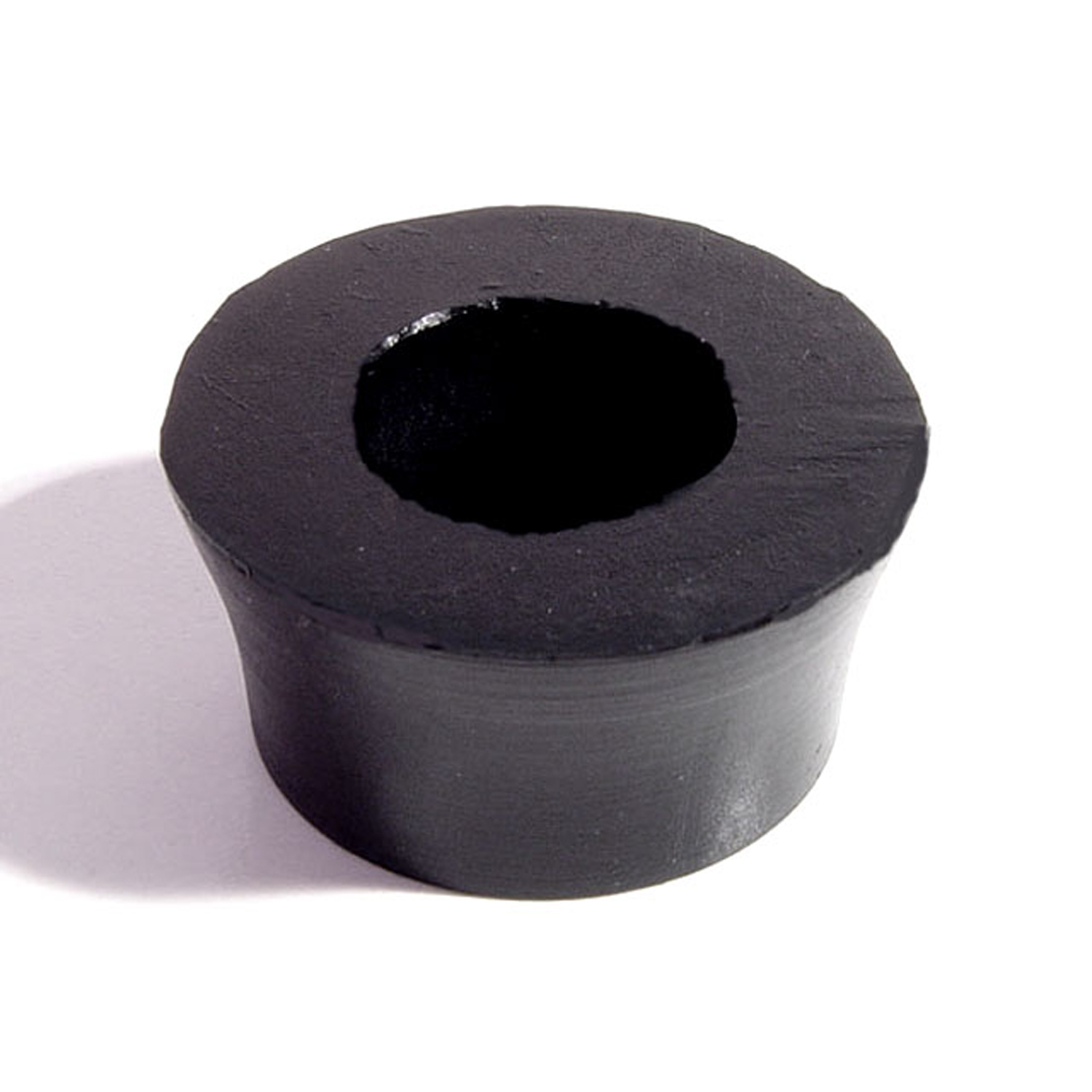 1937 Hudson Deluxe Eight Series 76 Shock Absorber Grommet. 1" bottom O.D., 5/8" high-BN 10Shock Absorber Grommet. 1" bottom O.D., 5/8" high., with 5/8" I.D. Each
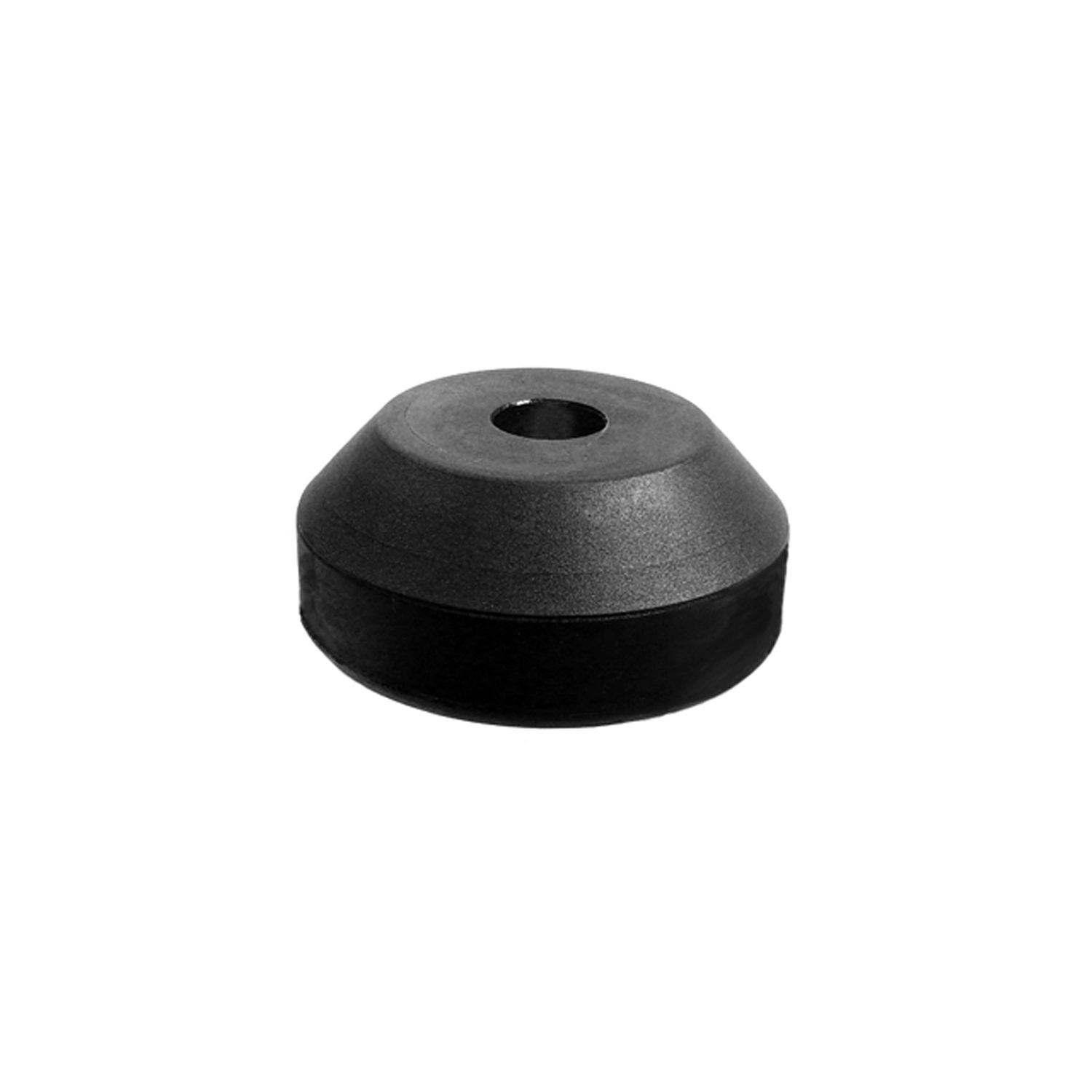 1937 Hudson Deluxe Eight Series 76 Upper Motor Mount. 5/8" I.D., 2-5/8" O.D. Each-MM 7-BUpper Motor Mount. 5/8" I.D., 2-5/8" O.D. Each
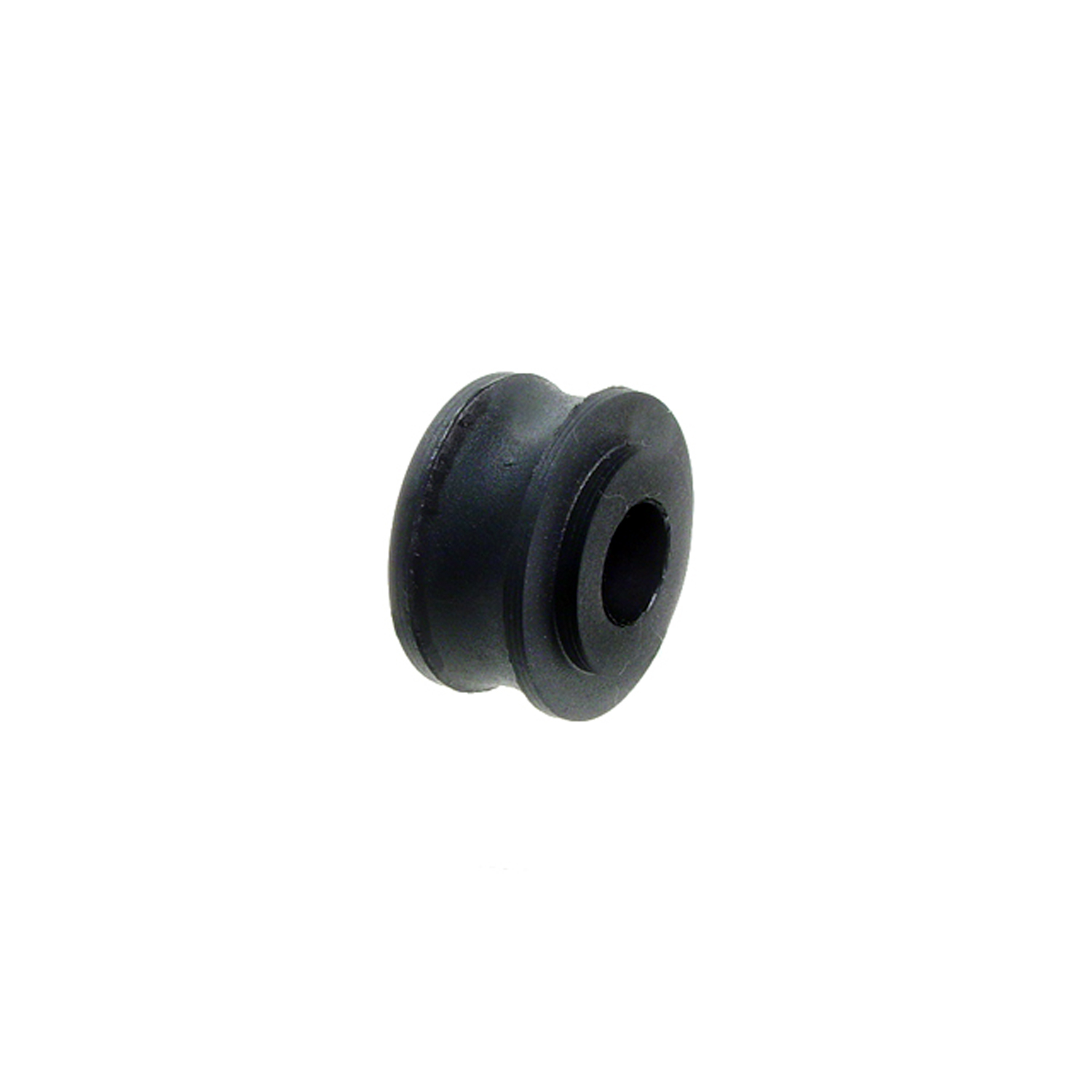 1937 Hudson Deluxe Eight Series 76 Lower Motor Mount. 5/8" I.D., 1-5/8" O.D. Each-MM 7-CLower Motor Mount. 5/8" I.D., 1-5/8" O.D. Each
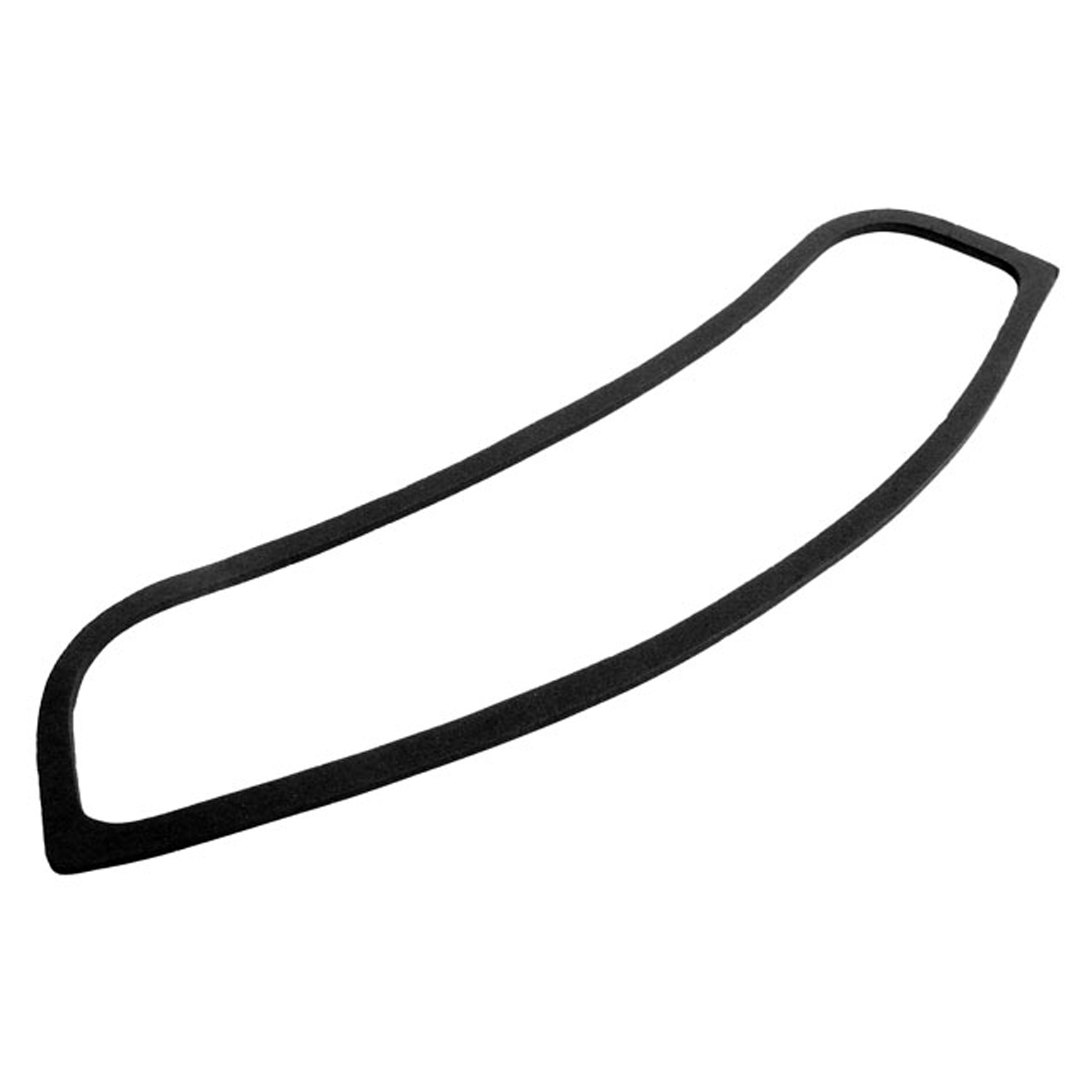 1937 Hudson Deluxe Eight Series 76 Cowl Vent Seal. 4-1/2" wide X 18-1/2" long. Each-RP 100-YCowl Vent Seal. 4-1/2" wide X 18-1/2" long. Each
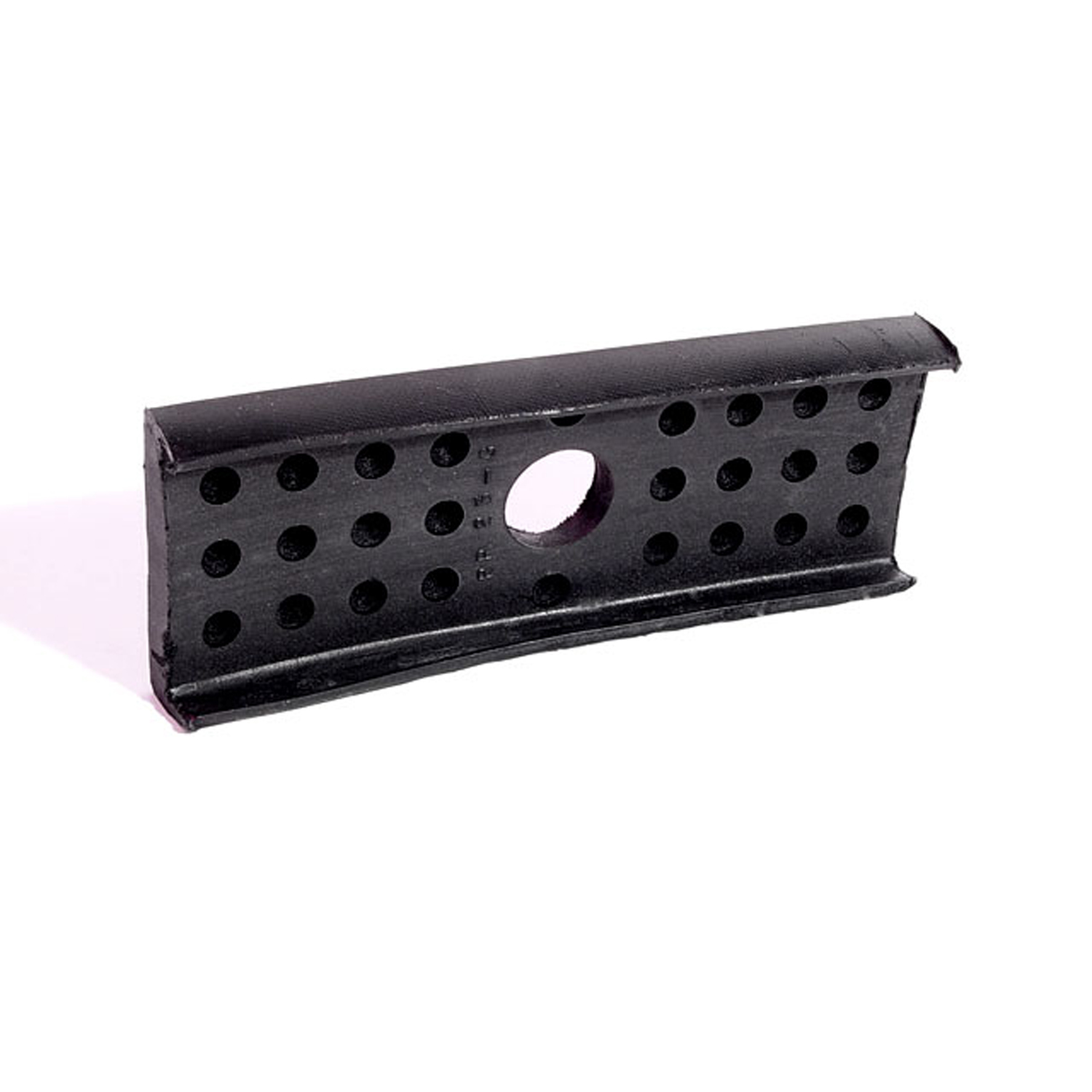 1937 Hudson Deluxe Eight Series 76 Rear Leaf Spring Center Mounting Insulator-RP 23-GRear Leaf Spring Center Mounting Insulator. For all 1-3/4" wide leaf springs. Each
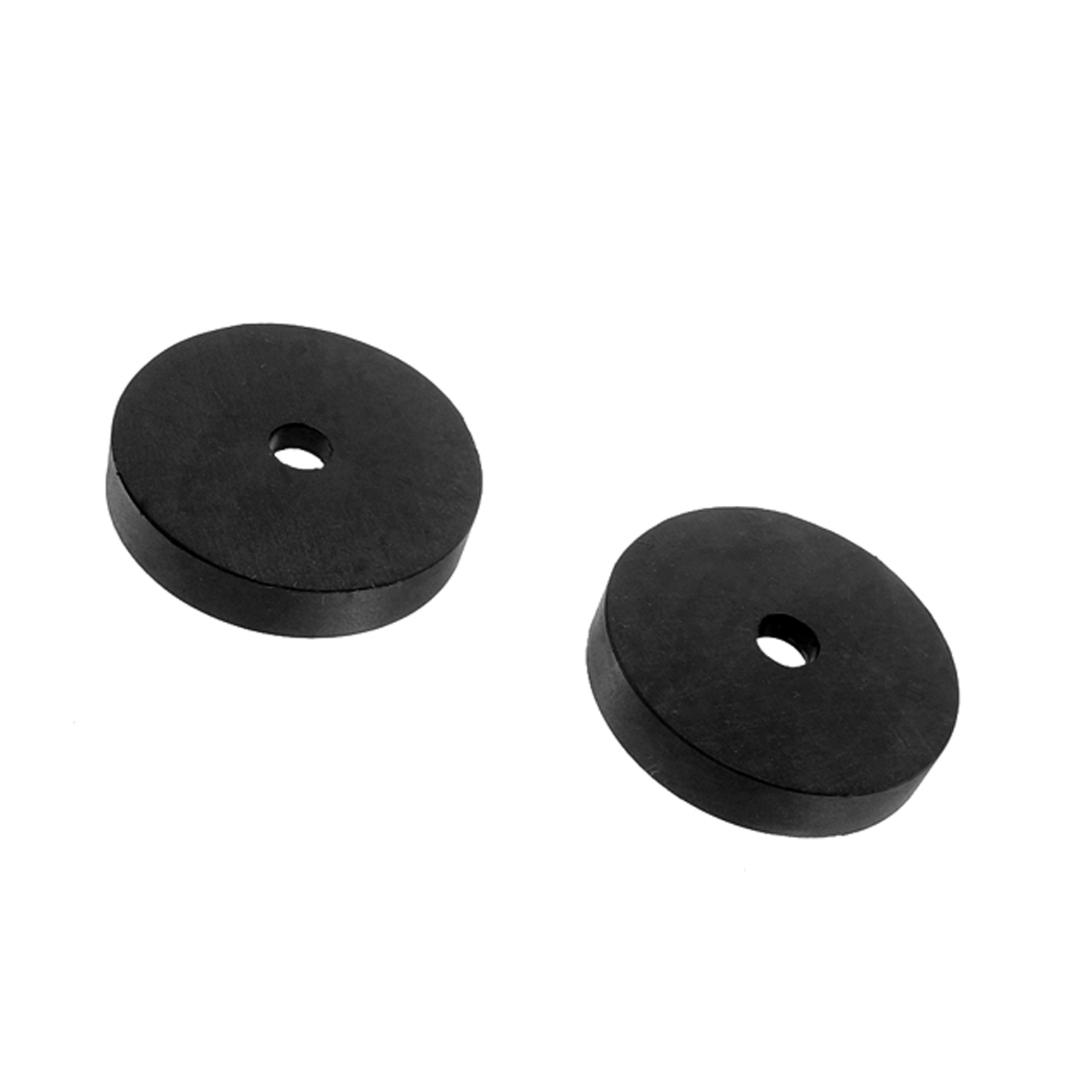 1937 Hudson Deluxe Eight Series 76 Clutch and Brake Seals. Seals fit on a round shaft-RP 31-NClutch and Brake Seals. Seals fit on a round shaft. Made of soft rubber. 2-7/16" O.D., 7/16" I.D. Pair
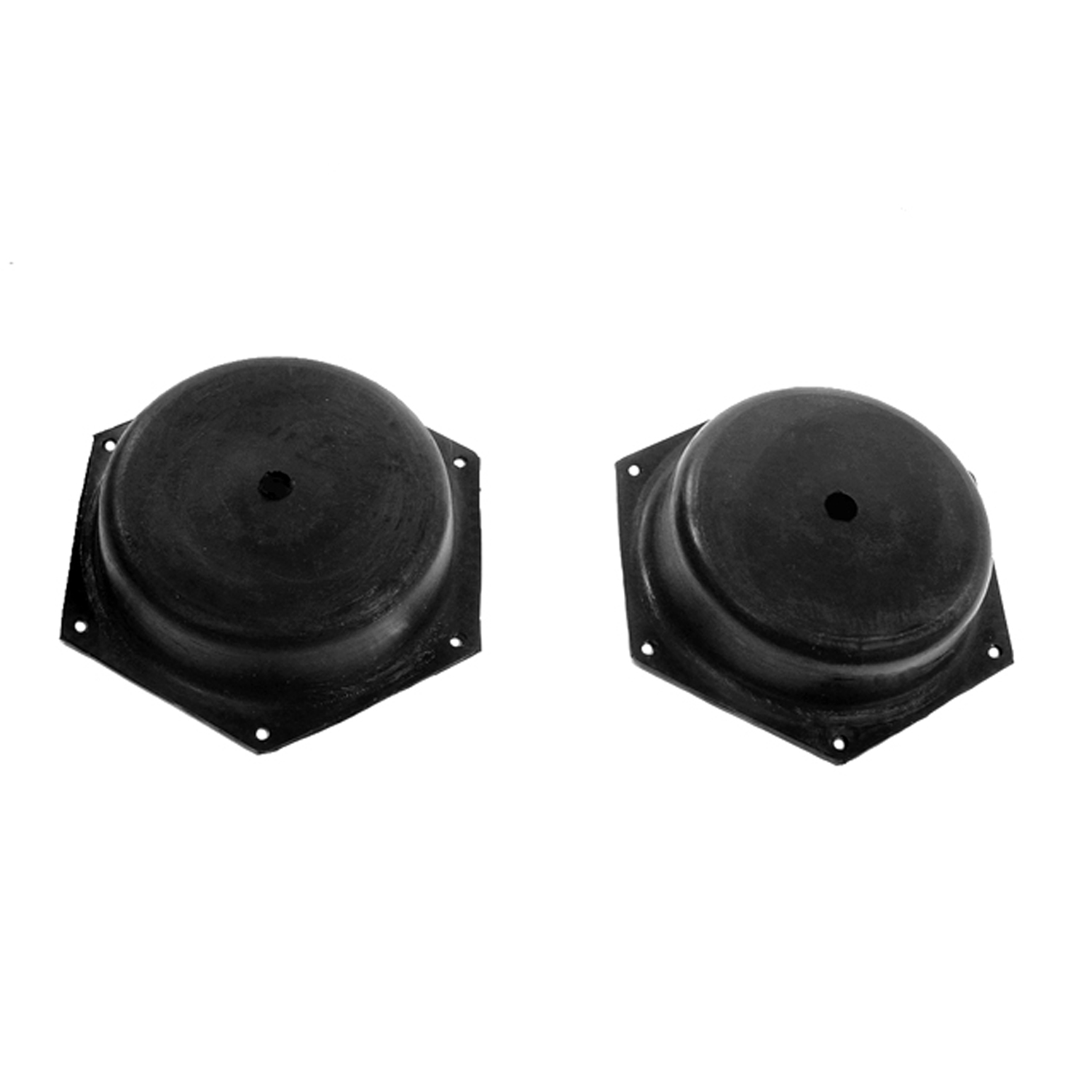 1937 Hudson Deluxe Eight Series 76 Drive Master Electric Shift Vacuum Diaphragm-RP 32-ADrive Master Electric Shift Vacuum Diaphragm. For all models with drive master system for standard transmission. Pair
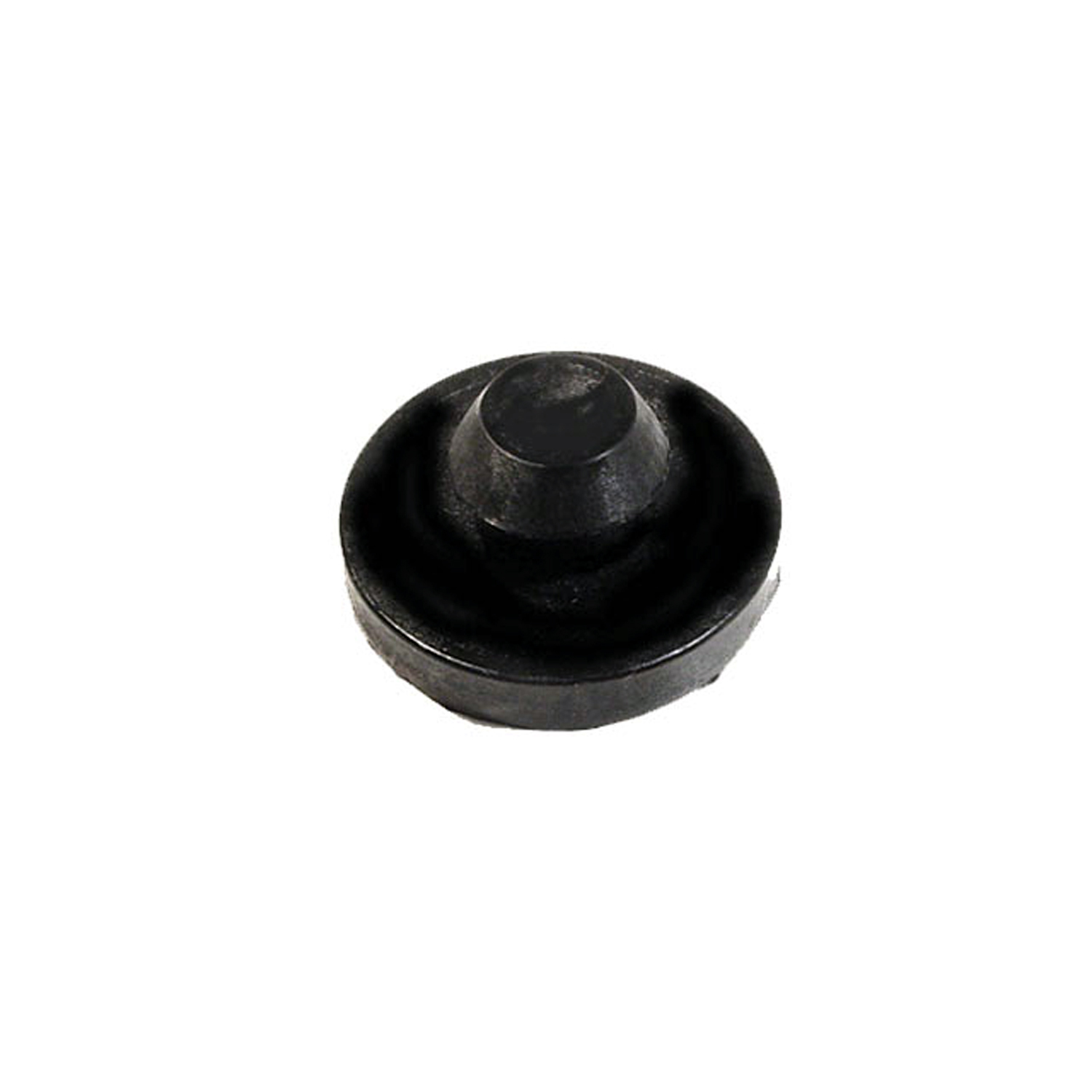 1937 Hudson Deluxe Eight Series 76 Clutch Linkage Cushion. 1/4" top thickness, 1-1/2" O.D-SB 33-AClutch Linkage Cushion. 1/4" top thickness, 1-1/2" O.D. Each
 1937 Hudson Deluxe Eight Series 76 Vertical Division Bar Seal. Enough for two vents. Each-VS 1Vertical Division Bar Seal. Enough for two vents. Each
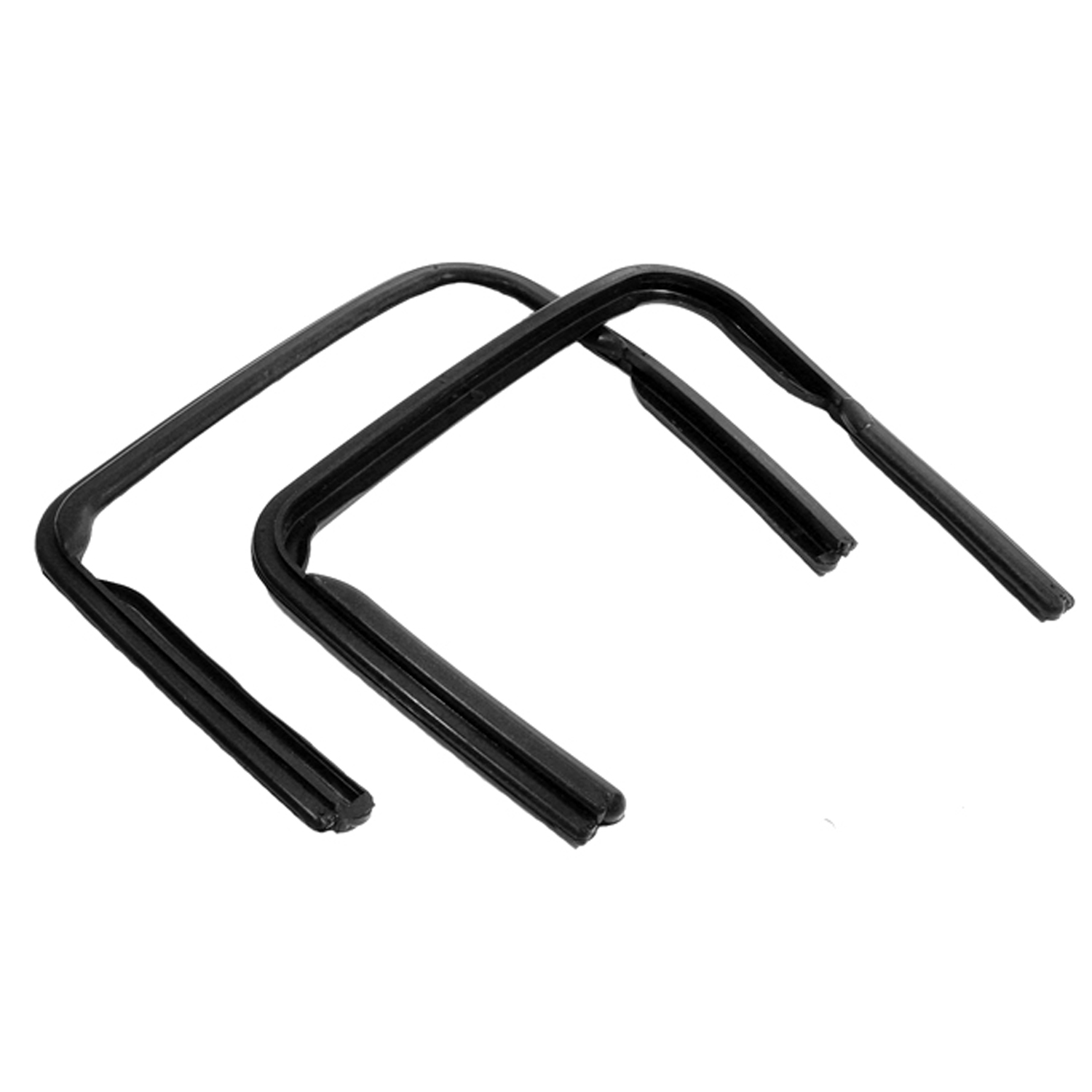 1937 Hudson Deluxe Eight Series 76 Front Vent Window Seals, for Convertibles-WR 9Front Vent Window Seals, for Convertibles. 25-1/4" long each. Pair R&L
Why Choose Metro?
For over 100 years, Metro Moulded Parts has been the pinnacle of quality in classic car restoration parts. Our commitment to precision and authenticity in every component ensures a perfect fit and an OEM-level appearance.
- Expert Craftsmanship & Quality: Each part is a testament to our dedication to reliability and perfection, crafted from original designs and thoroughly tested.
- Advanced Technology: We use cutting-edge techniques to create flawless, long-lasting parts that surpass others in performance.
- SuperSoft Sponge – The Ultimate Door Seal: Not only are our door seals 30% softer than competitors', but they're also guaranteed to never leak. They effectively reduce wind and road noise, enhancing your classic car's comfort and driving experience.
- Proudly American: Our parts are a product of American craftsmanship, made in the USA with a spirit of excellence and heritage.
- Unrivaled Warranty: We back our products with a 30-year industry-leading warranty, a testament to our confidence in their quality.
Join us in preserving the legacy of classic cars with parts that are crafted for perfection, not just made.