

Image of 1937 Hudson Series 73, Note: These illustrations use artistic license and may differ from actual historical models.
Performance Metrics
Fundamental Metrics
Emotional Appeal
MMP Rating
| Engine Specifications | |
|---|---|
| Engine: | Hudson 212 I6 |
| Displacement: | 212 cubic inches |
| Horsepower: | Estimated 101-102 hp |
| Torque: | Not available |
| Compression Ratio: | Not available |
| Ignition System: | Points and condenser |
| Cooling System: | Water-cooled |
| Performance Specifications | |
| 0-60 Time: | Not available |
| 1/4 Mile Time: | Not available |
| Top Speed: | Estimated 75-80 mph |
| Transmission and Drive | |
| Drive Type: | Rear-wheel drive |
| Transmission Type: | 3-speed manual |
| Fuel and Efficiency | |
| Fuel System Type: | Carburetor |
| MPG: | Not available |
| Dimensions and Brakes | |
| Brakes: | Drum brakes |
| Wheelbase: | 122 inches |
| Weight: | Estimated 3,200 lbs |
Note: Specifications for classic cars are given to the best of our ability, considering the limited and variant data available.
1937 Hudson Series 73: A Streamlined Six With Serious Character
The 1937 Hudson Series 73 brought six-cylinder power, confident road manners, and smartly streamlined styling to a generation of American cars still shaped by the Great Depression. Built by the Hudson Motor Car Company of Detroit, Michigan, it was part of the company’s regular Hudson lineup, distinct from the lower-priced Terraplane range.
Hudson had been founded in 1909 and built a reputation for engineering-minded cars. By 1937, the company was competing in a crowded market where buyers expected more comfort and style for their money. The Series 73 answered with a substantial, well-equipped car rather than a bare-bones economy model. Its place in the story is also a reminder that Hudson’s later fame for advanced engineering did not begin with the celebrated “step-down” cars of 1948. The company had already been refining ride, handling, and safety features for years.
A notable detail is that the Series 73 shared the era’s rapid shift toward more integrated, aerodynamic-looking bodies while retaining the upright presence and separate fenders that many enthusiasts associate with prewar American design.
Exterior Design and Cabin Comfort
The Series 73 has the poised, substantial look of a late-1930s Hudson. Its rounded front end centers on a tall grille, with a sculpted hood, separate headlamps, and flowing front fenders. Side louvers add visual texture to the long hood, while running boards bridge the gap between the fenders and the body. The overall shape is smoother than the boxier cars of the early 1930s, but it still wears its period details proudly.
Inside, the cabin was designed for comfortable motoring rather than bare utility. Depending on body style and trim, buyers could find broadcloth or mohair upholstery, with leather more commonly associated with open models. The wide bench seats, generous windows, and straightforward dashboard made the car feel roomy and approachable. Instrument-panel finishes and trim varied, so surviving cars may differ from one another even when they share the same series designation.
Paint and upholstery choices depended on body and equipment, but period colors typically included restrained dark shades alongside options such as blue, green, maroon, and lighter contrasting tones. Black remained a familiar choice, while two-tone treatments could emphasize the car’s sweeping fenders and body lines.
The Series 73 range included several closed and open body configurations, with sedan and coupe forms among the principal choices. Hudson offered variations by trim and body supplier, so exact names and availability could differ across catalogs and markets. The four-door sedan is often the most recognizable and practical version today. Coupes appeal to collectors seeking a sportier silhouette, while surviving open cars tend to attract extra attention because convertibles were produced in smaller numbers.
Engineering That Set Hudson Apart
At the heart of the Series 73 was Hudson’s 212.3-cubic-inch L-head inline-six, rated at about 101 horsepower. A three-speed manual transmission sent power to the rear wheels. Those figures were competitive for a six-cylinder car in its class, and the engine’s smooth, steady delivery suited the Hudson’s role as a comfortable touring machine.
Hudson’s engineering reputation also rested on ride and steering development. The company had introduced its “Radial Safety Control” independent front suspension before 1937, and the Series 73 benefited from the era’s move away from the rigid front-axle arrangements still found on many cars. Paired with a solid rear axle and leaf springs, the front suspension helped the car feel more composed over uneven pavement. Hydraulic brakes were another important feature for controlled stopping.
The Series 73 was not a single revolutionary breakthrough, but it represents Hudson’s broader approach: make a substantial car feel stable, comfortable, and responsive. That emphasis on packaging, ride, and road behavior formed part of the engineering culture that later produced Hudson’s more radical postwar designs.
Six-Cylinder Performance on the Road
Period road-test conditions, body weight, gearing, and mechanical condition all affect performance, so modern figures should be treated as estimates. A healthy Series 73 could likely reach roughly 80 to 85 mph, with 0-to-60 mph acceleration in the neighborhood of 20 to 25 seconds. It was not built to be a stoplight sprinter. Its strength was steady, relaxed progress on open roads.
On broken pavement, the independent front suspension helped take the edge off bumps, while the car’s size and wheelbase contributed to a settled ride. On winding roads, the Hudson feels like a substantial prewar automobile rather than a modern sports sedan: measured steering inputs and thoughtful braking are part of the experience. Narrow tires, a high driving position, and period steering geometry also mean that quick direction changes require more patience than they would in a contemporary car.
Behind the wheel, expect the muted mechanical hum of a long-stroke six, the deliberate movement of a manual gear lever, and a broad, comfortable view over the hood. The Series 73 rewards smooth driving. Its character is less about speed than about covering distance with dignity and a satisfying sense of mechanical connection.
Living With a Series 73
Today, most examples are used as show cars, touring cars, or occasional weekend drivers. A carefully maintained Hudson can handle local outings and classic-car events, but regular use calls for realistic expectations: it lacks modern traffic performance, crash protection, heating and ventilation, and the convenience of contemporary parts availability.
Many routine jobs are straightforward for an experienced home mechanic. The engine is a conventional, accessible design, and basic service work such as ignition, lubrication, and brake maintenance is familiar to vintage-car specialists. The bigger challenges are locating correct trim, body hardware, glass, and model-specific components. Before buying, inspect the frame and body for corrosion, check the engine for oil pressure and overheating, and give the hydraulic brakes a thorough evaluation. A car that has been stored for years may need a complete brake and fuel-system overhaul before it is safe to drive.
Parts support exists through Hudson clubs, specialist vendors, swap meets, and the classic-car community, but a Series 73 is not as easy to support as a mass-produced Ford or Chevrolet of the same year. Club contacts and marque-specific advice can make ownership much easier.
Hudson Series 73 Facts and Myths
The Series 73 is often overshadowed by more famous Hudsons, including the 1948-to-1954 “step-down” models and the later Hornet. That makes the 1937 car an appealing choice for enthusiasts who want something distinctive without choosing the marque’s best-known headline model.
There is no widely recognized speed, sales, or endurance record associated specifically with the Series 73, and it is not especially tied to a single famous celebrity or historical event. Hudson itself later contributed heavily to wartime manufacturing, but that company history should not be mistaken for a special record held by this particular model.
A common criticism is that the car can feel slow by modern standards and that its large, prewar dimensions take practice in tight spaces. Parts availability can also test an owner’s patience. Those drawbacks are balanced by its comfortable ride, attractive proportions, and less-common presence at shows.
Collector Values and Availability
Exact production totals for individual 1937 Hudson body styles and series are not consistently reported in commonly available references, and figures are sometimes grouped across model lines. As a broad estimate rather than a verified factory total, Series 73 production may have been in the range of roughly 15,000 to 30,000 cars. The number of surviving, roadworthy examples is much smaller, but it is not possible to give a dependable global survivor count.
In the U.S. market, a project car or rough driver might sell for about $8,000 to $18,000. A sound, usable sedan could fall around $20,000 to $40,000, while a high-quality restoration may bring roughly $40,000 to $65,000 or more. Desirable open body styles, exceptional originality, or rare equipment can push values higher. These are broad guide ranges, not appraisals; condition, documentation, body style, and the quality of any restoration matter enormously.
Values for prewar Hudsons tend to move more gradually than those for heavily promoted collector cars. The Series 73 has a devoted but relatively specialized audience, so prices are generally driven by condition and rarity of body style rather than a sudden market surge. Well-preserved examples may hold or appreciate in value, while poorly executed restorations can be difficult to sell at a premium.
Why the 1937 Hudson Series 73 Still Matters
The 1937 Hudson Series 73 combines a smooth 212-cubic-inch six, thoughtful chassis engineering, and streamlined prewar styling in a comfortable, substantial package. It was not a record-breaker, but it reflected Hudson’s commitment to making cars that felt composed and well engineered. For collectors, it offers an engaging way into the Hudson story and a distinctive alternative to more familiar classics.
Drive one at its own pace and the appeal becomes clear: the Series 73 is a handsome reminder of an era when comfort, craftsmanship, and mechanical character made every journey feel like an occasion.
1937 Hudson Series 73 Catalog of Parts
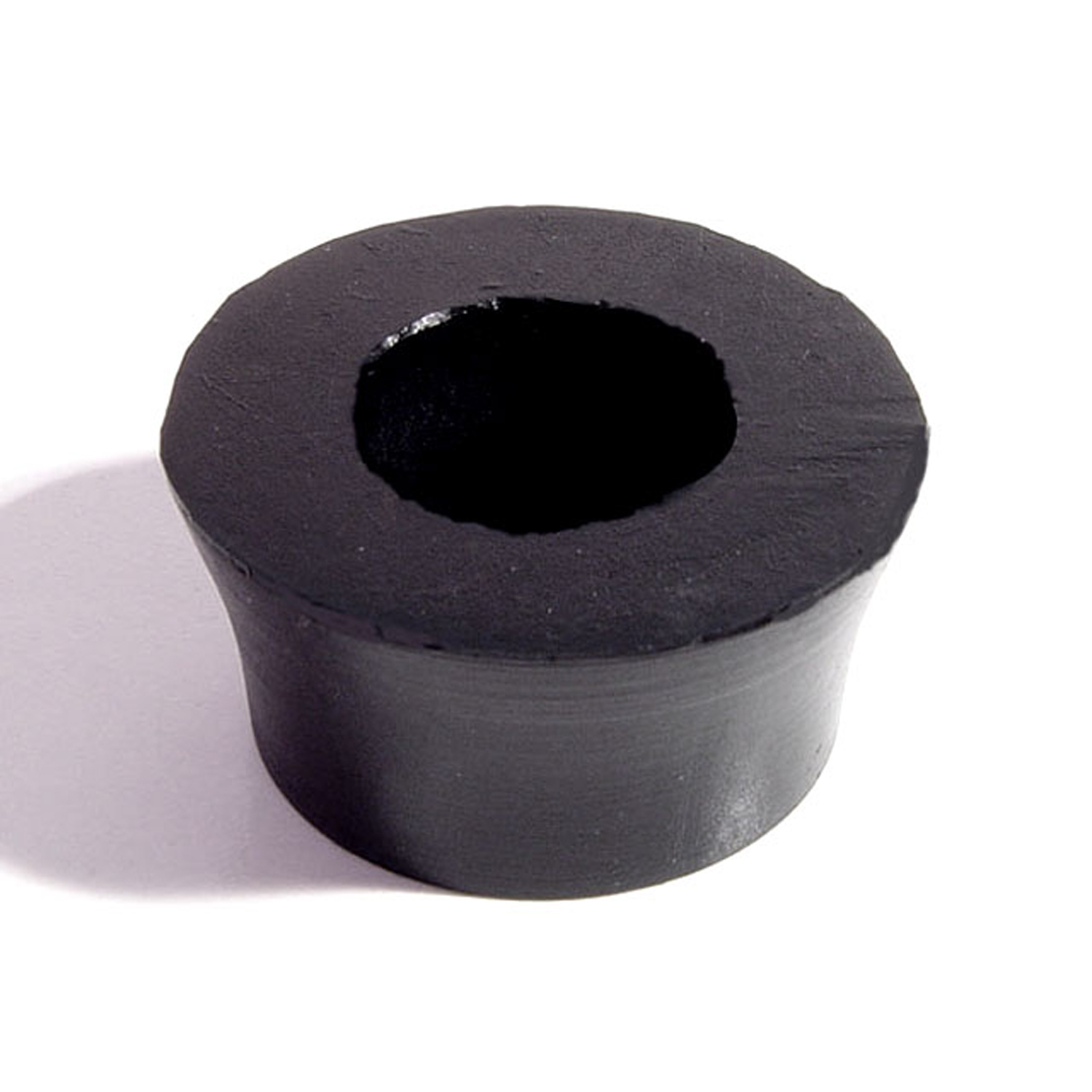 1937 Hudson SERIES 73 Shock Absorber Grommet. 1" bottom O.D., 5/8" high-BN 10Shock Absorber Grommet. 1" bottom O.D., 5/8" high., with 5/8" I.D. Each
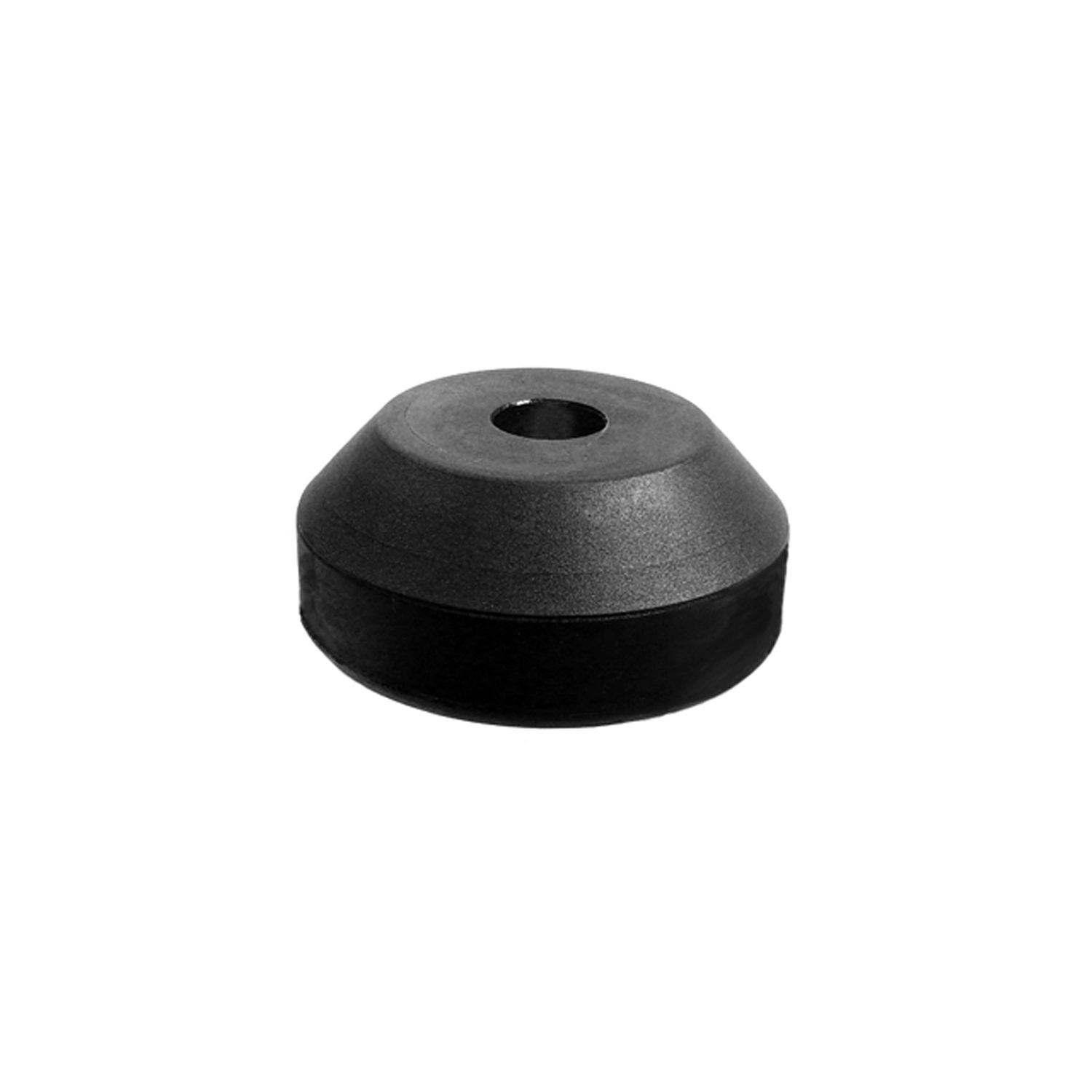 1937 Hudson SERIES 73 Upper Motor Mount. 5/8" I.D., 2-5/8" O.D. Each-MM 7-BUpper Motor Mount. 5/8" I.D., 2-5/8" O.D. Each
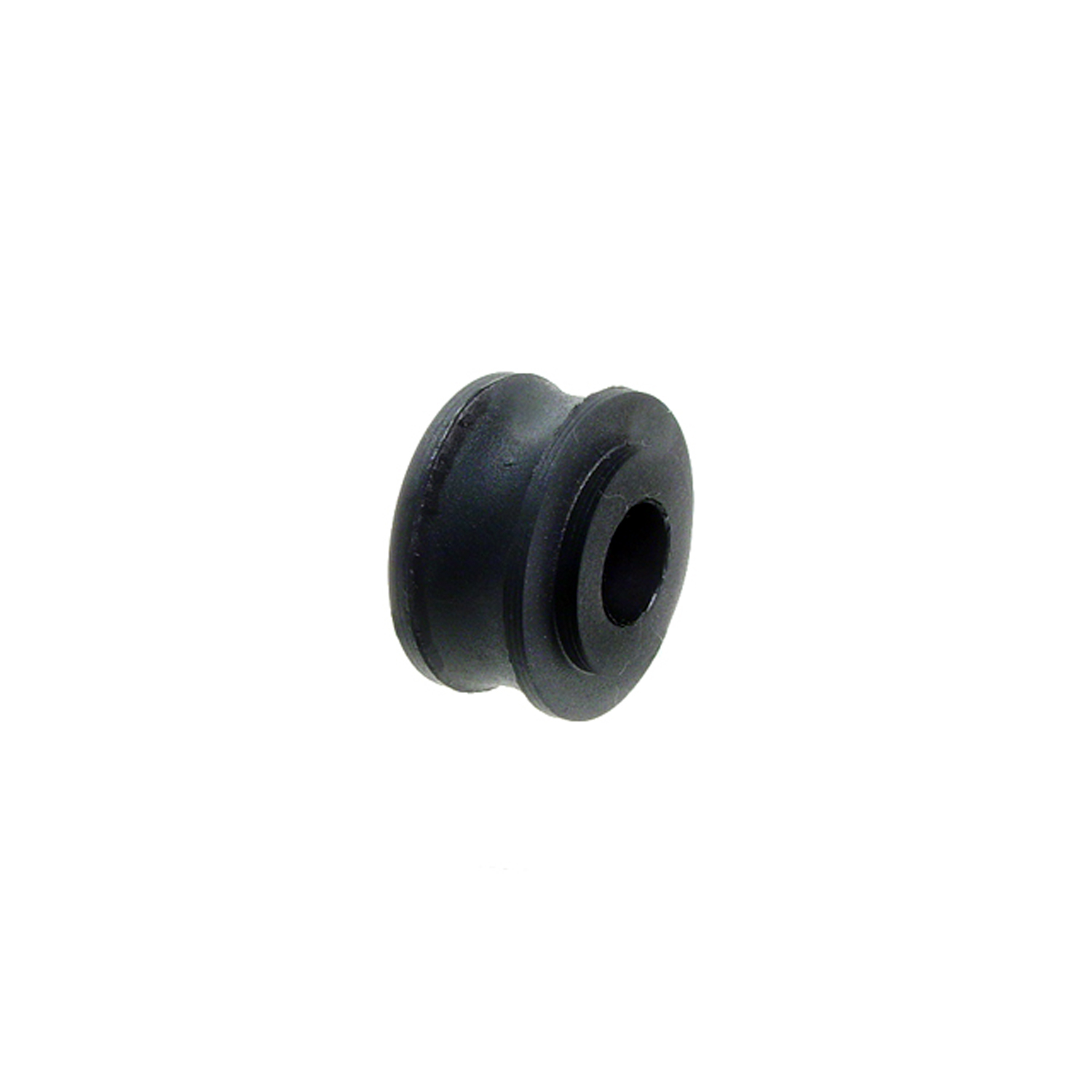 1937 Hudson SERIES 73 Lower Motor Mount. 5/8" I.D., 1-5/8" O.D. Each-MM 7-CLower Motor Mount. 5/8" I.D., 1-5/8" O.D. Each
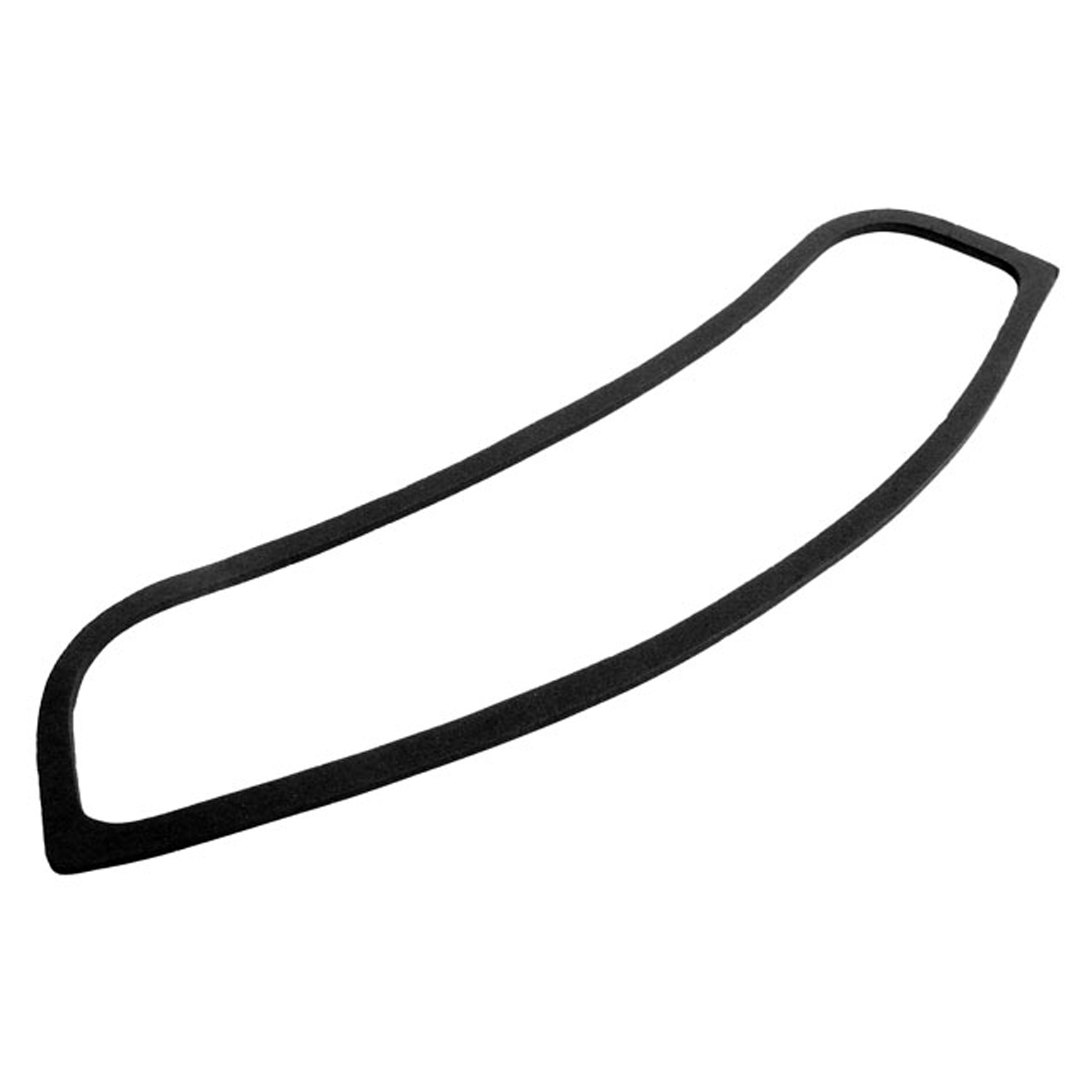 1937 Hudson SERIES 73 Cowl Vent Seal. 4-1/2" wide X 18-1/2" long. Each-RP 100-YCowl Vent Seal. 4-1/2" wide X 18-1/2" long. Each
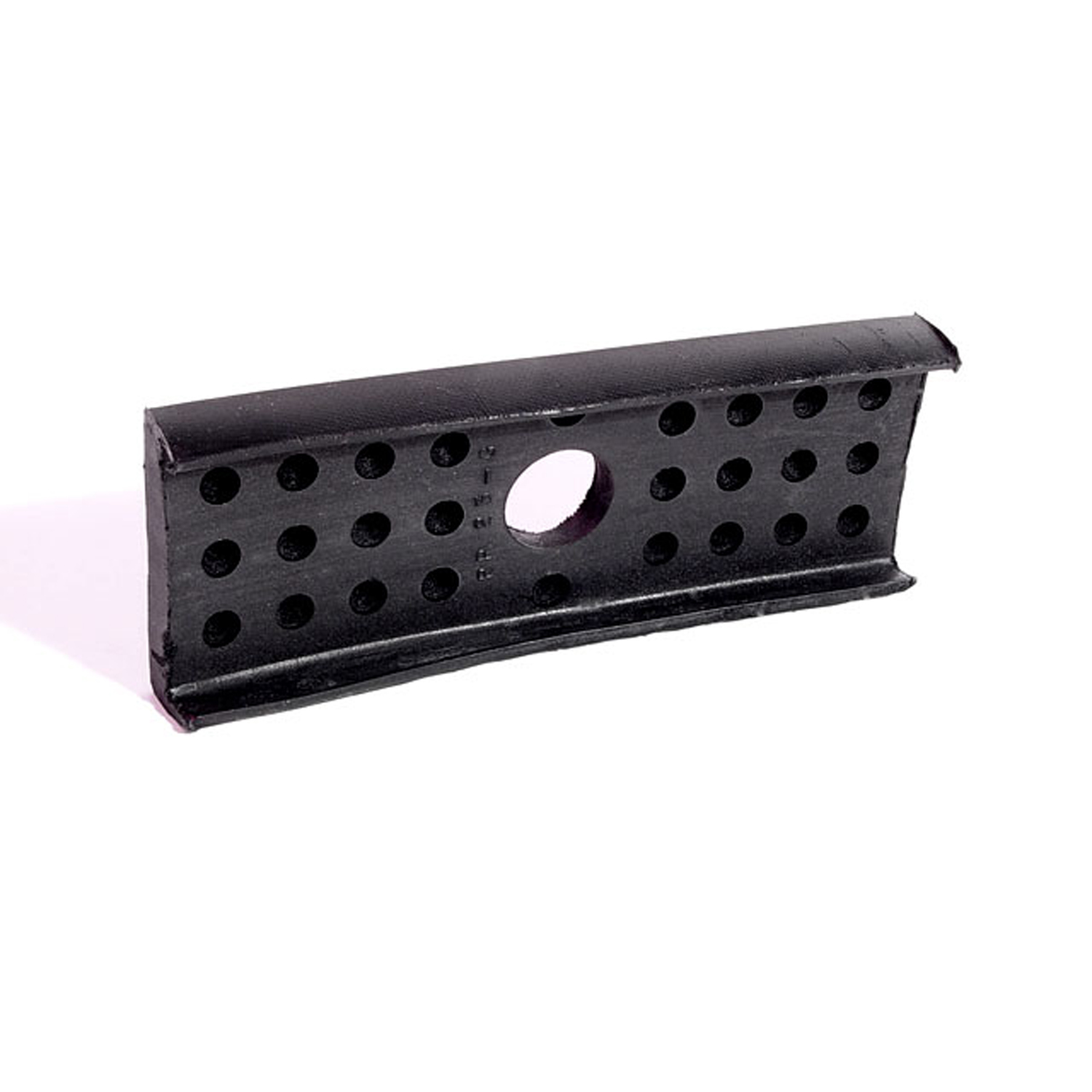 1937 Hudson SERIES 73 Rear Leaf Spring Center Mounting Insulator-RP 23-GRear Leaf Spring Center Mounting Insulator. For all 1-3/4" wide leaf springs. Each
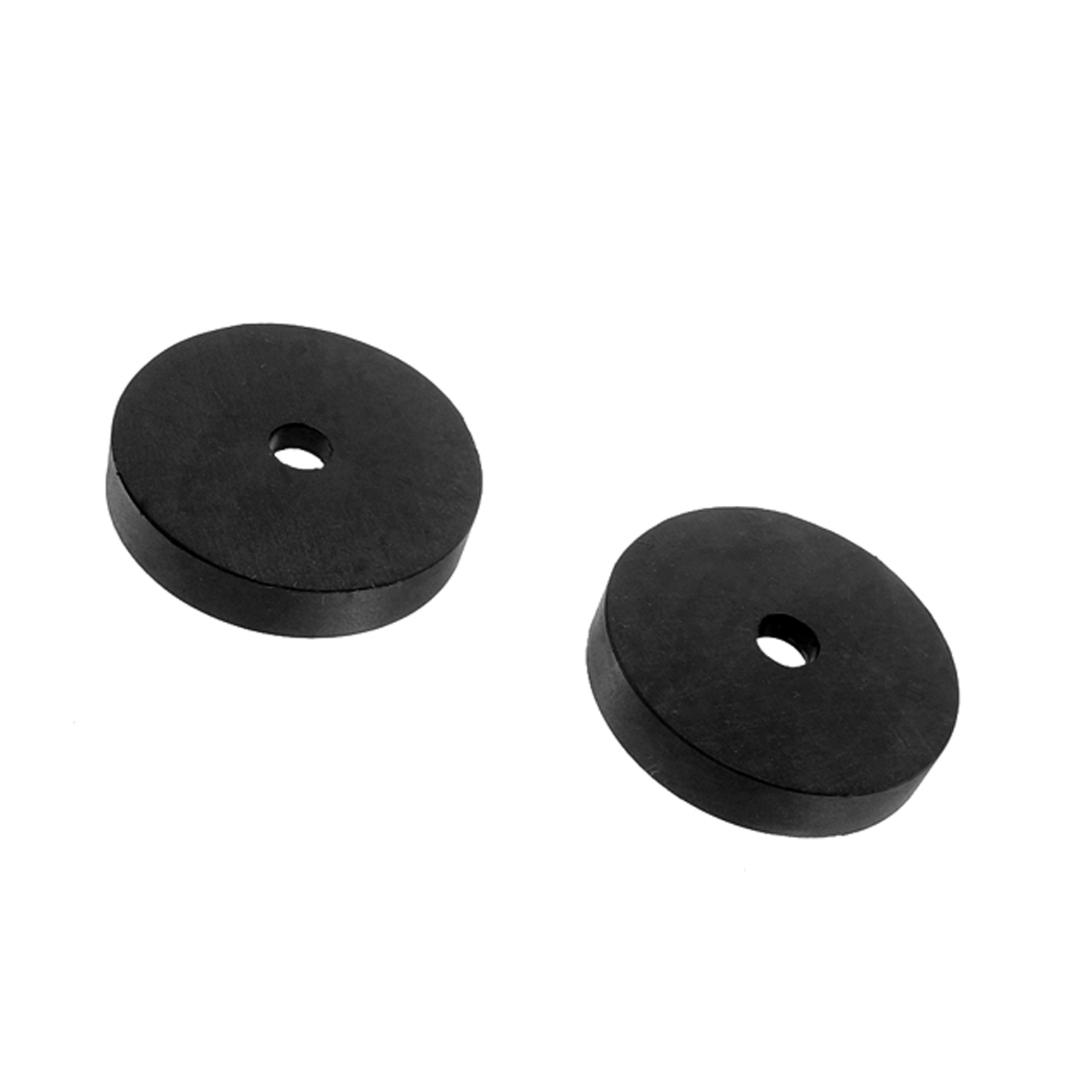 1937 Hudson SERIES 73 Clutch and Brake Seals. Seals fit on a round shaft-RP 31-NClutch and Brake Seals. Seals fit on a round shaft. Made of soft rubber. 2-7/16" O.D., 7/16" I.D. Pair
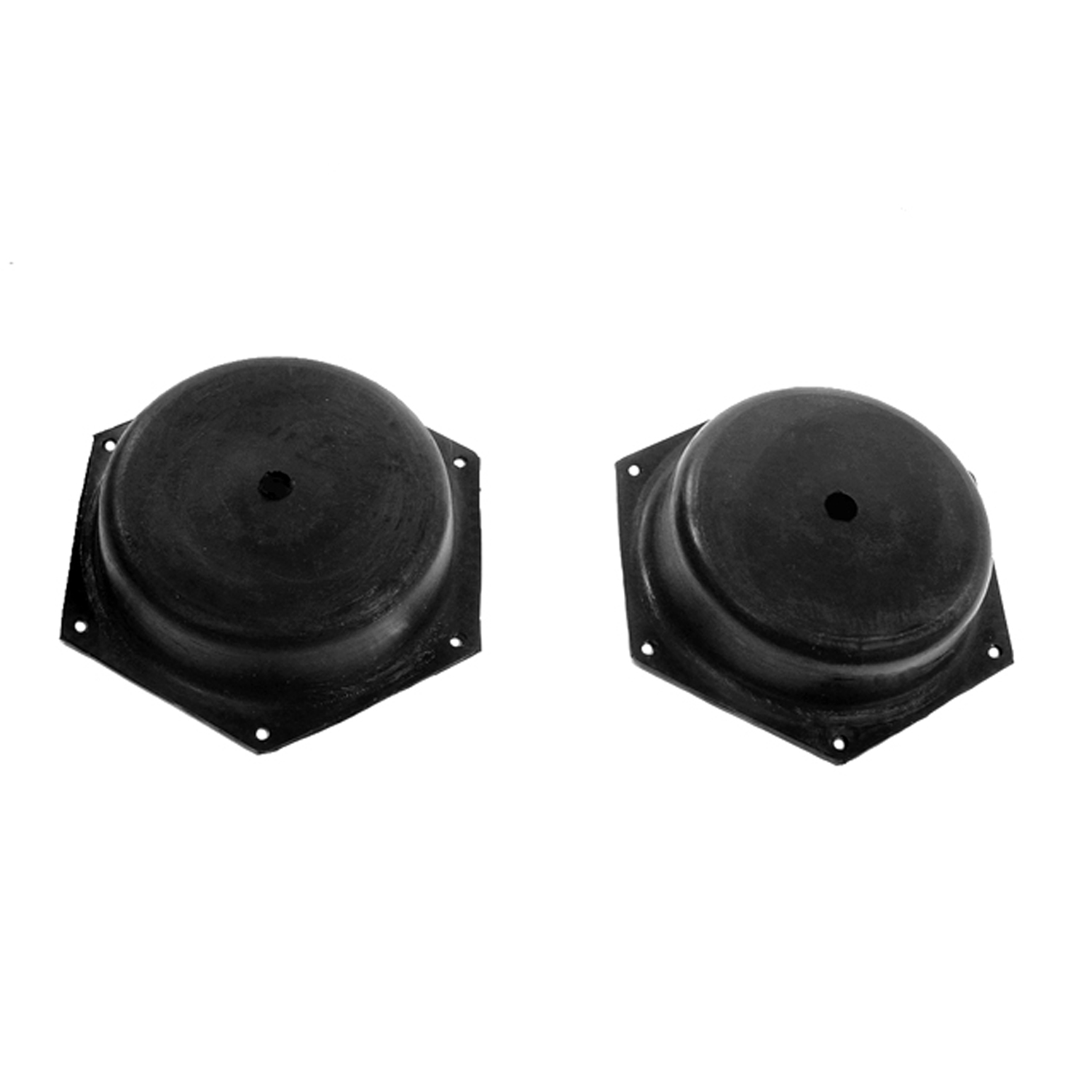 1937 Hudson SERIES 73 Drive Master Electric Shift Vacuum Diaphragm-RP 32-ADrive Master Electric Shift Vacuum Diaphragm. For all models with drive master system for standard transmission. Pair
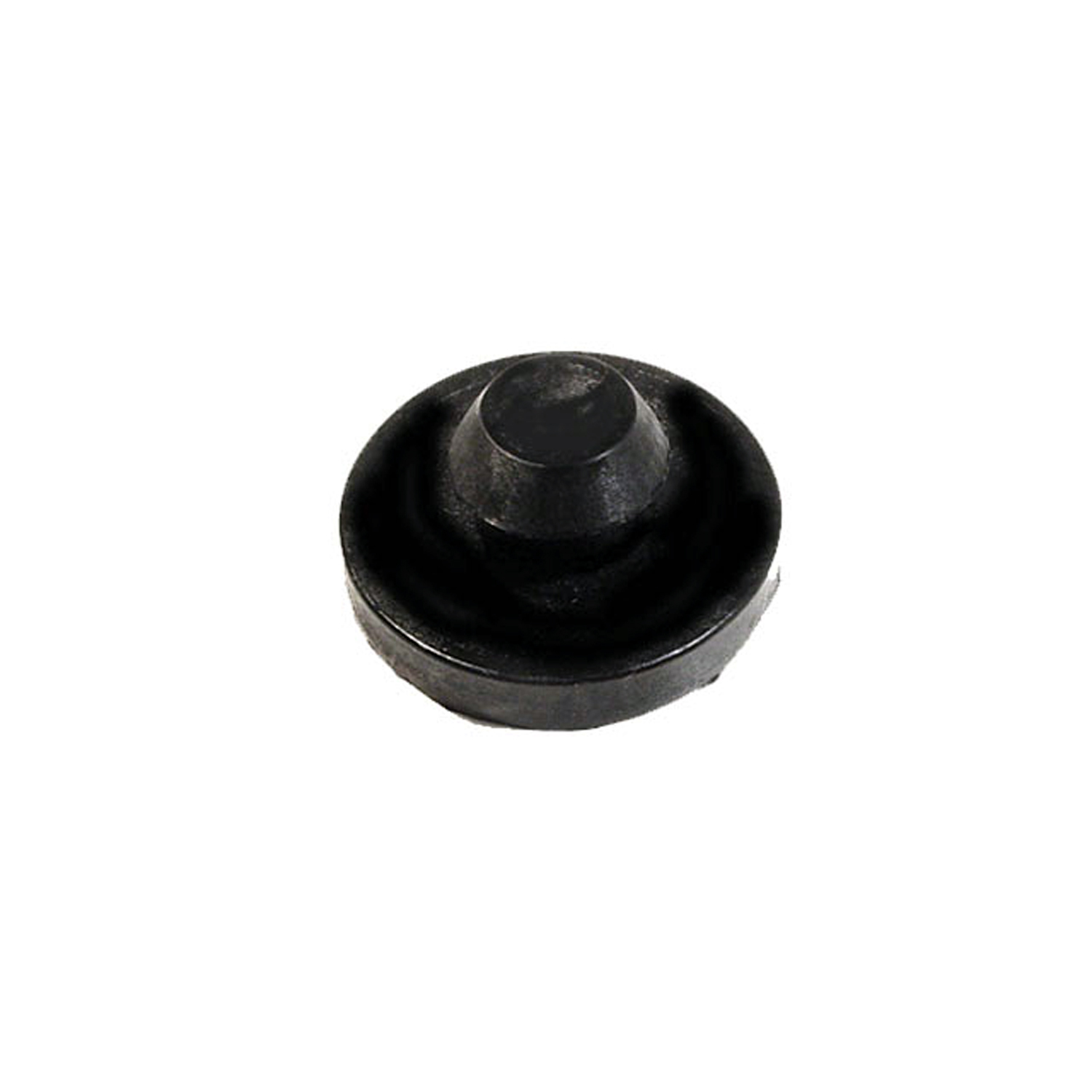 1937 Hudson SERIES 73 Clutch Linkage Cushion. 1/4" top thickness, 1-1/2" O.D-SB 33-AClutch Linkage Cushion. 1/4" top thickness, 1-1/2" O.D. Each
 1937 Hudson SERIES 73 Vertical Division Bar Seal. Enough for two vents. Each-VS 1Vertical Division Bar Seal. Enough for two vents. Each
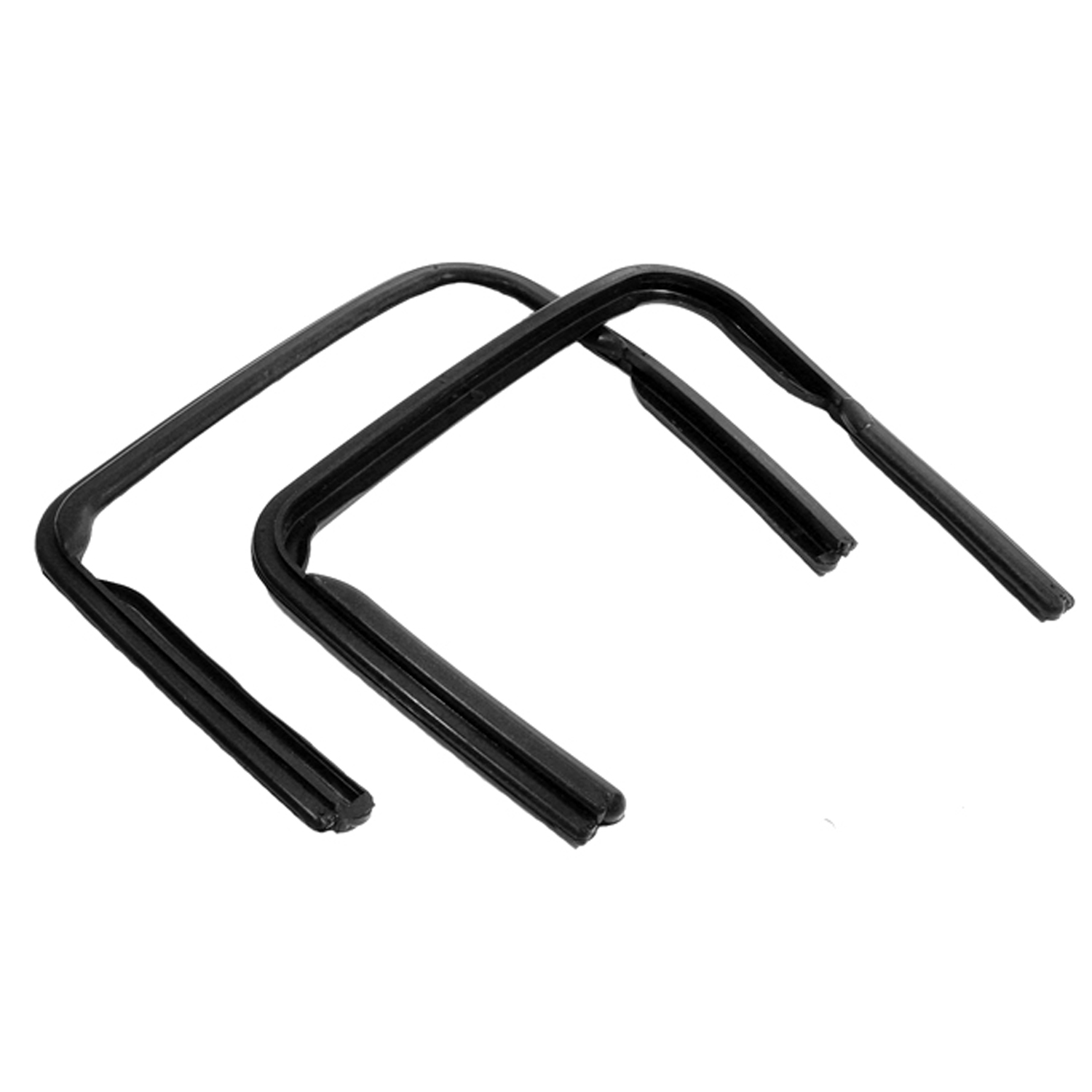 1937 Hudson SERIES 73 Front Vent Window Seals, for Convertibles-WR 9Front Vent Window Seals, for Convertibles. 25-1/4" long each. Pair R&L
Why Choose Metro?
For over 100 years, Metro Moulded Parts has been the pinnacle of quality in classic car restoration parts. Our commitment to precision and authenticity in every component ensures a perfect fit and an OEM-level appearance.
- Expert Craftsmanship & Quality: Each part is a testament to our dedication to reliability and perfection, crafted from original designs and thoroughly tested.
- Advanced Technology: We use cutting-edge techniques to create flawless, long-lasting parts that surpass others in performance.
- SuperSoft Sponge – The Ultimate Door Seal: Not only are our door seals 30% softer than competitors', but they're also guaranteed to never leak. They effectively reduce wind and road noise, enhancing your classic car's comfort and driving experience.
- Proudly American: Our parts are a product of American craftsmanship, made in the USA with a spirit of excellence and heritage.
- Unrivaled Warranty: We back our products with a 30-year industry-leading warranty, a testament to our confidence in their quality.
Join us in preserving the legacy of classic cars with parts that are crafted for perfection, not just made.