

Image of 1938 Hudson Country Club Series 87, Note: These illustrations use artistic license and may differ from actual historical models.
Performance Metrics
Fundamental Metrics
Emotional Appeal
MMP Rating
| Engine Specifications | |
|---|---|
| Engine: | 254.5 cu in (4.2 L) I8 |
| Displacement: | 254.5 cu in (4.2 L) |
| Horsepower: | 122 hp |
| Torque: | Estimated 200 lb-ft |
| Compression Ratio: | 6.5:1 |
| Ignition System: | Battery and coil |
| Cooling System: | Liquid-cooled |
| Performance Specifications | |
| 0-60 Time: | Information not available |
| 1/4 Mile Time: | Information not available |
| Top Speed: | 85 mph |
| Transmission and Drive | |
| Drive Type: | Rear-wheel drive |
| Transmission Type: | 3-speed manual |
| Fuel and Efficiency | |
| Fuel System Type: | Carburetor |
| MPG: | Estimated 15-20 mpg |
| Dimensions and Brakes | |
| Brakes: | Hydraulic drum brakes |
| Wheelbase: | 125 inches |
| Weight: | 3,400 lbs |
Note: Specifications for classic cars are given to the best of our ability, considering the limited and variant data available.
1938 Hudson Country Club Series 87: A Refined American Six
The 1938 Hudson Country Club Series 87 paired the confident proportions of a prewar American sedan with the engineering-minded character that made Hudson stand out. Built by the Hudson Motor Car Company of Detroit, Michigan, it belonged to an era when automakers were competing to make family cars roomier, smoother, and more stylish without losing their usefulness.
The Series 87 is generally identified as a Hudson Six Country Club model, typically powered by a 212-cubic-inch inline-six. Exact equipment could vary with body style and factory options, so surviving cars should be checked by serial number and original documentation. The Country Club name referred to an upscale closed-car treatment, not a station wagon.
One intriguing detail is that a Hudson of this period could be ordered with the company’s Electric Hand gearshift. It moved the gear-selection control to a small lever near the steering wheel, while the driver still operated a conventional clutch. It was an early example of manufacturers trying to make manual shifting feel more modern and convenient.
Streamlined Styling and Country Club Comfort
The Series 87 wore the graceful, rounded lines typical of the late 1930s. Its tall hood flowed into a broad front grille, while separate front fenders swept back around the wheels. The rounded roof and integrated-looking rear body gave the sedan a more unified appearance than the upright cars of just a few years earlier. Bright trim and carefully shaped lamps added distinction without overwhelming the body.
Inside, the emphasis was on space and comfort. The wide bench seats were commonly upholstered in durable cloth, often with a patterned or broadcloth finish. Door panels and the dashboard carried period-appropriate trim, including woodgrain-style finishes on some surfaces. Materials and details could differ by equipment level, but the cabin was designed to feel substantial and welcoming rather than sporty or spartan.
Hudson offered a range of factory colors during the period, with choices that could include dark blue, green, maroon, gray, and black, alongside lighter combinations and two-tone treatments depending on the body and order. Darker shades suited the car’s formal character, while two-tone paint emphasized its long fenders and flowing roofline. Exact paint choices changed across production and should be confirmed from period paint charts or the car’s records.
Country Club cars were closed-body models, with sedan configurations among the most familiar. Hudson’s wider 1938 range included other body styles and trim variations, but the Series 87 is most closely associated with the comfortable six-cylinder sedan. For collectors, the four-door version captures the model’s intended role particularly well: a roomy family car with a more polished look than an entry-level runabout.
Hudson Engineering in a Competitive Era
Hudson had built its reputation on practical innovation, and the 1938 Series 87 benefited from the company’s focus on ride quality and road manners. Hudson was using independent front suspension on its full-size cars by this period, helping the front wheels respond more independently to uneven pavement than a simple solid front axle would. Combined with its substantial chassis and hydraulic brakes, this gave the car a composed, modern-for-its-time feel.
The Series 87 was not a radical design in the way Hudson’s postwar “step-down” cars would be. Its importance lies instead in how it brought thoughtful engineering and well-proportioned styling to a conventional, usable sedan. Compared with many rivals, Hudson’s cars had a reputation for sturdy construction and strong performance for their class. The model also represents a mature point in the development of the American six-cylinder family car, before wartime production halted civilian automobile manufacturing.
Six-Cylinder Performance and Road Manners
A typical Series 87 six used Hudson’s 212-cubic-inch L-head inline engine, rated at about 101 horsepower. Power went to the rear wheels through a three-speed manual transmission. Period gearing, tire condition, engine tune, and body configuration all affected performance, but a reasonable modern estimate for a sound example is a top speed in the neighborhood of 80 to 85 mph and a 0-to-60-mph time of roughly 20 to 24 seconds. These are estimates rather than guaranteed factory test figures for every car.
The Hudson was built for steady progress, not quick launches. Its six-cylinder engine delivered useful low-speed pulling power, and the car felt most at home cruising at moderate road speeds. On broken pavement, the long wheelbase and compliant suspension helped soften sharp impacts. On winding roads, its size and period steering required more planning and effort than a modern car, but the chassis could feel reassuring when driven smoothly.
Behind the wheel, expect a deep, even six-cylinder thrum rather than a sharp, high-revving note. The manual gearbox and clutch make the driver part of the experience, while the broad bench seat and upright driving position encourage relaxed touring. Steering is typically heavier at parking speeds, and the brakes require more anticipation than modern power-assisted systems. A well-maintained car should feel composed, but it is still a nearly 90-year-old vehicle and should be driven accordingly.
Living With a 1938 Hudson
Today, a Country Club Series 87 is best suited to weekend touring, local shows, historic motoring events, and careful collecting. Some owners use their cars regularly in fair weather, but modern traffic demands defensive driving and frequent attention to mechanical condition. It is not a natural choice for high-speed commuting or daily use in all weather.
Routine maintenance is approachable for an experienced home mechanic. The engine is mechanically straightforward, and many service tasks rely on familiar tools and conventional techniques. The bigger challenge is sourcing correct trim, body parts, interior materials, and model-specific components. Before purchase, inspect the frame and body for rust, check the cooling system and brakes, and look for evidence of careful electrical work. A car that has been stored for years may need far more than a quick tune-up, even if it starts and runs.
Parts availability is mixed. Common mechanical items may be obtainable through vintage-car suppliers or Hudson clubs, while correct restoration pieces can take patience, networking, and sometimes custom fabrication. A detailed pre-purchase inspection by someone familiar with prewar Hudsons can save considerable time and expense.
Notable Details and Common Myths
The Electric Hand gearshift is one of the most memorable period options associated with Hudson. It offered a more convenient location for selecting gears, but it did not make the car an automatic: the driver still used the clutch. It is a clever feature to find on a surviving example, though its presence, operation, and originality should be verified.
The Series 87 should not be confused with the later Hudson Hornet, the celebrated NASCAR contender of the early 1950s. Nor should the car be credited with the records and racing achievements of other Hudson models without specific evidence. The 1938 Country Club’s appeal is more grounded: it was a substantial, well-engineered road car built for ordinary owners in an era of rapid styling and mechanical change.
Its main criticisms are typical of prewar sedans. It is heavy, slow by modern standards, less maneuverable in tight spaces, and short on contemporary safety equipment. Original parts and trim can also be difficult to find. Those drawbacks are balanced by its distinctive styling, mechanical character, and the comfort it offered when new.
Collector Values and Rarity
Exact Series 87 production figures are difficult to establish because published totals do not always break out individual body styles and trim designations. As a working estimate, production of the specific Country Club Series 87 configuration was likely in the several-thousand range, perhaps roughly 3,000 to 8,000 cars. That is an estimate, not a verified factory total. Surviving examples are much less common, especially cars with original details or high-quality restorations.
In the current U.S. collector market, a project or incomplete car might bring roughly $5,000 to $12,000. A usable driver could fall around $15,000 to $30,000, while a well-restored example may reach approximately $30,000 to $50,000 or more. Exceptional condition, documented history, desirable equipment, and strong presentation can lift a car beyond that range. These are broad estimates; actual prices depend heavily on condition and the buyer’s interest in prewar Hudsons.
Values for mainstream prewar sedans have generally been steady rather than explosive. Exceptional restorations can command strong prices, but ordinary examples face a smaller buyer pool than more famous classics. Over time, well-preserved Hudsons may benefit from growing appreciation for distinctive prewar American engineering, although restoration costs can exceed a car’s market value.
Why the 1938 Hudson Still Matters
The 1938 Hudson Country Club Series 87 offers a compelling mix of practical six-cylinder performance, comfortable proportions, and thoughtful engineering. Its independent front suspension, available Electric Hand shifting, and carefully shaped bodywork show how Hudson tried to make everyday motoring more refined without turning the car into a luxury-only indulgence.
It may not have the fame of the postwar Hornet or the radical design of Hudson’s later step-down models, but the Series 87 tells an important story about the American automobile between the wars. It is a handsome, usable piece of Hudson history, and every mile in one brings its era back to life.
1938 Hudson Country Club Series 87 Catalog of Parts
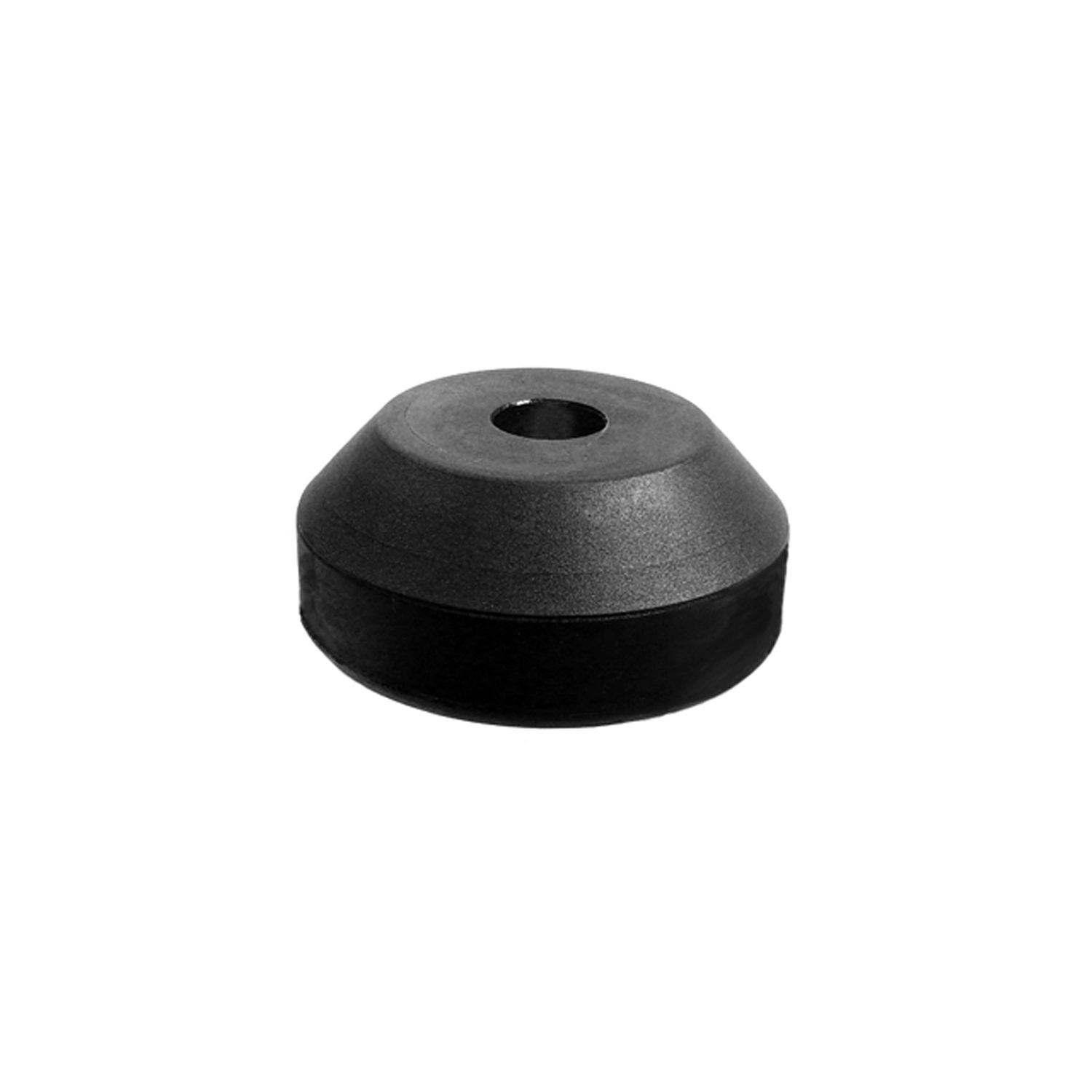 1938 Hudson Country Club Series 87 Upper Motor Mount. 5/8" I.D., 2-5/8" O.D. Each-MM 7-BUpper Motor Mount. 5/8" I.D., 2-5/8" O.D. Each
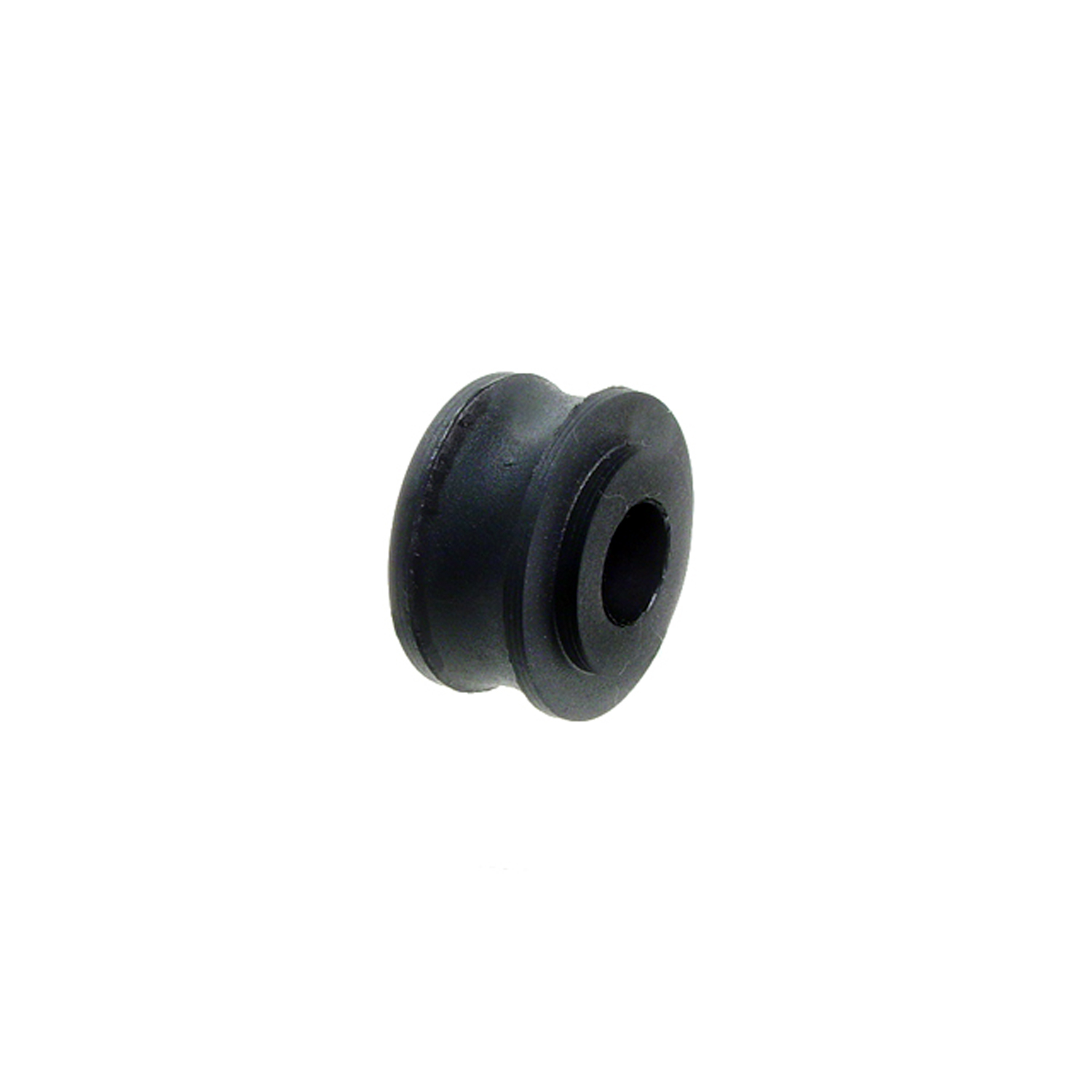 1938 Hudson Country Club Series 87 Lower Motor Mount. 5/8" I.D., 1-5/8" O.D. Each-MM 7-CLower Motor Mount. 5/8" I.D., 1-5/8" O.D. Each
 1938 Hudson Country Club Series 87 Tail-light Pads. 4-7/8" long X 3-13/16" wide. Pair-MP 798-LTail-light Pads. 4-7/8" long X 3-13/16" wide. Pair
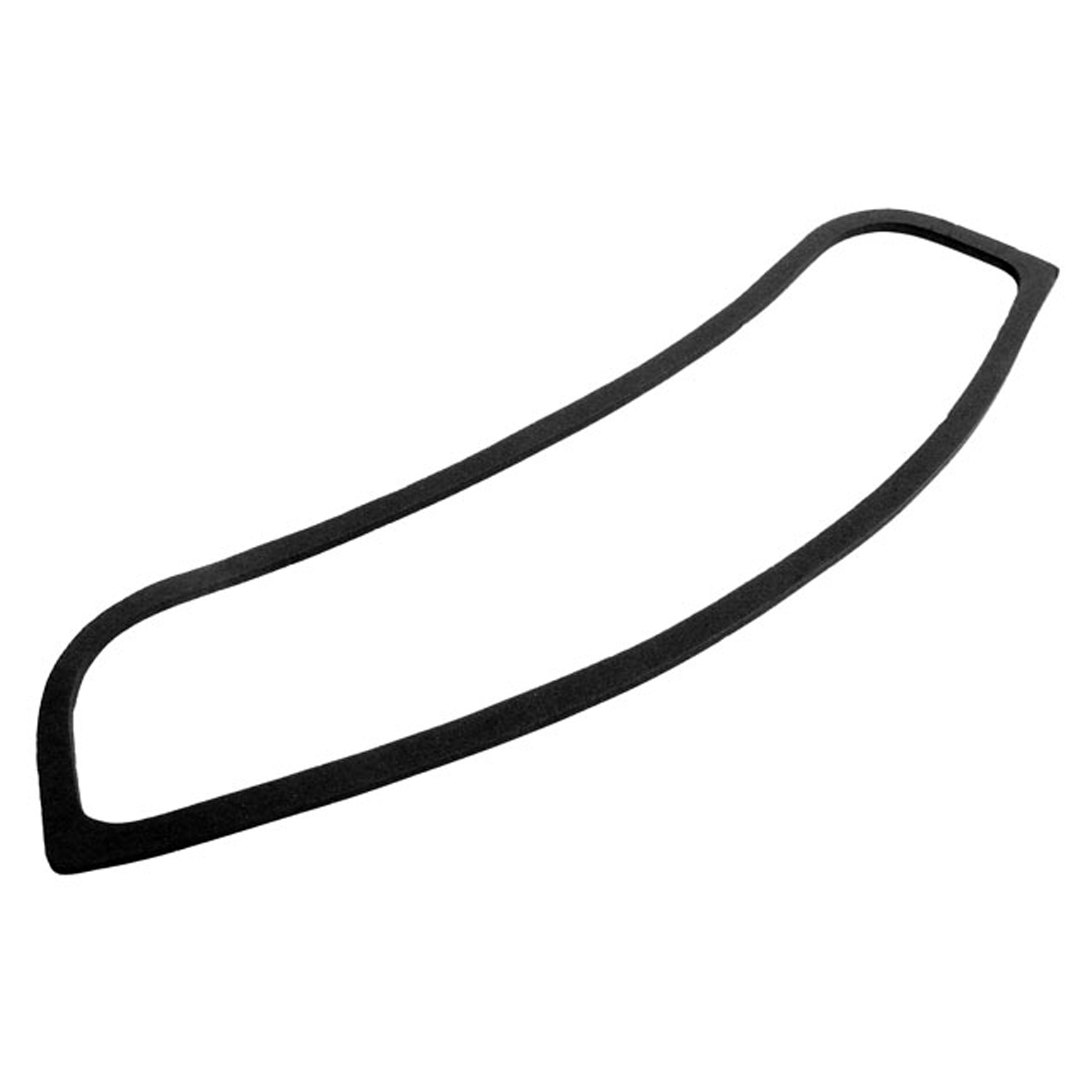 1938 Hudson Country Club Series 87 Cowl Vent Seal. 4-1/2" wide X 18-1/2" long. Each-RP 100-YCowl Vent Seal. 4-1/2" wide X 18-1/2" long. Each
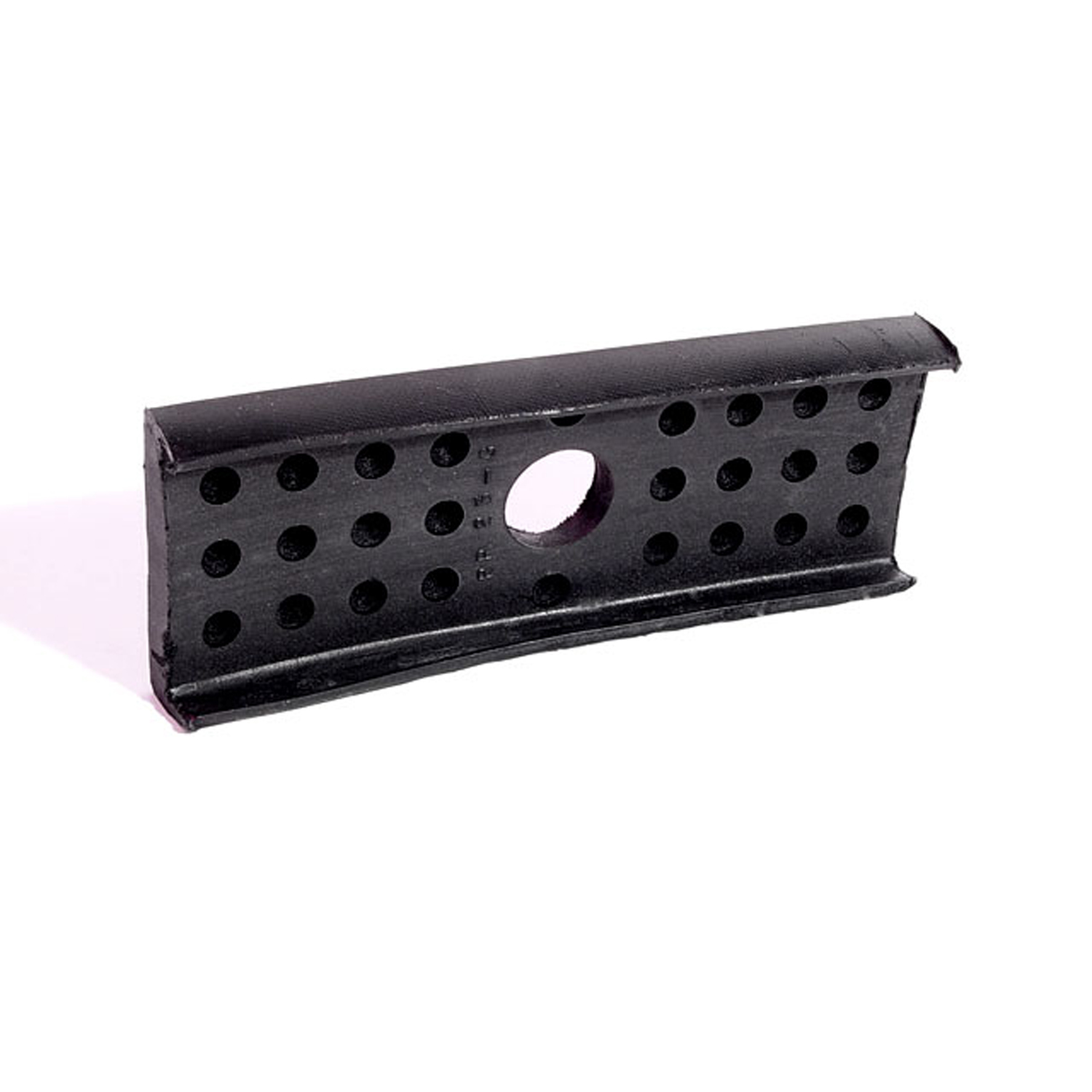 1938 Hudson Country Club Series 87 Rear Leaf Spring Center Mounting Insulator-RP 23-GRear Leaf Spring Center Mounting Insulator. For all 1-3/4" wide leaf springs. Each
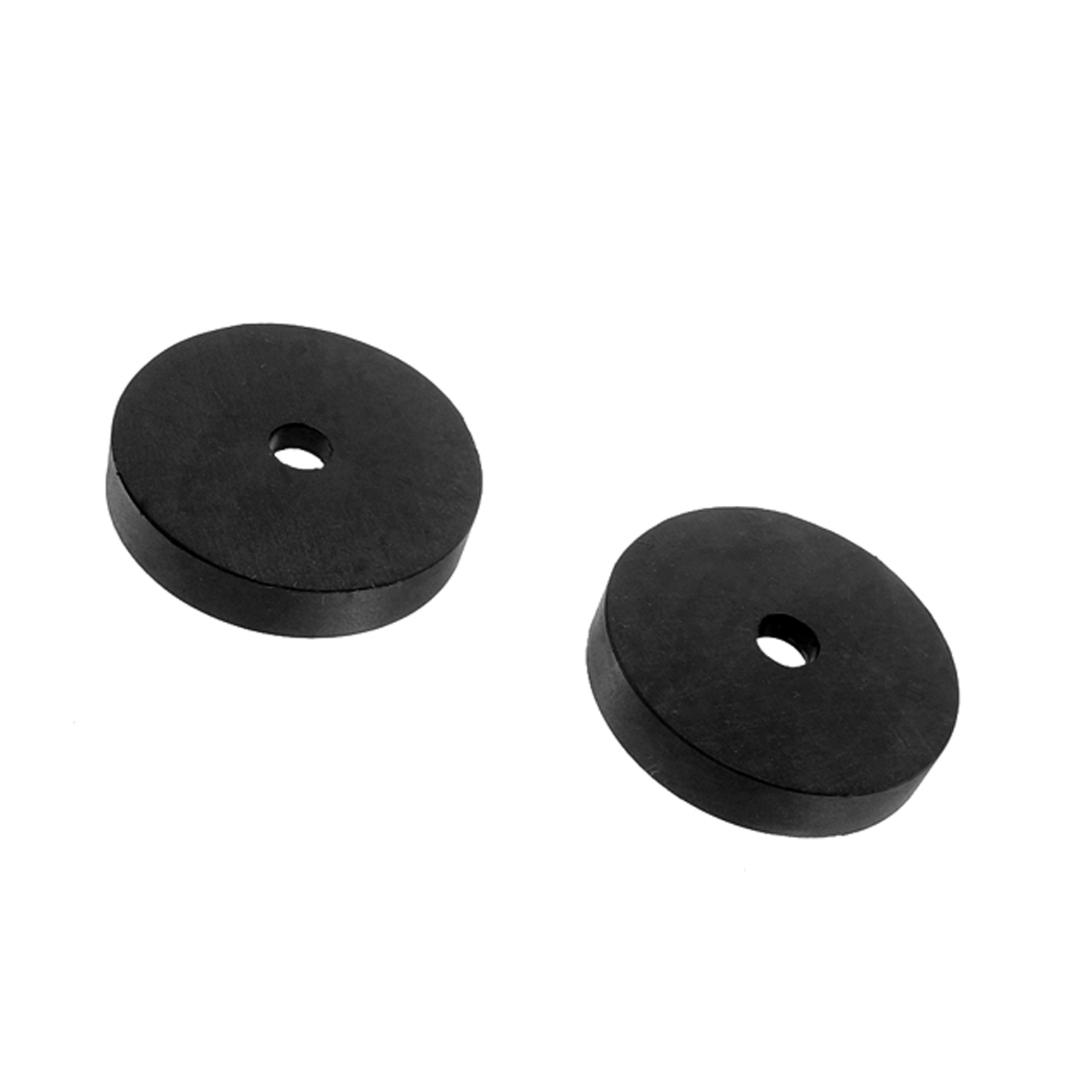 1938 Hudson Country Club Series 87 Clutch and Brake Seals. Seals fit on a round shaft-RP 31-NClutch and Brake Seals. Seals fit on a round shaft. Made of soft rubber. 2-7/16" O.D., 7/16" I.D. Pair
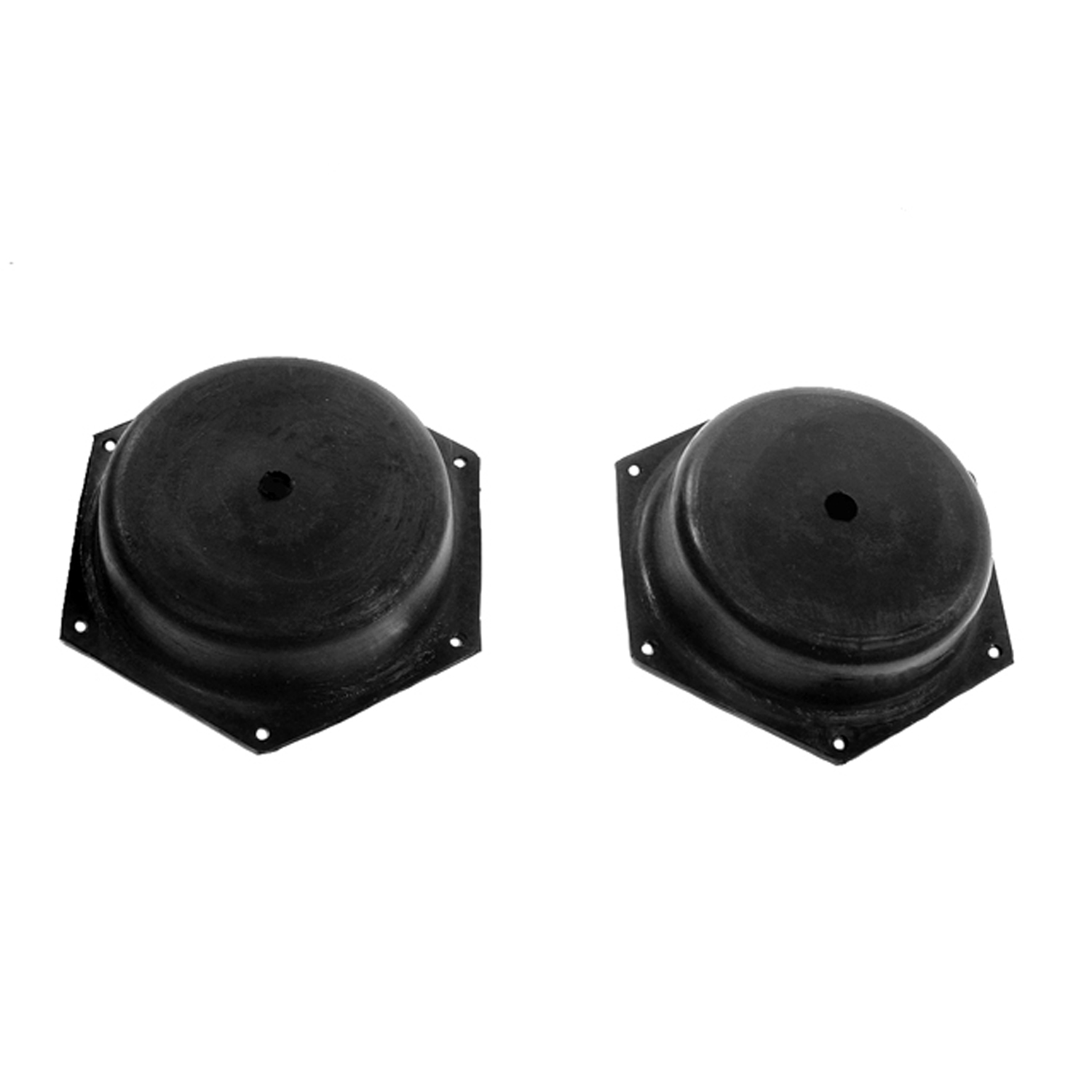 1938 Hudson Country Club Series 87 Drive Master Electric Shift Vacuum Diaphragm-RP 32-ADrive Master Electric Shift Vacuum Diaphragm. For all models with drive master system for standard transmission. Pair
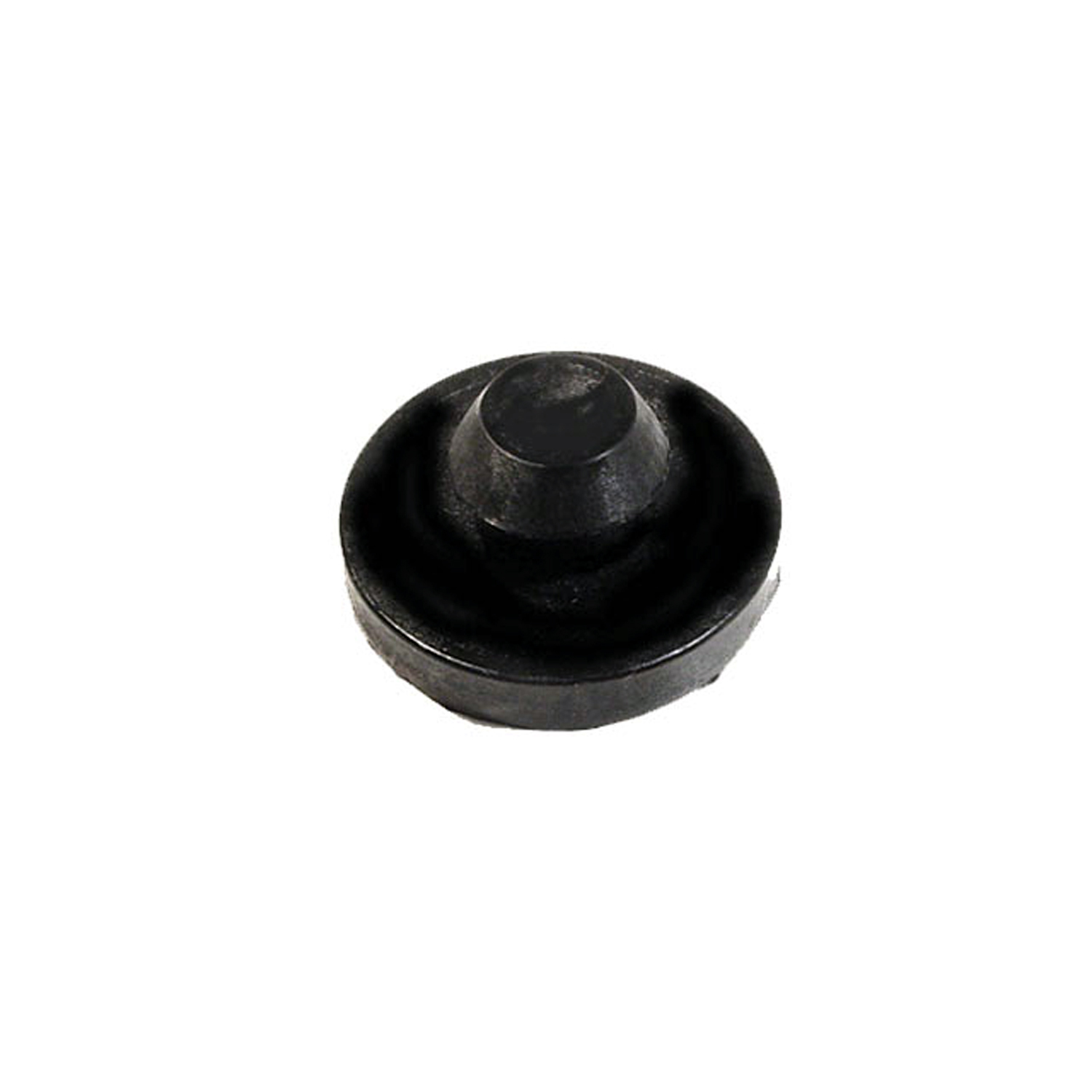 1938 Hudson Country Club Series 87 Clutch Linkage Cushion. 1/4" top thickness, 1-1/2" O.D-SB 33-AClutch Linkage Cushion. 1/4" top thickness, 1-1/2" O.D. Each
 1938 Hudson Country Club Series 87 Front Vent Window Seals. For disappearing-type vent windows-WR 4502Front Vent Window Seals. For disappearing-type vent windows. Pair R&L
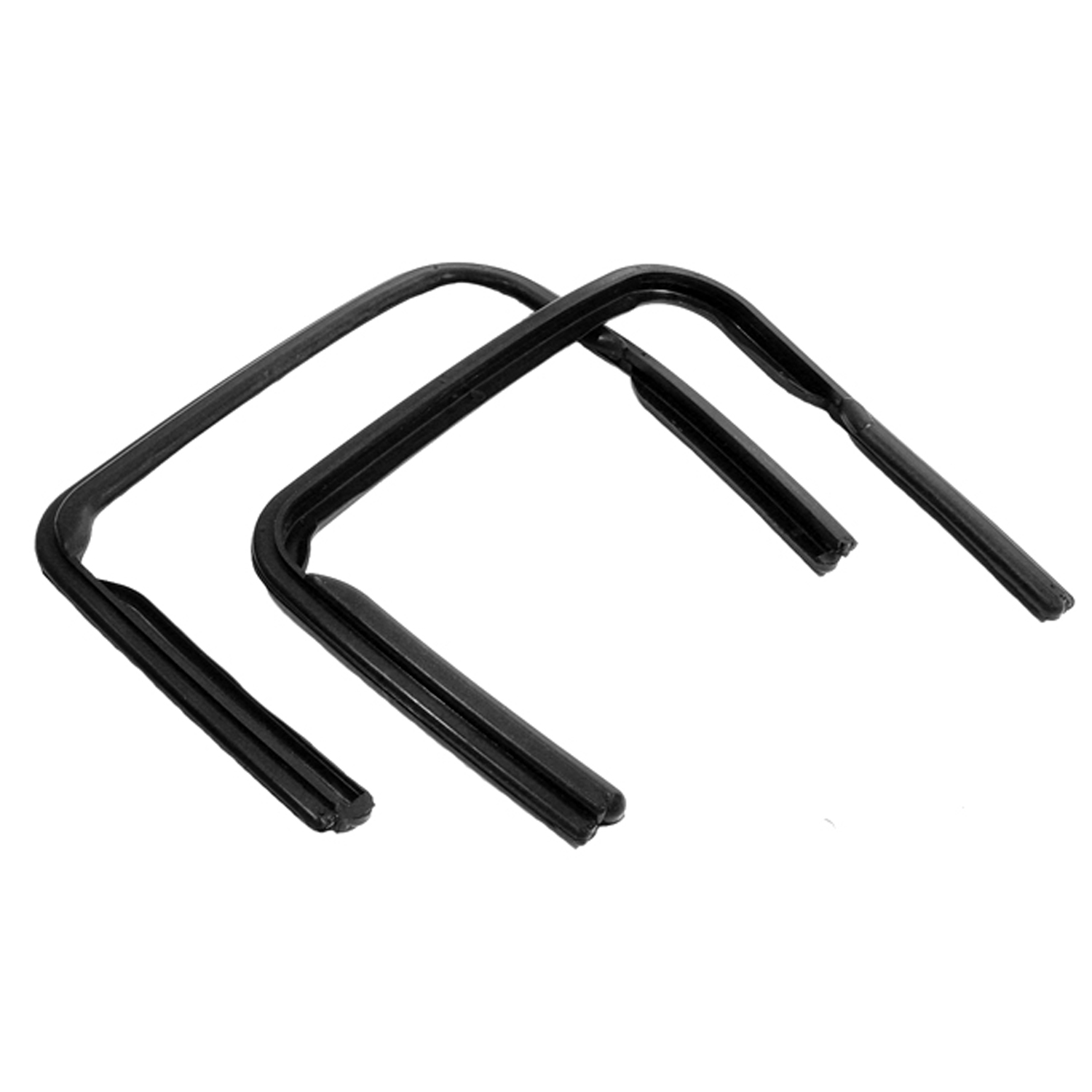 1938 Hudson Country Club Series 87 Front Vent Window Seals, for Convertibles-WR 9Front Vent Window Seals, for Convertibles. 25-1/4" long each. Pair R&L
Why Choose Metro?
For over 100 years, Metro Moulded Parts has been the pinnacle of quality in classic car restoration parts. Our commitment to precision and authenticity in every component ensures a perfect fit and an OEM-level appearance.
- Expert Craftsmanship & Quality: Each part is a testament to our dedication to reliability and perfection, crafted from original designs and thoroughly tested.
- Advanced Technology: We use cutting-edge techniques to create flawless, long-lasting parts that surpass others in performance.
- SuperSoft Sponge – The Ultimate Door Seal: Not only are our door seals 30% softer than competitors', but they're also guaranteed to never leak. They effectively reduce wind and road noise, enhancing your classic car's comfort and driving experience.
- Proudly American: Our parts are a product of American craftsmanship, made in the USA with a spirit of excellence and heritage.
- Unrivaled Warranty: We back our products with a 30-year industry-leading warranty, a testament to our confidence in their quality.
Join us in preserving the legacy of classic cars with parts that are crafted for perfection, not just made.