

Image of 1938 Hudson Custom Series 83, Note: These illustrations use artistic license and may differ from actual historical models.
Performance Metrics
Fundamental Metrics
Emotional Appeal
MMP Rating
| Engine Specifications | |
|---|---|
| Engine: | 254 cu in (4.2 L) I6 |
| Displacement: | 4.2 L |
| Horsepower: | 102 hp |
| Torque: | Estimated 180 lb-ft |
| Compression Ratio: | 6.5:1 |
| Ignition System: | Distributor and coil |
| Cooling System: | Liquid-cooled |
| Performance Specifications | |
| 0-60 Time: | Estimated 20 seconds |
| 1/4 Mile Time: | Not available |
| Top Speed: | 80 mph |
| Transmission and Drive | |
| Drive Type: | Rear-wheel drive |
| Transmission Type: | 3-speed manual |
| Fuel and Efficiency | |
| Fuel System Type: | Carburetor |
| MPG: | Estimated 15-20 mpg |
| Dimensions and Brakes | |
| Brakes: | Hydraulic drum brakes |
| Wheelbase: | 122 inches |
| Weight: | 3,200 lbs |
Note: Specifications for classic cars are given to the best of our ability, considering the limited and variant data available.
1938 Hudson Custom Series 83: An Eight-Cylinder Classic
The 1938 Hudson Custom Series 83 brought quiet straight-eight power and polished, formal styling to an American car market still feeling the effects of the Great Depression. Built by the Hudson Motor Car Company of Detroit, Michigan, it sat near the top of Hudson’s range as a well-appointed, full-size automobile. Its smooth 254.4-cubic-inch engine and distinctive front-end design made it a compelling alternative to the era’s better-known luxury cars.
Hudson’s story began in 1909, when the company was founded with backing from Detroit department-store entrepreneur Joseph L. Hudson. By 1938, it had earned a reputation for engineering that was more ambitious than its size might suggest. One intriguing detail: the Custom Eight belonged to the same lineage of Hudson engineering that would later produce the famous “step-down” cars of 1948. Those postwar models were a major innovation, but the Series 83 shows Hudson already working to combine comfort, performance, and distinctive design before the war.
Art Deco Style and Custom Comfort
The Custom Series 83 has the confident proportions of a late-1930s American car: a long hood, upright cabin, sweeping fenders, and a substantial rear body. At the nose, a tall, vertically oriented grille gives the car a formal expression, while integrated headlamps and carefully shaped fenders make the front end look more unified than the separate-fender designs of earlier years. Bright trim, bumpers, and hubcaps add visual polish without overwhelming the body.
Inside, the Custom was designed for comfortable, unhurried travel. Depending on body style and equipment, buyers could expect broad cloth upholstery, a generously padded bench seat, a broad dashboard, and decorative trim suited to the car’s upscale position. Materials and appointments varied with the order, so surviving cars may differ in upholstery, trim, and accessories. Original-condition interiors are especially valuable to restorers because correct fabrics and details can be difficult to source.
Period Hudson paint palettes included choices such as dark blues, greens, maroons, gray tones, and black, though precise colors and availability depended on the body and production specifications. Dark, richly colored finishes suit the Custom’s formal character, while a contrasting wheel color or trim could make the car look more individualized. For an exact restoration, check the car’s body tags, factory records where available, and period paint references rather than relying on a modern color match.
The Series 83 was offered in several closed and open body configurations across Hudson’s catalog, with availability depending on trim and production. Sedans were the practical, familiar choice, while coupe and convertible-style bodies gave the range a more personal, sporting character. The four-door sedan is a particularly recognizable Custom Eight, combining the model’s stately appearance with useful passenger space. Buyers could also add period accessories and equipment, so two cars with the same series designation may not be identically equipped.
Engineering Ahead of Its Time
The Custom Eight’s defining mechanical feature was its 254.4-cubic-inch L-head straight-eight engine. In commonly cited specifications, it produced about 122 horsepower, delivered through a three-speed manual transmission to the rear wheels. The long engine layout helped it run smoothly, while the car’s substantial chassis and full-size proportions suited it to long-distance touring.
Hudson’s engineering reputation was built on more than cylinder count. The company had invested in strong all-steel body construction and practical chassis design in the years before the Series 83. By 1938, hydraulic brakes were an important part of the modern driving package, and the Custom’s equipment reflected the industry’s movement toward cars that were easier to control and more comfortable at speed than their earlier counterparts.
What distinguished Hudson was its willingness to compete through engineering and value rather than rely solely on prestige. The Custom Eight offered smooth eight-cylinder performance and a substantial, well-finished body without being one of the era’s most expensive luxury marques. That balance helped define Hudson’s identity and foreshadowed the company’s later reputation for technically adventurous cars.
On the Road: Smooth, Steady, and Substantial
Period specifications and modern estimates suggest a top speed in the neighborhood of 85 to 90 mph, with a 0-to-60-mph time roughly around 20 seconds. Those figures are estimates, not guarantees: gearing, engine condition, body style, tire size, and test methods all affect the result. A nearly 90-year-old car should be driven according to its current mechanical condition, not the optimistic end of a period performance claim.
The straight-eight is best appreciated for its relaxed character. Rather than a sharp, high-revving bark, expect a deep, even engine note that builds smoothly as the car gathers speed. The three-speed manual asks for deliberate shifts, and the car rewards a driver who anticipates traffic instead of rushing from stoplight to stoplight.
On ordinary roads, the Hudson feels composed and comfortable, with a traditional chassis that absorbs many bumps at a measured pace. Its size and age are more apparent on narrow, winding roads, where the steering requires attention and the body leans more than a modern driver may expect. Crosswinds, worn suspension parts, old tires, and brake condition can all influence stability. A properly sorted example feels reassuring for relaxed touring, but it is not a modern sports sedan.
Living With a Series 83
Today, most Custom Series 83s are used as show cars, parade cars, and weekend tourers rather than everyday transportation. Their roomy cabins and smooth engine make them pleasant on scenic drives, while their prewar styling attracts attention at classic-car events. Regular highway use is possible in a well-maintained car, but modern traffic speeds and braking expectations call for careful planning.
The basic mechanical layout is understandable to a capable vintage-car owner, and many routine jobs can be handled by a classic-car mechanic familiar with prewar American vehicles. The bigger challenge is often sourcing correct parts, especially trim, interior materials, and model-specific components. Before buying, inspect the engine for oil leaks and cooling problems, check the transmission and clutch, and examine the frame, floors, and body mounts for corrosion or past repairs. Brakes, fuel lines, tires, and electrical wiring deserve particular scrutiny on any car that has been stored or lightly used.
Hudson Facts and Common Misconceptions
The Series 83 is the model-series designation for Hudson’s 1938 Custom Eight, not a separate engine size or a special performance package. It also should not be confused with Hudson’s later “step-down” cars. The 1948 design placed passengers lower within the frame, a major postwar change that came a decade after this Custom Eight.
The Custom Eight was not primarily a racing model, and it is not known for a headline speed record or a single defining competition victory. Its significance is quieter: it represents Hudson’s effort to make a refined, technically credible eight-cylinder car for buyers who wanted comfort and distinction. Like many prewar automobiles, it has also appeared in period photographs, film, and historical settings, though individual appearances are not always reliably documented.
A common criticism is that the car’s mass and traditional chassis make it feel ponderous by modern standards. Parts availability and restoration costs can also frustrate owners. These are fair considerations, but they are part of the experience of owning a prewar automobile, not flaws unique to Hudson.
Collector Values and Rarity
There is no widely accepted, complete production breakdown for every 1938 Series 83 body style, so exact totals should be treated cautiously. As a working estimate rather than a verified factory figure, production may have been in the range of roughly 10,000 to 15,000 Series 83 cars across body styles. The number of surviving, well-documented examples is much smaller, and unusual body configurations or highly original cars can be considerably harder to find than sedans.
Values depend heavily on condition, originality, body style, and the quality of any restoration. As a broad 2026 market estimate, a project or incomplete car might sell for about $8,000 to $18,000. A sound driver-quality example could fall around $20,000 to $40,000, while a very good restored or unusually original car may reach approximately $45,000 to $75,000. Exceptional examples, especially rare open body styles, can exceed that range. These are general estimates, not a formal appraisal; actual auction and private-sale results vary.
Like many prewar classics, the Series 83 is best viewed as a car to enjoy rather than a short-term investment. Values have been uneven, with top-quality, rare, and well-documented examples generally holding more appeal than ordinary cars in need of restoration. Restoration costs can also exceed the value of a finished sedan, so condition and completeness matter enormously when assessing a purchase.
Why the 1938 Hudson Custom Eight Matters
The 1938 Hudson Custom Series 83 combines a smooth straight-eight engine, dignified Art Deco styling, and the practical comfort of a full-size American car. It reflects a company that sought to stand apart through thoughtful engineering and strong value, while offering a genuine taste of prewar motoring. For collectors, the attraction is not just its rarity. It is the chance to experience a distinctive Hudson from the years before the company’s postwar innovations made automotive history.
Drive a well-preserved Series 83 at an easy pace, and its character comes through clearly: the steady note of the eight, the broad sweep of its fenders, and the calm authority of a car built for the open road. It is a reminder that Hudson’s legacy began well before the step-down era, one thoughtful, quietly impressive automobile at a time.
1938 Hudson Custom Series 83 Catalog of Parts
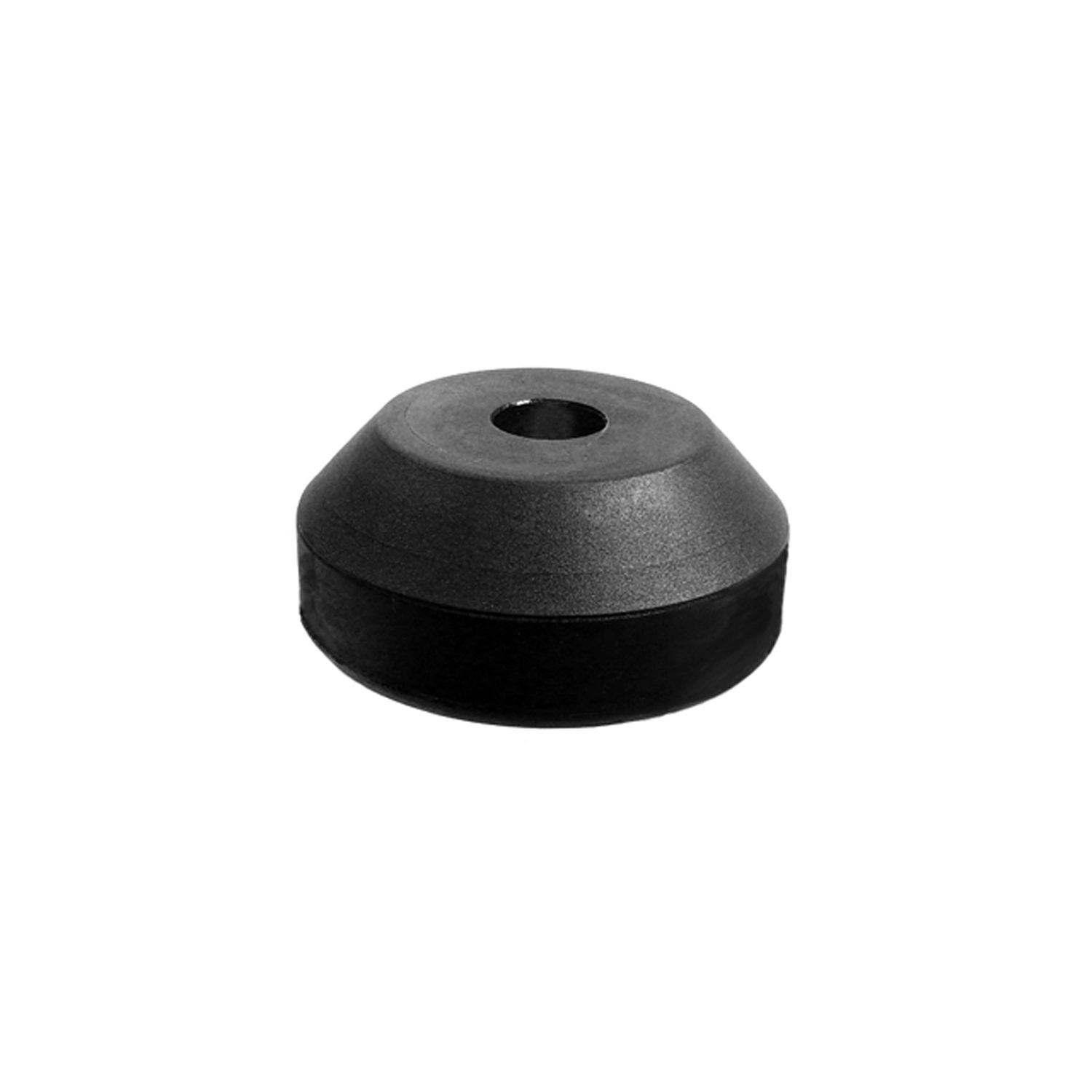 1938 Hudson Custom Series 83 Upper Motor Mount. 5/8" I.D., 2-5/8" O.D. Each-MM 7-BUpper Motor Mount. 5/8" I.D., 2-5/8" O.D. Each
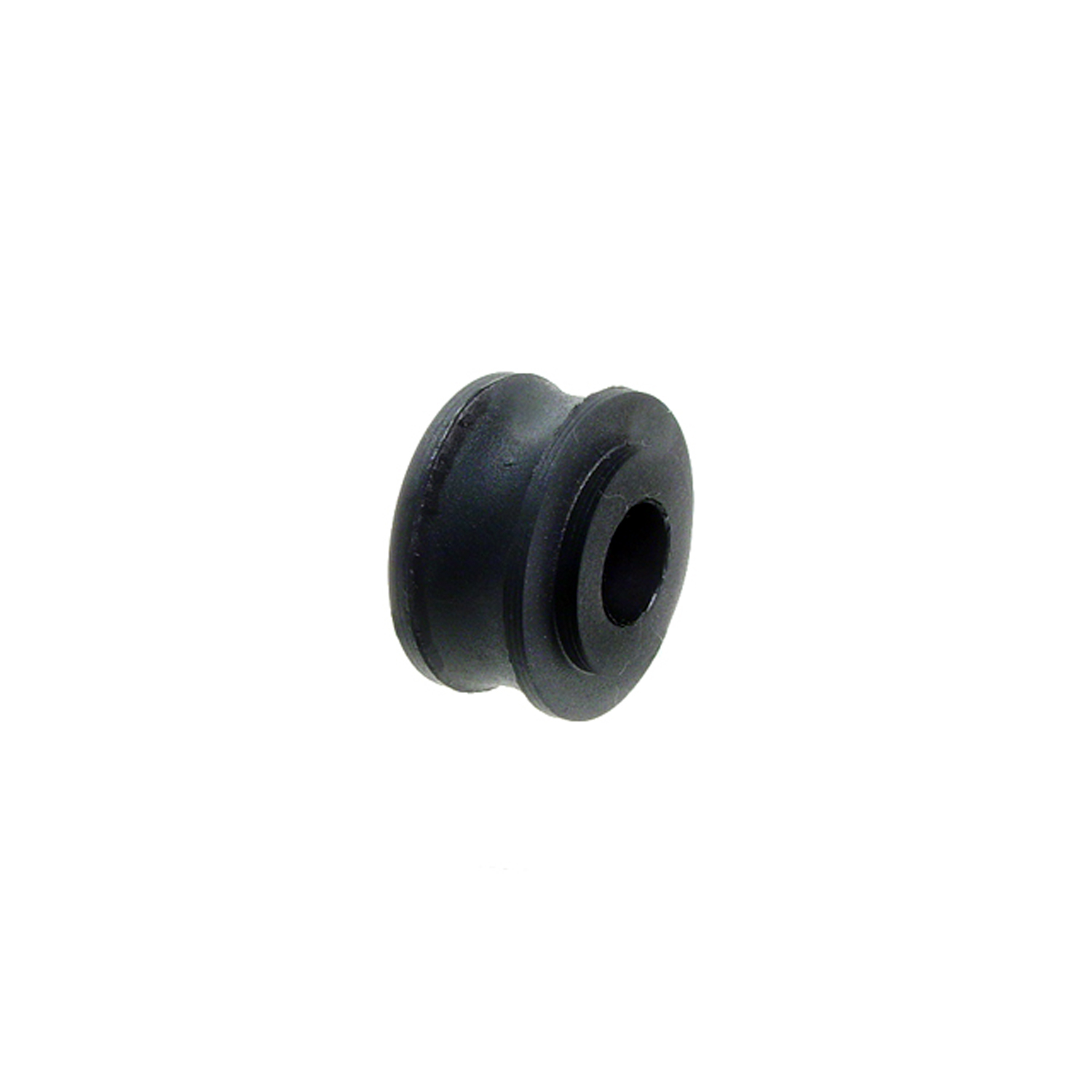 1938 Hudson Custom Series 83 Lower Motor Mount. 5/8" I.D., 1-5/8" O.D. Each-MM 7-CLower Motor Mount. 5/8" I.D., 1-5/8" O.D. Each
 1938 Hudson Custom Series 83 Tail-light Pads. 4-7/8" long X 3-13/16" wide. Pair-MP 798-LTail-light Pads. 4-7/8" long X 3-13/16" wide. Pair
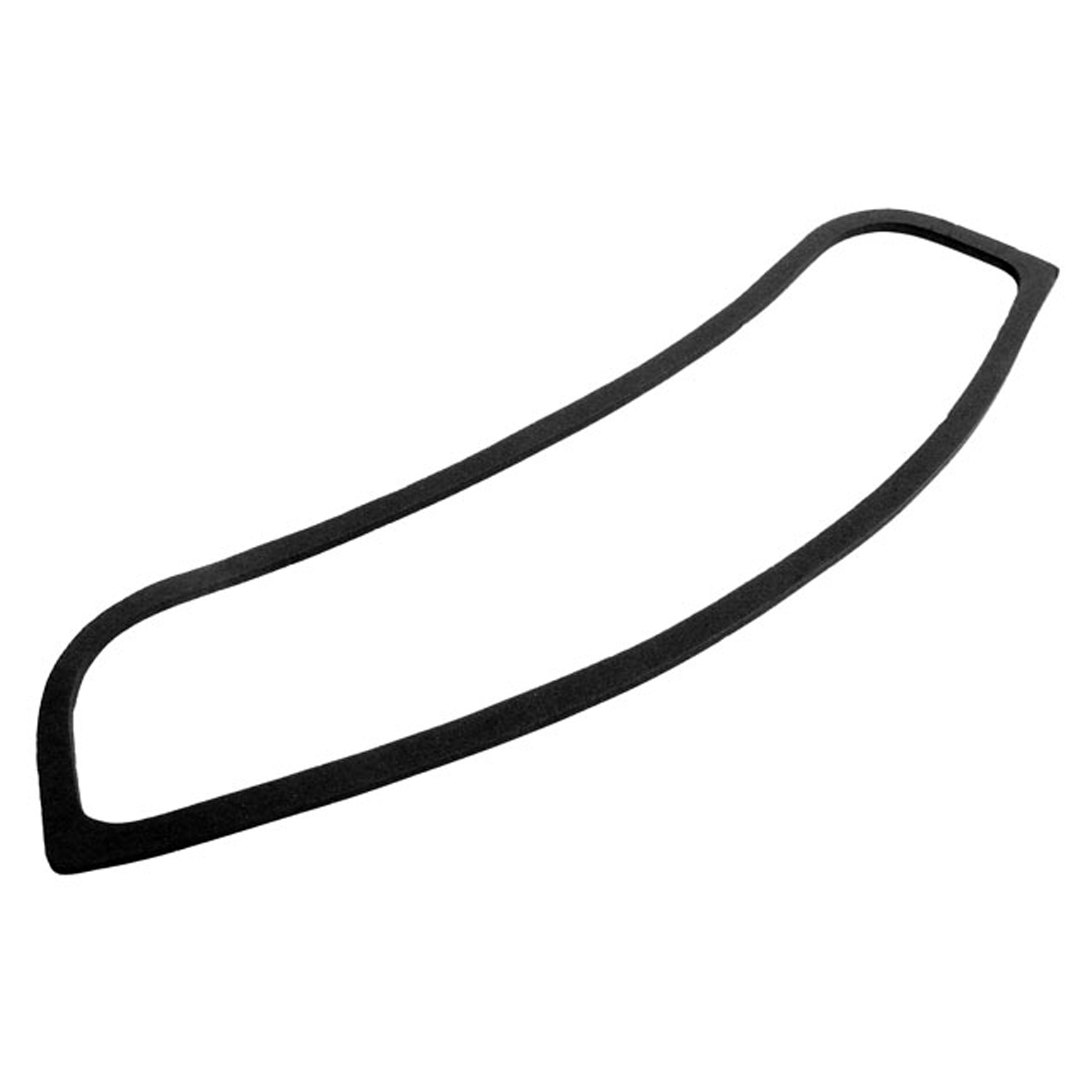 1938 Hudson Custom Series 83 Cowl Vent Seal. 4-1/2" wide X 18-1/2" long. Each-RP 100-YCowl Vent Seal. 4-1/2" wide X 18-1/2" long. Each
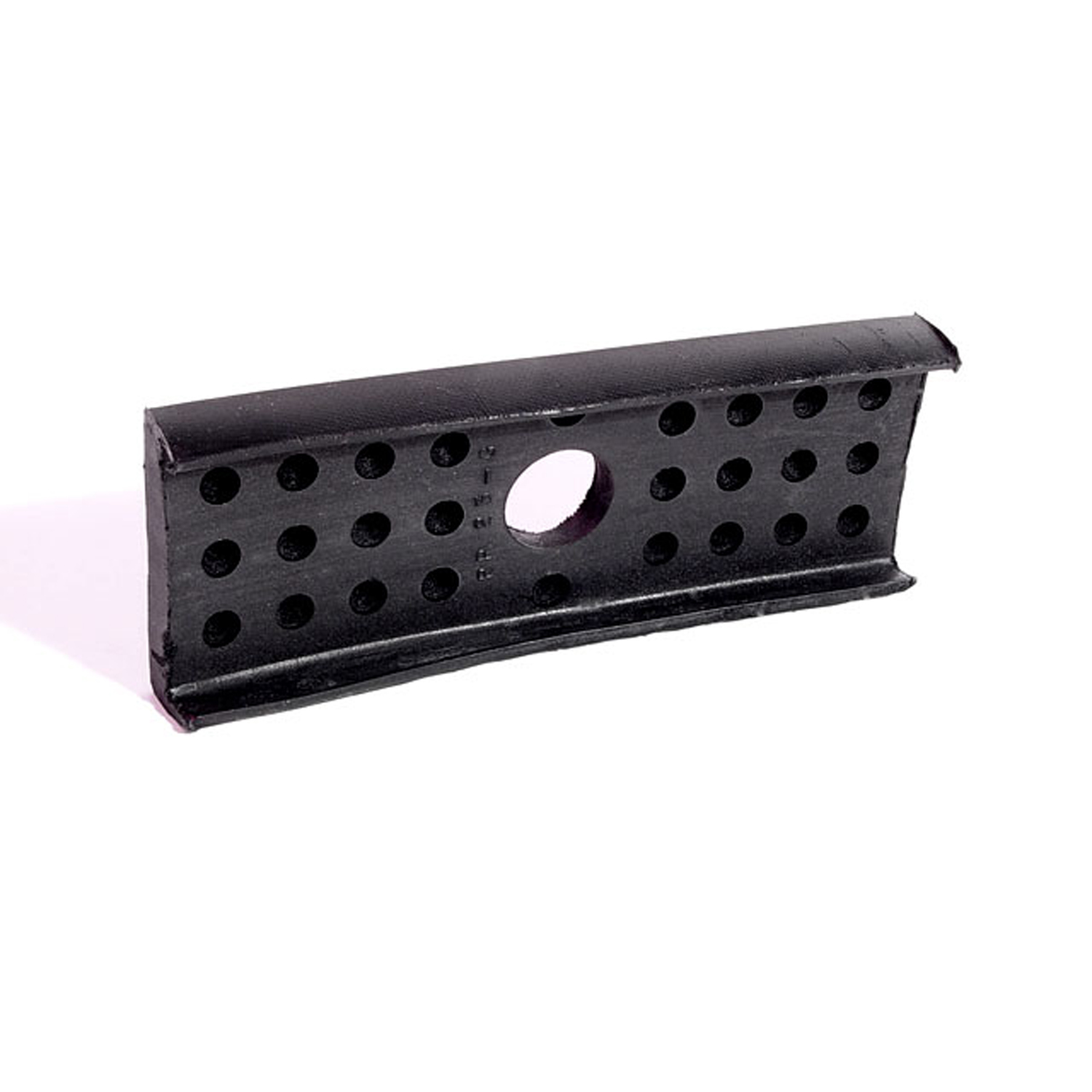 1938 Hudson Custom Series 83 Rear Leaf Spring Center Mounting Insulator-RP 23-GRear Leaf Spring Center Mounting Insulator. For all 1-3/4" wide leaf springs. Each
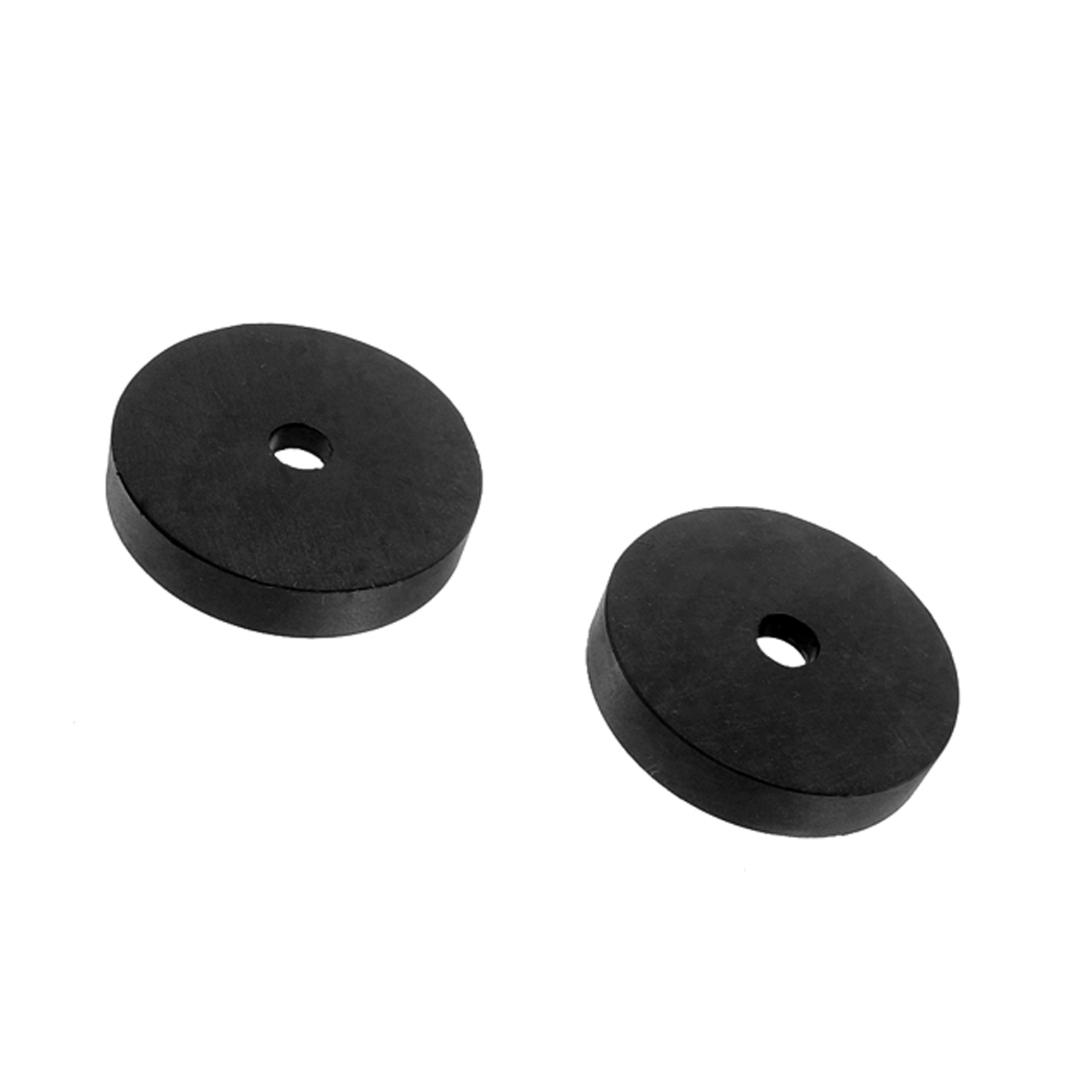 1938 Hudson Custom Series 83 Clutch and Brake Seals. Seals fit on a round shaft-RP 31-NClutch and Brake Seals. Seals fit on a round shaft. Made of soft rubber. 2-7/16" O.D., 7/16" I.D. Pair
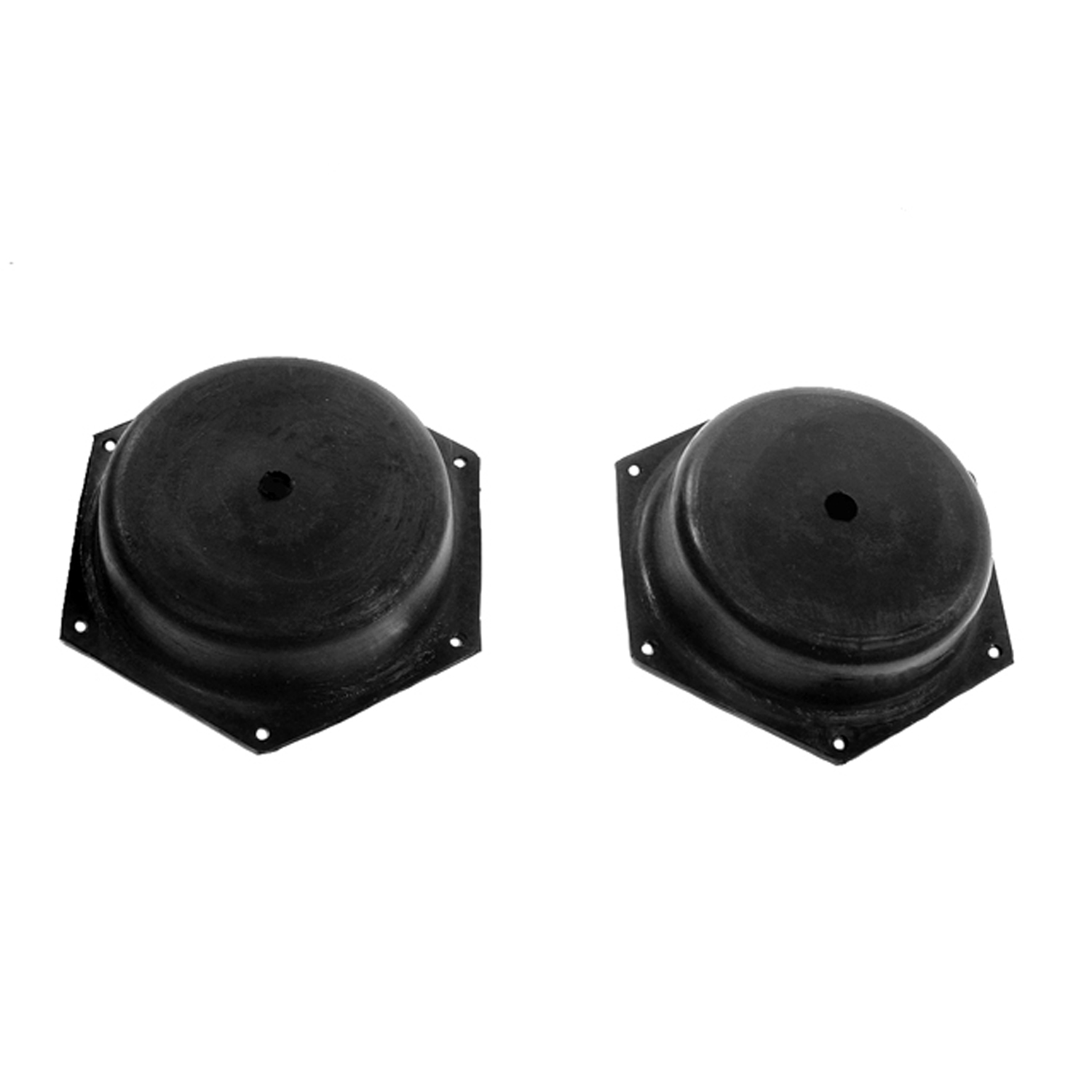 1938 Hudson Custom Series 83 Drive Master Electric Shift Vacuum Diaphragm-RP 32-ADrive Master Electric Shift Vacuum Diaphragm. For all models with drive master system for standard transmission. Pair
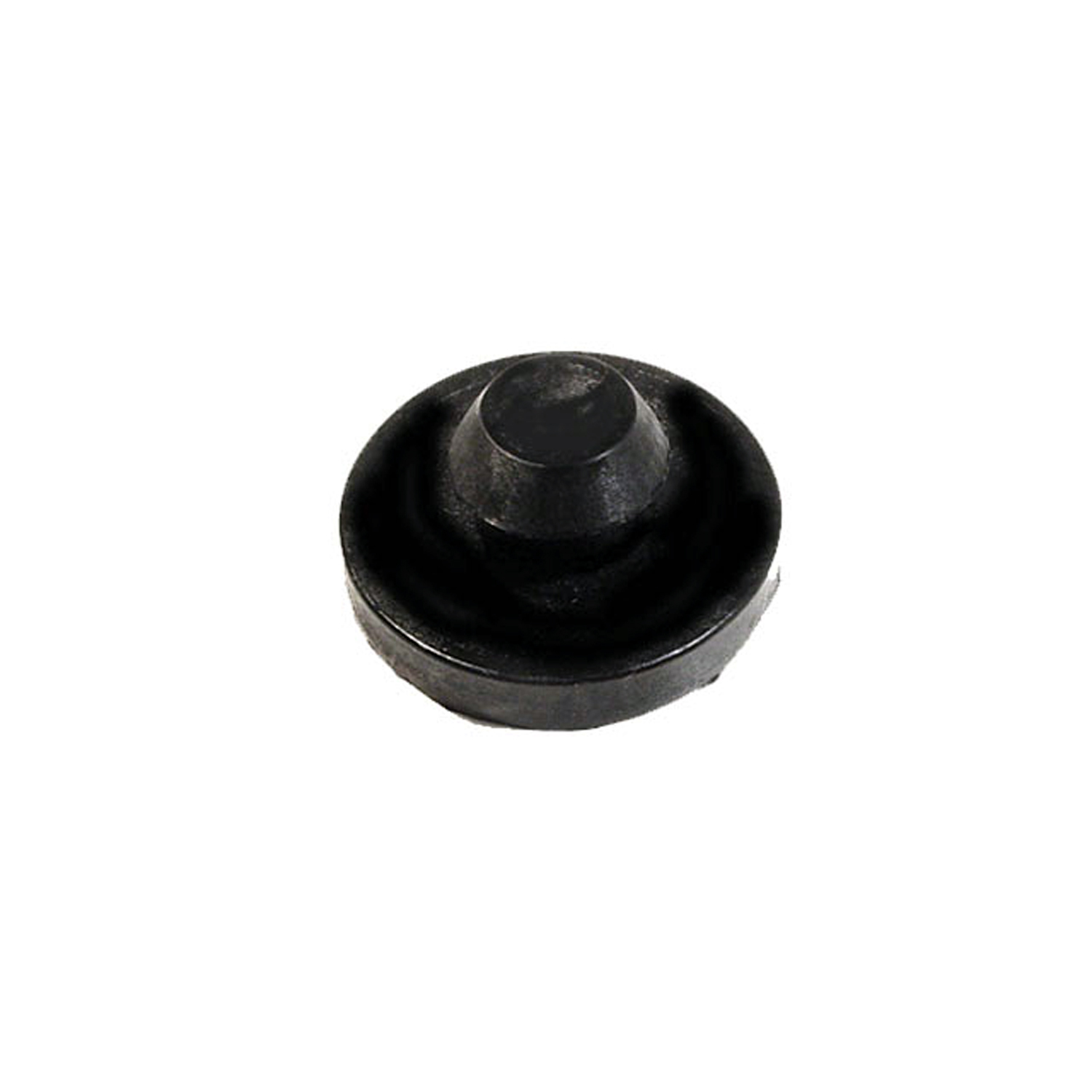 1938 Hudson Custom Series 83 Clutch Linkage Cushion. 1/4" top thickness, 1-1/2" O.D-SB 33-AClutch Linkage Cushion. 1/4" top thickness, 1-1/2" O.D. Each
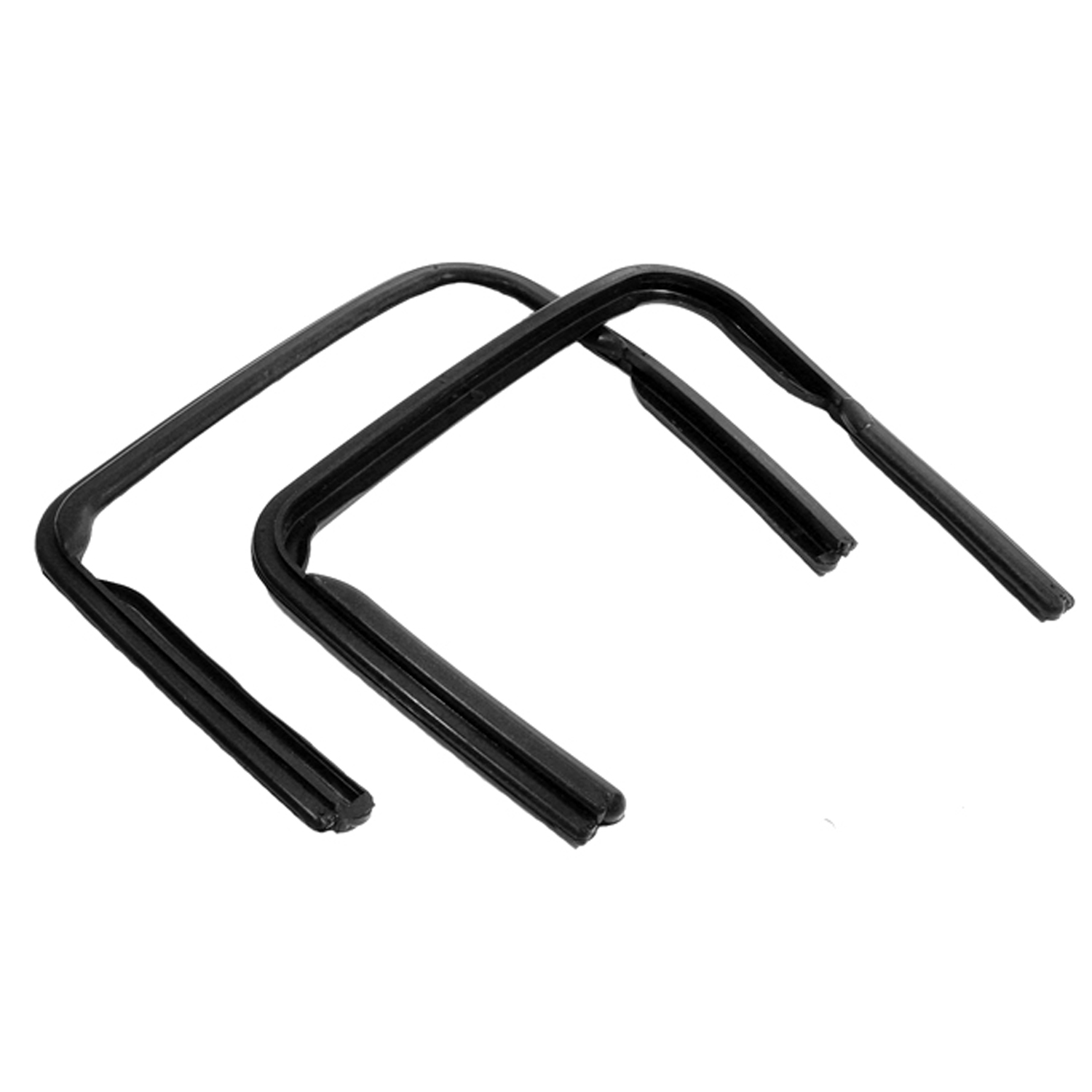 1938 Hudson Custom Series 83 Front Vent Window Seals, for Convertibles-WR 9Front Vent Window Seals, for Convertibles. 25-1/4" long each. Pair R&L
Why Choose Metro?
For over 100 years, Metro Moulded Parts has been the pinnacle of quality in classic car restoration parts. Our commitment to precision and authenticity in every component ensures a perfect fit and an OEM-level appearance.
- Expert Craftsmanship & Quality: Each part is a testament to our dedication to reliability and perfection, crafted from original designs and thoroughly tested.
- Advanced Technology: We use cutting-edge techniques to create flawless, long-lasting parts that surpass others in performance.
- SuperSoft Sponge – The Ultimate Door Seal: Not only are our door seals 30% softer than competitors', but they're also guaranteed to never leak. They effectively reduce wind and road noise, enhancing your classic car's comfort and driving experience.
- Proudly American: Our parts are a product of American craftsmanship, made in the USA with a spirit of excellence and heritage.
- Unrivaled Warranty: We back our products with a 30-year industry-leading warranty, a testament to our confidence in their quality.
Join us in preserving the legacy of classic cars with parts that are crafted for perfection, not just made.