

Image of 1938 Hudson Utility Series 89, Note: These illustrations use artistic license and may differ from actual historical models.
Performance Metrics
Fundamental Metrics
Emotional Appeal
MMP Rating
| Engine Specifications | |
|---|---|
| Engine: | Hudson 254 I8 |
| Displacement: | 254 cubic inches |
| Horsepower: | Estimated 124 HP |
| Torque: | 210 lb-ft |
| Compression Ratio: | Estimated 6.5:1 |
| Ignition System: | Distributor and coil |
| Cooling System: | Liquid-cooled |
| Performance Specifications | |
| 0-60 Time: | Information not available |
| 1/4 Mile Time: | Information not available |
| Top Speed: | Estimated 85 mph |
| Transmission and Drive | |
| Drive Type: | Rear-wheel drive |
| Transmission Type: | 3-speed manual |
| Fuel and Efficiency | |
| Fuel System Type: | Carburetor |
| MPG: | Information not available |
| Dimensions and Brakes | |
| Brakes: | Drum brakes |
| Wheelbase: | 122 inches |
| Weight: | Estimated 3,200 lbs |
Note: Specifications for classic cars are given to the best of our ability, considering the limited and variant data available.
1938 Hudson Utility Series 89: A Working Hudson With Rare-Car Appeal
Part passenger car, part open-bed workhorse, the 1938 Hudson Utility Series 89 brought Hudson’s handsome Depression-era styling to a practical commercial vehicle. Built by the Hudson Motor Car Company of Detroit, it belongs to a period when manufacturers were finding new ways to make a car chassis earn its keep, whether on a farm, at a small business, or in a tradesman’s garage.
The Utility Series 89 is generally identified as a factory utility coupe: a two-door car with a rear section adapted for carrying cargo. It was not a modern pickup in the full-size sense, but it offered a more finished, car-like alternative to a basic truck. One intriguing detail is how easily the model can be overlooked in Hudson histories. Passenger cars such as the Terraplane and Hudson Eight tend to dominate the story, while the Utility’s commercial purpose and low production make it a much less familiar sight today.
Hudson was one of America’s major independent automakers, competing against much larger manufacturers with a reputation for solid engineering and distinctive styling. In 1938, the company was navigating a tough market while broadening its range. The Utility Series 89 reflects that practical side of Hudson: a vehicle designed to work, but not stripped of the comfort and presence expected from a Hudson.
Streamlined Hudson Style, Built to Carry
The Utility’s exterior has the rounded, aerodynamic look that defined late-1930s American cars. Its long hood, flowing front fenders, upright grille, and curved roofline give it a distinctly passenger-car profile. At the rear, the cargo area changes the silhouette, making the body look more purposeful than a standard coupe without losing its Hudson identity. Period chrome trim and brightwork added a touch of polish, though a work vehicle might have been ordered or used with a more restrained finish.
The cabin was designed for real driving rather than bare-bones hauling. Expect a conventional bench seat, a broad steering wheel, clear period-style instruments, and durable upholstery appropriate to a commercial model. Materials and trim could vary with equipment and condition, but the Utility was fundamentally more car-like than many contemporary light-duty trucks. Today, surviving interiors are often restored or retrimmed, so original fabric and trim details should be checked against period references rather than assumed from a single example.
Hudson’s late-1930s cars benefited from contemporary comfort and safety equipment such as hydraulic brakes, safety glass, and a three-speed manual transmission. The Utility’s exact equipment could depend on its build and options, but its basic appeal was straightforward: familiar controls, a useful cargo space, and Hudson engineering in a compact commercial package. This was an era before power steering, automatic transmissions, and modern climate control were ordinary expectations, so the driver did the work and the car kept its mechanical layout simple.
Hudson offered a range of paint colors across its 1938 passenger and commercial lines. Exact color availability depended on body, trim, and ordering details. Dark greens, blues, maroons, and black were all period-appropriate choices, with conservative shades especially suited to a business vehicle. A surviving car’s current color may not be its original one, so factory paint documentation or traces beneath trim are useful when authenticity matters.
Unlike Hudson’s broad passenger-car range, the Series 89 was centered on the utility body rather than a menu of dramatically different body styles. Its defining form was the coupe-based cargo vehicle. That focused configuration is part of its charm: it looks like a Hudson car from the front, then reveals its working purpose at the back.
Where the Utility Fits in Hudson History
The Series 89 was not a landmark in the way Hudson’s postwar unit-body engineering would become, and it did not introduce a famous new automotive technology. Its significance is more practical. It shows how manufacturers adapted passenger-car design to light commercial work before the pickup became the default vehicle for nearly every hauling job.
That car-and-cargo combination set the Utility apart from a conventional truck. It offered enclosed passenger space, familiar car controls, and a more refined driving position while still carrying useful loads. For a small shop or rural business, that blend could be more appealing than a larger, rougher truck. The concept also anticipated the long-running appeal of car-based utility vehicles, from coupe utilities to later compact pickups and lifestyle trucks.
Hudson’s reputation for sturdy construction helped give the Utility a credible working role, while its styling kept it from looking like an anonymous commercial appliance. Its lasting influence is not a direct technical line to a particular modern model. Instead, it represents an important stage in the evolution of light-duty vehicles, when passenger comfort and cargo usefulness were beginning to share the same body.
Six-Cylinder Power and Period Road Manners
Series 89 specifications are not as consistently documented as those of Hudson’s better-known passenger models. The Utility is commonly associated with Hudson’s six-cylinder power, with a 212-cubic-inch L-head inline-six often cited for the relevant Hudson configuration. Exact output and equipment should be verified against the individual car’s serial information and period literature, since commercial models and model-year specifications can be recorded differently.
With a period six-cylinder engine and three-speed manual gearbox, the Utility was built for steady, useful progress rather than quick acceleration. A reasonable period-performance estimate is a top speed in the neighborhood of 75 to 80 mph, with 0-to-60 mph taking roughly 20 to 25 seconds, depending on gearing, load, engine condition, and test method. These are estimates based on comparable Hudson six-cylinder cars, not guaranteed factory figures for every Series 89.
On the road, a healthy example should feel substantial and deliberate. The engine produces the even, unhurried note typical of a flathead six, while the manual gearbox rewards smooth shifts and a little mechanical sympathy. The ride is more car-like than that of many work trucks of the period, though a loaded cargo area will change the way it responds over bumps. On winding roads, its size, period tires, steering effort, and drum brakes call for measured inputs rather than modern-car speeds.
Wind and road conditions matter more than they do in a contemporary vehicle. The Utility has no modern electronic stability systems, and its braking distances are far longer than those of a current pickup. A careful driver will leave extra space, keep speeds sensible, and treat the steering and brakes as mechanical systems that need regular inspection.
Living With a Hudson Utility
In 1938, the Utility’s natural role was work: local deliveries, farm chores, service calls, and hauling equipment or supplies. Today, most examples are better suited to collector use, local cruising, vintage commercial-vehicle displays, and occasional light-duty errands. Their unusual shape makes them conversation starters at shows, especially beside more familiar Hudson sedans and Terraplanes.
Mechanically, the car is relatively approachable by classic-car standards. Its engine, transmission, brakes, and electrical system use period components that a competent vintage-car mechanic can understand. Routine maintenance includes keeping the cooling system sound, checking ignition and carburetor settings, servicing the clutch and gearbox, and inspecting the hydraulic brakes. Parts support is more specialized than for a common Ford or Chevrolet, and body, trim, glass, and cargo-area components may take patience to locate.
Rust and past repairs deserve close attention. Inspect the frame, floors, body mounts, lower fenders, and the structure around the cargo section. A utility body may have endured decades of hard use, improvised repairs, or changes made by later owners. Originality can be especially valuable, but a professionally repaired, safely usable example is often a more practical purchase than a rare car with extensive structural problems.
Rare-Model Trivia and Common Criticisms
The Utility Series 89’s biggest claim to rarity is its limited commercial role and the small number of examples that have survived. Hudson did not leave a widely available, reliable production total for the series in the same way enthusiasts might expect for a major passenger-car line. As a result, claims about exact production numbers should be treated cautiously.
There is no widely recognized speed, endurance, or sales record attached specifically to the Series 89, nor is it best known for a famous celebrity owner or a headline-making historical event. Its story is more everyday and arguably more revealing: it represents the kind of practical vehicle that earned its keep quietly and was often used until little remained to preserve.
Common criticisms are also rooted in its age and purpose. Performance is modest, the brakes and steering require more effort than modern drivers expect, and the cargo space is limited compared with a full-size pickup. Hudson-specific parts can take time to source. On the other hand, those compromises are part of what makes the Utility appealing to collectors who want something less familiar than a mainstream prewar sedan.
Collector Values and Market Outlook
The Series 89 is rare in today’s market, but rarity alone does not guarantee a high price. Condition, completeness, originality, and the quality of any restoration matter enormously. As a broad 2026 guide, a project car might fall around $5,000 to $12,000, a usable but imperfect example around $15,000 to $30,000, and a well-restored or unusually original vehicle around $30,000 to $50,000 or more. Exceptional examples can exceed that range, while major rust, missing parts, or unclear history can push a car below it.
There is no dependable public production figure for the Utility Series 89. A reasonable working estimate is that production was in the hundreds, perhaps somewhere around 500 to 1,500 vehicles, but that is an informed estimate rather than a confirmed factory total. The surviving population is smaller still, and cars can remain in private collections for years without appearing on the open market.
Values for unusual prewar commercial vehicles tend to be uneven rather than steadily rising. The Utility’s scarcity and distinctive body give it strong interest among Hudson collectors, but its specialized appeal means the buyer pool is narrower than for a popular classic pickup. A documented, correctly restored example is likely to hold value better than a modified or poorly repaired one. Over the long term, exceptional original cars may appreciate, but condition and provenance will matter more than rarity alone.
A Hudson That Worked for a Living
The 1938 Hudson Utility Series 89 combines late-1930s streamlining, Hudson’s sturdy six-cylinder engineering, and a practical cargo-carrying mission. It was not the fastest Hudson or the most technologically radical, but it offered a useful bridge between passenger car and light truck at a time when that distinction was still evolving.
For collectors, its appeal lies in its uncommon body, its working-car history, and the way it captures a less familiar side of American motoring. The Hudson Utility is more than a rare curiosity: it is a reminder that some of the most interesting classics were built not to make headlines, but to get the job done.
1938 Hudson Utility Series 89 Catalog of Parts
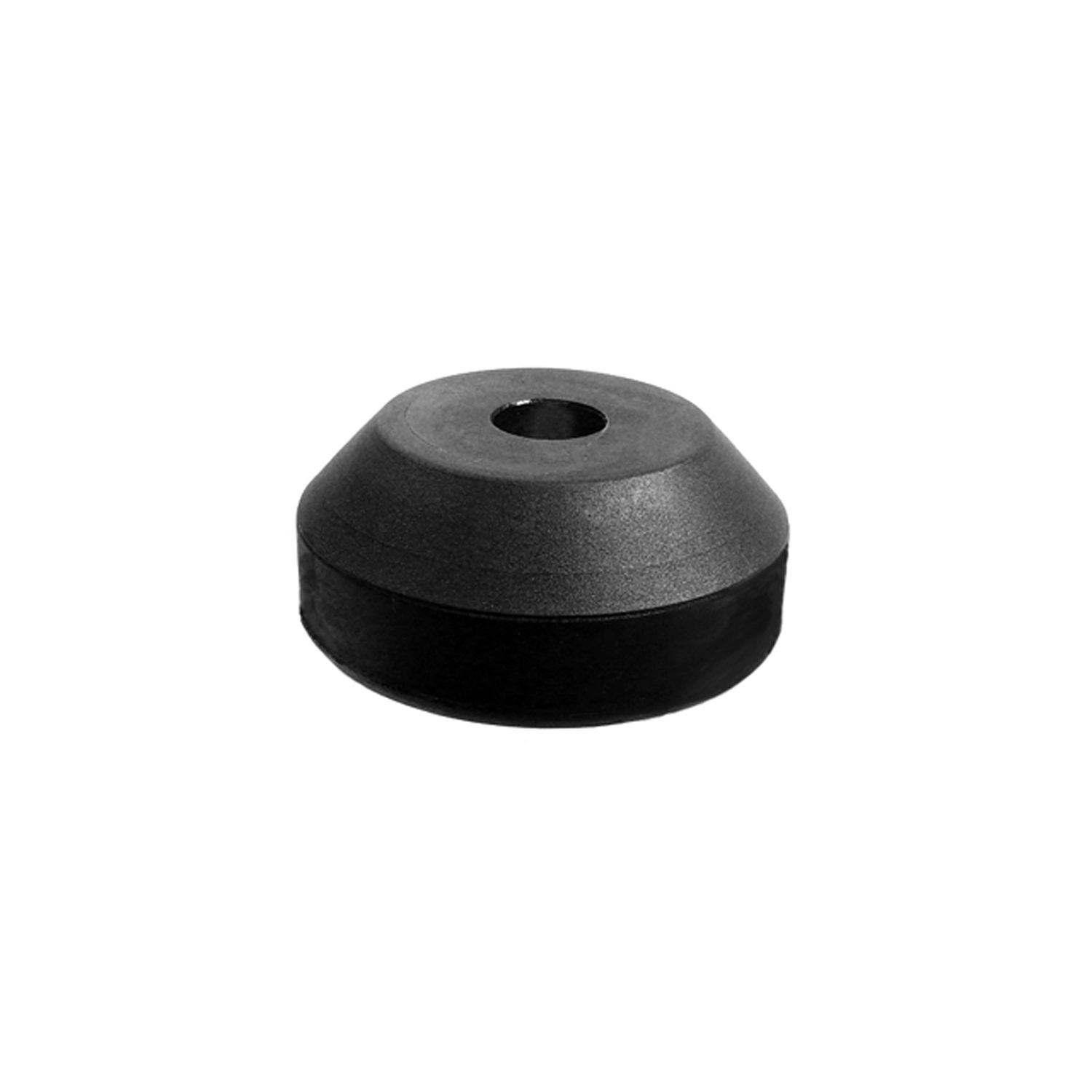 1938 Hudson Utility Series 89 Upper Motor Mount. 5/8" I.D., 2-5/8" O.D. Each-MM 7-BUpper Motor Mount. 5/8" I.D., 2-5/8" O.D. Each
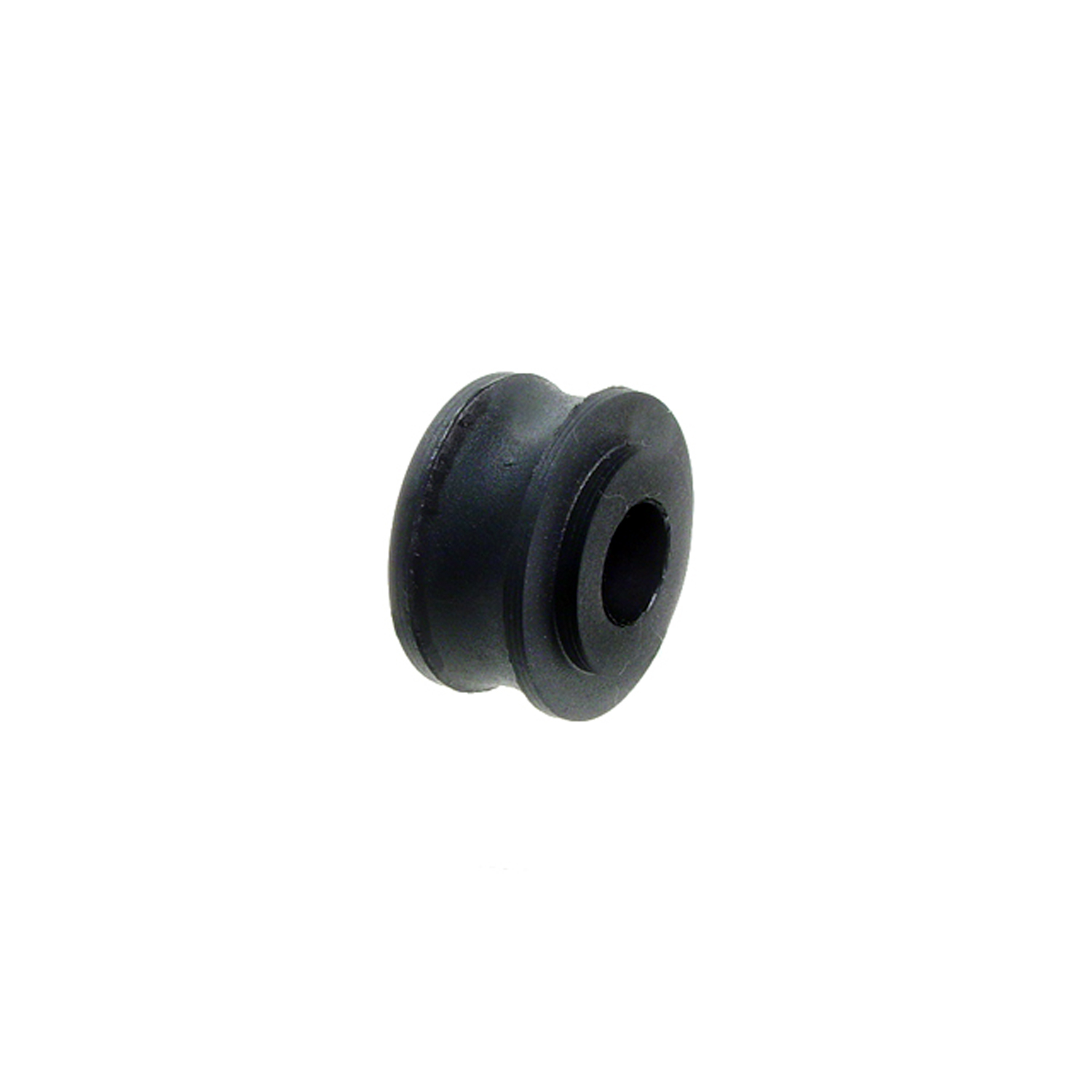 1938 Hudson Utility Series 89 Lower Motor Mount. 5/8" I.D., 1-5/8" O.D. Each-MM 7-CLower Motor Mount. 5/8" I.D., 1-5/8" O.D. Each
 1938 Hudson Utility Series 89 Tail-light Pads. 4-7/8" long X 3-13/16" wide. Pair-MP 798-LTail-light Pads. 4-7/8" long X 3-13/16" wide. Pair
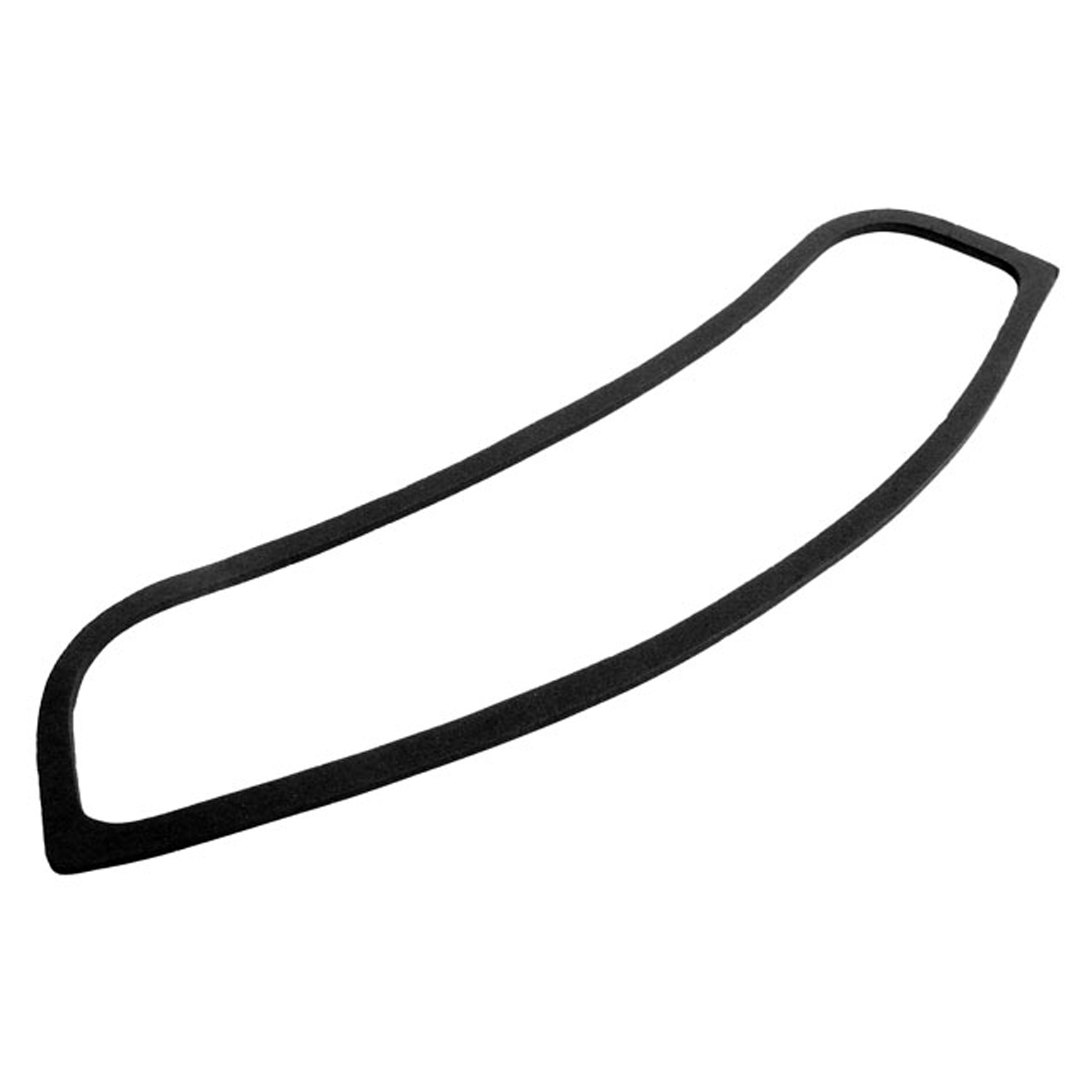 1938 Hudson Utility Series 89 Cowl Vent Seal. 4-1/2" wide X 18-1/2" long. Each-RP 100-YCowl Vent Seal. 4-1/2" wide X 18-1/2" long. Each
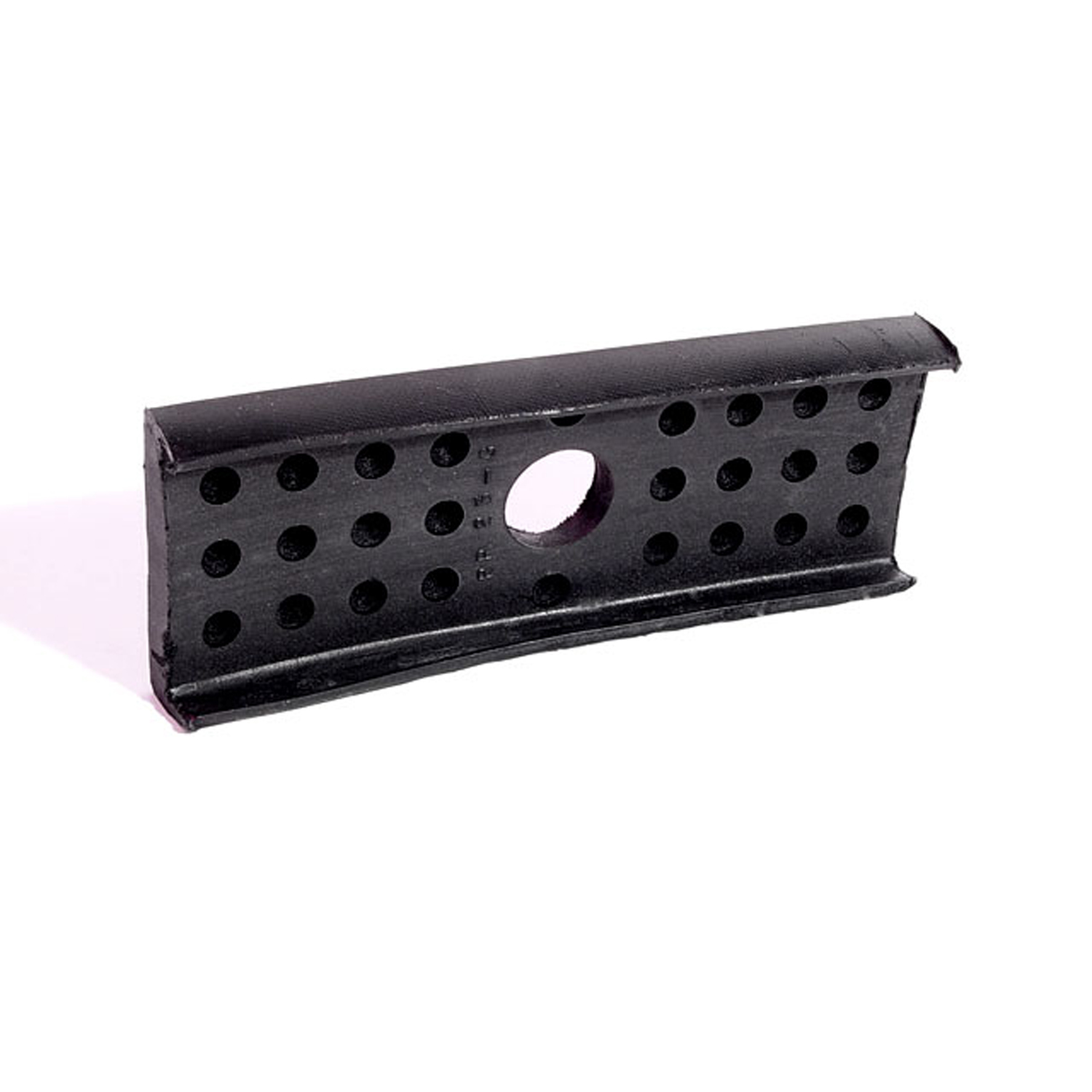 1938 Hudson Utility Series 89 Rear Leaf Spring Center Mounting Insulator-RP 23-GRear Leaf Spring Center Mounting Insulator. For all 1-3/4" wide leaf springs. Each
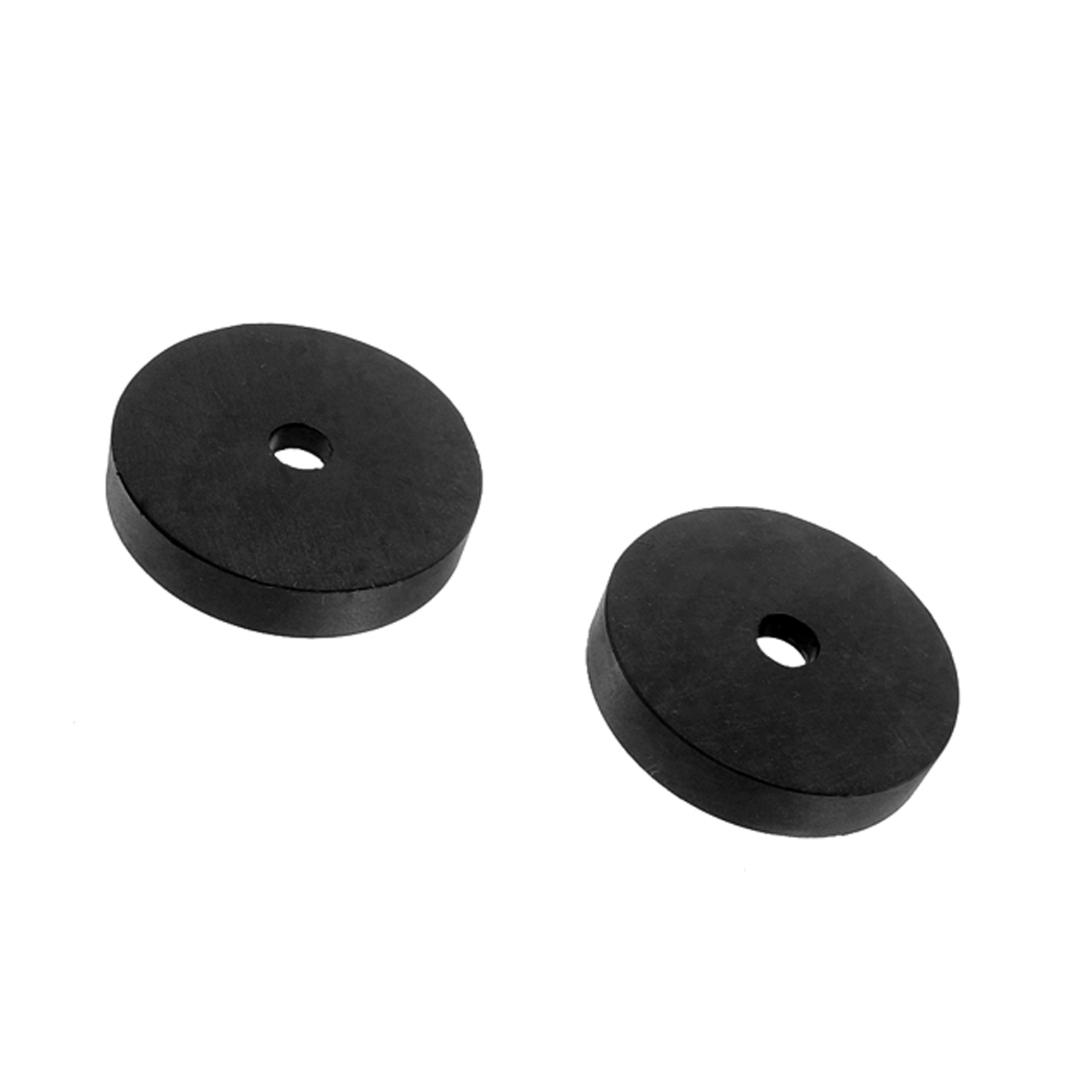 1938 Hudson Utility Series 89 Clutch and Brake Seals. Seals fit on a round shaft-RP 31-NClutch and Brake Seals. Seals fit on a round shaft. Made of soft rubber. 2-7/16" O.D., 7/16" I.D. Pair
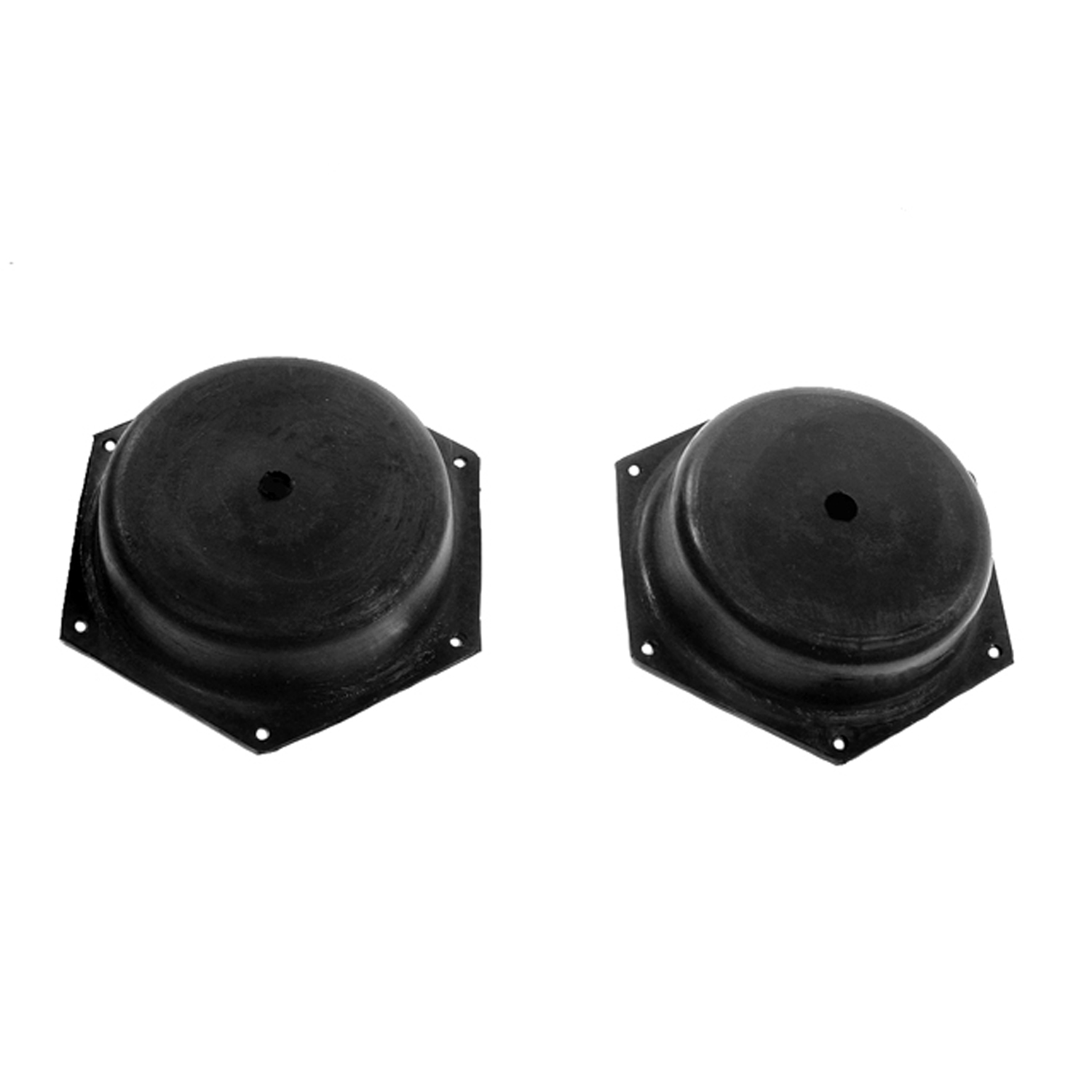 1938 Hudson Utility Series 89 Drive Master Electric Shift Vacuum Diaphragm-RP 32-ADrive Master Electric Shift Vacuum Diaphragm. For all models with drive master system for standard transmission. Pair
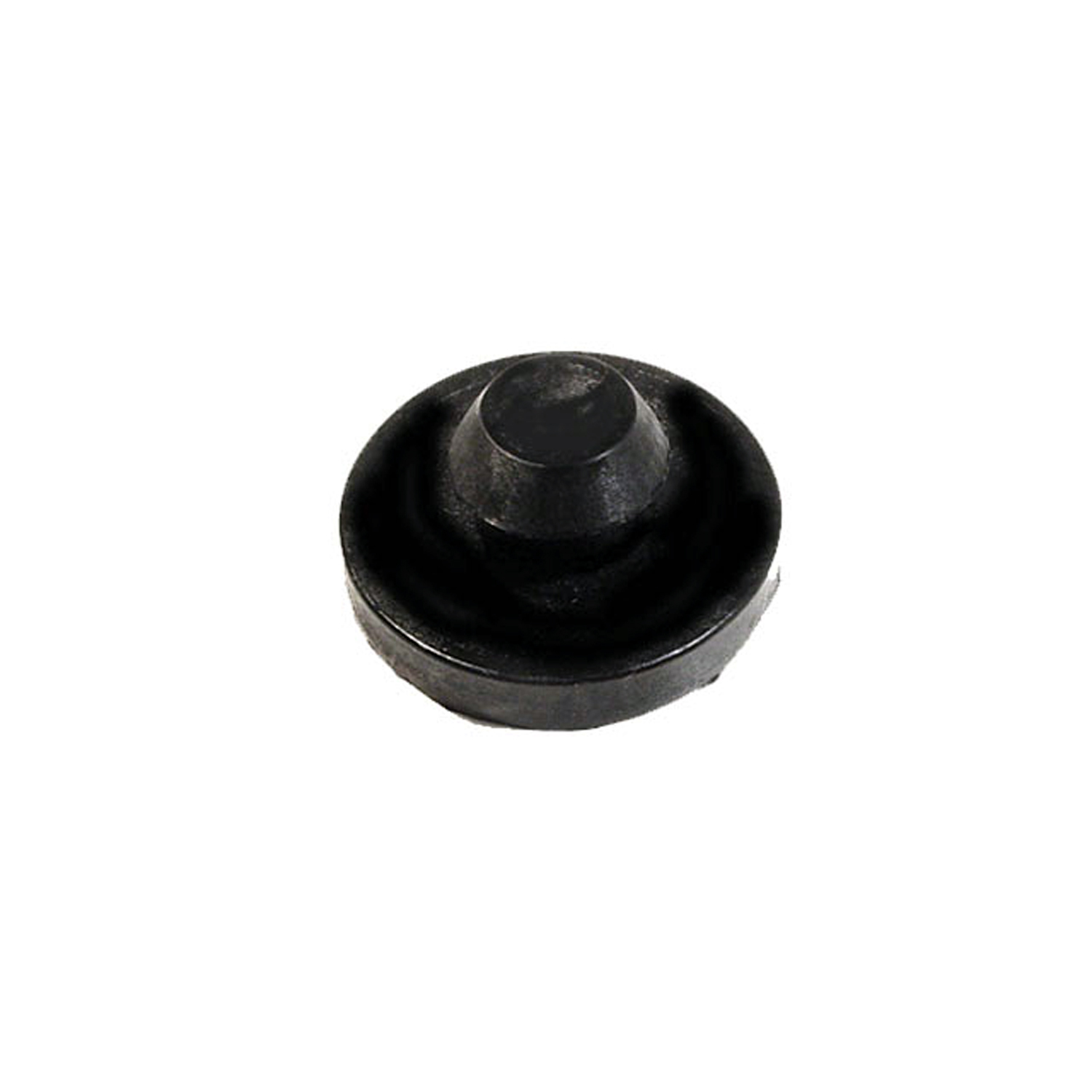 1938 Hudson Utility Series 89 Clutch Linkage Cushion. 1/4" top thickness, 1-1/2" O.D-SB 33-AClutch Linkage Cushion. 1/4" top thickness, 1-1/2" O.D. Each
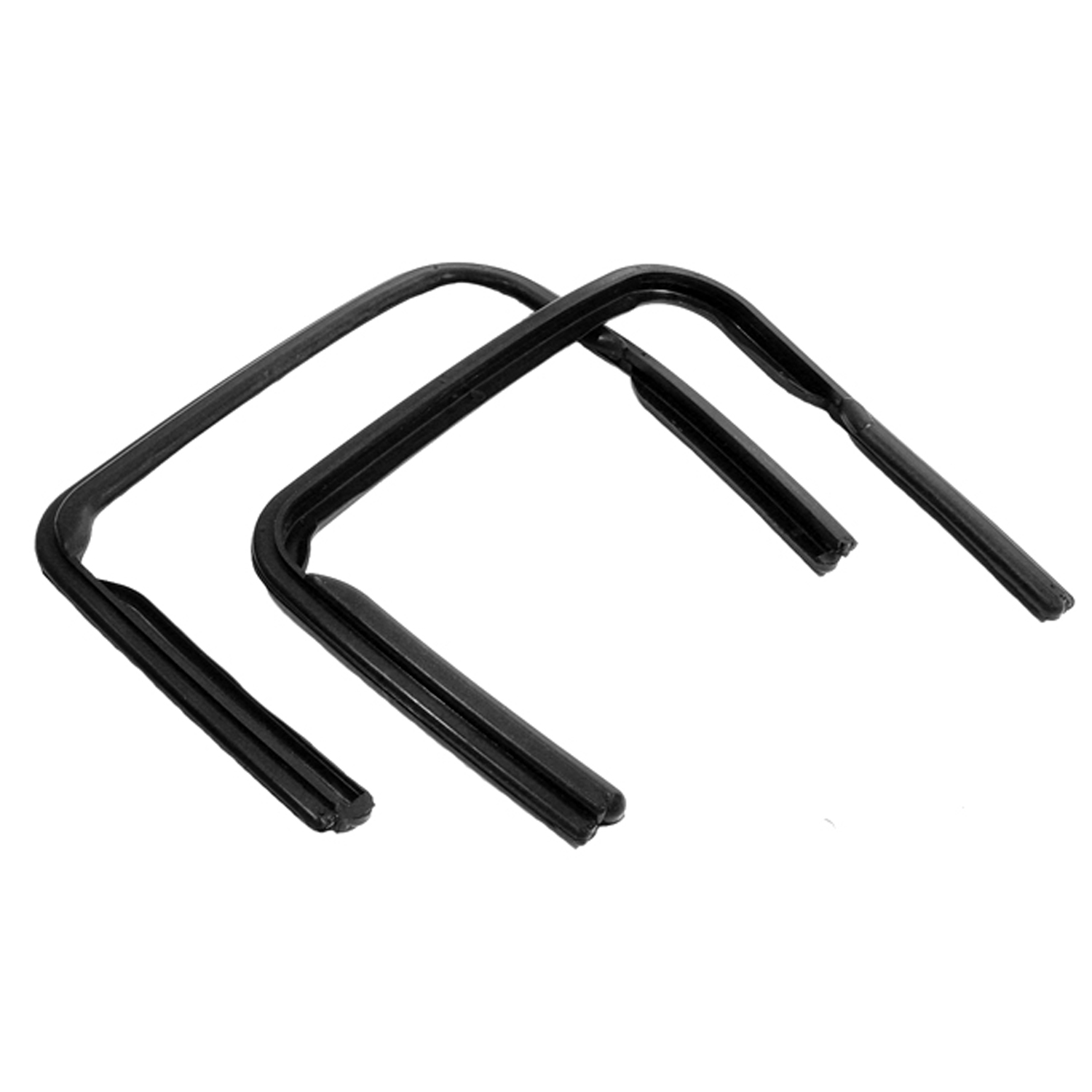 1938 Hudson Utility Series 89 Front Vent Window Seals, for Convertibles-WR 9Front Vent Window Seals, for Convertibles. 25-1/4" long each. Pair R&L
Why Choose Metro?
For over 100 years, Metro Moulded Parts has been the pinnacle of quality in classic car restoration parts. Our commitment to precision and authenticity in every component ensures a perfect fit and an OEM-level appearance.
- Expert Craftsmanship & Quality: Each part is a testament to our dedication to reliability and perfection, crafted from original designs and thoroughly tested.
- Advanced Technology: We use cutting-edge techniques to create flawless, long-lasting parts that surpass others in performance.
- SuperSoft Sponge – The Ultimate Door Seal: Not only are our door seals 30% softer than competitors', but they're also guaranteed to never leak. They effectively reduce wind and road noise, enhancing your classic car's comfort and driving experience.
- Proudly American: Our parts are a product of American craftsmanship, made in the USA with a spirit of excellence and heritage.
- Unrivaled Warranty: We back our products with a 30-year industry-leading warranty, a testament to our confidence in their quality.
Join us in preserving the legacy of classic cars with parts that are crafted for perfection, not just made.