

Image of 1939 Hudson Country Club Series 95, Note: These illustrations use artistic license and may differ from actual historical models.
Performance Metrics
Fundamental Metrics
Emotional Appeal
MMP Rating
| Engine Specifications | |
|---|---|
| Engine: | Inline 6 |
| Displacement: | 212 cubic inches |
| Horsepower: | Estimated 102 hp |
| Torque: | Not available |
| Compression Ratio: | 6.5:1 |
| Ignition System: | Distributor and coil |
| Cooling System: | Liquid-cooled |
| Performance Specifications | |
| 0-60 Time: | Not available |
| 1/4 Mile Time: | Not available |
| Top Speed: | 80 mph |
| Transmission and Drive | |
| Drive Type: | Rear-wheel drive |
| Transmission Type: | 3-speed manual |
| Fuel and Efficiency | |
| Fuel System Type: | Carburetor |
| MPG: | Not available |
| Dimensions and Brakes | |
| Brakes: | Hydraulic drum brakes |
| Wheelbase: | 122 inches |
| Weight: | 3,200 lbs |
Note: Specifications for classic cars are given to the best of our ability, considering the limited and variant data available.
1939 Hudson Country Club Series 95: An Upscale Eight from Detroit
The 1939 Hudson Country Club Series 95 paired a handsome, low-slung profile with the smooth pull of a straight-eight engine, giving buyers a distinctly premium alternative to ordinary family sedans. Built by the Hudson Motor Car Company of Detroit, Michigan, it belonged to a marque known for engineering confidence and a willingness to challenge the industry’s biggest players.
“Country Club” was Hudson’s name for an upscale line of cars, while Series 95 identified the eight-cylinder model. That distinction matters: the Series 95 was not a separate make, but a well-appointed Hudson built around the company’s larger engine. In 1939, it arrived as American automakers were refining the streamlined styling and comfort features that would define the final years before wartime production reshaped the industry.
A detail that makes the car especially appealing today is its place in Hudson’s longer story. The Series 95 was not the later, racing-famous Hudson Hornet, but it came from the same independent manufacturer whose engineering reputation would reach its peak with the innovative postwar “Step-Down” Hudsons.
Streamlined Looks, Country Club Comfort
The Hudson’s styling is elegant rather than flamboyant. Its long hood, rounded front fenders, flowing rear quarters, and gently sloping roofline give the car a cohesive, streamlined shape. At the front, a prominent grille with closely spaced vertical elements anchors the design, while brightwork around the grille, lamps, and window surrounds adds a restrained touch of formality. The overall effect is substantial without looking boxy.
Inside, the Country Club treatment aimed to make the car feel more like a comfortable private lounge than a basic transport appliance. Depending on body style and equipment, buyers could find broadcloth or other quality upholstery, coordinated trim, generous seating, and polished details on the dashboard. The front bench seat was wide, and the upright driving position offered a clear view over the hood. Upholstery and trim could vary, so surviving cars are best assessed by their individual specifications rather than by assuming every Series 95 had identical materials.
Hudson offered the Series 95 in several body configurations across its range, including sedan and coupe forms. The exact selection depended on the catalog listing and equipment, and surviving cars may have different names for closely related body styles. The four-door sedan is a natural choice for anyone wanting the full Country Club experience: spacious, formal, and well suited to touring. Coupes offer a sportier profile and are often particularly striking from the side.
Factory paint choices varied by body and model year. Period colors included classic dark shades such as black, maroon, green, and blue, along with lighter tones in the broader Hudson palette. Dark colors remain popular with collectors because they emphasize the car’s bright trim and flowing body lines, though a correctly documented original color is usually more important than choosing a fashionable repaint.
Engineering from an Independent Automaker
Hudson was one of the major independent American automakers, competing against much larger corporations with its own manufacturing and engineering ideas. The company had a reputation for sturdy construction and sound road manners. By 1939, features such as all-steel body construction and hydraulic brakes were established parts of the American-car landscape, but their presence helped make the Hudson a practical, modern car for its day.
The Series 95’s defining mechanical feature was its straight-eight engine. An inline eight is naturally smooth, and its long crankshaft and even firing sequence give it a notably refined character. Hudson’s approach was less about chasing a headline-grabbing new gadget than about delivering a substantial, comfortable automobile with a strong engine and a polished feel.
The 1939 car also belongs to an important transition in automotive design. Manufacturers were moving away from the upright, separate-fender look of earlier cars toward bodies that appeared more integrated and aerodynamic. The Hudson’s rounded forms and carefully blended fenders show that shift in progress. Its design was not the radical structural breakthrough of the later Step-Down models, but it helped establish the graceful, streamlined identity that Hudson continued to develop.
Straight-Eight Power and Road Manners
The Series 95 used a 254.4-cubic-inch Hudson straight-eight, generally listed at about 128 horsepower. A three-speed manual transmission was typical. Exact specifications and equipment can vary with the particular car, so a buyer should verify the engine, transmission, and any claimed options against the vehicle’s documentation and identification numbers.
Period performance figures are not as consistently documented as modern test data. A healthy, correctly tuned Series 95 could plausibly reach roughly 80 to 90 mph, with a 0-to-60 mph time in the neighborhood of 16 to 20 seconds. Treat those as broad period-car estimates, not guaranteed results. Actual performance depends on gearing, body style, mechanical condition, and the accuracy of the speedometer.
On the road, the straight-eight’s smoothness is a major part of the appeal. Rather than delivering a sharp modern surge, it gathers speed with a steady, muted growl that becomes more audible under acceleration. The long wheelbase and substantial body help the Hudson settle over ordinary bumps, making it a comfortable car for open-road touring. On winding roads, it feels like a large prewar automobile: best driven with a measured pace, deliberate steering inputs, and plenty of room to slow down.
The controls require a little more effort and anticipation than those in a modern car. The steering is not power-assisted, the brakes need regular attention, and the manual gearbox rewards smooth shifts. A well-maintained example can be pleasant and confidence-inspiring, but it is not designed to be hustled through corners like a contemporary sports car.
Living with a 1939 Hudson
Today, a Series 95 is most often used for touring, local club events, museum displays, and concours or preservation shows. Some owners do drive their cars regularly, but a 1939 Hudson is generally better treated as a special-use classic than as dependable everyday transport in modern traffic.
Routine work is approachable for an experienced home mechanic. The engine bay is accessible by classic-car standards, and basic service tasks such as ignition tuning, lubrication, and brake inspection are familiar to shops that work on prewar American cars. The challenge is less about exotic technology and more about sourcing correct parts, finding specialists who understand the straight-eight, and dealing with decades of repairs or modifications.
Reliability depends heavily on preparation. Cooling-system condition, fuel delivery, ignition components, tires, and brakes should all be checked before long trips. Old wiring and neglected rubber parts are common concerns on cars of this age. Parts support exists through Hudson clubs, specialist suppliers, and the vintage-car community, but some trim and body pieces can be difficult or expensive to locate.
Hudson Facts and Common Criticisms
The Country Club name was a trim and model identity within Hudson’s lineup, not a separate manufacturer. The Series 95’s appeal today comes from the combination of an uncommon prewar Hudson, an unusually smooth straight-eight, and styling that captures the streamlined turn of the late 1930s.
The car should not be confused with Hudson’s later competition successes. The Hudson Hornet became famous in the early 1950s for stock-car racing, while the 1939 Series 95 was a luxury-minded road car rather than a factory racing special. Its significance lies in Hudson’s broader engineering and design heritage, not in a specific speed or endurance record attributed to this model.
Common criticisms are familiar to owners of large prewar cars: fuel consumption is high by modern standards, performance is modest in current traffic, and the brakes and steering demand more attention than modern systems. Its size can also make parking and narrow roads less relaxing. For many enthusiasts, those compromises are part of the experience rather than deal-breakers.
Rarity, Values, and Buying Advice
Hudson did not produce the Series 95 in numbers comparable to the most popular models from the largest manufacturers, and exact production totals by body style are not consistently available in commonly cited references. As a working estimate rather than a factory-confirmed figure, total 1939 Series 95 production may have been in the low thousands, with individual body styles considerably scarcer. Surviving, well-documented cars are uncommon on the open market.
As of 2026, a rough U.S. value range might run from about $15,000 to $30,000 for a complete driver or a car needing some work, $30,000 to $60,000 for a solid, well-restored example, and potentially $60,000 to $90,000 or more for an exceptional restoration or highly original car with strong provenance. These are broad estimates, not a formal appraisal. Body style, originality, restoration quality, mechanical condition, and regional demand can move the price substantially.
Values for prewar cars tend to be selective rather than uniformly rising. A rare, correctly restored Hudson can attract serious interest, but the buyer pool is smaller than for better-known Ford or Chevrolet models. Over time, the best examples are likely to hold their appeal, while cars requiring major restoration may be held back by the cost of specialist labor and hard-to-find parts. Before buying, inspect the chassis, floors, body mounts, engine, and braking system, and compare the car’s identity and history with Hudson club records where possible.
A Quietly Distinctive Prewar Classic
The 1939 Hudson Country Club Series 95 offers a compelling mix of streamlined styling, upscale comfort, and straight-eight refinement. It may not have the name recognition of Hudson’s later Hornet, but it represents the independent automaker at an important moment in American automotive design. For collectors who value thoughtful engineering and a car that stands apart from the usual prewar favorites, the Series 95 is a graceful reminder that Hudson’s story was already distinctive before its most famous chapter began.
1939 Hudson Country Club Series 95 Catalog of Parts
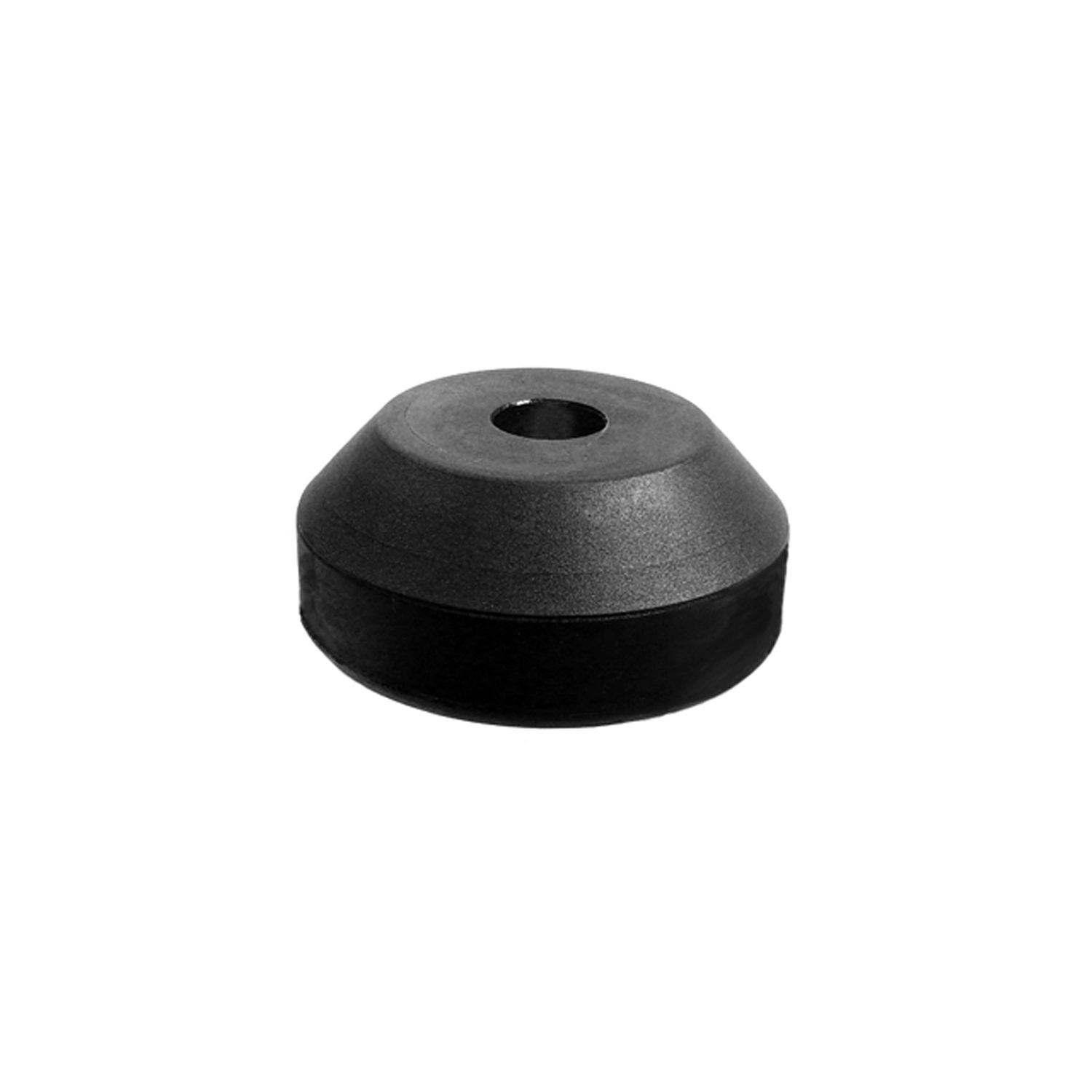 1939 Hudson Country Club Series 95 Upper Motor Mount. 5/8" I.D., 2-5/8" O.D. Each-MM 7-BUpper Motor Mount. 5/8" I.D., 2-5/8" O.D. Each
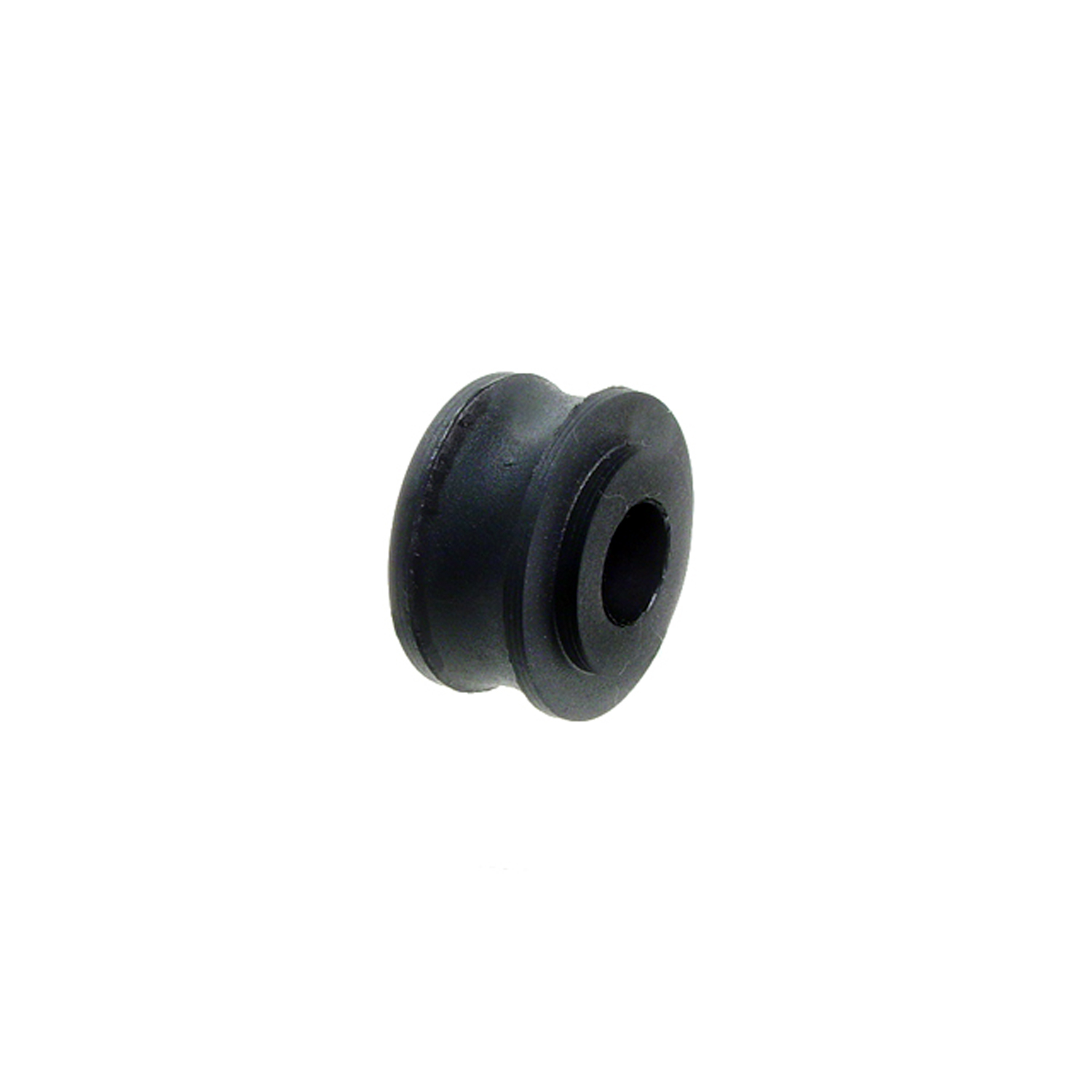 1939 Hudson Country Club Series 95 Lower Motor Mount. 5/8" I.D., 1-5/8" O.D. Each-MM 7-CLower Motor Mount. 5/8" I.D., 1-5/8" O.D. Each
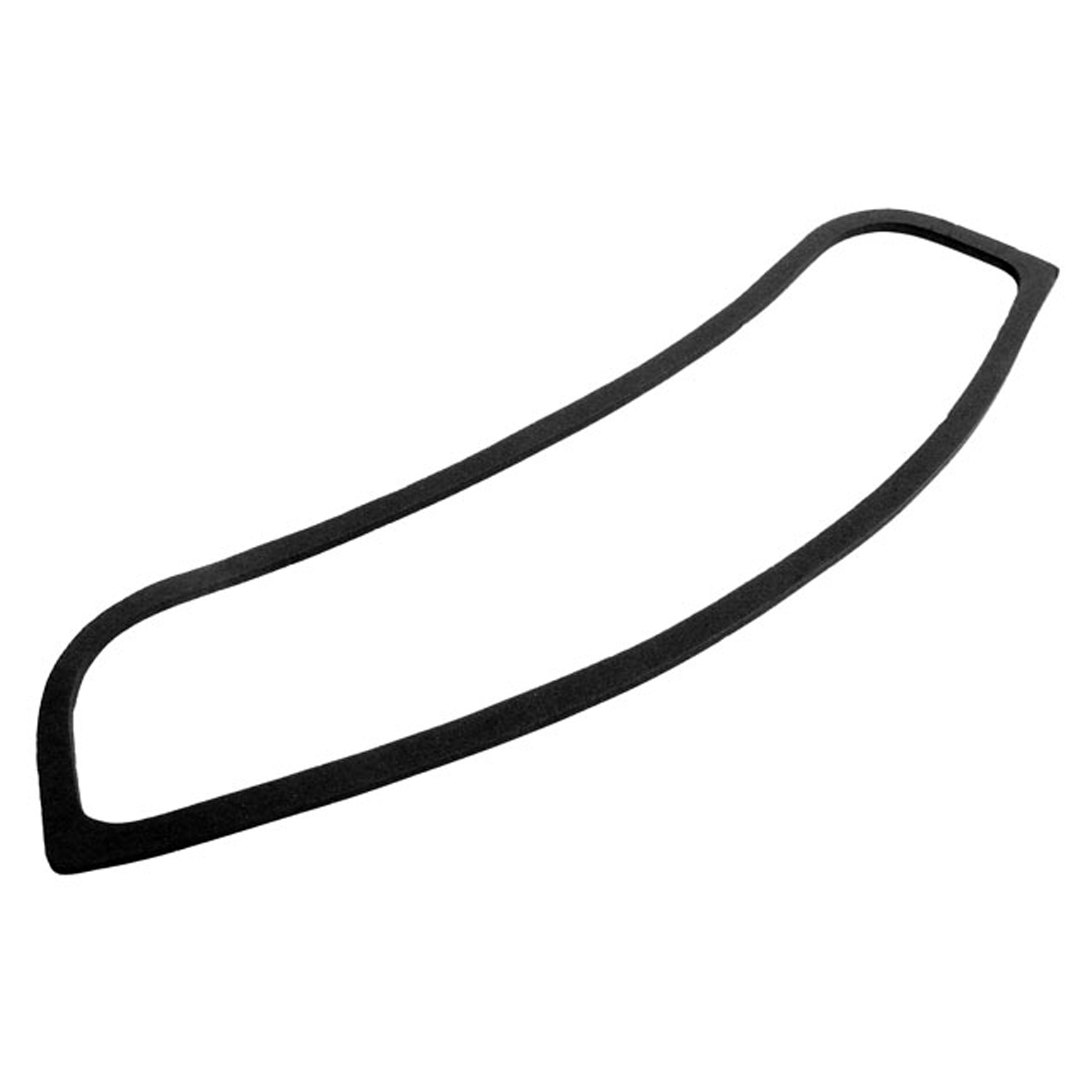 1939 Hudson Country Club Series 95 Cowl Vent Seal. 4-1/2" wide X 18-1/2" long. Each-RP 100-YCowl Vent Seal. 4-1/2" wide X 18-1/2" long. Each
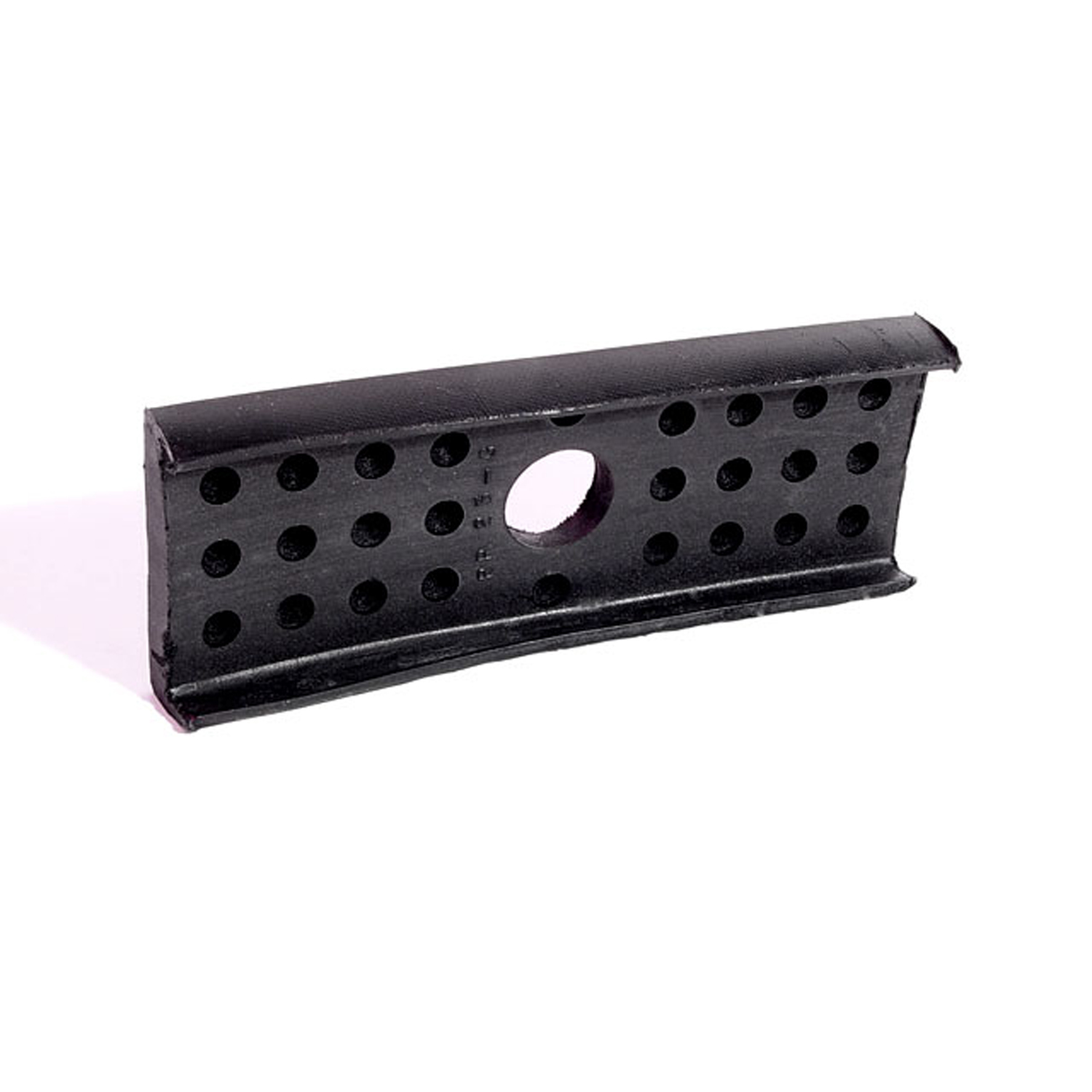 1939 Hudson Country Club Series 95 Rear Leaf Spring Center Mounting Insulator-RP 23-GRear Leaf Spring Center Mounting Insulator. For all 1-3/4" wide leaf springs. Each
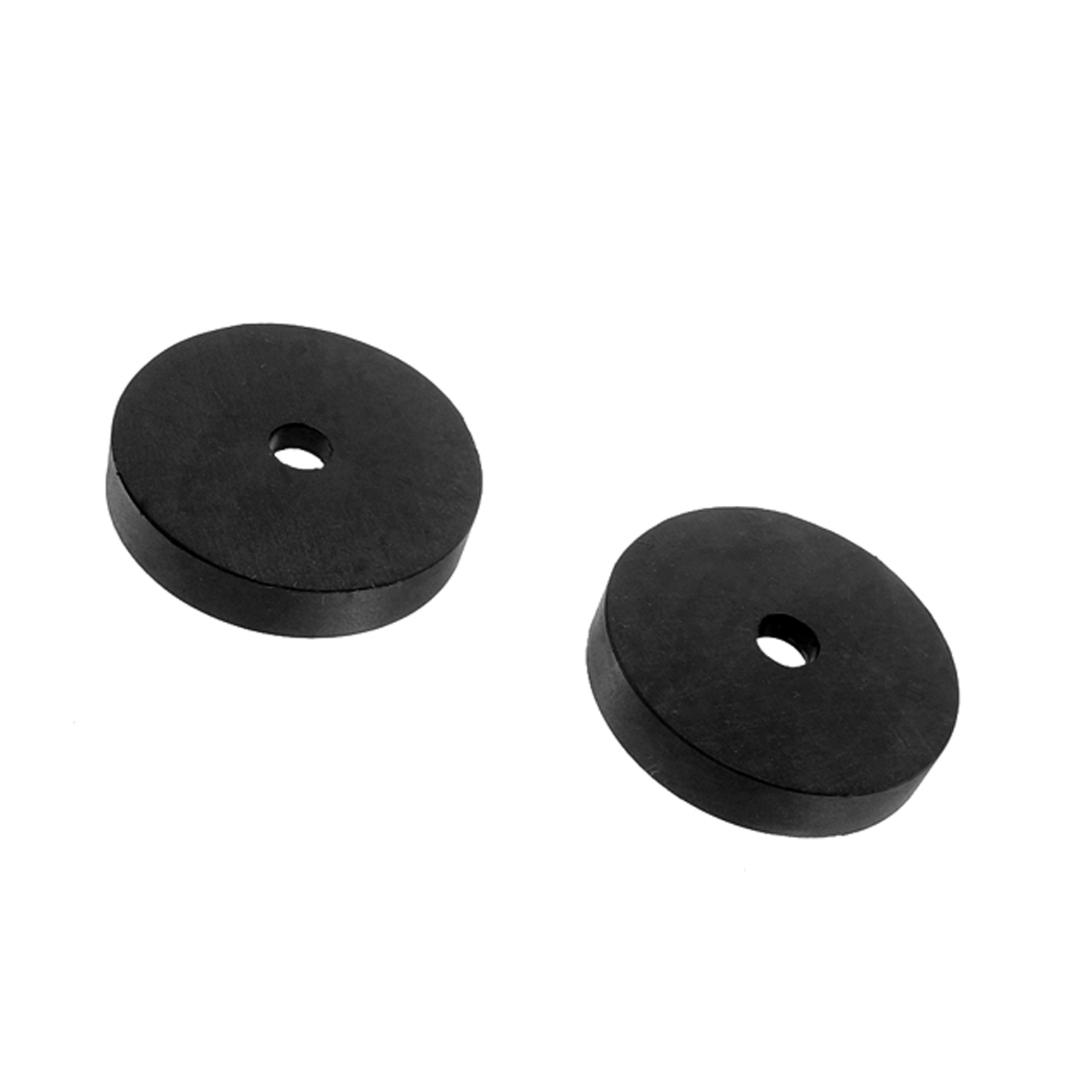 1939 Hudson Country Club Series 95 Clutch and Brake Seals. Seals fit on a round shaft-RP 31-NClutch and Brake Seals. Seals fit on a round shaft. Made of soft rubber. 2-7/16" O.D., 7/16" I.D. Pair
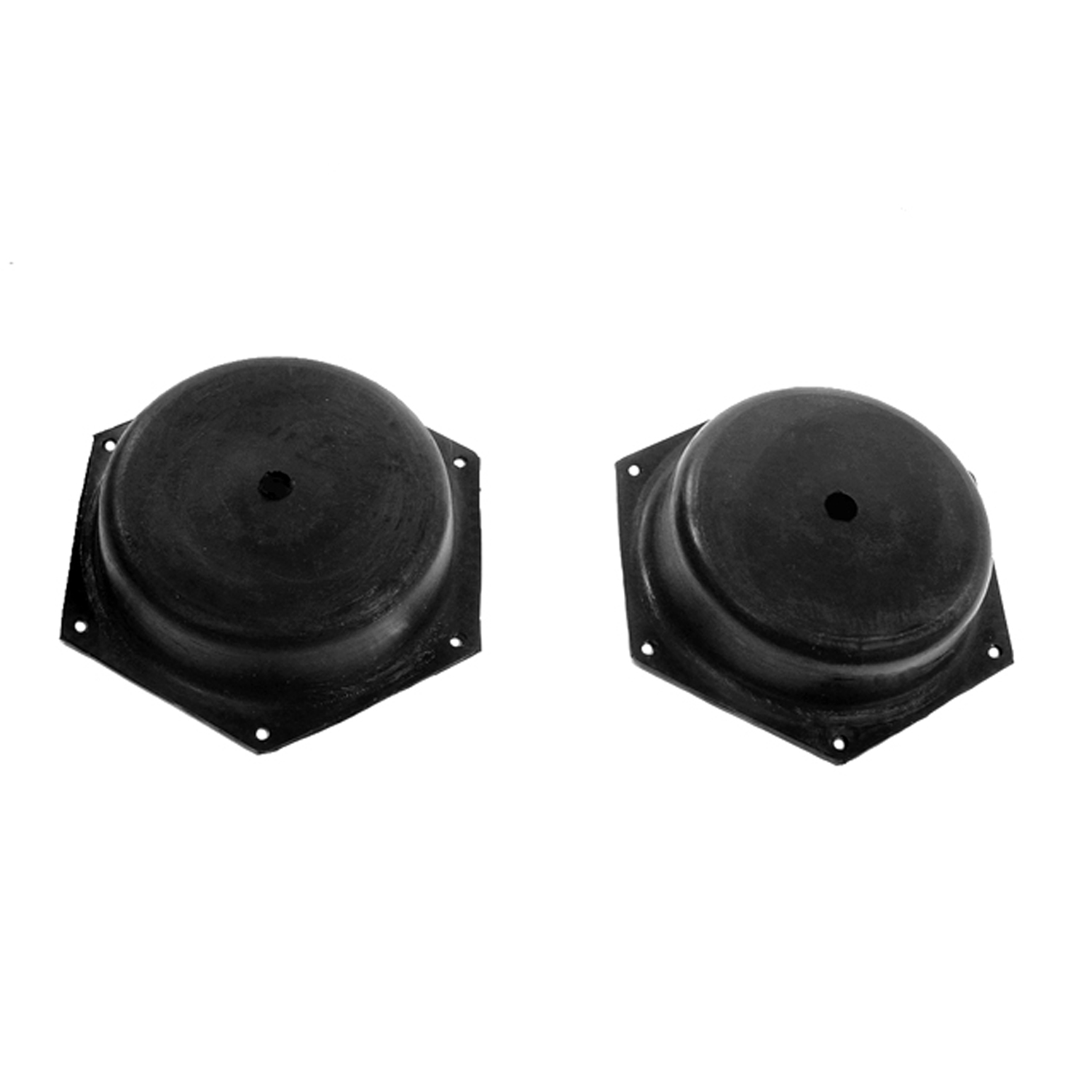 1939 Hudson Country Club Series 95 Drive Master Electric Shift Vacuum Diaphragm-RP 32-ADrive Master Electric Shift Vacuum Diaphragm. For all models with drive master system for standard transmission. Pair
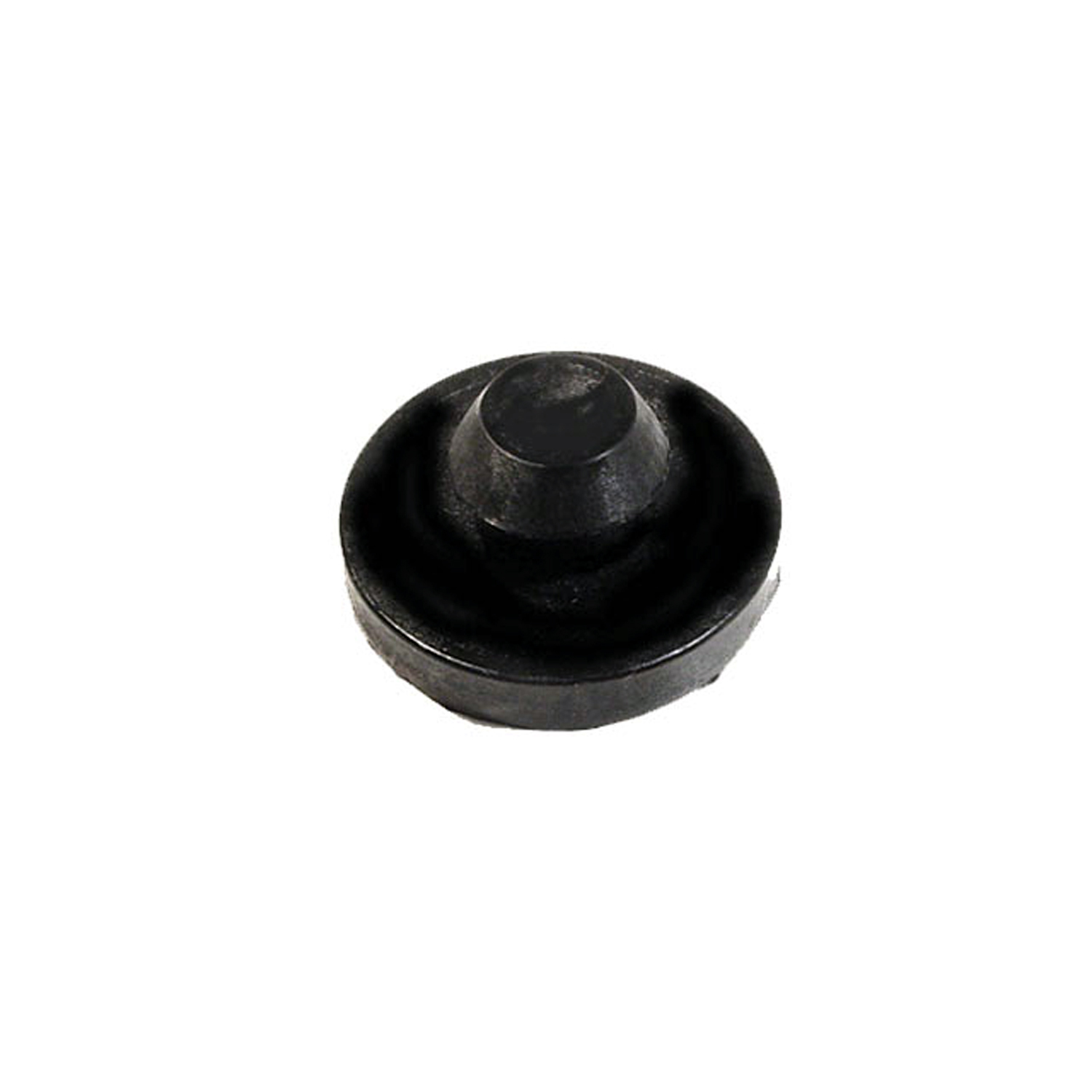 1939 Hudson Country Club Series 95 Clutch Linkage Cushion. 1/4" top thickness, 1-1/2" O.D-SB 33-AClutch Linkage Cushion. 1/4" top thickness, 1-1/2" O.D. Each
 1939 Hudson Country Club Series 95 Front Vent Window Seals. For disappearing-type vent windows-WR 4502Front Vent Window Seals. For disappearing-type vent windows. Pair R&L
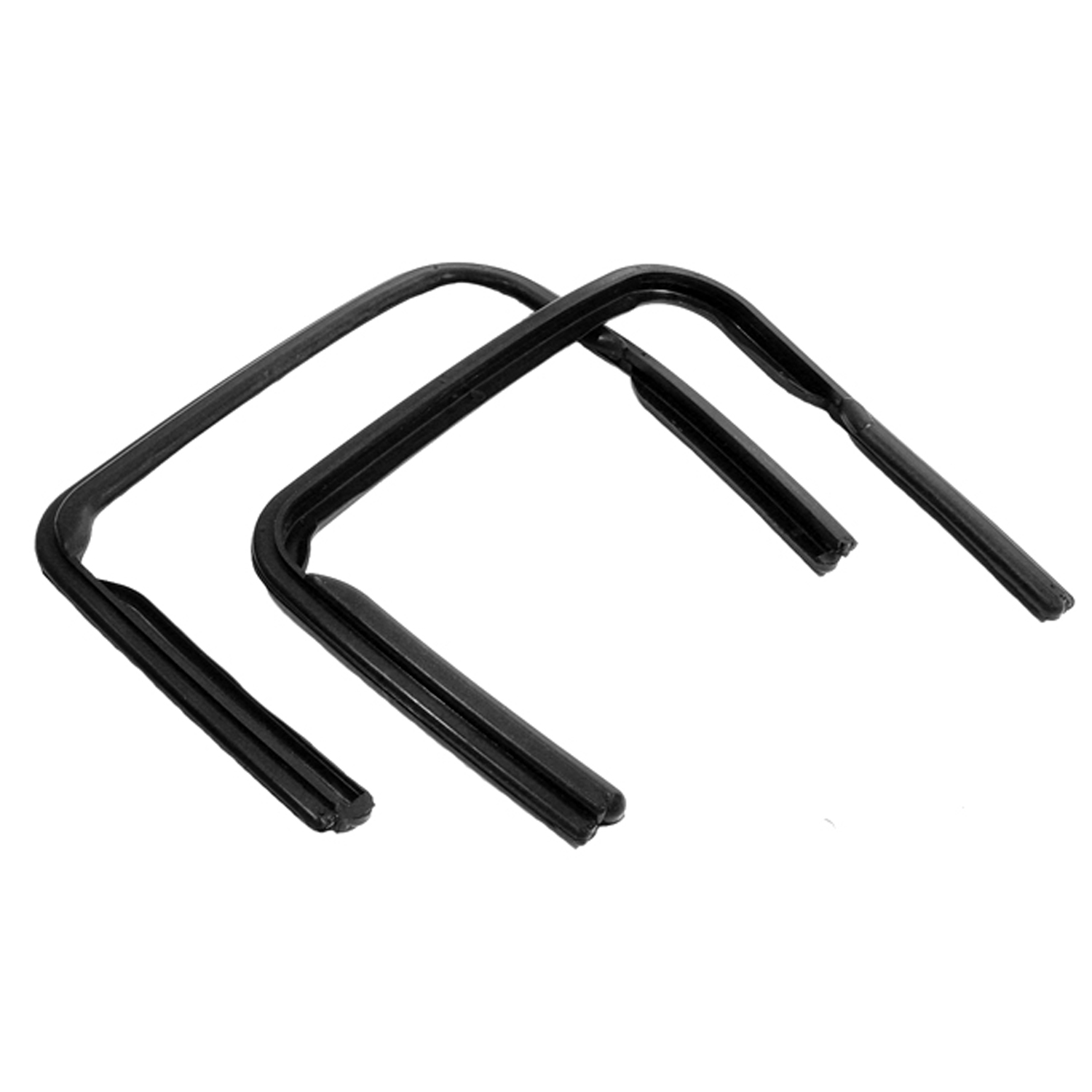 1939 Hudson Country Club Series 95 Front Vent Window Seals, for Convertibles-WR 9Front Vent Window Seals, for Convertibles. 25-1/4" long each. Pair R&L
Why Choose Metro?
For over 100 years, Metro Moulded Parts has been the pinnacle of quality in classic car restoration parts. Our commitment to precision and authenticity in every component ensures a perfect fit and an OEM-level appearance.
- Expert Craftsmanship & Quality: Each part is a testament to our dedication to reliability and perfection, crafted from original designs and thoroughly tested.
- Advanced Technology: We use cutting-edge techniques to create flawless, long-lasting parts that surpass others in performance.
- SuperSoft Sponge – The Ultimate Door Seal: Not only are our door seals 30% softer than competitors', but they're also guaranteed to never leak. They effectively reduce wind and road noise, enhancing your classic car's comfort and driving experience.
- Proudly American: Our parts are a product of American craftsmanship, made in the USA with a spirit of excellence and heritage.
- Unrivaled Warranty: We back our products with a 30-year industry-leading warranty, a testament to our confidence in their quality.
Join us in preserving the legacy of classic cars with parts that are crafted for perfection, not just made.