

Image of 1939 Hudson Custom Series 97, Note: These illustrations use artistic license and may differ from actual historical models.
Performance Metrics
Fundamental Metrics
Emotional Appeal
MMP Rating
| Engine Specifications | |
|---|---|
| Engine: | Hudson 254 cu in (4.2 L) I8 |
| Displacement: | 254 cu in (4.2 L) |
| Horsepower: | 128 hp |
| Torque: | Estimated 200 lb-ft |
| Compression Ratio: | 6.5:1 |
| Ignition System: | Battery and coil |
| Cooling System: | Liquid-cooled |
| Performance Specifications | |
| 0-60 Time: | Information not available |
| 1/4 Mile Time: | Information not available |
| Top Speed: | 85 mph |
| Transmission and Drive | |
| Drive Type: | Rear-wheel drive |
| Transmission Type: | 3-speed manual |
| Fuel and Efficiency | |
| Fuel System Type: | Carburetor |
| MPG: | Estimated 15-20 mpg |
| Dimensions and Brakes | |
| Brakes: | Hydraulic drum brakes |
| Wheelbase: | 125 in (3,175 mm) |
| Weight: | 3,400 lbs |
Note: Specifications for classic cars are given to the best of our ability, considering the limited and variant data available.
1939 Hudson Custom Series 97: A Refined American Six
The 1939 Hudson Custom Series 97 paired a smooth, dependable six-cylinder engine with the kind of roomy, carefully finished bodywork that made Hudson a serious choice for buyers who wanted comfort without moving up to a costly luxury marque. Built by the Hudson Motor Car Company of Detroit, Michigan, the Custom Six sat near the top of Hudson’s six-cylinder range and reflected the company’s practical approach to engineering: make a car that felt substantial, rode well, and could cover long distances with confidence.
Hudson had been founded in 1909 and was named for Detroit department-store owner Joseph L. Hudson, one of the investors who helped finance the company. By 1939, it was an established independent automaker competing against much larger manufacturers such as Ford, General Motors, and Chrysler. The Custom Series 97 arrived during a transition period for the industry. Streamlined styling was becoming increasingly popular, but buyers still expected upright seating, generous cabin space, and traditional body-on-frame construction.
One intriguing detail is that the Series 97 belonged to the same engineering-minded Hudson tradition that would later produce the famous 1948 “step-down” cars. The 1939 Hudson was not a step-down, but it already showed the company’s interest in stable handling and a well-planted road feel.
Custom Series 97 Styling and Cabin
From the front, the 1939 Custom had the confident face of a substantial prewar American car. Its broad, upright grille sat between rounded front fenders, while the long hood and flowing fender lines gave the body a more streamlined appearance than the boxier cars of only a few years earlier. The roofline and rear body remained formal, but the overall shape was softened by curved panels and neatly integrated trim.
The Custom series emphasized a more finished appearance than a basic Hudson. Bright exterior trim, carefully shaped moldings, and substantial bumpers reinforced its upscale position. The exact trim and equipment could differ by body style and factory configuration, but the Custom’s appeal was less about flashy ornament and more about a polished, substantial look.
Inside, the Hudson offered a wide, comfortable cabin with upright seating and plenty of room for passengers. The dashboard combined painted or wood-grain-finished surfaces with clear, period-style gauges and bright metal details. Upholstery materials and patterns varied with body style and specification; buyers could encounter durable cloth trim as well as richer fabric treatments. The Custom’s appeal came from the overall finish and generous interior, rather than modern luxuries such as air conditioning or power accessories.
Period color choices varied by body and production specification. Dark shades such as black, deep blue, maroon, green, and gray suit the car’s formal character, while lighter two-tone combinations could make the curving fenders and body lines stand out. A restored car’s paint should be checked against its factory specification, since a color that looks right for the era was not necessarily offered on every Series 97 body.
Body Styles and Equipment
The Custom Six range was offered in several closed and open body styles, with availability depending on the particular catalog and production configuration. Commonly associated forms include four-door sedans and coupe-style bodies, while open cars were available in Hudson’s broader model range. The four-door sedan is the most familiar and practical choice today, thanks to its comfortable passenger access and strong connection to the car’s touring role.
Body-style names can be confusing in prewar listings. Terms such as club coupe, brougham, and sedan were not always used consistently by sellers, so buyers should verify the body identification through Hudson references, serial information, and period literature rather than relying on a modern advertisement alone.
Engineering That Made Hudson Different
The Series 97’s main technical attraction was its six-cylinder powerplant. The Custom Six used a 212-cubic-inch L-head, or flathead, inline-six. Period specifications commonly list output at about 96 horsepower, delivered through a three-speed manual transmission. The flathead layout was conventional for its day, but Hudson tuned it for smooth, usable power rather than a high-revving performance character.
Hudson had also developed a reputation for thoughtful chassis engineering. Its independent front suspension, introduced earlier in the decade, helped the front wheels respond more independently to road irregularities than a conventional solid front axle. Combined with a sturdy frame and well-cushioned suspension, the arrangement contributed to a stable, comfortable ride. Hydraulic brakes were another important feature by this period, giving the driver more consistent stopping assistance than older mechanical systems.
What set Hudson apart was the balance of these features. The Custom Series 97 was not a radical sports car or a prestige limousine, but it brought a refined ride, sound construction, and relatively advanced suspension design to a broad American market. That emphasis on chassis behavior and passenger comfort foreshadowed Hudson’s later reputation for cars that felt planted and unusually capable on the road.
1939 Hudson Performance and Road Manners
With roughly 96 horsepower moving a full-size car, the Custom Six favored steady progress over quick acceleration. Period performance varied with body style, gearing, condition, and passenger load, but a healthy example could reach an estimated top speed in the neighborhood of 80 to 85 mph. A 0-to-60-mph time of roughly 20 to 25 seconds is a reasonable modern estimate, not a guaranteed factory figure for every Series 97 configuration.
On a smooth highway, the Hudson feels composed and substantial. Its long wheelbase and soft suspension take the sharpness out of many bumps, though the tall body and period tires remind the driver that this is a prewar car. On winding roads, it is best driven with measured steering inputs. The independent front suspension helps the car feel more controlled than some contemporary designs, but its weight, narrow tires, and older steering geometry do not invite modern cornering speeds.
The six-cylinder engine produces a muted, even mechanical note rather than a dramatic roar. At low speeds, the car feels relaxed and easygoing. The driver works a conventional manual gearbox, judges braking distances with care, and steers a car that asks for more anticipation than a modern vehicle. The reward is an unhurried, tactile drive: engine hum, road movement through the steering wheel, and a cabin designed for conversation rather than speed.
Living with a Custom Six
In 1939, a Hudson Custom could serve as family transportation, a comfortable business car, or a long-distance tourer. Today, most surviving examples are used for club events, local shows, weekend drives, and preservation projects. Regular daily use is possible for a well-maintained car, but traffic, modern highway speeds, and the scarcity of some trim and body parts make it less convenient than a later classic.
The mechanical layout is generally approachable for an experienced home mechanic. The flathead six is relatively straightforward to understand, and many routine jobs involve familiar tasks such as ignition service, carburetor adjustment, cooling-system maintenance, and brake work. Parts support is available through Hudson clubs and specialist suppliers, although some components may require searching, rebuilding, or careful adaptation.
Reliability depends heavily on condition and maintenance history. Before buying, inspect the frame and body structure for corrosion, check the cooling system and engine for signs of overheating, and examine the hydraulic brakes, steering, suspension, and electrical wiring. A car that has sat for years may need a thorough recommissioning even if it starts and moves. Original trim, glass, and body-specific pieces can be harder to replace than common service items.
Hudson Series 97 Facts and Myths
The Custom Series 97 is appealing partly because it is a less obvious prewar collectible than a convertible or a high-profile luxury car. It represents Hudson’s everyday engineering at a time when the company was competing in a crowded market, and surviving examples provide a useful look at how a substantial American sedan was built just before wartime production reshaped the industry.
There is no widely established record of the Series 97 holding a major speed or endurance record, and no single celebrity association defines the model. Its significance is better found in Hudson’s broader engineering history than in a famous owner or headline-grabbing competition result. Claims of celebrity provenance should be supported by documentation, not just repeated in a sales listing.
A common criticism is that the car is heavy and leisurely by modern standards. Its flathead six is smooth but not powerful, and replacement parts for distinctive trim can take time to locate. Those qualities are part of the period experience, but they also explain why a Series 97 tends to attract enthusiasts who value craftsmanship and historical character over rapid performance.
Collector Value and Availability
Exact production figures for the Custom Series 97 are not consistently broken out in readily available public references by body style and trim. A sensible estimate is that several thousand Series 97 cars were built, rather than tens of thousands, but the surviving population is much smaller. Four-door sedans are likely to be easier to find than unusual or open-bodied versions, and a car with documented original features will attract particular interest.
As a broad U.S. market estimate for 2026, a project car may fall around $5,000 to $12,000, depending on completeness and rust. A running, presentable driver could bring roughly $15,000 to $30,000, while a well-restored example may reach about $30,000 to $50,000 or more. Exceptional restorations, rare body styles, and strong provenance can change those figures substantially. These are general estimates, not a formal appraisal.
Values for prewar Hudsons tend to be condition-sensitive. The best examples can command healthy prices, but ordinary sedans do not always rise as quickly as the most famous classics. Over time, the Series 97 is likely to benefit from steady interest in distinctive prewar cars, though originality, restoration quality, and local demand matter more than a simple assumption that every old car is appreciating.
Why the 1939 Hudson Custom Still Matters
The 1939 Hudson Custom Series 97 brought together a smooth 212-cubic-inch six, a comfortable and carefully finished cabin, and engineering that placed real emphasis on ride and road control. It was neither a stripped-down economy car nor an extravagant prestige machine. Instead, it represented Hudson’s particular strength: building substantial, well-engineered automobiles for drivers who valued comfort and confidence.
For collectors, the Series 97 offers an engaging route into prewar motoring without requiring a famous badge or a racing pedigree. Its best feature is the way it captures Hudson’s practical ingenuity in a handsome, usable form. Behind its broad grille is a car that tells a bigger story about American engineering on the eve of a new era.
1939 Hudson Custom Series 97 Catalog of Parts
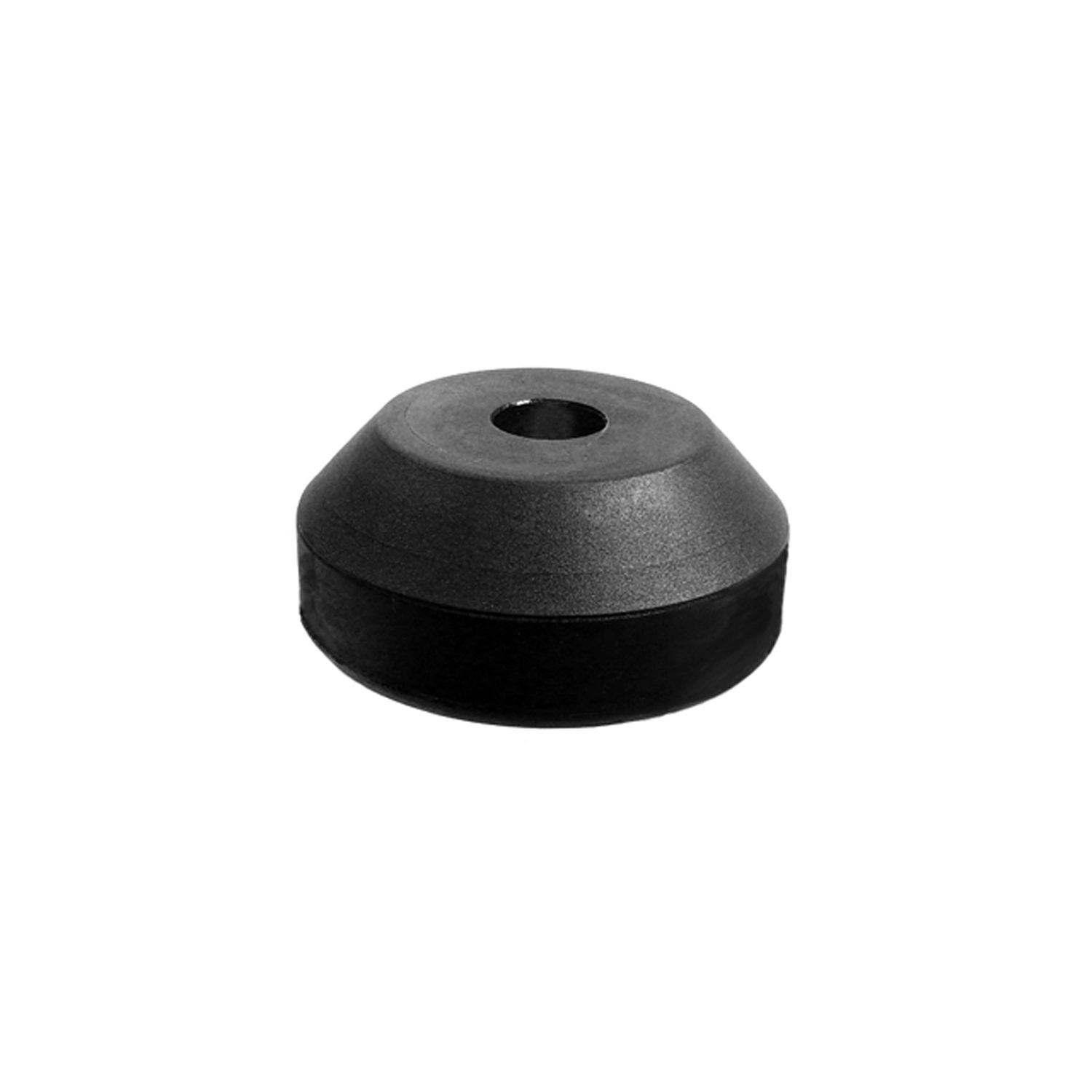 1939 Hudson Custom Series 97 Upper Motor Mount. 5/8" I.D., 2-5/8" O.D. Each-MM 7-BUpper Motor Mount. 5/8" I.D., 2-5/8" O.D. Each
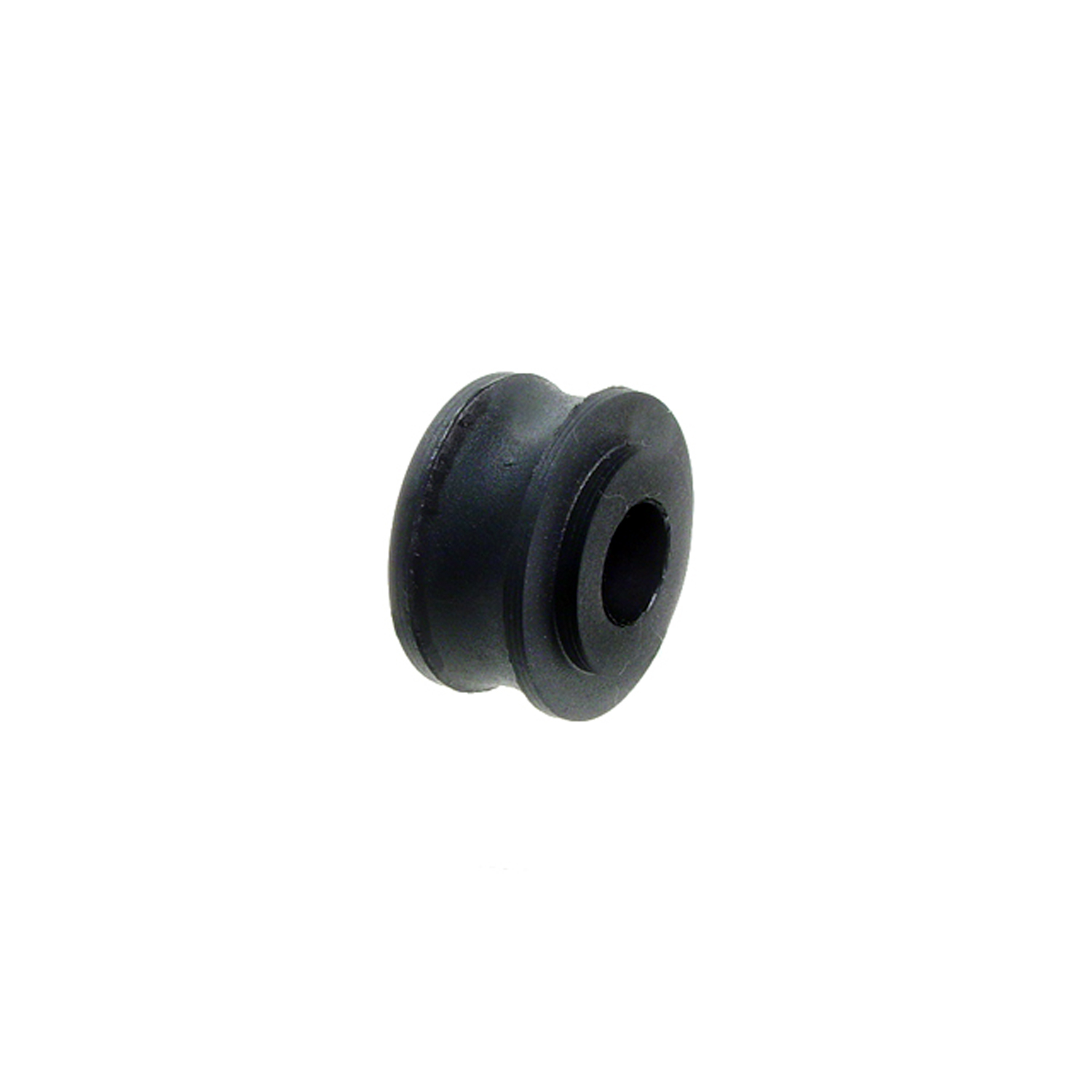 1939 Hudson Custom Series 97 Lower Motor Mount. 5/8" I.D., 1-5/8" O.D. Each-MM 7-CLower Motor Mount. 5/8" I.D., 1-5/8" O.D. Each
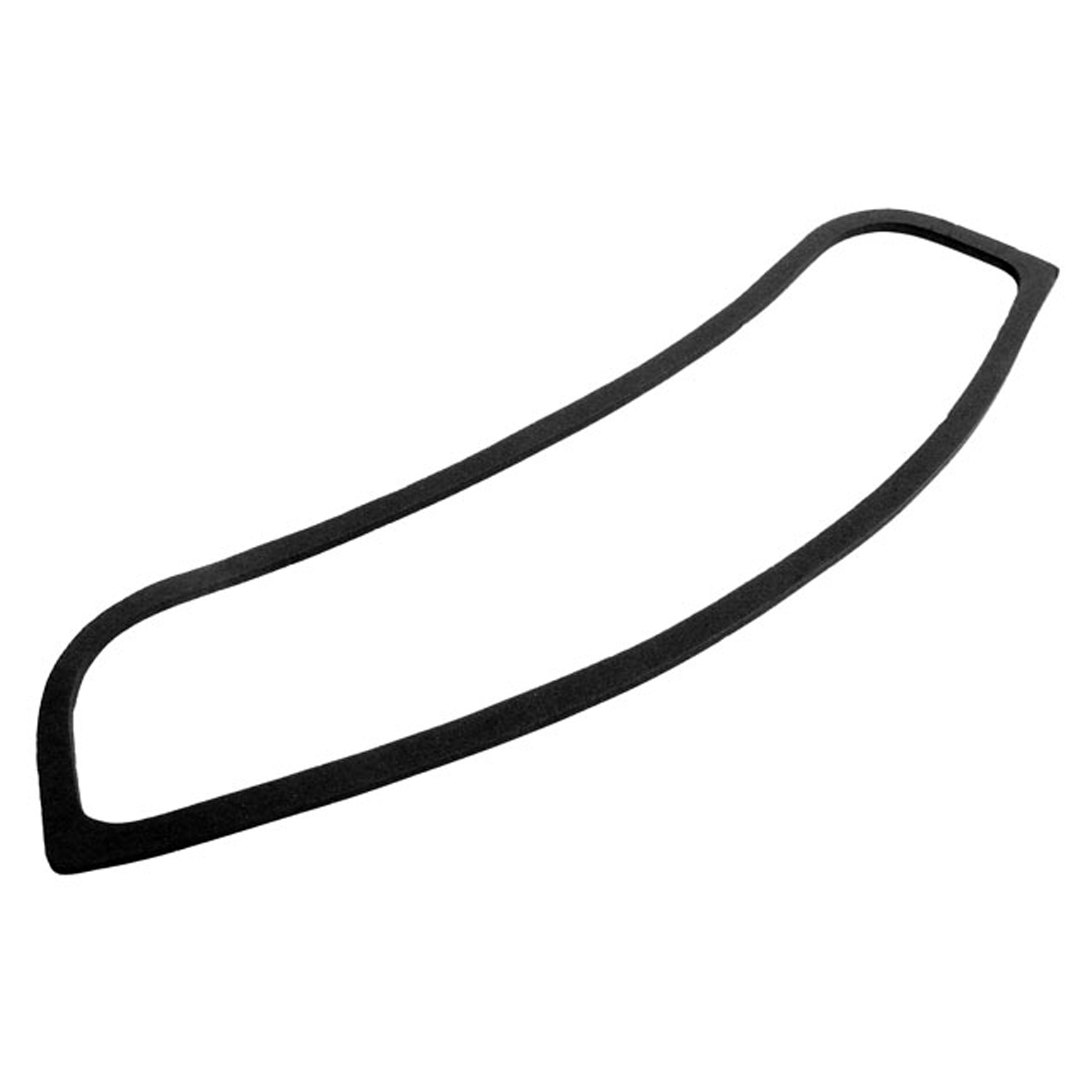 1939 Hudson Custom Series 97 Cowl Vent Seal. 4-1/2" wide X 18-1/2" long. Each-RP 100-YCowl Vent Seal. 4-1/2" wide X 18-1/2" long. Each
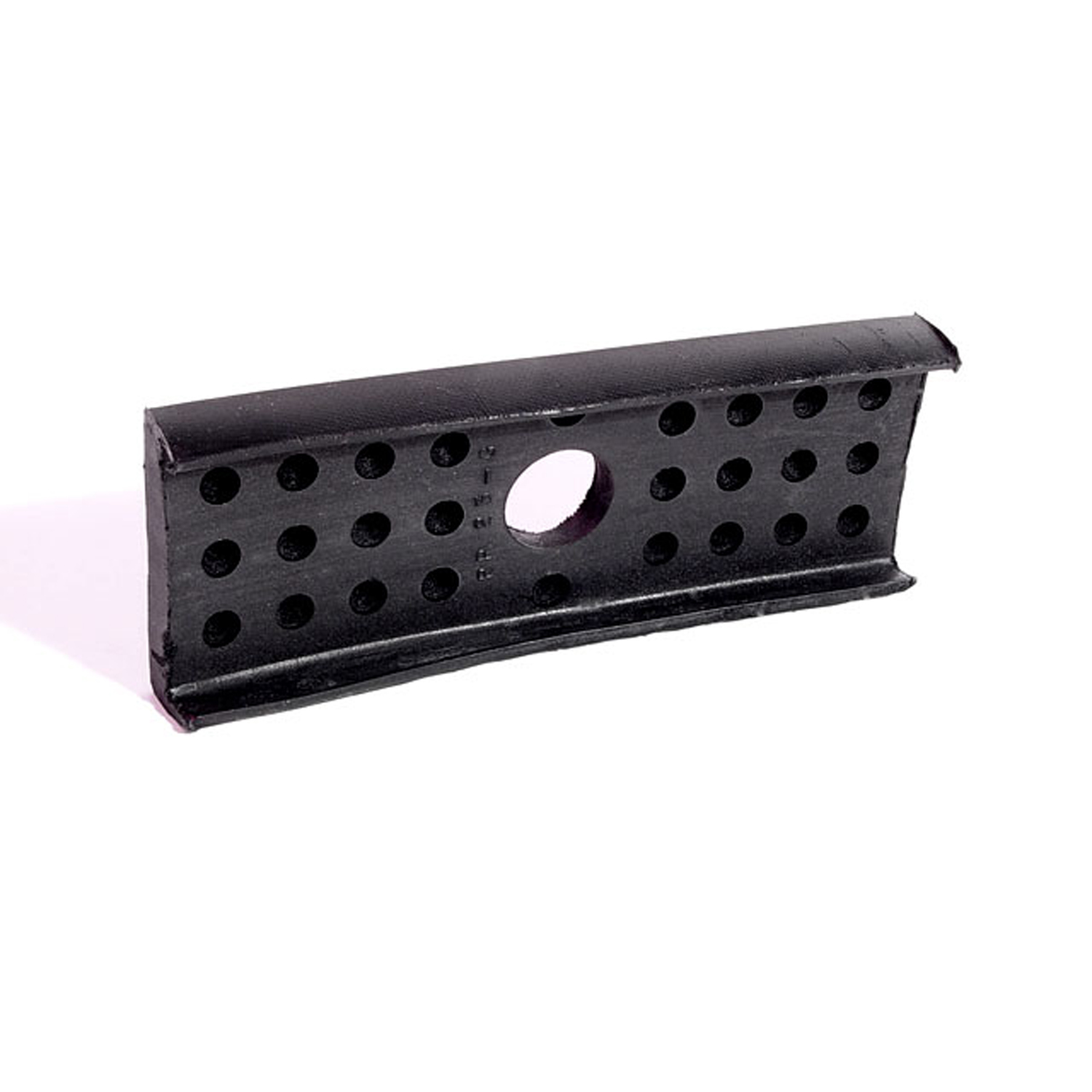 1939 Hudson Custom Series 97 Rear Leaf Spring Center Mounting Insulator-RP 23-GRear Leaf Spring Center Mounting Insulator. For all 1-3/4" wide leaf springs. Each
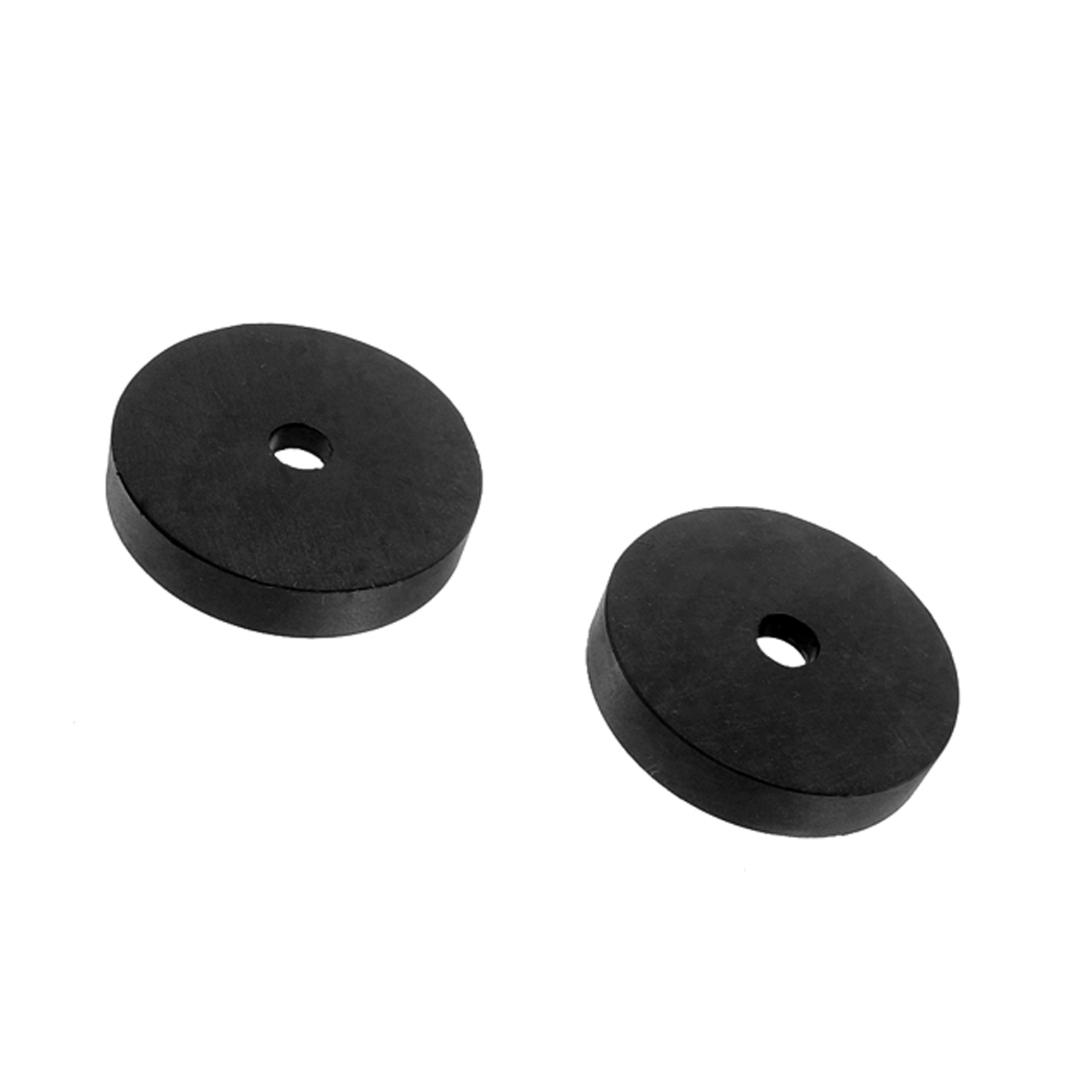 1939 Hudson Custom Series 97 Clutch and Brake Seals. Seals fit on a round shaft-RP 31-NClutch and Brake Seals. Seals fit on a round shaft. Made of soft rubber. 2-7/16" O.D., 7/16" I.D. Pair
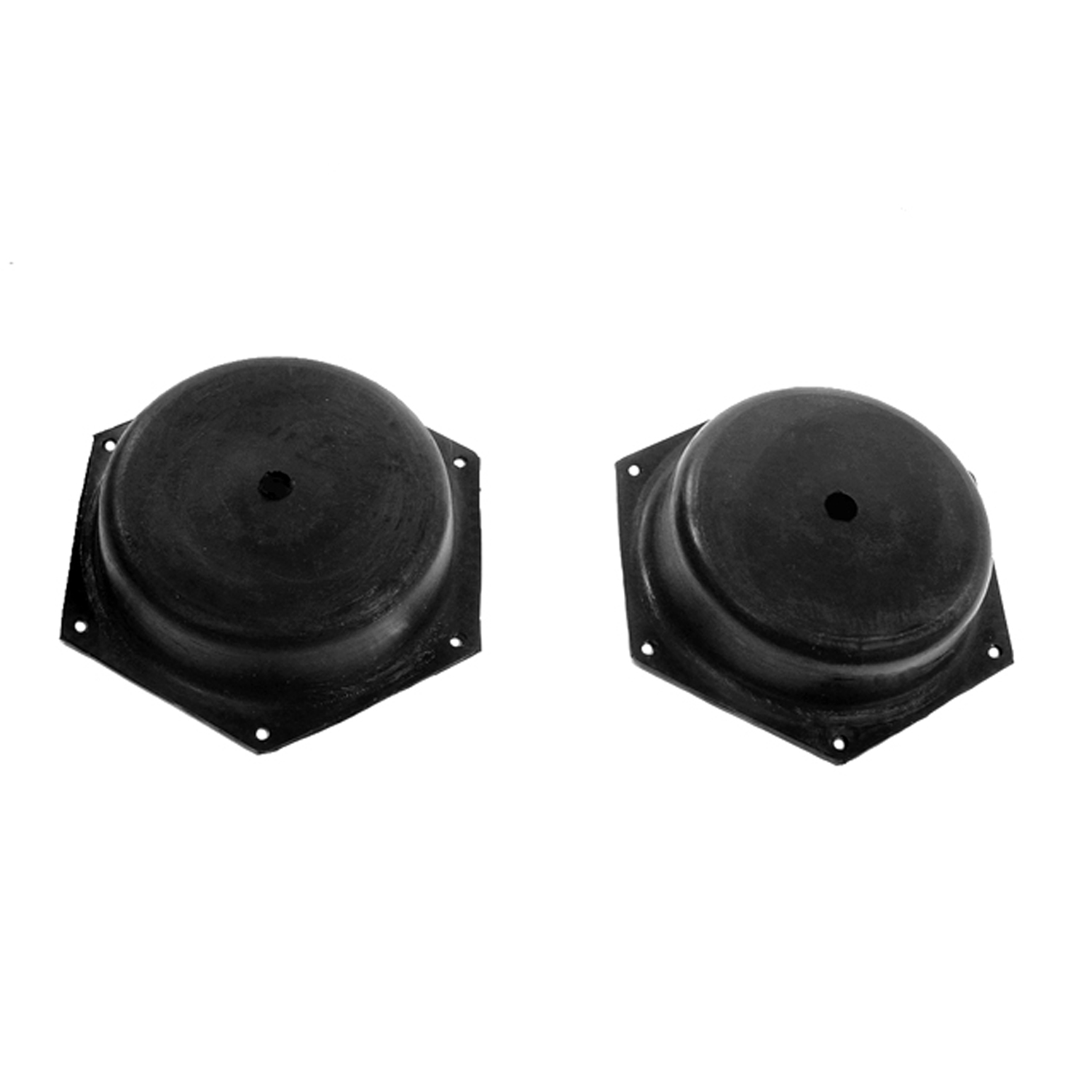 1939 Hudson Custom Series 97 Drive Master Electric Shift Vacuum Diaphragm-RP 32-ADrive Master Electric Shift Vacuum Diaphragm. For all models with drive master system for standard transmission. Pair
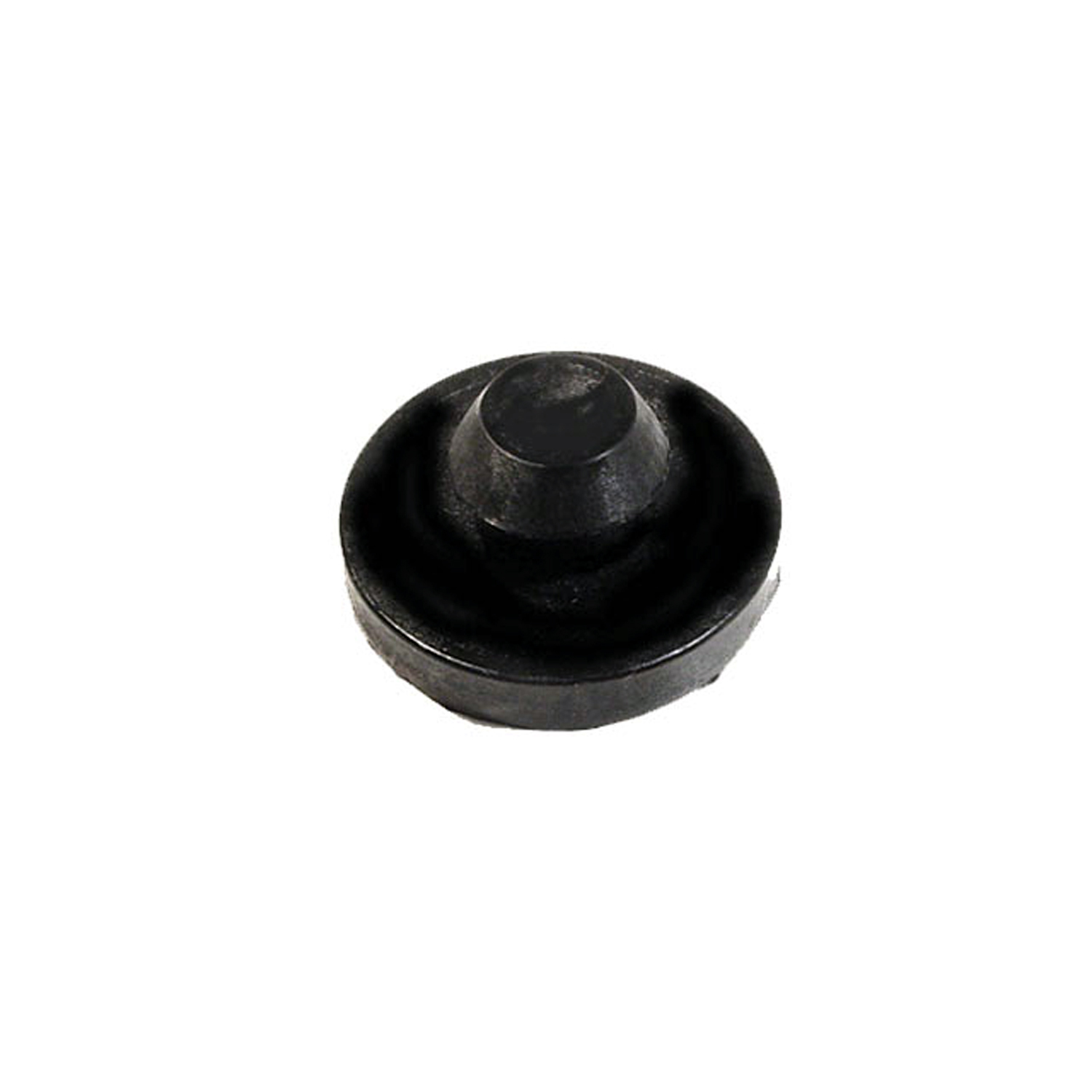 1939 Hudson Custom Series 97 Clutch Linkage Cushion. 1/4" top thickness, 1-1/2" O.D-SB 33-AClutch Linkage Cushion. 1/4" top thickness, 1-1/2" O.D. Each
 1939 Hudson Custom Series 97 Front Vent Window Seals. For disappearing-type vent windows-WR 4502Front Vent Window Seals. For disappearing-type vent windows. Pair R&L
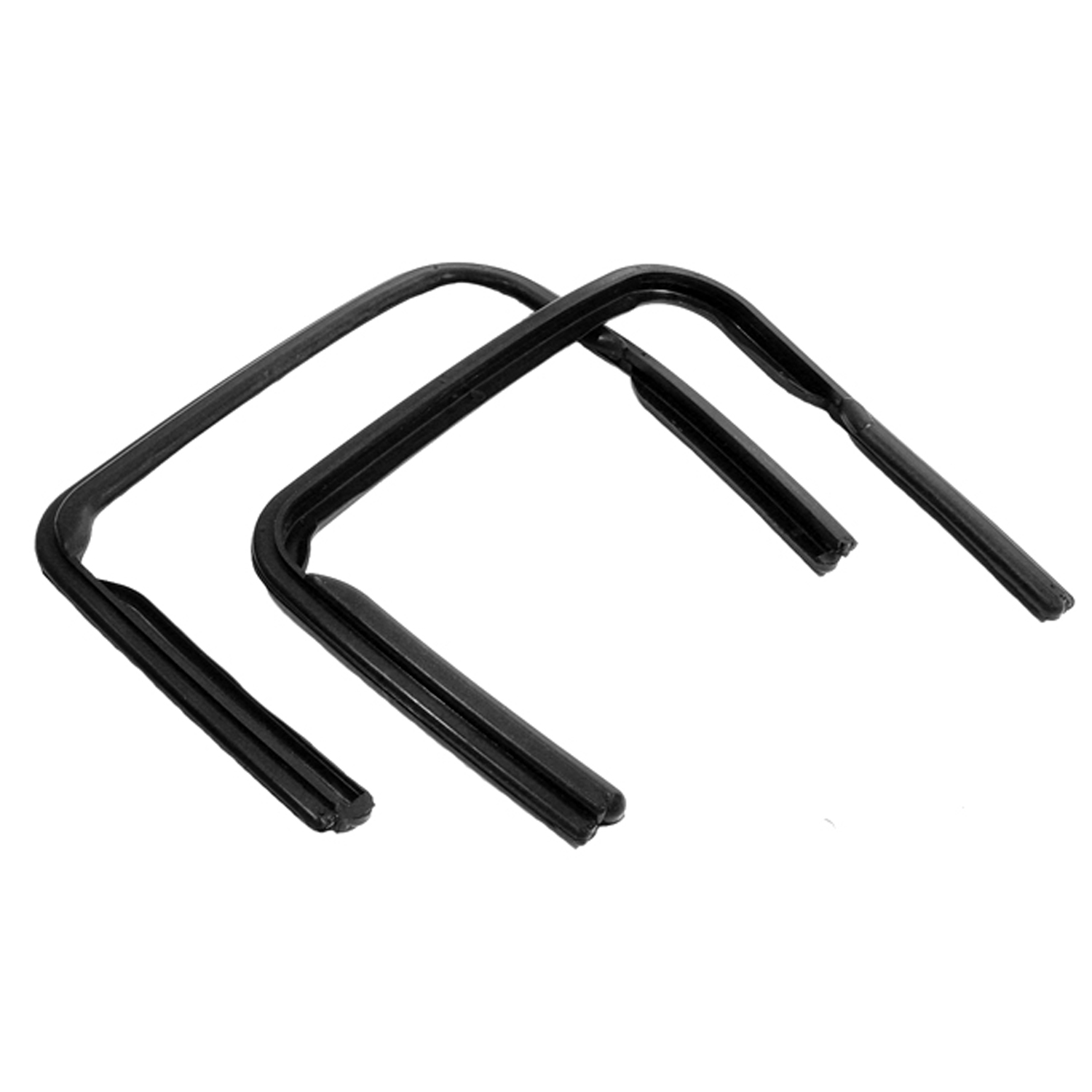 1939 Hudson Custom Series 97 Front Vent Window Seals, for Convertibles-WR 9Front Vent Window Seals, for Convertibles. 25-1/4" long each. Pair R&L
Why Choose Metro?
For over 100 years, Metro Moulded Parts has been the pinnacle of quality in classic car restoration parts. Our commitment to precision and authenticity in every component ensures a perfect fit and an OEM-level appearance.
- Expert Craftsmanship & Quality: Each part is a testament to our dedication to reliability and perfection, crafted from original designs and thoroughly tested.
- Advanced Technology: We use cutting-edge techniques to create flawless, long-lasting parts that surpass others in performance.
- SuperSoft Sponge – The Ultimate Door Seal: Not only are our door seals 30% softer than competitors', but they're also guaranteed to never leak. They effectively reduce wind and road noise, enhancing your classic car's comfort and driving experience.
- Proudly American: Our parts are a product of American craftsmanship, made in the USA with a spirit of excellence and heritage.
- Unrivaled Warranty: We back our products with a 30-year industry-leading warranty, a testament to our confidence in their quality.
Join us in preserving the legacy of classic cars with parts that are crafted for perfection, not just made.