

Image of 1939 Hudson Series 90, Note: These illustrations use artistic license and may differ from actual historical models.
Performance Metrics
Fundamental Metrics
Emotional Appeal
MMP Rating
| Engine Specifications | |
|---|---|
| Engine: | Inline 6 |
| Displacement: | 212 cubic inches |
| Horsepower: | Estimated 102 hp |
| Torque: | 180 lb-ft |
| Compression Ratio: | Estimated 6.5:1 |
| Ignition System: | Distributor and coil |
| Cooling System: | Liquid-cooled |
| Performance Specifications | |
| 0-60 Time: | Information not available |
| 1/4 Mile Time: | Information not available |
| Top Speed: | 80 mph |
| Transmission and Drive | |
| Drive Type: | Rear-wheel drive |
| Transmission Type: | 3-speed manual |
| Fuel and Efficiency | |
| Fuel System Type: | Carburetor |
| MPG: | Information not available |
| Dimensions and Brakes | |
| Brakes: | Drum brakes |
| Wheelbase: | 122 inches |
| Weight: | Estimated 3,200 lbs |
Note: Specifications for classic cars are given to the best of our ability, considering the limited and variant data available.
1939 Hudson Series 90: An Eight-Cylinder Classic
The 1939 Hudson Series 90 brought smooth straight-eight power and confident, streamlined styling to a market preparing for a new decade. Built by the Hudson Motor Car Company in Detroit, Michigan, the Series 90 was part of Hudson’s upscale eight-cylinder range, positioned above the company’s six-cylinder models. It combined a roomy, carefully finished cabin with the substantial road presence expected of a premium American car.
Its timing gives it a special place in automotive history. The Series 90 arrived as American manufacturers were refining the rounded, aerodynamic shapes of the late 1930s, just before wartime production would transform the industry. It also belongs to a period of rapid Hudson innovation, though it is important not to confuse it with the company’s famous “step-down” cars. That lower-floor design arrived after the war, in 1948. The 1939 Series 90 was a handsome, traditionally constructed car that helped build the reputation Hudson would later carry into its postwar engineering era.
Streamlined Style and Hudson Craftsmanship
The Series 90 wears the graceful proportions typical of a high-end American car in 1939. Its long hood leads into a prominent front grille, with flowing fenders and rounded contours softening the body’s substantial size. The headlights are integrated into the front fender area, giving the nose a more unified appearance than the separate lamps of earlier cars. Chrome brightwork adds definition around the grille, window surrounds, and exterior trim without overwhelming the overall shape.
Inside, the Hudson’s appeal is as much about space as decoration. Broad seats, generous legroom, and a tall cabin make it feel like a car built for comfortable touring. Upholstery and trim varied with body style and equipment, but buyers could expect materials such as cloth, patterned broadcloth, and carefully finished metal or wood-look details. The dashboard brought the instruments together in a clear, period-appropriate layout, while a large steering wheel and straightforward controls reinforced its character as a substantial driver’s car.
Factory paint choices varied by body style and production availability. Period Hudsons could be ordered in a range of solid colors, including darker, formal shades as well as brighter tones, with contrasting interior fabrics and trim. Deep blues, greens, maroons, and black were natural choices for buyers seeking a dignified look, while lighter or more vivid colors gave the car a livelier presence. Original paint charts and trim combinations are especially useful to collectors restoring a particular Series 90.
The Series 90 range included several closed and open body styles, with availability depending on the model and catalog offering. Four-door sedans suited family and touring use, while two-door coupes and club-style bodies offered a sportier profile. Convertible models were among the most eye-catching choices, but surviving examples are generally less common than sedans. The four-door sedan remains an especially recognizable expression of the Series 90: elegant, roomy, and unmistakably built for long-distance travel.
Engineering in a Changing Era
Hudson had a reputation for engineering ambition, and the Series 90 benefited from that broader company culture. Its 254.4-cubic-inch L-head straight-eight delivered smooth, steady power, while hydraulic brakes provided the predictable stopping response expected of a modern car in its class. Hudson had also introduced its “Radial Safety Control” independent front suspension in the mid-1930s. That system helped improve front-wheel control and ride comfort compared with older, more basic suspension layouts.
The Series 90 was not a radical departure from conventional automobile design. It used a separate frame and a familiar front-engine, rear-wheel-drive layout. Its significance lies more in how Hudson combined established engineering with careful refinement: a smooth eight-cylinder engine, comfortable suspension, strong brakes, and an aerodynamic-looking body. In an era when buyers were beginning to expect more than basic transportation, Hudson offered a car that felt composed and substantial without relying on a single headline-grabbing gimmick.
That balance also helps explain the Series 90’s place in the Hudson story. It was part of the company’s prewar push to stand apart from mass-market rivals, while the later step-down Hudsons would make a much more dramatic mark on body and chassis design. The 1939 car is best understood as a polished expression of Hudson’s prewar engineering, not as an early step-down model.
Straight-Eight Performance and Road Manners
The Series 90’s 254.4-cubic-inch straight-eight is commonly rated at about 122 horsepower, with specifications varying slightly by source and equipment. Power went through a three-speed manual transmission to the rear wheels. Period gearing, tire condition, engine health, and the car’s body style all affect real-world performance, but a healthy example could reach roughly 80 to 90 mph. A 0-to-60-mph time in the neighborhood of 18 to 22 seconds is a reasonable estimate for a stock car, rather than a modern-style performance claim.
On the road, the engine’s character matters more than its acceleration figures. The long inline-eight layout produces a smooth, even pull, with a muted mechanical hum that rises in pitch as the driver works through the gears. It is a touring engine, happiest delivering steady momentum rather than being pushed hard. The manual gearbox and large steering wheel ask for deliberate input, and the car feels most at home cruising at a measured pace.
The suspension helps the Hudson absorb ordinary road imperfections with a comfortable, substantial feel. On rough pavement, the ride is more forgiving than that of many smaller cars of the period, though worn springs, tired shocks, and old tires can make a surviving example feel loose or floaty. On winding roads, its size and body-on-frame construction are evident: the Series 90 is not a nimble sports car, and drivers should allow for body lean and longer stopping distances. In crosswinds, its broad body can require attention at the wheel, especially at speed.
Living With a 1939 Hudson
Today, a Series 90 is more likely to be a show car, touring car, or carefully maintained weekend driver than a daily commuter. Its comfortable cabin and smooth engine make it well suited to vintage-car events and leisurely drives, but modern traffic can expose the limits of prewar braking, lighting, and crash protection. Owners should plan routes and speeds accordingly rather than expecting the car to behave like a contemporary sedan.
Routine service is manageable for an owner familiar with older vehicles. The engine uses straightforward mechanical systems, and many basic maintenance tasks, such as ignition service, lubrication, and brake inspection, are understandable to a competent home mechanic. The harder challenge is often sourcing correct parts, trim, glass, and body-specific components. Specialist Hudson clubs and parts suppliers can be invaluable, particularly when a restoration requires original fittings or period-correct upholstery.
Reliability depends heavily on restoration quality and ongoing care. Cooling systems, fuel delivery, electrical wiring, brakes, and rubber components deserve careful attention on any car that has spent decades in storage. A properly sorted Series 90 can be enjoyable on touring runs, but an unrestored example should receive a thorough mechanical inspection before regular road use.
Hudson Trivia and Common Misconceptions
The Series 90’s straight-eight gives it a particularly smooth-running personality, one of the qualities Hudson used to distinguish its premium models. It is also sometimes mistakenly associated with the later “step-down” Hudsons that became famous for their low floors and advanced handling. The 1939 Series 90 predates that design by nearly a decade, so it should be judged on its own prewar merits.
Hudson’s best-known racing fame came later, especially with the Hornet in the early 1950s. The 1939 Series 90 is not generally associated with a major speed record or a widely publicized endurance achievement. Nor is there a broadly documented celebrity ownership story that defines the model. Its appeal is more rooted in its rarity, its smooth eight-cylinder character, and its place in Hudson’s prewar lineup.
One criticism familiar to owners of large prewar cars is that the Series 90 demands more space and attention than a modern vehicle. Its fuel economy is modest by current standards, replacement parts may take time to locate, and its handling requires respect. Those trade-offs are part of the experience, not hidden flaws: the Hudson was built for a different era of roads, traffic, and expectations.
Collector Values and Rarity
Exact production figures for individual 1939 Hudson body styles are not consistently reported, so any Series 90 total should be treated as an informed estimate. Given Hudson’s overall production and the smaller demand for eight-cylinder models compared with sixes, a reasonable working estimate is roughly 5,000 to 10,000 Series 90 cars across the range. Surviving cars are considerably fewer, and open body styles or unusually original examples can be difficult to find.
Values depend strongly on body style, completeness, originality, and restoration quality. As a broad current-market estimate, a project or driver-quality sedan might sell for around $12,000 to $25,000. A well-restored sedan or coupe could bring approximately $25,000 to $45,000, while a rare convertible or exceptional show-quality car may reach $50,000 to $75,000 or more. These are guide ranges, not guaranteed sale prices; regional demand and the quality of the restoration can move a particular car well outside them.
The market for prewar American cars tends to reward condition and provenance more than a simple model-year label. The Series 90 has a devoted enthusiast following, but it is less widely recognized than famous Hudson models such as the Hornet. That can keep values more accessible than those of marquee classics, while high-quality, rare-body examples remain desirable. Over the long term, sound, original cars are likely to hold interest, though restoration costs can exceed the eventual selling price.
Why the 1939 Hudson Series 90 Still Matters
The 1939 Hudson Series 90 brings together the qualities that made the marque distinctive before the war: elegant streamlined styling, a smooth straight-eight engine, comfortable touring manners, and thoughtful engineering. It is not the radical step-down Hudson, nor is it a racing legend, but it captures an important moment when American automakers were turning refined design and mechanical sophistication into everyday luxury.
For collectors, it offers something increasingly rare: a full-size prewar car with genuine presence, a distinctive eight-cylinder soundtrack, and a direct connection to Hudson’s inventive history. The Series 90 is a reminder that automotive significance is not always about being the fastest or most famous. Sometimes it is about building a car so well suited to its time that, decades later, it still feels like a proper occasion to take the long way home.
1939 Hudson Series 90 Catalog of Parts
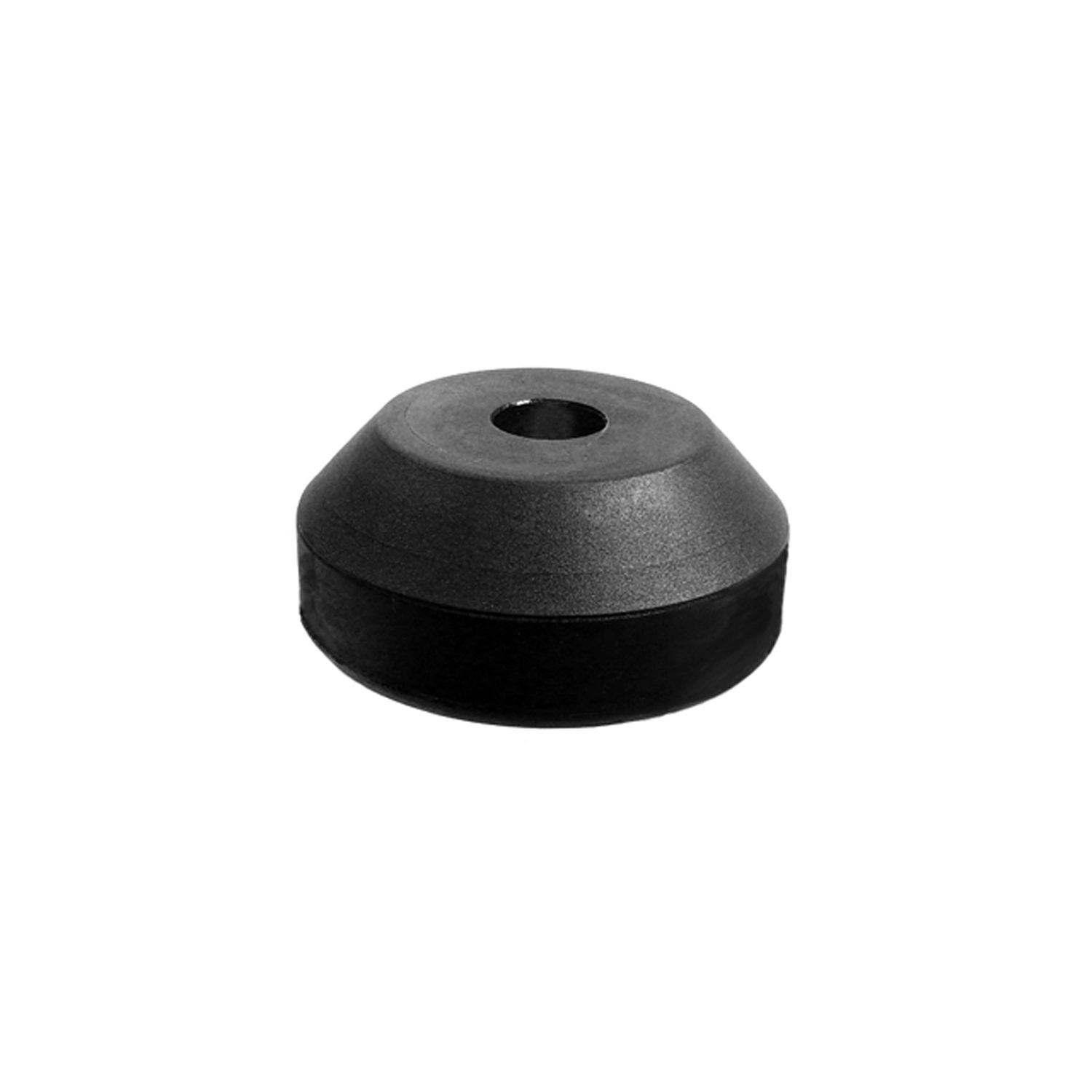 1939 Hudson SERIES 90 Upper Motor Mount. 5/8" I.D., 2-5/8" O.D. Each-MM 7-BUpper Motor Mount. 5/8" I.D., 2-5/8" O.D. Each
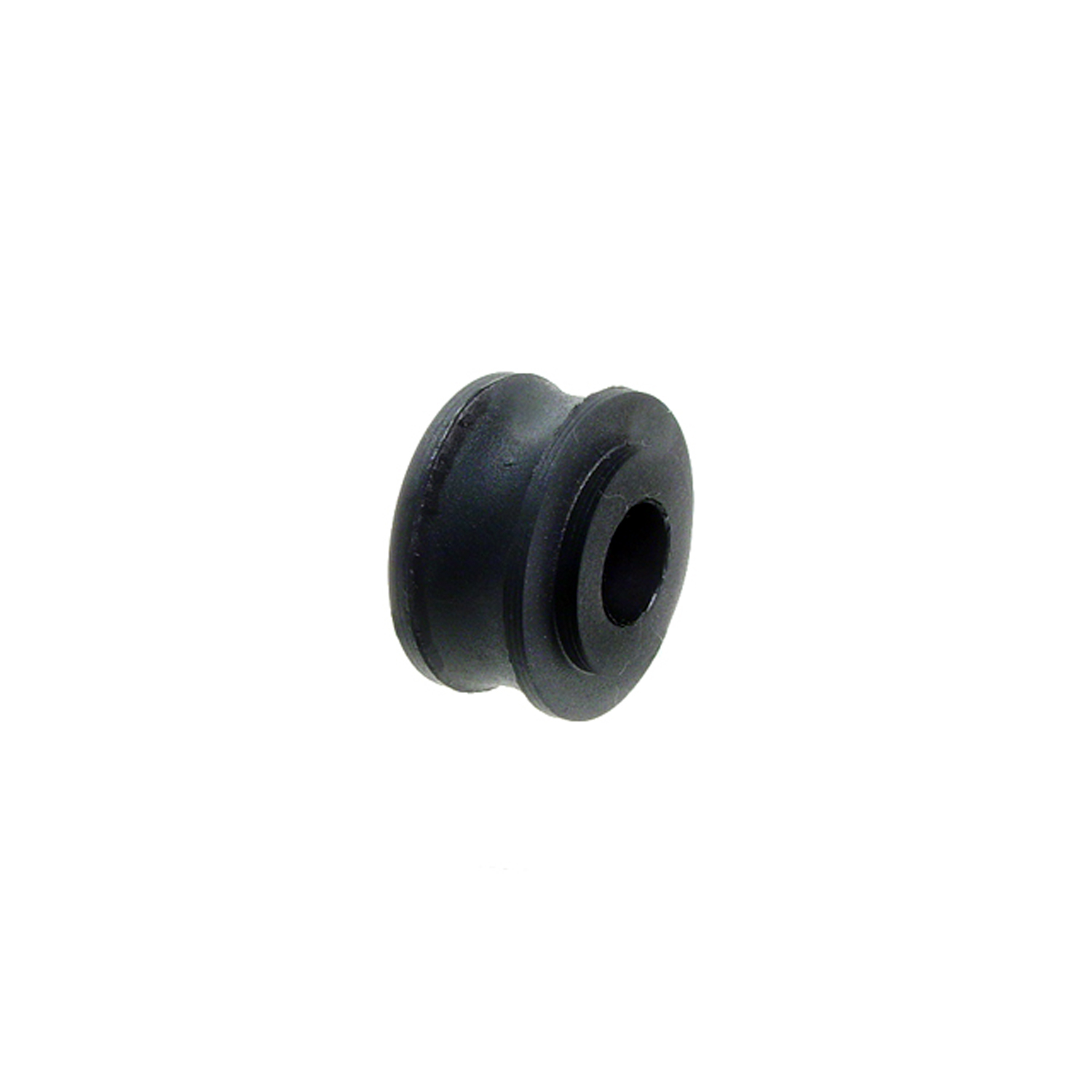 1939 Hudson SERIES 90 Lower Motor Mount. 5/8" I.D., 1-5/8" O.D. Each-MM 7-CLower Motor Mount. 5/8" I.D., 1-5/8" O.D. Each
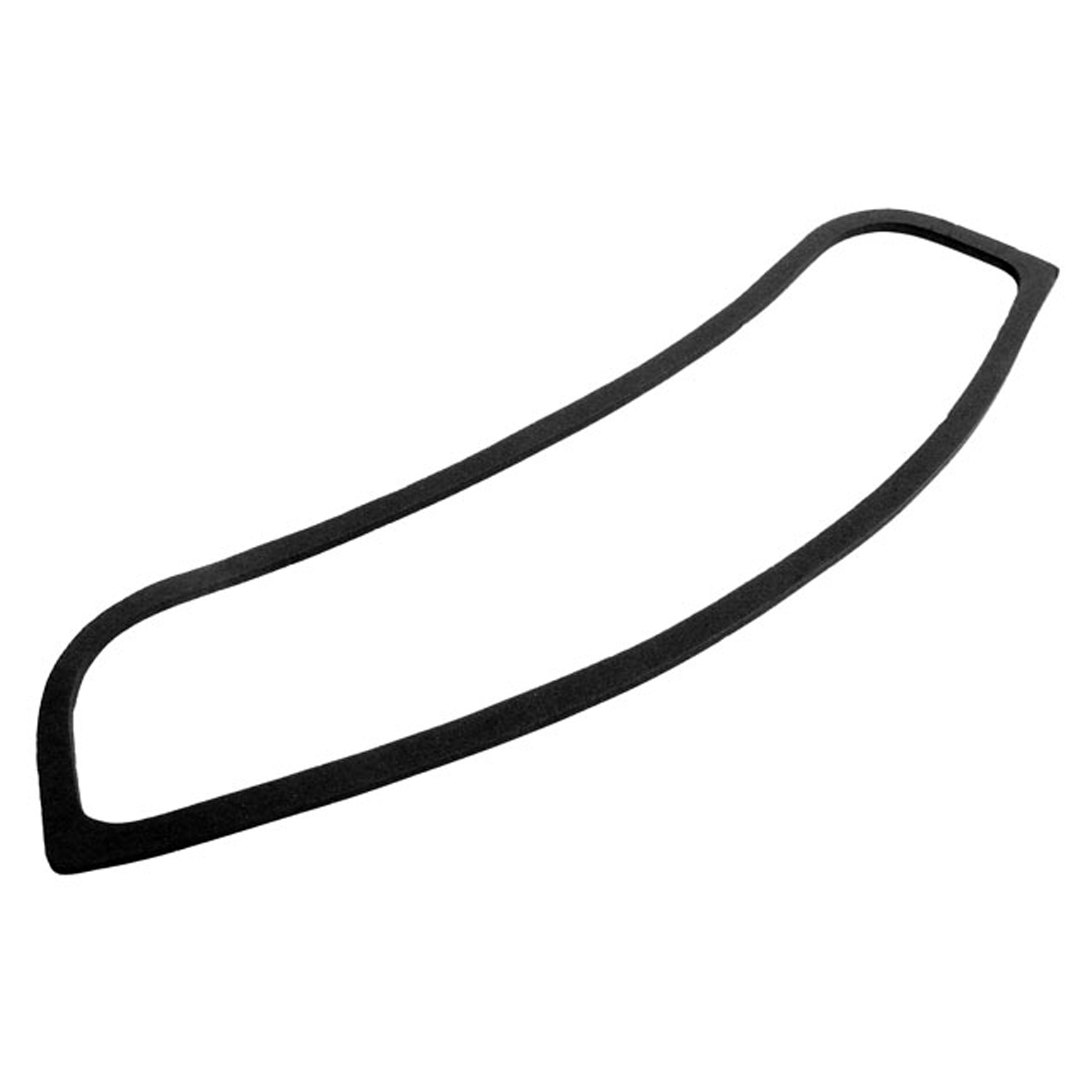 1939 Hudson SERIES 90 Cowl Vent Seal. 4-1/2" wide X 18-1/2" long. Each-RP 100-YCowl Vent Seal. 4-1/2" wide X 18-1/2" long. Each
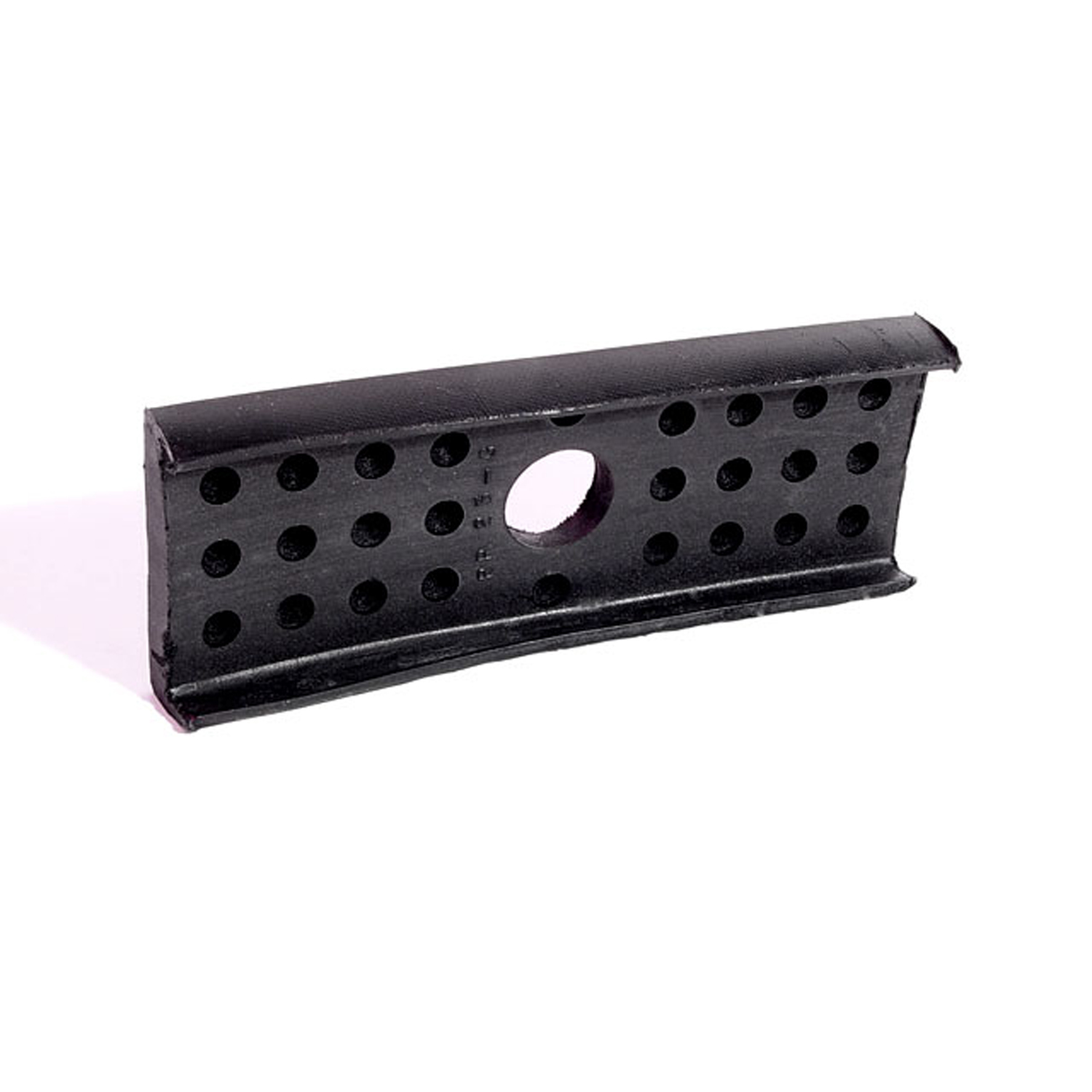 1939 Hudson SERIES 90 Rear Leaf Spring Center Mounting Insulator-RP 23-GRear Leaf Spring Center Mounting Insulator. For all 1-3/4" wide leaf springs. Each
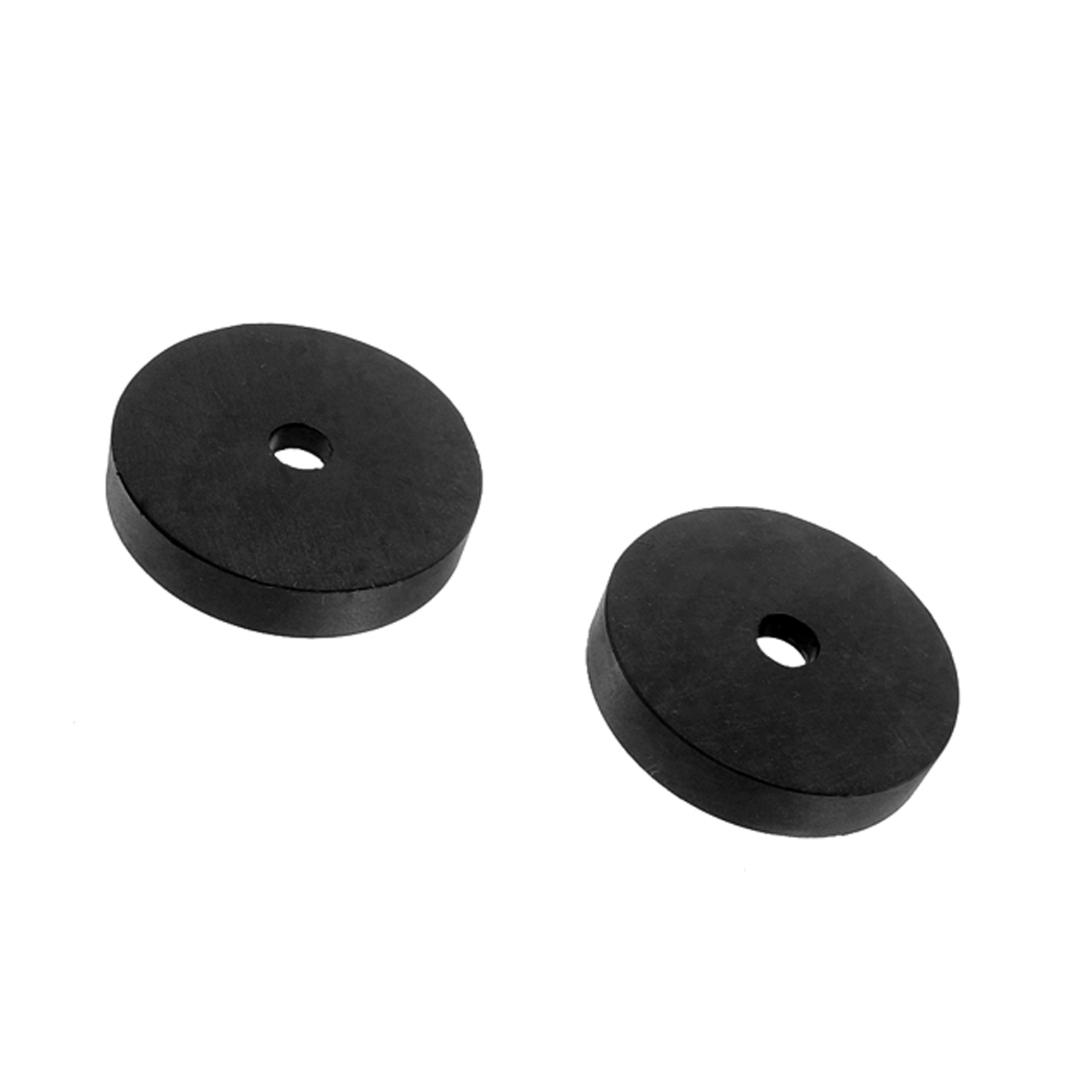 1939 Hudson SERIES 90 Clutch and Brake Seals. Seals fit on a round shaft-RP 31-NClutch and Brake Seals. Seals fit on a round shaft. Made of soft rubber. 2-7/16" O.D., 7/16" I.D. Pair
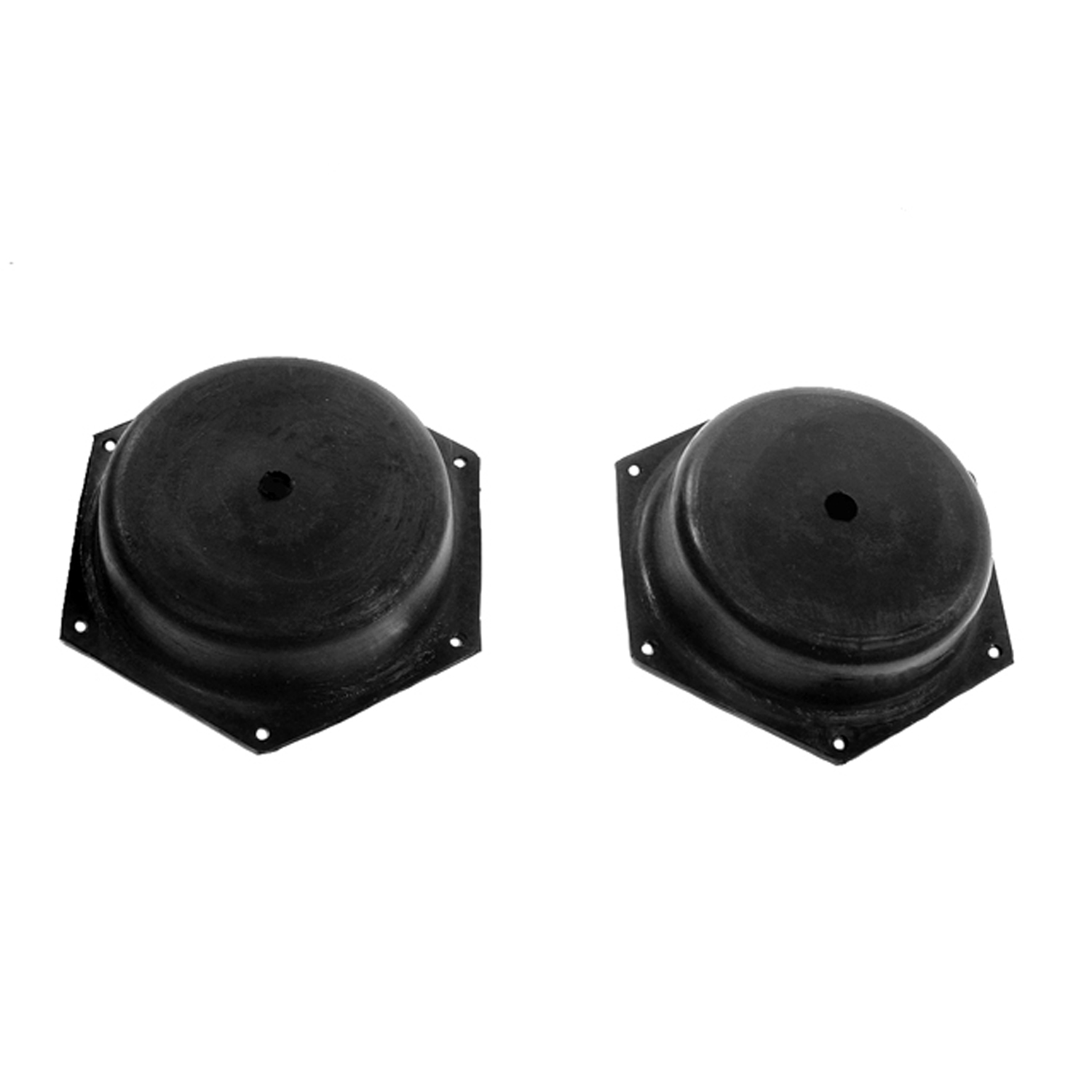 1939 Hudson SERIES 90 Drive Master Electric Shift Vacuum Diaphragm-RP 32-ADrive Master Electric Shift Vacuum Diaphragm. For all models with drive master system for standard transmission. Pair
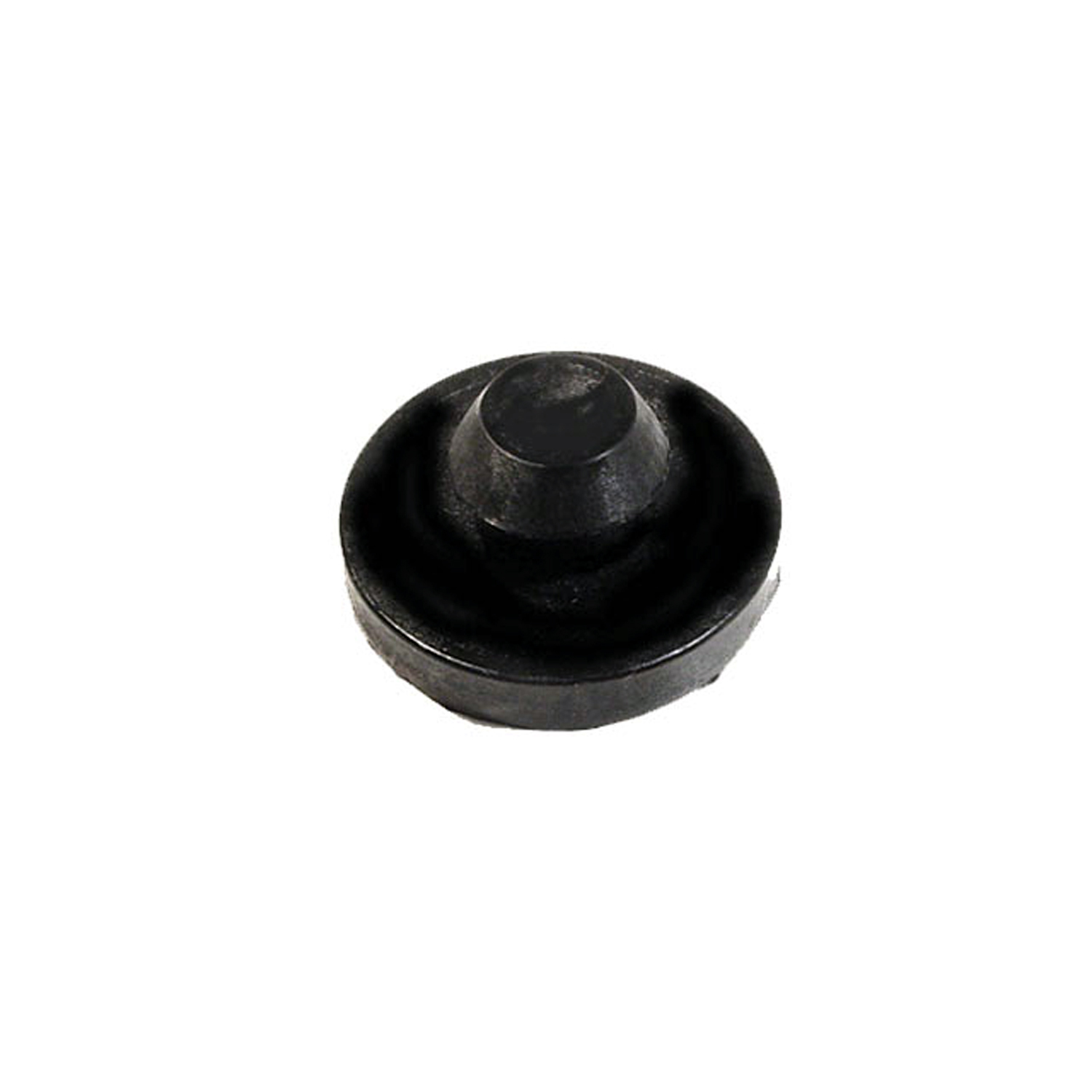 1939 Hudson SERIES 90 Clutch Linkage Cushion. 1/4" top thickness, 1-1/2" O.D-SB 33-AClutch Linkage Cushion. 1/4" top thickness, 1-1/2" O.D. Each
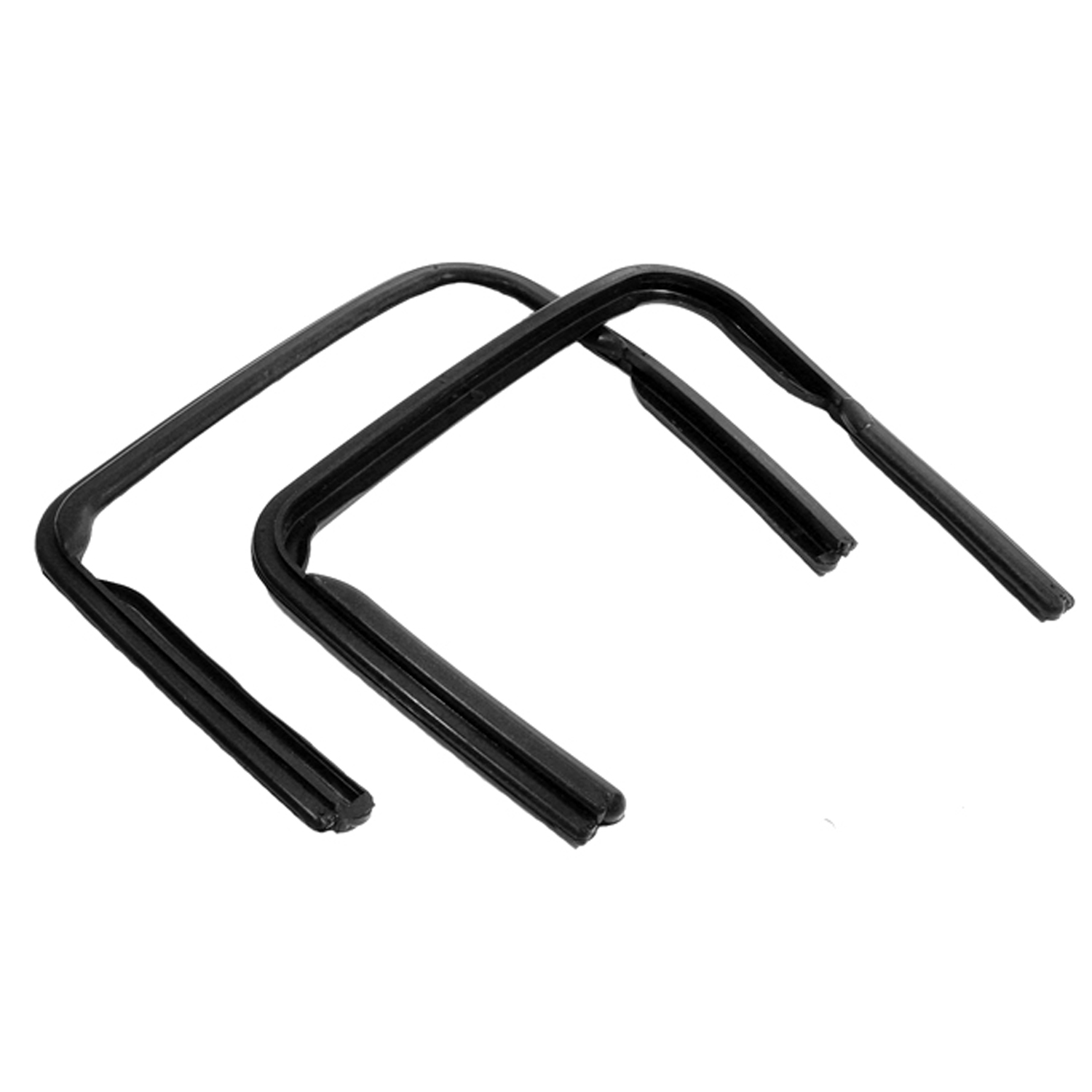 1939 Hudson SERIES 90 Front Vent Window Seals, for Convertibles-WR 9Front Vent Window Seals, for Convertibles. 25-1/4" long each. Pair R&L
Why Choose Metro?
For over 100 years, Metro Moulded Parts has been the pinnacle of quality in classic car restoration parts. Our commitment to precision and authenticity in every component ensures a perfect fit and an OEM-level appearance.
- Expert Craftsmanship & Quality: Each part is a testament to our dedication to reliability and perfection, crafted from original designs and thoroughly tested.
- Advanced Technology: We use cutting-edge techniques to create flawless, long-lasting parts that surpass others in performance.
- SuperSoft Sponge – The Ultimate Door Seal: Not only are our door seals 30% softer than competitors', but they're also guaranteed to never leak. They effectively reduce wind and road noise, enhancing your classic car's comfort and driving experience.
- Proudly American: Our parts are a product of American craftsmanship, made in the USA with a spirit of excellence and heritage.
- Unrivaled Warranty: We back our products with a 30-year industry-leading warranty, a testament to our confidence in their quality.
Join us in preserving the legacy of classic cars with parts that are crafted for perfection, not just made.