

Image of 1940 Hudson Country Club Eight Series 47, Note: These illustrations use artistic license and may differ from actual historical models.
Performance Metrics
Fundamental Metrics
Emotional Appeal
MMP Rating
| Engine Specifications | |
|---|---|
| Engine: | Inline 8 |
| Displacement: | 254 cu in (4.2 L) |
| Horsepower: | Estimated 102-128 hp |
| Torque: | Not available |
| Compression Ratio: | Not available |
| Ignition System: | Battery and coil |
| Cooling System: | Water-cooled |
| Performance Specifications | |
| 0-60 Time: | Not available |
| 1/4 Mile Time: | Not available |
| Top Speed: | Estimated 85 mph |
| Transmission and Drive | |
| Drive Type: | Rear-wheel drive |
| Transmission Type: | 3-speed manual |
| Fuel and Efficiency | |
| Fuel System Type: | Carburetor |
| MPG: | Not available |
| Dimensions and Brakes | |
| Brakes: | Hydraulic drum brakes |
| Wheelbase: | 125 inches |
| Weight: | Estimated 3,400 lbs |
Note: Specifications for classic cars are given to the best of our ability, considering the limited and variant data available.
1940 Hudson Country Club Eight Series 47: A Prewar American Classic
The 1940 Hudson Country Club Eight Series 47 paired a powerful straight-eight engine with the polished comfort of Hudson’s Country Club line, creating a substantial American car with more character than its understated appearance might suggest. Built by the Hudson Motor Car Company in Detroit, it belongs to the final years of the independent automaker’s prewar era, before wartime production brought civilian car manufacturing to a halt.
Hudson had earned a reputation for engineering ambition and solid, well-equipped cars. The Country Club name identified a more upscale presentation within the range, while Series 47 denoted the Eight-powered model. Its 254-cubic-inch inline-eight delivered a smooth, unhurried kind of performance that suited long-distance touring. One useful point of context: the famous “step-down” Hudson design, with passengers seated within the perimeter of the frame, arrived after the war in 1948. The 1940 car is a different chapter in Hudson history, but one that helps set the stage for the company’s later reputation for unconventional engineering.
Art Deco Style and Country Club Comfort
The Series 47 wore the graceful, slightly formal proportions typical of a fine American car on the eve of World War II. Its long hood and substantial front end gave the Eight an imposing stance, while rounded fenders flowed into a smooth, carefully detailed body. A bright grille, chrome accents, and integrated headlamps added a restrained Art Deco touch without making the car look overly ornate. Hudson’s styling was handsome rather than flashy, and the Country Club trim supplied the extra polish.
Inside, the cabin emphasized space and comfort. Broadcloth or other period upholstery materials, depending on body and trim specification, covered generously sized seats. The dashboard combined painted or woodgrain-finished surfaces with clear gauges and bright trim. The overall effect was warm and formal, more like a well-appointed lounge than a stripped-down utility car. Materials and exact trim details varied, so surviving cars may differ from one another.
Hudson offered its 1940 cars in a range of period colors, with choices varying by body style and trim. Dark blue, green, maroon, gray, and black were among the kinds of classic shades buyers could encounter. Darker colors tend to suit the Country Club Eight’s dignified lines, although a well-preserved car in a lighter color can make the graceful fenders and long body easier to appreciate.
Hudson’s lineup included multiple body styles, but availability depended on the specific series. Country Club Eight examples are most often associated with closed-body touring forms, including sedan and coupe-style bodies. The four-door sedan is the practical and recognizable choice for the series, while a two-door club-style body offers a sportier profile. Buyers should verify a particular car’s original body and trim against its serial number and period documentation, since model names and offerings could differ across Hudson’s broader range.
Engineering in the 1940 Hudson
The heart of the Series 47 was Hudson’s 254.4-cubic-inch straight-eight, rated at about 128 horsepower. Its long, smooth power delivery was well suited to a heavy, full-size car. A three-speed manual transmission was the standard arrangement, with period Hudson convenience options available on some cars. These should not be confused with a modern automatic: Hudson’s optional shifting and clutch-assist systems were mechanical or electromechanical aids, not fully automatic transmissions as drivers understand them today.
Hydraulic brakes and independent front suspension were significant features in an era when some competitors still relied on less sophisticated front-end layouts. The independent suspension helped the Hudson maintain a composed ride over uneven pavement. At the rear, traditional leaf springs supported the car’s substantial body and luggage. Hudson’s later engineering breakthroughs are better known, but the 1940 Eight already showed the company’s interest in combining comfort with sound chassis design.
Why the Series 47 Mattered
The Country Club Eight was not a radical styling landmark on the scale of Hudson’s postwar step-down cars. Its significance lies instead in how it represented the strengths of an independent manufacturer competing against much larger corporations. Hudson offered a smooth eight-cylinder engine, generous passenger space, and thoughtful chassis engineering in a polished package that could stand alongside comparable cars from the Big Three.
Hudson also cultivated a reputation for sturdy construction and capable performance. That reputation would grow through later models and motorsport achievements, especially the celebrated Hudson Hornets of the early 1950s. The 1940 Series 47 was not a Hornet and should not be credited with those racing victories, but it belongs to the engineering lineage that made Hudson’s later performance story possible.
On the Road: Smooth, Steady, and Substantial
Period performance figures vary with body style, gearing, vehicle condition, and test method. As a reasonable modern estimate, a healthy Series 47 might reach roughly 80 to 85 mph, with a 0-to-60-mph time in the neighborhood of 18 to 20 seconds. These are estimates rather than guaranteed factory figures, and a car that has not been fully rebuilt may be slower.
The straight-eight is known for a smooth, even exhaust note rather than a sharp, aggressive bark. Acceleration feels relaxed: the engine gathers speed steadily, and the driver uses the gears to keep it in its comfortable range. The broad hood and long wheelbase make the car feel substantial on the road. Its front suspension helps take the sting out of rough pavement, while the period steering and body dimensions reward measured inputs on winding roads. It is not a nimble modern sports sedan, and crosswinds or tight corners remind the driver of its size and age.
Driving one is an involving experience. The driver must plan braking distances, work the manual gearbox, and allow time for the car’s mass to settle through turns. In return, the Hudson offers an unhurried touring character and the distinct sensation of piloting a carefully engineered prewar automobile.
Living With a 1940 Hudson
Today, most Series 47s are used as show cars, weekend tourers, or occasional drivers rather than daily transportation. A sound example can be enjoyable on local roads and organized classic-car tours, but modern traffic speeds, limited safety equipment, and the scarcity of some parts make routine commuting less appealing.
Basic work is familiar to anyone comfortable with a traditional car: ignition, carburetion, lubrication, cooling, and mechanical brake maintenance. The straight-eight is serviceable, but its length and model-specific components can make major repairs more involved than on a common postwar Chevrolet or Ford. Parts support exists through Hudson clubs, specialist suppliers, and the vintage-car community, but some trim, body, and interior pieces may require patient searching or careful restoration.
Reliability depends heavily on the quality of the restoration. A well-maintained Hudson can tour reliably, while a neglected car may need attention to its fuel system, cooling system, brakes, wiring, and aging rubber components before it is safe for regular use. Club membership and access to experienced Hudson owners can make ownership much easier.
Hudson Trivia and Common Misconceptions
The 1940 Series 47 is a prewar Hudson Eight, not a step-down Hudson. That distinction matters to collectors because the dramatic unit-body and lowered-floor design associated with Hudson arrived in the late 1940s. Likewise, the Series 47 should not be confused with the later Hornet, whose racing success helped define Hudson’s image in the 1950s.
No widely recognized land-speed or endurance record is specifically associated with the Country Club Eight Series 47. Its appeal is more about its combination of smooth power, comfort, and independent-car character than a headline-grabbing competition history. Hudson’s broader story includes notable racing achievements, but those belong to different models and years.
One common criticism is that the 1940 Hudson can be challenging to restore compared with more numerous mass-market cars. Parts and specialist knowledge are not as plentiful, and large prewar bodies can require extensive metalwork. Some modern drivers also find the steering, braking, and pace demanding by current standards. For enthusiasts, those drawbacks are balanced by the car’s distinctive engineering and its relative rarity.
Collector Value and Availability
Series-specific production figures are not consistently reported in a way that makes a precise total easy to confirm. A reasonable working estimate is that production of the Country Club Eight Series 47 was in the low thousands, perhaps around 3,000 to 6,000 cars. Treat that as an informed estimate, not a verified factory tally. Surviving examples are uncommon, and asking prices can be misleading when a car has been advertised for years or needs extensive work.
As a broad 2026 U.S. market estimate, a project car may fall around $8,000 to $18,000, depending on completeness and rust. A usable driver or older restoration might bring roughly $18,000 to $35,000. A high-quality, correctly restored example could reach approximately $35,000 to $60,000 or more, especially if it has strong documentation, excellent trim, and a desirable body style. These are general ranges, not appraisals; condition and provenance can move a particular car well outside them.
Values for prewar Hudsons have generally been steady to modestly appreciating in nominal dollars, but the market is specialized and less predictable than that for high-profile muscle cars. Restoration costs can exceed resale value, so buyers should prioritize originality, structural condition, and completeness over the assumption that every restored car will produce a profit.
A Distinctive Prewar Hudson
The 1940 Hudson Country Club Eight Series 47 combines a smooth 254-cubic-inch straight-eight, comfortable Country Club appointments, and thoughtful period engineering in a handsome prewar body. It is not the Hudson with the most famous racing record or the boldest postwar design, but it offers a compelling view of the company’s strengths before the war reshaped the automotive industry.
For collectors who value substance as much as celebrity, the Series 47 delivers something special: the quiet confidence of a well-built American Eight, carrying Hudson’s independent spirit into the final years before a very different automotive age began.
1940 Hudson Country Club Eight Series 47 Catalog of Parts
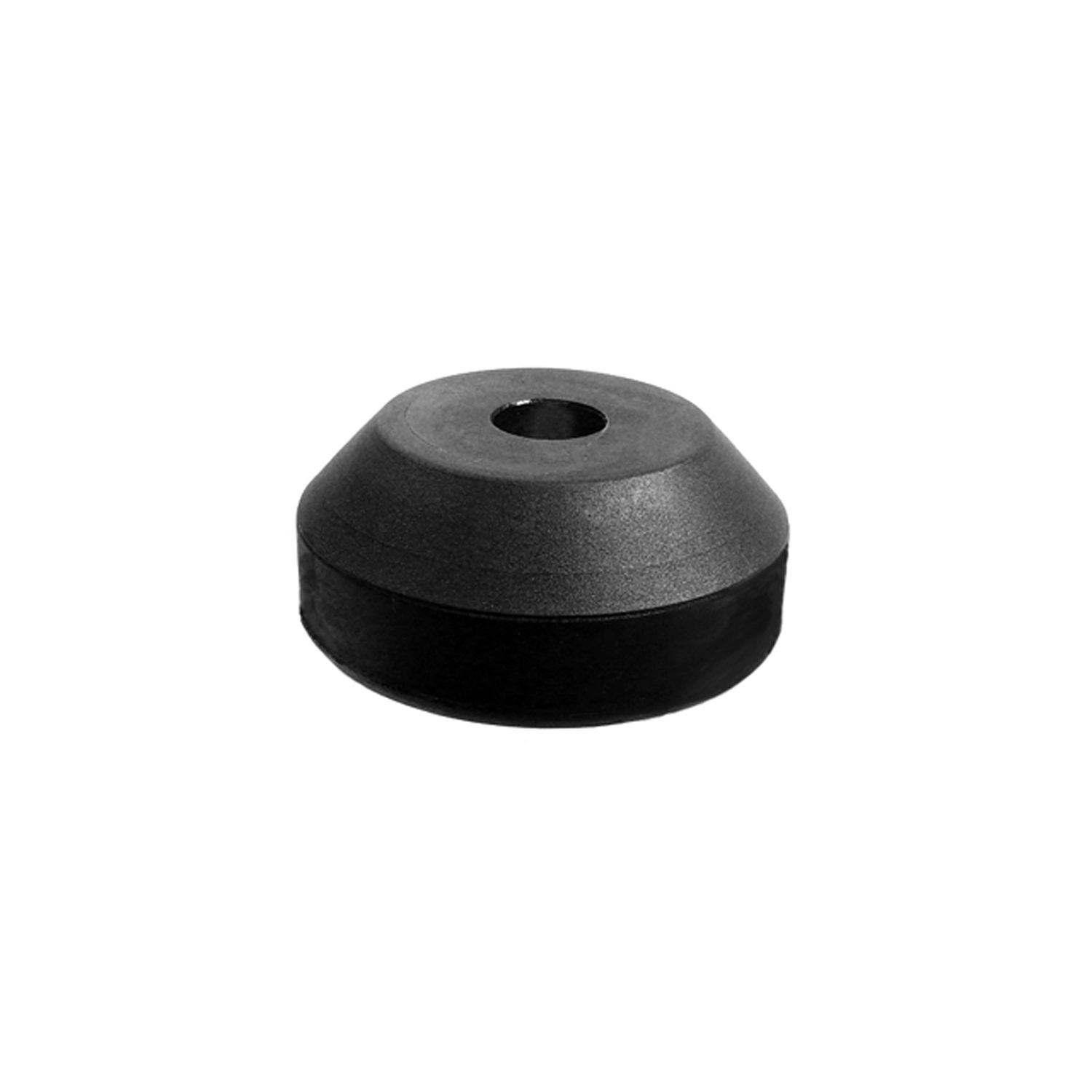 1940 Hudson Country Club Eight Series 47 Upper Motor Mount. 5/8" I.D., 2-5/8" O.D. Each-MM 7-BUpper Motor Mount. 5/8" I.D., 2-5/8" O.D. Each
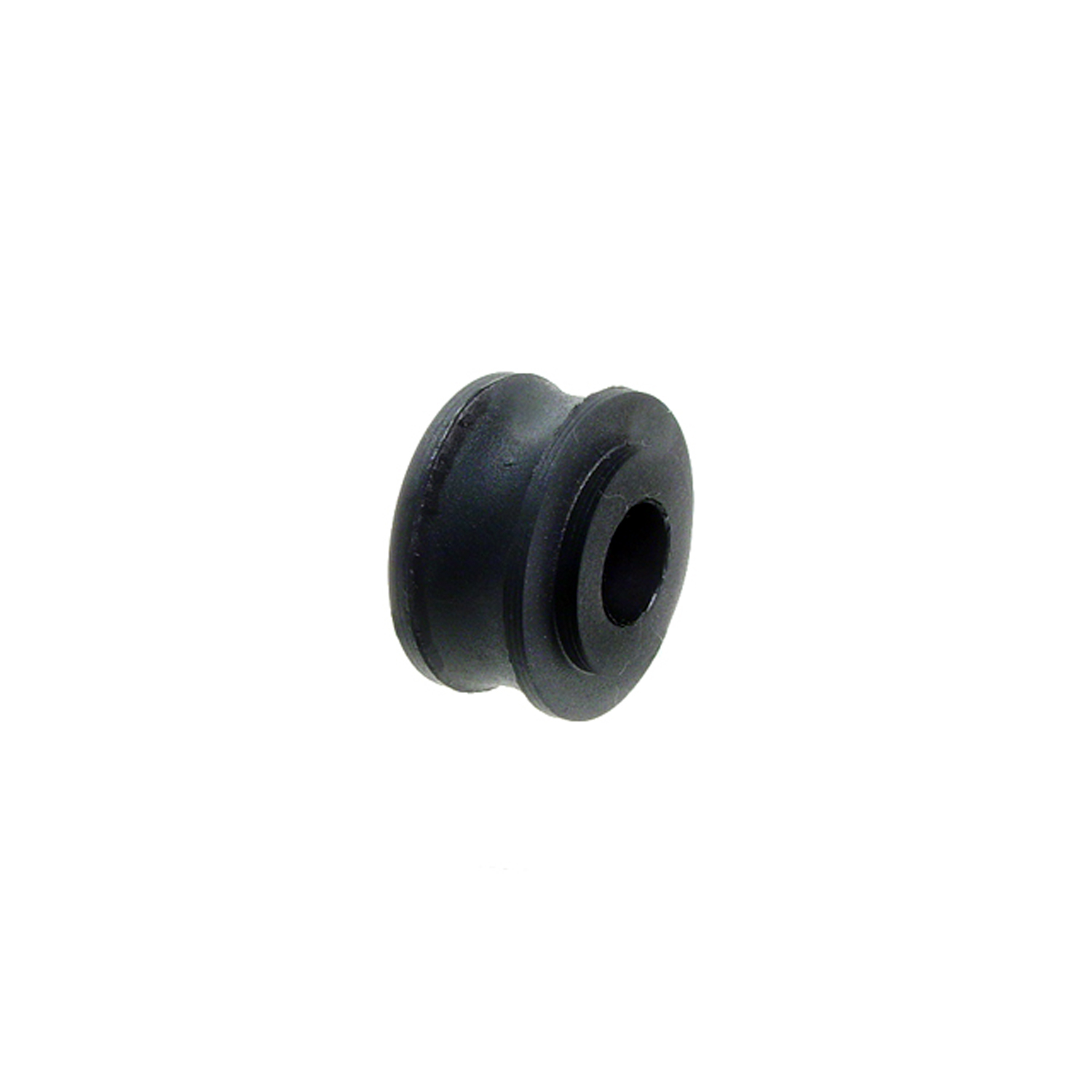 1940 Hudson Country Club Eight Series 47 Lower Motor Mount. 5/8" I.D., 1-5/8" O.D. Each-MM 7-CLower Motor Mount. 5/8" I.D., 1-5/8" O.D. Each
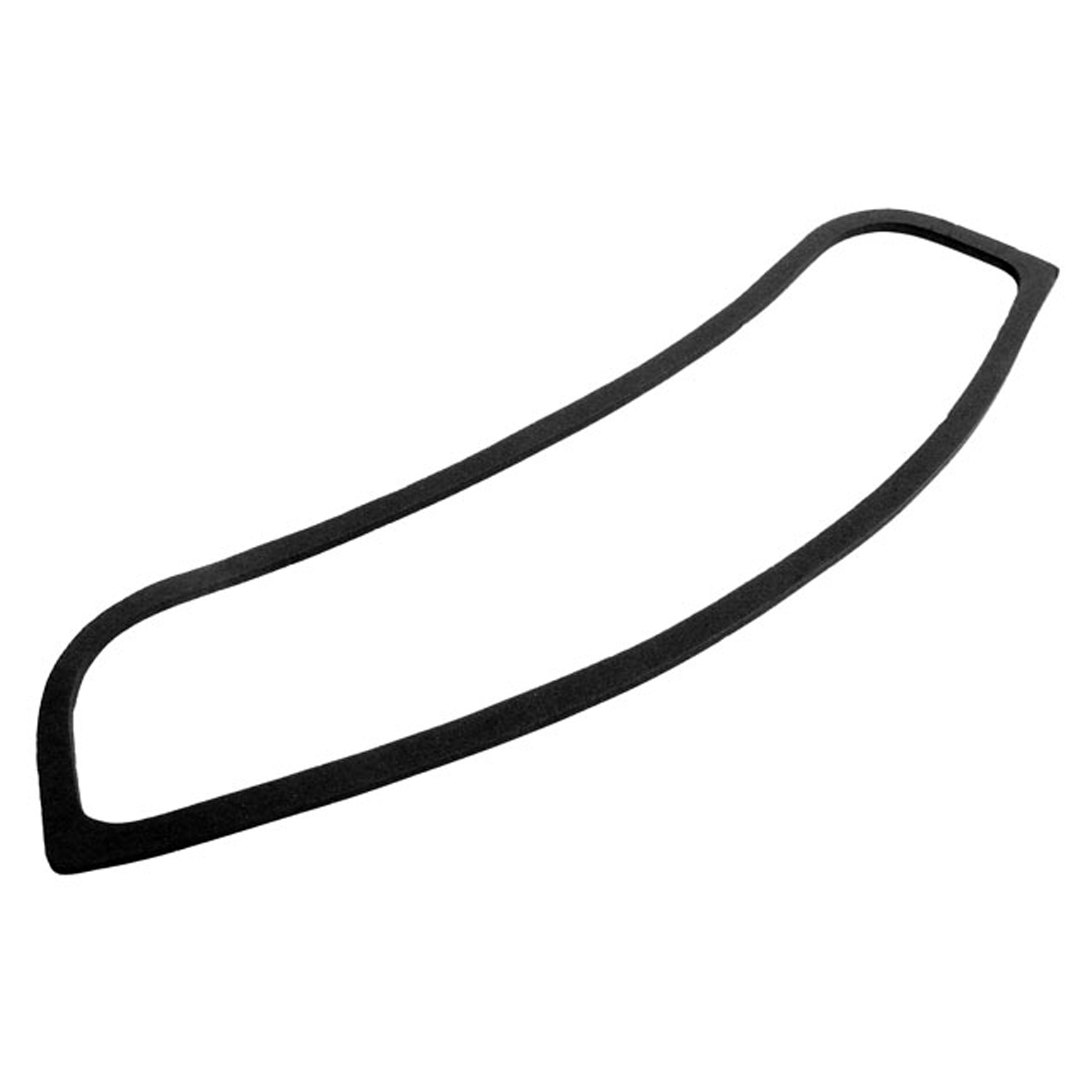 1940 Hudson Country Club Eight Series 47 Cowl Vent Seal. 4-1/2" wide X 18-1/2" long. Each-RP 100-YCowl Vent Seal. 4-1/2" wide X 18-1/2" long. Each
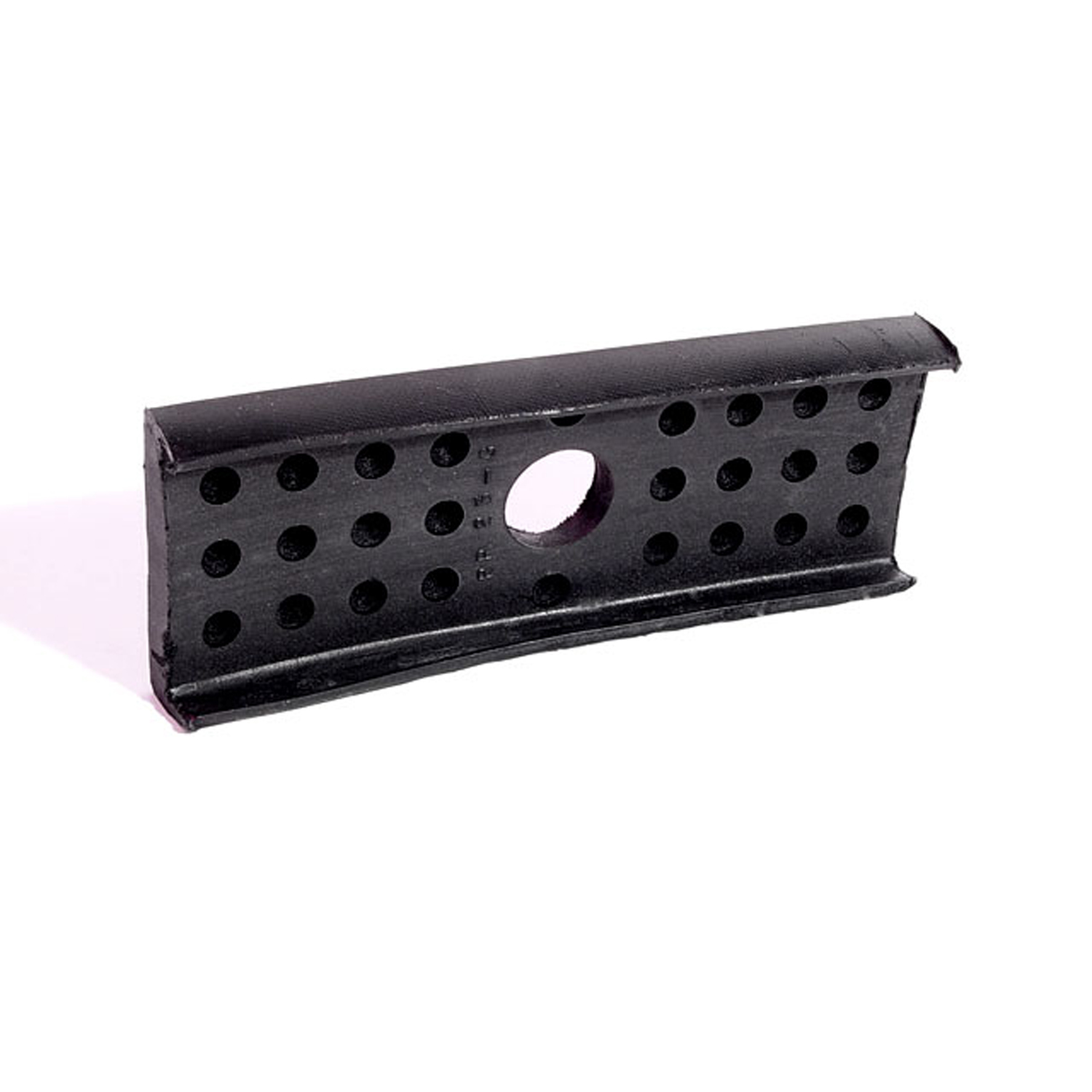 1940 Hudson Country Club Eight Series 47 Rear Leaf Spring Center Mounting Insulator-RP 23-GRear Leaf Spring Center Mounting Insulator. For all 1-3/4" wide leaf springs. Each
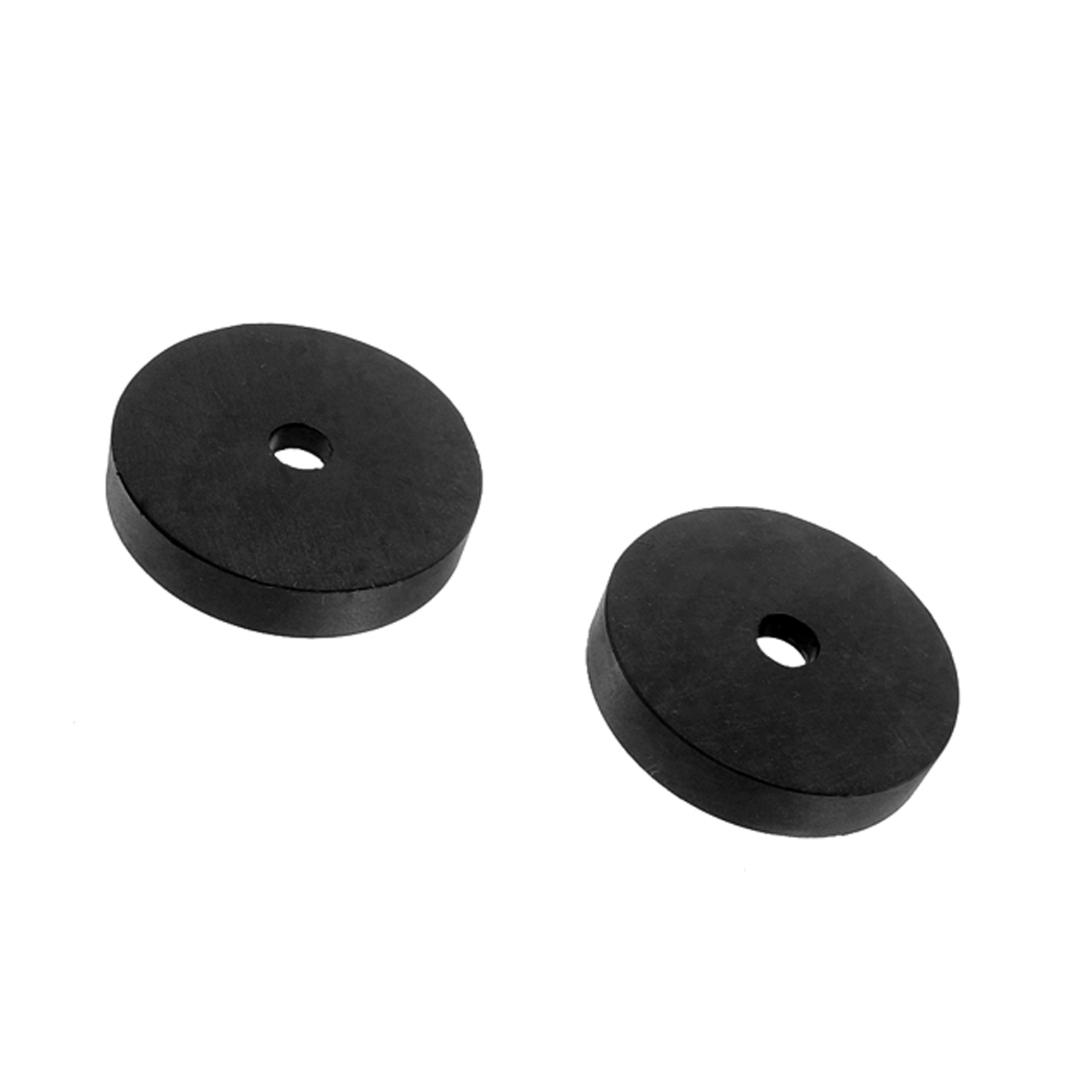 1940 Hudson Country Club Eight Series 47 Clutch and Brake Seals. Seals fit on a round shaft-RP 31-NClutch and Brake Seals. Seals fit on a round shaft. Made of soft rubber. 2-7/16" O.D., 7/16" I.D. Pair
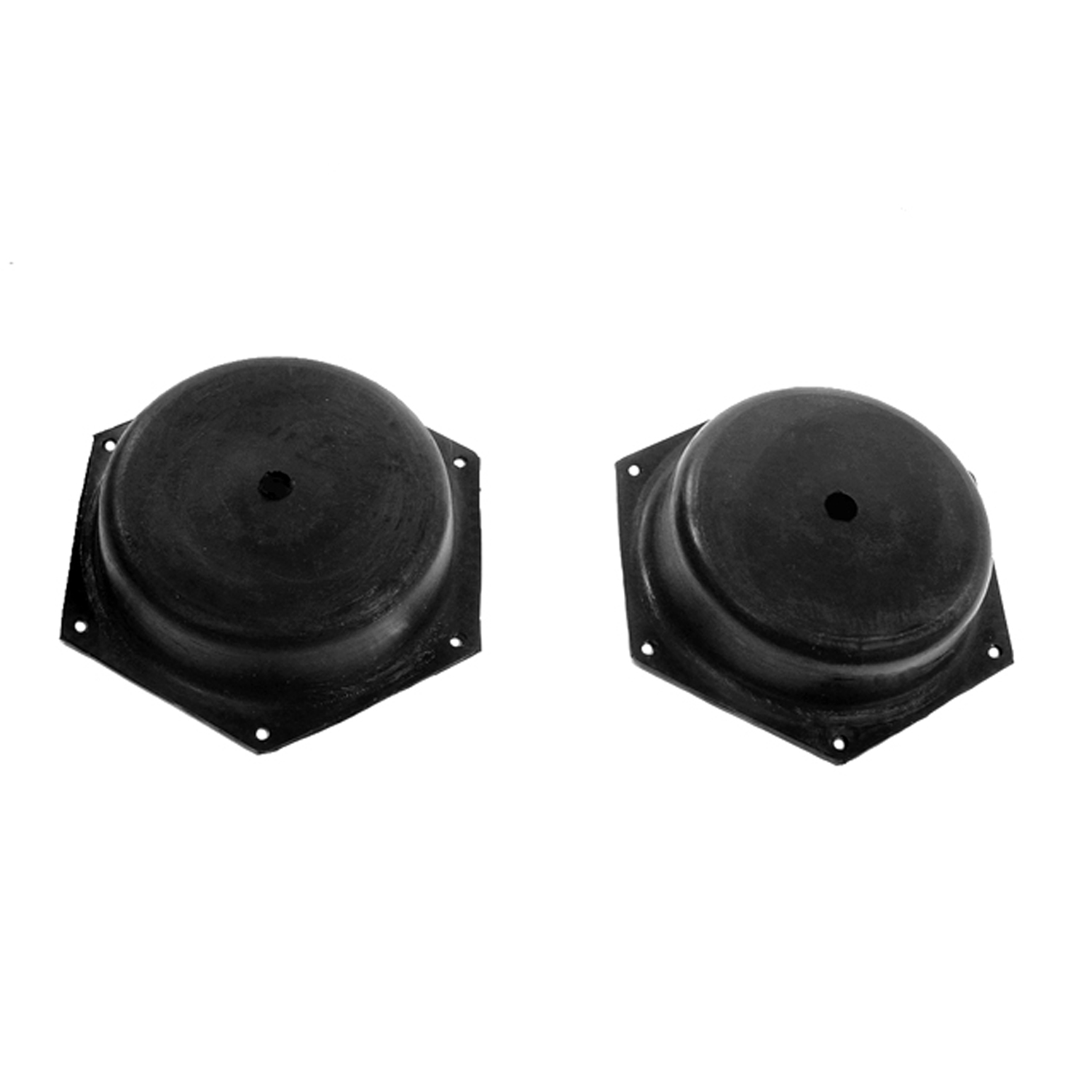 1940 Hudson Country Club Eight Series 47 Drive Master Electric Shift Vacuum Diaphragm-RP 32-ADrive Master Electric Shift Vacuum Diaphragm. For all models with drive master system for standard transmission. Pair
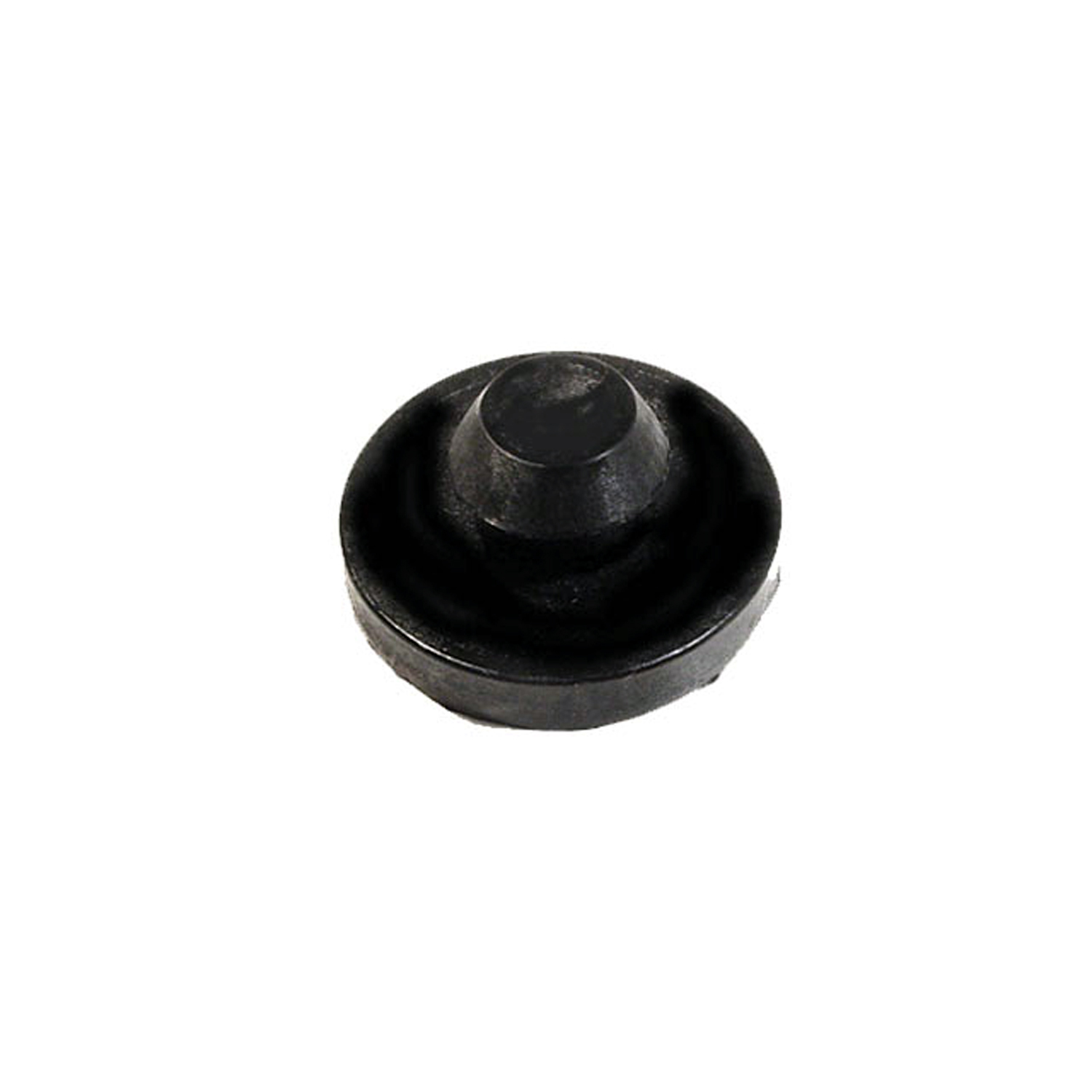 1940 Hudson Country Club Eight Series 47 Clutch Linkage Cushion. 1/4" top thickness, 1-1/2" O.D-SB 33-AClutch Linkage Cushion. 1/4" top thickness, 1-1/2" O.D. Each
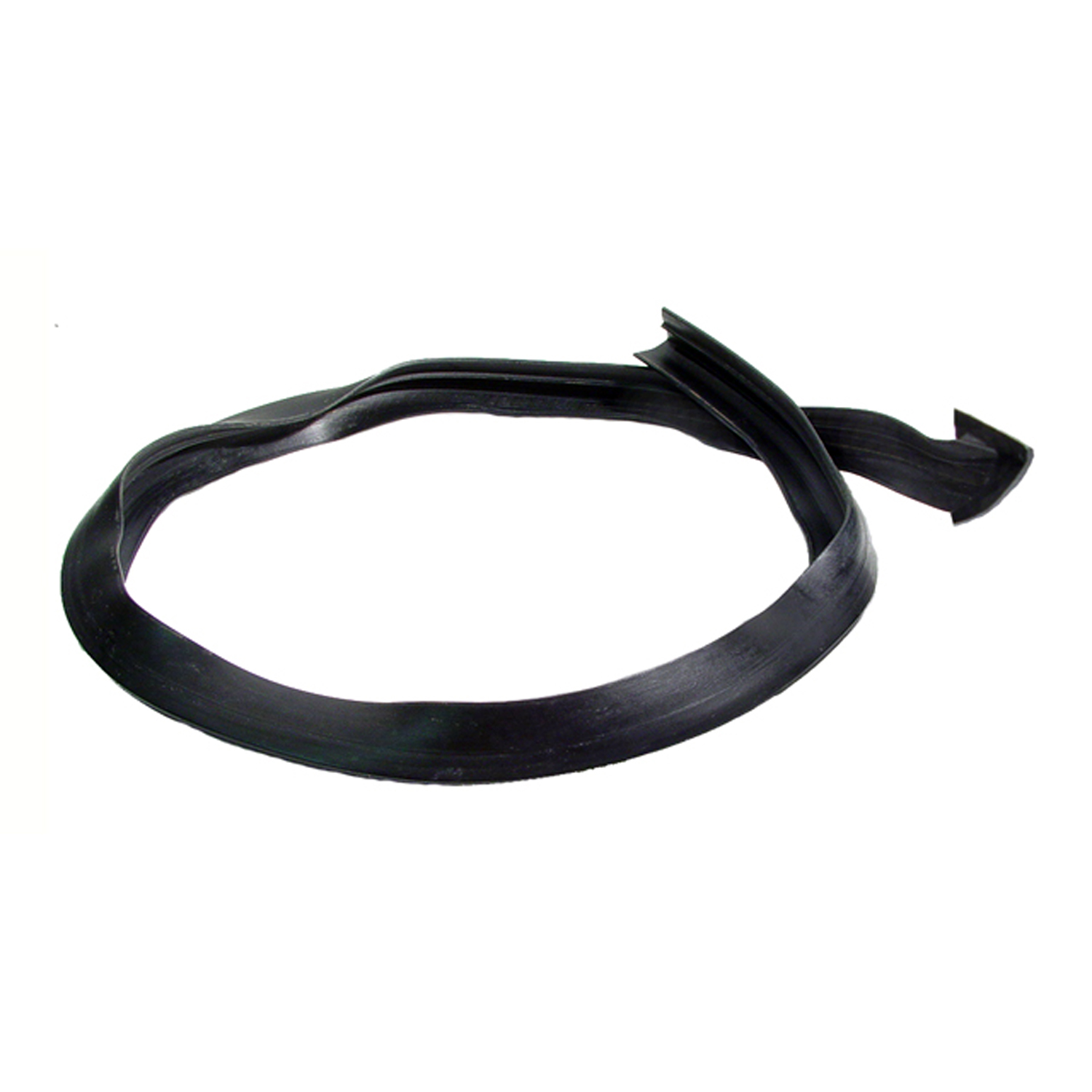 1940 Hudson Country Club Eight Series 47 Vertical Division Seal-VS 6-AVertical Division Seal. 26" Piece, enough for two front vents. Each
 1940 Hudson Country Club Eight Series 47 Vertical seal for vent window. Dense rubber. Universal part-VS 6-A/FTVertical seal for vent window. Dense rubber. Universal part. Per foot.
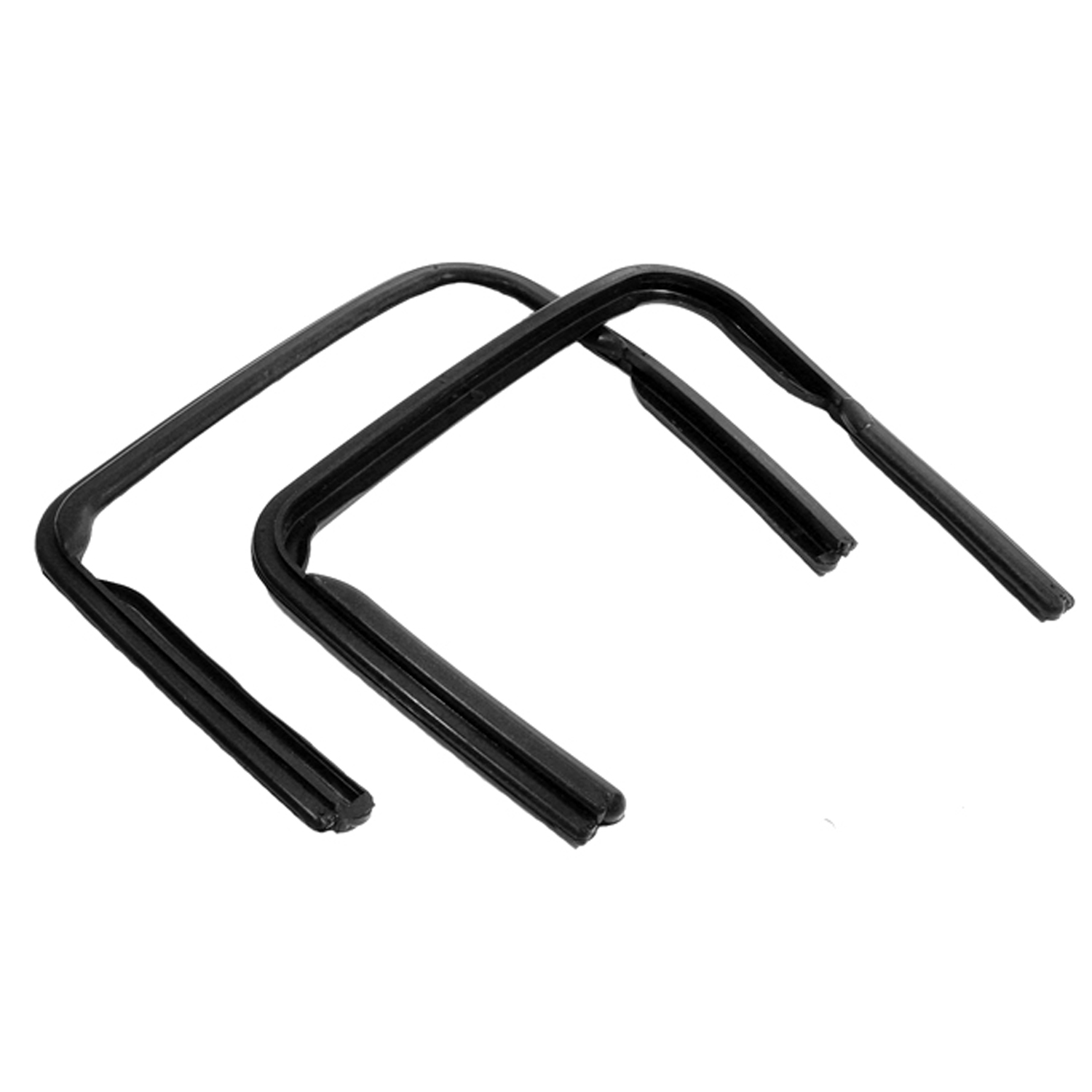 1940 Hudson Country Club Eight Series 47 Front Vent Window Seals, for Convertibles-WR 9Front Vent Window Seals, for Convertibles. 25-1/4" long each. Pair R&L
Why Choose Metro?
For over 100 years, Metro Moulded Parts has been the pinnacle of quality in classic car restoration parts. Our commitment to precision and authenticity in every component ensures a perfect fit and an OEM-level appearance.
- Expert Craftsmanship & Quality: Each part is a testament to our dedication to reliability and perfection, crafted from original designs and thoroughly tested.
- Advanced Technology: We use cutting-edge techniques to create flawless, long-lasting parts that surpass others in performance.
- SuperSoft Sponge – The Ultimate Door Seal: Not only are our door seals 30% softer than competitors', but they're also guaranteed to never leak. They effectively reduce wind and road noise, enhancing your classic car's comfort and driving experience.
- Proudly American: Our parts are a product of American craftsmanship, made in the USA with a spirit of excellence and heritage.
- Unrivaled Warranty: We back our products with a 30-year industry-leading warranty, a testament to our confidence in their quality.
Join us in preserving the legacy of classic cars with parts that are crafted for perfection, not just made.