

Image of 1940 Hudson Country Club Series 43, Note: These illustrations use artistic license and may differ from actual historical models.
Performance Metrics
Fundamental Metrics
Emotional Appeal
MMP Rating
| Engine Specifications | |
|---|---|
| Engine Options: | Inline 6 |
| Displacement Range: | 212 cubic inches |
| Horsepower Range: | Estimated 102 hp |
| Torque: | 180 lb-ft |
| Compression Ratio: | Estimated 6.5:1 |
| Ignition System: | Distributor and coil |
| Cooling System: | Liquid-cooled |
| Performance Specifications | |
| 0-60 Time: | Information not available |
| 1/4 Mile Time: | Information not available |
| Top Speed: | Estimated 80 mph |
| Transmission and Drive | |
| Drive Type: | Rear-wheel drive |
| Transmission Type: | 3-speed manual |
| Fuel and Efficiency | |
| Fuel System Type: | Carburetor |
| MPG: | Information not available |
| Dimensions and Brakes | |
| Brakes: | Drum brakes |
| Wheelbase: | 119 inches |
| Weight: | Estimated 3,200 lbs |
Note: Specifications for classic cars are given to the best of our ability, considering the limited and variant data available.
1940 Hudson Country Club Series 43: A Refined Prewar Eight
The 1940 Hudson Country Club Series 43 paired the smooth pull of a straight-eight engine with the handsome, carefully tailored style that made Hudson one of America’s most respected independent automakers. Built by the Hudson Motor Car Company of Detroit, it sat near the top of the company’s 1940 range, offering a more upscale take on the marque’s practical, engineering-minded automobiles.
Series 43 is generally associated with the Country Club Eight, powered by Hudson’s 254.4-cubic-inch inline-eight. The “Country Club” name signaled a more richly finished Hudson, rather than a radically different chassis. It was a car for buyers who wanted extra polish without stepping into the price territory of the most expensive luxury brands.
Its timing gives the car added historical interest. The Country Club arrived just before wartime production transformed the American auto industry. Hudson would soon turn much of its manufacturing effort toward military work, making the 1940 model part of the last wave of full-size American cars built before civilian production was interrupted.
Streamlined Style and Country Club Trim
Hudson’s 1940 design had the confident, low-slung proportions of a late-prewar American car. A long hood flowed into a rounded cabin, while the front end was distinguished by a broad, bright grille with vertical detailing. Sweeping front fenders framed the headlamps, and the rear fenders carried the same rounded form back toward the trunk. Running boards remained, but the overall effect was smoother and more integrated than the upright designs of the previous decade.
Country Club versions added a more formal finish through upgraded exterior brightwork and a better-appointed cabin. The interior was designed for comfort on long journeys, with broadcloth or other high-grade upholstery, a full-width instrument panel, generous seating, and polished trim. Exact materials and details could vary by body style and order, but the Country Club’s purpose was clear: a more substantial, dressed-up atmosphere than a basic Hudson Six.
Hudson offered its cars in a selection of period colors, with choices typically spanning dark and medium shades such as black, blue, green, maroon, gray, and brown. Availability depended on the specific body and production order. Rich dark colors suited the Country Club’s formal character, while lighter or brighter shades made the car’s flowing fenders and long profile stand out.
Country Club was a trim designation, so its body-style availability followed Hudson’s broader model lineup and could vary by series. Sedan and brougham-style coachwork are associated with the Country Club range, with the four-door sedan among the most practical and commonly encountered forms. The model’s appeal was not a single exotic body, but the combination of familiar Hudson proportions and more luxurious detailing.
Engineering Before the War
The Series 43’s defining mechanical feature was its 254.4-cubic-inch L-head straight-eight. Hudson rated the engine at about 128 horsepower, giving the Country Club Eight a strong, flexible powerplant for its time. The long inline layout was naturally smooth, and its low-speed torque suited a large sedan better than a high-strung engine would have.
Hudson’s broader reputation rested on sturdy construction and thoughtful engineering. The 1940 Country Club used a substantial chassis, hydraulic brakes, and a conventional three-speed manual transmission. These were proven components, not novelty features, but they helped make the car a capable long-distance machine. Sealed-beam headlamps also became the U.S. standard in 1940, reflecting a wider industry shift toward improved, standardized nighttime lighting.
The Country Club should not be confused with the later Hudson Hornet. The Hornet became famous for its early-1950s stock-car victories, while the Series 43 belongs to a different chapter of Hudson history. Still, both reflect the company’s long-running emphasis on building cars that could combine comfort with more performance than their conservative appearance might suggest.
Road Manners and Straight-Eight Performance
With roughly 128 horsepower moving a full-size car, the Series 43 was brisk by 1940 standards, but it was not a modern performance sedan. Period test figures are not consistent, and surviving cars differ in condition, gearing, tire size, and tune. As a practical estimate, a healthy example may reach about 85 to 90 mph, with a 0-to-60-mph time in the neighborhood of 18 to 22 seconds. Treat those figures as estimates rather than guaranteed factory test results.
On the road, the straight-eight’s smoothness is the first thing many drivers notice. It builds speed with a steady, subdued growl rather than a sharp, busy note. The three-speed transmission calls for deliberate shifts, and the driver needs to plan overtakes rather than expect modern-style acceleration. At cruising speed, the engine settles into the relaxed rhythm that made large prewar cars appealing for touring.
The Hudson’s weight and long wheelbase help it feel composed on open roads, while the suspension takes the edge off ordinary bumps. It is still a 1940 automobile, however: rough pavement can send movement through the body, and narrow period tires do not offer the grip or precision of modern rubber. On winding roads, measured steering inputs and sensible speeds are the key to a comfortable drive. Strong crosswinds and uneven surfaces require more attention than they would in a contemporary car.
Living With a 1940 Hudson
Today, a Country Club Series 43 is best suited to touring, local events, and show-car use rather than everyday commuting. It can cover distance comfortably when properly sorted, but its age brings practical limits: slower traffic performance, vintage braking behavior, six-volt electrical equipment on many examples, and the need for regular mechanical checks.
The Hudson’s basic mechanical layout is understandable to a competent home mechanic, and many routine jobs do not require specialized electronic tools. The harder part is sourcing correct parts and trim. Engine, brake, ignition, and general service components may be obtainable through classic-car suppliers or Hudson clubs, while model-specific interior pieces, brightwork, and body panels can take time to locate. Before buying, inspect the frame and body for corrosion, check the engine for oil pressure and overheating, and confirm that the brakes and electrical system have been properly maintained.
Reliability is closely tied to restoration quality. A carefully maintained car can be a rewarding touring companion, but a neglected example may need extensive work before it is safe and dependable. Owners should also be prepared to use modern traffic with care: the car’s capabilities were impressive in its day, but it was not designed around today’s speeds or safety expectations.
Notable Details and Common Misconceptions
The Country Club name is itself a useful clue to Hudson’s market strategy. Rather than relying only on a larger engine or a longer list of accessories, the company used trim and presentation to offer buyers a more upscale experience within its established range. Series 43’s straight-eight provided a clear mechanical distinction from six-cylinder Hudsons, while the Country Club finish supplied the extra visual and cabin appeal.
There is no widely recognized speed, endurance, or sales record specifically associated with the 1940 Series 43. Its significance is more representative than record-breaking: it captures Hudson’s prewar identity as a major independent manufacturer with a strong engineering reputation. Nor should it be credited with the later Hudson Hornet’s stock-car achievements, which belong to a different model and era.
One common criticism is that the car’s size and luxury finish can make restoration expensive, especially when original upholstery, trim, or body details are missing. Another is that its performance is often exaggerated by comparisons with later Hudsons. The Series 43 is a capable prewar eight, but it is not a Hornet, and it should be judged on the comfort, smoothness, and engineering of its own period.
Collector Value and Availability
Exact production figures for the Country Club Series 43 are not consistently published as a separate total, so any model-specific number should be treated as an estimate. Given Hudson’s overall 1940 output and the smaller share represented by upscale eight-cylinder models, a reasonable working estimate is a few thousand Series 43 cars, perhaps roughly 2,000 to 5,000. That is not a factory-confirmed figure, and surviving examples are considerably fewer.
For the current collector market, condition and completeness matter more than a single headline valuation. As a broad 2026 estimate in the U.S., a project car might sell for about $5,000 to $12,000, while a sound driver could fall around $15,000 to $30,000. A high-quality restoration or especially well-preserved example may reach roughly $35,000 to $55,000 or more, depending on body style, originality, documentation, and buyer interest. These are market estimates, not appraisals, and unusual cars or exceptional restorations can fall outside the range.
Values for prewar American cars have generally been selective rather than uniformly rising. The best examples remain desirable, but restoration costs can exceed the value of an average car, which limits what buyers will pay for incomplete projects. A well-documented Country Club Eight with correct details is likely to attract the strongest interest, especially from Hudson enthusiasts and collectors seeking a distinctive prewar sedan.
Why the Series 43 Still Matters
The 1940 Hudson Country Club Series 43 brings together a smooth 254.4-cubic-inch straight-eight, substantial prewar construction, and the flowing style of a company proud of its engineering. It is not famous for a racing record or a revolutionary single feature. Its appeal is more enduring: it represents Hudson at a confident moment, just before the war changed the American automobile industry.
For collectors, it offers a chance to experience a refined independent marque beyond the better-known postwar Hornet story. For anyone who appreciates the sound of a straight-eight and the craftsmanship of a full-size 1940s car, the Series 43 is a reminder that Hudson’s legacy was built one thoughtfully engineered mile at a time.
1940 Hudson Country Club Series 43 Catalog of Parts
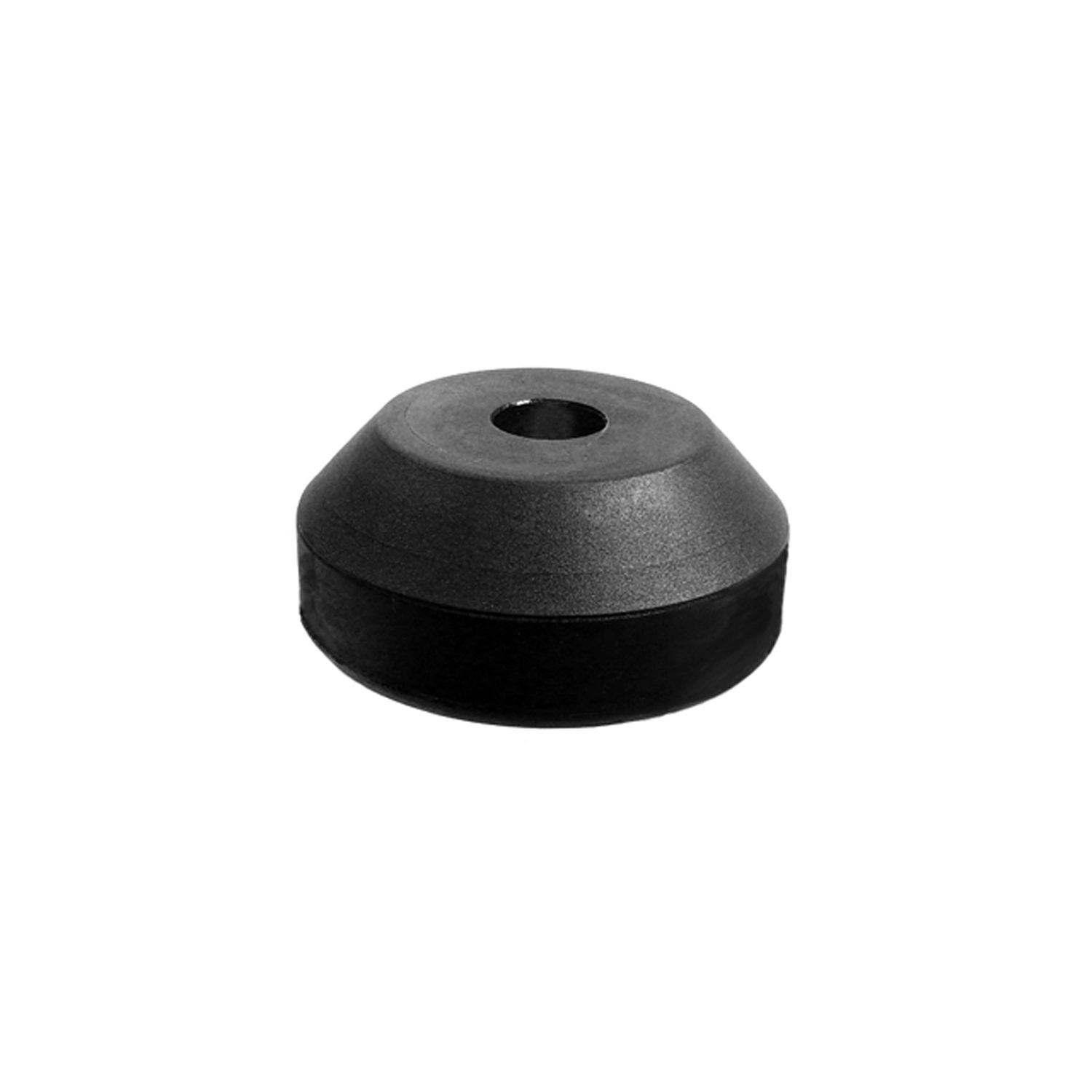 1940 Hudson Country Club Series 43 Upper Motor Mount. 5/8" I.D., 2-5/8" O.D. Each-MM 7-BUpper Motor Mount. 5/8" I.D., 2-5/8" O.D. Each
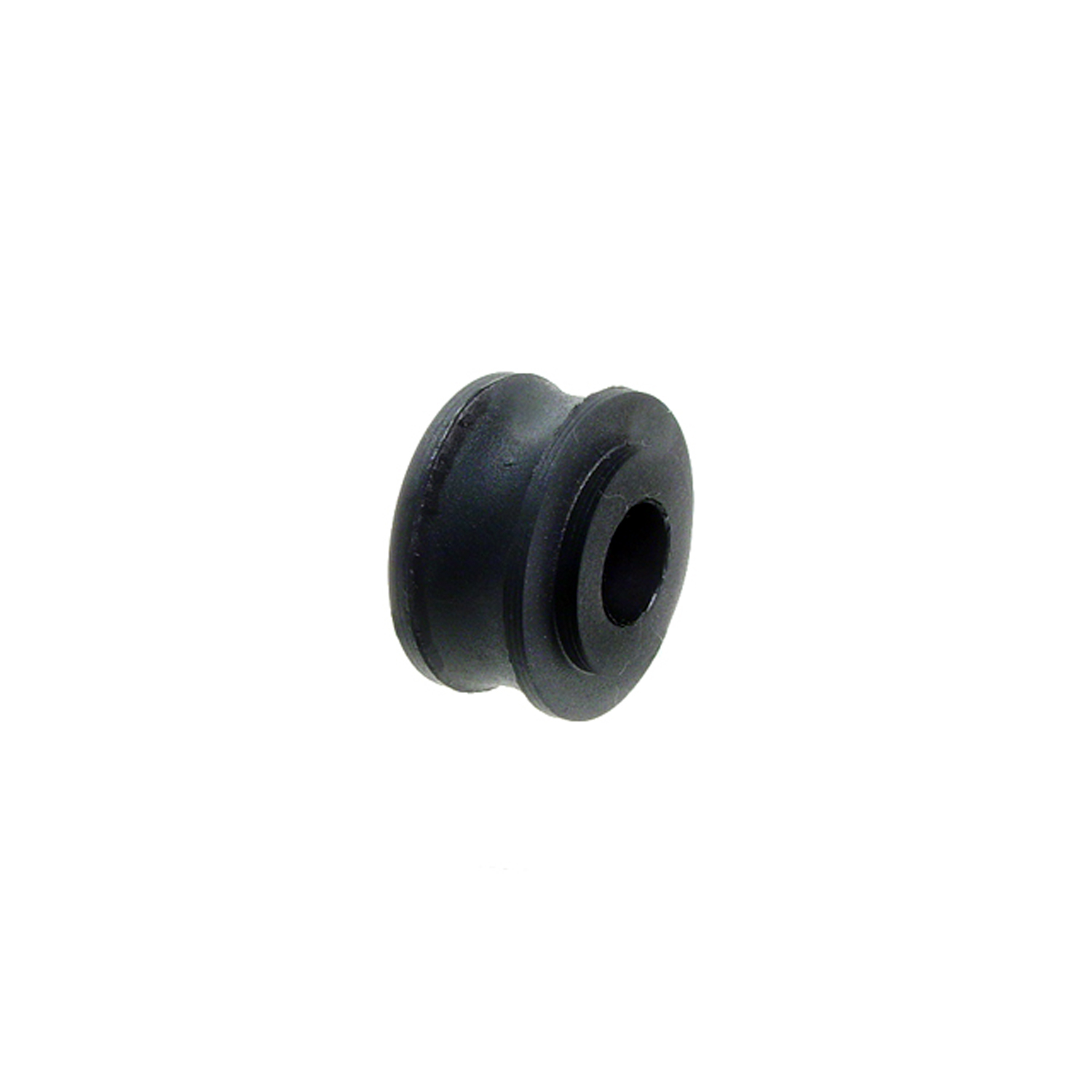 1940 Hudson Country Club Series 43 Lower Motor Mount. 5/8" I.D., 1-5/8" O.D. Each-MM 7-CLower Motor Mount. 5/8" I.D., 1-5/8" O.D. Each
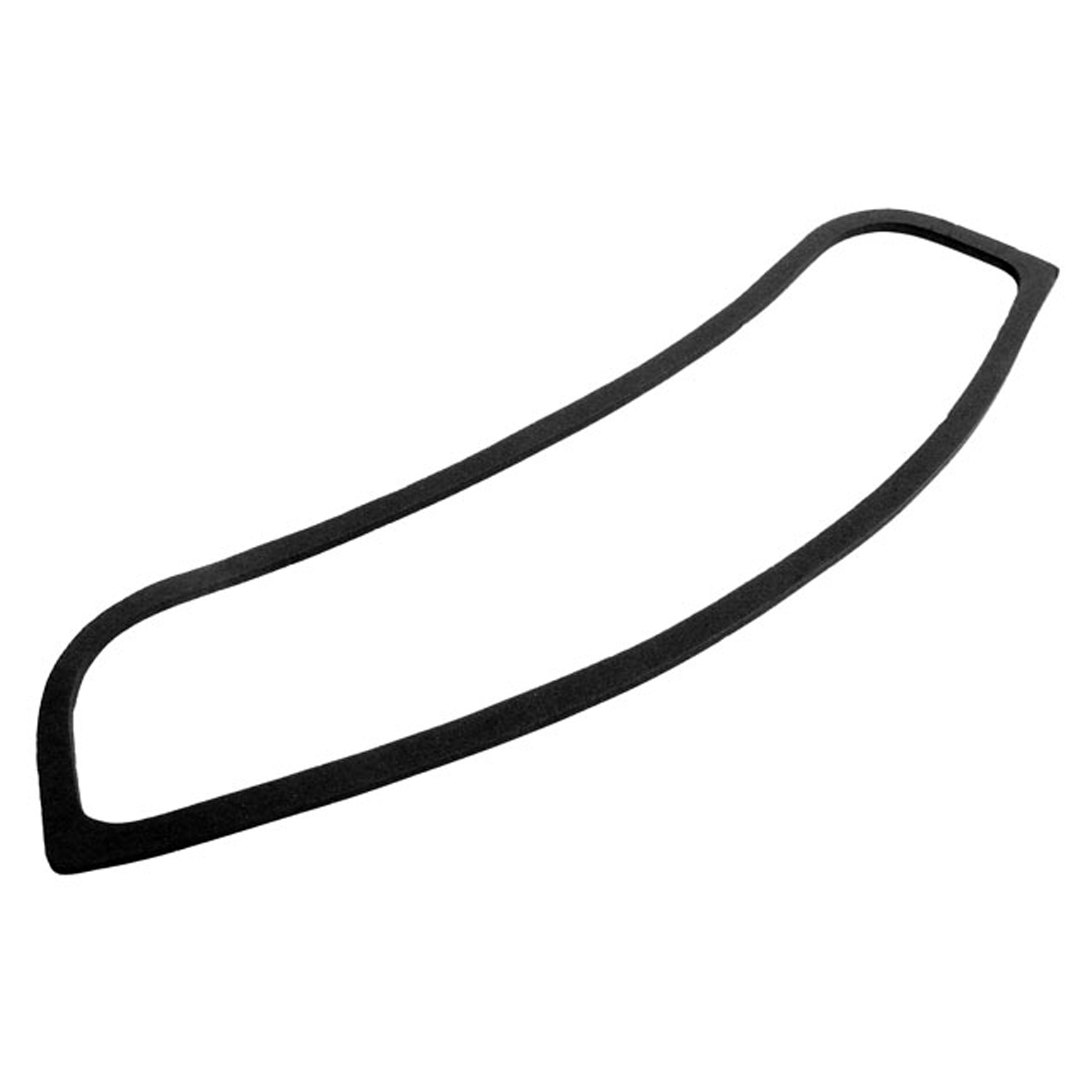 1940 Hudson Country Club Series 43 Cowl Vent Seal. 4-1/2" wide X 18-1/2" long. Each-RP 100-YCowl Vent Seal. 4-1/2" wide X 18-1/2" long. Each
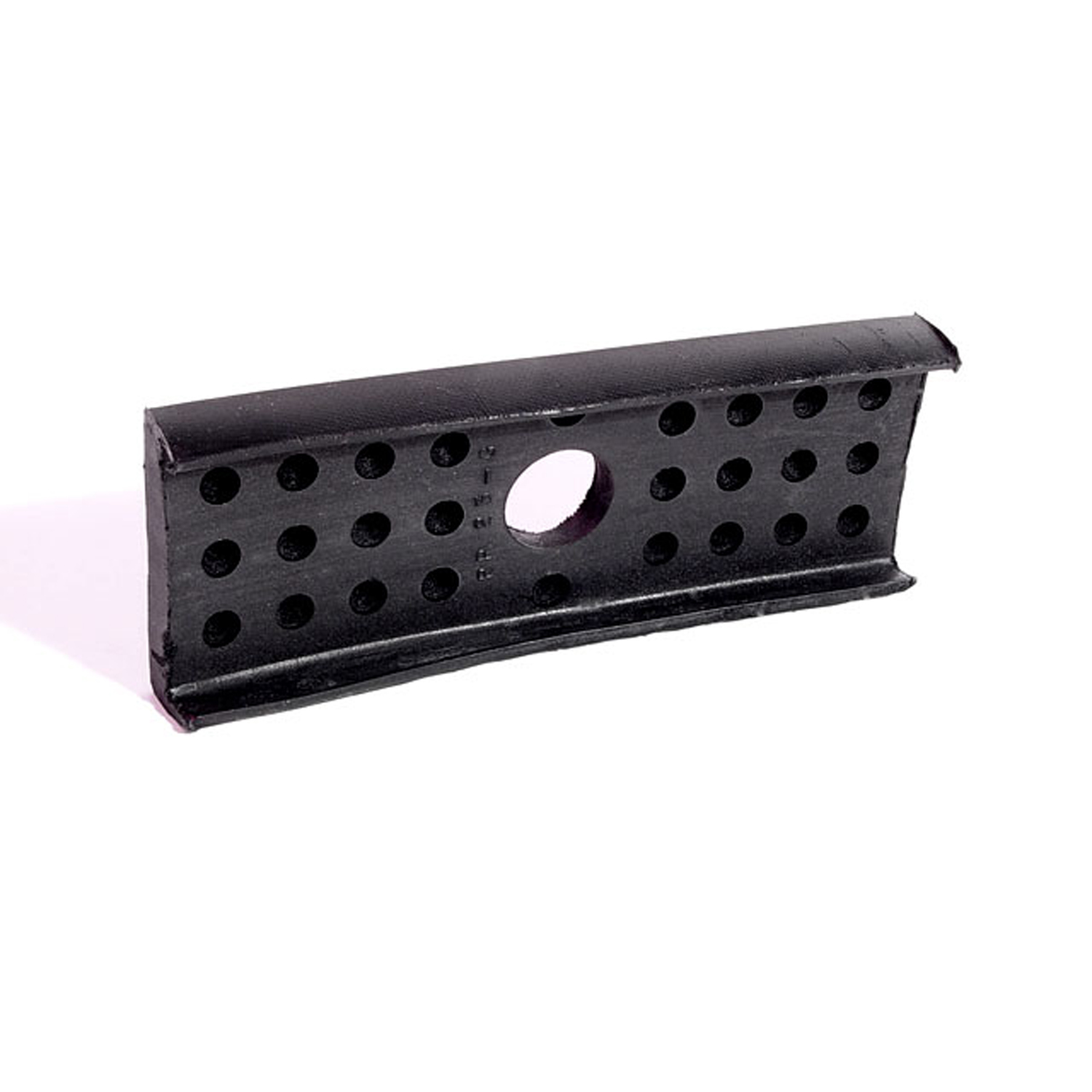 1940 Hudson Country Club Series 43 Rear Leaf Spring Center Mounting Insulator-RP 23-GRear Leaf Spring Center Mounting Insulator. For all 1-3/4" wide leaf springs. Each
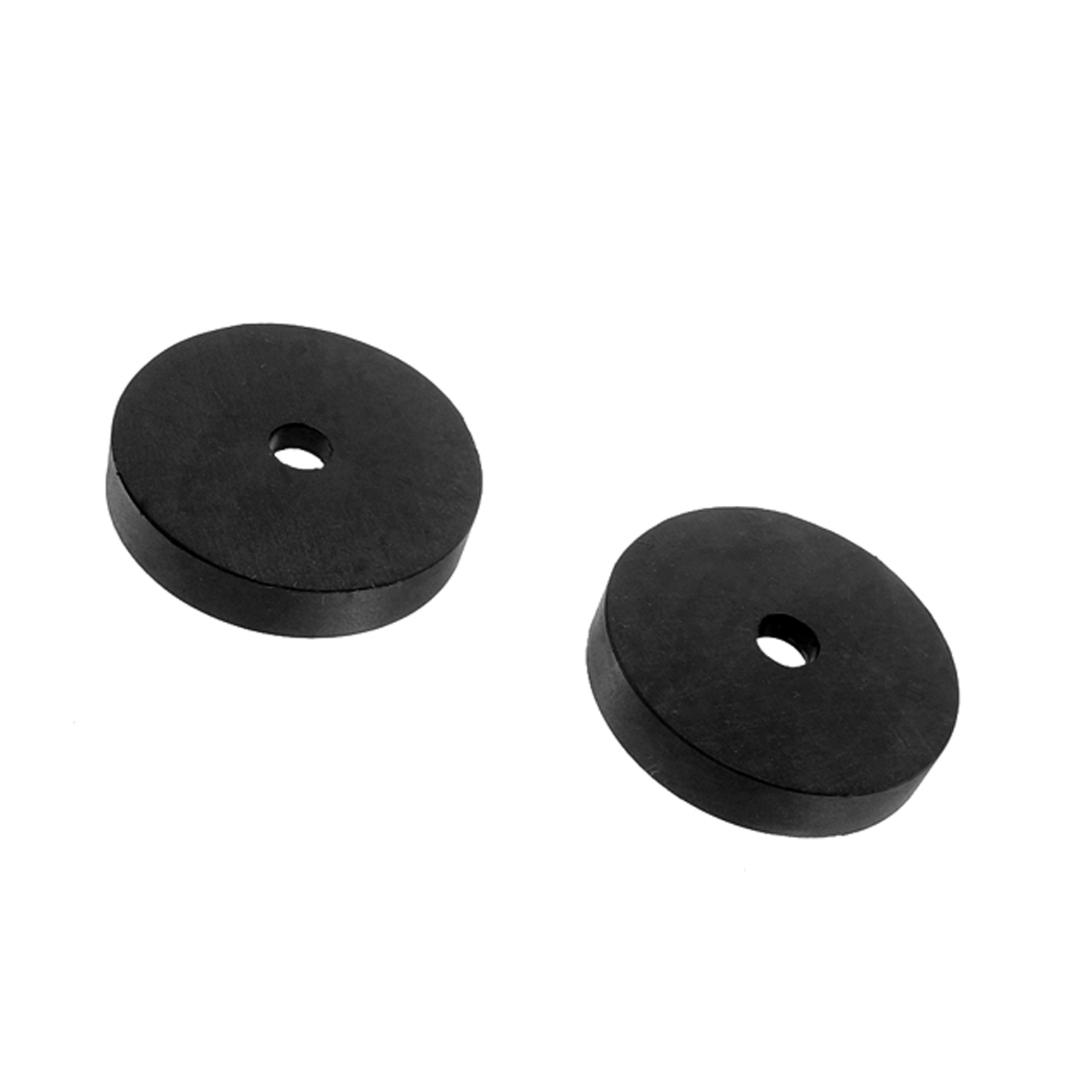 1940 Hudson Country Club Series 43 Clutch and Brake Seals. Seals fit on a round shaft-RP 31-NClutch and Brake Seals. Seals fit on a round shaft. Made of soft rubber. 2-7/16" O.D., 7/16" I.D. Pair
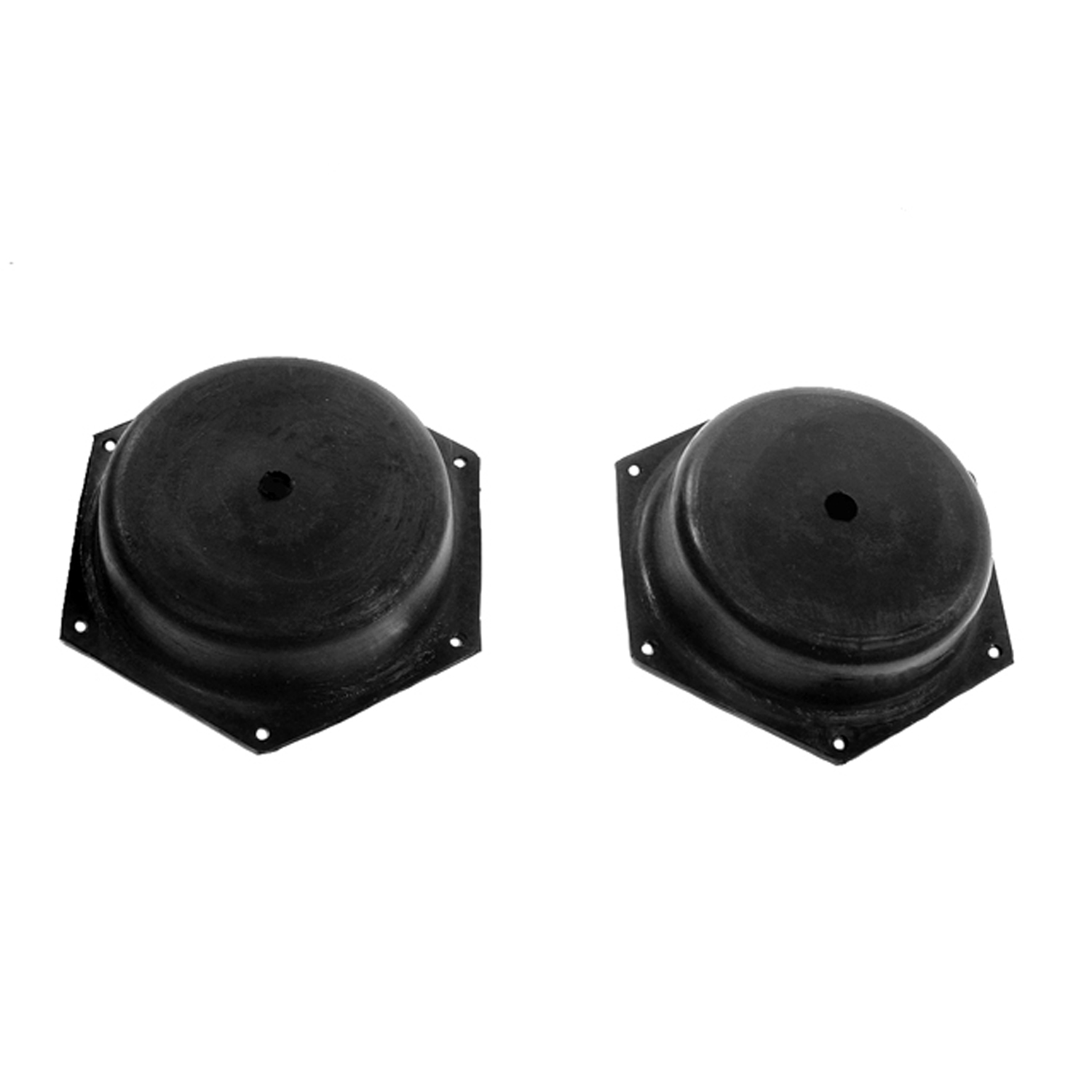 1940 Hudson Country Club Series 43 Drive Master Electric Shift Vacuum Diaphragm-RP 32-ADrive Master Electric Shift Vacuum Diaphragm. For all models with drive master system for standard transmission. Pair
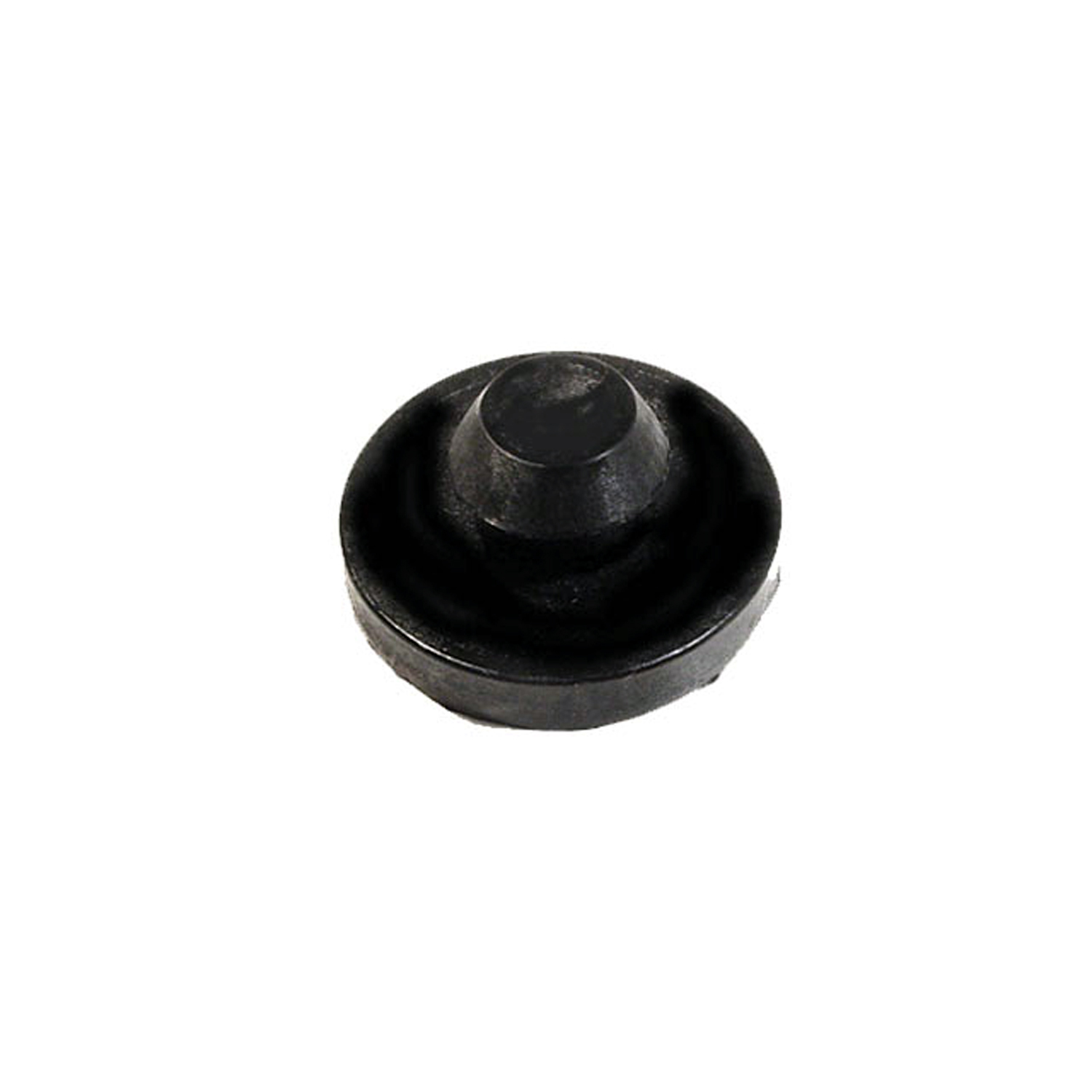 1940 Hudson Country Club Series 43 Clutch Linkage Cushion. 1/4" top thickness, 1-1/2" O.D-SB 33-AClutch Linkage Cushion. 1/4" top thickness, 1-1/2" O.D. Each
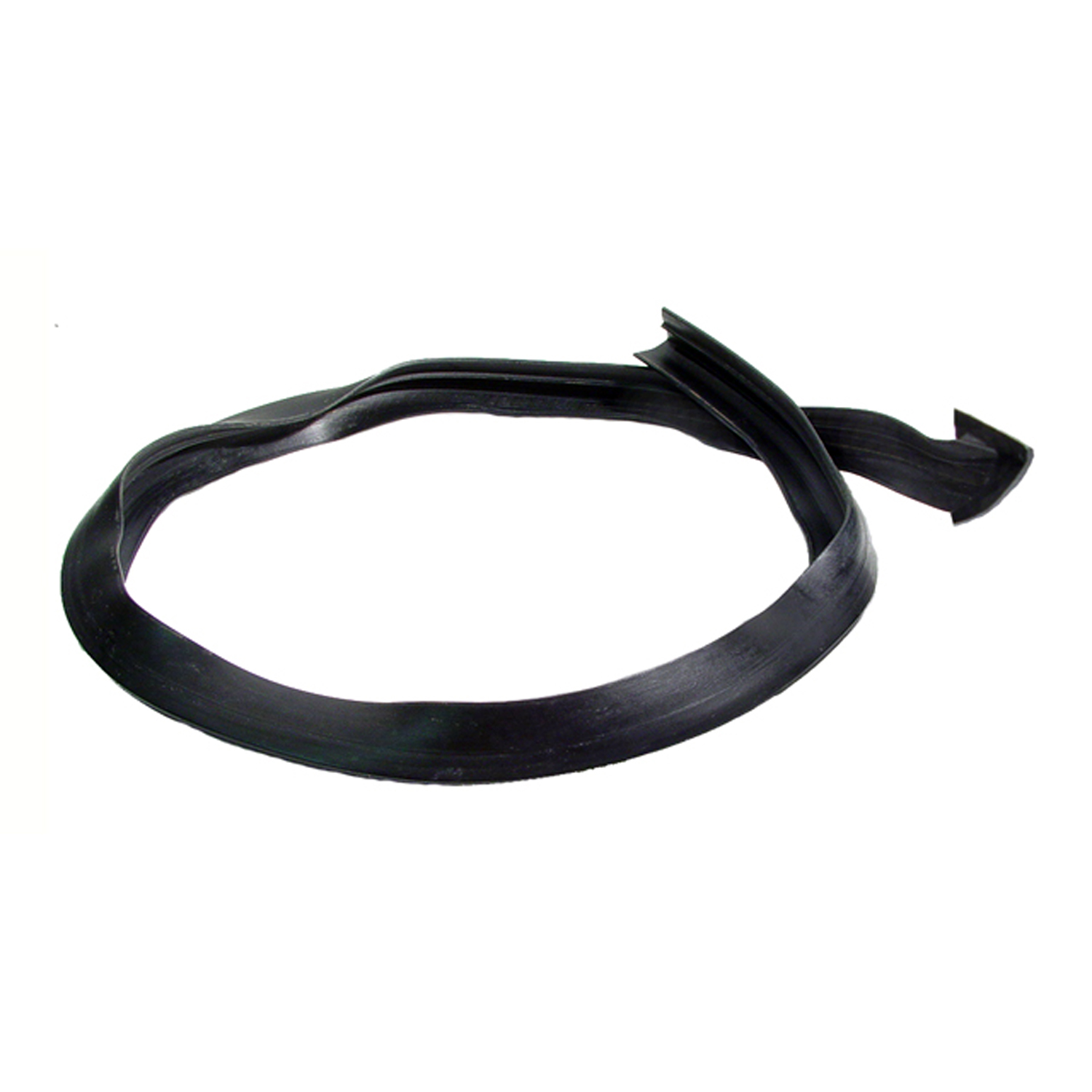 1940 Hudson Country Club Series 43 Vertical Division Seal-VS 6-AVertical Division Seal. 26" Piece, enough for two front vents. Each
 1940 Hudson Country Club Series 43 Vertical seal for vent window. Dense rubber. Universal part-VS 6-A/FTVertical seal for vent window. Dense rubber. Universal part. Per foot.
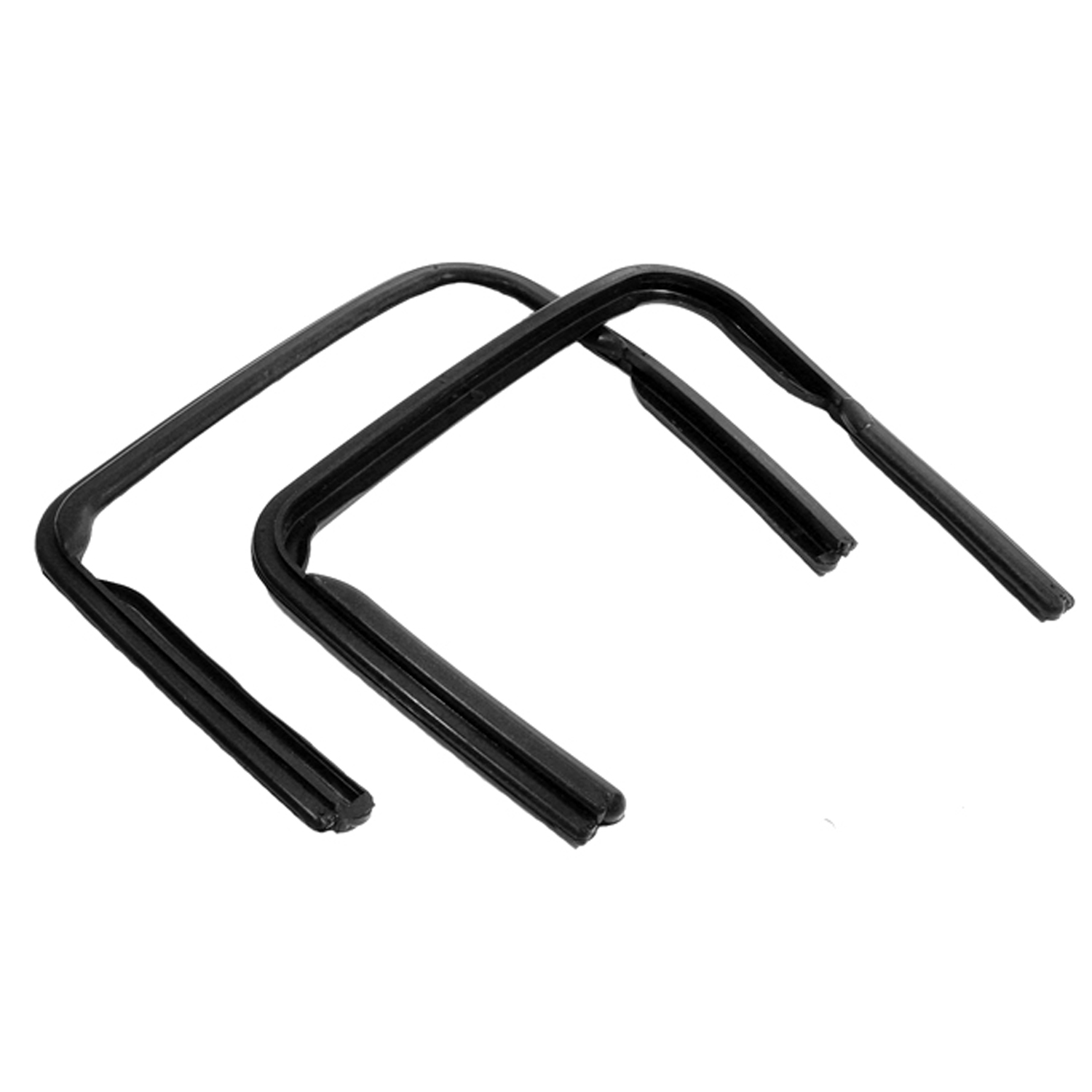 1940 Hudson Country Club Series 43 Front Vent Window Seals, for Convertibles-WR 9Front Vent Window Seals, for Convertibles. 25-1/4" long each. Pair R&L
Why Choose Metro?
For over 100 years, Metro Moulded Parts has been the pinnacle of quality in classic car restoration parts. Our commitment to precision and authenticity in every component ensures a perfect fit and an OEM-level appearance.
- Expert Craftsmanship & Quality: Each part is a testament to our dedication to reliability and perfection, crafted from original designs and thoroughly tested.
- Advanced Technology: We use cutting-edge techniques to create flawless, long-lasting parts that surpass others in performance.
- SuperSoft Sponge – The Ultimate Door Seal: Not only are our door seals 30% softer than competitors', but they're also guaranteed to never leak. They effectively reduce wind and road noise, enhancing your classic car's comfort and driving experience.
- Proudly American: Our parts are a product of American craftsmanship, made in the USA with a spirit of excellence and heritage.
- Unrivaled Warranty: We back our products with a 30-year industry-leading warranty, a testament to our confidence in their quality.
Join us in preserving the legacy of classic cars with parts that are crafted for perfection, not just made.