

Image of 1940 Hudson Deluxe Series 40 P, Note: These illustrations use artistic license and may differ from actual historical models.
Performance Metrics
Fundamental Metrics
Emotional Appeal
MMP Rating
| Engine Specifications | |
|---|---|
| Engine Options: | Inline 6 |
| Displacement Range: | 212 cubic inches |
| Horsepower Range: | Estimated 102 hp |
| Torque: | 180 lb-ft |
| Compression Ratio: | Estimated 6.5:1 |
| Ignition System: | Distributor and coil |
| Cooling System: | Liquid-cooled |
| Performance Specifications | |
| 0-60 Time: | Information not available |
| 1/4 Mile Time: | Information not available |
| Top Speed: | 80 mph |
| Transmission and Drive | |
| Drive Type: | Rear-wheel drive |
| Transmission Type: | 3-speed manual |
| Fuel and Efficiency | |
| Fuel System Type: | Carburetor |
| MPG: | Estimated 15-20 mpg |
| Dimensions and Brakes | |
| Brakes: | Drum brakes |
| Wheelbase: | 117.5 inches |
| Weight: | Estimated 3,200 lbs |
Note: Specifications for classic cars are given to the best of our ability, considering the limited and variant data available.
1940 Hudson Deluxe Series 40-P: A Refined Prewar Six
The 1940 Hudson Deluxe Series 40-P was built for drivers who wanted a comfortable, well-engineered American car without stepping up to a larger and costlier model. Made by the Hudson Motor Car Company of Detroit, it belonged to Hudson’s Deluxe Six line, a mid-priced range that paired handsome styling with practical six-cylinder power.
Hudson had earned a reputation for sturdy construction and thoughtful engineering, and the 1940 Deluxe carried that reputation into the final years before wartime production transformed the American auto industry. One intriguing detail is that buyers could specify an advanced-for-its-day combination of vacuum-operated clutch assistance and Hudson’s Electric Hand gear preselector. It offered a more relaxed way to shift without making the car a modern automatic.
Streamlined Hudson Styling
The Series 40-P wore the rounded, carefully integrated styling typical of the late 1930s and early 1940s. Its long hood flowed into a broad, upright grille, while rounded fenders softened the car’s substantial shape. Bright trim, distinctive headlamps and a sweeping roofline gave it a polished presence without the excess ornamentation seen on some luxury cars. It was not yet the dramatically low, “step-down” Hudson that would arrive after the war, but its proportions already looked purposeful and modern for its era.
Inside, the Deluxe emphasized comfort and durability. The cabin typically featured broad cloth-upholstered seats, a painted metal dashboard with decorative trim, a large steering wheel and clear, traditional gauges. Materials and upholstery varied with the body style and factory options, but the Deluxe was positioned as a comfortable family car rather than a bare-bones transportation appliance. Wide seating and generous glass helped make the interior feel airy by prewar standards.
Hudson offered several exterior colors, with the exact palette changing by model year and body. Period-appropriate choices included subdued solid shades as well as two-tone combinations, often set off by contrasting wheels or trim. Darker colors gave the car a formal look, while lighter or two-tone finishes emphasized its curved fenders and flowing body lines. Original paint codes and color availability should be checked against the specific car’s build information.
The Deluxe Six range included sedan and coupe-type body styles, with the precise selection depending on the model designation and market. Four-door sedans were practical and popular, while two-door coupes offered a sportier profile. The “40-P” label appears in vehicle listings and reference material, but surviving cars should be identified by their body plate and documentation rather than assuming every seller uses the code consistently.
Engineering and Historical Importance
The 1940 Deluxe Series 40-P was not a radical design breakthrough, but it shows how Hudson competed through sound construction, useful engineering and a strong sense of value. The company’s cars were known for sturdy bodies and chassis, and Hudson had built a following among motorists who wanted something more substantial than an entry-level car. Its engineering approach favored durability and everyday usability over headline-grabbing performance.
The optional Electric Hand system was a notable talking point. It let the driver preselect a gear using a small control near the steering wheel, with the gear change completed through the car’s operating system. With the available vacuum clutch assistance, shifting could require less physical effort than a conventional clutch-and-lever setup. It was an ambitious convenience feature, though it added complexity and is one reason a prospective buyer should inspect the mechanism carefully today.
The Series 40 also represents Hudson at a distinctive point in its history: an established independent manufacturer competing against much larger firms just before the United States shifted to wartime production. Hudson would later become famous for its low-slung postwar cars and racing success, but the 1940 Deluxe offers a snapshot of the company’s prewar strengths: solid engineering, comfortable interiors and confident styling.
Six-Cylinder Performance and Road Manners
The Deluxe Six used a side-valve, or L-head, inline-six of approximately 175 cubic inches. Published specifications commonly put output at about 92 horsepower, though figures can vary by source and rating method. Power went through a three-speed manual transmission, with the shift arrangement and optional equipment varying by car. The standard setup was straightforward and serviceable, while the Electric Hand option offered a more unusual driving experience.
Expect relaxed rather than brisk performance. A healthy, correctly tuned car may reach roughly 75 to 80 mph, and a 0-to-60-mph run is likely to take around 20 seconds or longer, depending on body weight, gearing, condition and test method. These are period-car estimates, not guaranteed figures for every surviving example. The Hudson is happiest cruising at moderate speeds, where its smooth six-cylinder engine and broad torque feel well suited to the car’s mission.
On ordinary roads, the long wheelbase and substantial chassis help the car settle over bumps, though its suspension and tires are very different from those of a modern vehicle. It will lean more in corners, and steering effort is greater at parking speeds. On winding roads, a measured driving style is rewarding: anticipate turns, avoid abrupt inputs and leave plenty of room for the car’s brakes. In the cabin, the engine produces a steady mechanical hum, while the large steering wheel and manual controls keep the driver closely involved.
Living with a 1940 Hudson
Today, most Series 40-P cars are collector vehicles, touring cars or occasional-use classics rather than daily transportation. They suit leisurely club drives, local shows and vintage events, where their prewar character stands out from the more familiar postwar models. A well-sorted example can be enjoyable on short trips, but modern traffic, highway speeds and limited crash protection make regular commuting less appealing.
Routine work is familiar to anyone experienced with prewar American cars: ignition and carburetor service, cooling-system upkeep, brake adjustment and attention to lubrication. The basic six-cylinder engine is mechanically approachable, and many ordinary jobs do not require specialized electronic equipment. However, parts availability is not as convenient as it is for common Chevrolet or Ford models. Hudson-specific trim, body pieces and Electric Hand components can take patience to locate, and neglected examples may need specialist help.
Reliability depends heavily on condition. A car that has been maintained and driven regularly can be dependable for touring, but age-related issues such as deteriorated wiring, worn brakes, cooling problems and stale fuel systems should be addressed before a long trip. Any car with Electric Hand equipment deserves a careful operational check, along with a clear explanation of how its controls work.
Hudson Facts and Common Criticisms
The Deluxe Series 40-P is part of Hudson’s broader 1940 lineup, so production totals are not always reported in a way that isolates this exact designation. A reasonable working estimate is that production across the Series 40 family numbered in the thousands to tens of thousands, while surviving, well-documented cars are much less common. Exact totals for the 40-P alone are difficult to establish, so claims of a precise production figure should be treated cautiously.
There is no widely recognized speed or endurance record associated specifically with the 1940 Deluxe Series 40-P. Its appeal is instead rooted in Hudson’s engineering and the experience of driving a substantial American car from the prewar period. Nor should every unusual feature be assumed to be factory-original: period accessories, later repairs and swapped components are common topics at classic-car inspections.
Common criticisms are fair but manageable. The car is heavy by modern standards, its performance is modest, and braking and handling require more planning than a contemporary vehicle. Some owners also find Hudson-specific parts harder to source than components for mass-market rivals. In return, the car offers distinctive styling and a less familiar alternative to the era’s most common makes.
Collector Values and Market Outlook
Values vary widely with body style, originality, mechanical condition, restoration quality and documentation. As a broad 2026 estimate, a project car may sell for roughly $5,000 to $10,000, while a sound driver-quality sedan might bring about $12,000 to $25,000. A beautifully restored or especially desirable body style could reach $25,000 to $40,000 or more. These are general guide ranges, not appraisals, and exceptional cars or unusually rare configurations can fall outside them.
The 1940 Deluxe is a niche collectible rather than a high-volume investment favorite. Its market has generally rewarded well-preserved, correctly restored examples, but values can be uneven because buyers are fewer than for mainstream Ford and Chevrolet models. Over the long term, condition and provenance matter more than broad market movement. A complete, well-documented car is usually a safer purchase than a cheaper project with missing Hudson-specific parts.
Why the 1940 Deluxe Still Matters
The 1940 Hudson Deluxe Series 40-P brings together elegant prewar styling, a comfortable six-cylinder driving character and engineering features that show Hudson’s willingness to try something different. It is not the fastest or easiest classic to own, but it rewards careful owners with a distinctive road presence and a direct connection to an independent American automaker at a pivotal moment in its history. On the right road, at the right pace, this Hudson makes the case that refinement and character can be just as memorable as raw performance.
1940 Hudson Deluxe Series 40 P Catalog of Parts
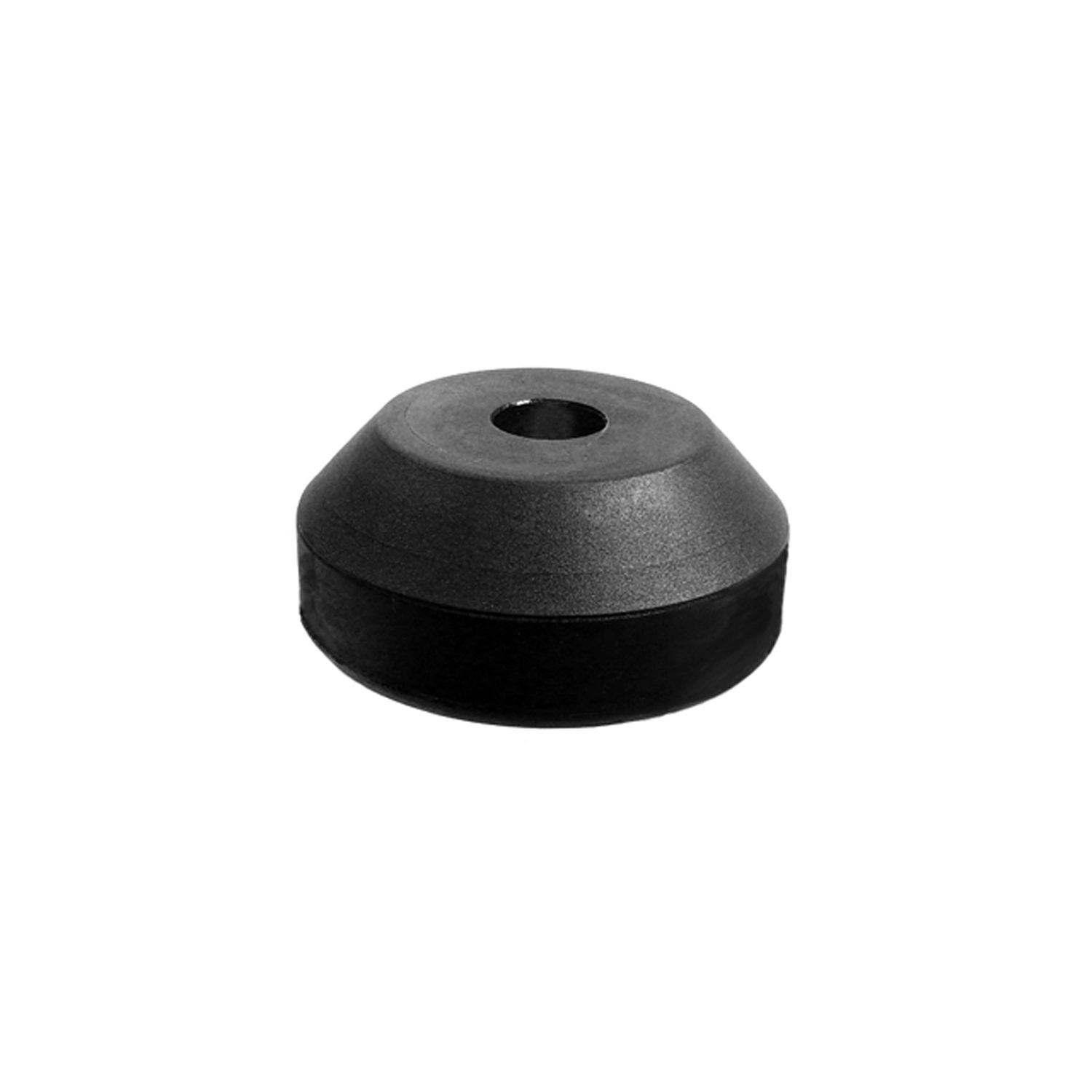 1940 Hudson Deluxe Series 40 P Upper Motor Mount. 5/8" I.D., 2-5/8" O.D. Each-MM 7-BUpper Motor Mount. 5/8" I.D., 2-5/8" O.D. Each
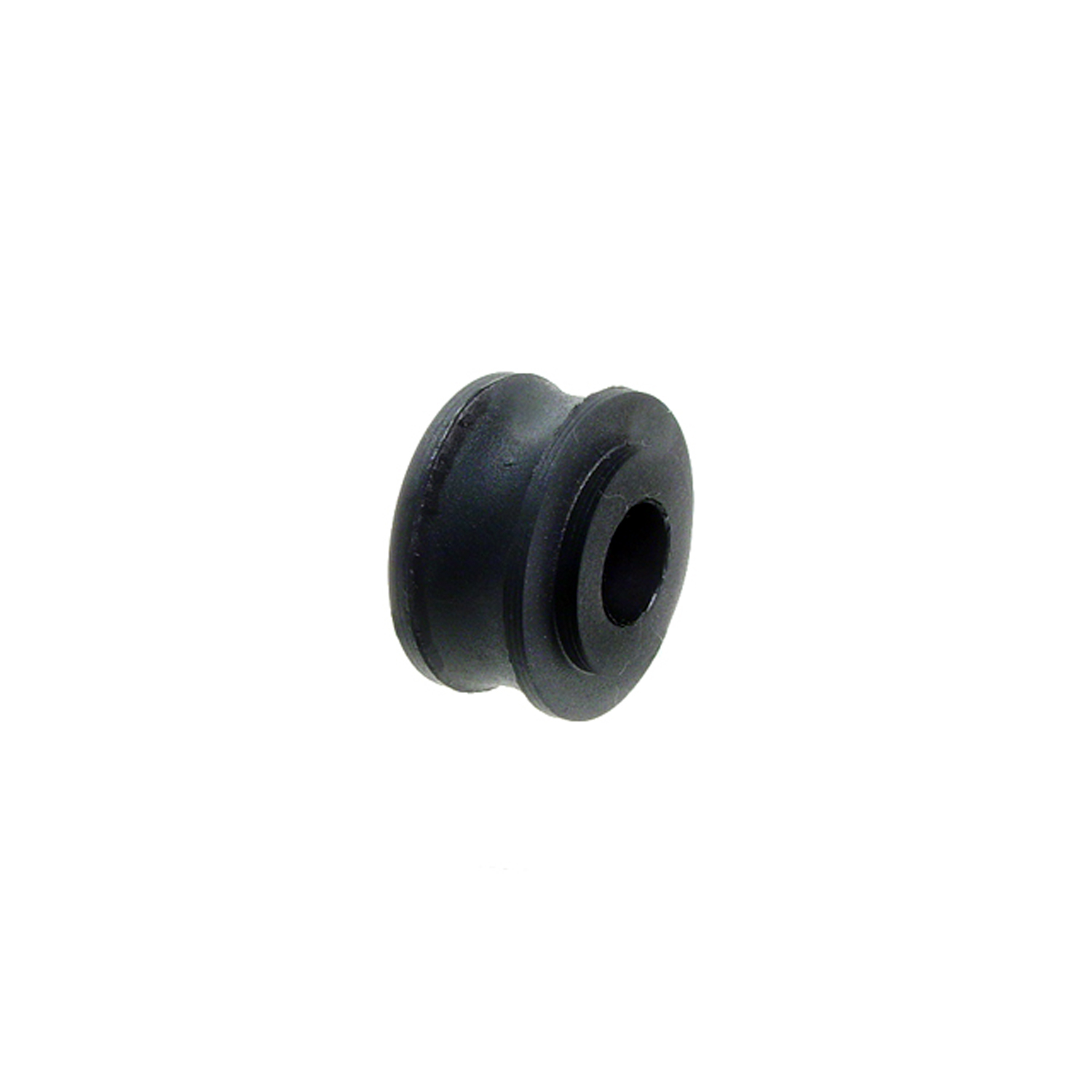 1940 Hudson Deluxe Series 40 P Lower Motor Mount. 5/8" I.D., 1-5/8" O.D. Each-MM 7-CLower Motor Mount. 5/8" I.D., 1-5/8" O.D. Each
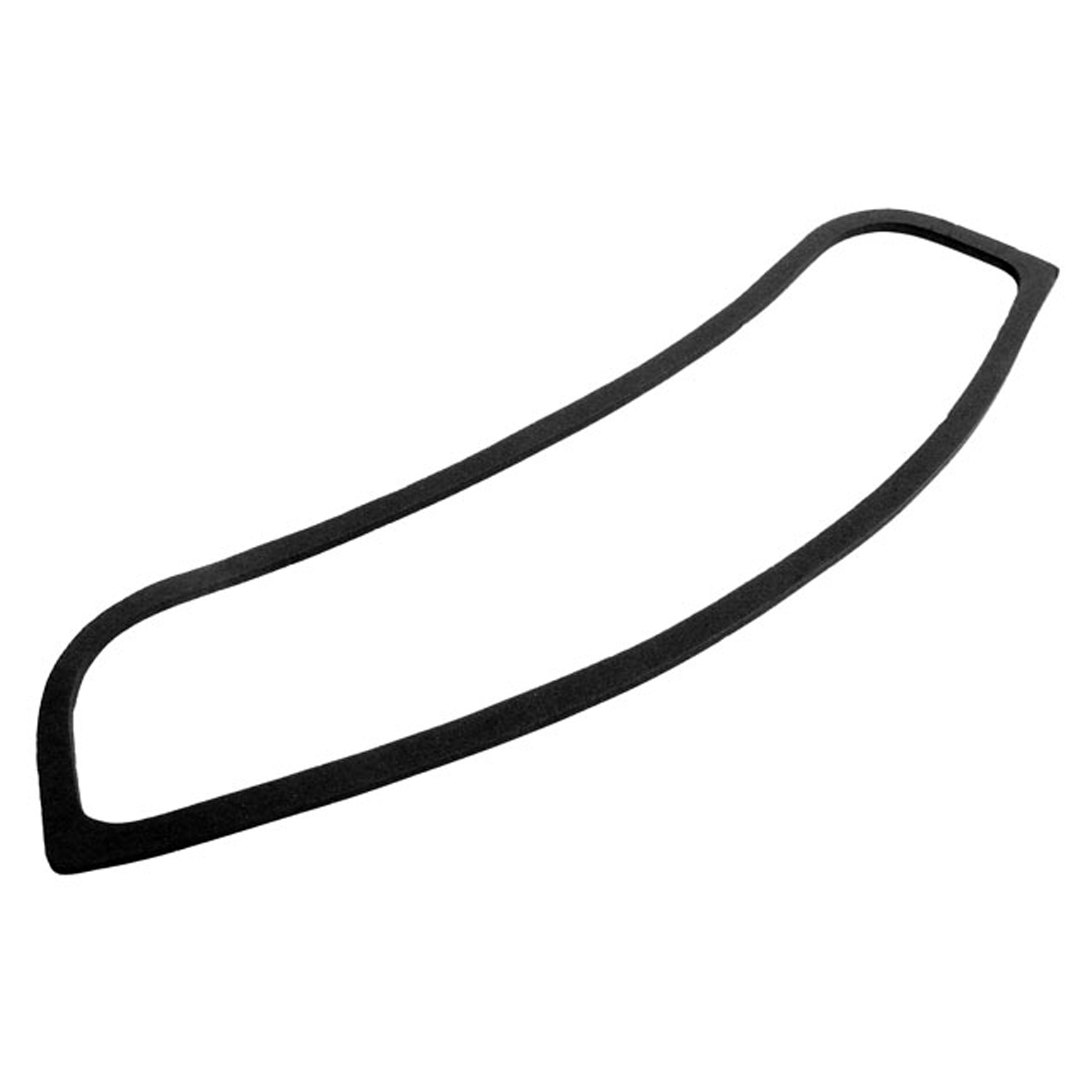 1940 Hudson Deluxe Series 40 P Cowl Vent Seal. 4-1/2" wide X 18-1/2" long. Each-RP 100-YCowl Vent Seal. 4-1/2" wide X 18-1/2" long. Each
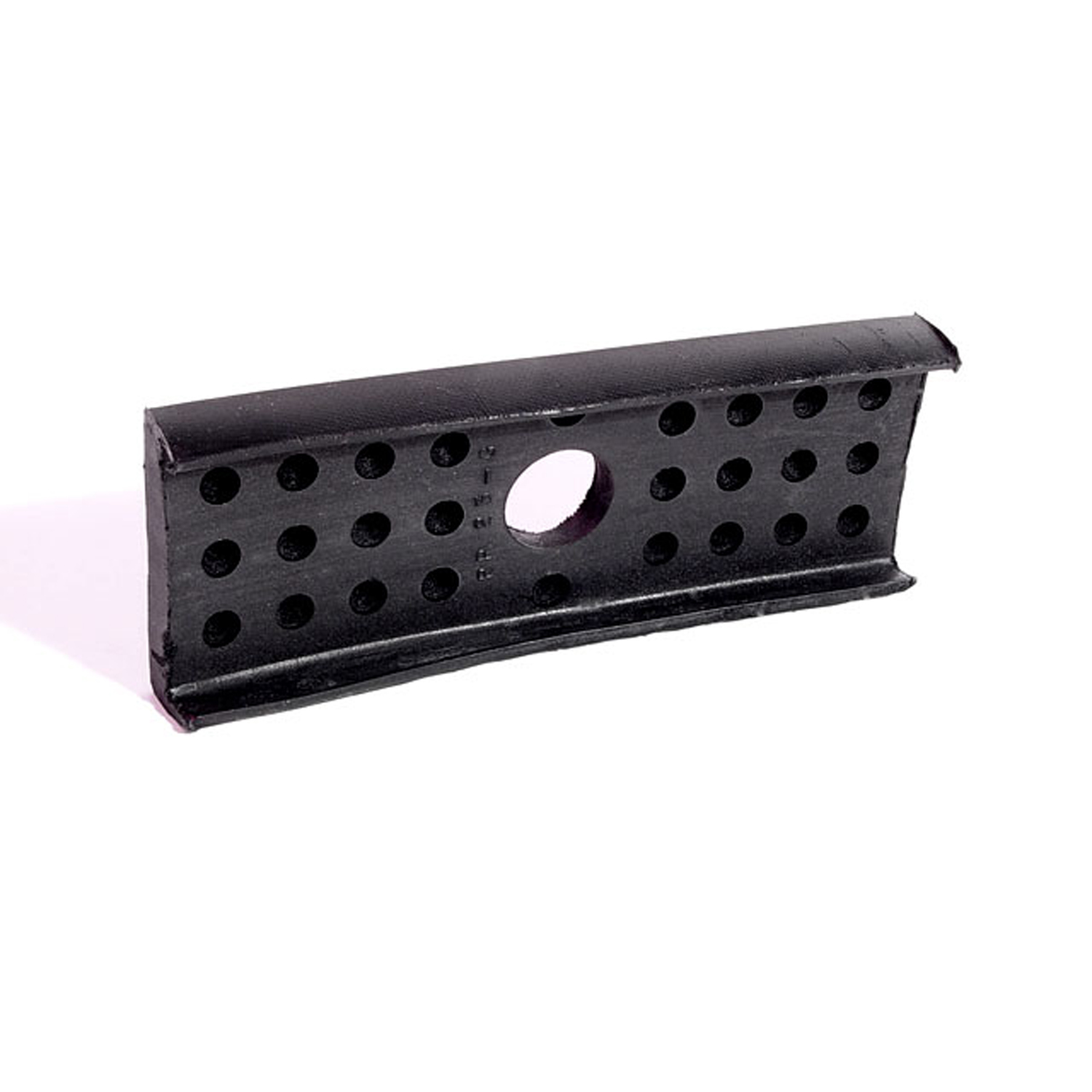 1940 Hudson Deluxe Series 40 P Rear Leaf Spring Center Mounting Insulator-RP 23-GRear Leaf Spring Center Mounting Insulator. For all 1-3/4" wide leaf springs. Each
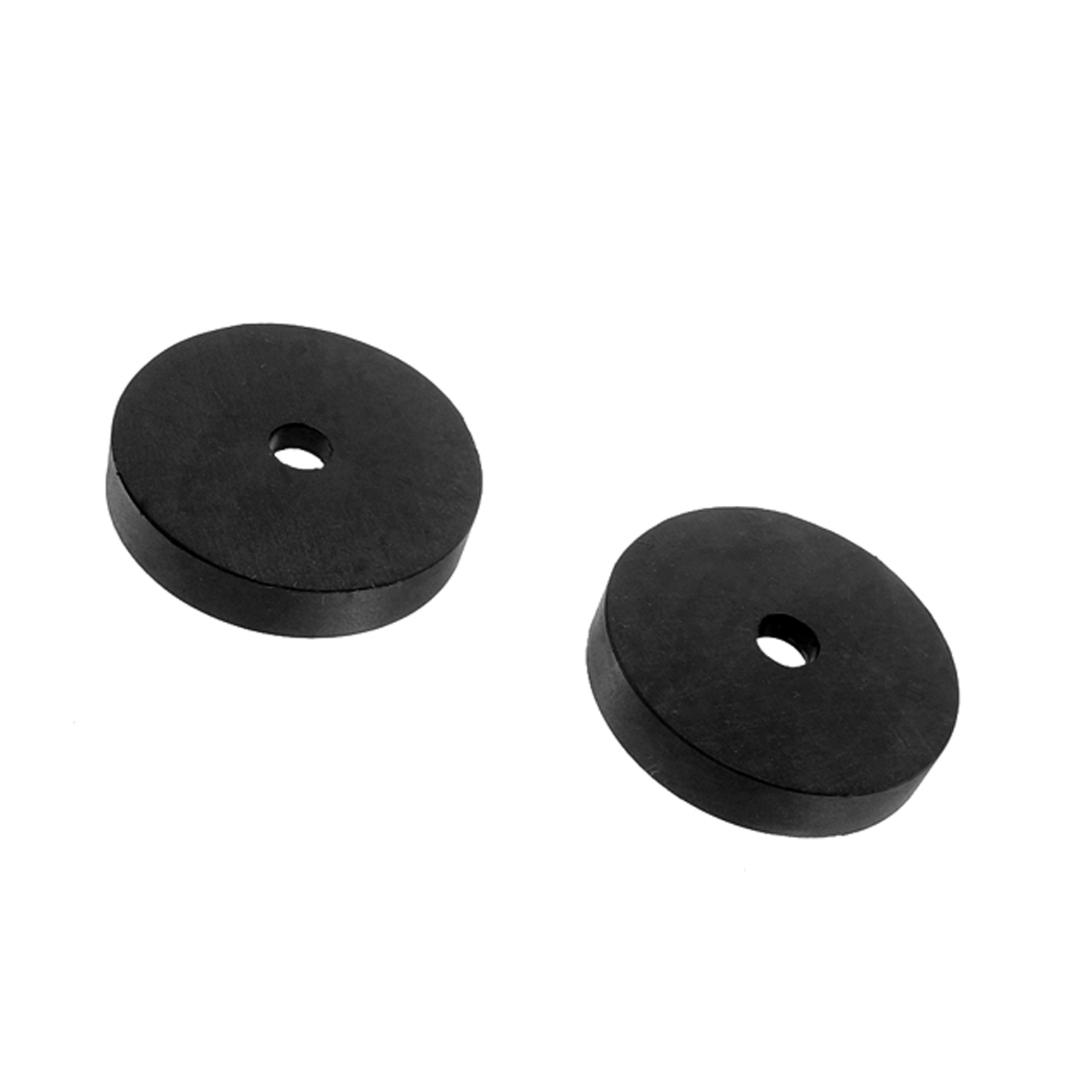 1940 Hudson Deluxe Series 40 P Clutch and Brake Seals. Seals fit on a round shaft-RP 31-NClutch and Brake Seals. Seals fit on a round shaft. Made of soft rubber. 2-7/16" O.D., 7/16" I.D. Pair
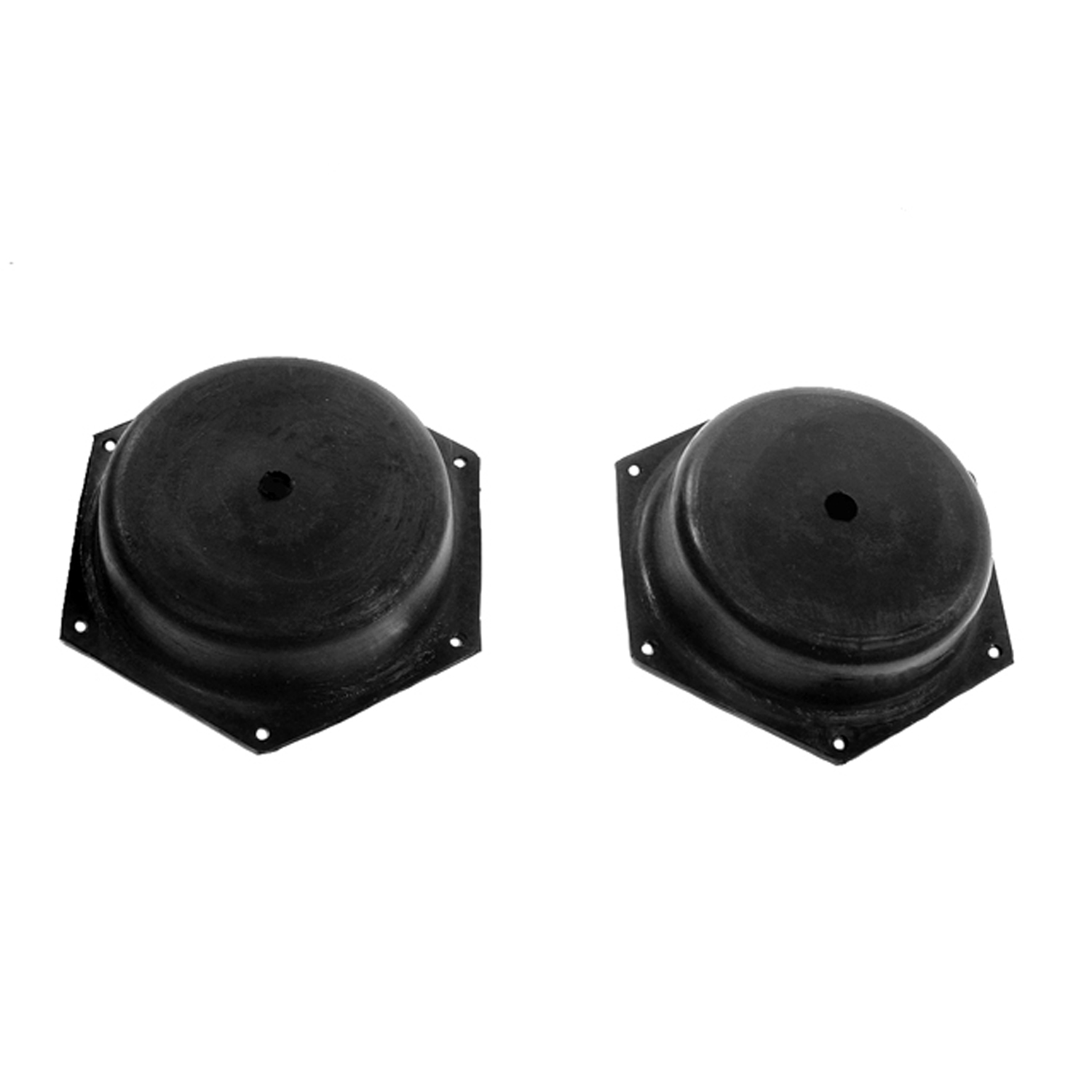 1940 Hudson Deluxe Series 40 P Drive Master Electric Shift Vacuum Diaphragm-RP 32-ADrive Master Electric Shift Vacuum Diaphragm. For all models with drive master system for standard transmission. Pair
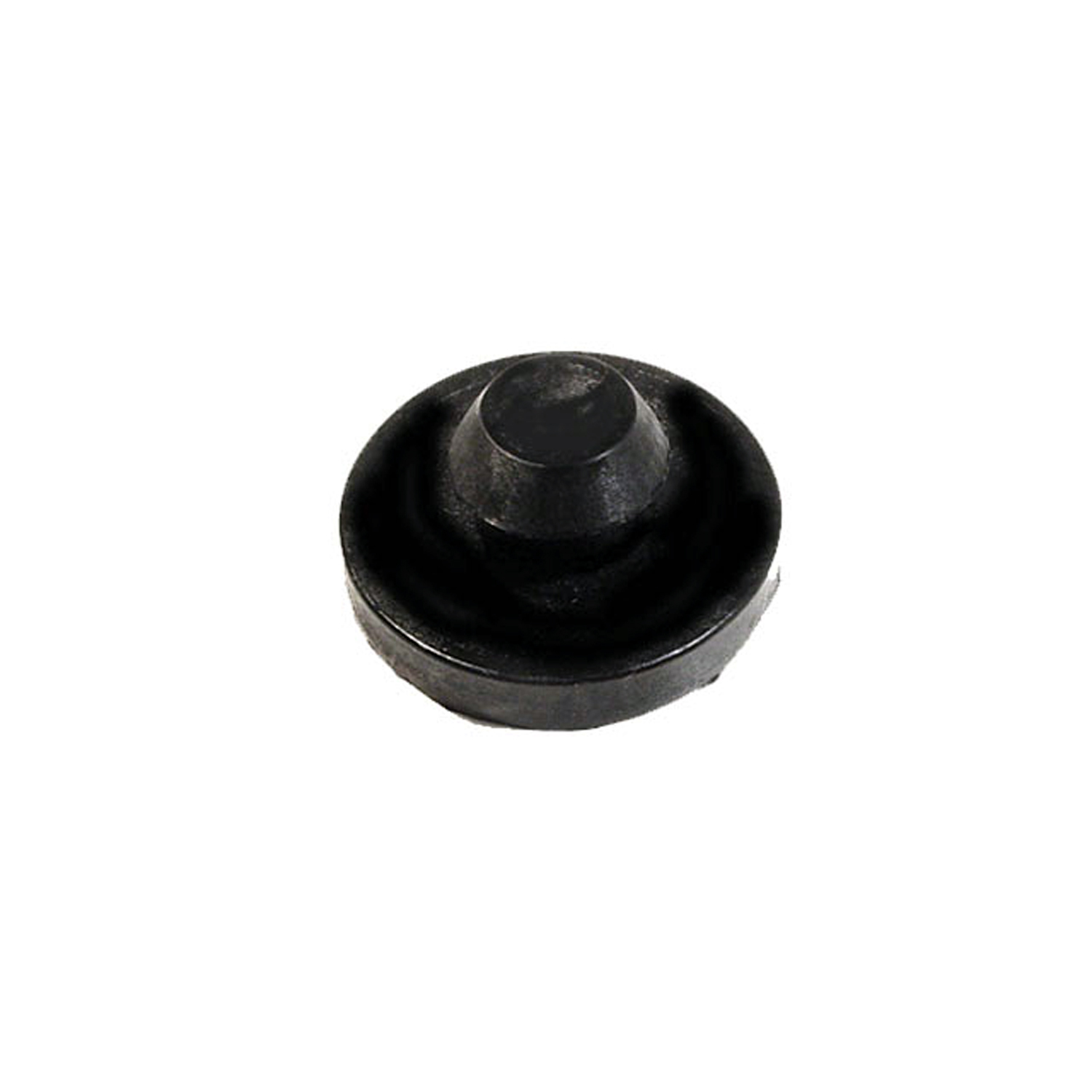 1940 Hudson Deluxe Series 40 P Clutch Linkage Cushion. 1/4" top thickness, 1-1/2" O.D-SB 33-AClutch Linkage Cushion. 1/4" top thickness, 1-1/2" O.D. Each
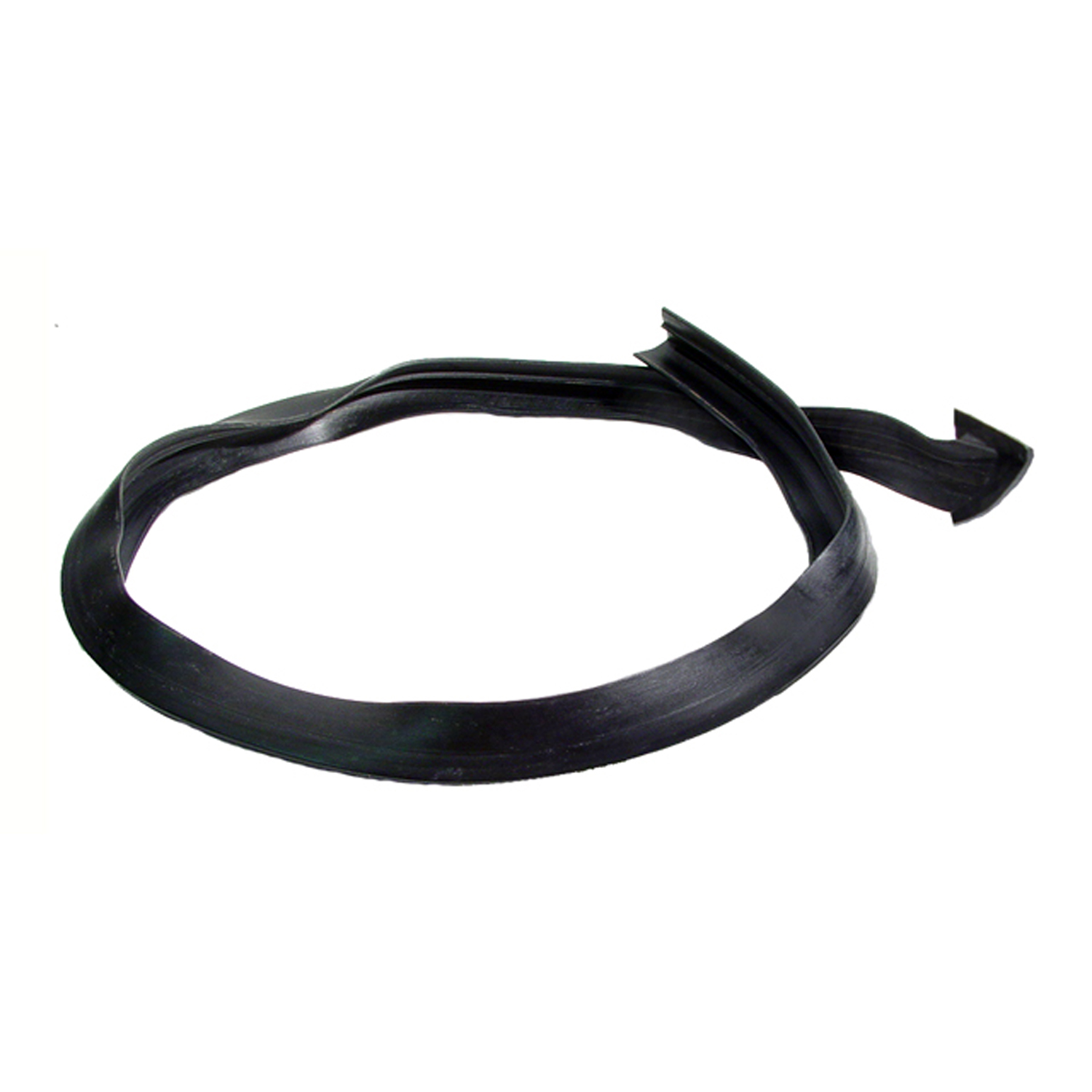 1940 Hudson Deluxe Series 40 P Vertical Division Seal-VS 6-AVertical Division Seal. 26" Piece, enough for two front vents. Each
 1940 Hudson Deluxe Series 40 P Vertical seal for vent window. Dense rubber. Universal part-VS 6-A/FTVertical seal for vent window. Dense rubber. Universal part. Per foot.
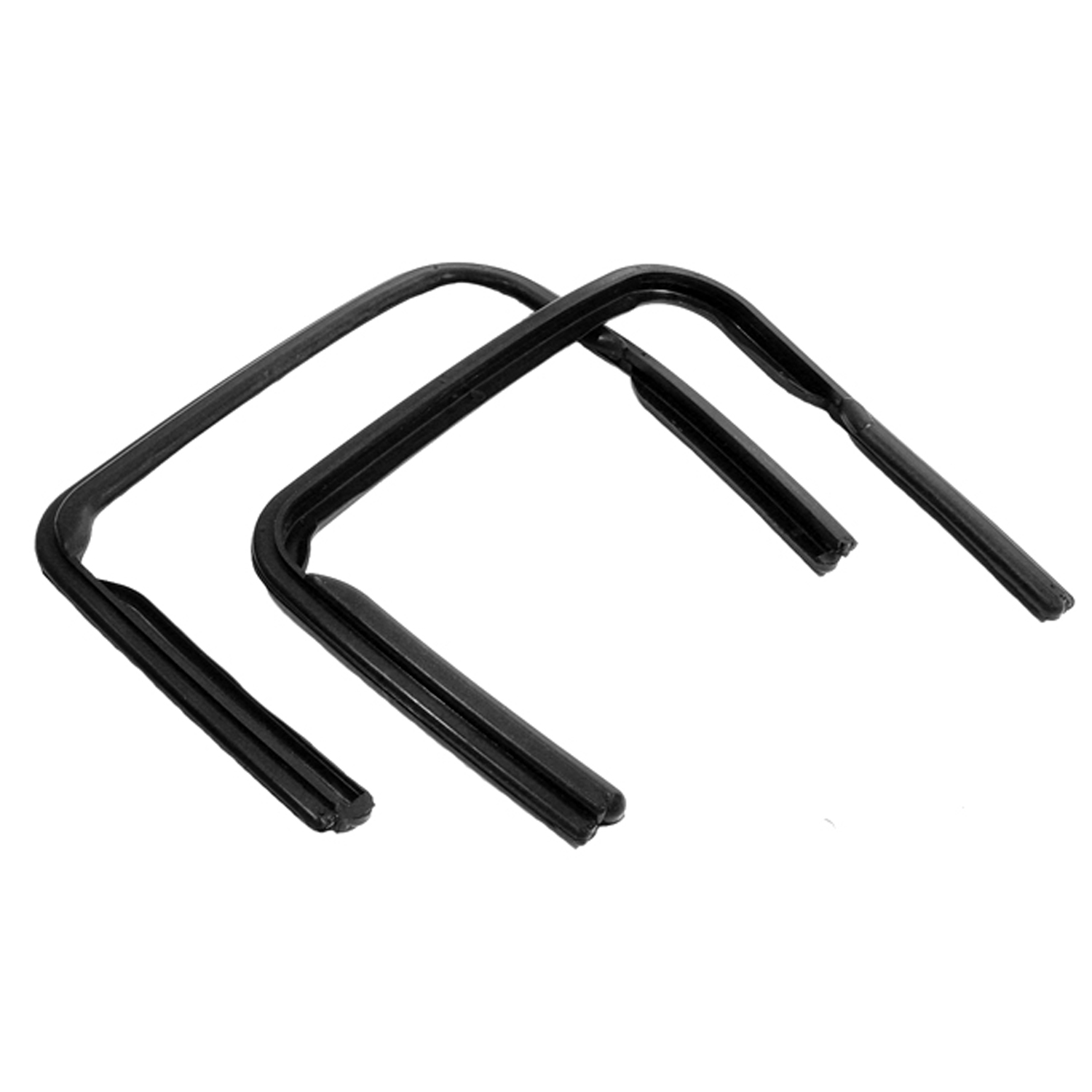 1940 Hudson Deluxe Series 40 P Front Vent Window Seals, for Convertibles-WR 9Front Vent Window Seals, for Convertibles. 25-1/4" long each. Pair R&L
Why Choose Metro?
For over 100 years, Metro Moulded Parts has been the pinnacle of quality in classic car restoration parts. Our commitment to precision and authenticity in every component ensures a perfect fit and an OEM-level appearance.
- Expert Craftsmanship & Quality: Each part is a testament to our dedication to reliability and perfection, crafted from original designs and thoroughly tested.
- Advanced Technology: We use cutting-edge techniques to create flawless, long-lasting parts that surpass others in performance.
- SuperSoft Sponge – The Ultimate Door Seal: Not only are our door seals 30% softer than competitors', but they're also guaranteed to never leak. They effectively reduce wind and road noise, enhancing your classic car's comfort and driving experience.
- Proudly American: Our parts are a product of American craftsmanship, made in the USA with a spirit of excellence and heritage.
- Unrivaled Warranty: We back our products with a 30-year industry-leading warranty, a testament to our confidence in their quality.
Join us in preserving the legacy of classic cars with parts that are crafted for perfection, not just made.