

Image of 1940 Hudson Deluxe Series 45, Note: These illustrations use artistic license and may differ from actual historical models.
Performance Metrics
Fundamental Metrics
Emotional Appeal
MMP Rating
| Engine Specifications | |
|---|---|
| Engine: | Inline 6 |
| Displacement: | 212 cubic inches |
| Horsepower: | Estimated 102 hp |
| Torque: | Not available |
| Compression Ratio: | 6.5:1 |
| Ignition System: | Distributor and coil |
| Cooling System: | Liquid-cooled |
| Performance Specifications | |
| 0-60 Time: | Not available |
| 1/4 Mile Time: | Not available |
| Top Speed: | 80 mph |
| Transmission and Drive | |
| Drive Type: | Rear-wheel drive |
| Transmission Type: | 3-speed manual |
| Fuel and Efficiency | |
| Fuel System Type: | Carburetor |
| MPG: | Not available |
| Dimensions and Brakes | |
| Brakes: | Hydraulic drum brakes |
| Wheelbase: | 117 inches |
| Weight: | 3,200 lbs |
Note: Specifications for classic cars are given to the best of our ability, considering the limited and variant data available.
1940 Hudson Series 45: A Prewar Eight with Presence
The 1940 Hudson Series 45 brought the quiet strength of a long straight-eight together with the handsome, streamlined styling that made Hudson one of America’s most distinctive independent automakers. It was built by the Hudson Motor Car Company of Detroit, a company known for engineering ambition and a willingness to challenge the larger manufacturers.
There is an important naming detail for anyone researching this car: in Hudson’s 1940 lineup, Series 45 generally identified the Super Eight, while the Deluxe Eight was typically Series 44. “1940 Hudson Deluxe Series 45” appears to combine two different Hudson designations. This guide focuses on the Series 45 Super Eight, while noting where trim and body availability could vary.
Hudson was a significant American manufacturer long before its famous 1950s racing success. In 1940, the company was competing in a crowded market dominated by much larger firms, and its cars needed to offer more than a stylish grille. The Series 45 did so with a smooth eight-cylinder engine, substantial construction, and an increasingly modern approach to body design.
Streamlined Styling and Cabin Comfort
The Series 45 looked substantial without appearing clumsy. Its long hood, rounded front fenders, curved roofline, and integrated headlamps gave it a flowing silhouette that was more modern than the upright cars of the previous decade. At the front, a prominent vertical grille gave the Hudson a confident, unmistakable face. The fenders still had their own visual identity, but they blended more smoothly into the body than on many earlier cars.
Inside, the Hudson favored comfort and a sense of solid craftsmanship over decoration for its own sake. Buyers could expect broad bench seats, generous cabin space, durable upholstery, and a substantial dashboard with clearly arranged gauges. Materials and upholstery depended on body style and trim level, but the overall impression was purposeful and well finished. Compared with a modern car, the cabin is simple; compared with many contemporary prewar cars, it feels carefully considered and roomy.
Hudson offered paint choices that varied with the body and the year’s ordering program. Period colors commonly seen on cars of this class included dark blue, maroon, black, gray, and shades of green or tan. Dark, dignified colors suited the Series 45’s formal appearance, while brighter choices made its rounded fenders and flowing bodywork stand out. Exact factory color availability should be checked against the car’s build information, since surviving paint and old sales listings do not always tell the whole story.
Hudson’s 1940 range included several closed body styles, with sedans and coupes among the most recognizable. The four-door sedan made the most of the car’s passenger comfort and was a natural choice for family and business use. Coupes offered a sportier profile, though the exact body selection varied by series and equipment. When assessing an individual car, confirm its model and body designation rather than relying on a seller’s description alone.
Engineering Before the Step-Down Era
The Series 45 belongs to an important chapter in Hudson’s gradual move toward more integrated, aerodynamic cars. Its body lines look smoother and more unified than those of many earlier models, and Hudson emphasized structural strength and a low, composed feel. The 1940 car was not, however, one of the later “Step-Down” Hudsons. That celebrated layout arrived for the 1948 model year, when passengers sat within the frame rails and the floor sat lower between them.
That distinction matters because the 1940 Series 45 is sometimes described as if it already had the full Step-Down construction. It did not. Instead, it represents an earlier stage in Hudson’s design evolution, combining traditional chassis architecture with more modern styling and packaging. Its lasting importance lies partly in that transition: it shows Hudson refining the ideas that would later help distinguish the postwar company.
For its time, the Series 45’s straight-eight engine was a notable feature. Hudson offered smooth, quiet eight-cylinder power in a market where many buyers still chose six-cylinder cars. Hydraulic brakes and a synchronized three-speed manual transmission also made the car more manageable in everyday traffic than older designs with less convenient controls and braking systems.
Straight-Eight Performance and Road Manners
The Series 45 Super Eight used a 254.4-cubic-inch L-head, or flathead, inline-eight. Period specifications commonly list output at approximately 128 horsepower, though published figures can vary by source and rating method. Power went through a three-speed manual transmission to the rear wheels. The long engine was designed for smooth, steady torque rather than high-revving performance.
Hudson did not publish modern-style acceleration figures in the way manufacturers do today, and surviving cars differ greatly in mechanical condition. As a reasonable period-car estimate, a healthy Series 45 might reach 60 mph in roughly 20 to 23 seconds. Top speed is commonly estimated in the neighborhood of 85 to 90 mph, but that should not be treated as a recommendation to test an 86-year-old car at full speed. Tires, brakes, cooling, and the condition of the engine matter far more than a theoretical maximum.
On ordinary roads, the Hudson’s long wheelbase and substantial weight help it settle into a relaxed, steady cruise. It absorbs rough pavement with the unhurried motion expected of a large prewar sedan, though modern drivers will notice more body movement over sharp bumps and less precise steering than in a contemporary car. On winding roads, it rewards smooth inputs. This is a car to guide through a curve, not hustle through one.
The straight-eight’s character is part of the appeal. At idle, a well-tuned example has a measured, even rhythm. Under acceleration, it builds speed with a smooth mechanical hum rather than a sharp modern engine note. The steering is direct and physical, the controls ask for deliberate movements, and the driving experience encourages the driver to look ahead and plan. The reward is a calm, substantial ride with a strong sense of mechanical connection.
What It Is Like to Own One
Most Series 45s today are weekend drivers, touring cars, or show vehicles rather than everyday transportation. A sound example can participate in local classic-car events and relaxed road tours, but regular modern commuting brings practical challenges: slow acceleration by current standards, older braking performance, limited crash protection, and the need to monitor temperature and fluid levels.
Routine service is approachable for an owner comfortable with older machinery. The engine is mechanically straightforward, and many basic jobs can be done with ordinary shop tools and a good service manual. The main challenge is often not complexity but parts availability. Wear items and some mechanical components may be obtainable through specialist suppliers, while trim pieces, correct body hardware, and model-specific details can take time to find.
Reliability depends heavily on restoration quality and maintenance. A neglected flathead can suffer from cooling problems, worn bearings, oil leaks, or poor fuel delivery. The electrical system, brakes, tires, and fuel lines deserve careful inspection before regular use. A properly sorted Hudson can be enjoyable and dependable for the kind of driving it was designed to do, but it should not be treated like a modern car that can be ignored between oil changes.
Hudson Trivia and Common Misconceptions
The most useful bit of Series 45 trivia is also the easiest point to miss: Series 45 generally means Super Eight, not Deluxe Eight, in the 1940 Hudson catalog. The Deluxe Eight is usually listed as Series 44. Because old registrations, restorations, and online listings sometimes mix model names, a car’s serial number, original documentation, and period literature can help establish what it was when new.
The 1940 Series 45 is not known for a headline speed record or a famous endurance victory. Hudson’s best-known racing reputation came later, especially with the powerful Hornets that dominated stock-car competition in the early 1950s. That later fame can overshadow the earlier cars, but the Series 45 is valuable in its own right as a refined prewar Hudson with a straight-eight powertrain.
One common criticism is that large prewar Hudsons can feel heavy and slow compared with postwar cars, particularly in traffic. They also require patience when sourcing correct restoration parts. On the other hand, their spacious cabins, smooth engines, and distinctive styling are precisely what attract many owners. The car is not a sports sedan, and it makes little sense to judge it by modern acceleration or cornering standards.
Collector Values and Availability
Series-specific production figures are not consistently reported in readily available sources, so any exact total should be treated cautiously. Hudson built a substantial number of cars across its full 1940 range, but the Series 45 represented only one part of that lineup. A reasonable, clearly labeled estimate is that production was in the several-thousand range, perhaps around 5,000 to 10,000 cars, rather than a mass-market total for this specific series. The number of surviving, roadworthy examples is much smaller.
As a broad 2026 market estimate, a project or incomplete car might sell for roughly $5,000 to $12,000. A usable driver in fair to good condition could fall around $15,000 to $30,000, while a very well-restored example may reach approximately $30,000 to $50,000 or more, depending on body style, originality, restoration quality, and documentation. These are guide ranges, not guaranteed asking or sale prices. Exceptional cars and unusual body styles can sit outside them.
Values tend to reward condition and authenticity more than ambitious restoration spending. Like many prewar American classics, the Series 45 has a dedicated but relatively narrow buyer pool. Its market has generally been steady to selectively stronger for high-quality, correctly presented cars, while rough projects remain sensitive to restoration costs. Buyers should pay close attention to rust, wood or structural repairs where applicable, trim completeness, engine condition, and whether the car is correctly identified as a Series 45.
Why the 1940 Hudson Series 45 Still Matters
The 1940 Hudson Series 45 combines a smooth 254.4-cubic-inch straight-eight, composed prewar styling, and the solid, comfortable character that made Hudson a serious independent automaker. It is not a Step-Down Hudson, nor is it a record-setting performance car. Its significance is subtler: it captures Hudson moving toward a more integrated and modern automobile while retaining the mechanical presence of a traditional American luxury-minded sedan.
For collectors, the Series 45 offers a rewarding alternative to better-known prewar marques. For drivers, it delivers a distinctive experience shaped by a long hood, an even-firing eight, and a ride built for unhurried miles. The best example is not simply a piece of Hudson history. It is a reminder of how much character an automobile can carry before the road, the engine, and the driver all start speaking at a slower pace.
1940 Hudson Deluxe Series 45 Catalog of Parts
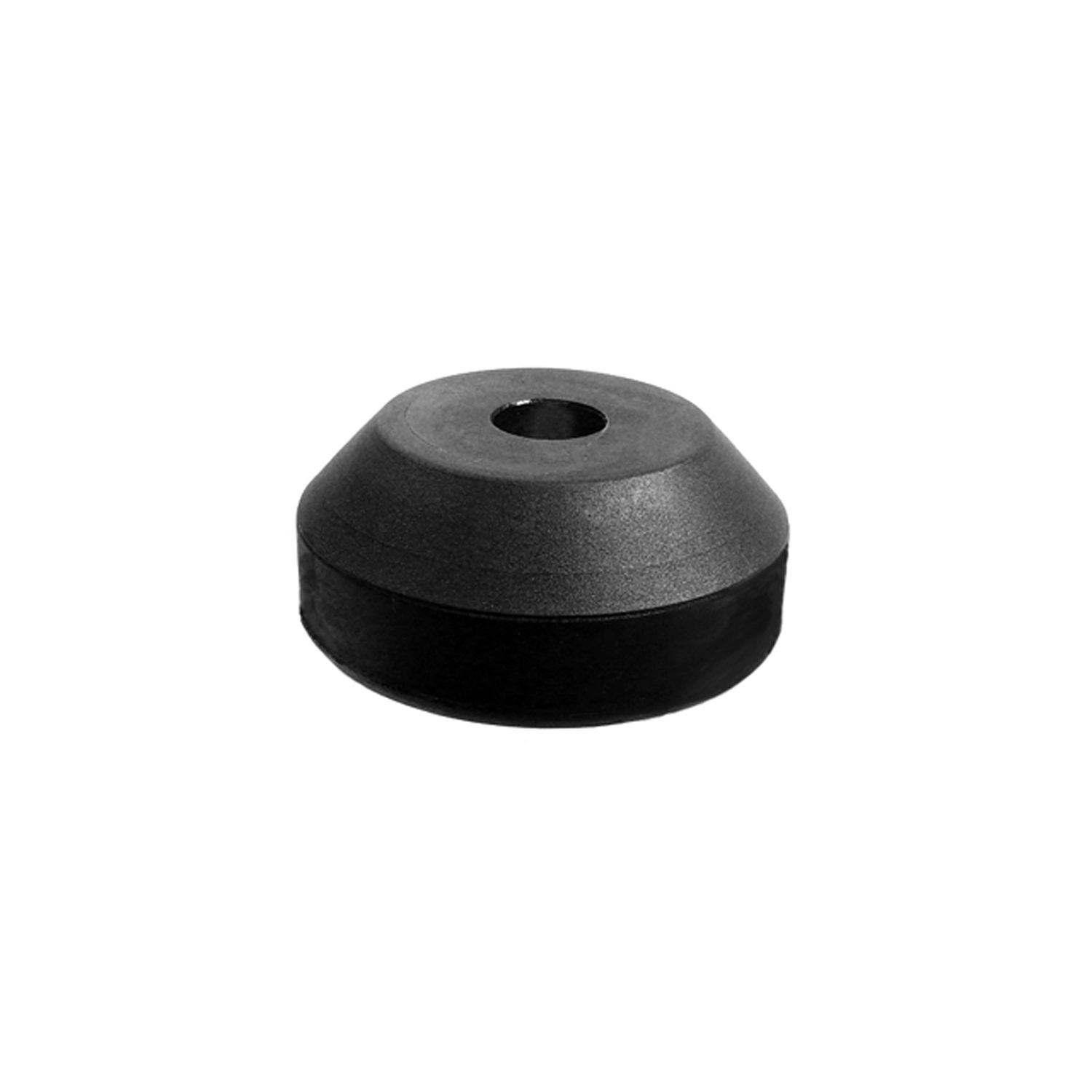 1940 Hudson Deluxe Series 45 Upper Motor Mount. 5/8" I.D., 2-5/8" O.D. Each-MM 7-BUpper Motor Mount. 5/8" I.D., 2-5/8" O.D. Each
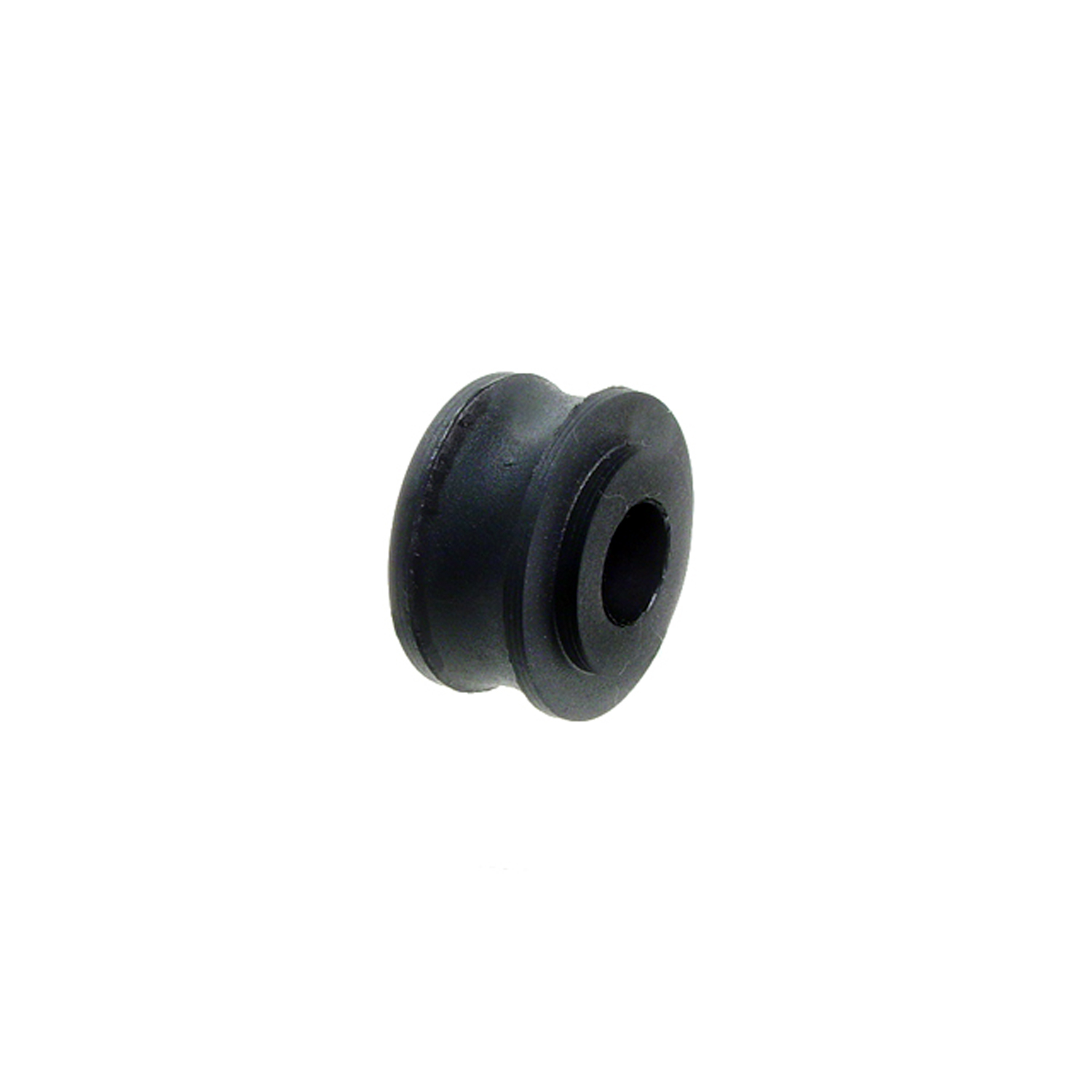 1940 Hudson Deluxe Series 45 Lower Motor Mount. 5/8" I.D., 1-5/8" O.D. Each-MM 7-CLower Motor Mount. 5/8" I.D., 1-5/8" O.D. Each
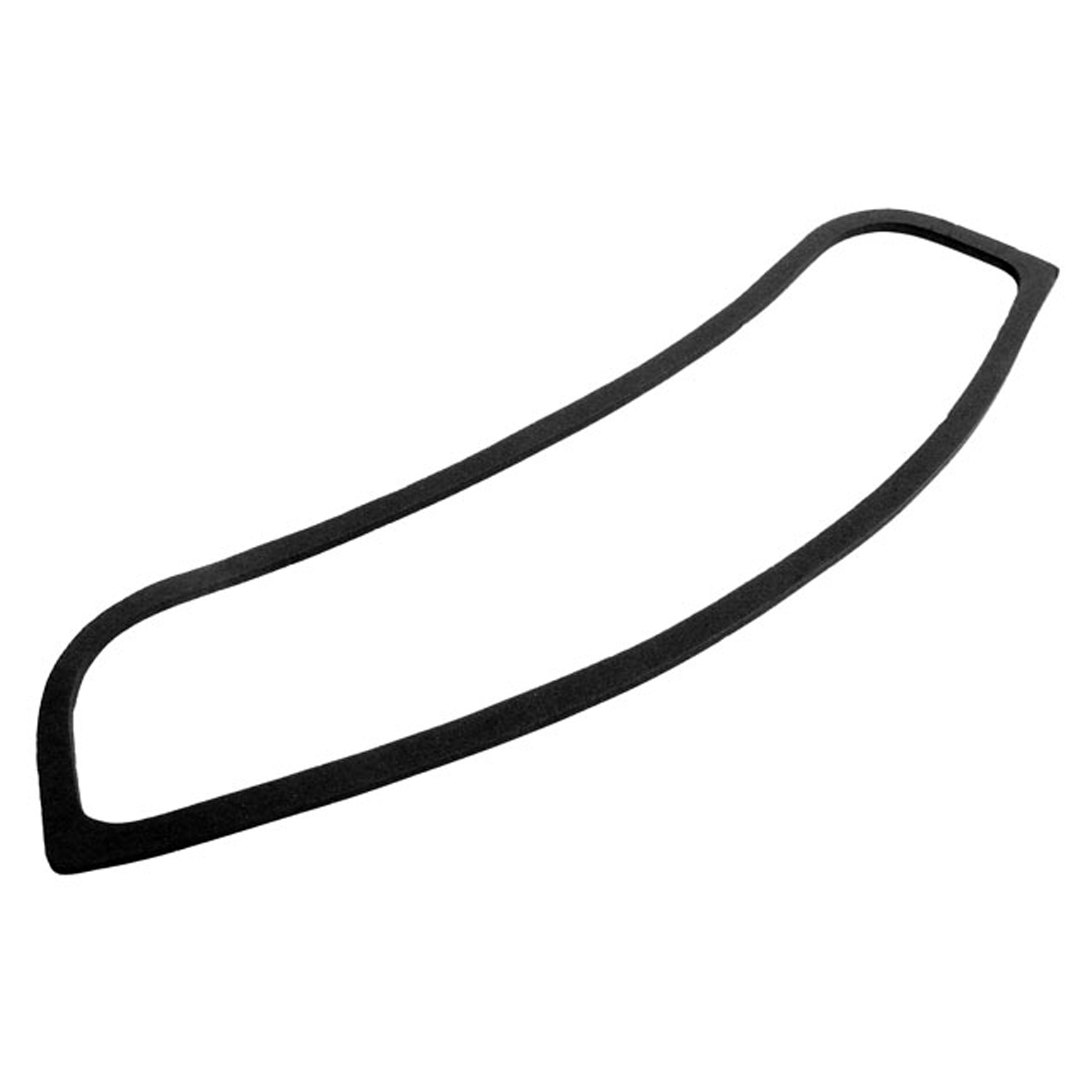 1940 Hudson Deluxe Series 45 Cowl Vent Seal. 4-1/2" wide X 18-1/2" long. Each-RP 100-YCowl Vent Seal. 4-1/2" wide X 18-1/2" long. Each
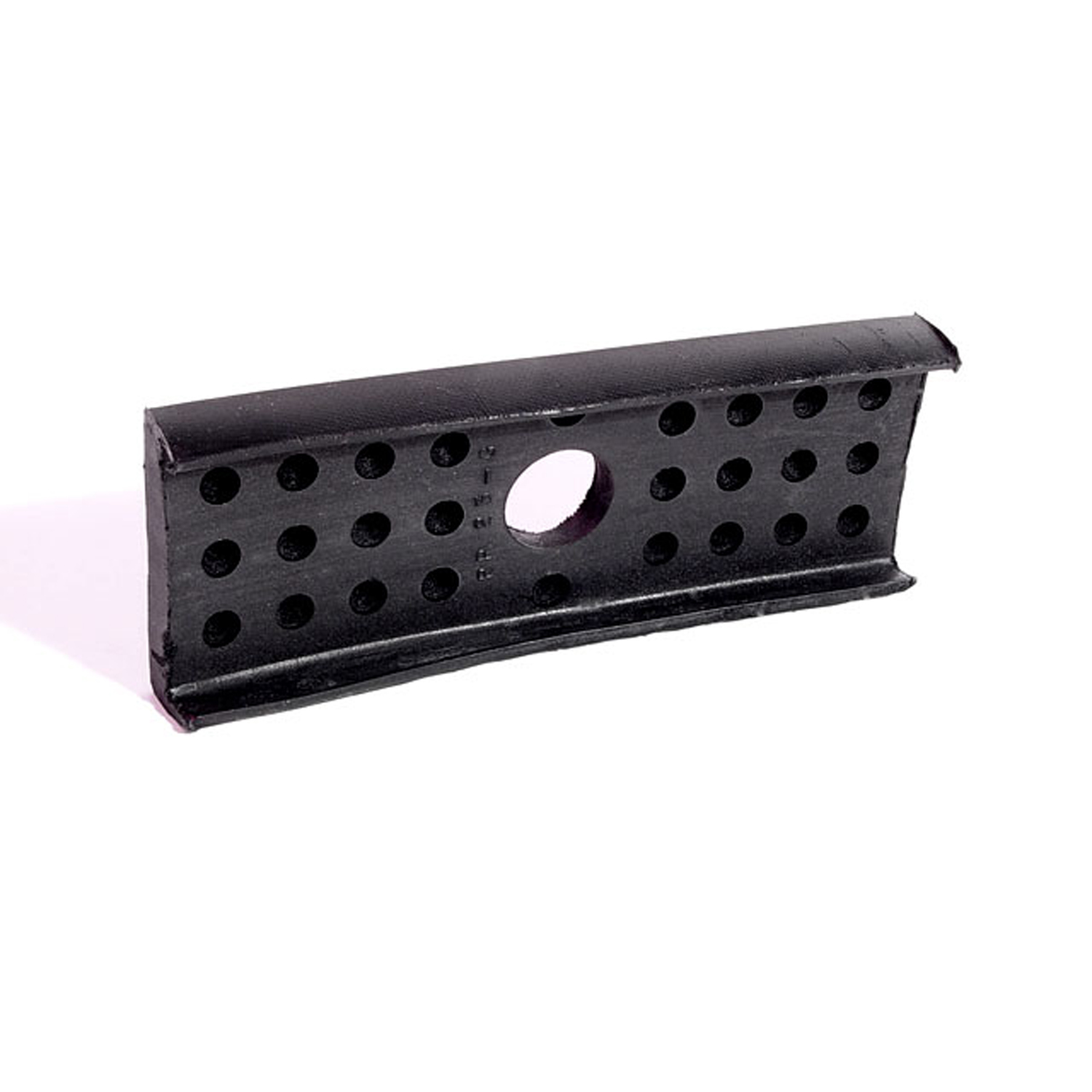 1940 Hudson Deluxe Series 45 Rear Leaf Spring Center Mounting Insulator-RP 23-GRear Leaf Spring Center Mounting Insulator. For all 1-3/4" wide leaf springs. Each
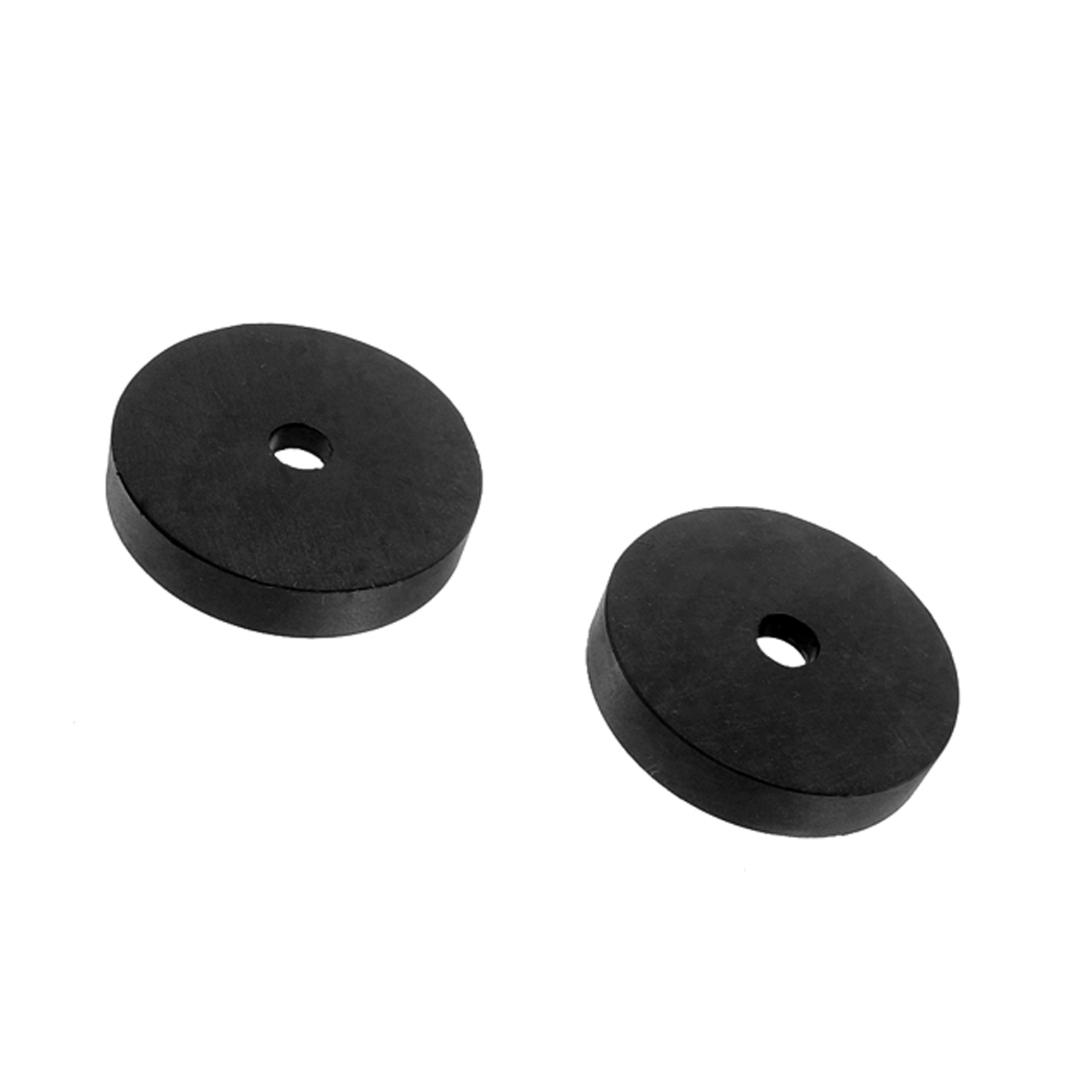 1940 Hudson Deluxe Series 45 Clutch and Brake Seals. Seals fit on a round shaft-RP 31-NClutch and Brake Seals. Seals fit on a round shaft. Made of soft rubber. 2-7/16" O.D., 7/16" I.D. Pair
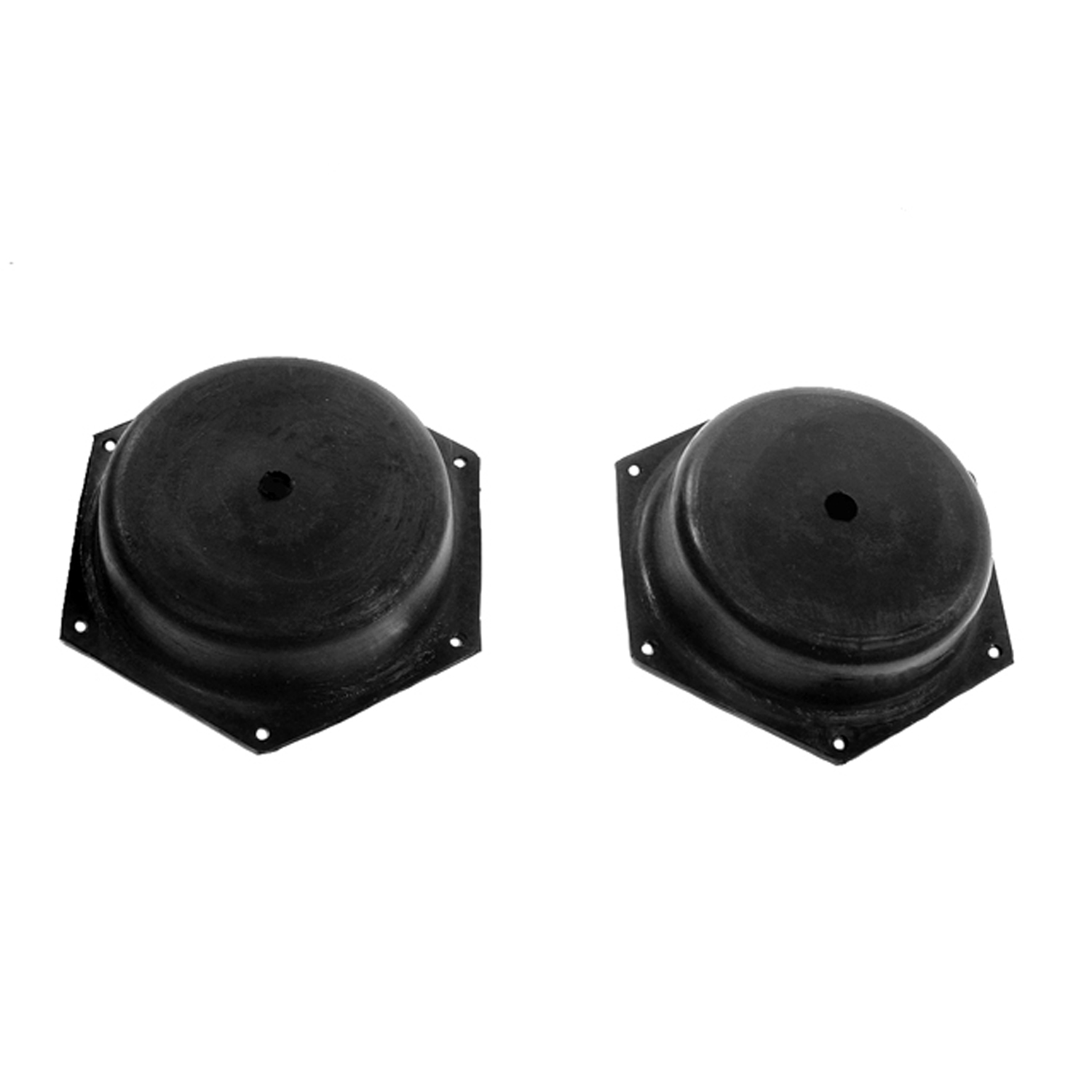 1940 Hudson Deluxe Series 45 Drive Master Electric Shift Vacuum Diaphragm-RP 32-ADrive Master Electric Shift Vacuum Diaphragm. For all models with drive master system for standard transmission. Pair
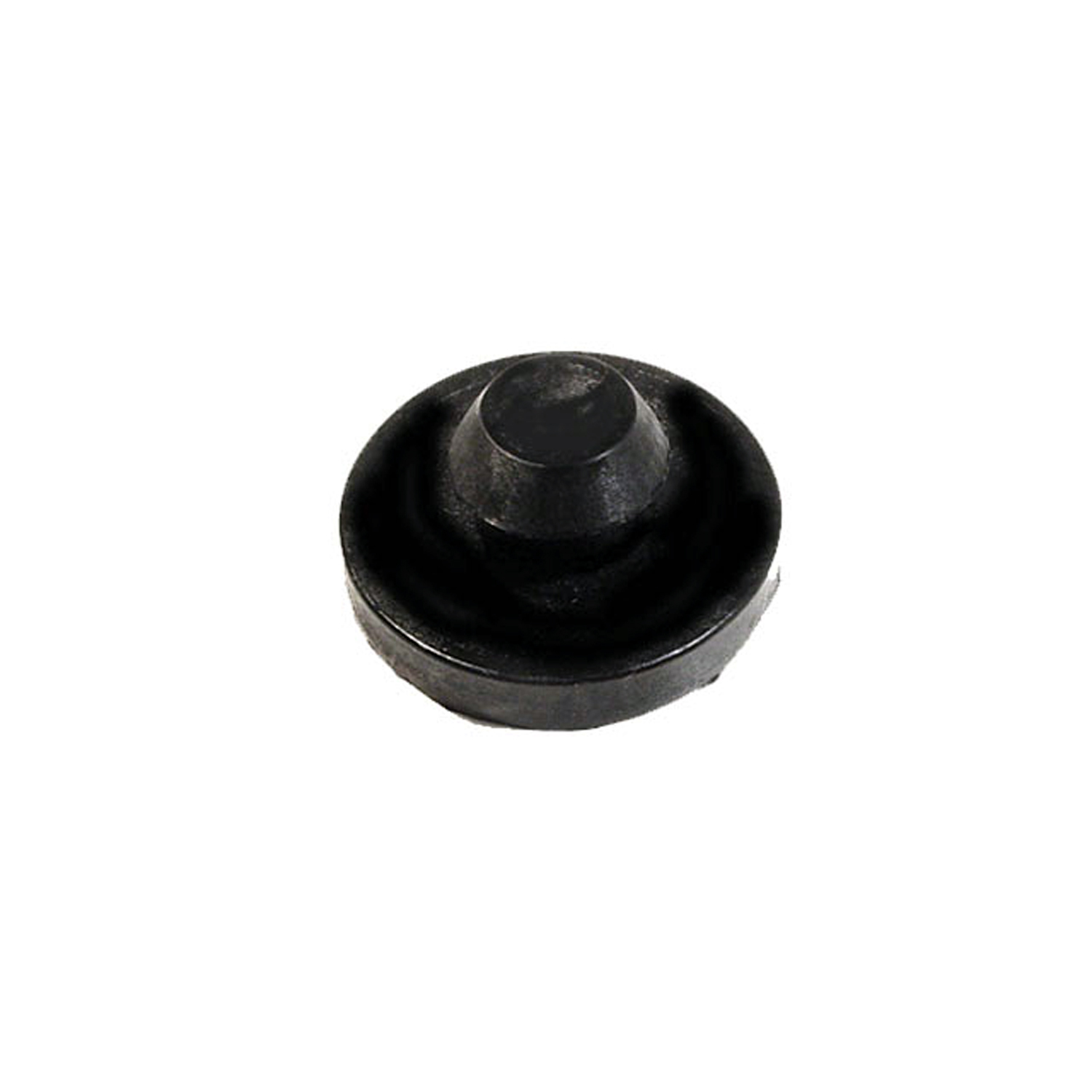 1940 Hudson Deluxe Series 45 Clutch Linkage Cushion. 1/4" top thickness, 1-1/2" O.D-SB 33-AClutch Linkage Cushion. 1/4" top thickness, 1-1/2" O.D. Each
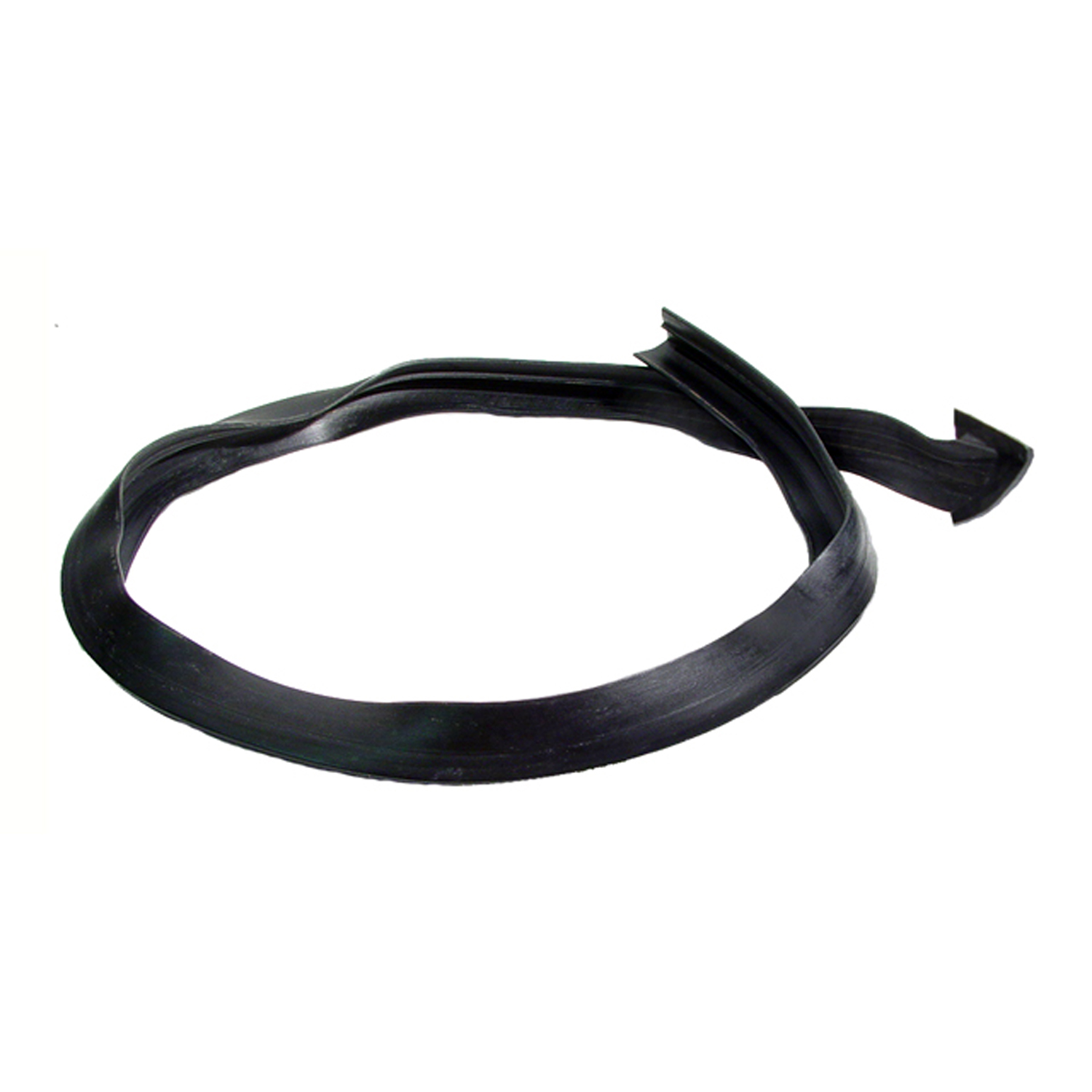 1940 Hudson Deluxe Series 45 Vertical Division Seal-VS 6-AVertical Division Seal. 26" Piece, enough for two front vents. Each
 1940 Hudson Deluxe Series 45 Vertical seal for vent window. Dense rubber. Universal part-VS 6-A/FTVertical seal for vent window. Dense rubber. Universal part. Per foot.
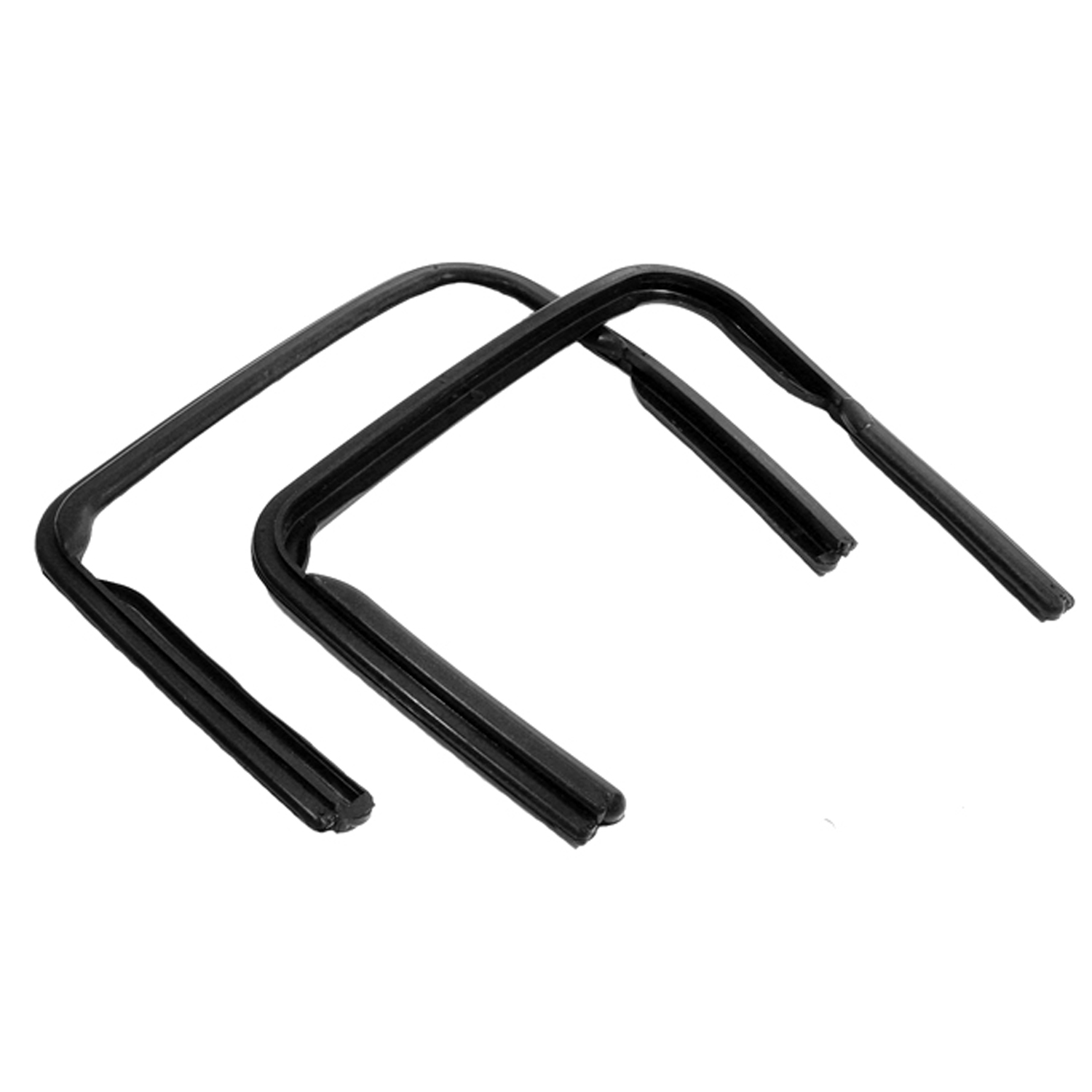 1940 Hudson Deluxe Series 45 Front Vent Window Seals, for Convertibles-WR 9Front Vent Window Seals, for Convertibles. 25-1/4" long each. Pair R&L
Why Choose Metro?
For over 100 years, Metro Moulded Parts has been the pinnacle of quality in classic car restoration parts. Our commitment to precision and authenticity in every component ensures a perfect fit and an OEM-level appearance.
- Expert Craftsmanship & Quality: Each part is a testament to our dedication to reliability and perfection, crafted from original designs and thoroughly tested.
- Advanced Technology: We use cutting-edge techniques to create flawless, long-lasting parts that surpass others in performance.
- SuperSoft Sponge – The Ultimate Door Seal: Not only are our door seals 30% softer than competitors', but they're also guaranteed to never leak. They effectively reduce wind and road noise, enhancing your classic car's comfort and driving experience.
- Proudly American: Our parts are a product of American craftsmanship, made in the USA with a spirit of excellence and heritage.
- Unrivaled Warranty: We back our products with a 30-year industry-leading warranty, a testament to our confidence in their quality.
Join us in preserving the legacy of classic cars with parts that are crafted for perfection, not just made.