

Image of 1941 Hudson Commodore Custom Series 15, Note: These illustrations use artistic license and may differ from actual historical models.
Performance Metrics
Fundamental Metrics
Emotional Appeal
MMP Rating
| Engine Specifications | |
|---|---|
| Engine: | Inline 6 |
| Displacement: | 212 cubic inches |
| Horsepower: | Estimated 102 hp |
| Torque: | 180 lb-ft |
| Compression Ratio: | Estimated 6.5:1 |
| Ignition System: | Distributor and coil |
| Cooling System: | Liquid-cooled |
| Performance Specifications | |
| 0-60 Time: | Information not available |
| 1/4 Mile Time: | Information not available |
| Top Speed: | Estimated 80 mph |
| Transmission and Drive | |
| Drive Type: | Rear-wheel drive |
| Transmission Type: | 3-speed manual |
| Fuel and Efficiency | |
| Fuel System Type: | Carburetor |
| MPG: | Information not available |
| Dimensions and Brakes | |
| Brakes: | Drum brakes |
| Wheelbase: | 121 inches |
| Weight: | Estimated 3,200 lbs |
Note: Specifications for classic cars are given to the best of our ability, considering the limited and variant data available.
1941 Hudson Commodore Custom Series 15: A Prewar American Classic
The 1941 Hudson Commodore Custom Series 15 brought roomy, upscale motoring together with the kind of straight-six engineering that made Hudson a respected name in American automobiles. Built by the Hudson Motor Car Company of Detroit, Michigan, the Series 15 was the six-cylinder member of the Commodore line, positioned above Hudson’s more modest models. Its timing gives it special significance: it was among the last full model years before America’s car factories shifted from civilian production to wartime manufacturing.
Hudson’s 1941 lineup was the final chapter of its prewar design era. The company would return to peacetime car production after World War II, but its most famous engineering breakthrough, the low-slung “Step-Down” Hudson, would not arrive until 1948. The Commodore Custom therefore represents a different kind of Hudson: an elegant, conventionally framed American car with a powerful presence and a reputation for thoughtful engineering.
One intriguing detail is that the Series 15’s six-cylinder engine was not a small economy motor in the modern sense. At 212 cubic inches, it was a substantial, long-stroke inline-six designed to move a large sedan with relaxed torque. Hudson favored usable pulling power over flashy performance figures, a quality that suited the Commodore’s comfortable, long-distance character.
Exterior Design: Formal Lines and Broad Shoulders
The 1941 Commodore wore a broad, upright front end with a prominent horizontal-bar grille, substantial chrome trim, and sealed-beam headlamps set into the front fenders. The hood stretched confidently ahead of the passenger compartment, while rounded fenders and flowing body sides softened the car’s otherwise formal shape. Hudson’s styling balanced prewar ornament with a cleaner, more integrated look than many earlier cars.
The Commodore Custom’s upscale appearance came through in its brightwork, trim details, and carefully finished cabin as much as in its overall proportions. Chrome accents framed the grille and windows, and the hood ornament gave the front of the car a distinctive finishing touch. Today, the long hood, upright grille, and rounded fenders make a well-kept example unmistakably prewar without looking overly ornate.
Hudson offered the Commodore in several body configurations across the range, including sedans and coupe-style models, with an open convertible-style body available in the broader Commodore family. Four-door sedans are among the most recognizable and practical versions. Exact body-style availability could vary by series and production details, so a buyer researching a specific car should check its factory records and original model identification.
Period paint choices included restrained colors such as black, gray, blue, green, and maroon, with combinations varying by year and factory availability. Darker shades suited the Commodore’s formal character and remain popular with restorers, though lighter colors can show off the body’s rounded fenders and chrome trim particularly well. Original paint codes are the best guide when returning a car to factory specification.
Cabin Comfort and Period Technology
Inside, the Commodore Custom aimed for an inviting, well-appointed environment rather than a bare-bones utility feel. Depending on the body style and equipment, buyers could find broad cloth seating, patterned upholstery, a substantial dashboard, bright trim, and durable floor coverings. The front and rear benches provided generous room by the standards of the day, making the car suitable for family travel as well as formal outings.
The dashboard placed the essential controls within reach, with clear instrumentation and a large steering wheel that reflected the mechanical nature of prewar driving. Materials and trim could differ by body style and option package, and surviving cars may have been reupholstered over the decades. An unrestored interior can be especially helpful when confirming the car’s original colors and trim details.
For 1941, sealed-beam headlights were a meaningful safety advance over older replaceable-bulb arrangements. The car also used hydraulic brakes and a conventional three-speed manual transmission. Hudson offered convenience equipment such as its Electric Hand gear-selection system and vacuum-assisted clutch features on some models or configurations. These systems could reduce the physical effort of shifting, but they did not turn the car into an automatic. Equipment varied, so check the individual car rather than assuming every Series 15 had the same features.
Why the Commodore Matters
The Commodore Custom Series 15 illustrates Hudson’s strength as an independent manufacturer. Hudson did not have the production scale of General Motors or Ford, so it competed through engineering, distinctive styling, and well-equipped cars. The Commodore offered buyers a substantial automobile without simply copying the look or character of the major brands.
Its historical importance is also tied to the interruption of civilian car production. After the United States entered World War II, automakers redirected factories and skilled labor toward military needs. Hudson contributed to wartime manufacturing, and its civilian models disappeared from new-car showrooms for the duration. That break makes surviving 1941 cars tangible examples of the American automotive industry at the edge of a major transformation.
The Series 15 should not be confused with Hudson’s later Step-Down models, whose unitized, low-floor construction became one of the company’s signature innovations. The 1941 Commodore belongs to an earlier engineering chapter, but it still reflects Hudson’s willingness to refine chassis, suspension, and driving controls in pursuit of a more composed road car.
Performance and Road Manners
The Series 15 was powered by Hudson’s 212-cubic-inch L-head inline-six, rated at approximately 102 horsepower. It sent power through a three-speed manual gearbox to the rear wheels. The engine’s broad torque delivery was more important in everyday use than its peak output: it helped the Commodore pull away smoothly and cruise without needing constant high revs.
Period road-test figures and modern estimates vary with body style, gearing, engine condition, and measurement method. A sound, correctly tuned car might reach roughly 80 to 90 mph, while a 0-to-60-mph run could take about 20 to 25 seconds. Those numbers are estimates, not factory guarantees, and they reflect the car’s priorities. The Commodore was built for dignified, steady travel, not quick acceleration by modern standards.
On typical roads, the long wheelbase and substantial body contribute to a settled ride. The suspension softens many ordinary bumps, although rough pavement can still make a heavy prewar car feel busy, especially if its springs, shocks, bushings, or tires are worn. On winding roads, the Commodore rewards smooth inputs and an unhurried pace. Its size and period steering mean it will not feel nimble like a modern sedan.
From behind the wheel, the experience is tactile. The engine produces a measured six-cylinder rumble, the manual gearbox asks for deliberate shifts, and the large steering wheel provides leverage at low speeds. Braking and steering effort are greater than in a contemporary car, and the driver needs to anticipate traffic rather than rely on modern levels of acceleration or stopping power. In return, the Commodore delivers a relaxed, substantial ride that feels distinctly of its era.
Living With a Series 15
Most Commodore Custom Series 15s today serve as show cars, touring cars, or weekend classics rather than daily transportation. Their spacious cabins and comfortable ride make them enjoyable on local drives and vintage-car events, provided the car is mechanically sorted and used at sensible speeds.
Routine maintenance is straightforward for an owner familiar with older cars. The straight-six layout is accessible, and many standard service tasks do not require specialized equipment. The bigger challenge is often finding correct replacement parts, trim pieces, or body components. Mechanical components may be easier to source through Hudson clubs, vintage-parts networks, and specialist suppliers than rare interior or exterior details.
Reliability depends heavily on restoration quality and maintenance history. Check the cooling system, fuel delivery, ignition, brake hydraulics, steering, and suspension before regular use. A car that has sat for years may need more than a battery and fresh fuel. The original braking and lighting systems also deserve careful attention before touring in modern traffic. A knowledgeable pre-purchase inspection is money well spent, especially for a car with undocumented repairs.
Notable Details and Common Criticisms
The 1941 model year stands out as a prewar bookend for Hudson’s civilian cars. Its sealed-beam headlamps reflected a wider industry move toward standardized, more effective lighting. The Series 15 also represents the six-cylinder side of a Commodore range that included larger-engine alternatives, giving buyers a choice between strong everyday performance and additional power.
There is no widely recognized Series 15 production record or famous speed achievement associated with the model. Nor should every surviving Commodore be assumed to have belonged to a celebrity or appeared in a major historical event. Its strongest claim to historical interest is more grounded: it is a well-equipped Hudson built just before wartime production changed the American auto industry.
Common criticisms are typical of large prewar cars. The Commodore is heavy, slow by modern standards, and less convenient in traffic than a postwar or contemporary vehicle. Fuel economy is modest, visibility and lighting are period-specific, and original trim can be difficult to replace. Some owners also find vintage control systems unfamiliar at first. These are part of the ownership experience, not flaws that a restoration can entirely erase.
Collector Values and Availability
Series 15 production figures are not consistently reported by body style in commonly available reference sources. A reasonable working estimate is that Hudson built several thousand Commodore Six cars, perhaps roughly 5,000 to 10,000 across the series, with individual body-style totals lower than that. This is an estimate rather than a confirmed factory total, and the number of surviving, usable cars is smaller still.
Values depend strongly on body style, originality, mechanical condition, and restoration quality. As a broad current-market guide, a project or rough driver might fall around $8,000 to $18,000. A sound, presentable sedan could bring approximately $20,000 to $40,000, while a high-quality restoration may reach $40,000 to $60,000 or more. Rare body styles, exceptional provenance, or a particularly accurate restoration can command a premium. These are general estimates, not a substitute for comparing recent sales of similar cars.
Availability is limited but not impossible. Sedans appear more often than unusual or open body styles, and the best cars tend to trade through marque clubs, specialist dealers, and collector auctions. Values have generally been steady to gradually appreciating for desirable, well-restored examples, though the market is selective. Condition and documentation matter more than optimistic asking prices.
A Hudson Worth Remembering
The 1941 Hudson Commodore Custom Series 15 combines a spacious, well-finished cabin with a torquey 212-cubic-inch six, distinctive prewar styling, and a place at the threshold of America’s wartime industrial shift. It is not a modern-speed performance car, and it does not pretend to be one. Its appeal lies in its confident road presence, thoughtful engineering, and the experience of driving a substantial American automobile from a pivotal year.
For collectors, the Commodore Custom offers more than polished chrome and a handsome grille. It preserves a moment when Hudson was still building its own distinctive path, just before the world changed and the company’s next great chapter began.
1941 Hudson Commodore Custom Series 15 Catalog of Parts
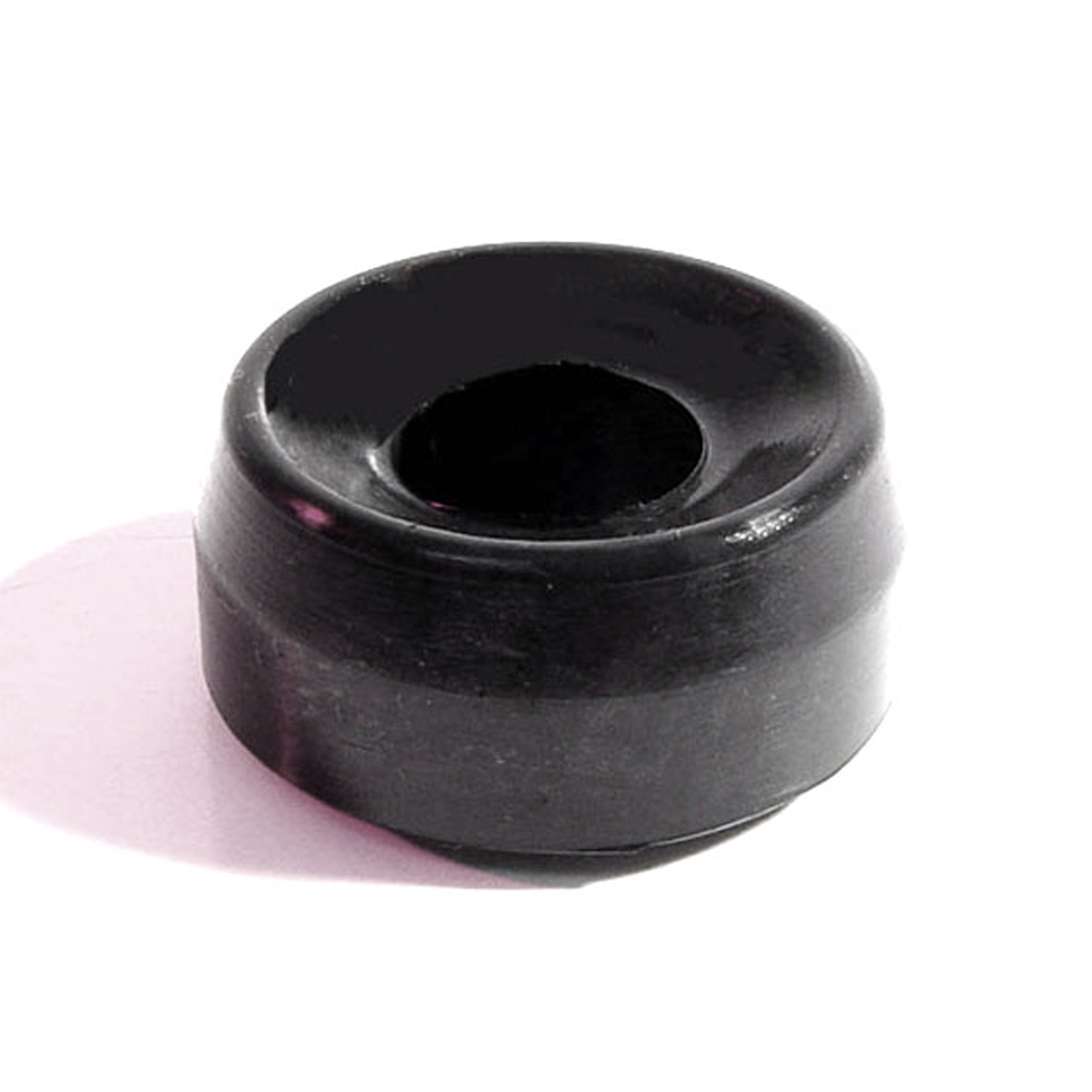 1941 Hudson Commodore Custom Series 15 Rear Stabilizer Bushing. Each-BN 4-HRear Stabilizer Bushing. Each
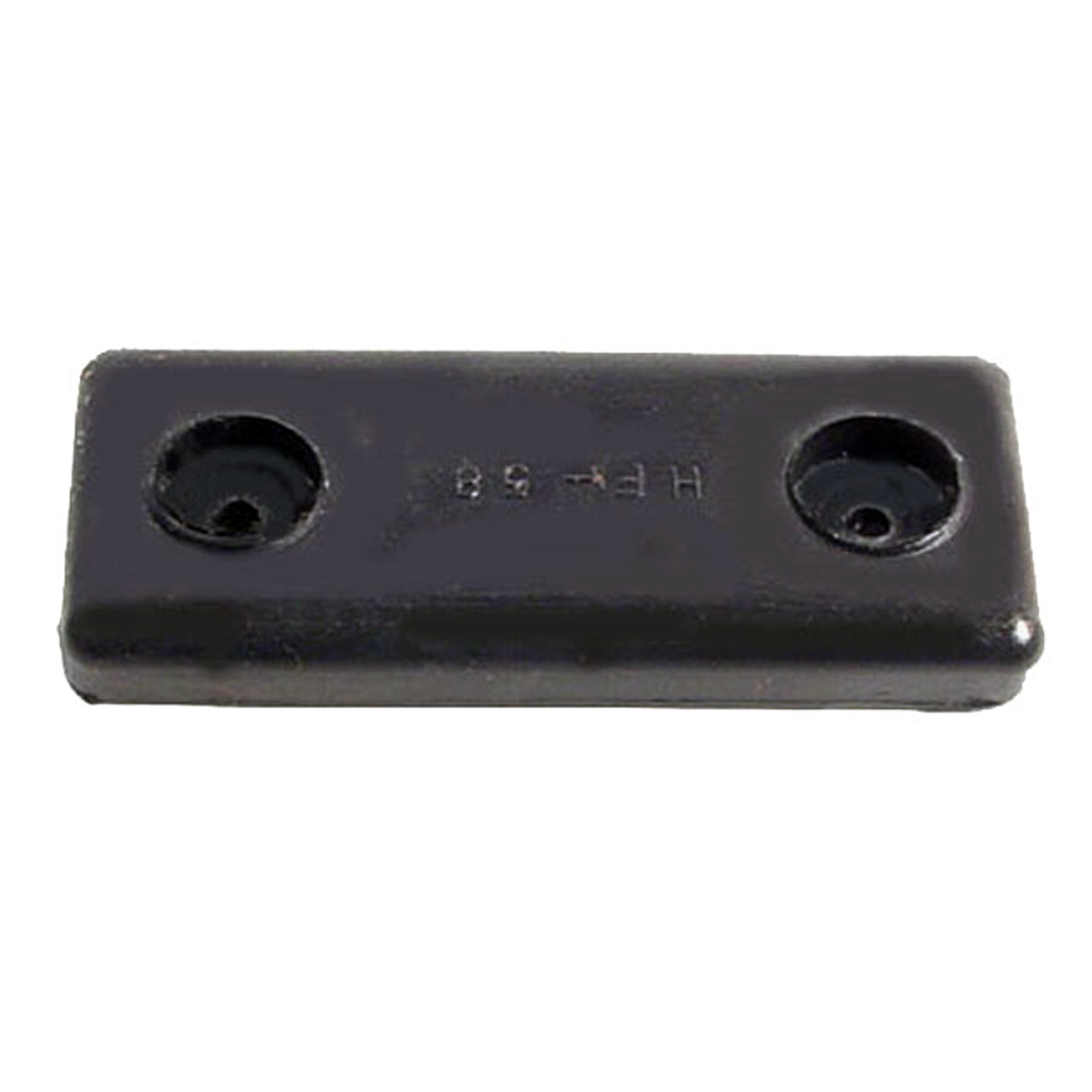 1941 Hudson Commodore Custom Series 15 Rear hood bumper. Fits on cowl. Made with washers-HF 58Rear hood bumper. Fits on cowl. Made with washers. Two used per car. Each.
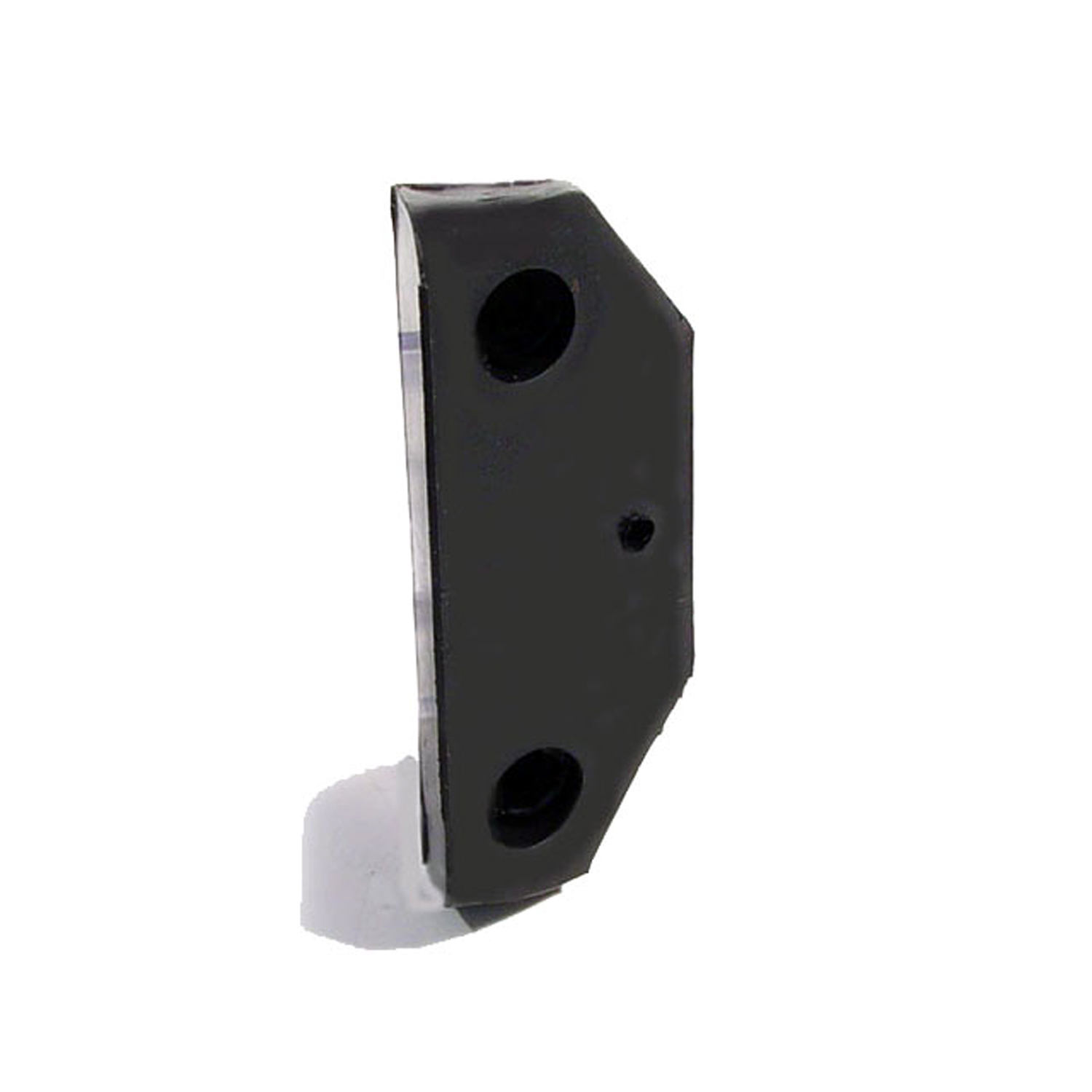 1941 Hudson Commodore Custom Series 15 Front Hood Bumper. Two used per car. Each-HF 58-AFront Hood Bumper. Two used per car. Each
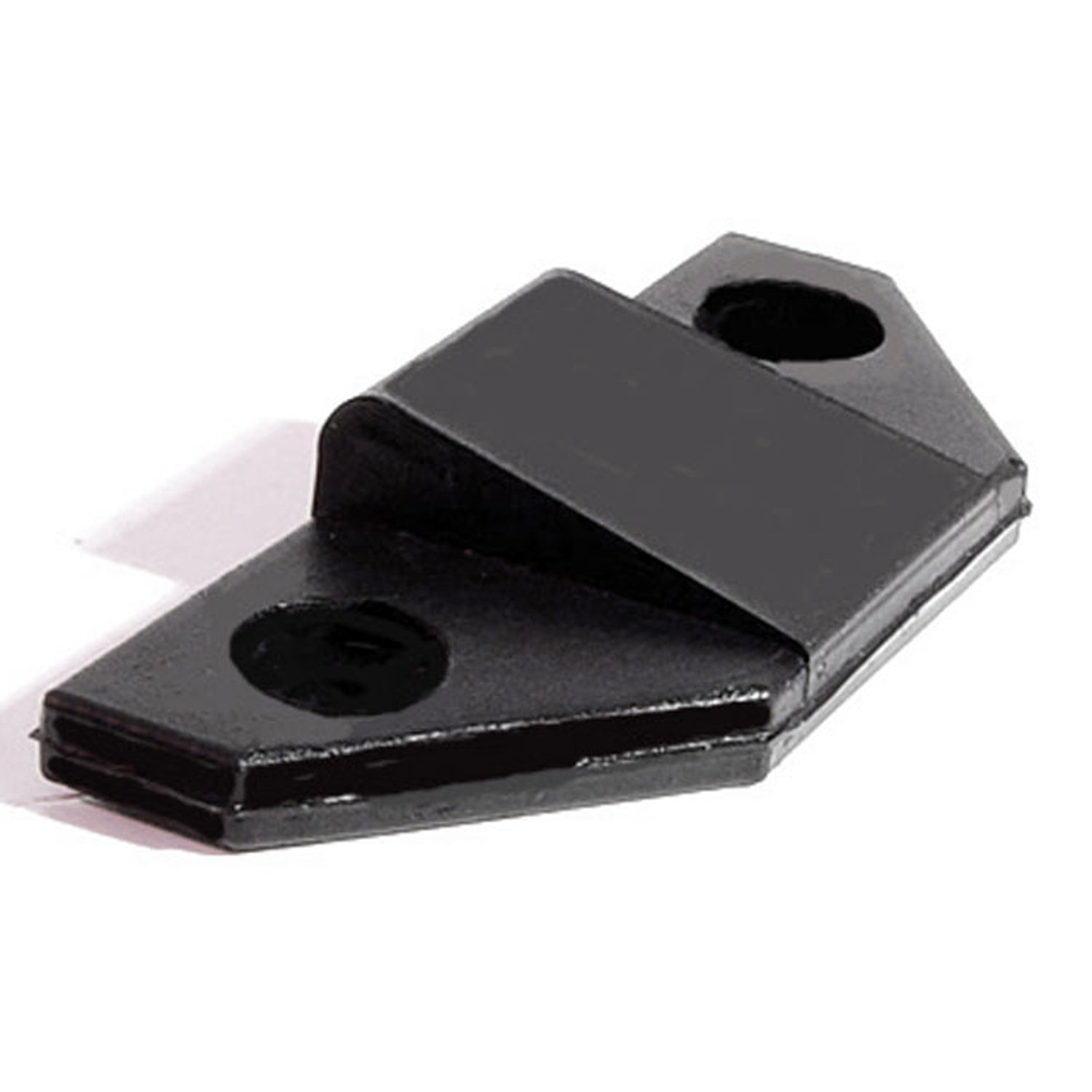 1941 Hudson Commodore Custom Series 15 Middle hood bumpers. Two used per car. Nice reproduction-HF 58-BMiddle hood bumpers. Two used per car. Nice reproduction. Each.
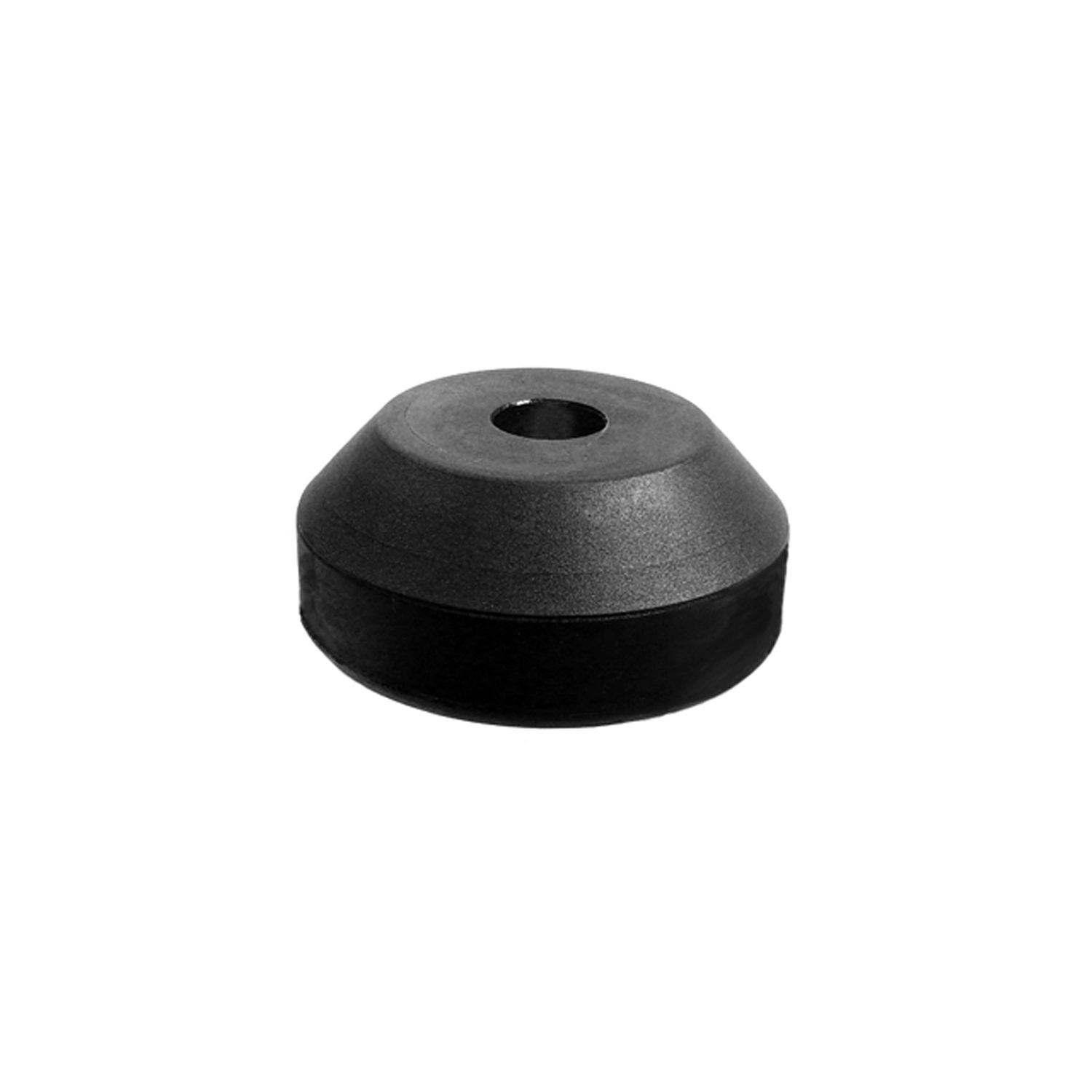 1941 Hudson Commodore Custom Series 15 Upper Motor Mount. 5/8" I.D., 2-5/8" O.D. Each-MM 7-BUpper Motor Mount. 5/8" I.D., 2-5/8" O.D. Each
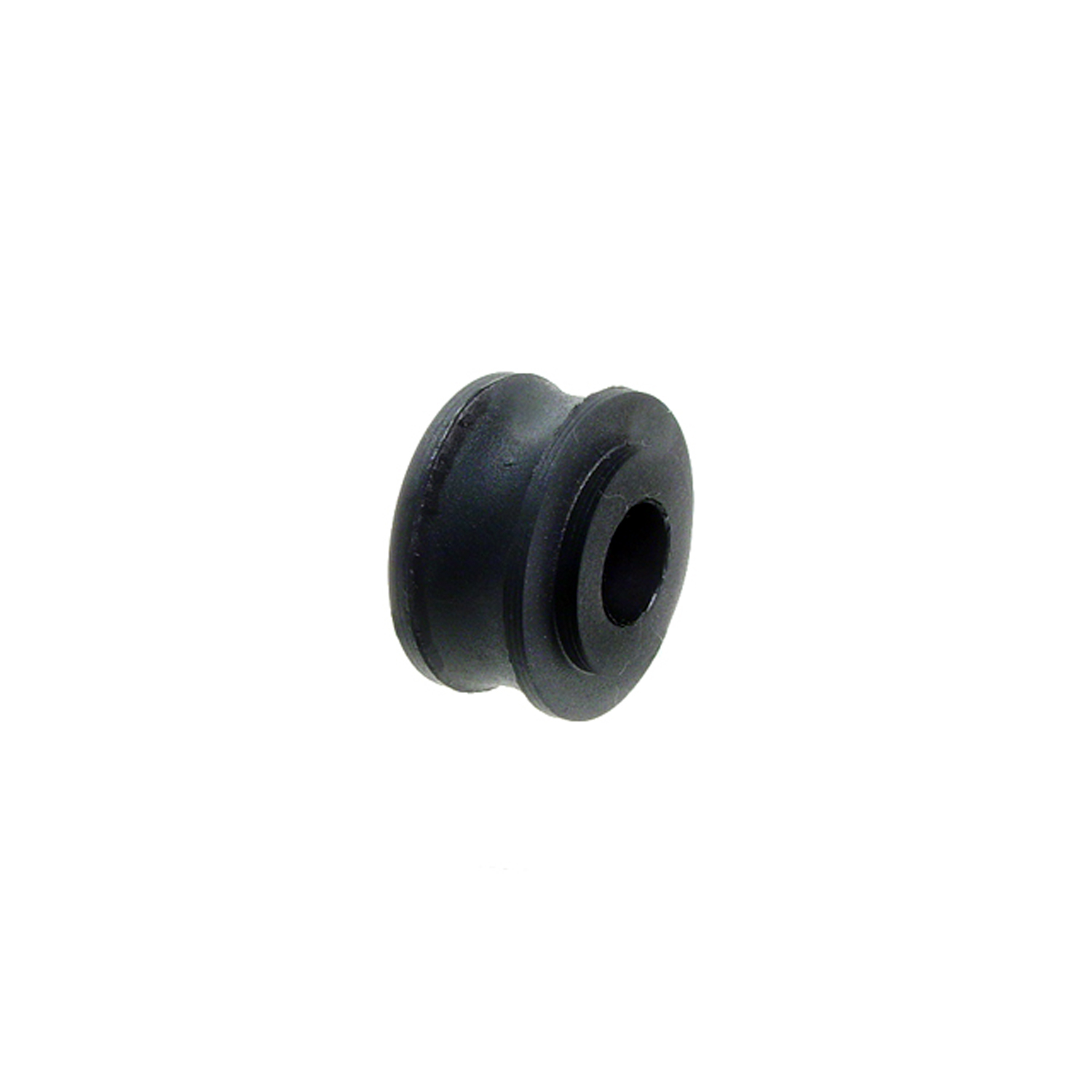 1941 Hudson Commodore Custom Series 15 Lower Motor Mount. 5/8" I.D., 1-5/8" O.D. Each-MM 7-CLower Motor Mount. 5/8" I.D., 1-5/8" O.D. Each
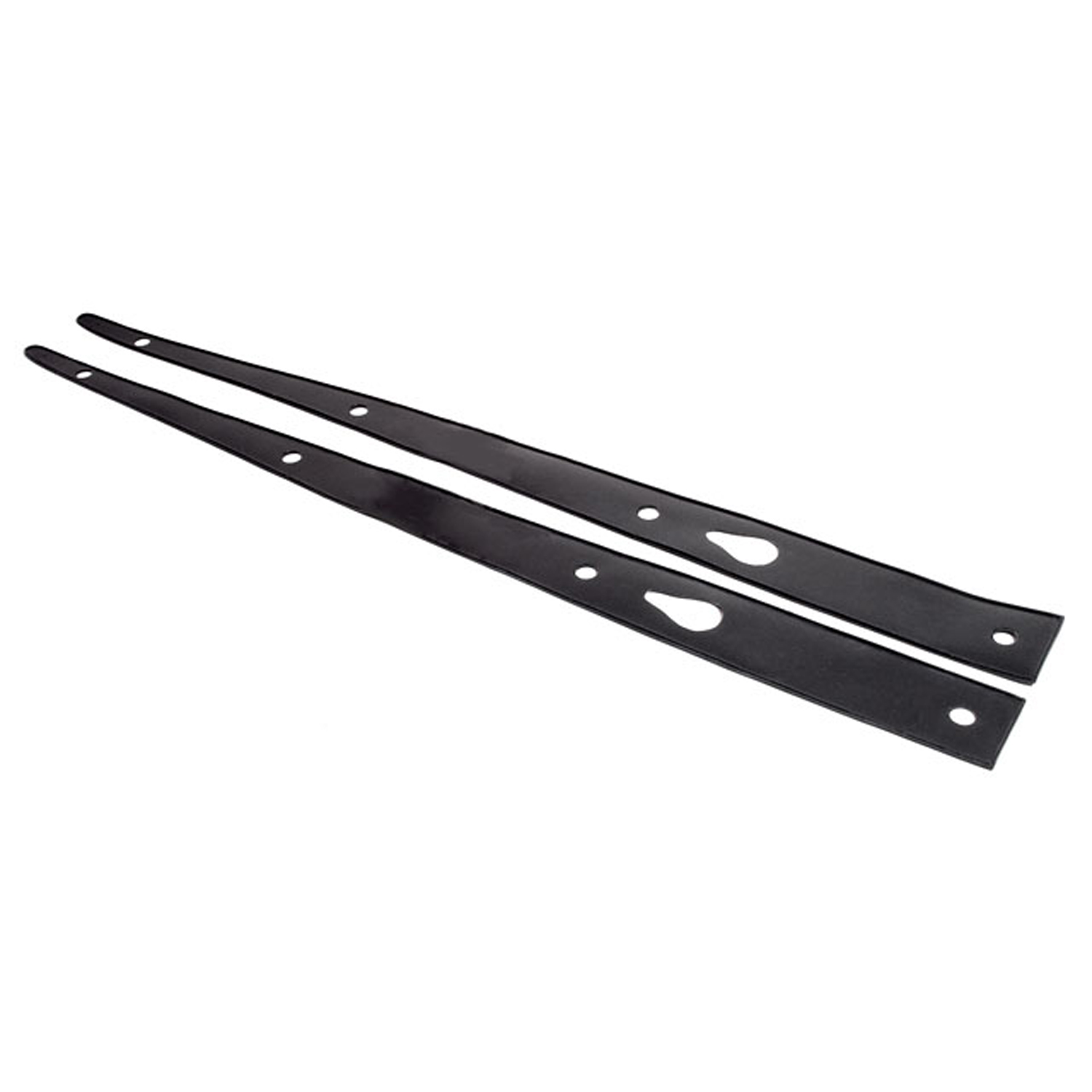 1941 Hudson Commodore Custom Series 15 Parklight Pads. 2-1/8" X 27-5/8" long. Pair-MP 798-RParklight Pads. 2-1/8" X 27-5/8" long. Pair
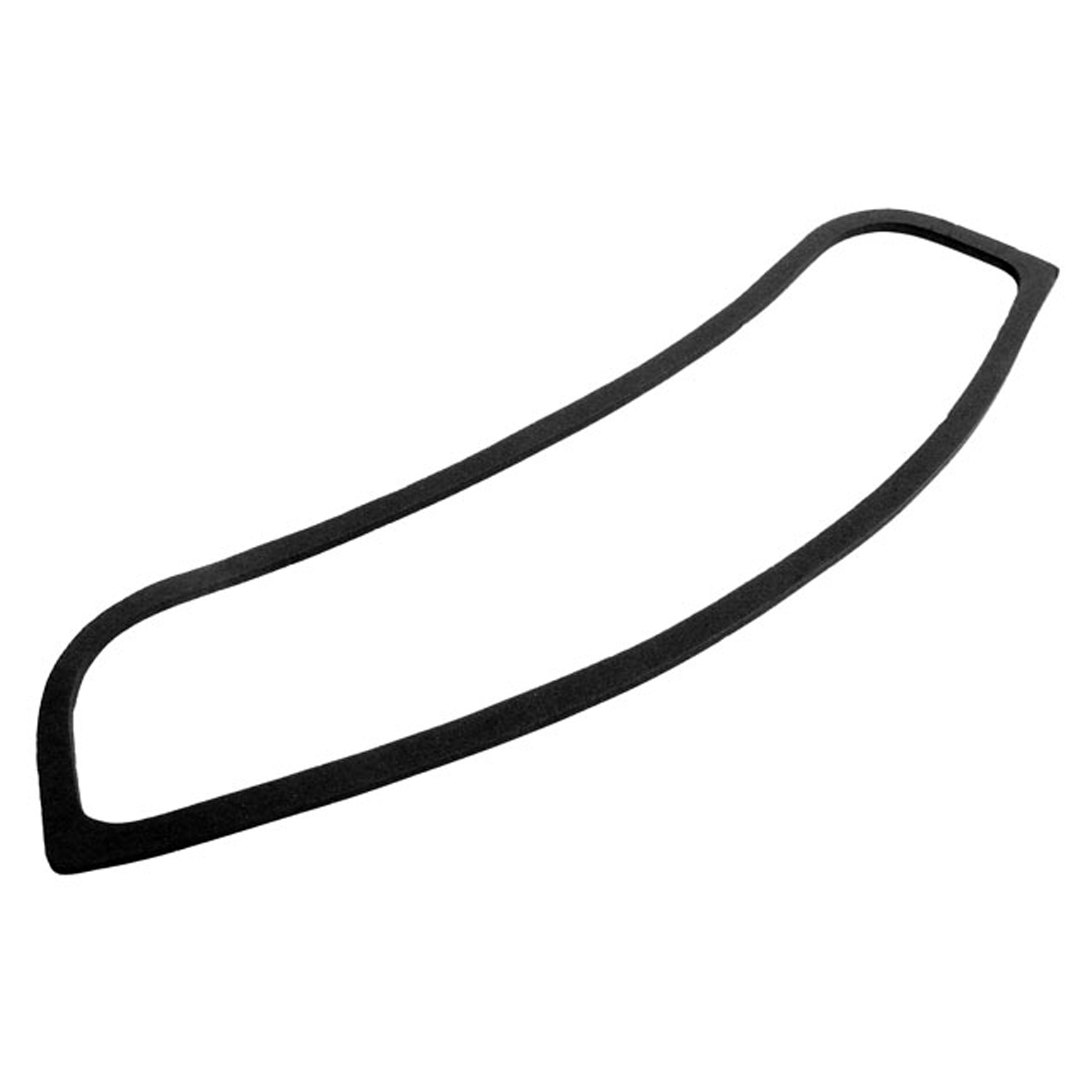 1941 Hudson Commodore Custom Series 15 Cowl Vent Seal. 4-1/2" wide X 18-1/2" long. Each-RP 100-YCowl Vent Seal. 4-1/2" wide X 18-1/2" long. Each
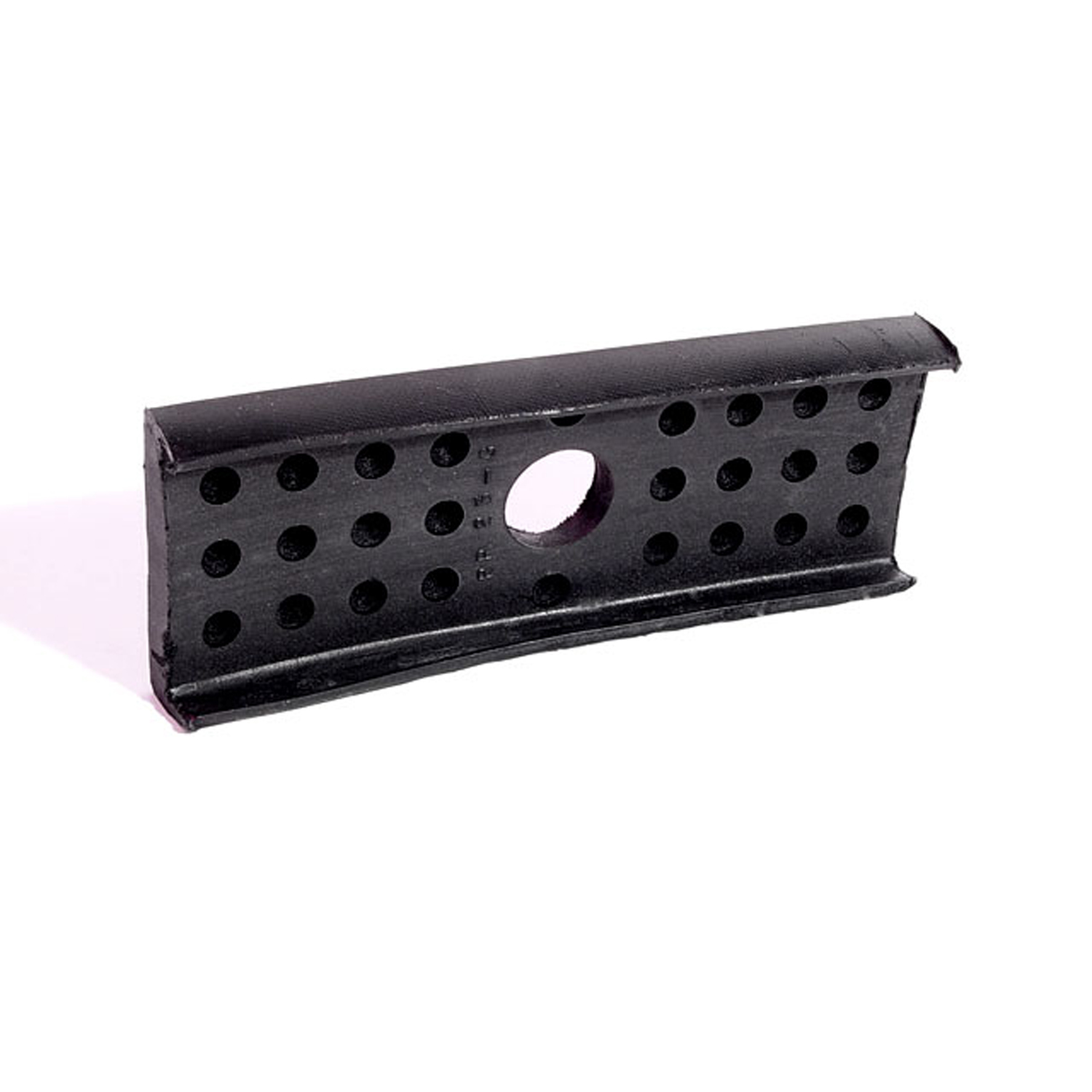 1941 Hudson Commodore Custom Series 15 Rear Leaf Spring Center Mounting Insulator-RP 23-GRear Leaf Spring Center Mounting Insulator. For all 1-3/4" wide leaf springs. Each
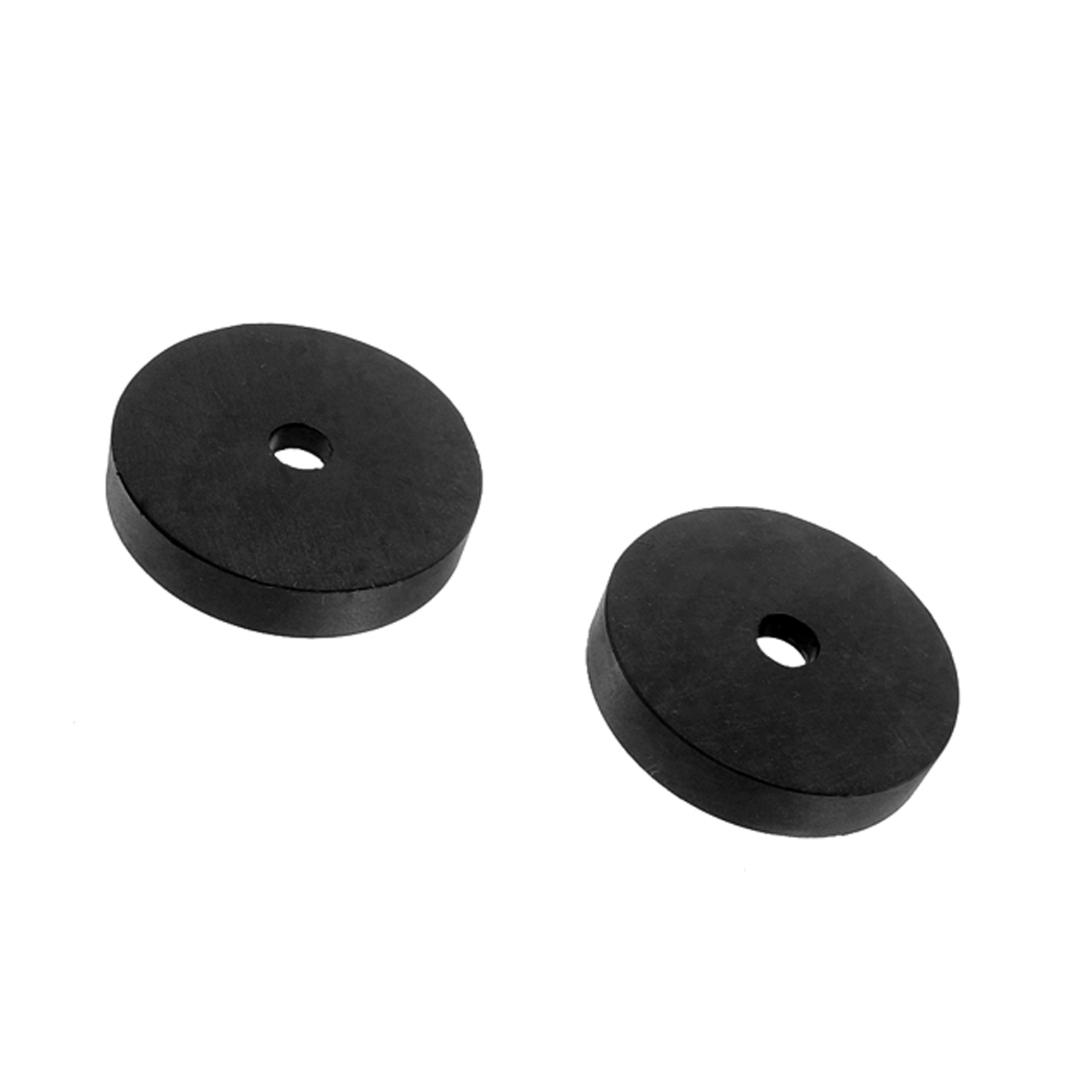 1941 Hudson Commodore Custom Series 15 Clutch and Brake Seals. Seals fit on a round shaft-RP 31-NClutch and Brake Seals. Seals fit on a round shaft. Made of soft rubber. 2-7/16" O.D., 7/16" I.D. Pair
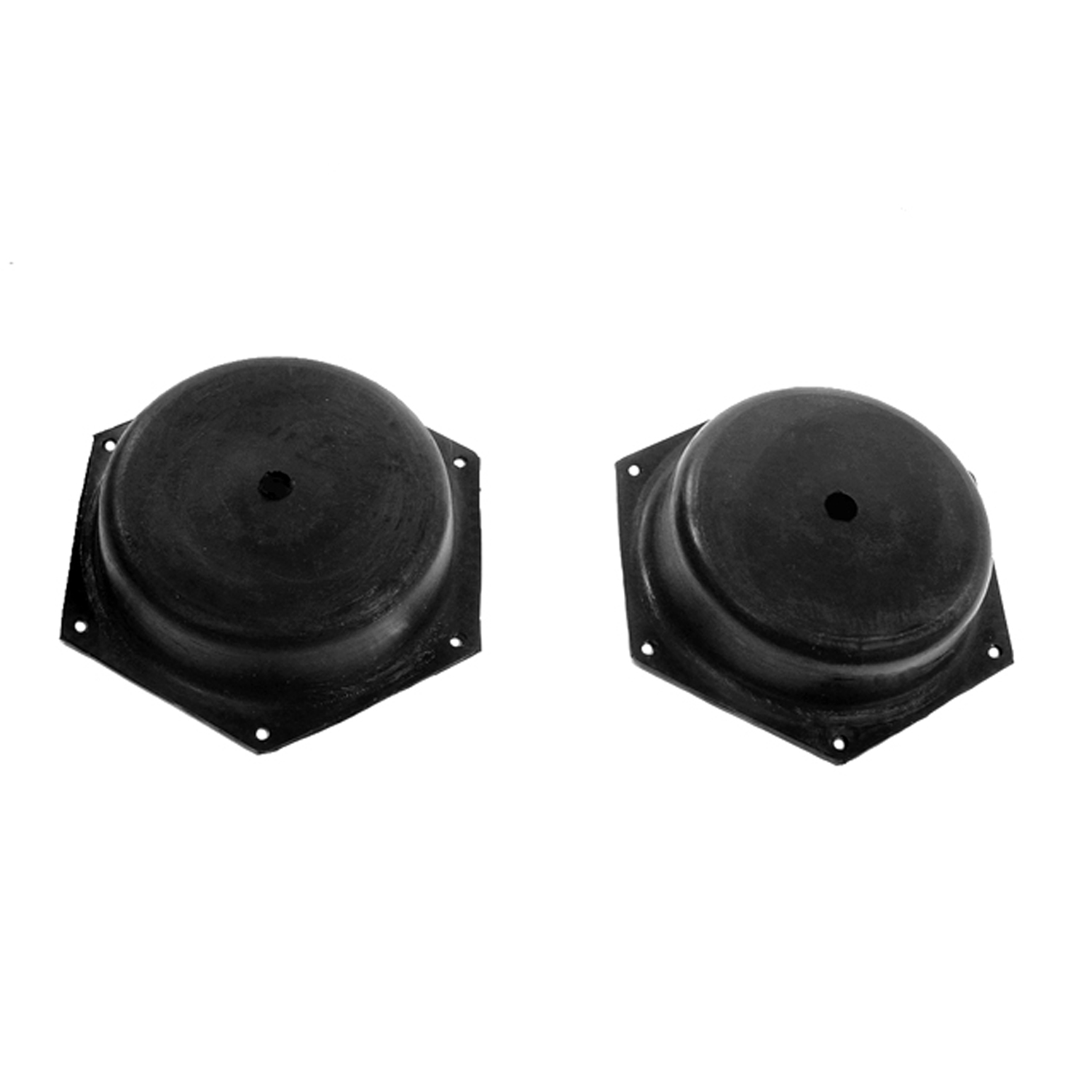 1941 Hudson Commodore Custom Series 15 Drive Master Electric Shift Vacuum Diaphragm-RP 32-ADrive Master Electric Shift Vacuum Diaphragm. For all models with drive master system for standard transmission. Pair
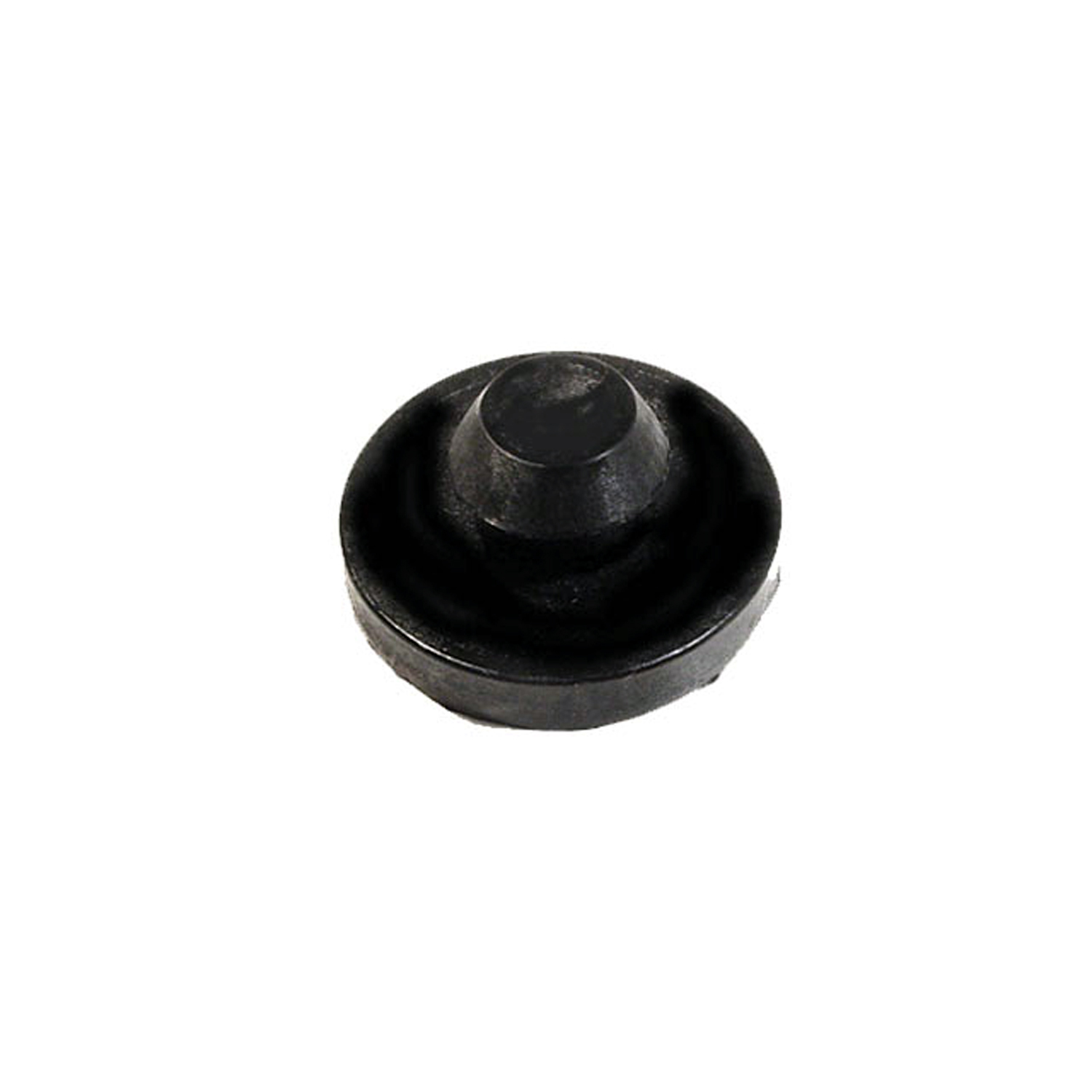 1941 Hudson Commodore Custom Series 15 Clutch Linkage Cushion. 1/4" top thickness, 1-1/2" O.D-SB 33-AClutch Linkage Cushion. 1/4" top thickness, 1-1/2" O.D. Each
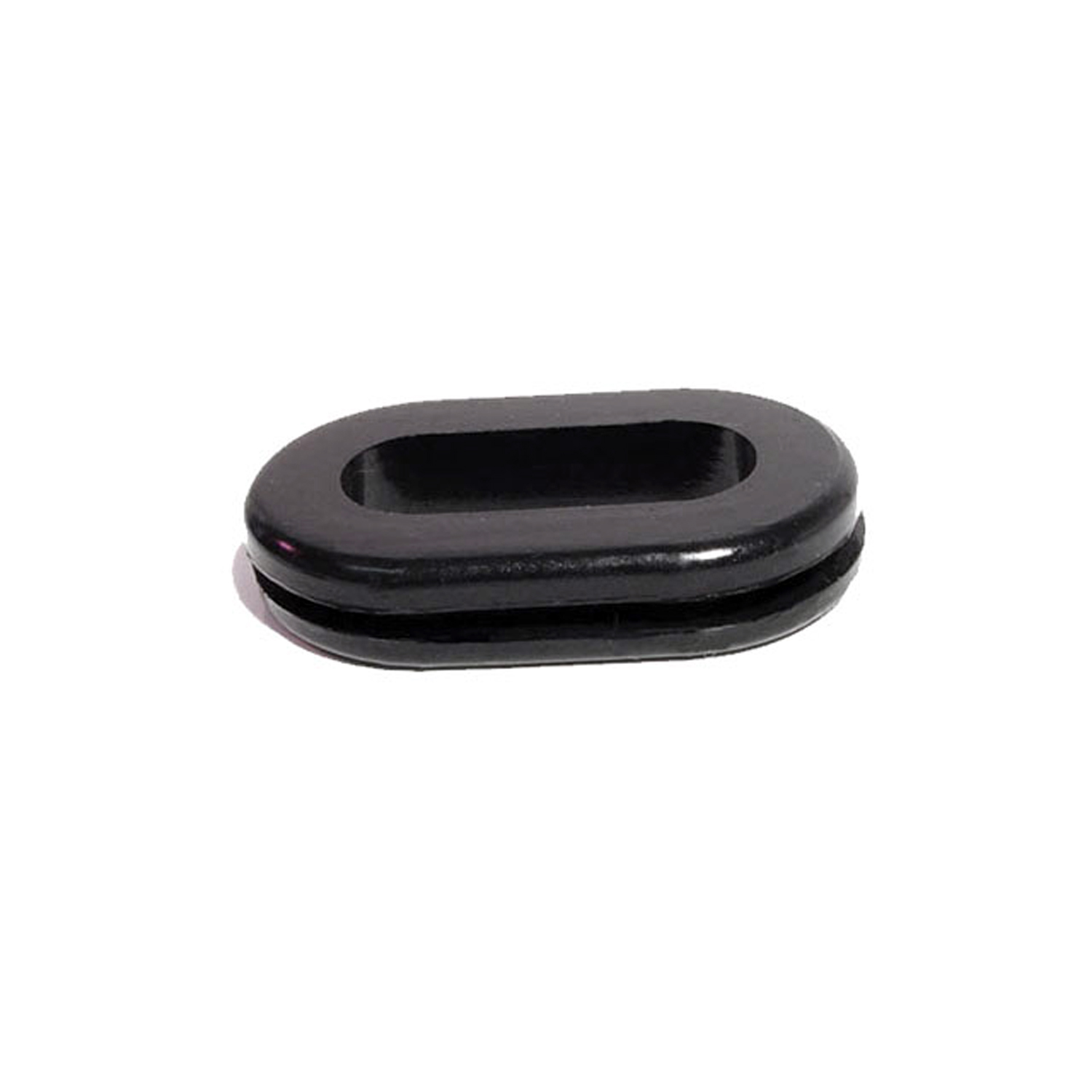 1941 Hudson Commodore Custom Series 15 Headlight Wire through Fender Grommet. Two used per car-SM 100-AHeadlight Wire through Fender Grommet. Two used per car. 1-1/4" inner slot, 1-7/8" long overall. Each
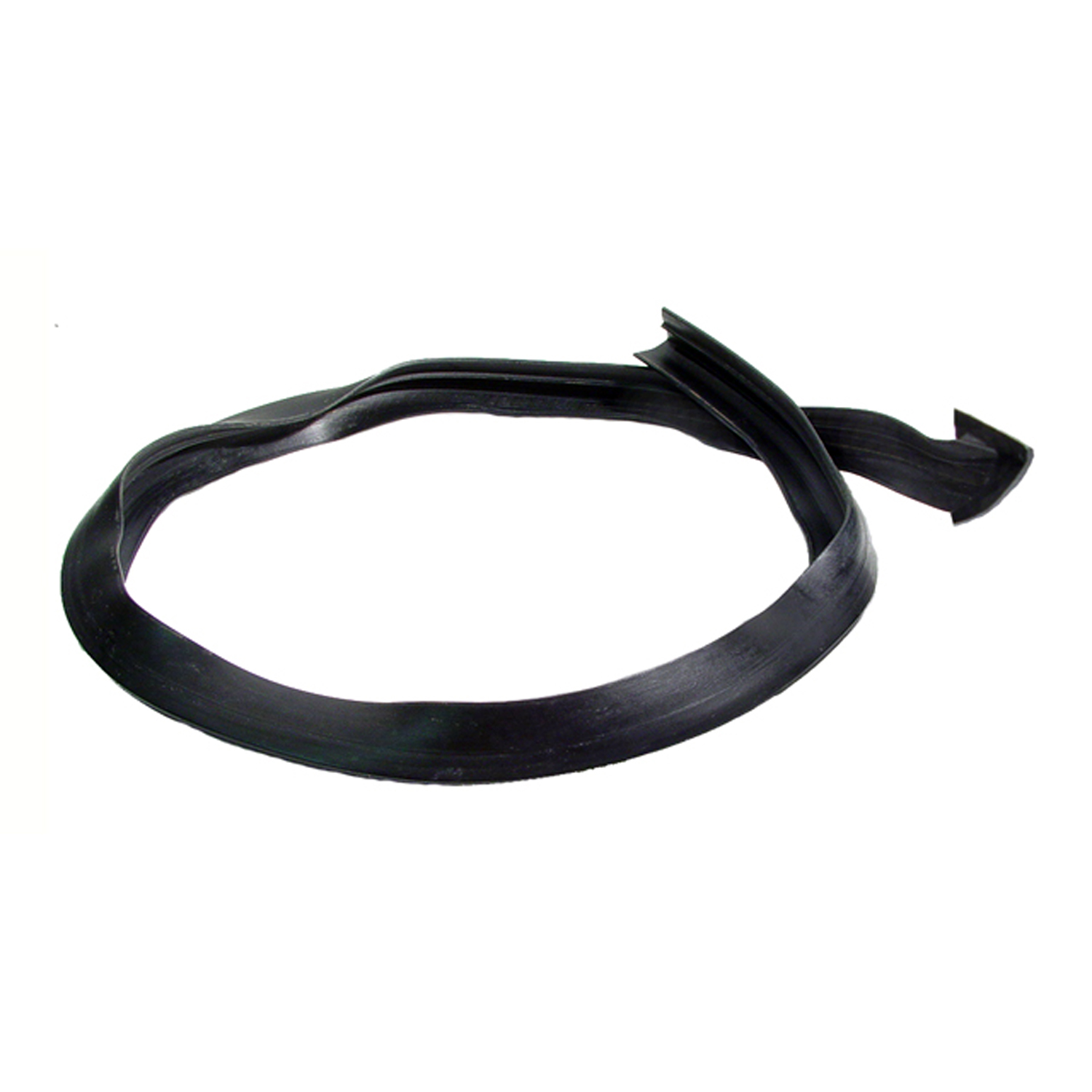 1941 Hudson Commodore Custom Series 15 Vertical Division Seal-VS 6-AVertical Division Seal. 26" Piece, enough for two front vents. Each
 1941 Hudson Commodore Custom Series 15 Vertical seal for vent window. Dense rubber. Universal part-VS 6-A/FTVertical seal for vent window. Dense rubber. Universal part. Per foot.
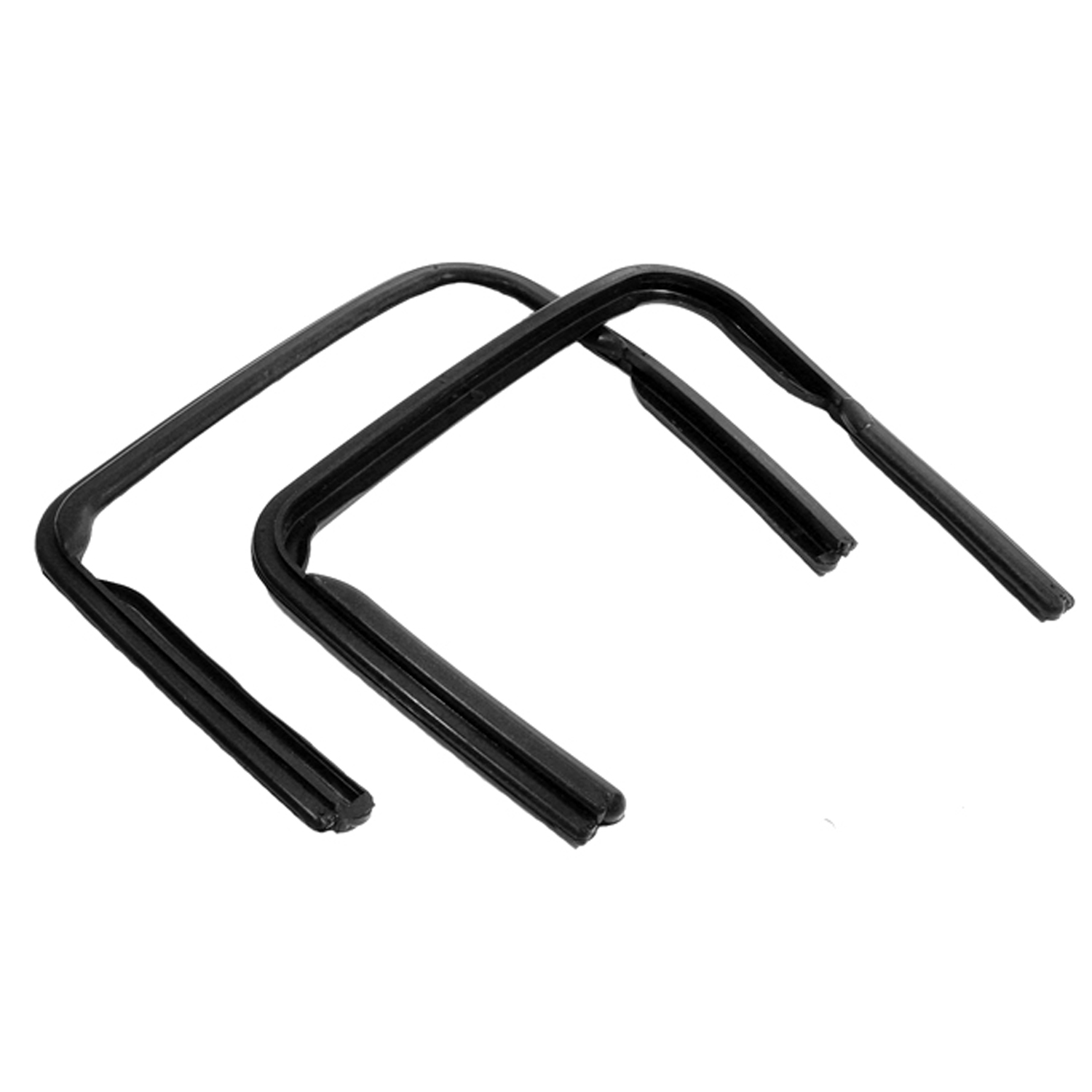 1941 Hudson Commodore Custom Series 15 Front Vent Window Seals, for Convertibles-WR 9Front Vent Window Seals, for Convertibles. 25-1/4" long each. Pair R&L
Why Choose Metro?
For over 100 years, Metro Moulded Parts has been the pinnacle of quality in classic car restoration parts. Our commitment to precision and authenticity in every component ensures a perfect fit and an OEM-level appearance.
- Expert Craftsmanship & Quality: Each part is a testament to our dedication to reliability and perfection, crafted from original designs and thoroughly tested.
- Advanced Technology: We use cutting-edge techniques to create flawless, long-lasting parts that surpass others in performance.
- SuperSoft Sponge – The Ultimate Door Seal: Not only are our door seals 30% softer than competitors', but they're also guaranteed to never leak. They effectively reduce wind and road noise, enhancing your classic car's comfort and driving experience.
- Proudly American: Our parts are a product of American craftsmanship, made in the USA with a spirit of excellence and heritage.
- Unrivaled Warranty: We back our products with a 30-year industry-leading warranty, a testament to our confidence in their quality.
Join us in preserving the legacy of classic cars with parts that are crafted for perfection, not just made.