

Image of 1941 Hudson Commodore Custom Series 17, Note: These illustrations use artistic license and may differ from actual historical models.
Performance Metrics
Fundamental Metrics
Emotional Appeal
MMP Rating
| Engine Specifications | |
|---|---|
| Engine: | Inline 6 |
| Displacement: | 212 cubic inches |
| Horsepower: | Estimated 102 hp |
| Torque: | Not available |
| Compression Ratio: | 6.5:1 |
| Ignition System: | Battery and coil |
| Cooling System: | Liquid-cooled |
| Performance Specifications | |
| 0-60 Time: | Not available |
| 1/4 Mile Time: | Not available |
| Top Speed: | Estimated 80 mph |
| Transmission and Drive | |
| Drive Type: | Rear-wheel drive |
| Transmission Type: | 3-speed manual |
| Fuel and Efficiency | |
| Fuel System Type: | Carburetor |
| MPG: | Not available |
| Dimensions and Brakes | |
| Brakes: | Hydraulic drum brakes |
| Wheelbase: | 121 inches |
| Weight: | Estimated 3,200 lbs |
Note: Specifications for classic cars are given to the best of our ability, considering the limited and variant data available.
1941 Hudson Commodore Custom: A Prewar American Classic
The 1941 Hudson Commodore Custom looks ready to glide past the ordinary: long hood, sweeping fenders, bright chrome, and the quiet authority of a top-of-the-line American car. Built by Hudson Motor Car Company in Detroit, the Commodore Custom represented the marque’s luxury-minded side just as the United States was entering a period that would soon transform the auto industry.
The Series 17 Commodore Custom was the eight-cylinder version of Hudson’s premium Commodore line. Its 254-cubic-inch straight-eight, roomy cabin, and carefully finished trim made it a substantial, comfortable automobile for the early 1940s. It arrived during the final stretch of normal civilian-car production before wartime restrictions halted most new-car manufacturing in 1942. That timing gives the 1941 Hudson a distinctive place in the story of American motoring: it belongs to the polished prewar era, but sits just before the industry shifted to wartime production.
One useful distinction for buyers and enthusiasts is that “Series 17” identifies the model series, while body style and equipment could vary. A surviving car’s engine, trim, and factory specification should be checked against its serial number and original records wherever possible.
Streamlined Styling and Commodore Comfort
Hudson’s 1941 design balanced flowing prewar curves with a crisp, confident front end. The broad grille, horizontal brightwork, and sculpted hood give the car a substantial face, while the fenders blend into the body rather than looking like separate attachments. The long wheelbase and generous proportions communicate luxury without relying on the exaggerated ornament that appeared on some contemporary cars.
Inside, the Commodore Custom was designed for long-distance comfort. A wide front bench and a spacious rear seat made it a natural choice for families and highway travel. Upholstery and trim depended on the body style and factory specification, but higher-grade cloth and carefully finished interior details helped distinguish the Commodore from less expensive Hudson models. Today, original upholstery, door panels, headliners, and dashboard trim can be among the most challenging parts to find in good condition.
Factory paint selections varied by year and equipment, but period Hudsons commonly appeared in restrained colors such as black, deep blue, maroon, green, and gray. Dark, rich shades suit the car’s formal character particularly well, while lighter colors show off the body’s curves. A buyer considering a restoration should consult period paint charts and the car’s original documentation rather than assume that a present-day color was offered on every body style.
The Commodore range included sedan and coupe-style configurations, with exact availability depending on the series and engine. Four-door sedans were among the practical, recognizable choices, while club-coupe and other two-door versions offered a sportier profile. Convertible models were also part of Hudson’s broader premium-car offerings, though they are much less commonly encountered today. The sedan remains the most familiar expression of the Commodore’s roomy, upscale character.
Engineering Before the Step-Down Era
The 1941 Commodore Custom is sometimes discussed alongside Hudson’s later, more radical engineering, but it predates the company’s famous Step-Down design introduced after the war. The 1941 car uses a conventional body-on-frame layout, not the later unitized structure with passengers seated within the frame rails. Its importance lies instead in how effectively Hudson combined a strong chassis, a smooth straight-eight, generous interior space, and carefully streamlined styling in a competitive luxury car.
That combination set the Commodore apart from more basic family cars. Hudson had a reputation for building solid, substantial automobiles, and the Custom’s straight-eight gave it a smoothness that was especially appealing at sustained road speeds. The model also shows how automakers were refining aerodynamics and body integration before wartime production interrupted the normal pace of civilian development.
Hudson’s postwar innovations, especially the 1948 Step-Down models, would become more famous. Still, the Commodore Custom helps explain the company’s steady progression toward cars that felt lower, roomier, and more integrated than traditional designs. It is a bridge between established prewar construction and the more adventurous engineering that followed.
Straight-Eight Performance and Road Manners
The Series 17 Commodore Custom was powered by Hudson’s 254-cubic-inch inline-eight, rated at approximately 128 horsepower in period specifications. Power was delivered through a three-speed manual transmission, with overdrive available on some cars. Exact equipment varies, so a particular example should be checked rather than assumed to have every option.
Period performance figures depend on body style, gearing, condition, and test method. As a practical estimate, a properly tuned car may reach roughly 85 to 90 mph, with a 0-to-60-mph time in the neighborhood of 17 to 20 seconds. Those numbers are respectable for a large prewar sedan, but acceleration is gradual by modern standards. The straight-eight’s strength is its smooth, even pull, not a sudden rush of power.
On the road, the Hudson’s long wheelbase helps it settle over ordinary pavement bumps and expansion joints. Its size and traditional suspension give it a composed touring character, though rough roads can still produce the body movement expected of a large car from the period. On winding roads, the driver has to plan ahead: steering response is slower than in a modern vehicle, and the car’s weight and narrow tires reward smooth inputs rather than aggressive cornering.
The driving experience is one of mechanical rhythm. The engine produces a mellow, even straight-eight note, the manual gearbox asks for deliberate shifts, and the large steering wheel gives the driver leverage over the car’s substantial front end. Braking, visibility, and road feel are all firmly prewar. In good condition, a Commodore Custom can be a pleasant touring car, but it needs more space and stopping distance than a contemporary sedan.
Living With a 1941 Hudson
Today, the Commodore Custom is most often used as a show car, parade car, weekend tourer, or carefully maintained collector vehicle. Its comfort and presence suit relaxed drives and classic-car gatherings. It is not generally an ideal everyday car in modern traffic, where faster speeds, heavier congestion, and contemporary safety expectations can make an older vehicle feel out of its element.
Routine mechanical work is manageable for an experienced owner or a shop familiar with prewar American cars. The straight-eight is a conventional, serviceable design, and many maintenance tasks are straightforward when parts and correct specifications are available. The greater challenge is often sourcing model-specific trim, weather seals, glass, upholstery materials, and certain body components. Electrical systems are typically six-volt, and original wiring, charging equipment, and grounds should be inspected carefully.
Reliability depends heavily on restoration quality and regular use. A car that has been sitting for years may need attention to its fuel system, cooling system, brakes, tires, and wiring before it is roadworthy. As with any prewar car, a sound inspection by a mechanic familiar with vintage vehicles is money well spent. Good brakes, sound tires, and a cooling system that works in modern conditions matter more than a shiny paint job.
Hudson Facts, Myths, and Period Context
The 1941 model year was among the last opportunities for American buyers to purchase a new Hudson before wartime production brought civilian-car manufacturing to a stop. Hudson shifted its industrial capacity toward war work, including production related to aircraft engines and naval equipment. The Commodore therefore represents more than a luxury model: it captures a moment just before factories, materials, and engineering priorities changed dramatically.
The Commodore Custom should not be confused with the later Hudson Hornet’s racing fame. Hudson’s major NASCAR successes came after the war, especially in the early 1950s, with the Hornet and its lower, more advanced Step-Down construction. The 1941 Commodore was a road-going luxury car, not a factory-built stock-car racer.
Common criticisms are part of the ownership picture. The car is large, its fuel economy is modest, and its acceleration cannot match modern traffic. Replacement parts may take patience to locate, especially for body and interior details. Its old-fashioned brakes and handling also demand a more attentive driving style. For enthusiasts, those traits are not necessarily deal breakers, but they do make a careful restoration and sensible use essential.
Rarity, Prices, and Collector Appeal
Exact production totals for the Series 17 Commodore Custom are not consistently reported by body style, so any figure for that specific series should be treated as an estimate. A reasonable working estimate is roughly 12,000 to 20,000 Series 17 cars produced across the available body styles. Hudson built many more cars across its full 1941 range, but surviving Commodore Customs are far less common than mass-market postwar classics, and particularly complete or highly original examples can be difficult to find.
As a broad 2026 market guide, a project or incomplete car might sell for around $8,000 to $18,000, while a usable driver could fall in the $20,000 to $40,000 range. A high-quality restoration may bring approximately $45,000 to $75,000, with especially rare body styles or exceptional examples potentially exceeding that range. These are general estimates, not a guaranteed appraisal: condition, originality, documentation, mechanical work, and local demand can move the price substantially.
Values tend to reward quality and completeness more than the amount spent on a restoration. Like many prewar American cars, the Commodore has a dedicated audience but a narrower buyer pool than better-known postwar icons. Well-presented examples have the strongest long-term appeal, while cars needing extensive trim or bodywork can be expensive to finish. Over time, desirable, correctly restored cars may appreciate, but buyers should treat ownership primarily as a passion rather than a short-term investment.
Why the 1941 Commodore Custom Still Matters
The 1941 Hudson Commodore Custom Series 17 combines a smooth straight-eight, substantial prewar construction, graceful styling, and an interior built for comfortable travel. It was not the most radical Hudson of its era, but it showcases the company’s ability to make a refined, capable automobile on the eve of a historic interruption in American car production.
For collectors, its appeal lies in that mix of elegance and engineering character. For drivers, it offers a slower, more deliberate kind of motoring, with every shift and mile connected to a different chapter of automotive history. The Commodore Custom is a reminder that a great classic is not only a machine to admire, but a piece of its time that still knows how to make an entrance.
1941 Hudson Commodore Custom Series 17 Catalog of Parts
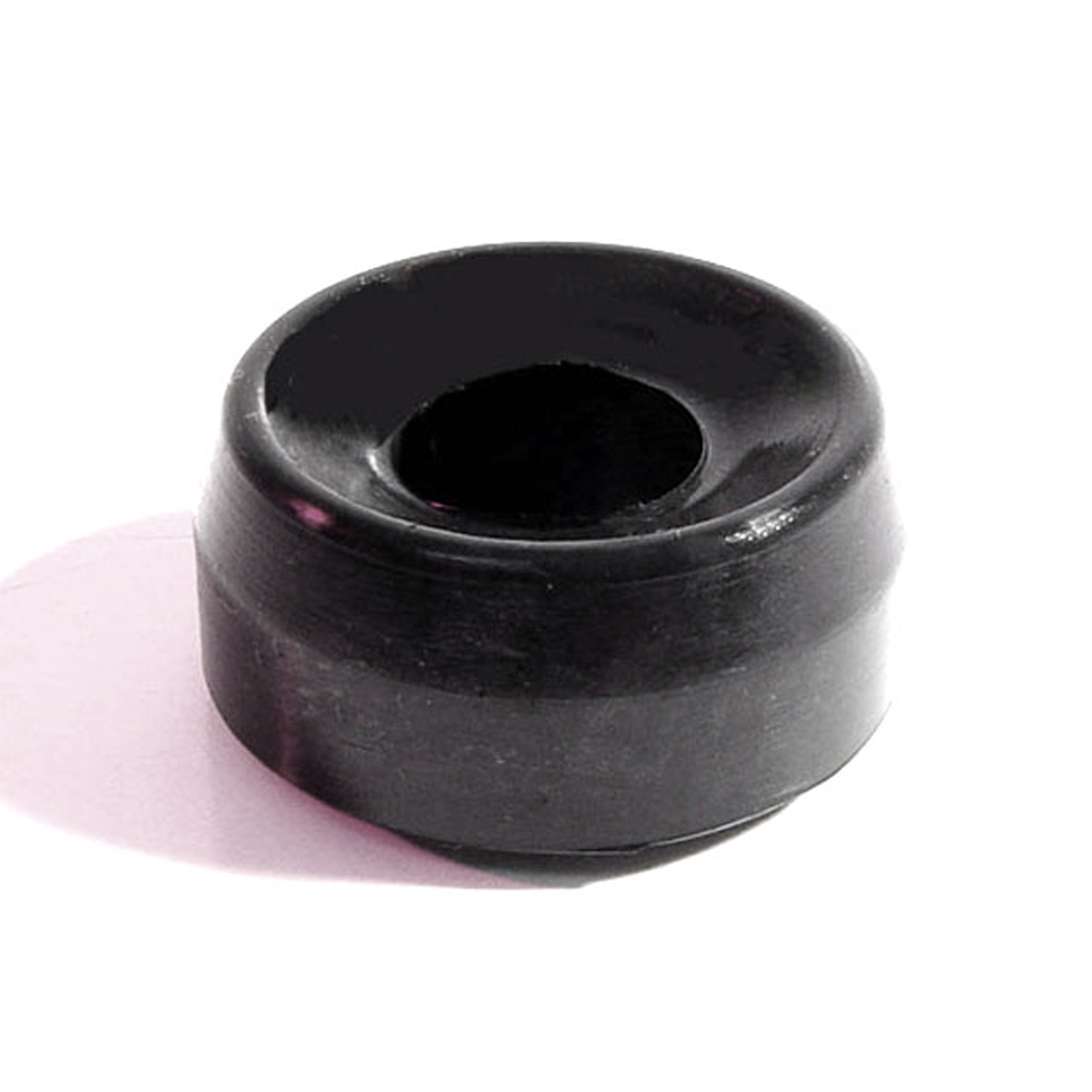 1941 Hudson Commodore Custom Series 17 Rear Stabilizer Bushing. Each-BN 4-HRear Stabilizer Bushing. Each
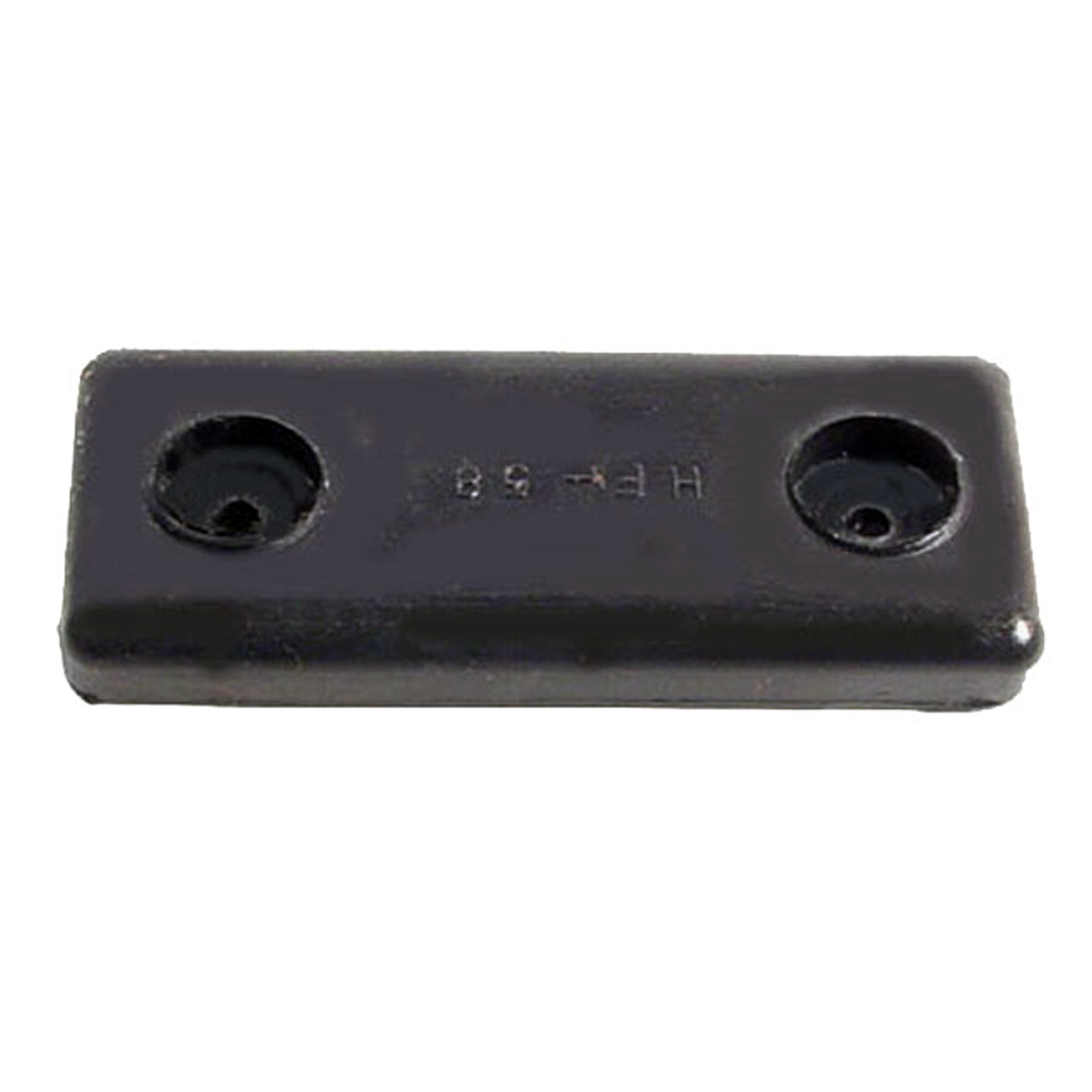 1941 Hudson Commodore Custom Series 17 Rear hood bumper. Fits on cowl. Made with washers-HF 58Rear hood bumper. Fits on cowl. Made with washers. Two used per car. Each.
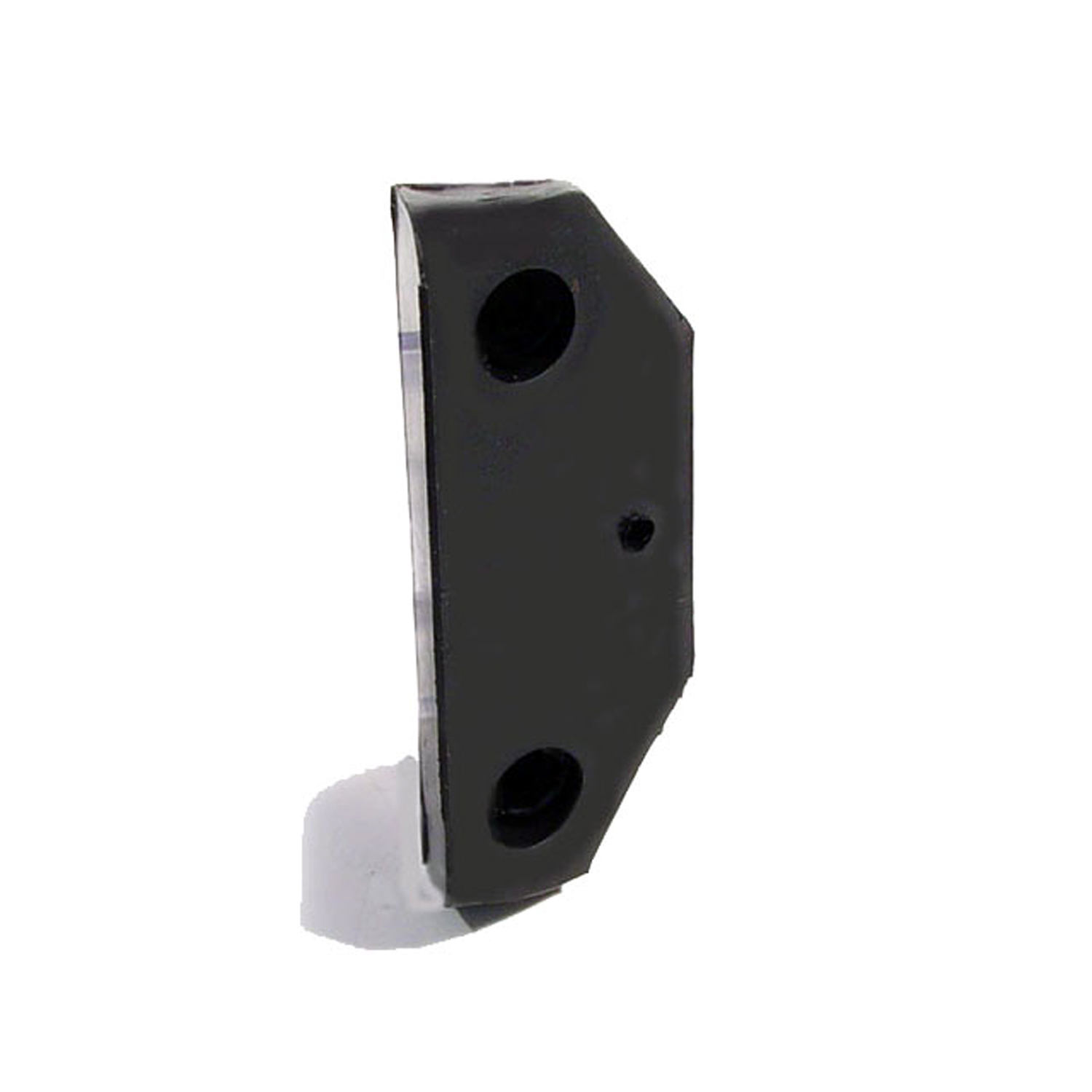 1941 Hudson Commodore Custom Series 17 Front Hood Bumper. Two used per car. Each-HF 58-AFront Hood Bumper. Two used per car. Each
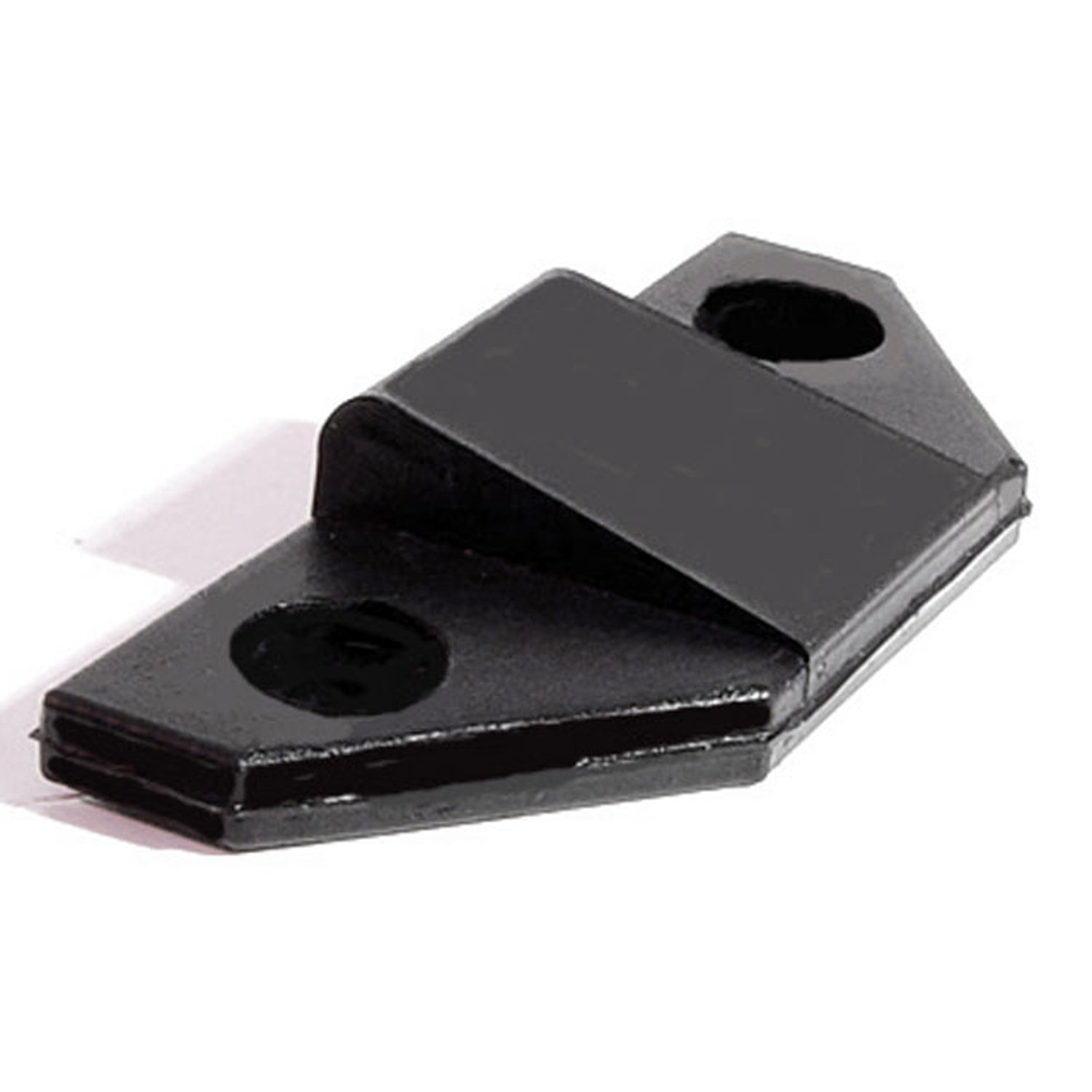 1941 Hudson Commodore Custom Series 17 Middle hood bumpers. Two used per car. Nice reproduction-HF 58-BMiddle hood bumpers. Two used per car. Nice reproduction. Each.
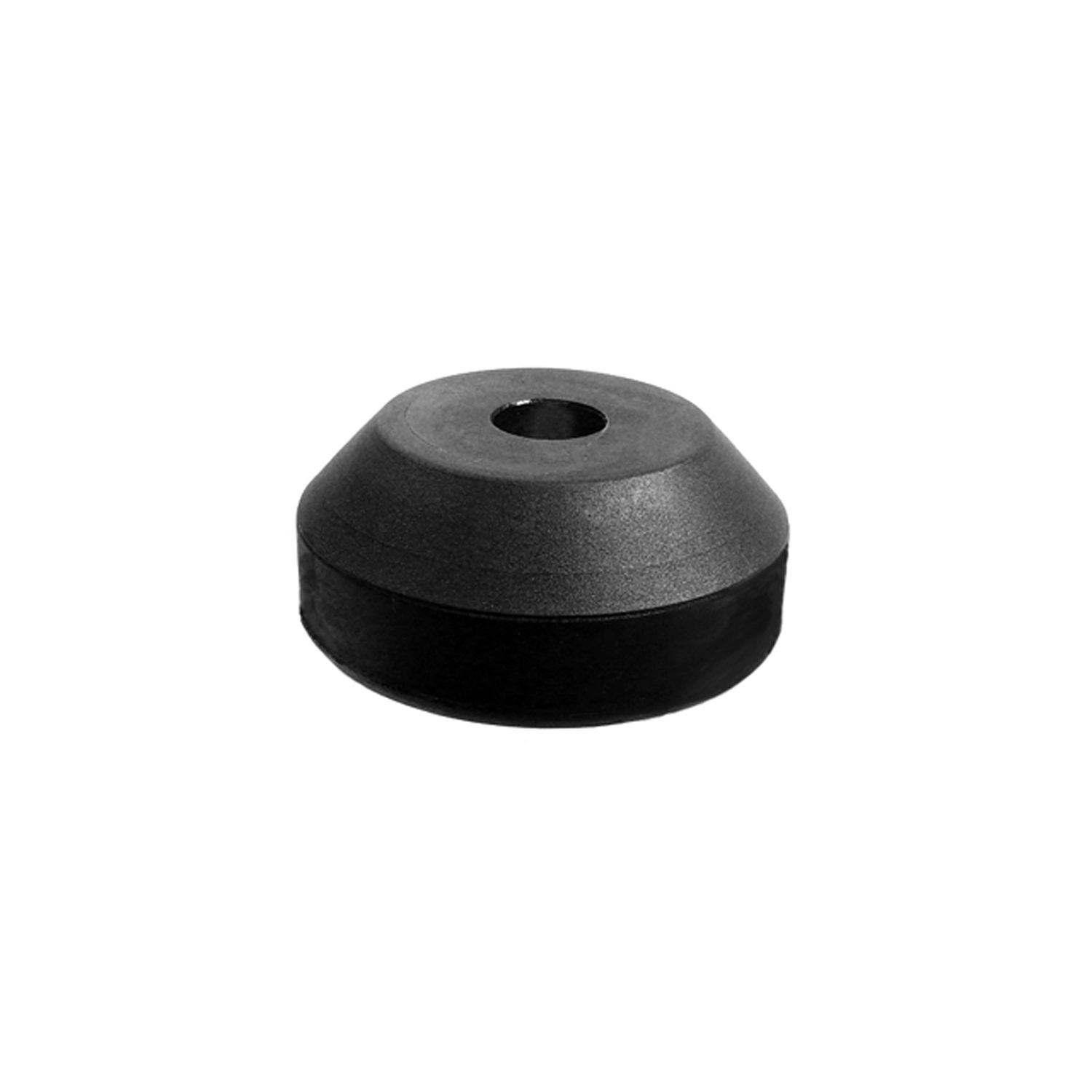 1941 Hudson Commodore Custom Series 17 Upper Motor Mount. 5/8" I.D., 2-5/8" O.D. Each-MM 7-BUpper Motor Mount. 5/8" I.D., 2-5/8" O.D. Each
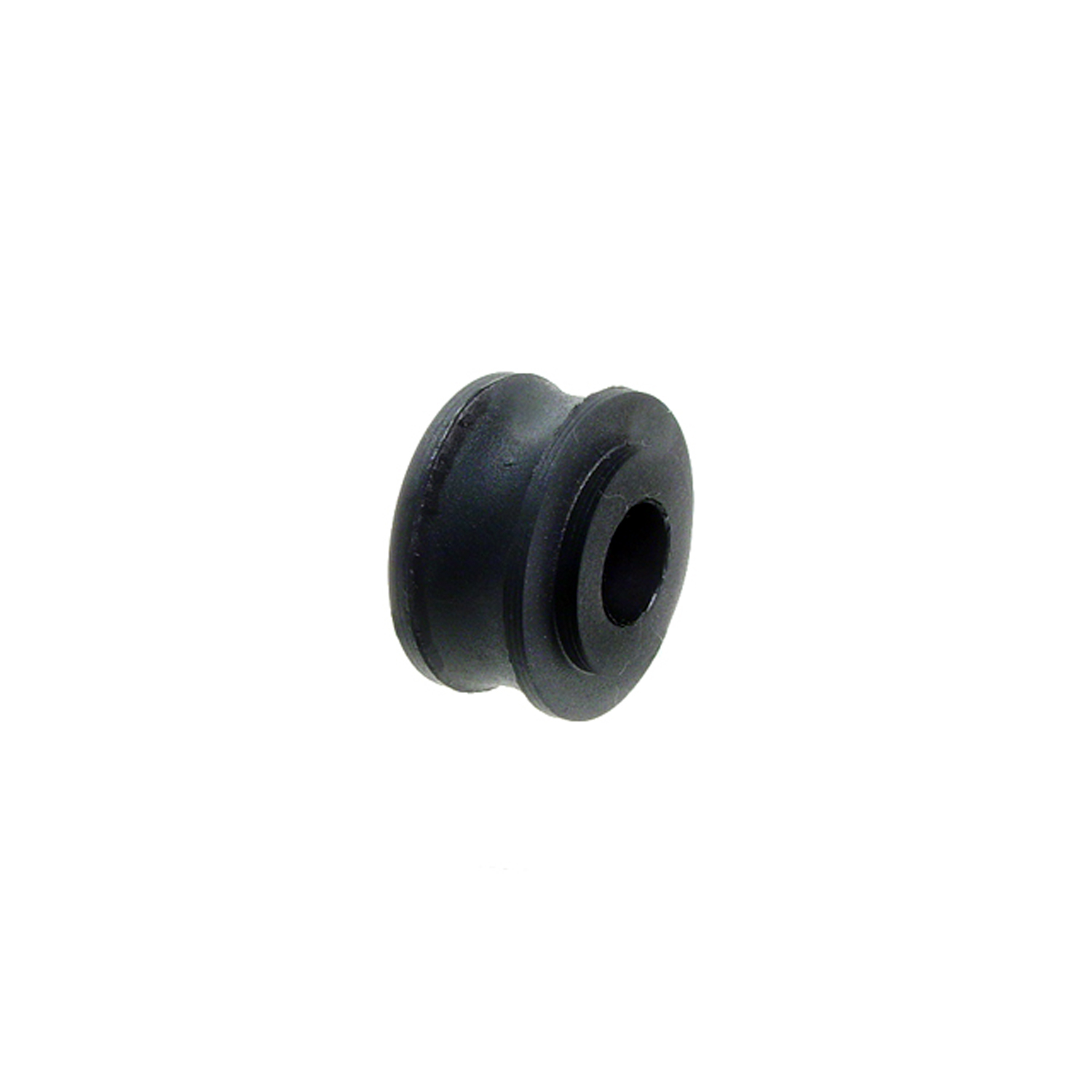 1941 Hudson Commodore Custom Series 17 Lower Motor Mount. 5/8" I.D., 1-5/8" O.D. Each-MM 7-CLower Motor Mount. 5/8" I.D., 1-5/8" O.D. Each
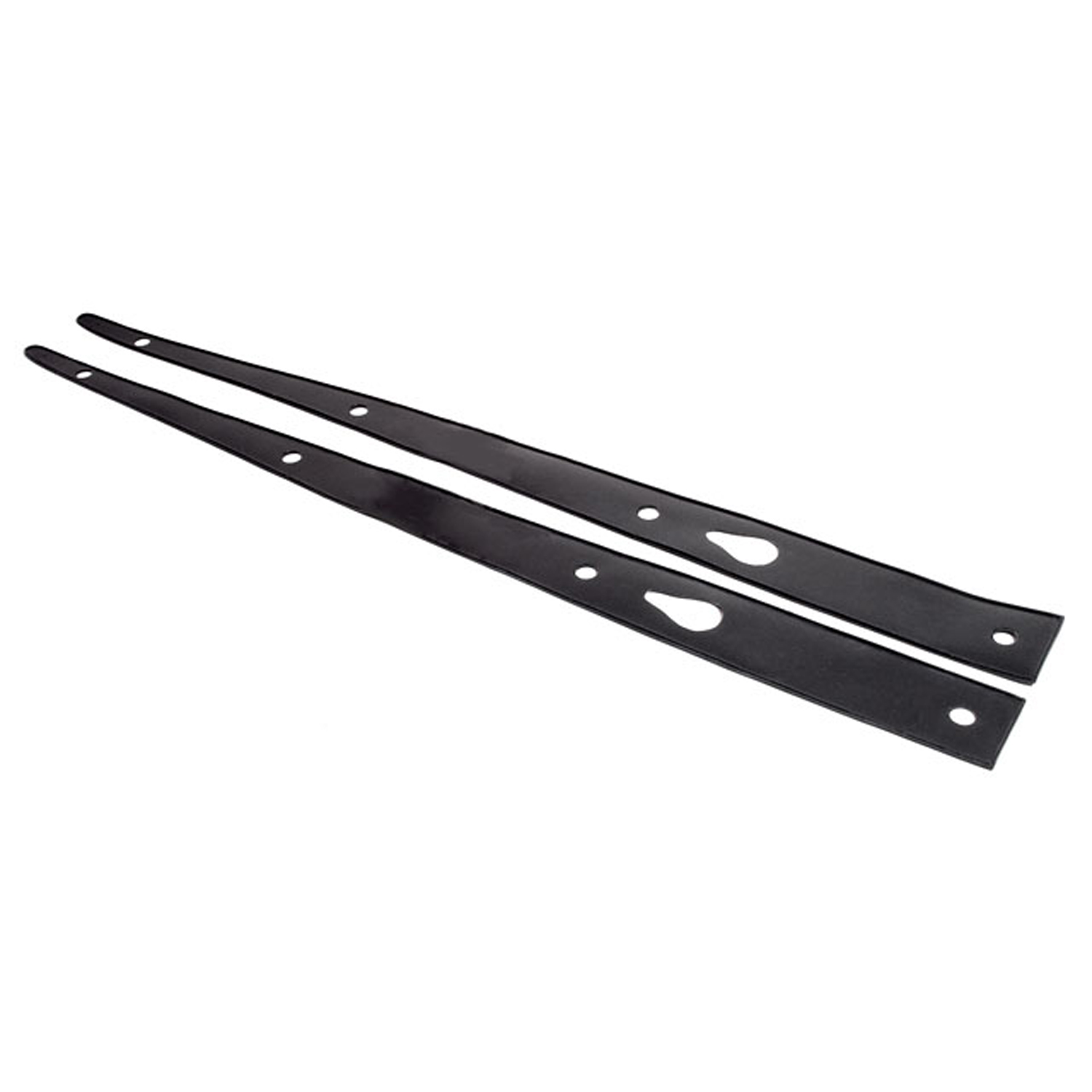 1941 Hudson Commodore Custom Series 17 Parklight Pads. 2-1/8" X 27-5/8" long. Pair-MP 798-RParklight Pads. 2-1/8" X 27-5/8" long. Pair
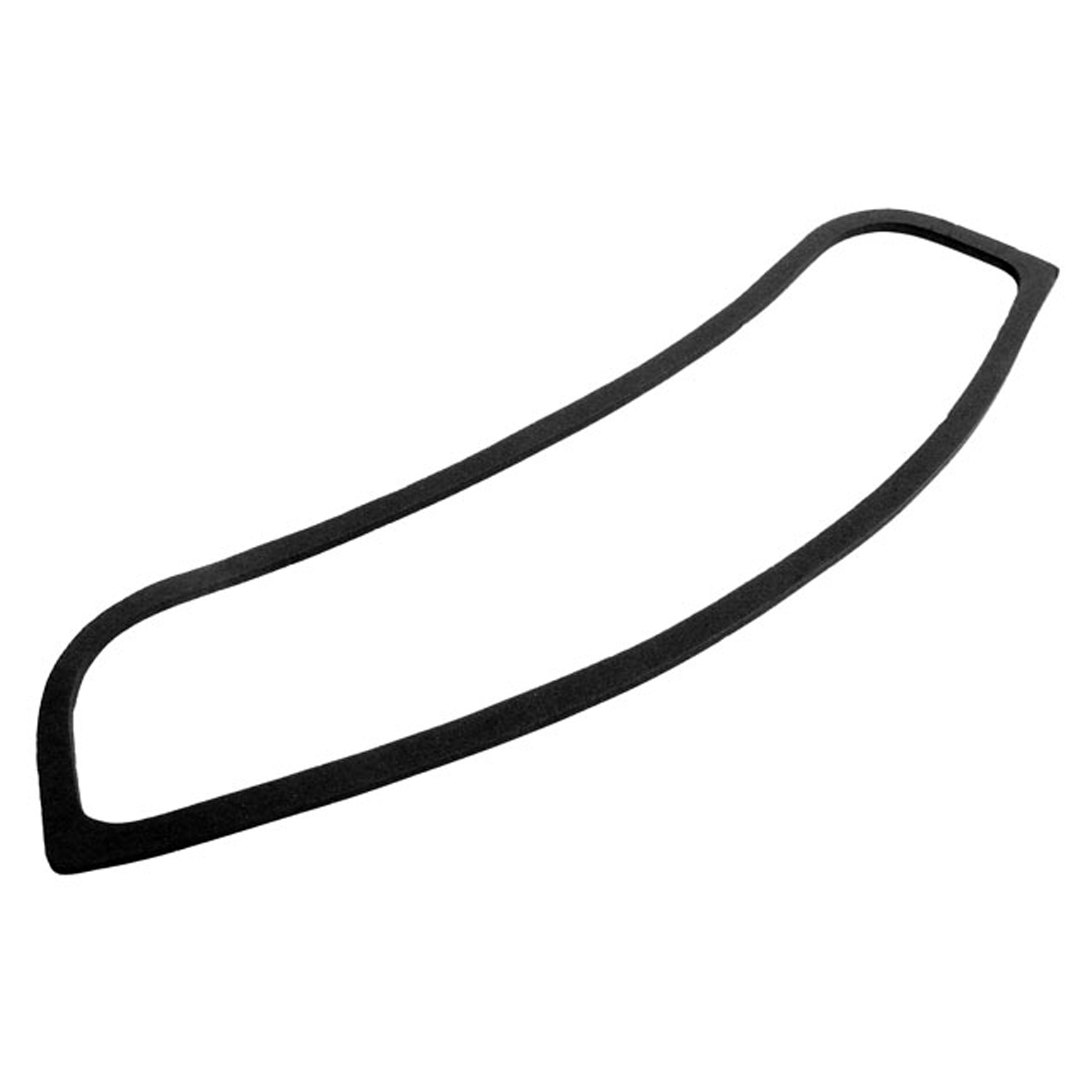 1941 Hudson Commodore Custom Series 17 Cowl Vent Seal. 4-1/2" wide X 18-1/2" long. Each-RP 100-YCowl Vent Seal. 4-1/2" wide X 18-1/2" long. Each
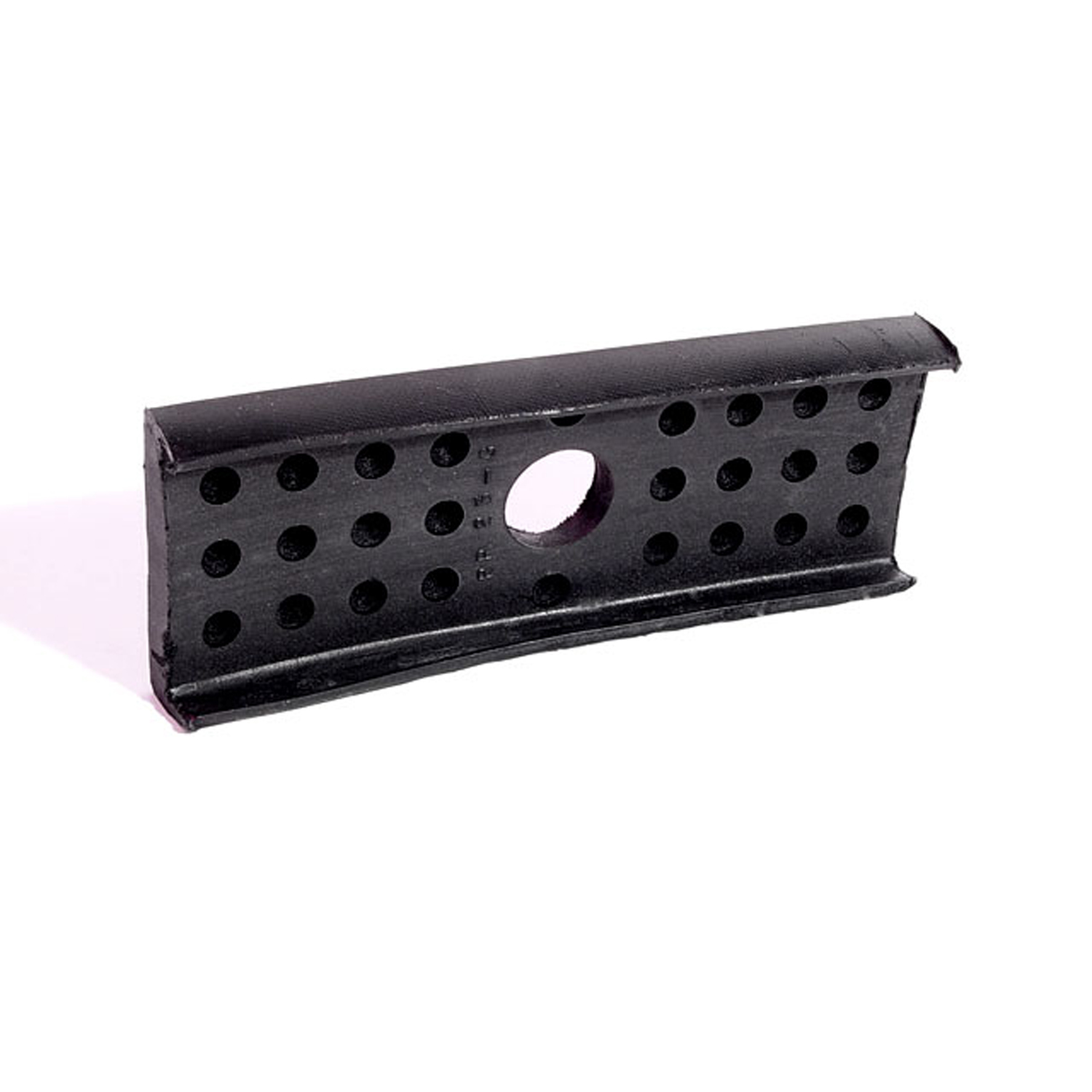 1941 Hudson Commodore Custom Series 17 Rear Leaf Spring Center Mounting Insulator-RP 23-GRear Leaf Spring Center Mounting Insulator. For all 1-3/4" wide leaf springs. Each
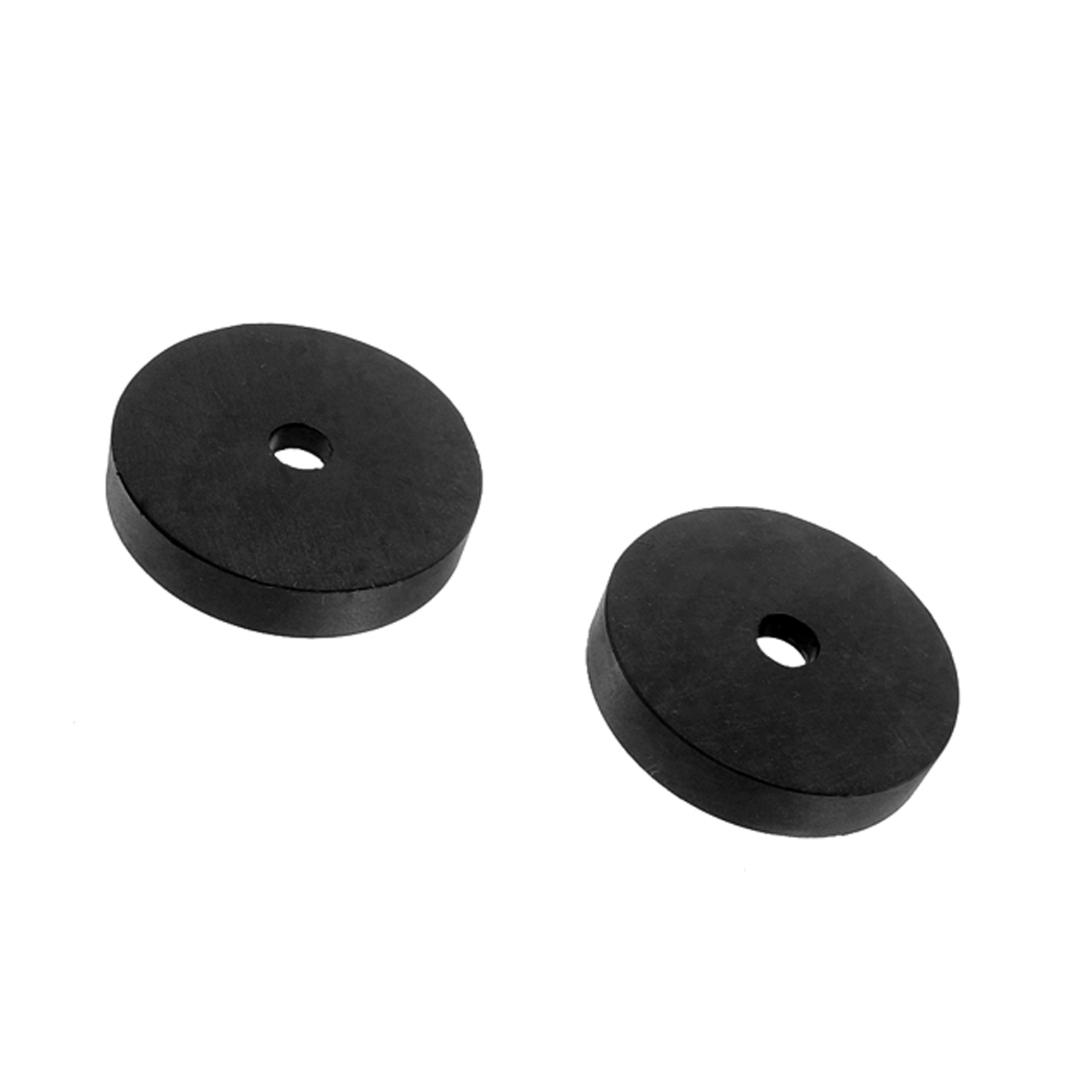 1941 Hudson Commodore Custom Series 17 Clutch and Brake Seals. Seals fit on a round shaft-RP 31-NClutch and Brake Seals. Seals fit on a round shaft. Made of soft rubber. 2-7/16" O.D., 7/16" I.D. Pair
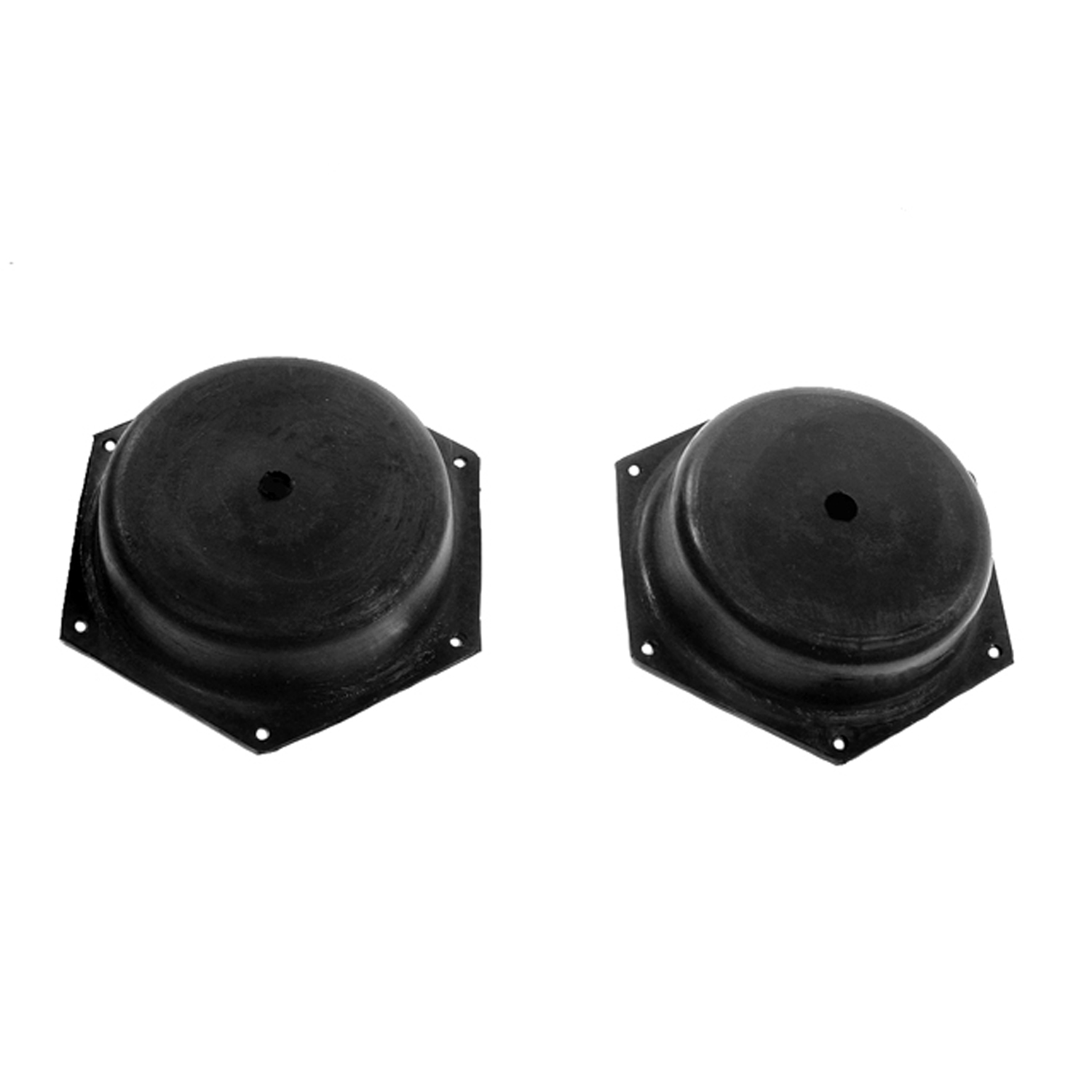 1941 Hudson Commodore Custom Series 17 Drive Master Electric Shift Vacuum Diaphragm-RP 32-ADrive Master Electric Shift Vacuum Diaphragm. For all models with drive master system for standard transmission. Pair
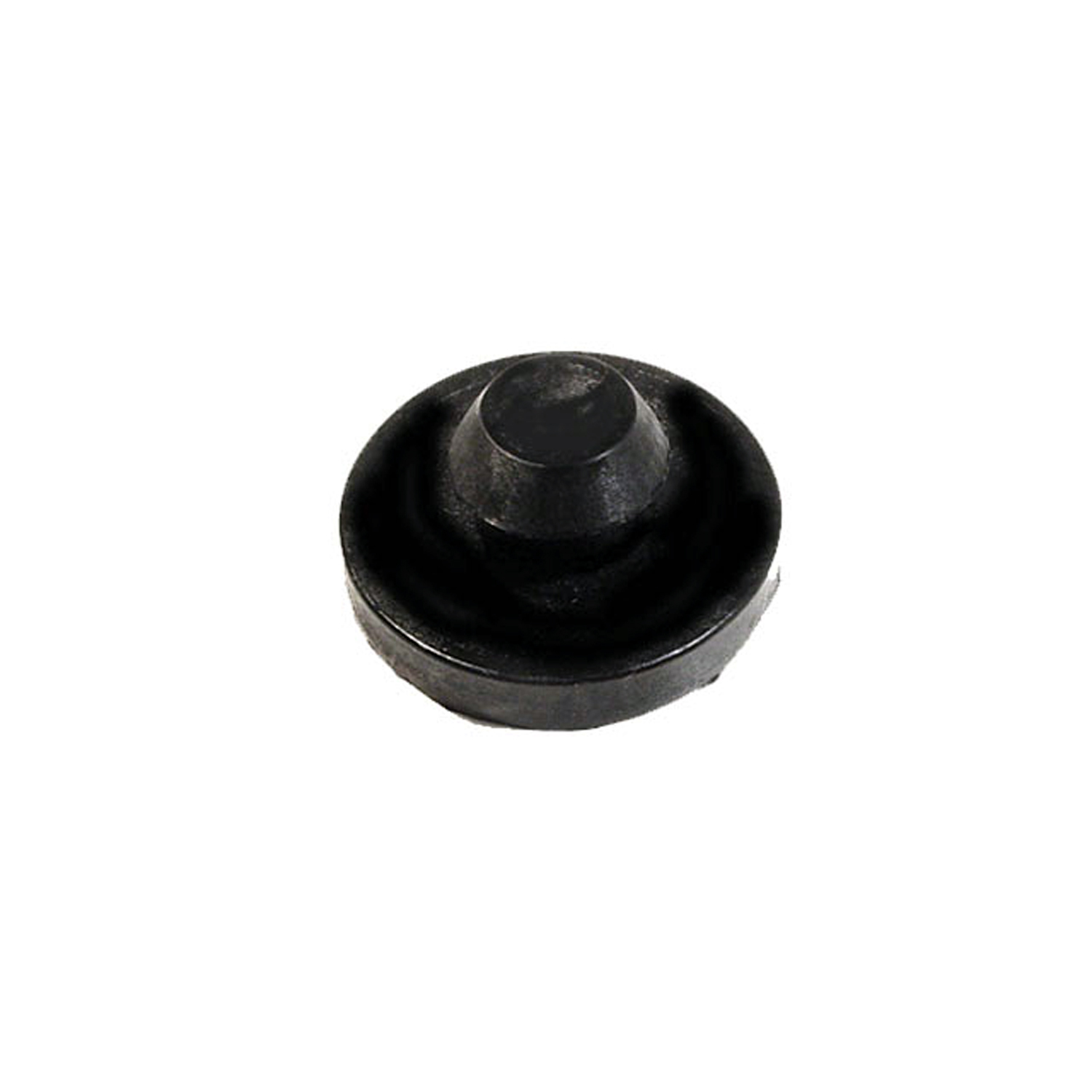 1941 Hudson Commodore Custom Series 17 Clutch Linkage Cushion. 1/4" top thickness, 1-1/2" O.D-SB 33-AClutch Linkage Cushion. 1/4" top thickness, 1-1/2" O.D. Each
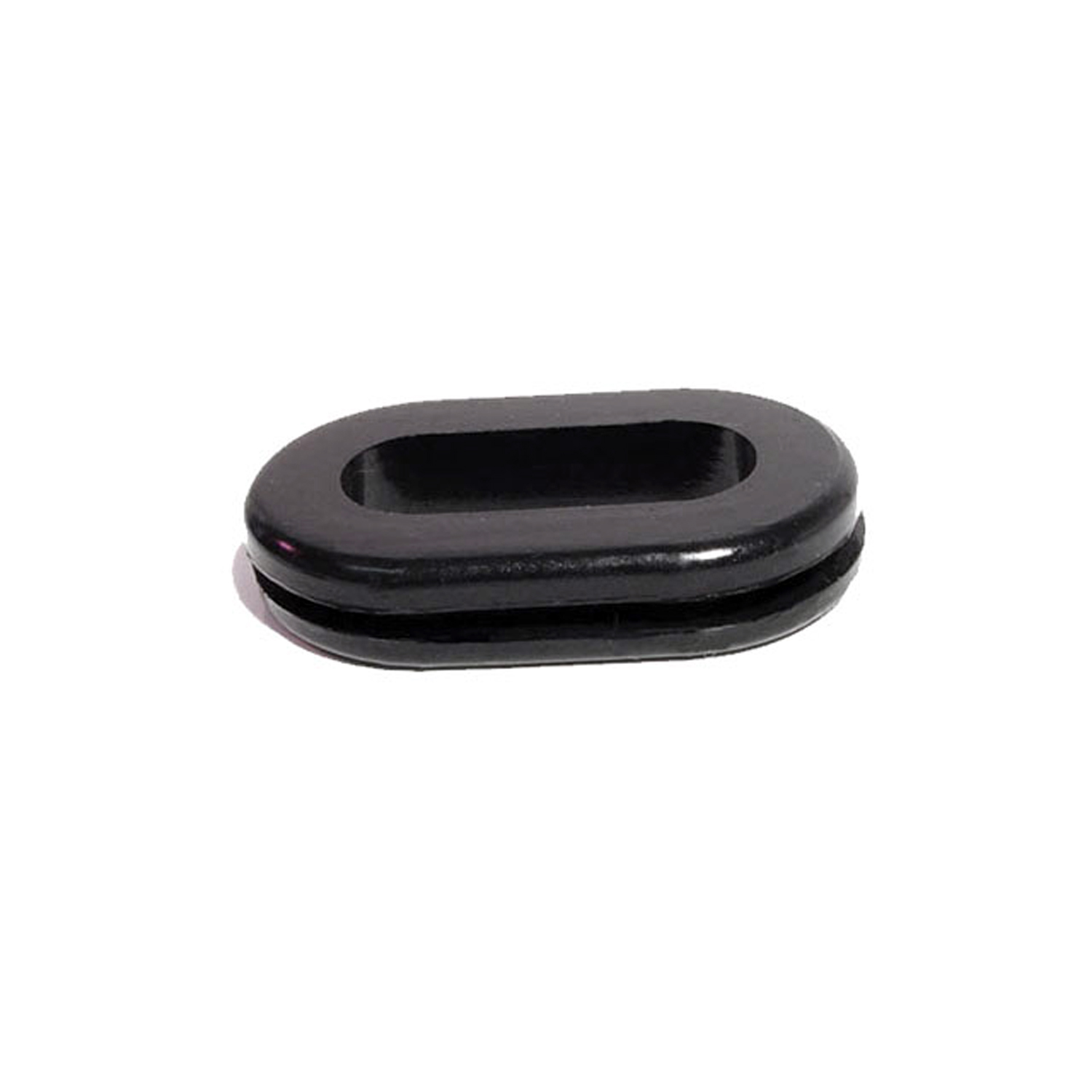 1941 Hudson Commodore Custom Series 17 Headlight Wire through Fender Grommet. Two used per car-SM 100-AHeadlight Wire through Fender Grommet. Two used per car. 1-1/4" inner slot, 1-7/8" long overall. Each
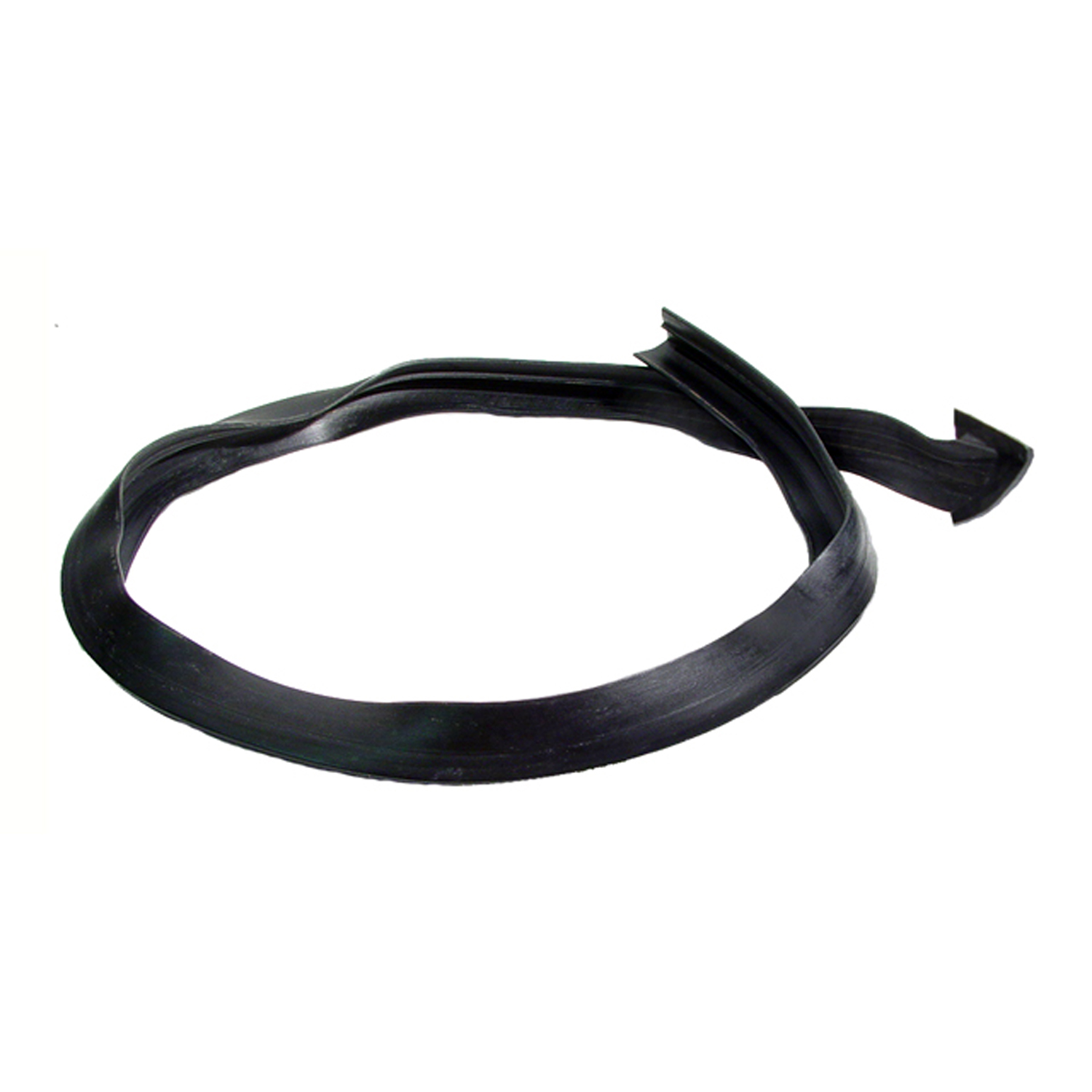 1941 Hudson Commodore Custom Series 17 Vertical Division Seal-VS 6-AVertical Division Seal. 26" Piece, enough for two front vents. Each
 1941 Hudson Commodore Custom Series 17 Vertical seal for vent window. Dense rubber. Universal part-VS 6-A/FTVertical seal for vent window. Dense rubber. Universal part. Per foot.
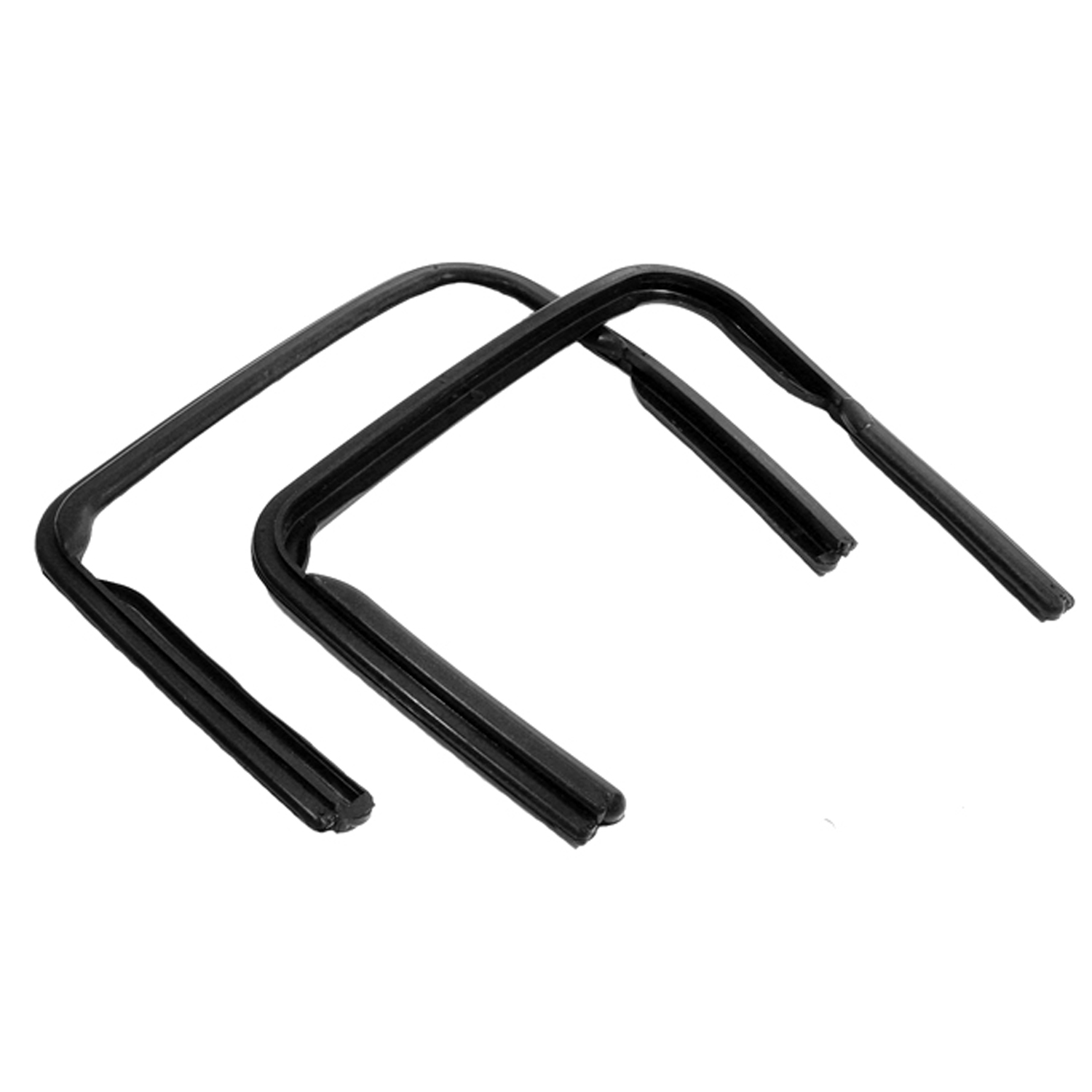 1941 Hudson Commodore Custom Series 17 Front Vent Window Seals, for Convertibles-WR 9Front Vent Window Seals, for Convertibles. 25-1/4" long each. Pair R&L
Why Choose Metro?
For over 100 years, Metro Moulded Parts has been the pinnacle of quality in classic car restoration parts. Our commitment to precision and authenticity in every component ensures a perfect fit and an OEM-level appearance.
- Expert Craftsmanship & Quality: Each part is a testament to our dedication to reliability and perfection, crafted from original designs and thoroughly tested.
- Advanced Technology: We use cutting-edge techniques to create flawless, long-lasting parts that surpass others in performance.
- SuperSoft Sponge – The Ultimate Door Seal: Not only are our door seals 30% softer than competitors', but they're also guaranteed to never leak. They effectively reduce wind and road noise, enhancing your classic car's comfort and driving experience.
- Proudly American: Our parts are a product of American craftsmanship, made in the USA with a spirit of excellence and heritage.
- Unrivaled Warranty: We back our products with a 30-year industry-leading warranty, a testament to our confidence in their quality.
Join us in preserving the legacy of classic cars with parts that are crafted for perfection, not just made.